Attractions and Places To See around Lydlinch - Top 20
Attractions and places to see around Lydlinch, a village nestled in the Blackmore Vale in north Dorset, offer a blend of historical charm and natural beauty. The area is characterized by ancient oaks, nature reserves, and rolling hills, with the River Lydden flowing through the village. Visitors can explore notable landmarks, picturesque natural features, and cultural sites within and around the village.
Best attractions and places to see around Lydlinch
- The most popular attractions is Shillingstone Railway Station & Museum…
Last updated: May 9, 2026
Shillingstone Railway Station & Museum
Highlight (Segment) • Historical Site
Tip by

Hambledon Hill Iron Age hill fort
Highlight • Viewpoint
Tip by

Sign up now to discover places like this
Get recommendations on the best single tracks, peaks, & plenty of other exciting outdoor places.
Sign up for free
North Dorset Trailway
Highlight (Segment) • Trail
Tip by

Sherborne Abbey
Highlight • Religious Site
Tip by

Hod Hill
Highlight • Viewpoint
Tip by

Sign up for free to discover even more attractions around Lydlinch.
Sign up for free
Already have an account?
Start today with a free account
Your next adventure awaits.
Login or Signup

Tips from the Community

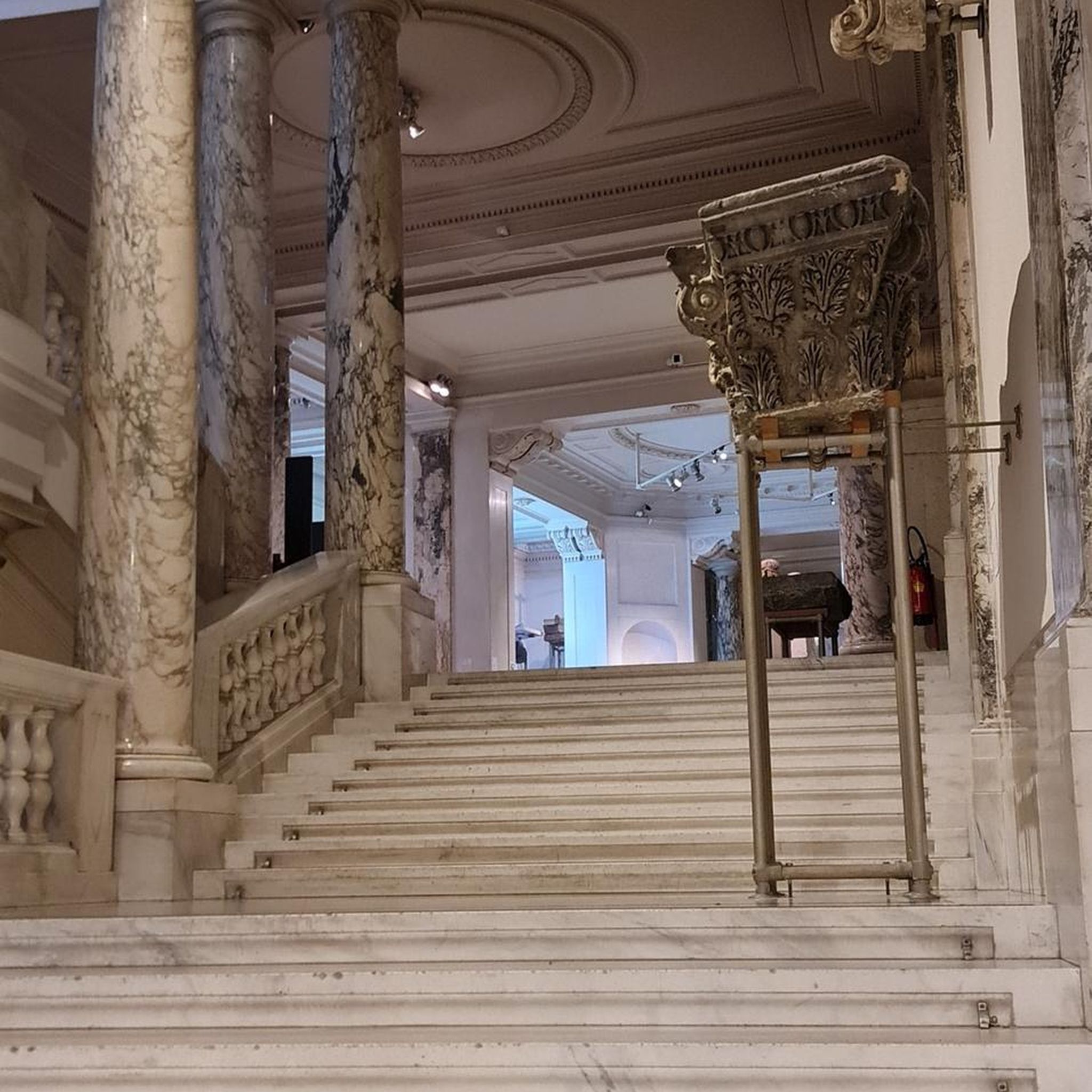
Originally a Saxon cathedral, Sherborne Abbey is a golden-stoned masterpiece of Perpendicular Gothic architecture. Its claim to fame is the fan vaulting—arguably the earliest and most spectacular in England—which spreads across the ceiling like delicate stone lace. The Abbey has survived fires (started by a bickering abbot and townspeople in 1437), the Dissolution of the Monasteries, and the test of time. Inside, you’ll find the tombs of West Saxon kings and the stunning Great West Window. It remains a living "lantern" of Dorset, glowing with honey-colored Hamstone and a quiet, ancient majesty that defines the town.
1
0

I always make time to pop in on my walks in this area as it is wonderfully calming and peaceful. I like to just sit and marvel at the talent of the architecture.
0
0


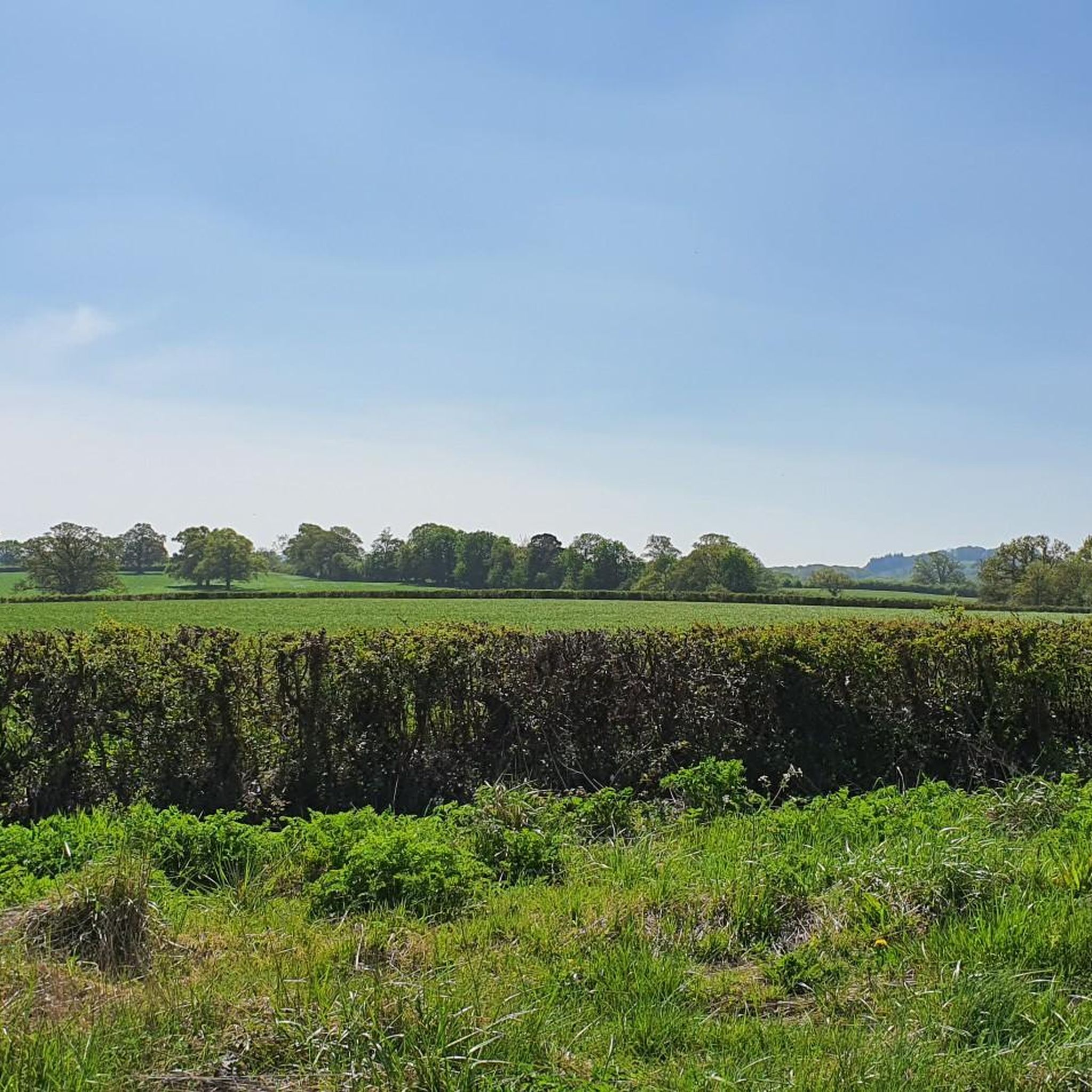
What a beautiful place to ride a bike! Nothing too demanding along this route. A mixture of cyclists, dog walkers, hikers and pushchair parents. highly recommend this route.
1
0
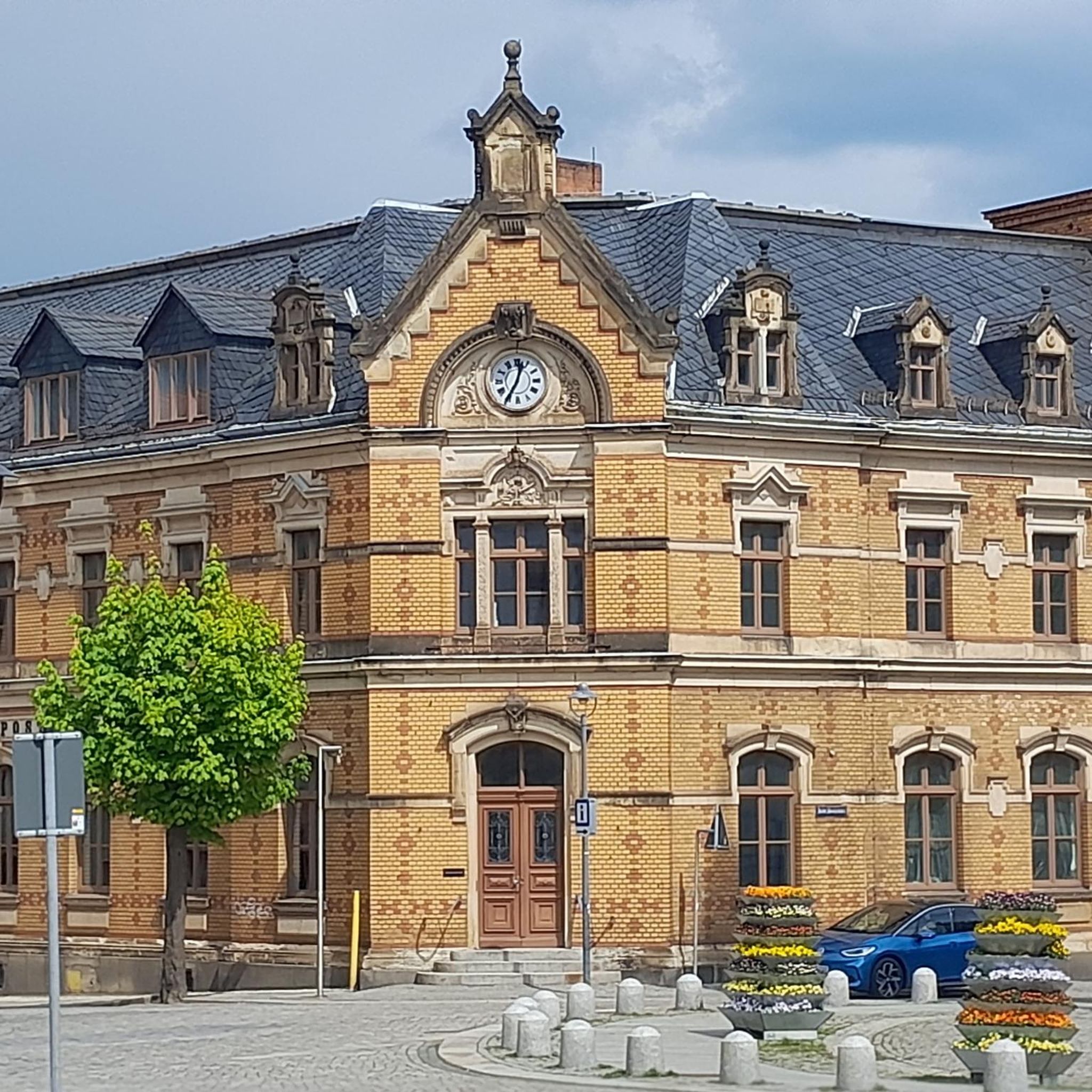
Shillingstone railway station was a station on the Somerset and Dorset Joint Railway (S&DJR), serving the village of Shillingstone in the English county of Dorset. Shillingstone is the last surviving example of a station built by the Dorset Central Railway (one of the forerunners of the S&DJR). The station closed in 1966, when services were withdrawn from the S&DJR route. Since 2001, enthusiasts have been working to re-open the station as a heritage railway attraction.[1] The main building has now been renovated, and opened to the public as a museum, shop and refreshment room in 2008.[ The station was opened on 31 August 1863 by the Somerset and Dorset Railway, although planned and designed by one of its two predecessors, the Dorset Central Railway. Initial train services were provided by the London and South Western Railway (LSWR). In 1875, the Midland Railway and the LSWR together took over a joint lease of the line, forming the Somerset and Dorset Joint Railway.
0
0
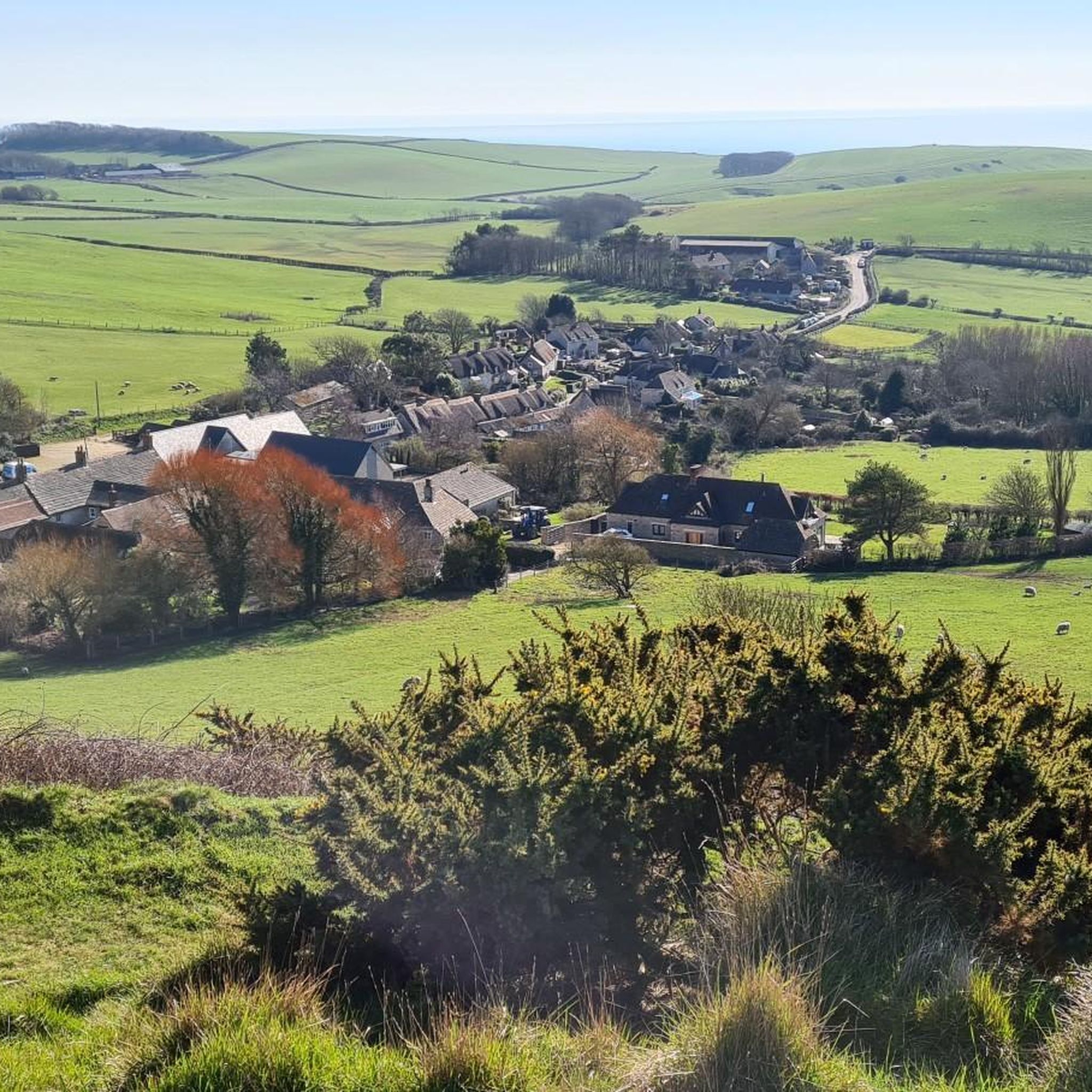
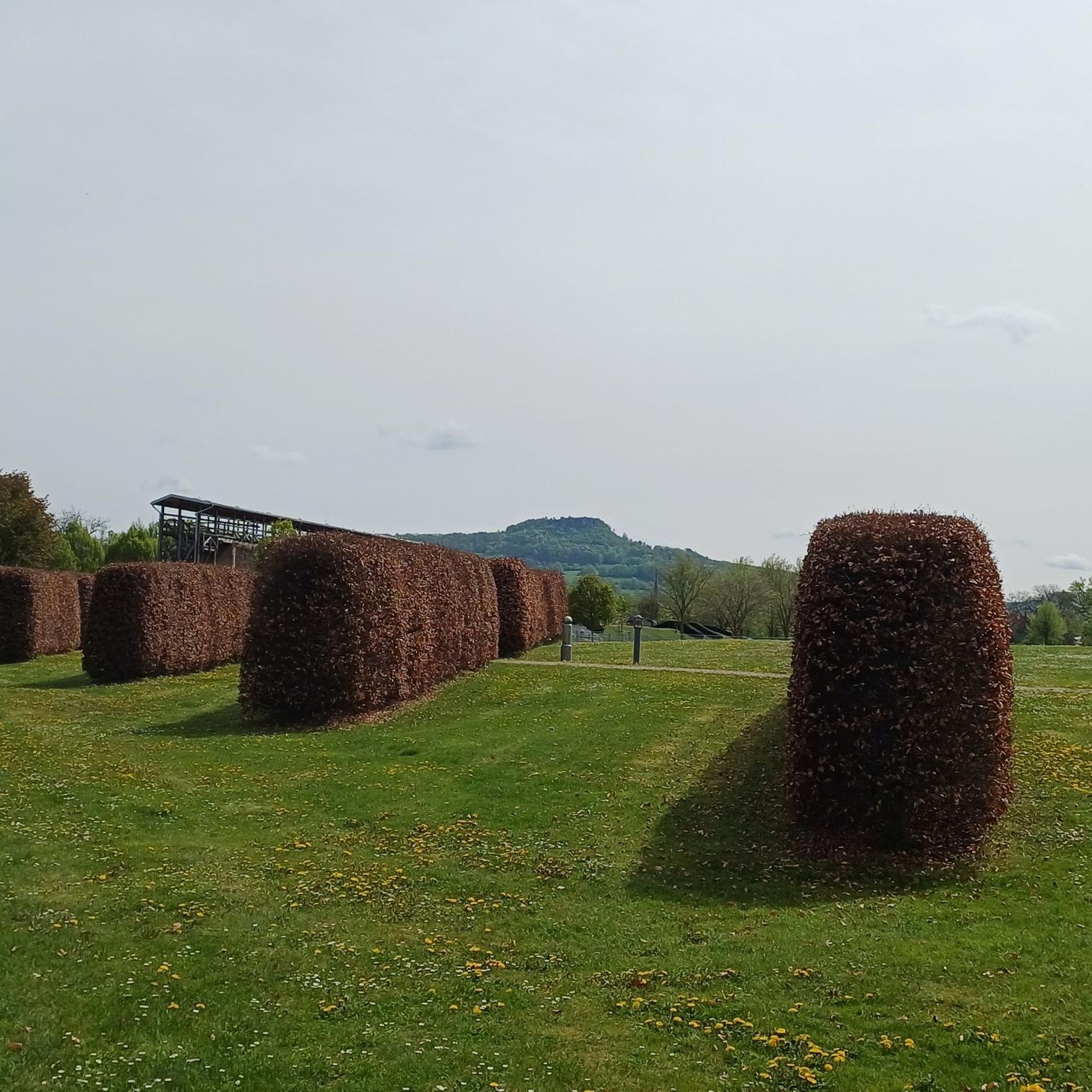
The hill is now a National Nature Reserve (NNR) with common plants including milkwort, salad burnet, horseshoe vetch, squinancywort, pyramidal orchid and wild thyme. Rarer species include bastard toadflax, meadow saxifrage, early gentian and dwarf sedge. Butterflies include dingy skipper, grizzled skipper, chalkhill blue and Adonis blue. In August 2014, Hambledon Hill fort was acquired by the National Trust for £450,000. The money to buy the hill had come from a Natural England grant and a legacy gift left to benefit Dorset countryside. The hillfort is a Scheduled Monument, as is the adjacent Neolithic causewayed camp.
2
0
Frequently Asked Questions
What historical and cultural sites can I explore around Lydlinch?
Lydlinch and its surroundings are rich in history. You can visit the 15th-century Parish Church of St. Thomas à Becket in Lydlinch, known for its 12th-century baptismal font and five bells. Nearby, the Shillingstone Railway Station & Museum offers a glimpse into railway heritage, restored by enthusiasts. Further afield, Sherborne Abbey, often called the 'Cathedral of Dorset,' showcases centuries of architectural styles. For ancient history, explore the Iron Age hill forts of Hambledon Hill and Hod Hill, both offering significant historical insights and panoramic views.
What natural features and landscapes can I discover in the Lydlinch area?
Lydlinch is nestled in the picturesque Blackmore Vale, characterized by ancient oaks, nature reserves, and rolling hills. The village itself is situated on Oxford clay, with the small River Lydden flowing through it, and the Caundle Brook forming part of its northern boundary. Lydlinch Common is a notable nature reserve with ancient oaks and ground-nesting birds. For expansive views and unique ecosystems, Hambledon Hill is a National Nature Reserve with rare plant and animal species, while Hod Hill also offers stunning natural beauty.
Are there family-friendly attractions around Lydlinch?
Yes, several attractions cater to families. The Shillingstone Railway Station & Museum is a great option, offering a restored station, museum, and shop, with plans for a heritage railway service. Both Hambledon Hill and Hod Hill are excellent for family walks, with Hod Hill's deep ramparts being particularly fun for children to explore. The North Dorset Trailway is also largely traffic-free and flat, making it perfect for family cycling or walking.
What outdoor activities and trails are available near Lydlinch?
The Lydlinch area offers numerous opportunities for outdoor activities. You can enjoy walking and cycling through the beautiful countryside, tracing medieval roads past nature reserves and farmyards. The North Dorset Trailway is a popular route for both, offering scenic paths between Sturminster Newton and Blandford Forum. For more structured routes, explore the running trails around Lydlinch, or consider cycling routes that take you through the picturesque landscape.
Where can I find good walking routes with scenic views?
For breathtaking views, head to Hambledon Hill Iron Age hill fort, which towers 623 feet above the Blackmore Vale and River Stour, offering vistas into Wiltshire and Somerset. Hod Hill also provides panoramic views along the Stour Valley Way. The surrounding countryside, including Lydlinch Common, offers many opportunities for walks through rolling hills and fields.
Are there any cycling routes suitable for different skill levels?
Yes, the area provides a variety of cycling options. The North Dorset Trailway is largely flat and traffic-free, making it ideal for families and less experienced cyclists. For those seeking more challenging rides, you can find a range of cycling routes around Lydlinch, including moderate and difficult options that explore the wider Dorset countryside.
What kind of wildlife can I spot around Lydlinch?
The natural areas around Lydlinch are home to diverse wildlife. Lydlinch Common is known for its ancient oaks and ground-nesting birds. Hambledon Hill, a National Nature Reserve, is particularly rich in rare plant and animal species, including various butterflies like dingy skipper, grizzled skipper, chalkhill blue, and Adonis blue. Hod Hill also abounds in insects, butterflies, and plant life, especially vibrant in spring and summer.
Where can I find refreshments or a traditional pub experience in Lydlinch?
Lydlinch has a village pub, The Cross Keys Inn, which serves traditional pub food and local ales. It's a great spot to enjoy refreshments and soak in the local atmosphere after exploring the area.
What do visitors enjoy most about the attractions around Lydlinch?
Visitors particularly appreciate the blend of historical significance and natural beauty. The restored Shillingstone Railway Station & Museum is highly regarded for its preservation efforts. The panoramic views from Hambledon Hill and Hod Hill are frequently praised, especially for their historical context and opportunities for walking. The area's scenic trails and historical sites are well-loved by the komoot community, with many shared photos and upvotes.
Are there any gravel biking routes near Lydlinch?
Yes, the area around Lydlinch is suitable for gravel biking. You can find several gravel biking routes, many of which are of moderate difficulty. These routes often incorporate sections of the North Dorset Trailway and explore the scenic countryside, offering a great way to experience the region on two wheels.
What is the best time of year to visit Lydlinch for outdoor activities?
The spring and summer months are particularly vibrant for outdoor activities in Lydlinch. During this time, the landscapes of the Blackmore Vale, Lydlinch Common, and the hill forts like Hod Hill are lush with plant life and abounding in insects and butterflies. The weather is generally more favorable for walking, cycling, and exploring the historical sites.
Most popular attractions around Lydlinch

Get inspired with the komoot mobile app


Explore more
Still not found the Highlight you’re looking for? See guides of the top attractions in other regions:
