Attractions and Places To See around Charlton - Top 20
Best attractions and places to see around Charlton include a variety of historical sites, ancient monuments, and natural viewpoints. The region offers opportunities to explore significant archaeological landscapes and enjoy scenic vistas. Visitors can discover ancient structures and chalk figures that are deeply rooted in history, providing insights into past civilizations and the natural environment. The area is characterized by its historical significance and diverse natural features, making it a notable destination for exploration.
Best attractions and places to see…
Last updated: October 9, 2026
Stonehenge
Highlight • Historical Site
Tip by

Sarsen Stone at Stonehenge Visitor Centre
Highlight • Monument
Translated by Google •
Tip by

Sign up now to discover places like this
Get recommendations on the best single tracks, peaks, & plenty of other exciting outdoor places.
Walkers Hill
Highlight • Natural Monument
Tip by

Cursus Barrows
Highlight • Natural Monument
Translated by Google •
Tip by
Stonehenge Visitor Centre and Exhibition
Highlight • Historical Site
Translated by Google •
Tip by
Sign up for free to discover even more attractions around Charlton.
Already have an account?
Start today with a free account
Your next adventure awaits.
Tips from the Community

regular shuttle bus
5
0
Besucherzentrum inklusive Ausstellung und neolithischen Häusern etwa 45 bis 60 Minuten
5
0
Daily from 9:30 AM to 5:00 PM
3
0
Das Stonehenge-Besucherzentrum liegt etwa 2,4 Kilometer vom berühmten Steinkreis entfernt und dient als moderner Ausgangspunkt für den Besuch des Weltkulturerbes
5
0

Why exactly there? Archaeologists suspect several reasons: Line of sight From the mounds, there is a direct view of Stonehenge. Sacred landscape The entire plain was a ritual area with paths, graves, and ceremonial sites. Status symbol Important people were buried near the famous sanctuary. Interesting fact There are over 300 burial mounds in the vicinity of Stonehenge – one of the largest prehistoric burial landscapes in Europe.
0
0
Here is a simple overview map explaining the landscape south of Stonehenge and why the burial mounds are located there. Landscape south of Stonehenge The most important range of mounds is called Normanton Down Barrows. It lies about 1 km south of Stonehenge. There are over 40 burial mounds there, dating from 2600–1600 BC. The mounds are situated on a long ridge that faces directly towards Stonehenge. Simplified diagram of the location North ↑ Stonehenge ○ | | approx. 1 km | ───────────────── Hill ridge with many burial mounds (Normanton Down) ○ ○ ○ ○ ○ ○ ○ ○ ○ ○ ↓ South Important hills there One particularly famous burial mound is Bush Barrow A richly furnished grave of a Bronze Age prince, containing gold objects and weapons, was found there.
0
0

It's unbelievable what people have achieved and built in the past (without any technology) - it's simply impressive and breathtaking
2
0
Frequently Asked Questions
What historical sites can I explore around Charlton?
The area around Charlton is rich in history. You can visit Stonehenge, a world-famous Neolithic and Bronze Age megalithic structure. Another significant historical feature is Walkers Hill, which features Adam's Grave, a Neolithic long barrow, along with other prehistoric earthworks. Don't miss the Cursus Barrows, a Neolithic and Bronze Age round barrow cemetery located south of Stonehenge.
Are there any natural viewpoints or scenic spots near Charlton?
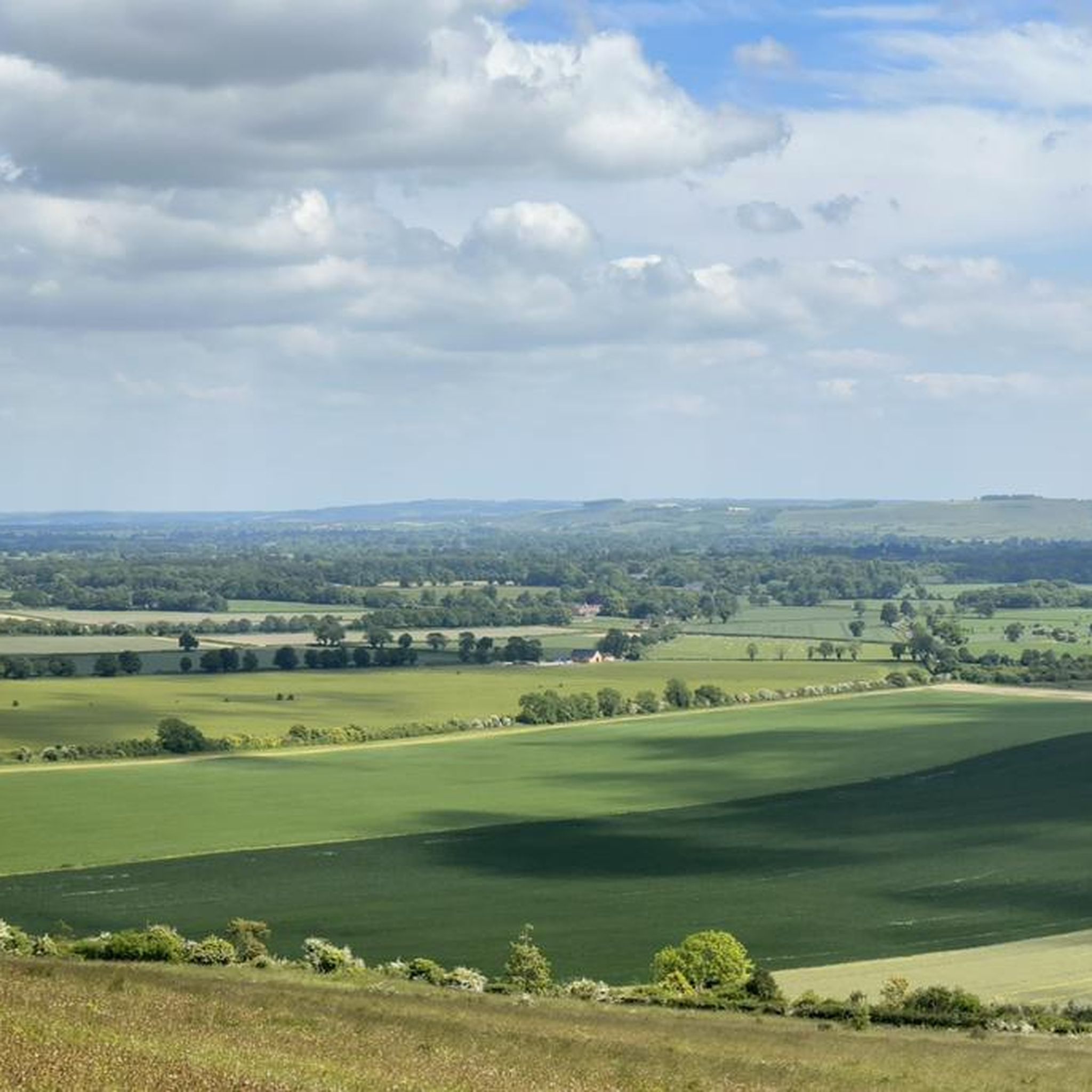
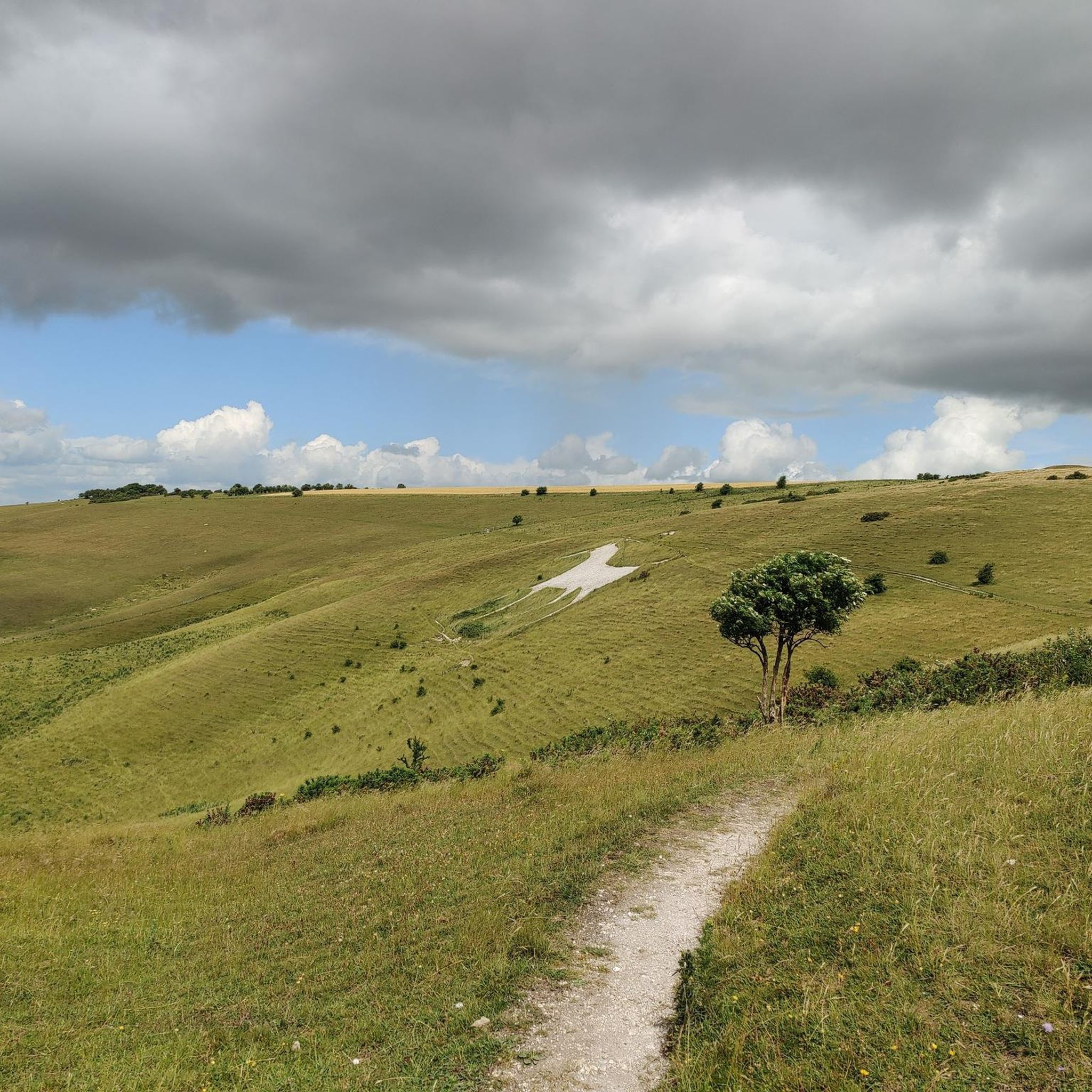
Yes, for exceptional vistas, head to Walkers Hill, which offers stunning views of the Vale of Pewsey and the surrounding downland. The area around Alton Barnes White Horse also provides wonderful sweeps of chalk downland and views stretching across the Vale of Pewsey to Salisbury Plain.
What outdoor activities can I do near these attractions?
The region offers various outdoor activities. You can explore numerous hiking trails, including easy walks like the Wilcot and Kennet & Avon Canal Trail. For cycling enthusiasts, there are road cycling routes such as the 'Pewsey White Horse – Westbury White Horse loop' and challenging gravel biking trails like the 'Salisbury Plain Perimeter Path'. You can find more details on these activities in the dedicated guides for easy hikes, road cycling, and gravel biking around Charlton.
Are there family-friendly attractions around Charlton?
Absolutely! Stonehenge is considered family-friendly, offering a visitor center with exhibitions and Neolithic houses. The Sarsen Stone at Stonehenge Visitor Centre is also a fun, interactive spot where visitors can test their strength against a large sandstone block.
What is the Sarsen Stone at Stonehenge Visitor Centre?
The Sarsen Stone at Stonehenge Visitor Centre is a large block of sandstone, typical of those found in the region and used in the construction of Stonehenge. It's an interactive exhibit where visitors can attempt to measure their strength by trying to move it, offering a tangible connection to the ancient builders.
Can I see the Alton Barnes White Horse?
Yes, the Alton Barnes White Horse is a prominent landmark cut into the chalk hillside, visible from various points in the Pewsey Vale. It's part of a beautiful chalk downland area that is also a Site of Special Scientific Interest, known for its chalk grassland plants and butterflies.
What kind of historical elements can be found on Walkers Hill?
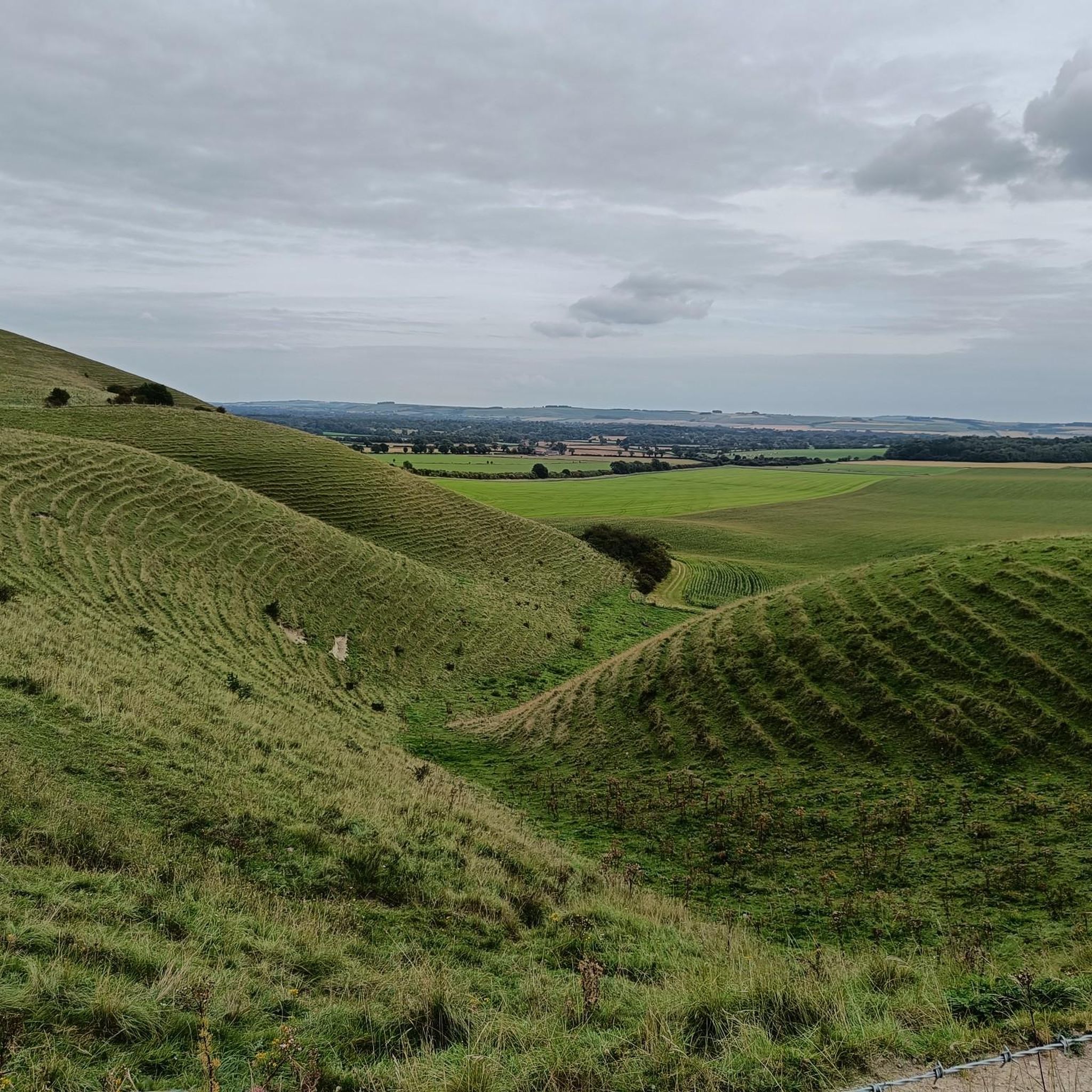
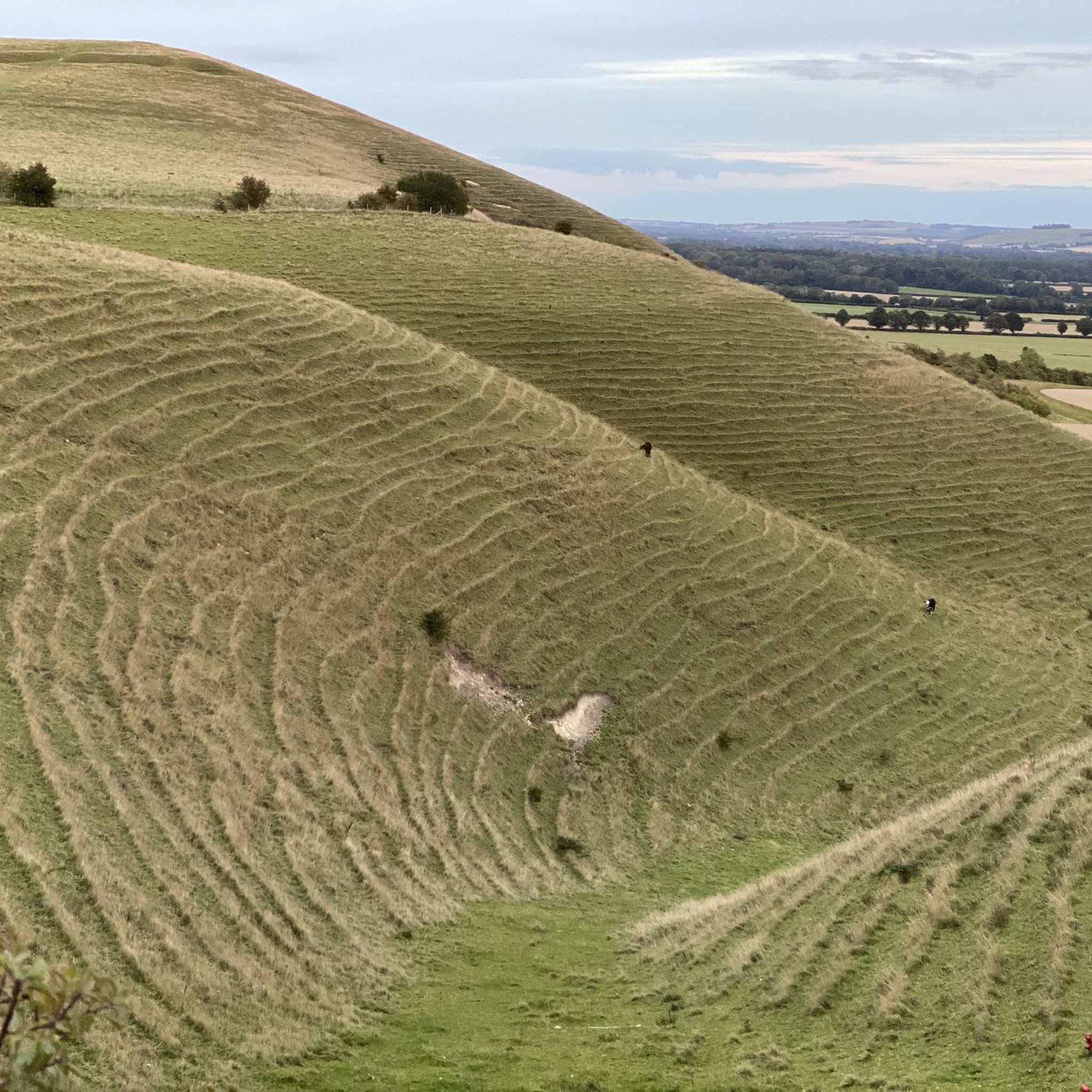
Walkers Hill is rich in historical features, most notably Adam's Grave, a Neolithic long barrow. The hillside is also dotted with cross dykes (prehistoric earthworks), tumuli, and ditches, offering a glimpse into Wiltshire's ancient past.
What do visitors enjoy most about Stonehenge?
Visitors to Stonehenge appreciate its status as one of the most famous sites in the world. They enjoy the visitor center with its exhibitions and Neolithic houses, and the convenience of shuttle buses from the center to the stone circle. Many also find value in booking tickets online in advance to save time and parking fees.
Are there any easy hiking trails around Charlton?
Yes, there are several easy hiking trails available. For example, you can explore the Wilcot and Kennet & Avon Canal Trail, or the 'Marden Henge – The Millstream Pub loop'. These routes offer gentle terrain suitable for a relaxed walk. More options can be found in the Easy hikes around Charlton guide.
What are the Cursus Barrows?
The Cursus Barrows are a group of Neolithic and Bronze Age round burial mounds, forming a cemetery mostly located south of the western end of the Stonehenge Cursus. These ancient mounds are visible from footpaths leading to Stonehenge and provide insight into prehistoric burial practices in the area.
Where can I find information about opening times and prices for Stonehenge?
For the most current information on opening hours and ticket prices for Stonehenge, it is recommended to check the official English Heritage website directly. Booking in advance online is often advised.
Most popular attractions around Charlton

Get inspired with the komoot mobile app


Explore more
Still not found the Highlight you’re looking for? See guides of the top attractions in other regions:
