Attractions and Places To See around Easterton - Top 20
Best attractions and places to see around Easterton include a mix of historical sites, natural features, and rural landmarks. Easterton is a village in Wiltshire, England, situated at the northern edge of Salisbury Plain. The area features chalk zones ascending onto the high plain, alongside gault and greensand areas, with the Ridgeway path running across the parish. It offers a glimpse into rural English life with points of interest reflecting its history and natural setting.
Best attractions and places to see around Easterton
- The most popular attractions is Caen Hill Locks, a viewpoint that features an impressive set of 29 locks on the Kennet and Avon Canal. Engineered in the 18th century, these locks allow boats to climb a steep hill.
- Another must-see spot is Sarsen Stone at Stonehenge Visitor Centre, a man-made monument. These large sandstone blocks are famously used in the construction of Stonehenge, and visitors can interact with one here.
- Visitors also love Cursus Barrows, a natural monument consisting of Neolithic and Bronze Age burial mounds. These historical sites offer insight into ancient burial practices and are visible from footpaths near Stonehenge.
- Easterton is known for its historical sites, natural features, and rural landmarks. The area provides a mix of ancient history, engineering marvels, and natural landscapes to explore.
- The attractions around Easterton are appreciated by the komoot community, with more than 190 upvotes and over 60 photos shared.
Last updated: October 9, 2026
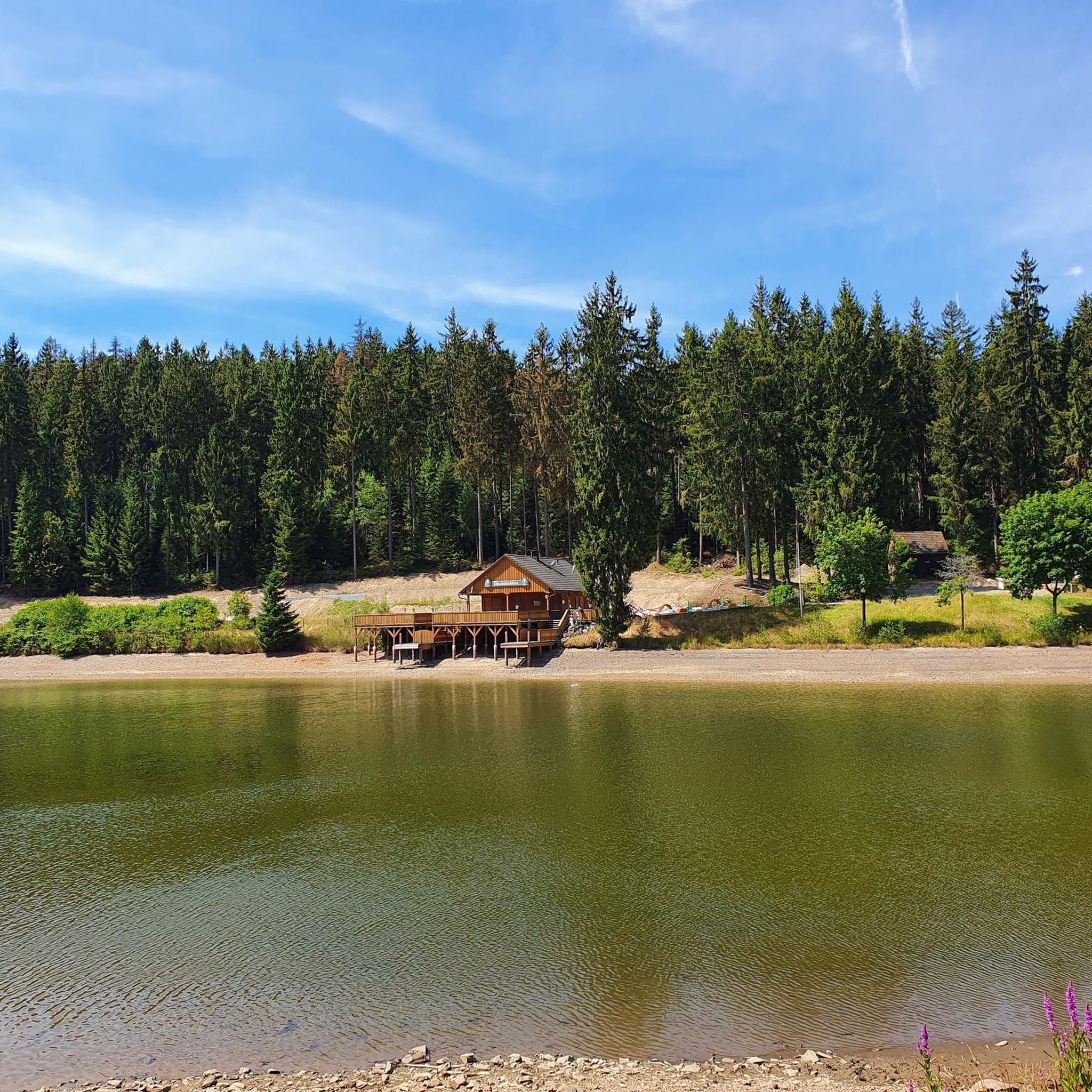
Caen Hill Locks
Highlight • Viewpoint
As thousands of trees were planted around the locks to mark the Queen’s Golden Jubilee, you’ll also find beautiful nature and wildlife here.
Tip by

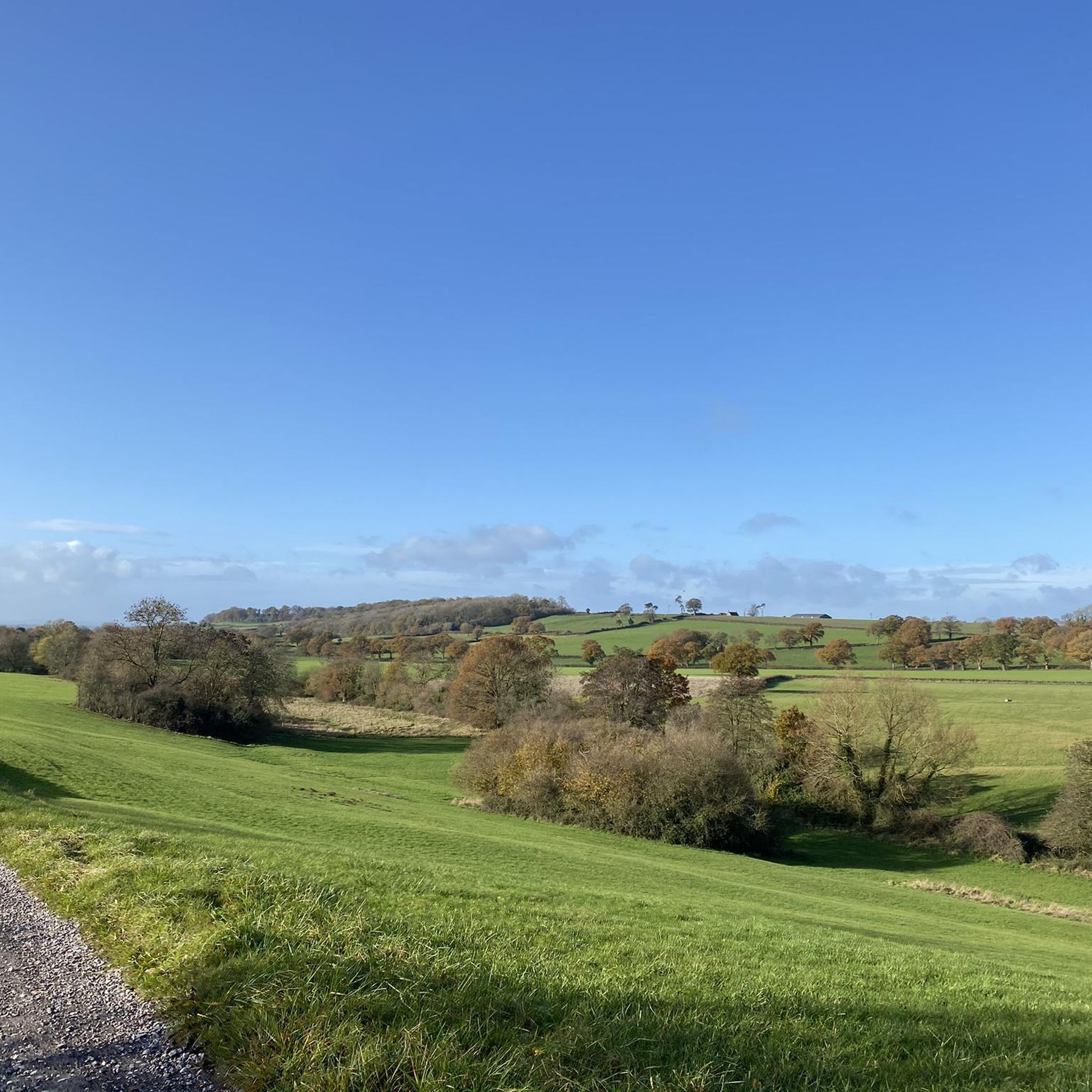
Sarsen Stone at Stonehenge Visitor Centre
Highlight • Monument
Translated by Google •
Tip by

Sign up now to discover places like this
Get recommendations on the best single tracks, peaks, & plenty of other exciting outdoor places.
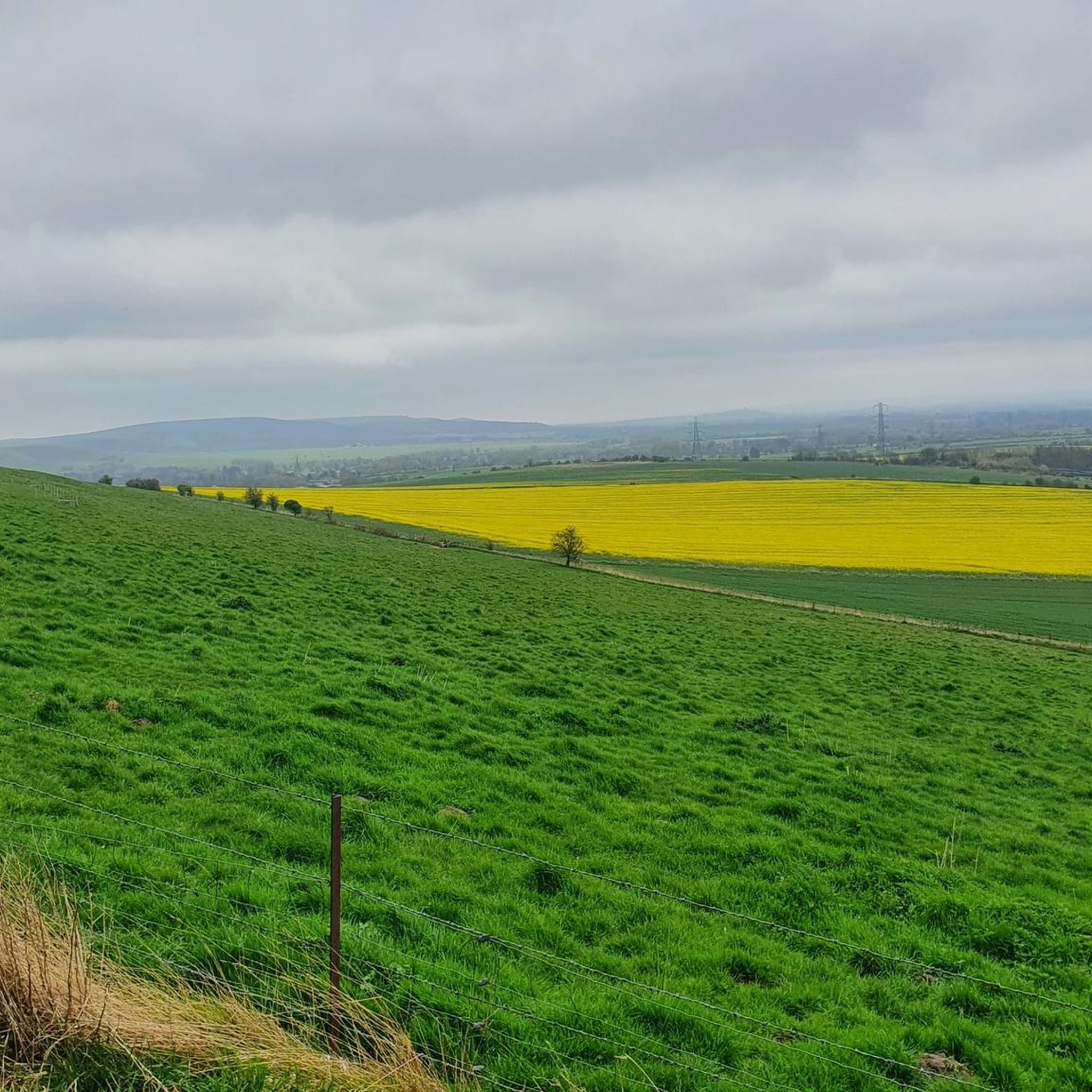
Cursus Barrows
Highlight • Natural Monument
Translated by Google •
Tip by
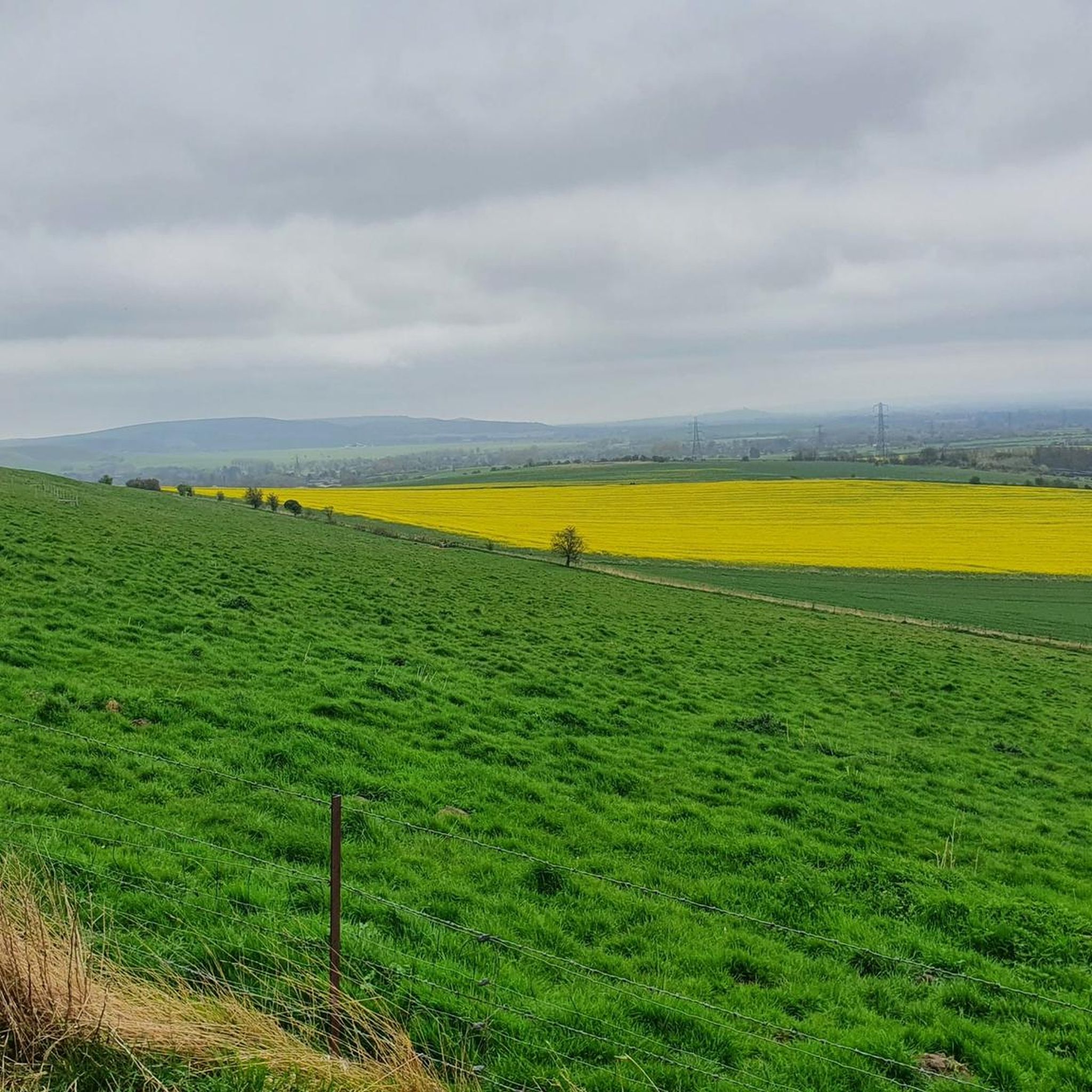
The Wansdyke Path
Highlight • Trail
The path begins in Marlborough near the famous Marlborough White Horse before passing Savernake Forest, Knapp Hill and Tan Hill and finishing at Morgan's Hill.
Tip by

Devizes Market Place and Landmarks
Highlight • Historical Site
Tip by
Sign up for free to discover even more attractions around Easterton.
Already have an account?
Start today with a free account
Your next adventure awaits.
Tips from the Community

Fascinating to see and to help a skipper for a bit, because after this you don't need to go to the fitness anymore
0
0

Why exactly there? Archaeologists suspect several reasons: Line of sight From the mounds, there is a direct view of Stonehenge. Sacred landscape The entire plain was a ritual area with paths, graves, and ceremonial sites. Status symbol Important people were buried near the famous sanctuary. Interesting fact There are over 300 burial mounds in the vicinity of Stonehenge – one of the largest prehistoric burial landscapes in Europe.
0
0
Here is a simple overview map explaining the landscape south of Stonehenge and why the burial mounds are located there. Landscape south of Stonehenge The most important range of mounds is called Normanton Down Barrows. It lies about 1 km south of Stonehenge. There are over 40 burial mounds there, dating from 2600–1600 BC. The mounds are situated on a long ridge that faces directly towards Stonehenge. Simplified diagram of the location North ↑ Stonehenge ○ | | approx. 1 km | ───────────────── Hill ridge with many burial mounds (Normanton Down) ○ ○ ○ ○ ○ ○ ○ ○ ○ ○ ↓ South Important hills there One particularly famous burial mound is Bush Barrow A richly furnished grave of a Bronze Age prince, containing gold objects and weapons, was found there.
0
0

The Path: The formal Wansdyke Path is a long-distance walking route that primarily follows the impressive East Wansdyke in Wiltshire. Route: It typically runs for about 13 miles (21 km) between Marlborough and Morgan's Hill. Experience: Walking the path offers a spectacular experience, with sections that allow you to walk along the top of the impressive bank, providing commanding views over the surrounding Marlborough Downs and Pewsey Vale. Connectivity: Parts of the Wansdyke Path coincide with other regional walking routes, such as the White Horse Trail and the Wessex Ridgeway.
0
0
The Wansdyke is traditionally divided into two main parts: East Wansdyke: The most impressive and best-preserved section, running between Savernake Forest near Marlborough and Morgan's Hill in Wiltshire. West Wansdyke: A less substantial section running from Monkton Combe (south of Bath) to the hill fort of Maes Knoll (south of Bristol). Middle Section: The section connecting the two is often marked by the line of the old London to Bath Roman road.
0
0
Dating and Purpose: It is generally believed to be post-Roman (late Roman or sub-Roman, possibly 5th or 6th century AD) and was likely built by the native Britons as a defensive measure against the expanding Anglo-Saxons.
0
0
A series of early medieval defensive linear earthworks consisting of a large bank and a deep ditch. The ditch generally faces north, suggesting it was built as a defence against invaders coming from the north. Location: The Wansdyke runs in an east-west direction through the West Country of England, stretching across parts of Wiltshire and Somerset. Name Origin: Its name, Wansdyke, is thought to be derived from "Woden's Dyke", referring to the Anglo-Saxon god Woden.
0
0

It's unbelievable what people have achieved and built in the past (without any technology) - it's simply impressive and breathtaking
2
0
Frequently Asked Questions
What historical sites can I explore in and around Easterton?
Easterton and its surroundings are rich in history. Within the village, you can find Kestrels, an early 18th-century Grade II* listed building, and St. Barnabas Church, built in 1875. The Royal Oak pub, a 17th-century thatched building, also offers a glimpse into traditional architecture. Further afield, you can visit the impressive Caen Hill Locks, an 18th-century engineering marvel on the Kennet and Avon Canal. Ancient history is present at Sarsen Stone at Stonehenge Visitor Centre and the Neolithic and Bronze Age burial mounds known as Cursus Barrows. The Wansdyke Path also follows an ancient defensive earthwork.
Are there any family-friendly attractions near Easterton?
Yes, several attractions around Easterton are suitable for families. The Caen Hill Locks offer a fascinating walk along the canal, where children can watch boats navigate the impressive series of locks. The Sarsen Stone at Stonehenge Visitor Centre provides an interactive experience with a large stone similar to those at Stonehenge. Additionally, Easterton Farm offers activities like bird watching and falconry, which can be engaging for all ages.
What natural features can I discover in the Easterton area?
Easterton is situated at the northern edge of Salisbury Plain, offering scenic landscapes with chalk zones, gault, and greensand areas. The Village Brook, a small stream, runs through Easterton, cherished by locals. The Ridgeway path also runs across the parish. For those interested in wildlife, Easterton Farm provides opportunities for bird watching. The wider Wiltshire area, including the landscapes around the Cursus Barrows, offers open fields and views of ancient monuments.
What outdoor activities and routes are available near Easterton?
The area around Easterton is excellent for outdoor enthusiasts. You can find numerous routes for hiking, mountain biking, and gravel biking. For easy hikes, consider trails like 'One Tree Hill loop from Devizes' or 'Worton loop from Worton'. Mountain biking options include 'Stonehenge loop from Market Lavington' and 'Devizes White Horse loop from Devizes'. Gravel biking routes like 'Avoncliff Aqueduct – Caen Hill Locks loop from Devizes' are also popular. You can find more details and specific routes in the Easy hikes around Easterton, MTB Trails around Easterton, and Gravel biking around Easterton guides.
Are there any dog-friendly trails or places to visit in Easterton?
While specific dog-friendly rules for Easterton Common or Easterton Sands are not detailed, many of the outdoor trails and natural areas around Easterton are generally suitable for dog walking, provided dogs are kept under control. The paths around the Caen Hill Locks and the wider Salisbury Plain offer open spaces for walks. Always check local signage for any restrictions, especially around livestock or nature reserves.
What is the best time of year to visit Easterton for outdoor activities?
The best time to visit Easterton for outdoor activities largely depends on your preference. Spring (April-May) is ideal for enjoying wildflowers and milder temperatures. Summer (June-August) offers the warmest weather for longer walks and outdoor exploration. Autumn (September-October) brings beautiful foliage. While winter can be cold, it offers a different, often quieter, experience, but be prepared for potentially muddy conditions on trails.
Where can I find local cafes or pubs in Easterton?
Easterton has a local pub, the Royal Oak, a 17th-century thatched building that continues to serve the community. For cafes, the Caen Hill Locks highlight mentions a cafe on-site, which is a popular spot for visitors. The nearby town of Devizes also offers a wider selection of cafes and eateries, particularly around its historic Market Place.
What are the general elevation characteristics of walking trails near Easterton?
Easterton is situated at the northern edge of Salisbury Plain, meaning the area features chalk zones that ascend onto the high plain. While some trails, particularly those on the plain, can be relatively flat, you can expect some gentle to moderate gradients as you explore the scarp and surrounding areas. The Caen Hill Locks, for instance, are designed to navigate a steep hill, indicating varied terrain in the vicinity.
Are there any hidden viewpoints or unique spots to discover near Easterton?
While not explicitly 'hidden,' the Cursus Barrows offer a unique perspective on ancient landscapes, visible from footpaths near Stonehenge. The bridleway towards Potterne Wick, known as The Folly, is associated with local legends and the site of the former Wroughton's Folly. Exploring the paths along the Village Brook in Easterton itself can also reveal charming, less-trafficked spots.
What do visitors enjoy most about the attractions around Easterton?
Visitors particularly appreciate the blend of history, nature, and engineering marvels. The Caen Hill Locks are highly praised for their impressive scale and the pleasant strolls along the canal. The historical significance of sites like the Sarsen Stone at Stonehenge Visitor Centre and Cursus Barrows offers a deep dive into ancient times. The beautiful Wiltshire countryside and the opportunity for various outdoor activities are also frequently highlighted by the komoot community.
Is there public transport available to reach walking trails or attractions near Easterton?
Public transport options directly to specific trailheads in Easterton may be limited, as it is a rural village. However, Devizes, a larger town nearby, serves as a hub for local bus services. From Devizes, you might find connections or be able to reach some attractions like the Caen Hill Locks. For more remote trails, driving and parking at designated spots is often the most convenient option. Always check local bus schedules for the most up-to-date information.
Are there any wheelchair-accessible attractions in the Easterton area?
The Sarsen Stone at Stonehenge Visitor Centre is noted as being wheelchair accessible, offering an inclusive experience for visitors. While many outdoor trails in rural areas can be challenging for wheelchairs, some sections of the Kennet and Avon Canal towpath near Caen Hill Locks may offer more accessible flat surfaces. It is always recommended to check specific accessibility details for any attraction before visiting.
Most popular attractions around Easterton

Get inspired with the komoot mobile app


Explore more
Still not found the Highlight you’re looking for? See guides of the top attractions in other regions:
