The best cycling routes around Donhead St. Andrew
4.5
(35)
658
riders
113
rides
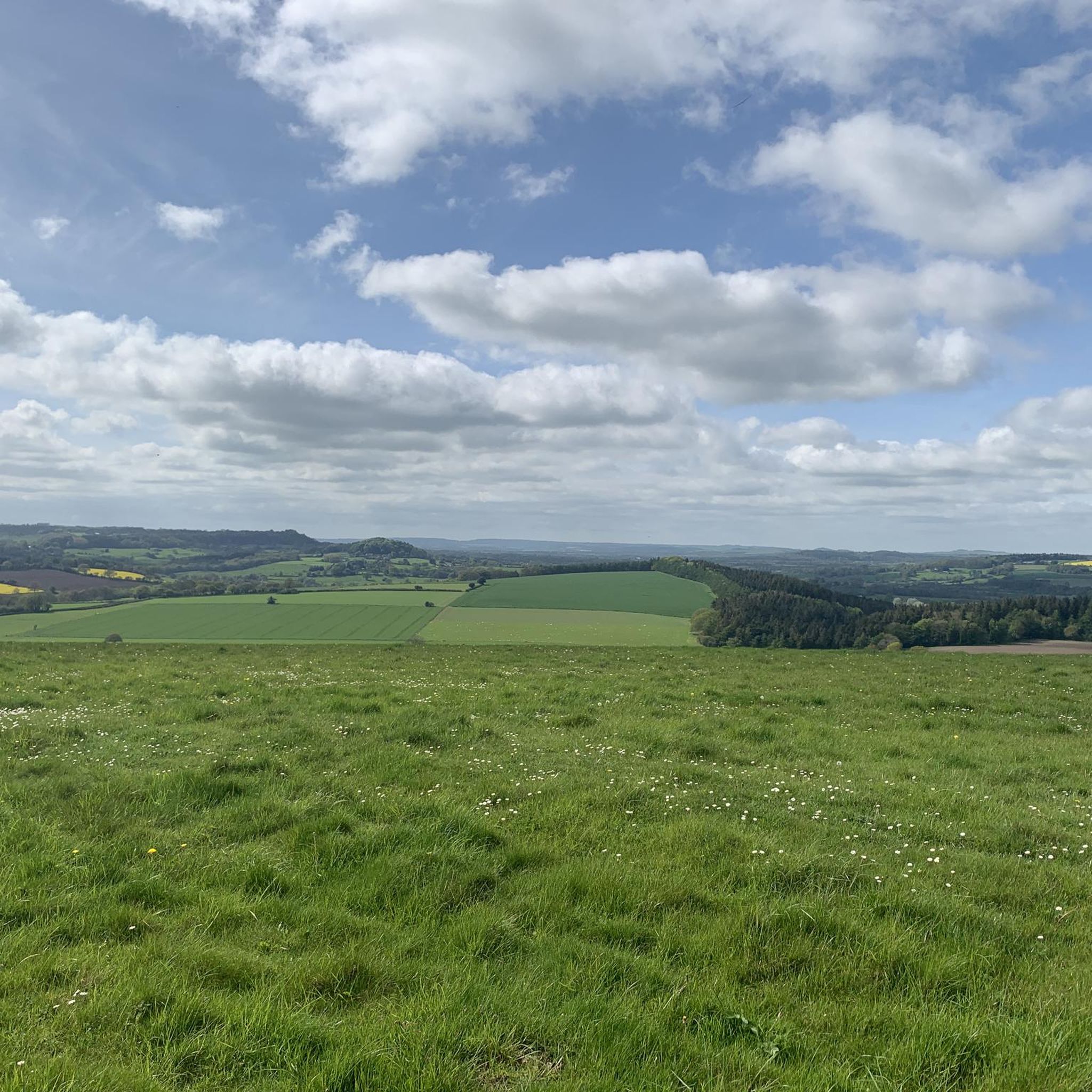
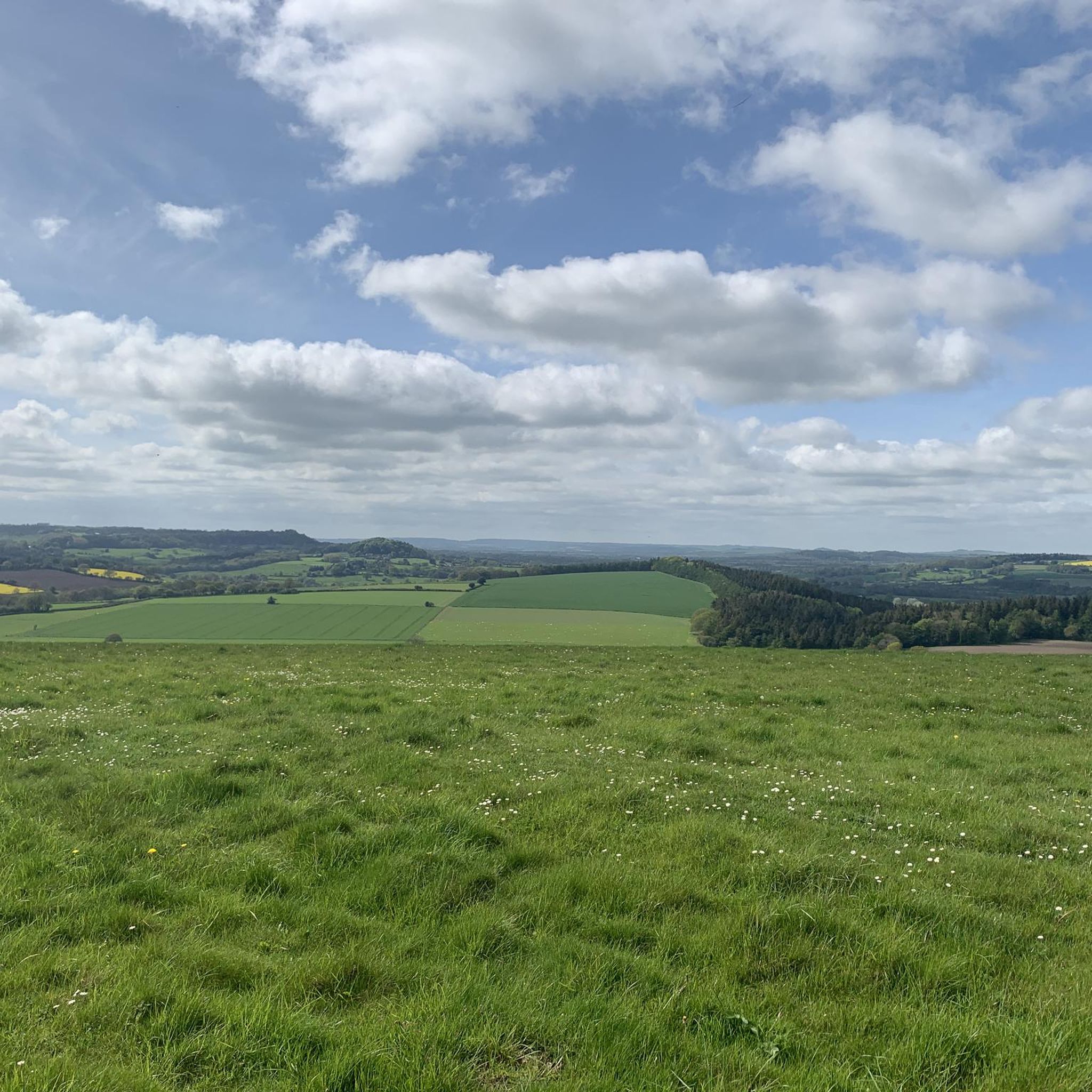
Touring cycling routes around Donhead St. Andrew traverse a landscape characterized by rolling hills, ancient droves, and woodlands. The region, situated in rural Wiltshire, offers a mix of quiet country lanes and historic tracks suitable for touring bicycles. Elevations are generally moderate, with some routes featuring sustained climbs through forested areas and open countryside.
Best touring cycling routes around Donhead St. Andrew
- The most popular touring cycling route is Grovely Wood Forest Path – Ox Drove Concrete Path loop from…
Last updated: July 15, 2026
5.0
(3)
27
riders
Hard bike ride. Very good fitness required. You may need to push your bike for some segments of this route.
9
riders
61.0km
03:43
440m
440m
Moderate bike ride. Good fitness required. Mostly paved surfaces. Suitable for all skill levels.

Sign up for free
5.0
(2)
15
riders
Hard bike ride. Very good fitness required. Mostly paved surfaces. Suitable for all skill levels.
11
riders
Hard bike ride. Very good fitness required. Mostly paved surfaces. Suitable for all skill levels.
6
riders
37.3km
02:50
280m
280m
Moderate bike ride. Good fitness required. Mostly paved surfaces. Suitable for all skill levels.
Get access to more routes and recommendations from other explorers.
Sign up for free
Already have an account?
Our route recommendations are based on thousands of hikes, rides, and runs completed by other people on komoot.
Start today with a free account
Your next adventure awaits.
Login or Signup


Tips from the Community

Salisbury is a traditional English cathedral city with a medieval townscape. Its most important sights include Salisbury Cathedral, the River Avon, the Poultry Cross, the Guildhall, and the historic market square. The city combines significant history with a lively old town and is one of the most beautiful historic cities in Southern England.
1
0
Queen Elizabeth Gardens is a well-maintained park on the River Avon in the heart of Salisbury. With its colorful flowerbeds, old trees, and quiet walking paths, it offers a pleasant place to relax. The views of the river and the proximity to the historic old town are particularly beautiful.
1
0

This is a fabulous route and while it's all doable on 32mm tyres to get the best enjoyment out of it I'd take your gravel bike and watch out for potholes.
0
0
Probably the most doable sharp ascent on the Old Chalk Way. Long stretch of byway which trends downhill all the way to Salisbury. Line choice critical though, the speed bumps will definitely slow you down.
0
0

Interior Details: The interior is known for its high-quality flint work on the tower walls and a range of interesting features: Pulpit: A magnificent 15th-century pulpit is a central feature. Font: A 12th-century font is another medieval survival. Tomb Recess: Against the north wall, there is a canopied tomb recess from the 14th century. For a long time, it was thought to be a rare "Easter Sepulchre," but a skeleton was found inside during the 1860s restoration, suggesting it was a tomb. Organ: The church's organ is a fascinating piece of its history. An 18th-century Walker organ, it was gifted to the church and is said to have been used for choir practice at Westminster Abbey before its installation here. The church, set on a rise at the north-west corner of the village, is part of the "Knowlton Circle Benefice," which also includes nearby parishes like Cranborne and Wimborne St Giles, both of which are included on this cycle route.
0
0
All Saints Church is the parish church for the village of Gussage All Saints in Dorset. It's a Grade I listed building with a long and layered architectural history, primarily reflecting the Early English and Decorated Gothic styles. Medieval Origins: The church's main body, including the nave and chancel, dates largely to the early 14th century. The walls are constructed from a mix of local flint, rubble, and various types of stone, including Shaftesbury Sandstone and Heathstone. The Tower: The impressive west tower was built in several stages. Its lower part dates to the 14th century, while the upper stages and embattled parapet were added in the 15th century. The tower is particularly distinctive for its use of alternating bands of flint and ashlar stone. Victorian Restoration: Like many English churches, All Saints underwent a significant Victorian restoration. In 1864, architect Ewan Christian carried out extensive work. A notable change from this period was the moving of the original medieval chancel arch to the north wall, where it now frames the organ. A new chancel arch was then built by the architect John Hicks, who was a mentor to the famous novelist Thomas Hardy.
0
0
St. Giles Church is known for its numerous monuments, particularly those dedicated to the Earls of Shaftesbury. Sir Anthony Ashley's Tomb: A historic highlight is the spectacular gilded tomb of Sir Anthony Ashley, dating to 1628. The tomb features intricate classical columns and symbolism. A curious detail is a sphere at his feet, which has been the subject of various theories, including that it represents a globe, a jewel, or even a cabbage. Ashley-Cooper Family Memorials: The church houses several other memorials to the Ashley-Cooper family, including tombs for the 1st, 3rd, 4th, 7th, and 9th Earls. The 1st Earl's memorial includes a bust by Rysbrack, and the 3rd Earl's is a grand wall monument by Scheemakers. Crusader Effigy: There is a much-restored 14th-century effigy of a crusading knight, believed to be Sir John de Plecy. Comper's Work: The interior is almost entirely a result of Sir Ninian Comper's restoration. This includes the highly decorated screen separating the nave and chancel, new stained glass windows, and the gilded tester over the altar.
1
0
19th-Century Gothic Revival: In the 19th century, the church was remodeled twice. The most significant work was in 1887, a Gothic Revival-style memorial to the 8th Earl of Shaftesbury. The 1908 Fire and Comper's Restoration: A catastrophic fire in 1908 destroyed most of the church's interior, leaving only the walls standing. The 9th Earl of Shaftesbury commissioned the renowned Gothic Revival architect Sir Ninian Comper to restore and rebuild the church. Comper's work, completed between 1908 and 1910, is considered one of his masterpieces. He kept the 18th-century external walls but completely redesigned the interior, adding a new north aisle and a lady chapel. His intricate work, including stained glass, a wooden screen, and numerous sculptures, makes the church a "treasure-house of Comper work," as described by Sir John Betjeman.
1
0
Frequently Asked Questions
How many touring cycling routes are available around Donhead St. Andrew?
There are over 120 touring cycling routes available around Donhead St. Andrew, offering a wide variety of distances and difficulty levels for exploration.
What kind of terrain can I expect on touring cycling routes near Donhead St. Andrew?
The routes around Donhead St. Andrew traverse a landscape of rolling hills, ancient droves, and woodlands. You'll find a mix of quiet country lanes and historic tracks, with generally moderate elevations. Some routes feature sustained climbs through forested areas and open countryside.
Are there touring cycling routes suitable for beginners in Donhead St. Andrew?
Yes, there are a few touring cycling routes suitable for beginners. While many routes are moderate to difficult, komoot lists 5 easy routes that are great for those new to touring cycling or looking for a more relaxed ride.
Are there challenging touring cycling routes for experienced cyclists?
Absolutely. For experienced touring cyclists seeking a challenge, there are 35 difficult routes around Donhead St. Andrew. These often feature longer distances and more significant elevation changes, such as the Grovely Wood Forest Path – Ox Drove Concrete Path loop from Old Wardour Castle, which covers 41.9 miles with substantial climbs.
What are some scenic viewpoints along the touring cycling routes?
The region offers several scenic viewpoints. You can enjoy panoramic views from Win Green Summit or take in the landscape from Fontmell Down. Another notable spot is the View of Cranborne Chase & West Wiltshire Downs, offering expansive vistas of the Area of Outstanding Natural Beauty.
Are there any circular touring cycling routes in the area?
Yes, many of the touring cycling routes around Donhead St. Andrew are circular. For example, the White Sheet Hill – Ox Drove loop from Donhead St. Andrew offers a 37.3-mile circular journey through varied terrain.
What historical sites or landmarks can I explore while cycling?
The area is rich in history. You can cycle past historical sites like Win Green Summit, an ancient historical site, or visit the Shaftesbury Abbey — Ruins and Gardens. Many routes also follow ancient drove roads, offering a glimpse into the region's past.
What do other touring cyclists enjoy most about touring cycling in Donhead St. Andrew?
The touring cycling routes in Donhead St. Andrew are highly rated by the komoot community, with an average score of 4.5 stars from over 30 reviews. Reviewers often praise the quiet country lanes, the historical tracks, and the scenic beauty of the rolling hills and woodlands.
Are there routes that pass through towns or villages with amenities like cafes?
Many routes are designed to connect rural sections with local villages or towns. For instance, the Salisbury City Centre loop from Tisbury combines rural cycling with a visit to the historic city of Salisbury, where you'll find numerous cafes and amenities.
What is the best time of year for touring cycling around Donhead St. Andrew?
Spring and summer generally offer the most pleasant conditions for touring cycling, with warmer weather and longer daylight hours. However, the region's woodlands and ancient tracks can be beautiful in autumn with changing foliage. Winter cycling is possible, but some unpaved sections might be muddy or slippery.
Are there any routes that feature unique natural attractions?
Yes, the region is known for its natural beauty. You might encounter areas like Bluebell Fields in Cranborne Chase & West Wiltshire Downs during spring, offering a vibrant display of wildflowers. The varied landscape itself, with its ancient forests and open downs, is a natural attraction.
Can I find routes that are a good distance for a full day's ride?
Many routes are well-suited for a full day's touring cycle. For example, the Cranborne Garden Centre – Gussage All Saints Church loop from Donhead St. Mary is a challenging 37.8-mile (60.8 km) route that provides a substantial day out on the bike.
Most popular routes around Donhead St. Andrew
Most popular attractions around Donhead St. Andrew

Get inspired with the komoot mobile app


Explore more
Browse the best Cycling routes in other regions.
