The best cycling routes around Ashmore
4.5
(67)
1,069
riders
121
rides
Touring cycling routes around Ashmore traverse a landscape characterized by rolling hills, quiet rural lanes, and scenic countryside. The region offers a mix of paved roads and gravel tracks, providing varied terrain for touring cyclists. Elevations are generally moderate, with some routes featuring sustained climbs and descents through wooded areas and open farmland.
Best touring cycling routes around Ashmore
- The most popular touring cycling route is Old Shaftesbury Drove Road – Ox Drove Gravel Road loop from Donhead St. Mary…
Last updated: July 1, 2026
5.0
(2)
15
riders
Hard bike ride. Very good fitness required. Mostly paved surfaces. Suitable for all skill levels.
12
riders
Hard bike ride. Very good fitness required. Mostly paved surfaces. Suitable for all skill levels.

Sign up for free
4.0
(1)
12
riders
44.9km
03:04
360m
360m
Moderate bike ride. Good fitness required. Mostly paved surfaces. Suitable for all skill levels.
8
riders
42.5km
02:42
420m
420m
Moderate bike ride. Good fitness required. Mostly paved surfaces. Suitable for all skill levels.
3
riders
46.1km
03:09
430m
430m
Moderate bike ride. Good fitness required. Mostly paved surfaces. Suitable for all skill levels.
Get access to more routes and recommendations from other explorers.
Sign up for free
Already have an account?
Our route recommendations are based on thousands of hikes, rides, and runs completed by other people on komoot.
Start today with a free account
Your next adventure awaits.
Login or Signup
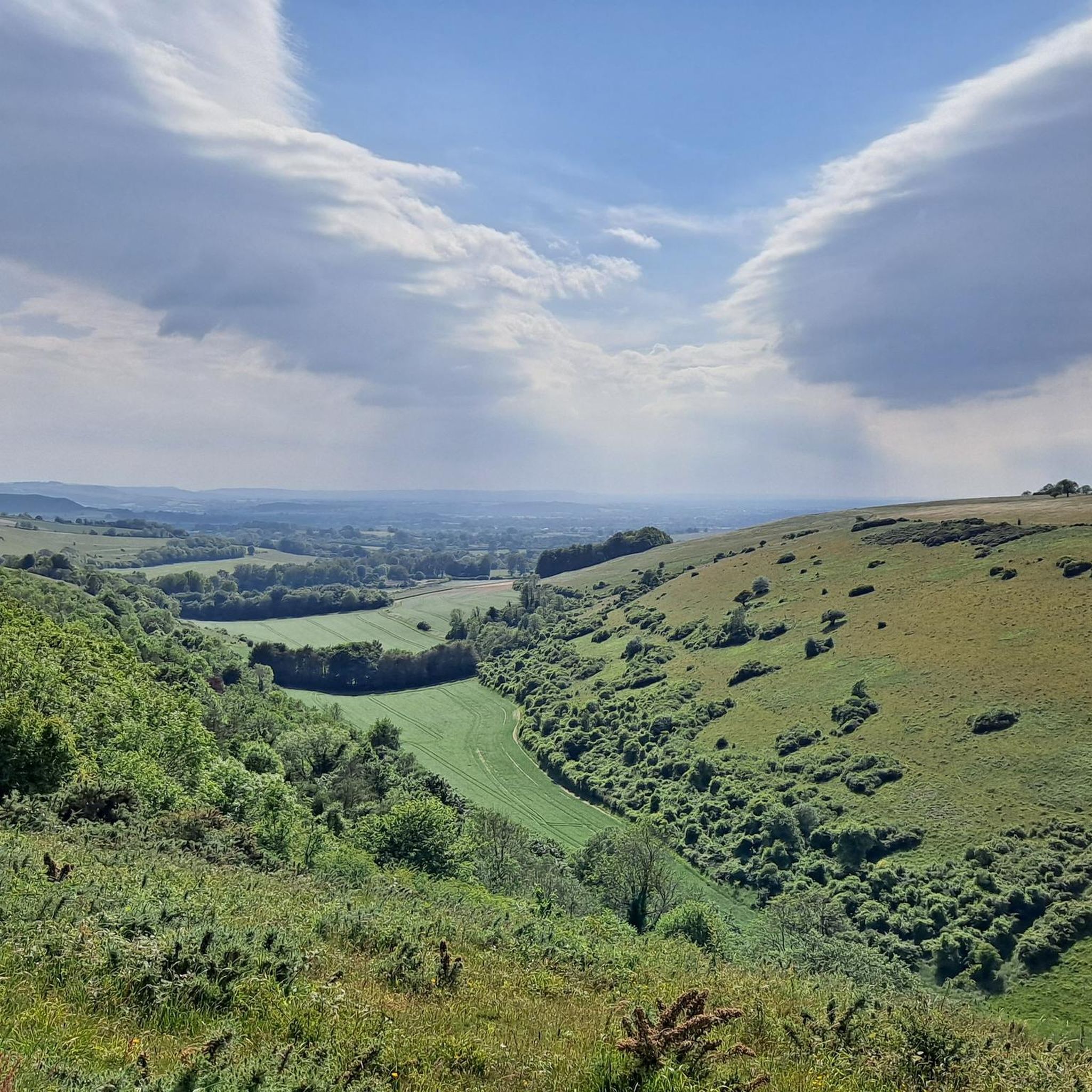
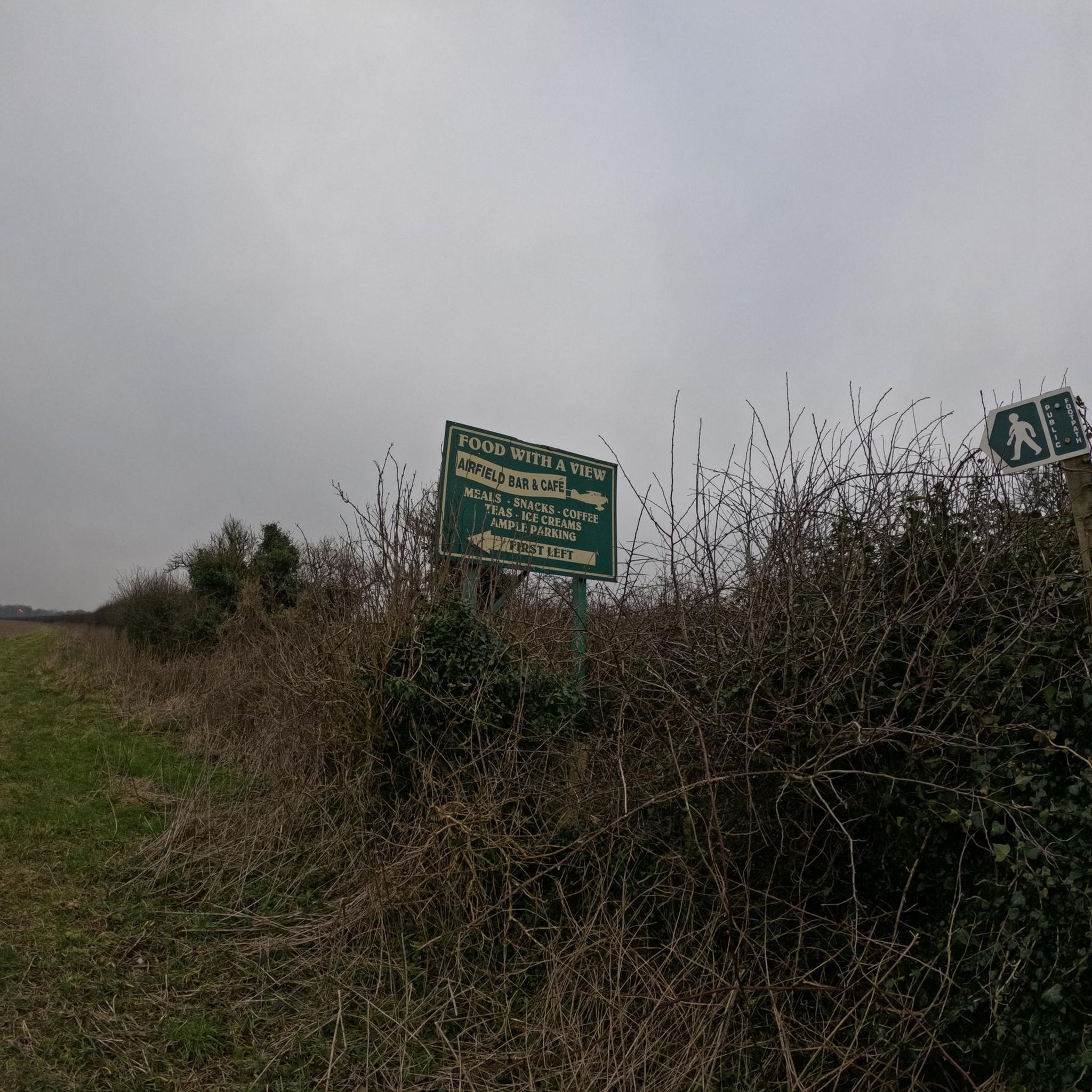
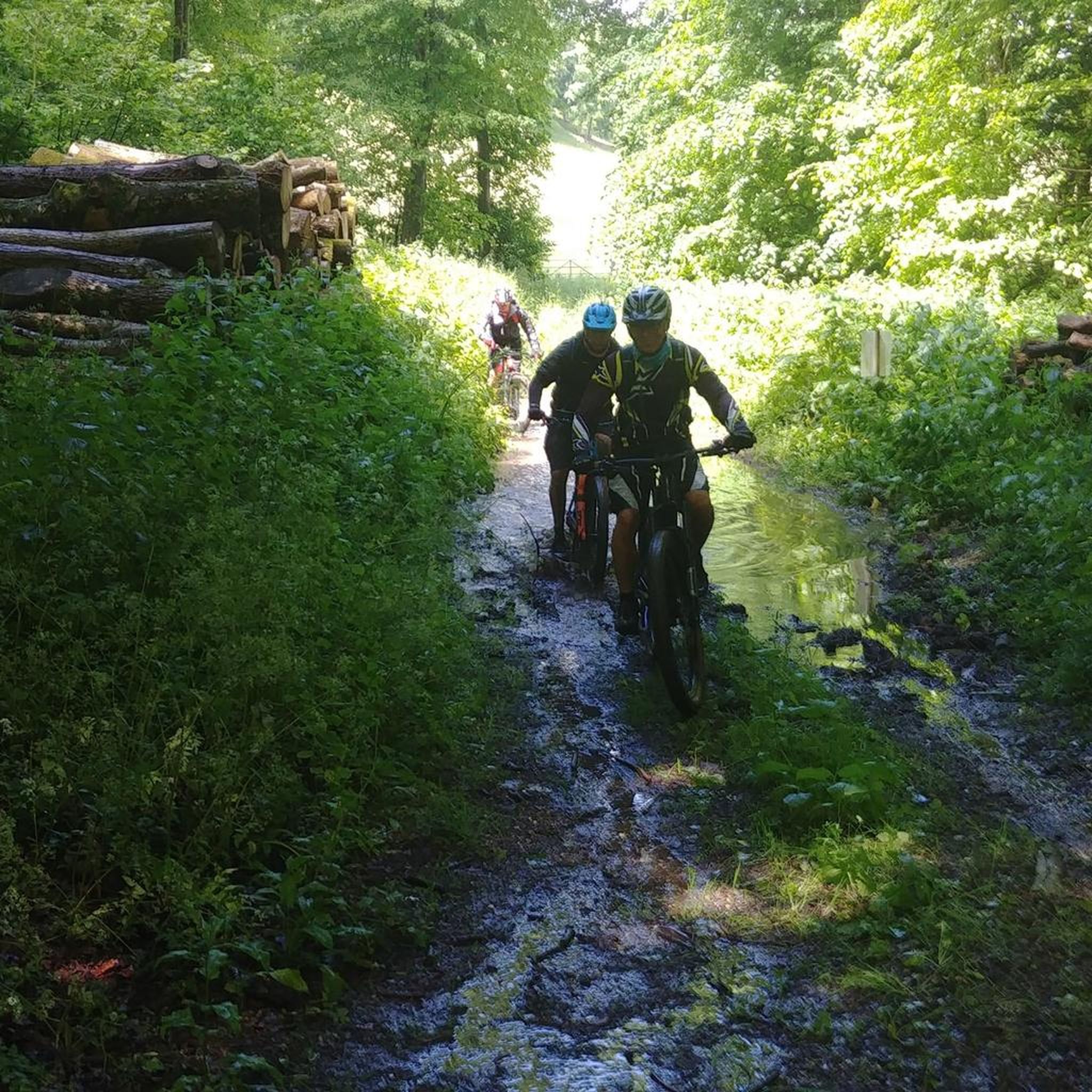
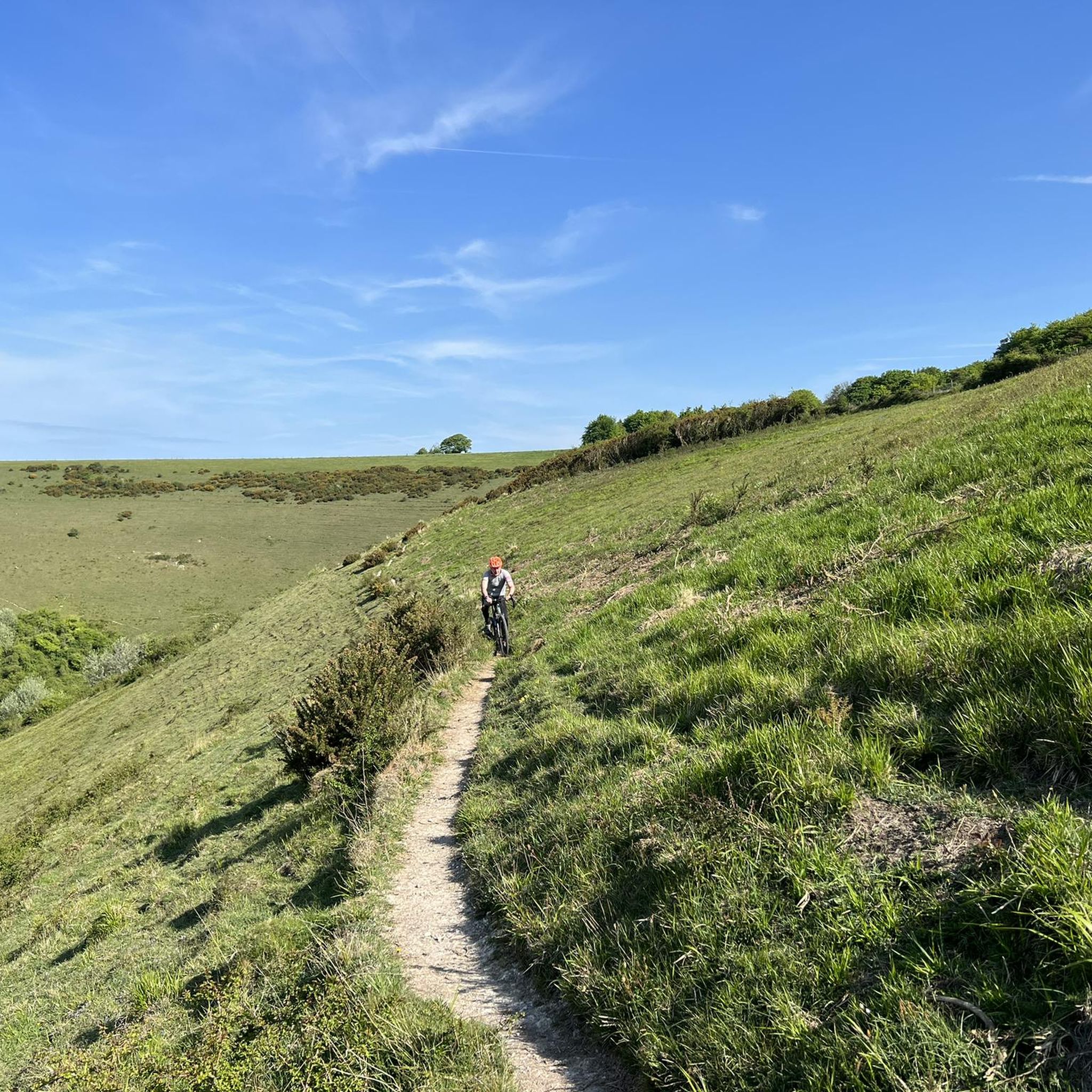
Tips from the Community

This is a fabulous route and while it's all doable on 32mm tyres to get the best enjoyment out of it I'd take your gravel bike and watch out for potholes.
0
0

Okeford Hill Bike ParkClick to open side panel for more information is a premier downhill mountain biking destination located on the steep northern escarpment of the Dorset Downs, offering some of the most challenging terrain in the region. Diverse Trail Network: The park features a variety of downhill-specific trails that cater primarily to intermediate and advanced riders, including technical "rooty" sections and fast, flowing jumps. Uplift Service: To maximize ride time, the venue provides a dedicated uplift service (usually a tractor and trailer) that shuttles riders from the bottom of the hill back to the summit. Operating Hours: The park is typically open to the public on Saturdays and Sundays from 9:00 AM to 4:00 PM, though it is often closed during the weekdays. Spectacular Setting: Riders can enjoy the same famous views of the Blackmore Vale described from nearby Bell Hill between runs.
0
0
All aboard for a massive hit of nostalgia! Shillingstone Station is like a beautifully preserved 1950s time capsule tucked away in the Dorset countryside. Once a vital stop on the legendary Somerset & Dorset Joint Railway (the "Slow and Dirty"), it’s now being lovingly restored by a team of dedicated volunteers. You can wander the original platforms, explore vintage signal boxes, and even have tea in a converted railway carriage. It’s the perfect spot to pretend you're an extra in Brief Encounter while the North Dorset Trailway hikers buzz past. No trains to Bath today, but the atmosphere is pure gold!
0
0
Interior Details: The interior is known for its high-quality flint work on the tower walls and a range of interesting features: Pulpit: A magnificent 15th-century pulpit is a central feature. Font: A 12th-century font is another medieval survival. Tomb Recess: Against the north wall, there is a canopied tomb recess from the 14th century. For a long time, it was thought to be a rare "Easter Sepulchre," but a skeleton was found inside during the 1860s restoration, suggesting it was a tomb. Organ: The church's organ is a fascinating piece of its history. An 18th-century Walker organ, it was gifted to the church and is said to have been used for choir practice at Westminster Abbey before its installation here. The church, set on a rise at the north-west corner of the village, is part of the "Knowlton Circle Benefice," which also includes nearby parishes like Cranborne and Wimborne St Giles, both of which are included on this cycle route.
0
0
All Saints Church is the parish church for the village of Gussage All Saints in Dorset. It's a Grade I listed building with a long and layered architectural history, primarily reflecting the Early English and Decorated Gothic styles. Medieval Origins: The church's main body, including the nave and chancel, dates largely to the early 14th century. The walls are constructed from a mix of local flint, rubble, and various types of stone, including Shaftesbury Sandstone and Heathstone. The Tower: The impressive west tower was built in several stages. Its lower part dates to the 14th century, while the upper stages and embattled parapet were added in the 15th century. The tower is particularly distinctive for its use of alternating bands of flint and ashlar stone. Victorian Restoration: Like many English churches, All Saints underwent a significant Victorian restoration. In 1864, architect Ewan Christian carried out extensive work. A notable change from this period was the moving of the original medieval chancel arch to the north wall, where it now frames the organ. A new chancel arch was then built by the architect John Hicks, who was a mentor to the famous novelist Thomas Hardy.
0
0
St. Giles Church is known for its numerous monuments, particularly those dedicated to the Earls of Shaftesbury. Sir Anthony Ashley's Tomb: A historic highlight is the spectacular gilded tomb of Sir Anthony Ashley, dating to 1628. The tomb features intricate classical columns and symbolism. A curious detail is a sphere at his feet, which has been the subject of various theories, including that it represents a globe, a jewel, or even a cabbage. Ashley-Cooper Family Memorials: The church houses several other memorials to the Ashley-Cooper family, including tombs for the 1st, 3rd, 4th, 7th, and 9th Earls. The 1st Earl's memorial includes a bust by Rysbrack, and the 3rd Earl's is a grand wall monument by Scheemakers. Crusader Effigy: There is a much-restored 14th-century effigy of a crusading knight, believed to be Sir John de Plecy. Comper's Work: The interior is almost entirely a result of Sir Ninian Comper's restoration. This includes the highly decorated screen separating the nave and chancel, new stained glass windows, and the gilded tester over the altar.
1
0
19th-Century Gothic Revival: In the 19th century, the church was remodeled twice. The most significant work was in 1887, a Gothic Revival-style memorial to the 8th Earl of Shaftesbury. The 1908 Fire and Comper's Restoration: A catastrophic fire in 1908 destroyed most of the church's interior, leaving only the walls standing. The 9th Earl of Shaftesbury commissioned the renowned Gothic Revival architect Sir Ninian Comper to restore and rebuild the church. Comper's work, completed between 1908 and 1910, is considered one of his masterpieces. He kept the 18th-century external walls but completely redesigned the interior, adding a new north aisle and a lady chapel. His intricate work, including stained glass, a wooden screen, and numerous sculptures, makes the church a "treasure-house of Comper work," as described by Sir John Betjeman.
1
0
St. Giles Church is the parish church for the village of Wimborne St Giles in Dorset. It has a rich and complex history, marked by several rebuilds, a major fire, and the patronage of the Ashley-Cooper family, the Earls of Shaftesbury. The church's origins date back to at least the 13th century, with the first recorded rector in 1207. The current building is a fascinating mix of architectural styles due to its turbulent history. 18th-Century Georgian: The church was almost entirely rebuilt in 1732 by the Dorset architects John and William Bastard, who were also responsible for much of the reconstruction of the town of Blandford Forum after a fire. The exterior of the church, with its greensand and flint walls, still largely reflects this Early Georgian design.
1
0
Frequently Asked Questions
What kind of terrain can I expect on touring cycling routes around Ashmore?
Touring cycling routes around Ashmore feature a diverse landscape of rolling hills, quiet rural lanes, and scenic countryside. You'll encounter a mix of paved roads and gravel tracks, providing varied terrain. Elevations are generally moderate, though some routes include sustained climbs and descents through wooded areas and open farmland.
Are there routes suitable for beginners or families in Ashmore?
Yes, Ashmore offers a range of routes for different ability levels. While some routes are more challenging, there are 19 easy touring cycling routes available. These typically feature less elevation gain and are suitable for those looking for a more relaxed ride or cycling with family.
What are some notable landmarks or points of interest I can see along the touring routes?
Ashmore's touring routes pass by several interesting landmarks. You could visit the historic Win Green Summit, explore the Hambledon Hill Iron Age hill fort, or stop by the Shillingstone Railway Station & Museum. Other scenic viewpoints include Zig Zag Hill Climb and Gold Hill, Shaftesbury.
Are there any circular touring cycling routes in Ashmore?
Yes, many of the touring cycling routes in Ashmore are designed as loops. For example, the challenging Old Shaftesbury Drove Road – Ox Drove Gravel Road loop from Donhead St. Mary is a popular option. Another great circular route is the View of Hod Hill – Durweston Mill loop from Compton Abbas, which offers varied countryside views.
What is the general difficulty level of touring cycling in Ashmore?
Ashmore offers a mix of difficulties. Out of 126 routes, 19 are easy, 77 are moderate, and 30 are difficult. This means there are plenty of options whether you're looking for a leisurely ride or a more strenuous challenge with significant climbs and descents.
What do other touring cyclists say about the routes in Ashmore?
The touring cycling routes in Ashmore are highly regarded by the komoot community, with an average rating of 4.5 stars from over 60 reviews. Cyclists often praise the quiet rural lanes, varied terrain, and the charming villages encountered along the way.
Are there any routes that pass through charming villages or offer extensive rural scenery?
Absolutely. The Cranborne Garden Centre – Gussage All Saints Church loop from Donhead St. Mary is a difficult route known for its extensive rural scenery and passage through charming villages, offering a delightful touring experience.
Can I find routes that include specific points of interest like a railway station or a bike park?
Yes, some routes incorporate unique stops. For instance, the Shillingstone Railway Station – Durweston Mill loop from Donhead St. Mary allows you to pass by the historic Shillingstone Railway Station. Another route, the Black Cactus Café – Okeford Hill Bike Park loop from Sutton Waldron, includes a bike park, offering a different kind of attraction.
How many touring cycling routes are available in the Ashmore area?
There are over 120 touring cycling routes available around Ashmore, providing a wide variety of options for cyclists of all levels and preferences.
What is the best time of year to go touring cycling in Ashmore?
While specific weather conditions vary, the moderate elevations and mixed terrain of Ashmore make it enjoyable for touring cycling across many seasons. Spring and autumn often offer pleasant temperatures and beautiful scenery, though summer can also be excellent for exploring the open farmland and wooded areas.
Most popular attractions around Ashmore

Get inspired with the komoot mobile app


Explore more
Browse the best Cycling routes in other regions.
