The best mountain hikes around Lago del Barbellino artificiale
5.0
(1)
12
hikers
3
hikes
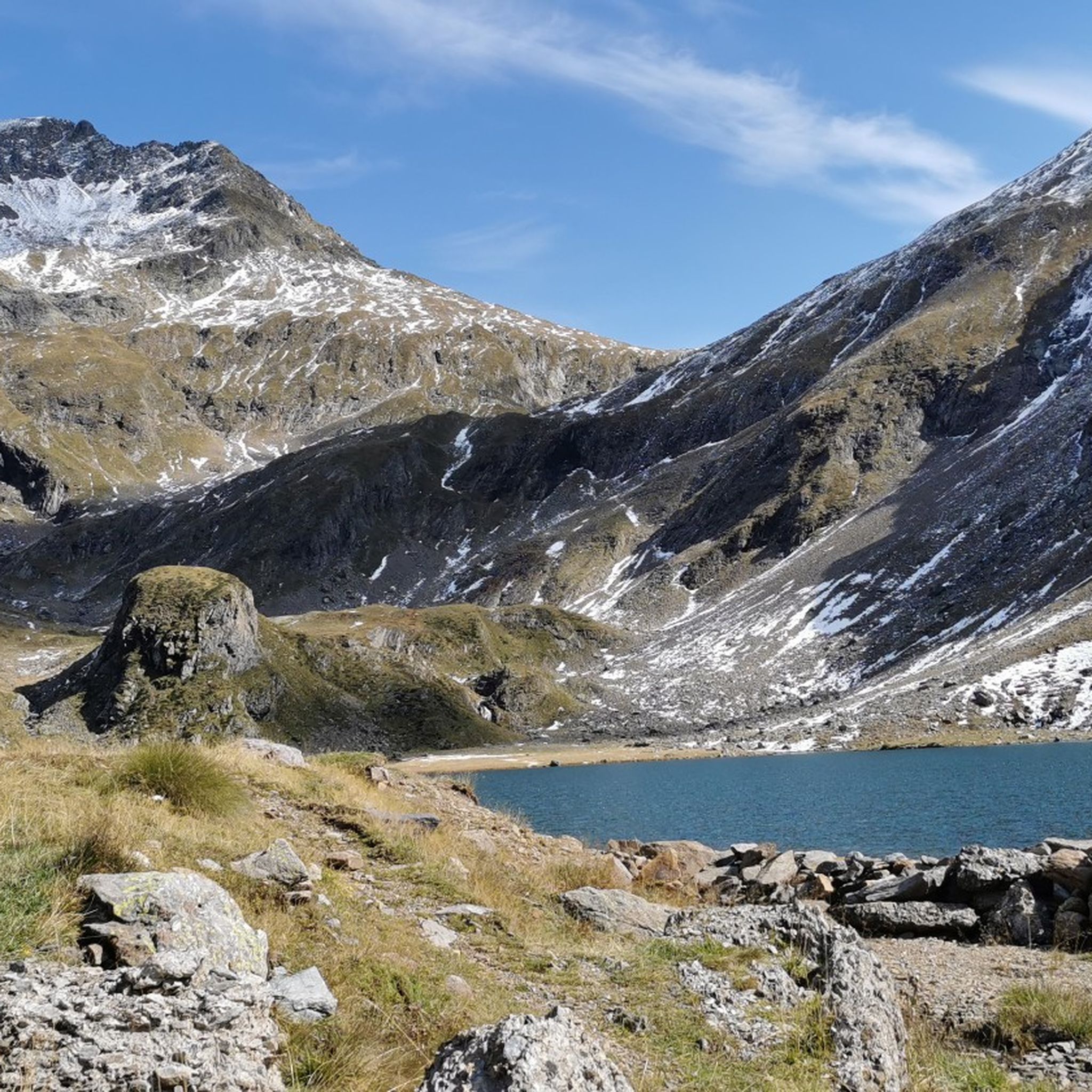
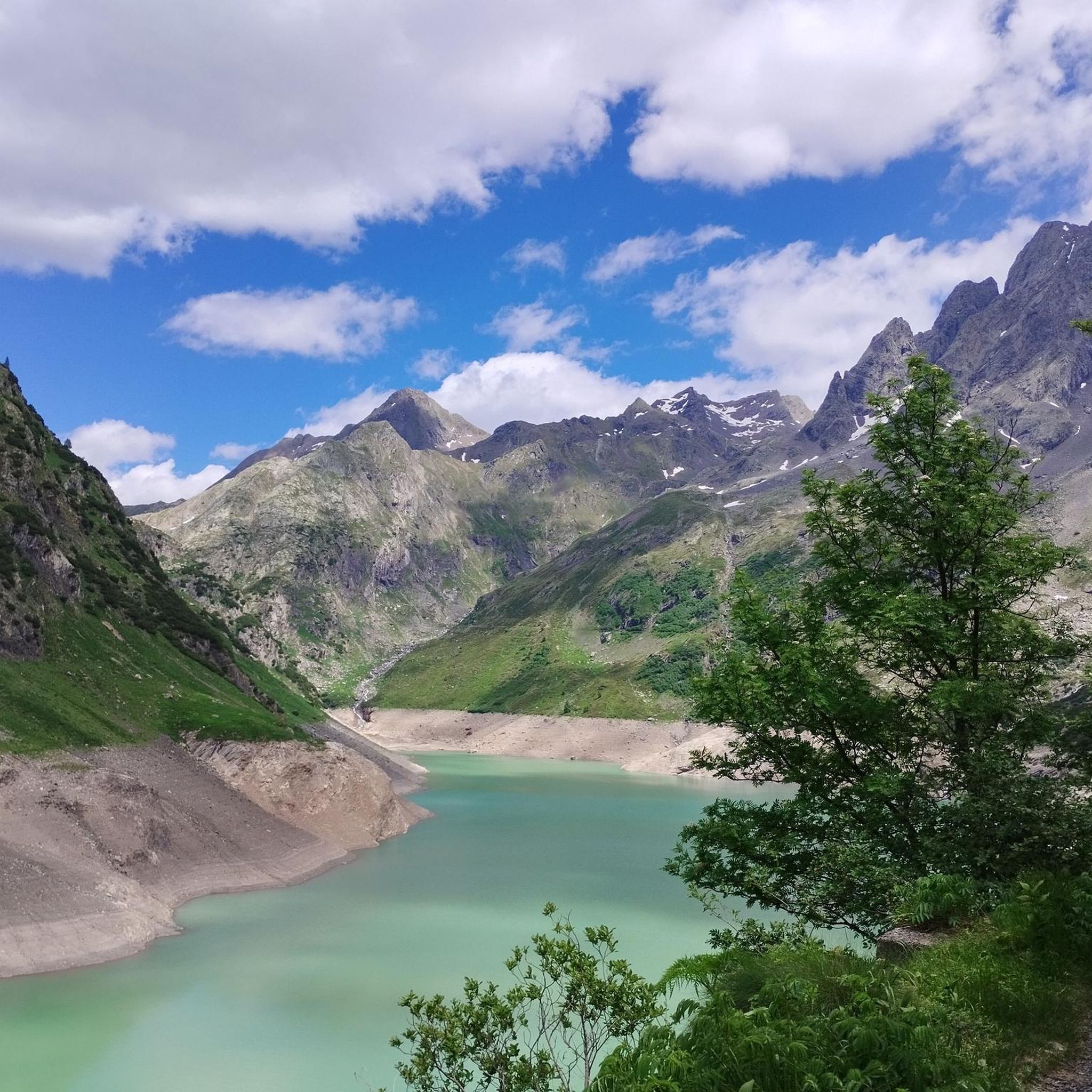
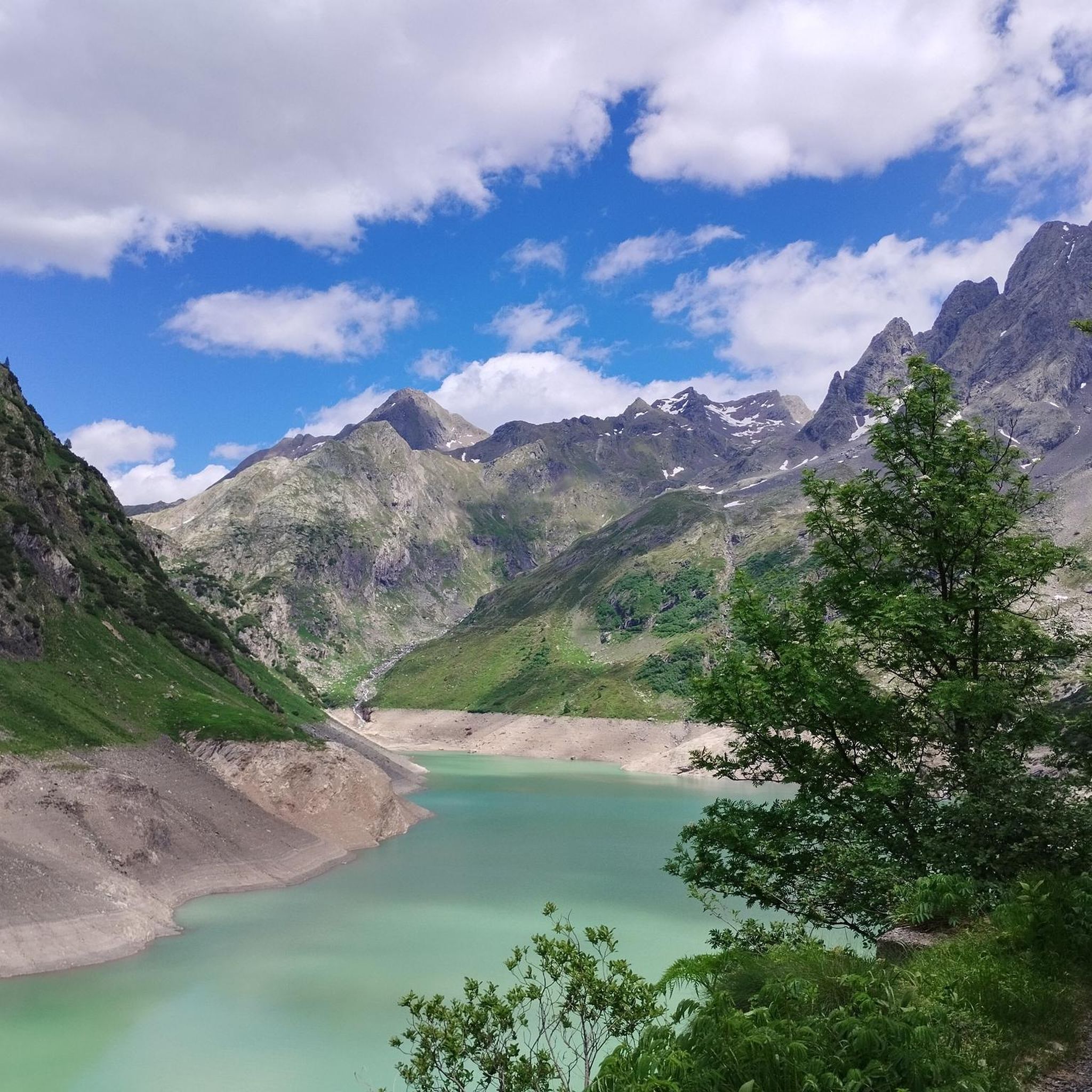
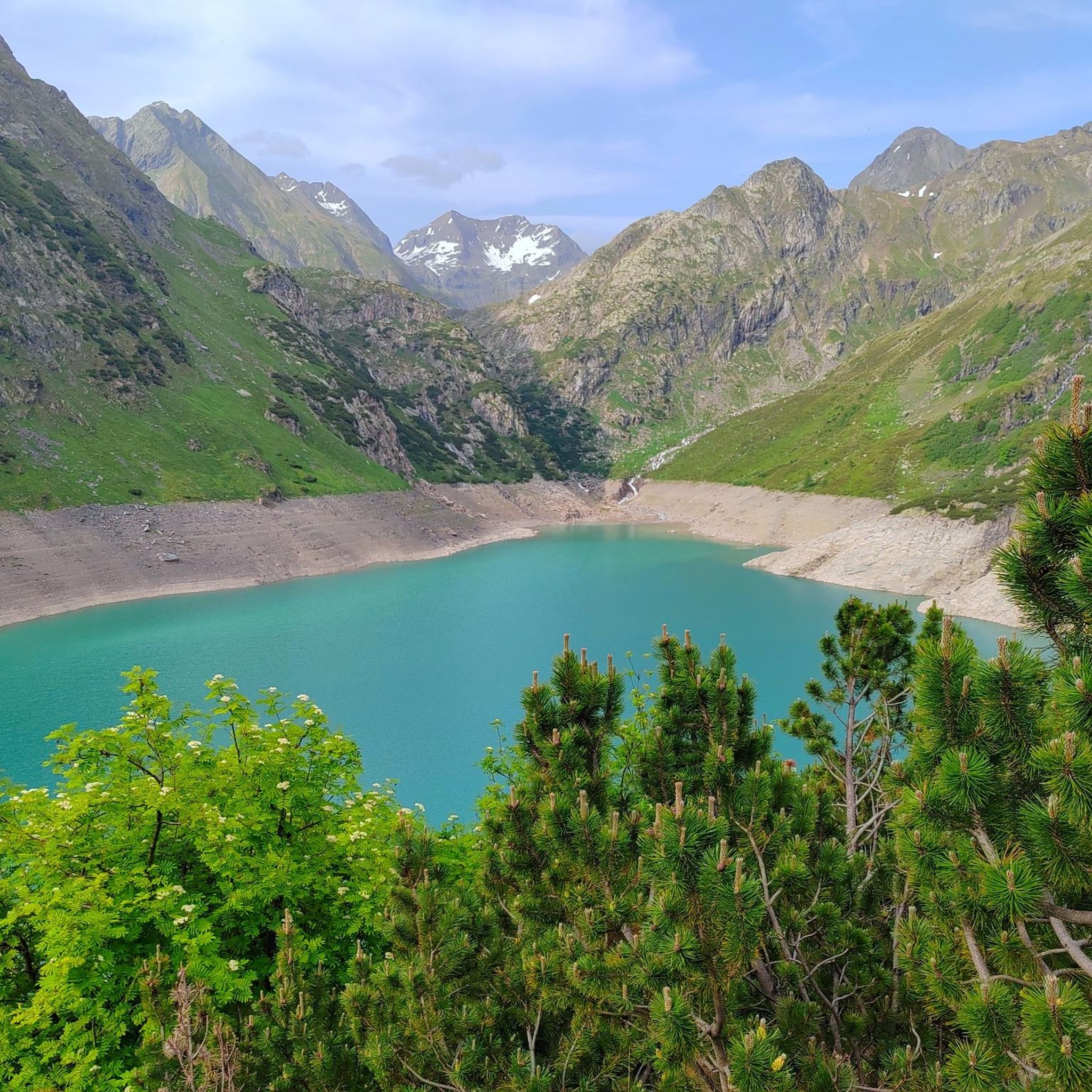
Mountaineering routes around Lago del Barbellino artificiale are set within the dramatic mountain scenery of the Bergamasque Alps, also known as the Orobie Mountains, in Lombardy, Italy. The artificial lake itself is situated at an elevation of 1,862 meters (6,109 feet) and is surrounded by towering peaks, many exceeding 3,000 meters, such as Pizzo Strinato and Monte Torena. The region features a challenging alpine terrain with significant elevation gains, extensive networks of C.A.I. paths, and natural features like the Serio…
Last updated: May 7, 2026
5
hikers
13.9km
07:58
1,470m
1,460m
Hard mountaineering route. Very good fitness required. Sure-footedness, sturdy shoes and alpine experience required.
4
hikers
8.39km
04:18
800m
800m
Moderate mountaineering route. Good fitness required. Mostly accessible paths. Sure-footedness required.

Sign up for free
5.0
(1)
3
hikers
9.90km
03:47
560m
560m
Moderate mountaineering route. Good fitness required. Mostly accessible paths. Sure-footedness required.
Our route recommendations are based on thousands of hikes, rides, and runs completed by other people on komoot.
Start today with a free account
Your next adventure awaits.
Login or Signup
Tips from the Community

A passage that may frighten the less experienced but is safe and without major difficulties
0
0
Merelli Refuge at Coca: a rugged and fascinating place in the Orobie Alps The Mario Merelli Refuge at Coca, at 1,891 meters, is one of the most iconic spots in the Coca Valley. Dedicated to the Bergamo mountaineer Mario Merelli, it retains his spirit: essential, authentic, deeply rooted in the mountains. Its location is what immediately strikes you: a natural balcony leading to the basin of the Orobie Giants, dominated by Pizzo Coca, Redorta, Scais, and Porola, a cluster of peaks that creates an imposing and almost solemn amphitheater. The ascent from Valbondione The classic access starts from Valbondione, near the village of Grumetti. The trail climbs steeply from the start, gaining altitude with regular switchbacks. It's a route that many describe as steep but safe, challenging enough to give you a sense of the mountain without ever becoming technical or exposed. Once out of the forest, the valley opens up and the dark walls of the Coca appear; The final, more challenging stretch leads to the refuge, which suddenly appears on a panoramic hill. The effort is always rewarded: those who arrive speak of its astonishing beauty and a setting that remains in their hearts. A refuge that tells a story The Merelli is a base for climbing Pizzo Coca and for crossings to the Brunone and Curò refuges, but it is also a place of memory. Inside, you can feel the legacy of Mario Merelli, and the atmosphere is that of the refuges of old: simple, welcoming, and sincere. It is a refuge that is not reached by chance: it is reached with commitment, and perhaps for this very reason, it leaves a profound impression.
0
0


A lovely refuge at the end of the Lizzola chairlift. Several trails start here, the one to Lake Spigorel is recommended. The refuge is packed in August, and it's difficult to book a lunch reservation, but you can have sandwiches made and excellent cakes to go.
0
0

A place of haunting beauty, steeped in history and memories. Walking at the foot of the Gleno Dam is a deeply moving experience. In my video, I recount the history and emotion of this place. Watch it for the full adventure: https://youtu.be/xOmoTKIHDm0
1
0

Excellent, well-equipped refuge with food and drinks available. Excellent selection of alcoholic beverages and fast service. The Radler is truly excellent! I could have drunk three! The platter is truly rich and plentiful with truly delicious products, especially the cheeses!
1
1

Small refuge near the Lizzola ski lifts, highly recommended in spring when the lifts are closed and therefore there are few excursions to have the opportunity to enjoy the landscape and the tranquility that this place offers. From Lizzola you can go up from the ski slopes (when they are closed) or passing through the Passo della Manina (longer path but with less slope). Excellent cuisine, do not miss the village cake! very good.
0
0
wonderful place but better to avoid crowded periods
0
0
Frequently Asked Questions
What natural features and landmarks can I expect to see on mountaineering routes around Lago del Barbellino artificiale?
The region is rich in dramatic alpine scenery. You'll encounter towering peaks like Pizzo Strinato, Monte Torena, and Monte Gleno. A significant highlight is the Lago del Barbellino artificiale itself, known for its greenish hue. Further upstream, you can discover the smaller, natural Lago Naturale del Barbellino. The spectacular Serio Waterfalls, Italy's highest, are also in the vicinity, though their flow is regulated and only visible on specific dates.
Are there any easier mountaineering routes suitable for those with less experience?
While many routes in the area are challenging, there are options for those seeking a more moderate experience. For example, the Passo della Manina loop from Valbondione is rated moderate and offers varied alpine landscapes. Another moderate option is the Route del Gleno – Gleno Dam loop from Vilminore di Scalve, which explores the area around the Gleno Dam.
What are the most challenging mountaineering routes in the area?
For experienced mountaineers, the region offers several difficult routes. The Rifugio Mario Merelli al Coca – Antonio Curò Mountain Hut loop from Valbondione is a demanding 14 km trail connecting two prominent mountain huts with extensive views. Another challenging option is the Rifugio Mario Merelli al Coca – Lake Coca loop from Valbondione, which navigates rugged alpine terrain past Lake Coca.
Are there mountain refuges available for multi-day treks?
Yes, the area is well-equipped with mountain refuges that serve as essential resting points and bases for longer expeditions. Notable refuges include Rifugio Curò, Rifugio Barbellino (also known as Rifugio Ludwigsburg al Barbellino), and Rifugio Mario Merelli al Coca. These can be incorporated into multi-day plans, such as trails leading to Passo di Caronella or stages of the Sentiero Italia.
What is the best time of year for mountaineering around Lago del Barbellino artificiale?
The best time for mountaineering in this region is typically during the warmer months, from late spring to early autumn (June to September). During this period, snow has usually melted from the higher trails, and weather conditions are generally more stable. Always check local weather forecasts and trail conditions before heading out, as alpine weather can change rapidly.
Are there any circular mountaineering routes available?
Yes, several routes offer a circular experience. The Rifugio Mario Merelli al Coca – Antonio Curò Mountain Hut loop from Valbondione is a popular circular option. Another is the Passo della Manina loop from Valbondione, which provides a varied alpine landscape experience.
What should I wear and bring for mountaineering in this region?
Given the challenging alpine terrain and significant elevation gains, it's crucial to be well-prepared. Always wear sturdy, waterproof hiking boots with good ankle support. Layered clothing is recommended, including a waterproof and windproof outer shell. Essential gear includes a backpack with sufficient water, high-energy snacks, a map and compass or GPS device, a first-aid kit, sun protection, and a headlamp. Trekking poles can also be very helpful.
What do other mountaineers enjoy most about the routes around Lago del Barbellino artificiale?
The area is highly rated by the komoot community, with an average score of 5.0 stars. Reviewers often praise the dramatic mountain scenery, the challenging nature of the trails, and the rewarding panoramic views from the high-altitude peaks. The extensive network of C.A.I. paths and the presence of mountain refuges are also frequently appreciated.
Are there options for public transport to reach the trailheads?
Many mountaineering routes in the Lago del Barbellino artificiale area, including those mentioned, often start from Valbondione. While specific public transport details can vary, Valbondione is typically accessible by bus services from larger towns in the Bergamo province. It's advisable to check current bus schedules and routes from Bergamo or other nearby hubs to Valbondione before planning your trip.
Is parking available at the main trailheads?
Yes, for routes starting from Valbondione, there is usually parking available. Valbondione serves as a common starting point for many trails leading into the Bergamasque Alps, including those towards Lago del Barbellino artificiale. Parking facilities are typically located near the village center or at the beginning of the main access roads to the trails. Fees may apply, especially during peak season.
Are the mountaineering routes around Lago del Barbellino artificiale suitable for families?
While many routes are challenging and require good physical condition and sure-footedness, some sections or shorter trails might be suitable for families with older, experienced children. However, the region is primarily known for its demanding alpine terrain. For families seeking easier walks, it's best to research specific, less strenuous paths or consider routes that stay at lower altitudes or are clearly marked as 'easy' or 'family-friendly' by local tourism boards.
Can I bring my dog on the mountaineering routes?
Generally, dogs are permitted on many trails in the Bergamasque Alps, but regulations can vary. It's common practice to keep dogs on a leash, especially in areas with livestock or protected wildlife. Always ensure your dog is fit enough for the terrain and distance, and carry enough water for both of you. Check for any specific restrictions or protected areas where dogs might not be allowed before you go.
Most popular routes around Lago del Barbellino artificiale

Get inspired with the komoot mobile app


Explore more
Browse the best Mountain Hikes & Routes in other regions.
