Attractions and Places To See around Cholderton - Top 20
Best attractions and places to see around Cholderton include a concentration of significant prehistoric sites. The region is characterized by its historical landscape, featuring ancient monuments and burial grounds. These sites offer insights into Neolithic and Bronze Age cultures, set within an open, rural environment. The area provides opportunities to explore historical landmarks and natural settings.
Best attractions and places to see around Cholderton
- The most popular attractions is Stonehenge, a historical_site that features a megalithic structure formed by concentric stone circles. It is a well-known prehistoric monument with a visitor center and exhibitions.
- Another must-see spot is Woodhenge, a man_made_monument within the Stonehenge World Heritage Site. This Neolithic timber circle monument was discovered in 1926 and is free to visit.
- Visitors also love Cursus Barrows, a natural_monument consisting of a group of Neolithic and Bronze Age burial mounds. These barrows are visible along footpaths and offer historical context to the surrounding landscape.
- Cholderton is known for its historical sites, ancient monuments, and archeological locations. The area offers a variety of attractions to see and explore, focusing on prehistoric heritage.
- The attractions around Cholderton are appreciated by the komoot community, with more than 360 upvotes and over 400 photos shared.
Last updated: July 15, 2026
Stonehenge
Highlight • Historical Site
Tip by

Woodhenge
Highlight • Monument
The site is managed by English Heritage and free to visit. You can visit anytime during daylight hours. More information: english-heritage.org.uk/visit/places/woodhenge
Tip by

Sign up now to discover places like this
Get recommendations on the best single tracks, peaks, & plenty of other exciting outdoor places.
Sign up for free
Cursus Barrows
Highlight • Natural Monument
Translated by Google •
Tip by

The Bridge Inn
Highlight • Pub
Tip by

Cuckoo Stone
Highlight • Monument
Tip by
Sign up for free to discover even more attractions around Cholderton.
Sign up for free
Already have an account?
Start today with a free account
Your next adventure awaits.
Login or Signup

Tips from the Community


Why exactly there? Archaeologists suspect several reasons: Line of sight From the mounds, there is a direct view of Stonehenge. Sacred landscape The entire plain was a ritual area with paths, graves, and ceremonial sites. Status symbol Important people were buried near the famous sanctuary. Interesting fact There are over 300 burial mounds in the vicinity of Stonehenge – one of the largest prehistoric burial landscapes in Europe.
0
0
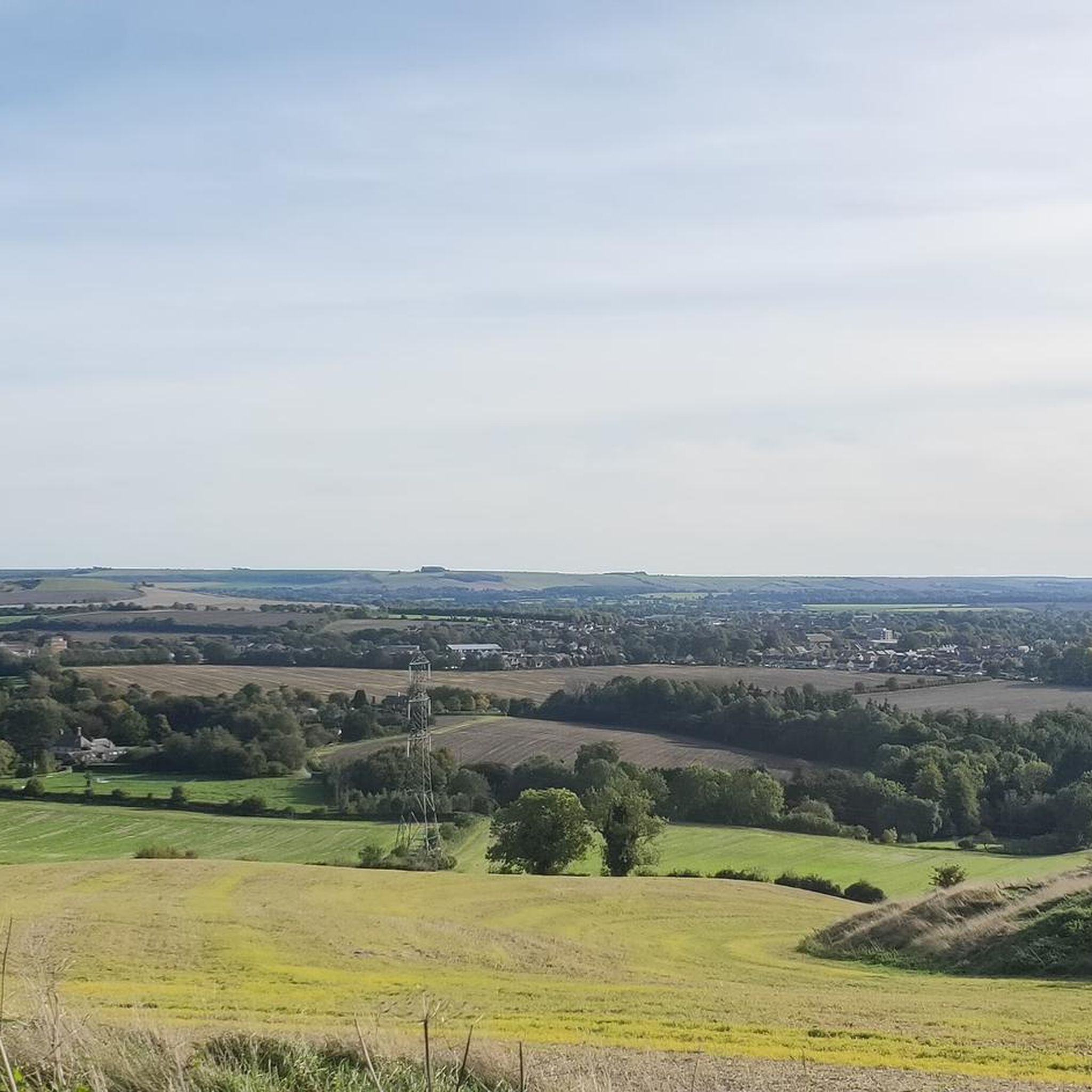
Here is a simple overview map explaining the landscape south of Stonehenge and why the burial mounds are located there. Landscape south of Stonehenge The most important range of mounds is called Normanton Down Barrows. It lies about 1 km south of Stonehenge. There are over 40 burial mounds there, dating from 2600–1600 BC. The mounds are situated on a long ridge that faces directly towards Stonehenge. Simplified diagram of the location North ↑ Stonehenge ○ | | approx. 1 km | ───────────────── Hill ridge with many burial mounds (Normanton Down) ○ ○ ○ ○ ○ ○ ○ ○ ○ ○ ↓ South Important hills there One particularly famous burial mound is Bush Barrow A richly furnished grave of a Bronze Age prince, containing gold objects and weapons, was found there.
0
0

Can someone please be happy/laughing with me that Google Translate turns Amy's "henge and timber monument" into "Denkmal für Hühner 🐔" in German? - Great 😂😂😂
0
0

Location signage, that is, how to locate the cuckoo stone, is non-existent! Once you pass through the gate next to Woodhenge you’ll see the National Trust sign. The stone lies way off to your right at about 3 o’clock direction from the sign. If the grass is long it won’t be visible!
2
0


Like the larger megaliths that make up the outer ring of Stonehenge, the Cuckoo Stone is a sarsen stone and was once a standing stone. It has since fallen but is still a familiar landmark and is part of the wider Stonehenge Landscape. It's believed that the Cuckoo Stone was the ceremonial centrepiece for several burials around 2000 BC.
3
0
Frequently Asked Questions
What historical sites can I visit around Cholderton?
The region around Cholderton is rich in prehistoric sites. You can explore the iconic Stonehenge, a megalithic structure with a visitor center. Also nearby is Woodhenge, a Neolithic timber circle monument, and the Cursus Barrows, a group of Neolithic and Bronze Age burial mounds. Another significant landmark is the Cuckoo Stone, a fallen sarsen stone believed to be a ceremonial centerpiece.
Are there family-friendly attractions near Cholderton?
Yes, several attractions are suitable for families. Stonehenge offers a visitor center with exhibitions and Neolithic houses. Woodhenge is also listed as family-friendly and provides a more open, free-to-visit experience. The Cuckoo Stone is part of a wider landscape that can be explored with children.
Where can I find easy walking trails around Cholderton?
For easy walks, consider exploring the routes listed in the Easy hikes around Cholderton guide. These include options like the 'Playground by the River – Queensberry Bridge loop from Amesbury' and the 'Hovis Bakery – Reeve the Baker loop from Amesbury', offering gentle paths suitable for a relaxed outing.
What are the options for hiking around the Cholderton area?
The Cholderton area offers a variety of hiking opportunities. You can find numerous trails in the Hiking around Cholderton guide, ranging from easy to moderate difficulty. Popular routes include loops from Amesbury that take you past historical sites and through scenic landscapes.
Is there parking available for Stonehenge?
Yes, Stonehenge has a dedicated visitor center with parking facilities. It is often recommended to book tickets and parking in advance, especially during peak times, to ensure availability and potentially save on fees. A shuttle bus typically runs from the visitor center to the stone circle.
Are there any pubs with walks nearby?
Yes, The Bridge Inn in Upper Woodford is a welcoming pub located in the charming Woodford Valley. It's situated along the Sarsen Way long-distance trail and offers traditional pub food, outdoor seating by the river, and a cozy wood-burner for cooler days, making it a great stop after a walk.
What is the best way to explore the Cursus Barrows?
The Cursus Barrows are best explored on foot. They are visible along footpaths that traverse the fields between the Stonehenge Visitor Centre and Stonehenge itself. Display boards provide historical context about these Neolithic and Bronze Age burial mounds, which are part of the wider Stonehenge landscape.
Can I visit Woodhenge for free?
Yes, Woodhenge is managed by English Heritage and is free to visit. You can access the site anytime during daylight hours, offering a peaceful alternative to the more crowded Stonehenge.
Are there running trails available near Cholderton?
For those interested in running, there are various trails around Cholderton. The Running Trails around Cholderton guide lists several moderate routes, such as the 'Speak Plantation loop from Bulford' or the 'Stephen's Mound loop from Shipton Bellinger', offering diverse distances and terrains.
What is the Cuckoo Stone and how can I find it?
The Cuckoo Stone is a sarsen stone, similar to those at Stonehenge, that once stood upright but has since fallen. It's considered a familiar landmark within the wider Stonehenge Landscape and is believed to have been a ceremonial center for burials. It can be found near Woodhenge; after passing through the gate next to Woodhenge, it lies to the right, though it may be obscured by long grass.
What do visitors enjoy most about the attractions around Cholderton?
Visitors particularly appreciate the rich historical context and the opportunity to explore ancient monuments like Stonehenge and Woodhenge. The ability to walk freely among sites like the Cursus Barrows and the peaceful atmosphere of places like Woodhenge, away from crowds, are frequently highlighted. The blend of historical exploration with natural, open landscapes is a key draw.
Most popular attractions around Cholderton

Get inspired with the komoot mobile app


Explore more
Still not found the Highlight you’re looking for? See guides of the top attractions in other regions:
