Attractions and Places To See around Fornham All Saints - Top 20
Best attractions and places to see around Fornham All Saints include a blend of historic landmarks, natural landscapes, and cultural sites within this Suffolk village. The area features ancient churches, significant historical battle sites, and archaeological evidence of Neolithic monuments. Visitors can explore the River Lark, expansive countryside, and various walking routes that connect to historic parklands.
Best attractions and places to see around Fornham All Saints
- The most popular attractions is St Edmundsbury Cathedral, a religious building that…
Last updated: July 20, 2026
St Edmundsbury Cathedral
Highlight • Religious Site
Tip by

Abbey Gate, Bury St Edmunds
Highlight • Historical Site
Tip by
Sign up now to discover places like this
Get recommendations on the best single tracks, peaks, & plenty of other exciting outdoor places.
Sign up for free
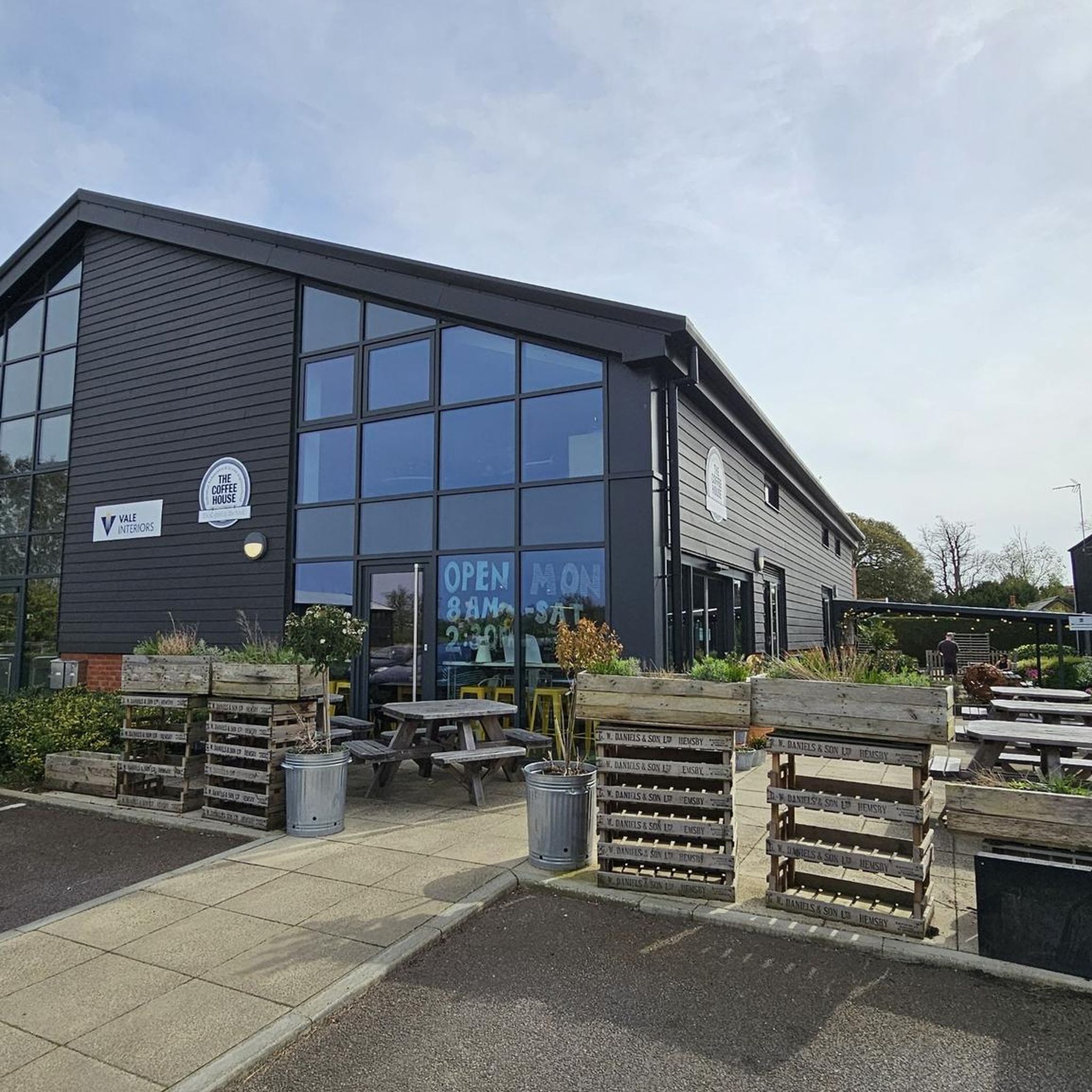
The Fox Inn, Ousden
Highlight • Pub
Tip by

Seven Tree Road, Deadman's Grave
Highlight • Trail
Deadman's Grave, Icklingham is a 127.3-hectare (315-acre) biological Site of Special Scientific Interest north-east of Icklingham in Suffolk. It is a Nature Conservation Review site, …
Tip by

West Stow Anglo-Saxon Village
Highlight • Settlement
Tip by

Sign up for free to discover even more attractions around Fornham All Saints.
Sign up for free
Already have an account?
Start today with a free account
Your next adventure awaits.
Login or Signup

Tips from the Community

The present building is a cathedral. The abbey that preceded it was shut down after the reformation and only its ruins remain.
0
0


This beautiful cathedral was originally built as a church in the early 13th century and became a cathedral for the newly established Diocese of St Edmundsbury and Ipswich in 1914. It has some beautiful characteristics including a large rose window, detailed stone carvings, fantastic gardens and the notable Abbey Gate.
1
0

West Stow is more than just an outdoor museum; it's also an archaeological site, as it occupies the location of one of the earliest Anglo-Saxon villages, which was inhabited between 420 and 650 AD. Currently, there is a recreation of this village where you can engage in a variety of fun and interesting activities.
1
0

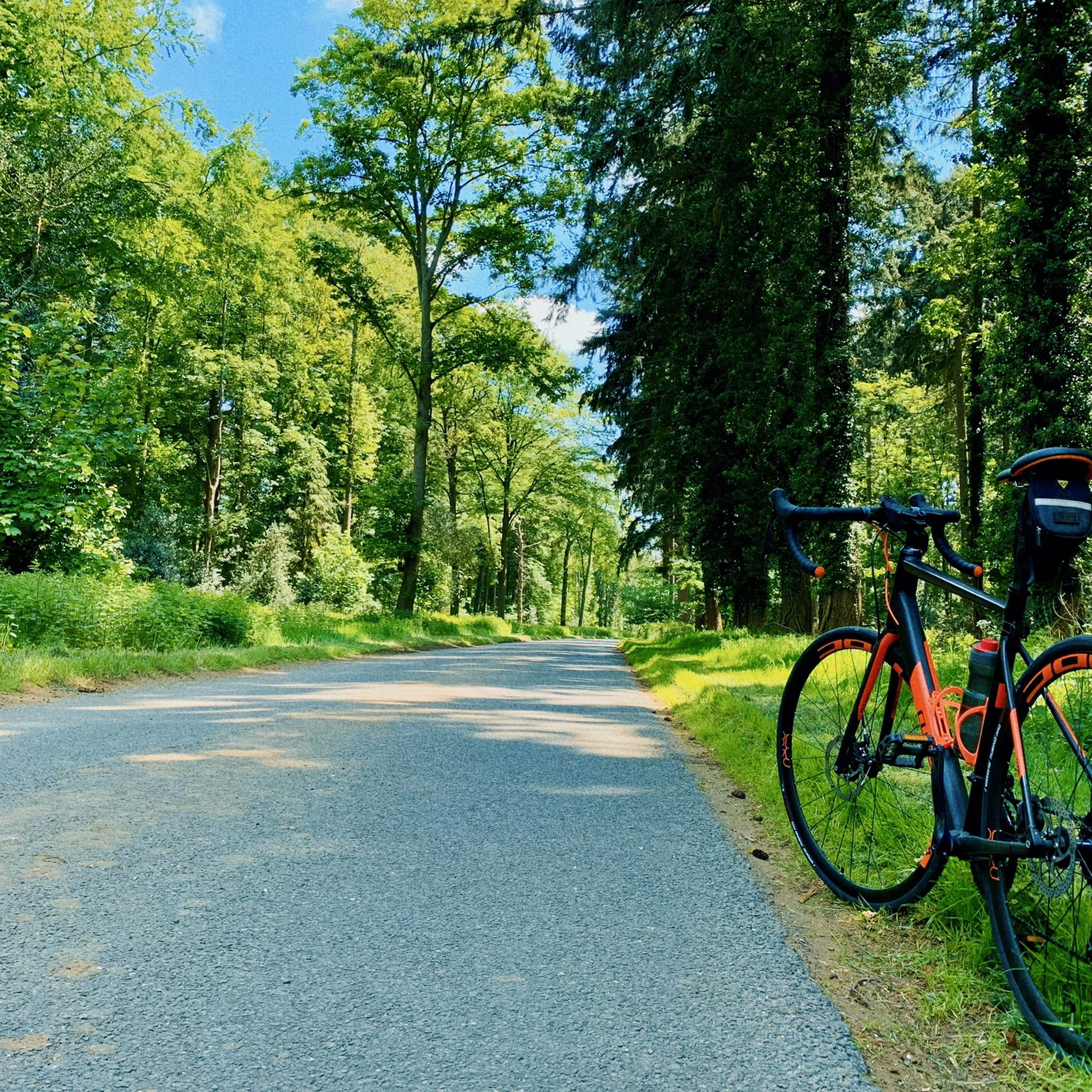
The top element of Seven Tree Road is less pleasant when prolonged amounts of rain. Rutted from 4 x 4's. But with care, always ridable.
0
1
From Wikipedia, Deadman's Grave, Icklingham Deadman's Grave, Icklingham is a 127.3-hectare (315-acre) biological Site of Special Scientific Interest north-east of Icklingham in Suffolk. It is a Nature Conservation Review site, Grade I, and part of Breckland Special Area of Conservation and Breckland Special Protection Area under the European Union Directive on the Conservation of Wild Birds. According to Natural England, this site "is largely covered by short, sheep-grazed, species-rich calcareous grassland of the very highest value." It has four nationally rare plants, Spanish catchfly, Boehmer's cat's-tail, Breckland Wild Thyme and spring speedwell. Nationally rare stone curlews breed there. A track called Seven Tree Road runs through the site.
0
1
Note: the highest *pint* not the highest *point*. To find the missing “o” go to www.komoot.com/highlight/1530035
0
0
Frequently Asked Questions
What historical sites can I explore in Fornham All Saints?
Fornham All Saints is rich in history. You can visit the All Saints Church, a Grade I listed building with parts dating back to the 12th century, featuring intricate wood carvings and historical significance. The village also has a poignant War Memorial and evidence of ancient Neolithic Ritual Monuments near Pigeon Lane. Additionally, the site of the former Franciscan Babwell Priory, dating from around 1262, can be traced through long flint walls leading to Tollgate Lane.
Are there any ancient archaeological sites to explore in the area?
Yes, near Pigeon Lane, archaeological evidence points to significant Neolithic ritual monuments, including prehistoric causeways and trenches. There's also evidence of a small prehistoric or Roman settlement with hut circles, and the remains of a wooden henge and a cursus (a ceremonial causeway) running parallel to the River Lark.
Where can I learn about Anglo-Saxon history near Fornham All Saints?
You can step back in time at West Stow Anglo-Saxon Village, a reconstructed settlement on the site of an early Anglo-Saxon village. It offers historically-accurate buildings and indoor displays of artifacts, providing a fascinating glimpse into early Anglo-Saxon life.
What natural features and walking trails are available in Fornham All Saints?
The River Lark forms part of the parish boundary, and a section of the 14-mile River Lark Path passes through the village, offering scenic riverside walks. The surrounding area features gentle countryside, expansive wheat fields, and paths connecting to historic parklands. You can also explore the Pigeon Lane Cycle and Pedestrian Route, which is closed to motorized vehicles, linking to wider cycle path networks.
Are there opportunities for hiking or cycling near the attractions?
Absolutely. Fornham All Saints offers several hiking routes, including the River Linnet – Lady Hervey's Wood Snowdrops loop and the St Edmundsbury Cathedral – Abbey Gate, Bury St Edmunds loop. A public footpath up Tut Hill links to Marham Park, which has a network of footpaths and cycle paths. For more detailed routes, you can explore the hiking guide for Fornham All Saints.
What family-friendly attractions are available in and around Fornham All Saints?
Families can enjoy several attractions. West Stow Anglo-Saxon Village is a great option for an immersive historical experience. Nearby, St Edmundsbury Cathedral offers a rich historical and architectural visit. Ickworth House, a National Trust property, provides beautiful grounds and a historic estate to explore. For more active fun, CurveMotion (an indoor activity center) and Go Ape Thetford (an outdoor adventure park) are also within easy reach.
Is Fornham All Saints accessible for visitors with limited mobility?
Yes, some key sites are accessible. All Saints Church offers wheelchair access. Additionally, a section of Pigeon Lane has been designated as a cycle and pedestrian route, closed to motorized vehicles, which can provide a smoother path for those with limited mobility.
Where can I find places to eat or stay in Fornham All Saints?
The village features The Three Kings Pub, which is mentioned as a fantastic establishment offering a bar, restaurant, and accommodation, serving as a local point of interest for refreshment and stay.
What are some notable nearby attractions outside of Fornham All Saints village?
Beyond the village, you can visit Bury St Edmunds, which boasts St Edmundsbury Cathedral, Moyse's Hall Museum, and the Abbey Gardens. Other nearby attractions include West Stow Country Park and Anglo-Saxon Village, the historic Ickworth House (National Trust), and Lackford Lakes, a nature reserve known for its birdlife.
What kind of wildlife can I spot in Fornham All Saints?
The area is home to diverse wildlife. The River Lark and its path offer opportunities for spotting various species. All Saints Resort and Bury Golf Course, partially within the parish, are noted for their rich wildlife. Additionally, two natural ponds within private gardens support local wildlife, and areas like Seven Tree Road, Deadman's Grave, are biological Sites of Special Scientific Interest known for nationally rare plants and birdlife like stone curlews.
Are there any significant historical battles associated with Fornham All Saints?
Yes, the village has been the site of two significant historical battles. One occurred around 902 AD, when King Edward the Elder fought his cousin, Æthelwold ætheling. The other, more famously, was the Battle of Fornham in 1173, where King Henry II defeated the Earl of Leicester and a Flemish army.
Most popular routes around Fornham All Saints
Most popular attractions around Fornham All Saints

Get inspired with the komoot mobile app


Explore more
Still not found the Highlight you’re looking for? See guides of the top attractions in other regions:
