The best MTB trails around Duero Bajo
4.0
(23)
742
riders
31
rides
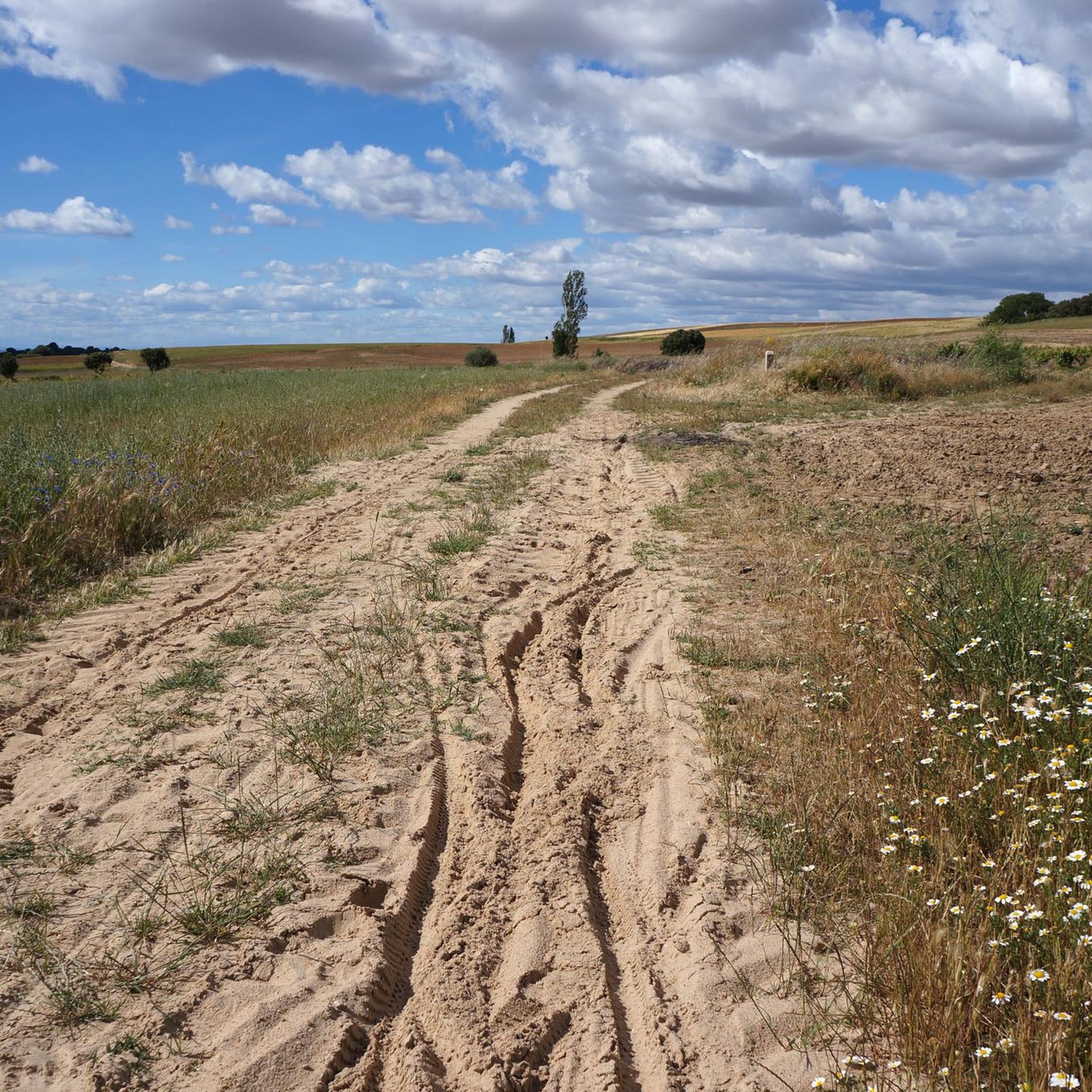
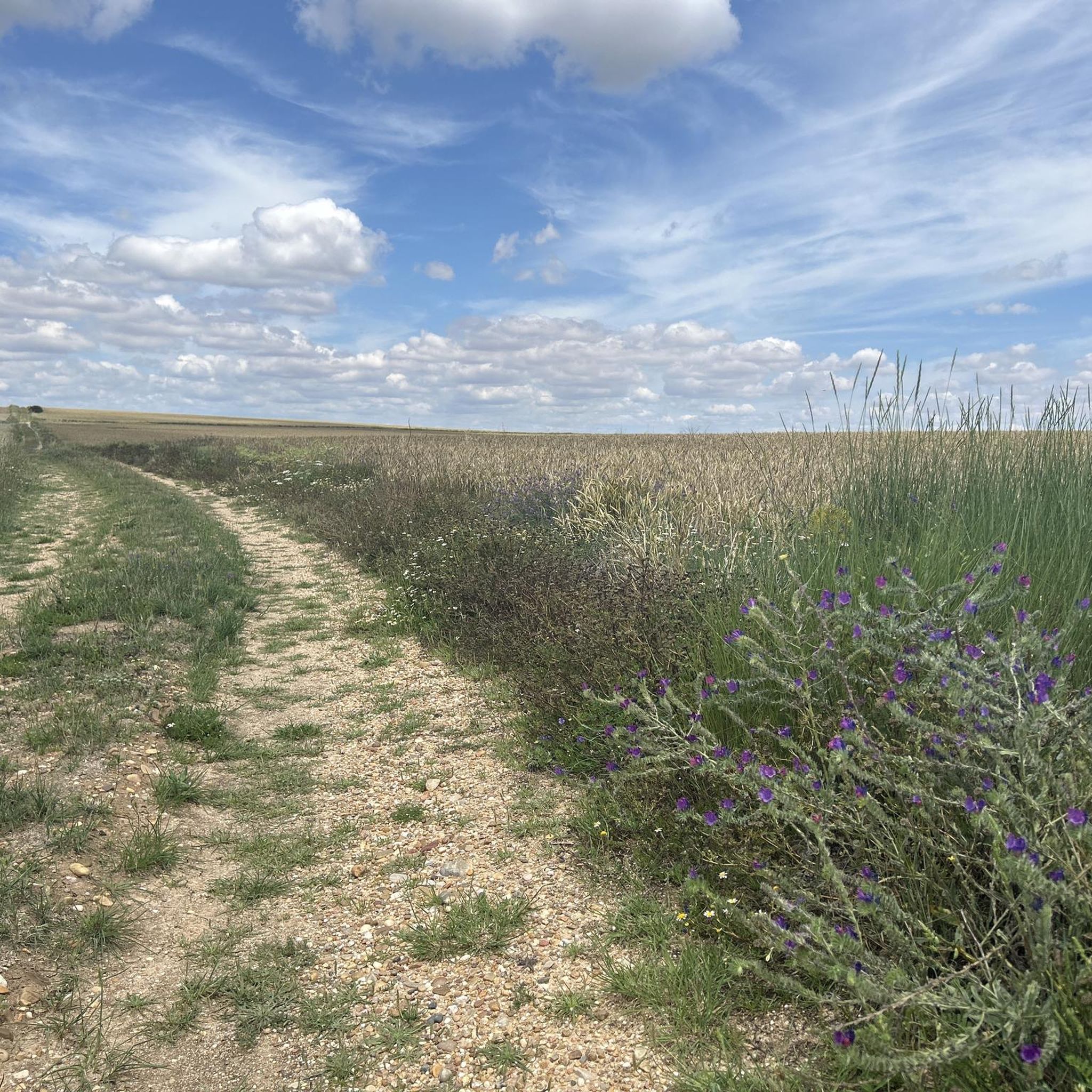
Mountain biking around Duero Bajo offers diverse natural landscapes shaped by the prominent Duero River. The region features varied terrain, including riverbanks with poplars and willows, hillsides with holly oaks, and reforested conifers. Dramatic canyons and precipices are found in areas like the Arribes del Duero Natural Park, alongside pine forests, holm oak groves, and agricultural mosaics. This varied topography provides a range of mountain bike trails.
Best mountain bike trails around Duero Bajo
- The most popular mountain bike trail…
Last updated: July 7, 2026
6
riders
41.0km
03:32
450m
460m
Moderate mountain bike ride. Good fitness required. Suitable for all skill levels.
4
riders
48.7km
03:22
340m
340m
Moderate mountain bike ride. Good fitness required. Suitable for all skill levels.

Sign up for free
1
riders
57.5km
04:33
380m
390m
This moderate 35.7-mile mountain biking route from Toro explores historical villages and scenic landscapes, passing Castillo de Tiedra.
49.0km
04:14
420m
420m
Explore the Ruta del Alcornoque Gordo de Calahorra, a moderate 30.5-mile mountain bike route featuring the ancient Fat Cork Oak.
44.4km
03:22
310m
310m
Moderate mountain bike ride. Good fitness required. Advanced riding skills necessary.
52
riders
63.4km
05:42
1,010m
1,010m
Hard mountain bike ride. Very good fitness required. Suitable for all skill levels.
74
riders
59.9km
05:15
790m
790m
Hard mountain bike ride. Very good fitness required. Suitable for all skill levels.
67
riders
38.1km
03:23
560m
560m
Moderate mountain bike ride. Good fitness required. Suitable for all skill levels.
23
riders
54.7km
04:44
660m
660m
Hard mountain bike ride. Good fitness required. Advanced riding skills necessary. Some portions of the route may require you to push your bike.
23
riders
Moderate mountain bike ride. Good fitness required. Suitable for all skill levels.
Get access to more routes and recommendations from other explorers.
Sign up for free
Already have an account?
Our route recommendations are based on thousands of hikes, rides, and runs completed by other people on komoot.
Start today with a free account
Your next adventure awaits.
Login or Signup
Popular around Duero Bajo
Other adventures around Duero Bajo


Tips from the Community

The Alcázar of Toro is a historic fortification located in the town of Toro (Zamora, Castile and León), with great heritage and scenic value. It was built in the 10th century during the Christian repopulation, as part of the defensive system against Muslim incursions. It was reinforced in subsequent centuries, especially in the Middle Ages, when Toro acquired strategic importance in the Kingdom of León and later in Castile. It played a prominent role in the War of the Castilian Succession (1475), in the famous Battle of Toro between supporters of Isabella I of Castile and Joanna la Beltraneja.
2
0

A magnificent pine forest that, in part, housed the Monte la Reina Camp until 1997.
0
0
Tiedra Castle is a medieval fortress located in the town of Tiedra, in the province of Valladolid. Built in the 13th century, the castle has belonged to illustrious figures such as Berenguela de Castilla and the Téllez de Meneses family. It was an important strategic point on the border between the kingdoms of León and Castile. The castle has a keep, walls and a moat surrounding it on two sides. It has been recently restored and now houses a museum inside.
3
0
The Valorio Forest is a large green space located in the northwestern part of the city of Zamora, in Castile and Leon. This forest, which covers approximately 80 hectares, is known as the "green lung" of the city. The forest has a variety of ecosystems, including holm oaks, oaks, stone pines, poplars, aspens and willows. It is an ideal place to walk, play sports, enjoy a picnic or simply relax in nature. It also has a children's play area and a calisthenics park.
3
0
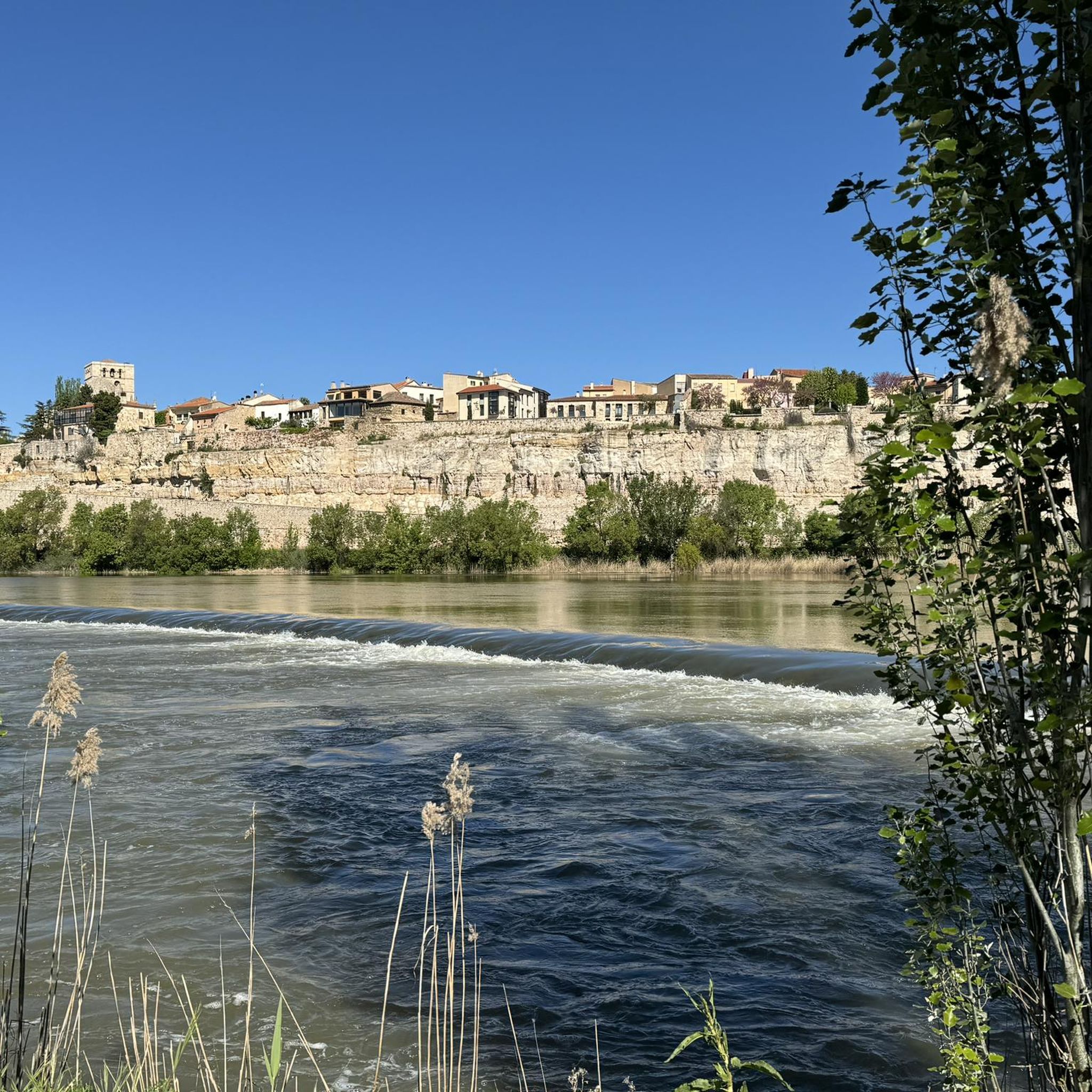
The Stone Bridge of Zamora, also known as Puente Nuevo in the Middle Ages, is one of the five bridges that cross the Duero River in Zamora, Castile and León. This Romanesque bridge was built in the early 13th century and has been renovated on several occasions.
3
1
Neo-Gothic palace, built in the 19th century by the 1st Count of Villapadierna. Today it is a rural hotel belonging to the Monte la Reina wine tourism complex.
0
0

You can cross over the dam without any danger, it is a road with little traffic...
0
1
The San José Reservoir and Dam, also known as the Castronuño Dam, is a hydroelectric engineering project located in the middle course of the Duero River, about 2 km from the town of Castronuño. Built between 1941 and 1945, the dam is a gravity type and has a height of 14.05 metres.
6
0
Frequently Asked Questions
How many mountain bike trails are available in Duero Bajo?
There are 19 mountain bike trails available in Duero Bajo, offering a variety of experiences for different skill levels.
What are the typical difficulty levels for mountain biking in Duero Bajo?
The trails in Duero Bajo primarily feature moderate and difficult routes. There are 15 moderate trails, suitable for those with good fitness and basic riding skills, and 4 difficult trails, which require very good fitness and advanced techniques. Some challenging sections on harder routes may even require riders to push their bikes.
Are there mountain bike trails that offer circular routes in Duero Bajo?
Yes, many trails in Duero Bajo are circular. For example, you can explore the Toro a Monte La Reina bosque — circular, a 41 km moderate trail through the Monte La Reina forest, or the Toro a Castronuño — circular por San Román de Hornija, a 48.7 km path following the Duero River.
What kind of terrain can I expect on mountain bike trails in Duero Bajo?
Duero Bajo offers diverse terrain shaped by the Duero River. You'll find riverbanks with poplars and willows, hillsides with holly oaks and reforested conifers, and dramatic canyons in areas like the Arribes del Duero Natural Park. The landscape also includes pine forests, holm oak groves, and agricultural mosaics, providing varied riding surfaces.
Are there any longer, more challenging mountain bike routes for experienced riders?
For experienced riders seeking a challenge, the Zamora Stone Bridge – Duero Trail in Zamora loop from Toro is a difficult 84.2 km route with significant elevation gain. Another demanding option is the Plaza de Santa Marina – Clock Tower of Toro loop from Toro, a 57.7 km difficult trail.
What are some notable natural features or viewpoints along the mountain bike trails?
The region is defined by the Duero River, which has carved dramatic granite canyons up to 400 meters deep in the Arribes del Duero Natural Park. You can also find diverse riverine ecosystems, from open pastures to dense woodlands. The historic Cañada Real de la Plata offers picturesque views, and the View of the Salamanca Plains is a highlight.
What historical or cultural attractions can I see near the mountain bike routes?
Near the trails, you can visit the exemplary Romanesque architecture of the Collegiate Church of Santa María la Mayor (Toro). The region also features the Monument of the Three Pilgrimage Routes, symbolizing the confluence of Jacobean paths, and the charming town of El Cubo del Vino.
What is the best time of year for mountain biking in Duero Bajo?
Duero Bajo experiences a Mediterranean microclimate, making spring and autumn ideal for mountain biking. These seasons offer pleasant temperatures and lush landscapes, especially with the almond groves in bloom or the vibrant autumn colors. Summer can be very hot, while winter might bring cooler, potentially wet conditions.
Are there any family-friendly mountain bike options in Duero Bajo?
While the guide primarily lists moderate and difficult routes, the varied terrain along the Duero River offers potential for easier sections. For family-friendly options, look for routes described as 'easy' or 'suitable for all fitness levels' in specific local guides, which often run along flatter river sections or through less challenging agricultural lands.
What do other mountain bikers enjoy the most about mountain biking in Duero Bajo?
The area is highly rated by the komoot community, with an average score of 4.1 stars from over 20 reviews. Reviewers often praise the diverse natural landscapes, the scenic routes along the Duero River, and the mix of cultural and historical points of interest that can be explored by bike.
Can I find places to eat or stay near the mountain bike trails?
Yes, the Duero Bajo region is dotted with Castilian towns and villages where you can find local cafes, bars, and accommodation. The area is also renowned for its vineyards and wineries ('quintas'), many of which offer wine tastings and tours, providing unique culinary experiences.
Is public transport available to access mountain bike trails in Duero Bajo?
Public transport options to specific trailheads might be limited, especially in more rural areas. It's advisable to check local bus schedules or consider driving to a starting point. Many routes, such as those starting from Toro, are accessible from larger towns which may have better transport links.
Are there any specific regulations or permits required for mountain biking in certain areas, like natural parks?
When cycling within protected areas like the Arribes del Duero Natural Park, it's important to be aware of and respect local regulations. While specific permits for mountain biking are not commonly required for general trails, always stick to marked paths to protect the natural environment and wildlife, especially in Special Protection Areas for birds.
Most popular routes around Duero Bajo
Most popular attractions around Duero Bajo

Get inspired with the komoot mobile app


Didn’t find what you were looking for?
Check out more MTB trails throughout Duero Bajo below and find the perfect route in your destination.
Explore more
Browse the best MTB trails in other regions.
