The best traffic-free bike rides around Duero Bajo
10
riders
3
rides
Gravel biking around Duero Bajo offers diverse terrain shaped by the Duero River, which carves deep canyons and ravines, forming a natural border between Spain and Portugal. The region features a Mediterranean microclimate within these canyons, supporting terraced vineyards and olive groves, contrasting with the surrounding plateau. This landscape provides a mix of scenic gravel paths, quiet backroads, and varied surfaces suitable for exploration. The area is characterized by its dramatic geological formations and rich riverside vegetation.
Best no traffic…
Last updated: May 10, 2026
4
riders
47.1km
03:13
320m
320m
Moderate gravel ride. Good fitness required. Mostly paved surfaces. Suitable for all skill levels.
1
riders
17.9km
01:13
180m
180m
Moderate gravel ride. Good fitness required. Mostly paved surfaces. Suitable for all skill levels.

Sign up for free
2
riders
61.1km
03:54
560m
560m
Hard gravel ride. Very good fitness required. Mostly paved surfaces. Suitable for all skill levels.
Our route recommendations are based on thousands of hikes, rides, and runs completed by other people on komoot.
Start today with a free account
Your next adventure awaits.
Login or Signup
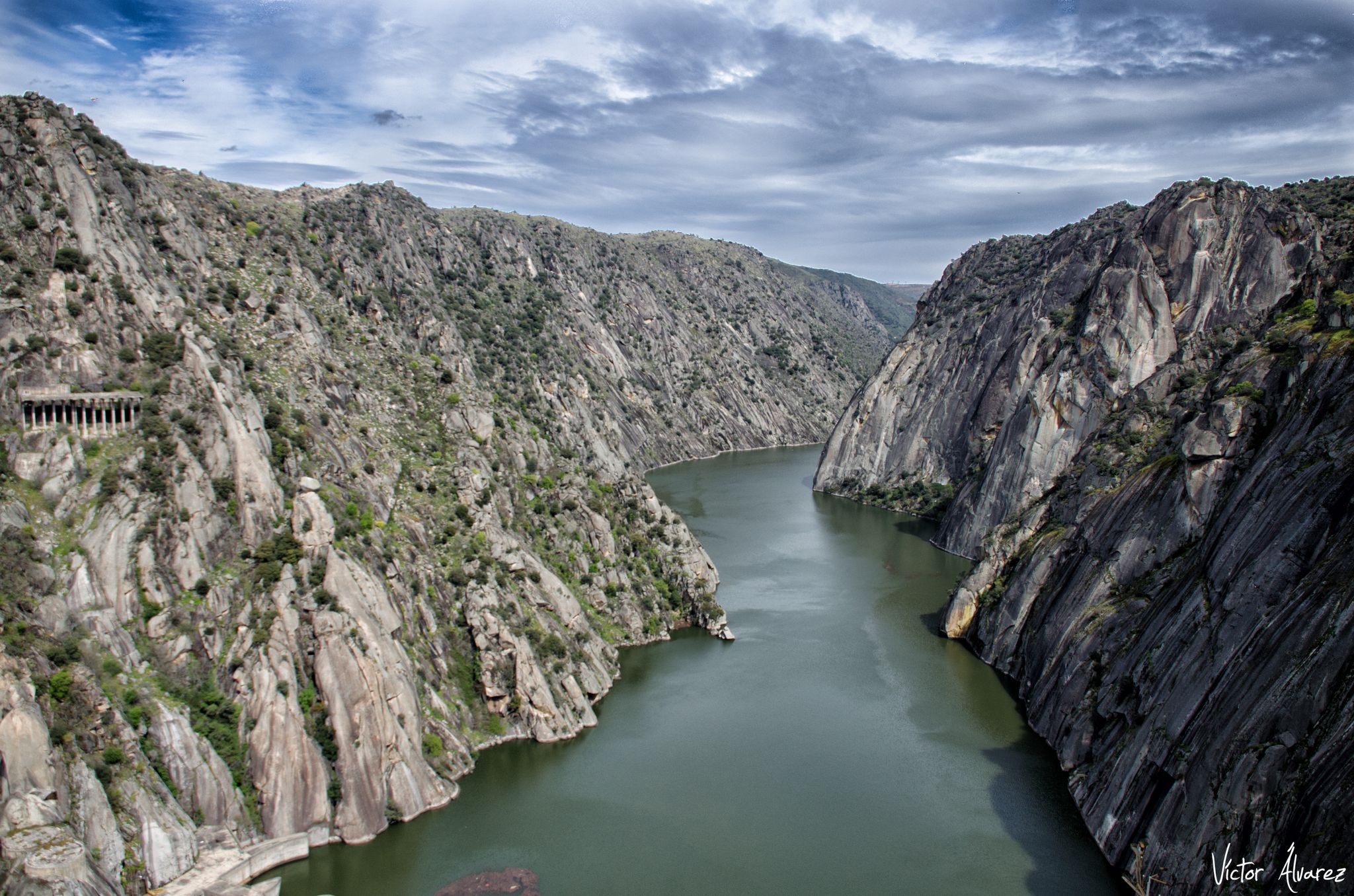
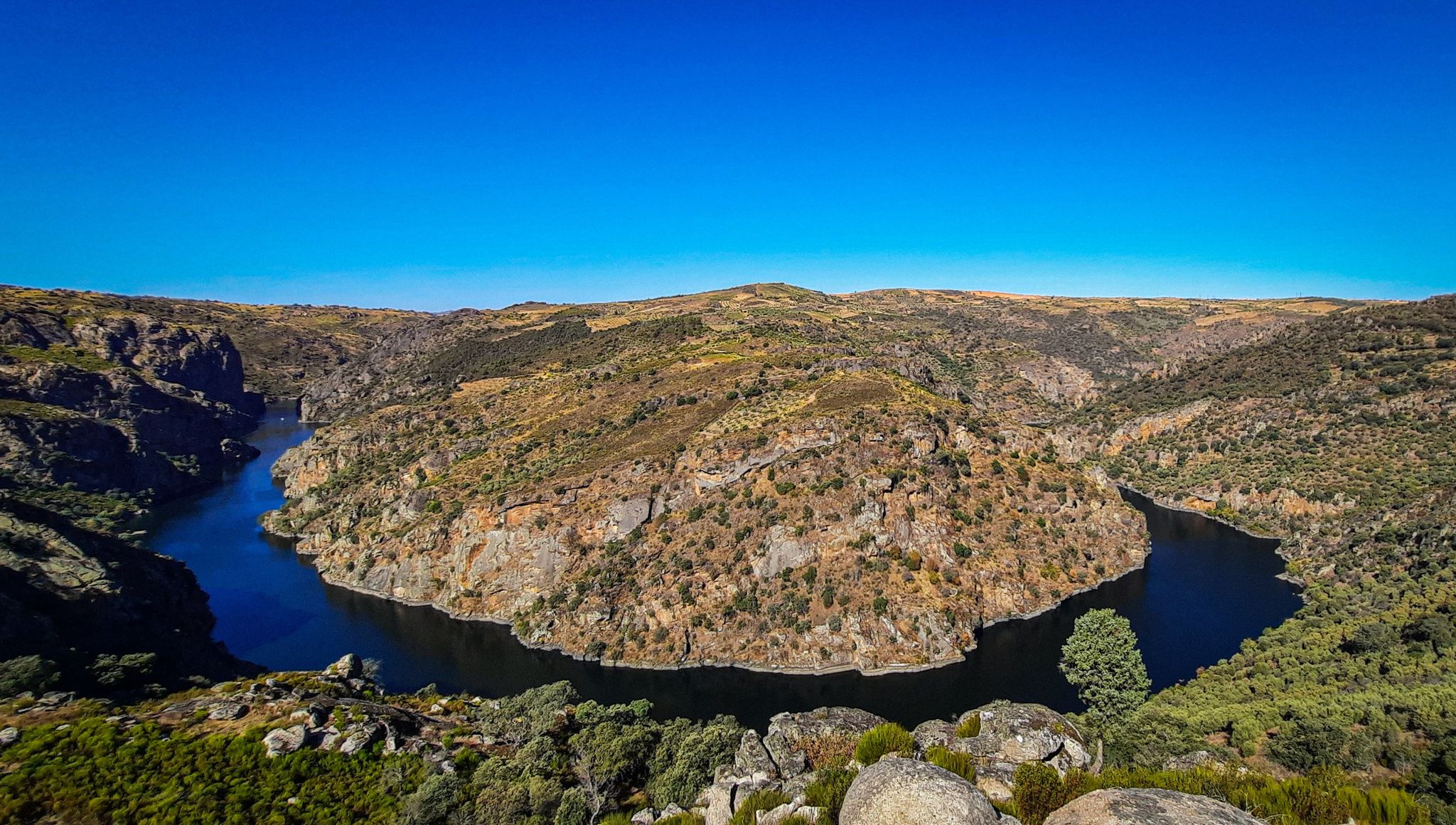
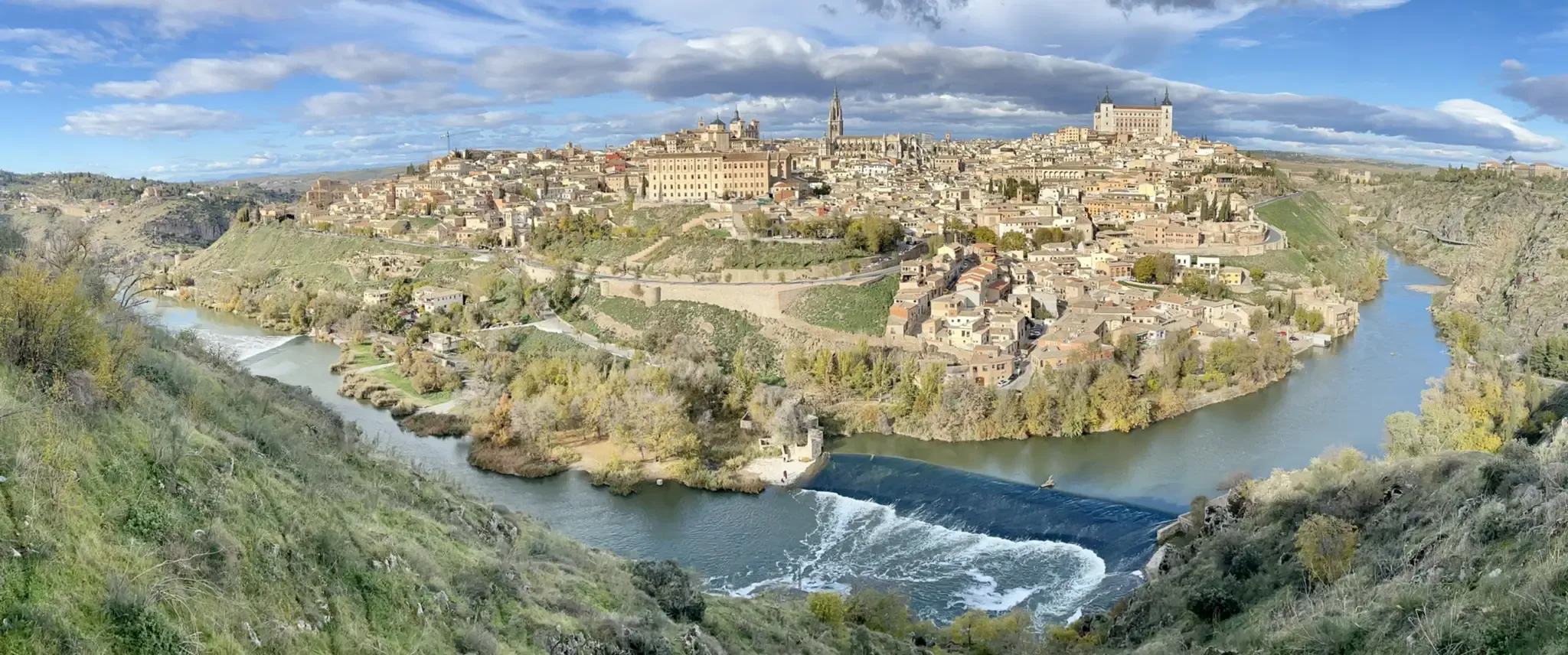
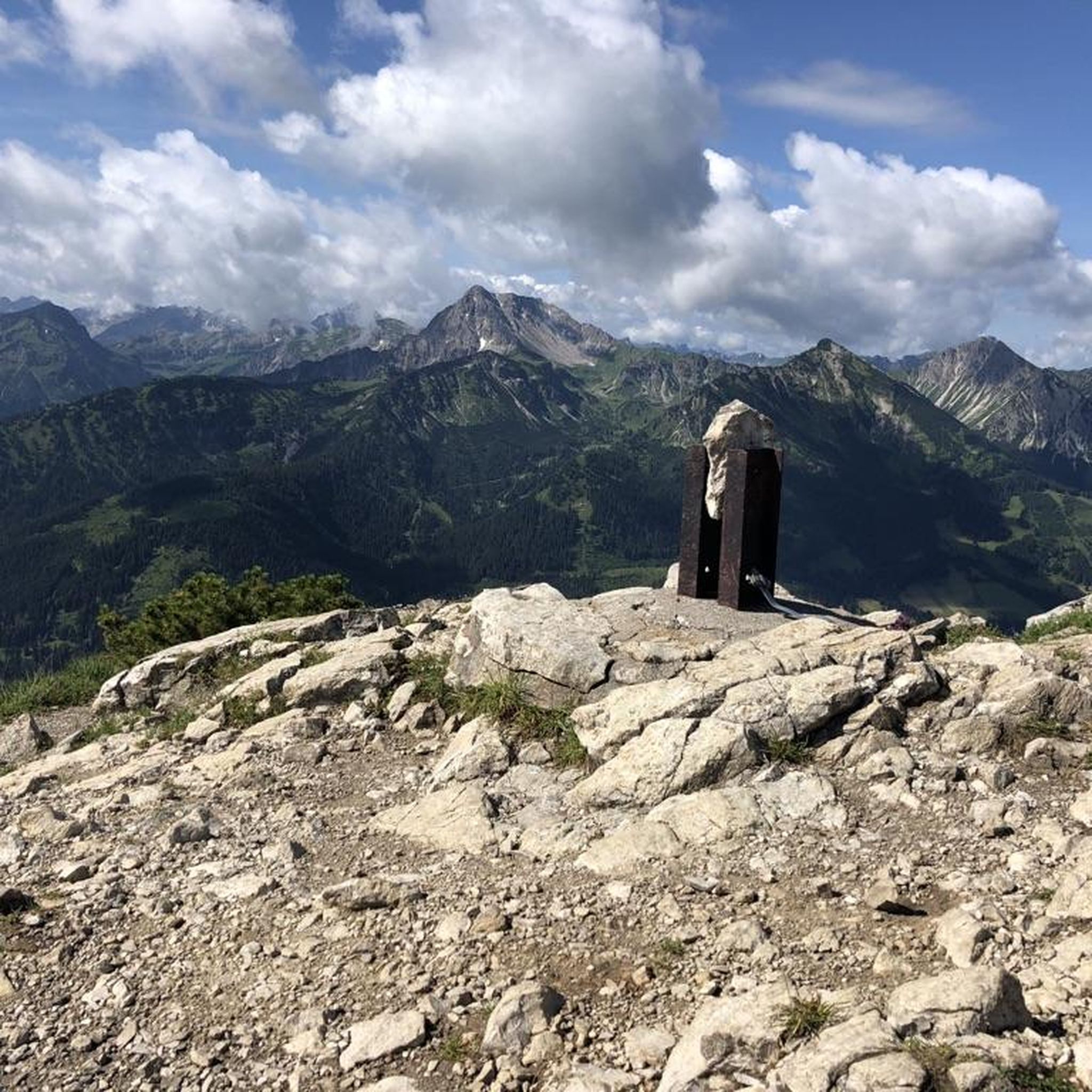

Other adventures around Duero Bajo


Tips from the Community

It spans the Duero River in Zamora (Castilla y León), connecting Avenida de Portugal (Pinilla neighborhood) with Calle de Salamanca in the city. The project began in 1882, with construction starting in 1892, under the direction of engineer Prudencio Guadalajara, to alleviate the overloading of the old Stone Bridge. Inaugurated in 1900, it represented a significant improvement in handling the growing traffic in the city. It was designed in steel, using a metal lattice structure of the St. Andrew's Cross type, typical of the late 19th century.
3
0

This monument consists of three monoliths representing the three roads that converge at this location: the Via de la Plata, the Calzada Mirandesa, and the Via Dalmacia; and a curb where pilgrims can write a wish on a stone and throw it into the curb for it to come true.
1
0

Bar Peña Unai Simon A great place to stop and have a coffee.
0
0
It's striking to find a church of this size in a small town, but its origin lies in a tradition that dates back to the late 13th century. Tradition tells us that while King Sancho IV was in Zamora recovering from a fever and wanting to escape his boredom, he organized a hunting trip. During the hunt, one of his falcons shot down a partridge and, upon hunting, found it sheltered among some broom bushes, protected by a small statue of the Virgin. The king ordered the statue of the Virgin to be immediately moved to the Church of San Antolín in the city of Zamora and ordered a church dedicated to Santa María la Real to be erected in her honor on the spot where the statue was found.
1
0
The Stone Bridge of Zamora, also known as Puente Nuevo in the Middle Ages, is one of the five bridges that cross the Duero River in Zamora, Castile and León. This Romanesque bridge was built in the early 13th century and has been renovated on several occasions.
3
1
The best thing about the Puente de los Poetas is the panoramic view of the entire old town of Zamora, dominated by the tower and dome of the Cathedral, in front of the waters of the Duero River and, in the background, the Romanesque Bridge.
0
0
The Franciscan convent of Nuestra Señora del Soto is located on the Vía de la Plata road to Santiago. It was built on an old hermitage in 1406. Nothing seems to be preserved from the original work, as it underwent a complete renovation in the mid-18th century. Confiscated, it became a quarry for many nearby buildings, was invaded by weeds and sold in parts to the ancestors of the current owners. You can take a virtual tour (360º) of the exterior and interior at this link: https://www.jcyl.es/jcyl/patrimoniocultural/VisitasVirtualesBIC/link/monasterio-nuestra-senora-del-soto-villanueva/
0
0

Frequently Asked Questions
How many no-traffic gravel bike trails are available in Duero Bajo?
Currently, there are 3 dedicated no-traffic gravel bike trails listed in this guide for the Duero Bajo region. These routes offer a mix of moderate and challenging options for exploring the area's unique landscapes.
What is the best time of year for gravel biking in Duero Bajo?
The Duero Bajo region, particularly within the canyons, benefits from a Mediterranean microclimate. Spring is an excellent time, especially when the almond trees are in bloom, creating stunning scenery. Autumn also offers pleasant temperatures and beautiful colors. While the microclimate can make winters milder, it's always wise to check local weather conditions.
Are there any family-friendly no-traffic gravel routes in Duero Bajo?
Yes, some routes are more suitable for families. For a moderate option, consider the Main Square of Fuentesaúco loop from Fuentesaúco, which covers just under 18 km with manageable elevation changes. Always assess the difficulty and distance to match your family's experience level.
What kind of scenery can I expect on these gravel bike trails?
The trails in Duero Bajo offer dramatic landscapes, primarily shaped by the Duero River carving out immense, steep-sided canyons, locally known as "arribes." You'll experience a blend of rugged terrain, terraced vineyards, olive and almond groves, and rich riverside vegetation. The region is also a Special Protection Area for birds, so keep an eye out for diverse wildlife.
Are there any challenging no-traffic gravel routes for experienced riders?
Absolutely. For a more demanding ride, the Palomares – Olivares Watermills loop from Zamora is classified as difficult, covering over 61 km with significant elevation gain. This route will test your endurance while offering rewarding views.
What interesting sights or landmarks can I see along the gravel bike trails?
Many routes offer proximity to historical and natural points of interest. For example, the Monoliths of the Three Causeways – Zamora Stone Bridge loop from Zamora passes near the impressive Monoliths of the Three Causeways. Other attractions in the broader region include the Collegiate Church of Santa María la Mayor (Toro) and the historic Plaza Mayor de Toro.
Are the no-traffic gravel bike trails in Duero Bajo typically circular routes?
Yes, all the no-traffic gravel bike trails featured in this guide are designed as circular routes. This allows for convenient starting and ending points, often in or near towns, making logistics easier for your ride.
Is parking available near the starting points of these trails?
Many of the routes start from towns like Zamora or Fuentesaúco, where public parking is generally available. It's advisable to check local parking regulations and availability in advance, especially during peak seasons.
What is the geographical definition of Duero Bajo?
Duero Bajo refers to the lower section of the Duero River basin, particularly the area where the river forms deep canyons and serves as a natural border between Spain and Portugal. This region is largely encompassed by the Arribes del Duero Natural Park in Spain and the Douro International Natural Park in Portugal, known for its dramatic geological formations and unique biodiversity.
Are there opportunities for food and drink near the gravel routes?
Yes, routes often start or pass through charming Castilian towns and villages. These typically offer amenities such as cafes, restaurants, and shops where you can refuel and experience local cuisine. The Ribera del Duero region is also renowned for its wine, with opportunities for wine tasting at local wineries.
Can I bring my dog on these gravel bike trails?
While many outdoor areas in Spain are dog-friendly, specific regulations can vary within natural parks and protected areas like Arribes del Duero. It's always best to check the current rules for the specific trail or park section you plan to visit, especially regarding leash requirements and waste disposal, to ensure a pleasant experience for everyone and protect local wildlife.
Most popular routes around Duero Bajo
Most popular attractions around Duero Bajo

Get inspired with the komoot mobile app


Explore more
Browse the best Gravel rides in other regions.
