Top 13 Castles around Valles Occidental
Best castles around Valles Occidental offer a glimpse into Catalonia's rich medieval past within the Barcelona region of Spain. This comarca is home to numerous historical castles, many of which retain significant architectural and historical value. These sites provide insights into the region's heritage, ranging from defensive structures to fortified farmhouses. Exploring these castles allows for an understanding of the area's historical development and cultural landscape.
Best castles around Valles Occidental
- The most popular castles is La Mola and the Monastery of Sant Llorenç del Munt, a summit that features a Romanesque monastery from the 10th century. It is the highest peak in the natural park and offers spectacular views over much of Catalonia.
- Another must-see spot is Guanta Castle, a medieval castle documented since 1113. Visitors can explore the ruins of this fortress, which is recognized as a cultural asset of national interest.
- Visitors also love Sentmenat Castle, a large Gothic building rebuilt on older foundations. Its grandeur is evident in its three-meter-thick walls and strategic location on a flat ridge.
- Valles Occidental is known for its medieval fortresses, fortified farmhouses, and historical defensive structures. The region offers a variety of castles to see and explore, from well-preserved sites to ancient ruins.
- The castles around Valles Occidental are appreciated by the komoot community, with more than 240 upvotes and over 160 photos shared by visitors.
Last updated: July 8, 2026
La Mola and the Monastery of Sant Llorenç del Munt
Highlight • Summit
Translated by Google •
Tip by

Sentmenat Castle
Highlight • Castle
The castle is in a strategic place. The façade, oriented to the west, is on the margin of the ravine that forms the Sentmenat stream. Built on a flat ridge of the ridge, 1,300 m northwest of the parish church of the village of Sentmenat.
It is a large Gothic building rebuilt on older foundations. In the fortress, it is reached through a stone bridge that protrudes from the castle and that seems to replace the old drawbridge. The grandeur of its fortress is manifested with walls three meters thick. The castle is made up of two rectangular bodies, arranged octagonally, with the ends joined by another body, the plan of which describes an arc of a quarter circle, more or less regular. These three bodies surround a patio in the shape of a trapezoid.
Translated by Google •
Tip by

Sign up now to discover places like this
Get recommendations on the best single tracks, peaks, & plenty of other exciting outdoor places.
Sign up for free
Guanta Castle
Highlight • Castle
Translated by Google •
Tip by
Fossada Tower (Castellbisbal)
Highlight • Historical Site
Translated by Google •
Tip by

Castell de Pera
Highlight • Castle
The oldest documentation known about the Pera Castle dates from the year 978. It is therefore one of the oldest castles in Catalonia, resulting from the process of feudalisation of the territory.
Enlairat on the hill of Pera, offers a wide view over the whole territory that dominated, from the valley of Horta to the castle of Granera.
Building a castle on such a steep hill was a great human and economic effort. For this reason, the castle builders abandoned any type of architectural ornament to focus on the creation of a simple but functional building. The construction was not definitive but, over the years, the castle changed its appearance to add new spaces and thus adapt to the new functions that imposed the changes of the time.
The original construction consisted of a more or less rectangular enclosure, oriented from north to south, closed by a wall of about 38 m long and 16 m wide. The southern end of the fort was closed by the natural rock that culminated the needle of the summit. By taking advantage of the terrain, the castle builders saved the most complicated part of the building: the watch tower.
(Source: parcs.diba.cat/documents/215256/9f4ea527-63b9-4c30-915b-af271fecac29)
Translated by Google •
Tip by

Gallifa Castle
Highlight • Castle
The castle has been documented since 999, but Iberian remains from the 8th century BC have been found that show the occupation of the place from a very remote time.
Inside the walled enclosure of the old castle of Gallifa and in its highest part, is the hermitage of Santa Maria del Castell, documented since 1078 as a parish and in a very good state of conservation, since it was restored and has been converted into the Church of the "Mother of God of Ecology".
Translated by Google •
Tip by
Castell de Clasquerí
Highlight • Castle
Translated by Google •
Tip by

La Torre Negra
Highlight • Castle
Since 1842 until today it is in private hands and belongs to the Rabadà family.
Some windows on the façade are geminated and the entrance door is formed by a semicircular arch.
Located in a natural setting between two streams, at the entrance to the Gausac valley on the border between the Collserola mountain range and the southern fields of the Vallés plain, with views over the entire horizon to the north.
Its origin dates back to the 12th century, in a castle named Ricanli or Ricard, built in the time of Abbot Ermengol and it seems that it was rebuilt between the 14th and 15th centuries. The Black Tower owes its current name to its dark-colored stone walls.
Its first known inhabitants were the Vilanova in the 12th century. Later it passed to the Palou family.
Throughout the Middle Ages it was the subject of disputes between the owners and the Sant Cugat monastery, which opposed its construction.
Translated by Google •
Tip by

Mogoda neighborhood and Mogoda Castle
Highlight • Historical Site
The neighborhood revolves around the 12th century fortified farmhouse, residence of the Mogoda lords and seat of the Mogoda barony, owned by the Montealegre Charterhouse between the 15th and 19th centuries.
Access to the current estate is through a modernist-style arch-shaped portal that leads to the parade ground. The complex is made up of several buildings: the fortified farmhouse, the chapel, the residential building and the stables. They all surround the old parade ground.
The Mogoda neighborhood gives its name to the town and is the deepest root of the town of Santa Perpètua de Mogoda.
It is located in the southeast of the urban nucleus, bordering between the Caldes stream, the Caldes highway and the Renfe Mollet-Papiol line.
Translated by Google •
Tip by
Can Taió Castle
Highlight • Castle
Translated by Google •
Tip by
Sign up for free to discover even more castles around Valles Occidental.
Sign up for free
Already have an account?
Start today with a free account
Your next adventure awaits.
Login or Signup
Popular around Valles Occidental
Barcelona: routes near the Tour de France 2026 Grand Départ
The Pilgrims' Road to Montserrat - GR 96
From the city to the forests – Camí Romeu de Montserrat (GR 96)
Spaces to breathe – loop of the Vallès Natural (GR 173)
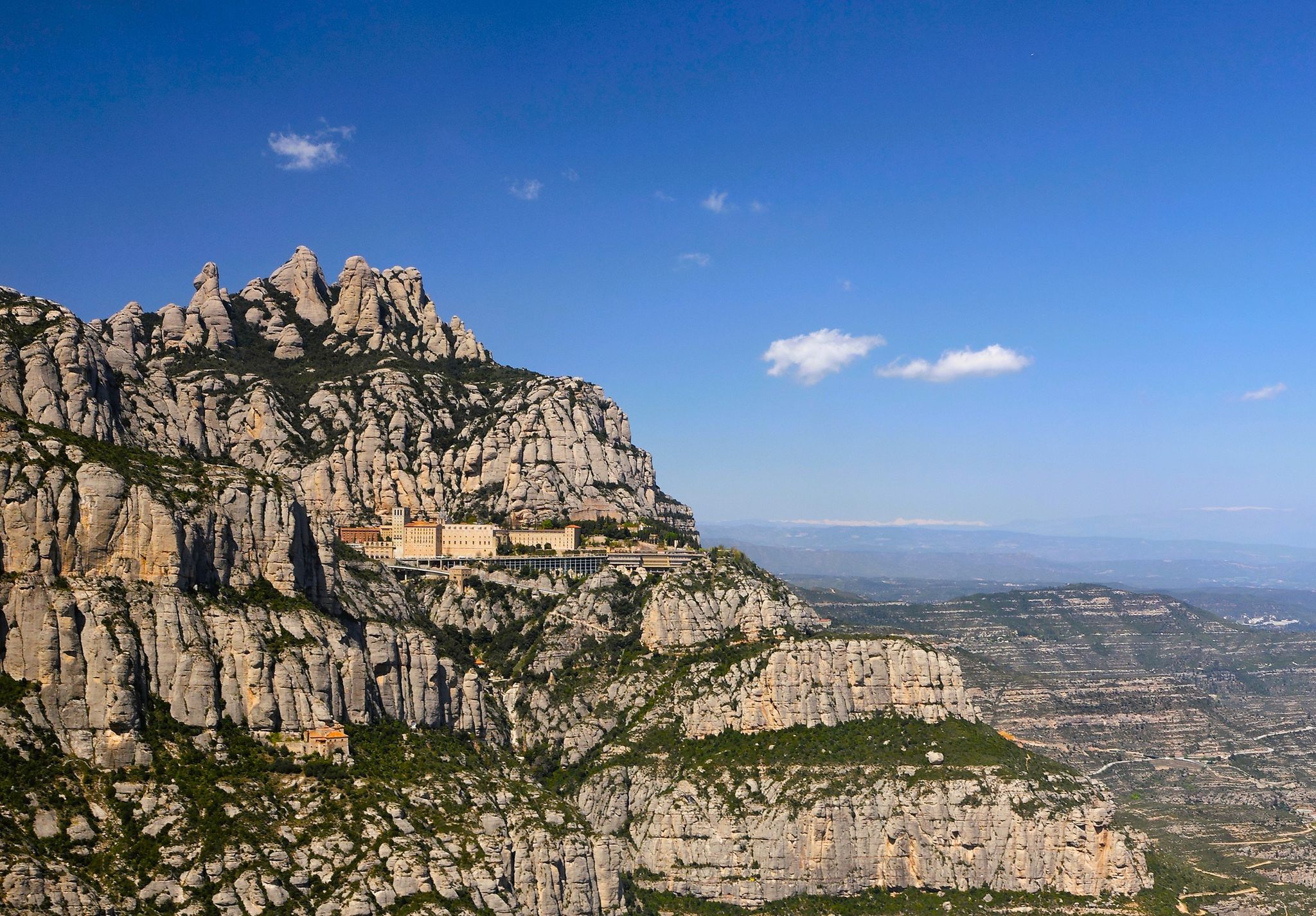
The Magic Mountain — Barcelona-Montserrat Trail (GR 6)
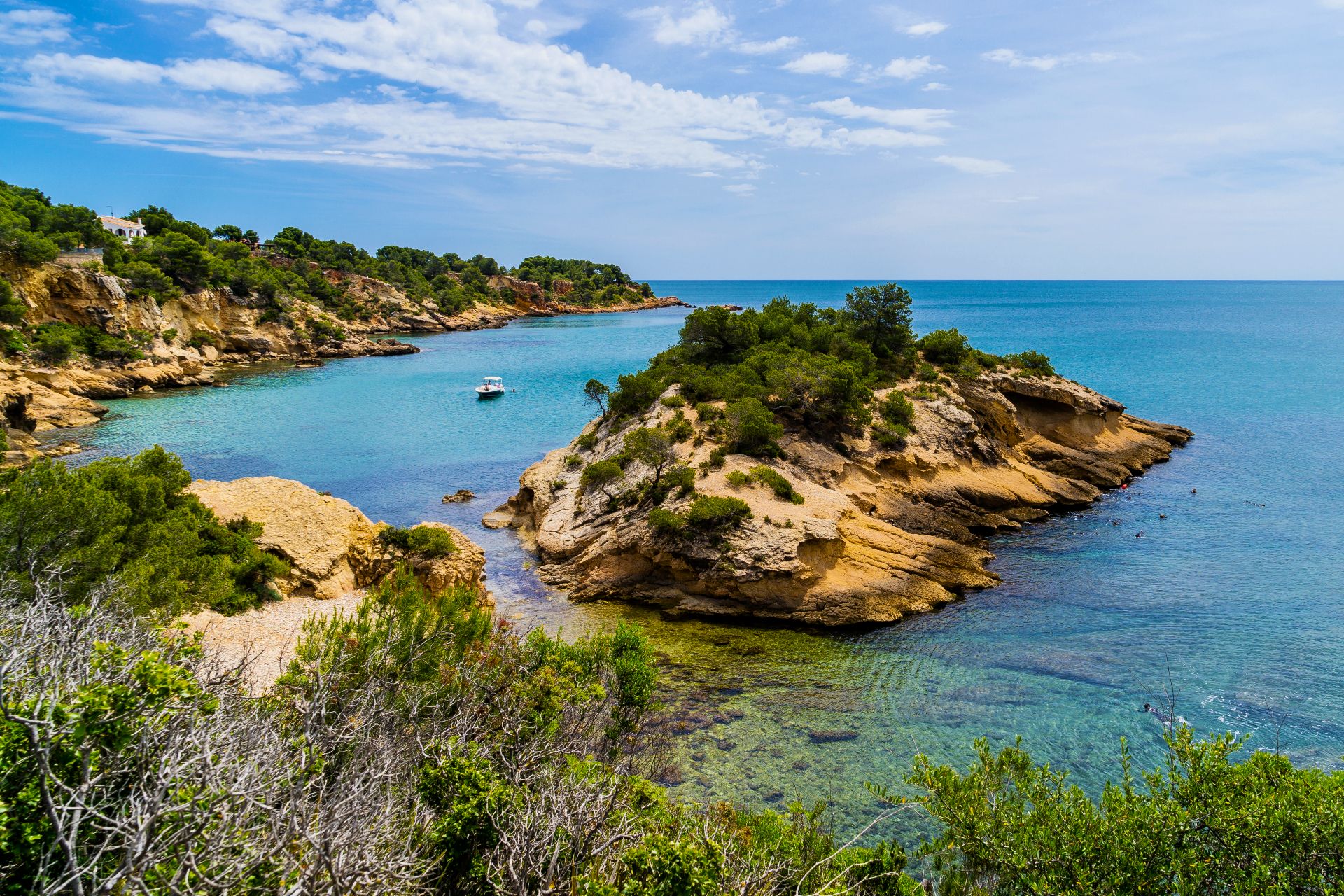
The Catalan coast on foot – Mediterranean Path (GR 92)
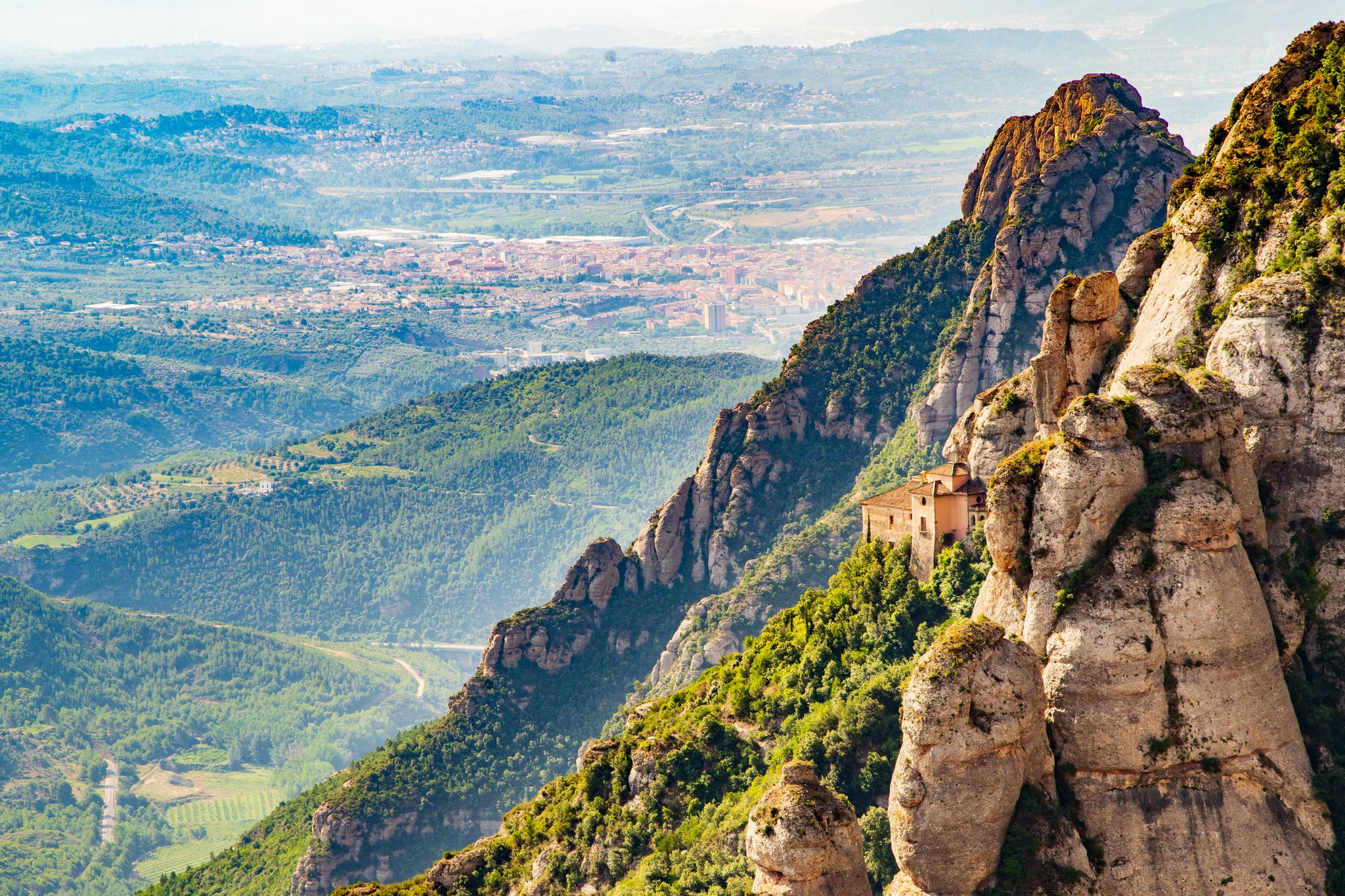
The Barcelona Arch – Natural Parks Trail (GR 5)
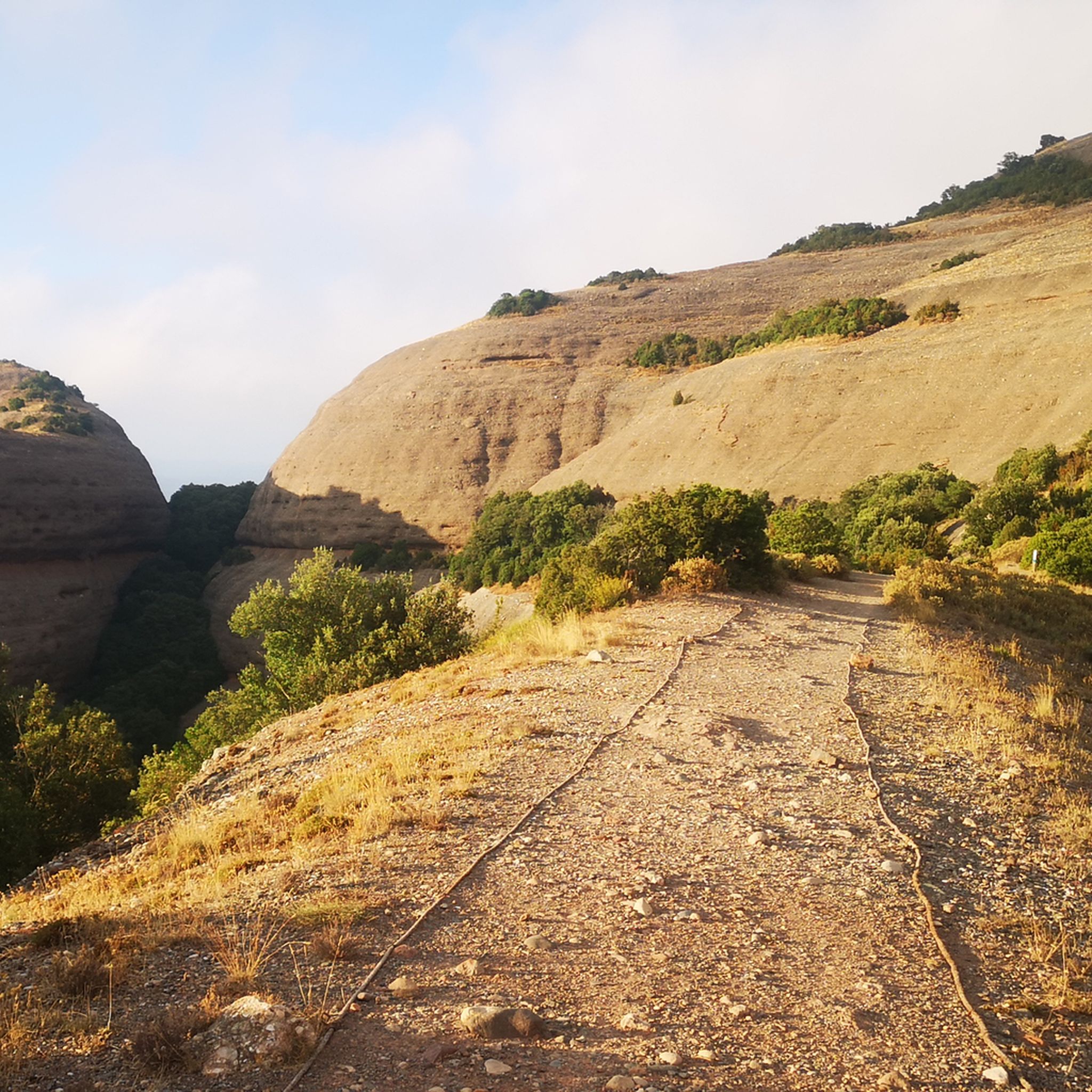
Hiking around Valles Occidental
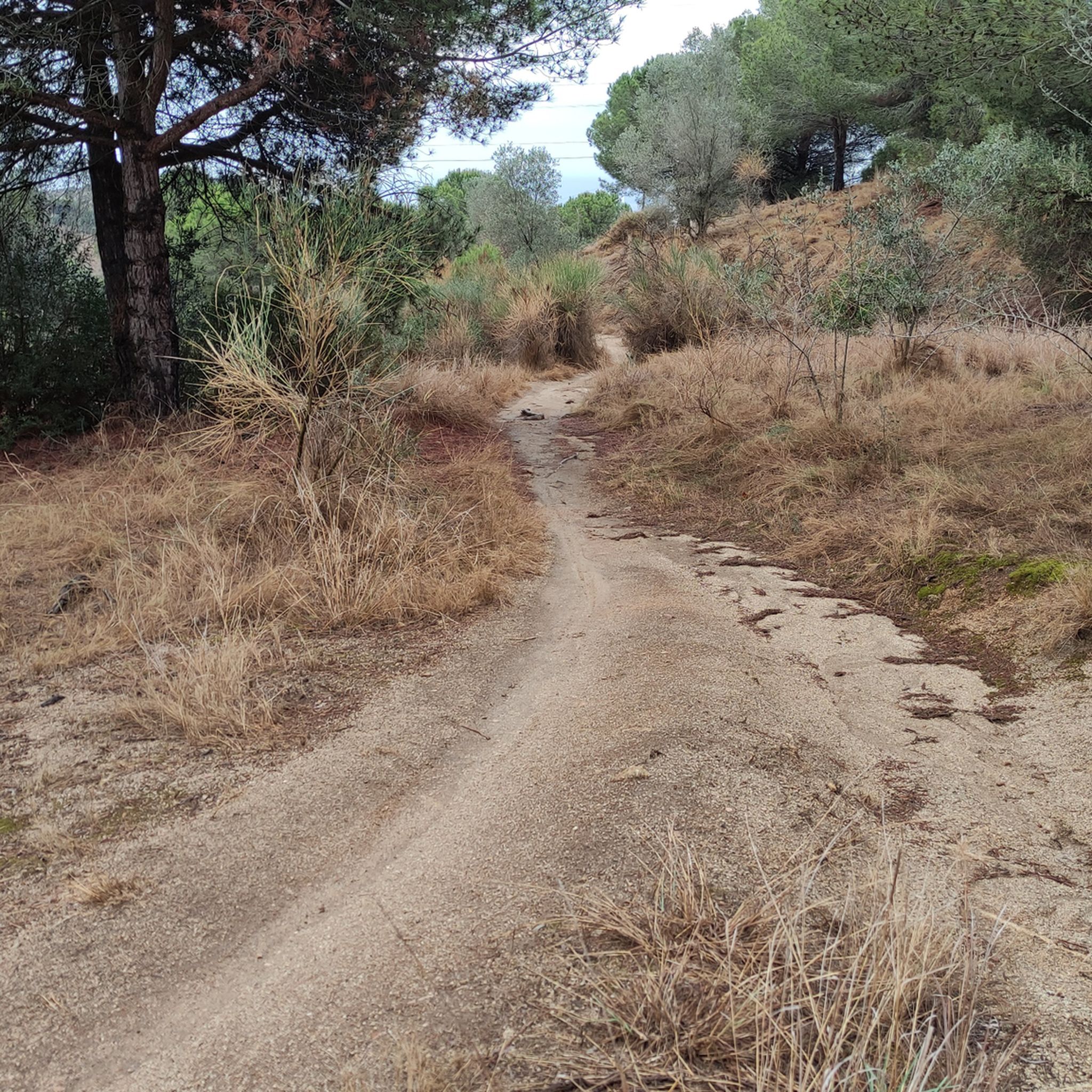
MTB Trails around Valles Occidental
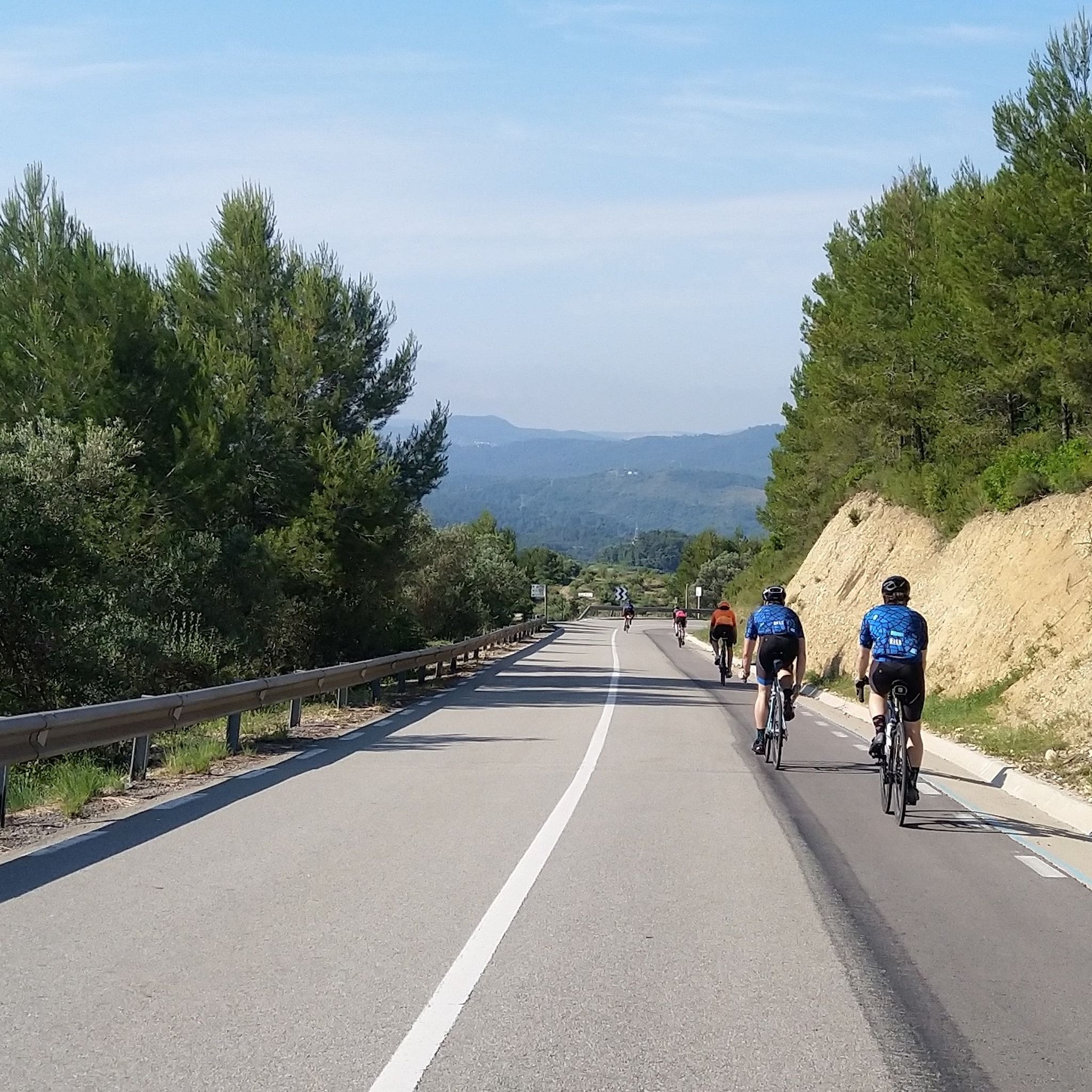
Road Cycling Routes around Valles Occidental
Other adventures around Valles Occidental


Tips from the Community

The restaurant has been closed since the fall of 2025.
0
0

Casa de Guanta, a restaurant better known as Castell de Guanta, is a place to have a good breakfast or lunch, in a very quiet and hidden area, on the cliff that forms the Sentmenat stream.
0
0


climb from the train station, difficult stretch of + or - 2 km.
0
0
Go up from the train station.
0
0
O Casa de Guanta, is a restaurant that is halfway up the forest track in the Guanta area. The real Castle, its remains, are at Roca del Corb, near the house and can be reached by following the Puig Rodó path. Continuing on, you can connect with the Farell road. In the house there is a restaurant called Castell de Guanta where Teresa prepares delicious dishes and breakfasts.
1
0

Very pleasant and diverse walk through leafy areas and open areas
2
0

Dear Banderas, after discussing with you the frustrated visit to the Castle last Wednesday, I decided to return following your recommendation but you won't believe it, it was also closed today, Monday, so for now I will have to content myself with your photographs. Thank you
5
0
Frequently Asked Questions
What are some historically significant castles in Valles Occidental?
The region boasts several castles with deep historical roots. The Sentmenat Castle is a large Gothic building rebuilt on older foundations, known for its three-meter-thick walls. Guanta Castle, though now in ruins, is a medieval fortress documented since 1113. The Castell de Sant Marçal, dating back to the 11th century, showcases a blend of Romanesque and Gothic styles and has been continuously owned by the same family for over 700 years.
Are there any castles in Valles Occidental that are family-friendly?
Yes, several castles offer family-friendly experiences. Guanta Castle, despite being in ruins, has a very nice exterior with a children's area and a restaurant, making it suitable for families. The Mogoda neighborhood and Mogoda Castle are also listed as family-friendly.
Can I find good viewpoints at the castles in Valles Occidental?
Absolutely. La Mola and the Monastery of Sant Llorenç del Munt, while primarily a summit with a monastery, offers spectacular views over much of Catalonia from its 1,104 m height. Other highlights like Fossada Tower (Castellbisbal), Gallifa Castle, and Castell de Pera are also noted for their viewpoints.
What kind of outdoor activities can I do near the castles?
The Valles Occidental region offers a variety of outdoor activities. You can find numerous hiking trails, including those that pass by castles. For example, there's a 'Sentmenat Castle – Guanta Castle loop from Sentmenat' route. The area is also popular for mountain biking and general cycling. You can explore more options in the waterfall hikes, MTB trails, and cycling guides around Valles Occidental.
What is the best time of year to visit the castles in Valles Occidental?
While specific recommendations aren't provided, the region's Mediterranean climate generally makes spring (April-June) and autumn (September-October) ideal for visiting. These seasons offer pleasant temperatures for exploring historical sites and engaging in outdoor activities like hiking near the castles, avoiding the peak heat of summer or potential chill of winter.
Are there any castles that are easily accessible or have good parking?
The Castell de Sant Marçal in Cerdanyola del Vallès is conveniently located about 20 minutes from Barcelona city center, suggesting good accessibility. For specific parking information at other castles, it's advisable to check local resources or the highlight pages directly, as details can vary.
Which castles offer a blend of Romanesque and Gothic architecture?
The Castell de Sant Marçal in Cerdanyola del Vallès is a prime example. Originally dating to the 11th century, it features Gothic architectural elements like pointed arches and reinforced stone walls, while also incorporating Romanesque influences from its earlier periods and subsequent adaptations.
Are there any castles that are not open to the public but are historically important?
Yes, the Castell de Santiga in Santa Perpètua de Mogoda is recognized as a cultural asset of national interest due to its historical depth as a fortified masia (traditional Catalan farmhouse). However, it is currently not open to the public, though its exterior can be appreciated.
What are some unique features of the castles in the region?
The castles in Valles Occidental offer diverse features. Sentmenat Castle is notable for its three-meter-thick walls and strategic location. The Castell de Sant Marçal features a Gothic chapel where prayer services are still held and magnificent gardens. The Castell de Vacarisses, now a municipal facility, incorporates older structures and is complemented by the nearby Torrota de Vacarisses, a medieval surveillance tower.
Are there dining options or cafes near the castles?
Yes, some castles have amenities nearby. For instance, Guanta Castle is next to a restaurant known for traditional Catalan cuisine. La Mola and the Monastery of Sant Llorenç del Munt also features a very popular restaurant with spectacular views.
Can I visit castles that are still privately owned?
The Castell de Sant Marçal remains privately owned by the descendants of the Marimón family. While it serves as a popular venue for weddings and events, public access for general visits may be limited or require specific arrangements. It's best to check their official website for visitor information.
What do visitors particularly enjoy about the castles in Valles Occidental?
Visitors appreciate the rich historical and architectural insights these castles offer, from defensive structures to fortified farmhouses. The komoot community has upvoted these castles over 240 times and shared more than 160 photos, highlighting their scenic beauty and the opportunity to connect with Catalonia's medieval past. The blend of history with natural surroundings, especially at sites like La Mola, is also highly valued.
Are there any castles that are part of a larger defensive network?
The Castell de Vacarisses, along with the nearby Torrota de Vacarisses (a circular surveillance tower), was historically part of a larger defensive network in ancient Catalonia, designed to protect against Saracen armies. This provides a glimpse into the region's medieval strategic importance.
Most popular routes around Valles Occidental
Most popular attractions around Valles Occidental

Get inspired with the komoot mobile app


Didn’t find what you were looking for?
Explore Valles Occidental’s best castles region by region:
Explore more
Looking for the best castles somewhere else? Discover other guides around Valles Occidental:
