Attractions and Places To See around La Loma - Top 20
Best attractions and places to see around La Loma, a comarca in Jaén, Andalusia, Spain, offers a blend of historical sites, religious architecture, and natural landscapes. This region is characterized by its rich cultural heritage, including UNESCO World Heritage sites in Baeza and Úbeda. Visitors can explore Renaissance monumental complexes and ancient churches. The natural environment features areas like the Guadalquivir riverbed, providing opportunities for outdoor activities.
Best attractions and places to see around La Loma
- The most popular attractions…
Last updated: July 6, 2026
Sacred Chapel of the Savior
Highlight • Religious Site
If we take into …
Translated by Google •
Tip by

Baeza Cathedral
Highlight • Religious Site
Translated by Google •
Tip by
Sign up now to discover places like this
Get recommendations on the best single tracks, peaks, & plenty of other exciting outdoor places.
Sign up for free
San Pablo Church in Úbeda
Highlight • Religious Site
Translated by Google •
Tip by
Charco del Aceite
Highlight • Lake
Translated by Google •
Tip by

Ruins of San Francisco
Highlight • Historical Site
Translated by Google •
Tip by
Salcedo Palace
Highlight • Historical Site
Translated by Google •
Tip by
Plaza del Pópulo
Highlight • Historical Site
Showing Translation
Tip by

Viewpoint on the Paseo de las Murallas
Highlight • Viewpoint
Translated by Google •
Tip by

Sánchez Valenzuela Palace
Highlight • Historical Site
Translated by Google •
Tip by
Castillo de Sabiote
Highlight • Castle
Translated by Google •
Tip by

Sign up for free to discover even more attractions around La Loma.
Sign up for free
Already have an account?
Start today with a free account
Your next adventure awaits.
Login or Signup
Popular around La Loma

A winter getaway along the greenways of Andalusia in Spain
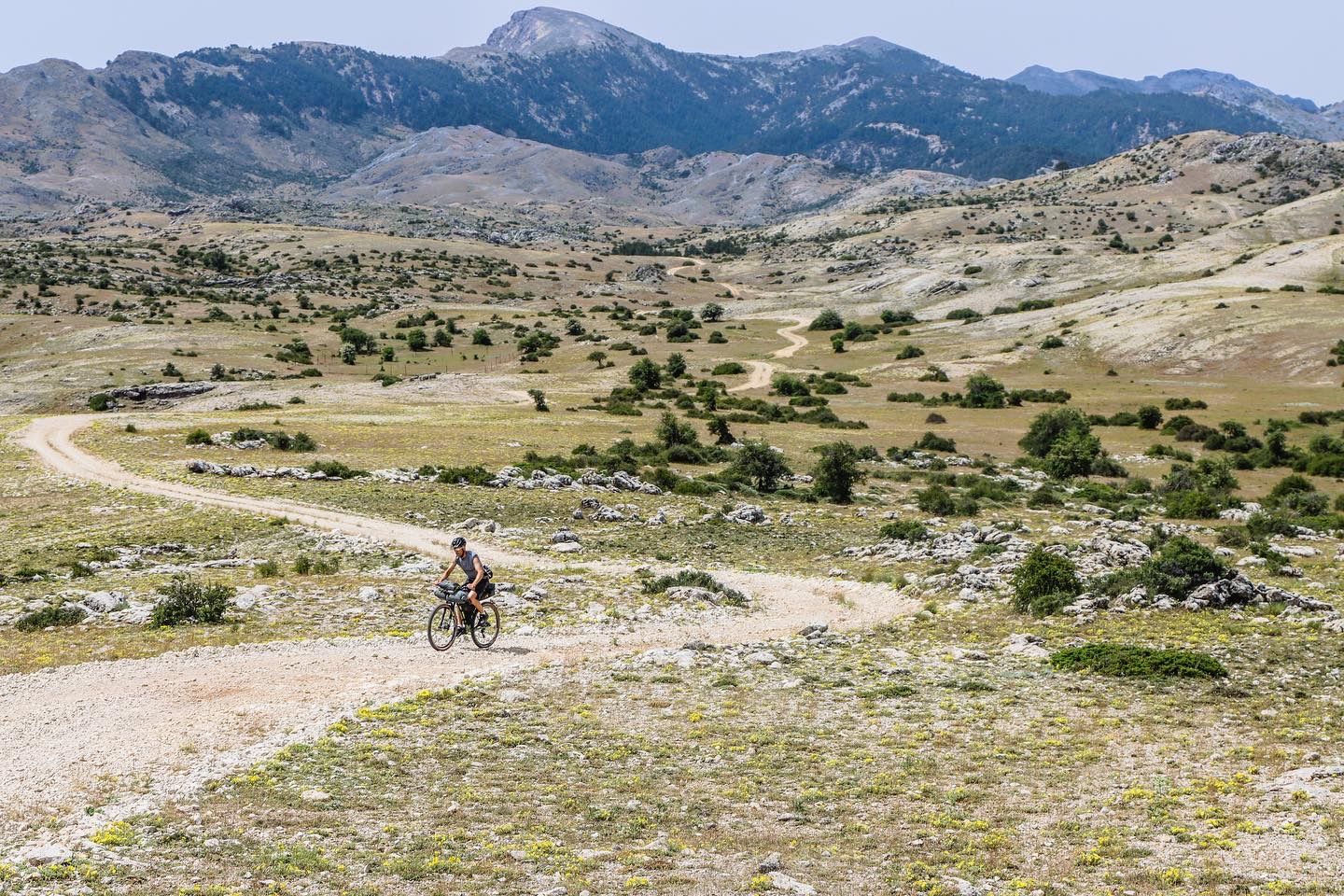
A wild experience – Sierra de Cazorla, Segura y Las Villas (GR 247)
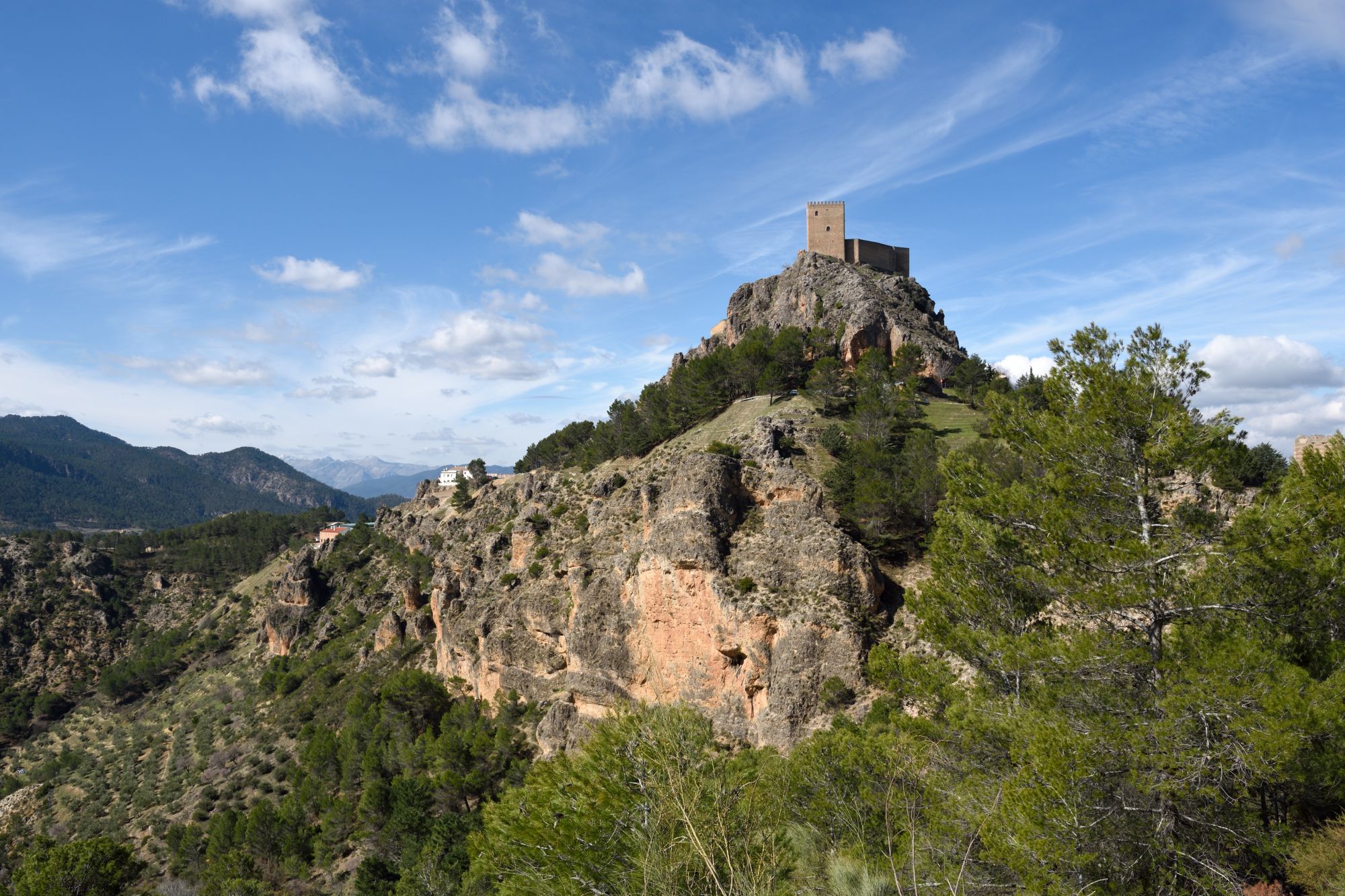
A circular high altitude trail – Bosques del Sur (GR 247)
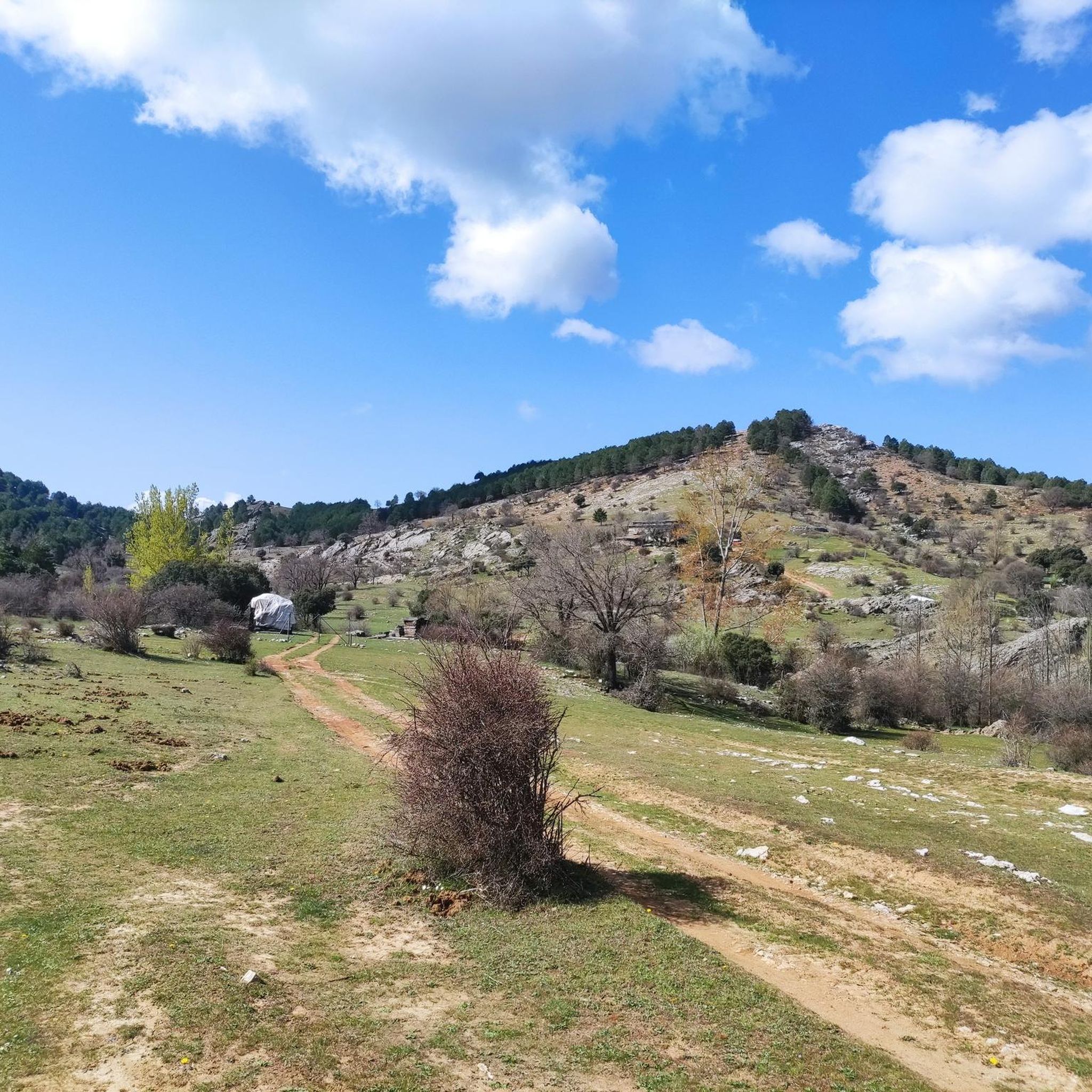
Running Trails around La Loma
Road Cycling Routes around La Loma
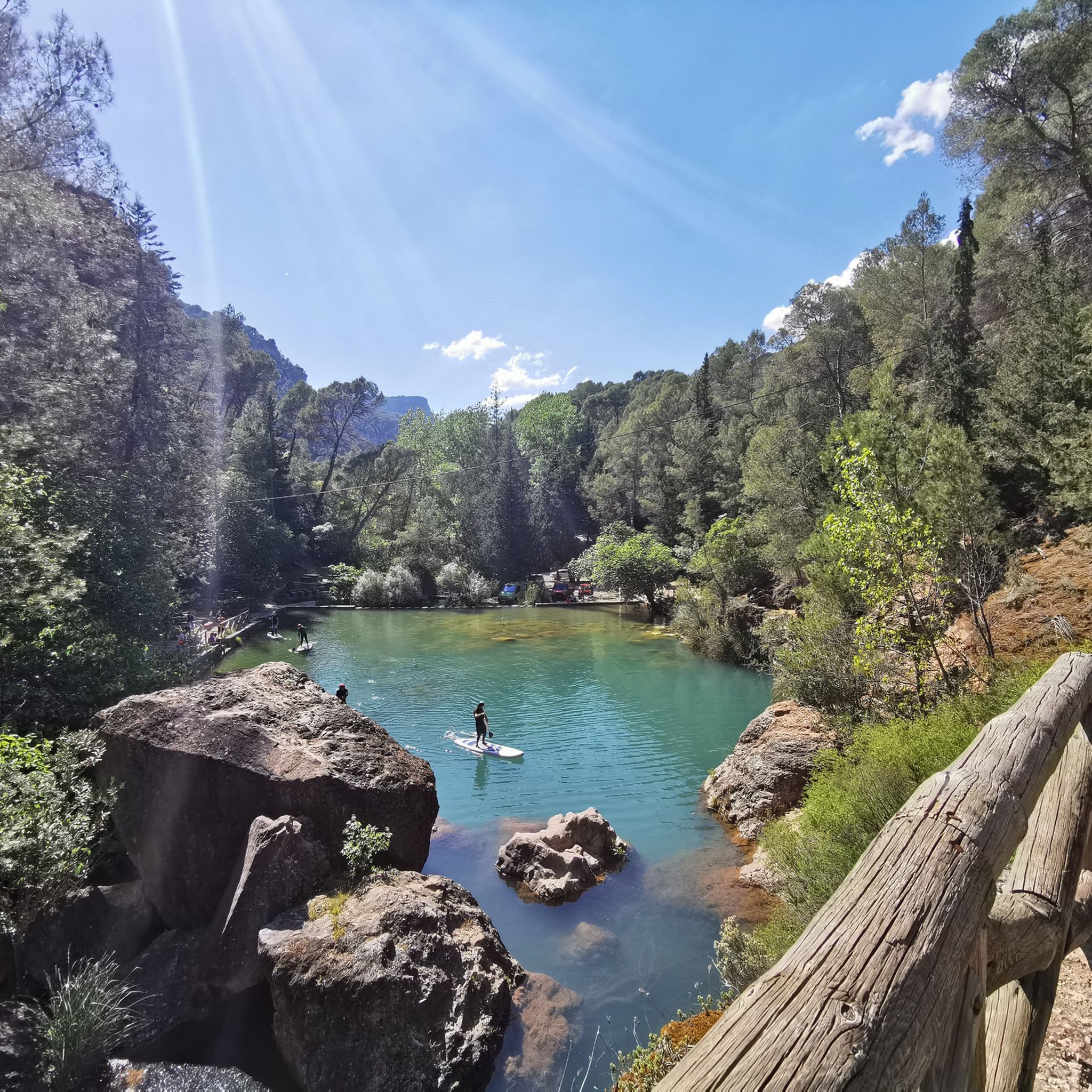
Hiking around La Loma
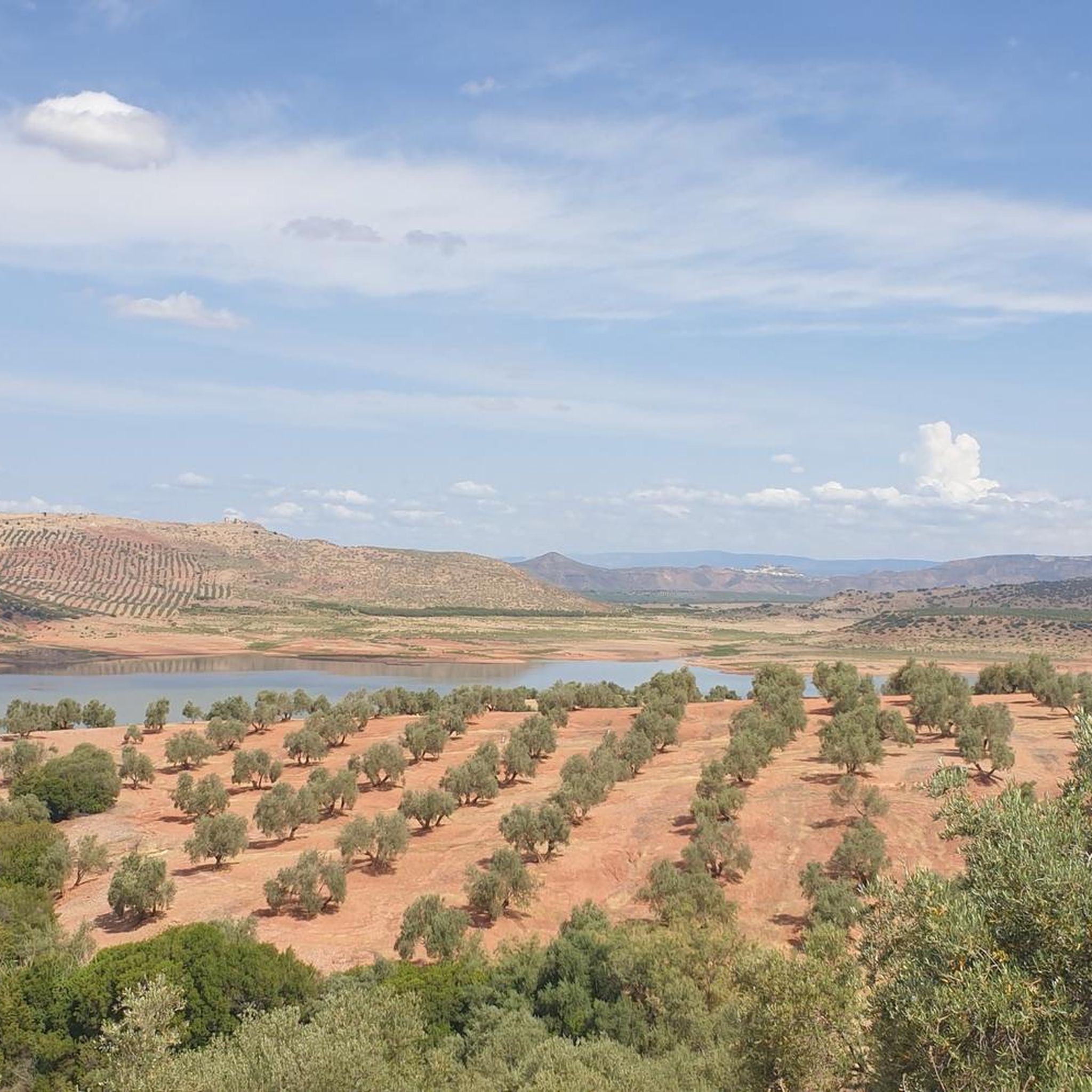
MTB Trails around La Loma
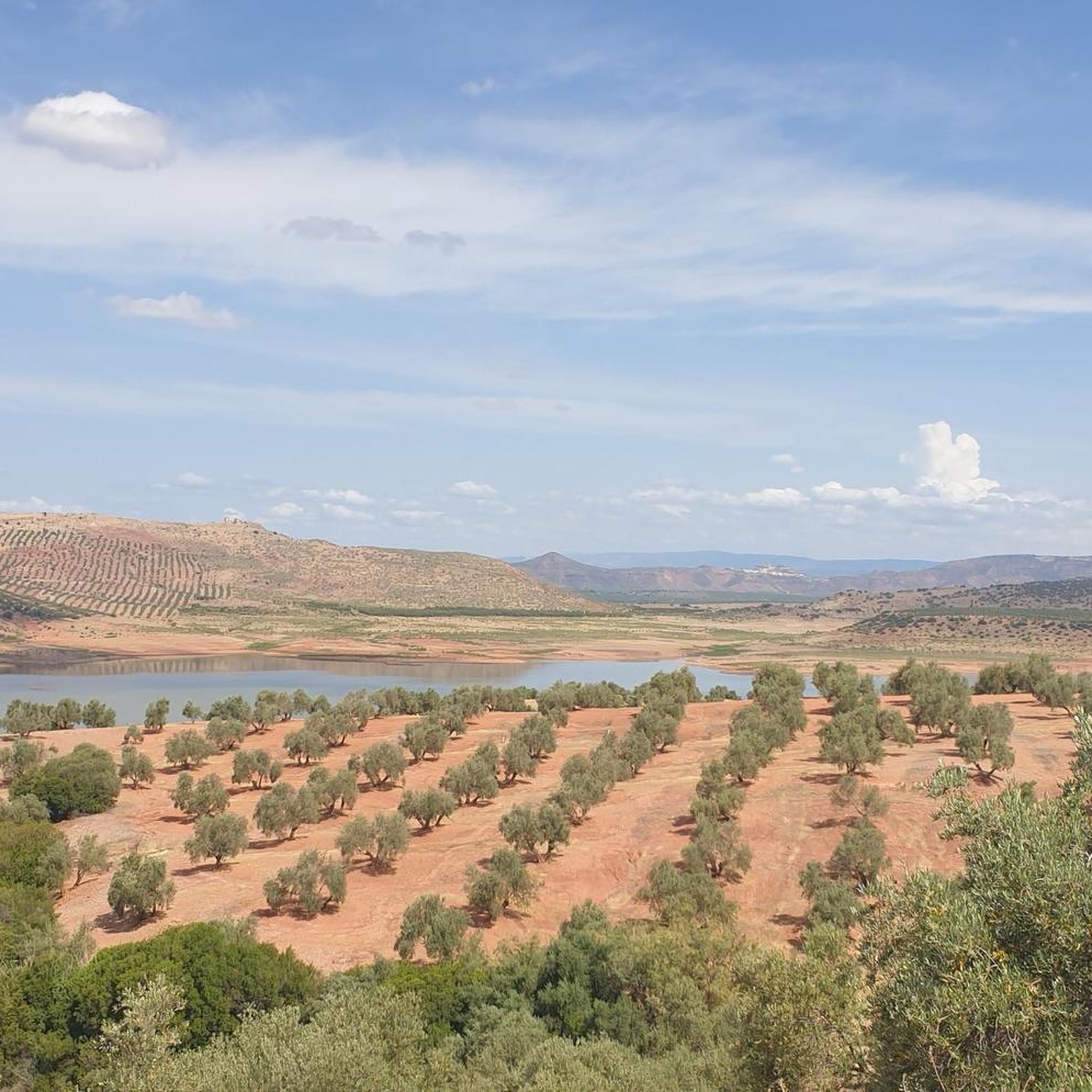
Cycling around La Loma
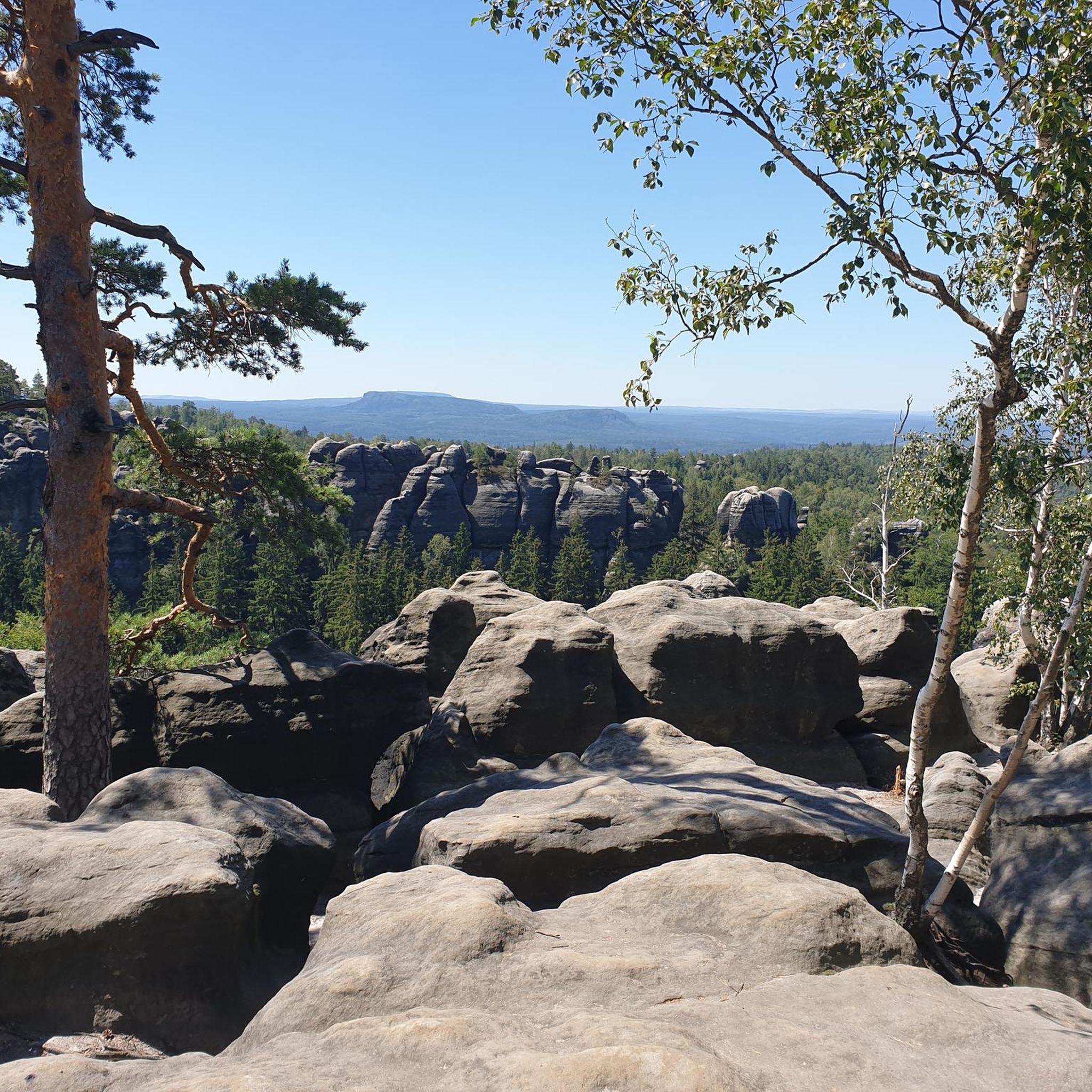
Gravel biking around La Loma
Other adventures around La Loma


Tips from the Community

The Church of San Pablo was built in the 13th century on the site of a former mosque. This church is one of the oldest in the city and impresses with its blend of styles: a Romanesque portal, known as the Carpenters' Gate, a Renaissance-style side facade, and a late Gothic interior. The church is located in Plaza Primero de Mayo, also known as Paseo del Mercado (Market Square), as for centuries public markets were held here, as well as political events such as city council elections, religious services, and theatrical performances. Around the square, you can see the old Town Hall, the monument to Saint John of the Cross in the center, and at number 20, the house where Joaquín Sabina was born.
1
0
The Sacra Capilla de El Salvador is located at the far end of the Plaza Vázquez de Molina. It is the family mausoleum of Francisco de los Cobos, secretary to Emperor Charles V. Its façade and portal, both in the Plateresque style, are particularly noteworthy.
1
0
Declared a National Monument in 1931, the cathedral stands on the site of an ancient Roman temple, later transformed into a Visigothic structure and then into a mosque after the arrival of the Muslims. In 1227, it became the cathedral seat under the Marian patronage of the Nativity. It acquired its Renaissance character in the 16th century, after more than half of the building collapsed in 1567. Andrés de Vandelvira and other important Andalusian architects imbued the cathedral with the classical style then prevalent in religious art. Until the end of the century, the temple was transformed piecemeal. The main portal was designed in 1587 by Juan Bautista Villalpando, featuring a relief of the Nativity of the Virgin, sculpted by the Jesuit Jerónimo del Prado from Baeza. The Puerta de la Luna (Moon Gate) is one of the oldest elements of the cathedral, with its distinctive 13th-century polylobed arch. Above it stands the 14th-century Gothic rose window, one of the few elements that survived the collapse of the cathedral in 1567. Therefore, the reconstruction was entrusted to Andrés de Vandelvira, who contributed his mastery to give the cathedral the Renaissance richness it boasts today. The combination of Mudéjar, Gothic, and Renaissance styles allows one to observe the passage of time through its walls, telling its story through each of its architectural styles. In addition to visiting the interior of the cathedral, it is highly recommended to climb the tower, from where you will be rewarded with spectacular views of the town and its surrounding countryside.
1
0

A temple of Visigothic origin, built in the 17th century as a church dedicated to Catholic worship, it is part of the city's Renaissance architectural complex, which was declared a World Heritage Site by UNESCO in 2003.
20
0

The Pópulo square, also known as Plaza de los Leones (Lions' square), is one of the most emblematic and picturesque corners of Baeza. This square is part of the monumental Renaissance complex that led to the city being declared a UNESCO World Heritage Site in 2003.
6
0

It's fun to climb the tower: 196 steps to a beautiful view.
0
0
This square, known as Plaza del Pópulo, houses the Tourist Office, the fountain, and the Jaén gate, attached to part of the old city wall.
16
0
Curiously, this building is not a church and has never belonged to the church, but rather it is a huge pantheon belonging to the Cobos family. If we take into account that Francisco de los Cobos was secretary of state of Emperor Charles I of Spain, he was also a patron and knight of the Great Order of Santiago, we can get an idea of the important power that this family had. In 1522 and when he was 45 years old, he married Doña María de Mendoza y Sarmiento, who was 14 years old, to guarantee offspring, since she had the title of countess.
11
0
Frequently Asked Questions
What historical and cultural sites can I visit in La Loma?
La Loma is rich in history and culture, particularly in the UNESCO World Heritage cities of Úbeda and Baeza. You can explore the Renaissance monumental complex in Úbeda, including the Sacred Chapel of the Savior, a unique pantheon for the Cobos family, and the San Pablo Church in Úbeda, showcasing Romanesque-Gothic-Renaissance-Baroque styles. In Baeza, don't miss the impressive Baeza Cathedral, a blend of Mudejar, Gothic, and Renaissance architecture, and the historic Plaza del Pópulo.
Are there any natural attractions or outdoor activities in La Loma?
Absolutely! The region offers beautiful natural landscapes. A must-visit is Charco del Aceite, a natural monument with a refreshing pool in the Guadalquivir riverbed, perfect for bathing and relaxation amidst pine forests. The area is also popular for hiking and cycling, with numerous routes to explore. For specific outdoor activities, you can find various MTB Trails around La Loma, Waterfall hikes around La Loma, and Gravel biking around La Loma.
What are some family-friendly attractions in the La Loma area?
Several attractions in La Loma are suitable for families. Charco del Aceite is a great spot for a family day out, offering a natural pool for swimming and picnic areas. Historical sites like San Pablo Church in Úbeda, Salcedo Palace, and Plaza del Pópulo, Baeza are also marked as family-friendly, allowing for educational and engaging visits. Additionally, the Viewpoint on the Paseo de las Murallas offers scenic views and facilities for a pleasant stop.
Where can I find the best views in La Loma?
For breathtaking panoramic views of the surrounding mountains and hills, head to the Viewpoint on the Paseo de las Murallas. It's an ideal spot to relax and enjoy the scenery, complete with drinking water and benches. The tower of Baeza Cathedral also offers spectacular views of the town and its countryside.
Are there opportunities for hiking near La Loma attractions?
Yes, the region around La Loma offers various hiking opportunities. You can find short routes along the path parallel to the Guadalquivir river near Charco del Aceite. For more extensive trails, explore the Waterfall hikes around La Loma guide, which includes routes like the 'Borosa River Route' and 'La Osera Trail' in the Sierras de Cazorla, Segura y las Villas Natural Park.
What is the significance of the Sacred Chapel of the Savior in Úbeda?
The Sacred Chapel of the Savior is a significant religious building in Úbeda, unique because it was built as a grand pantheon for the influential Cobos family, not as a traditional church. Commissioned by Francisco de los Cobos, Secretary of State to Emperor Charles I of Spain, it is a key part of Úbeda's Renaissance architectural complex and reflects the immense power of the family during that era.
What makes Baeza Cathedral a notable attraction?
The Baeza Cathedral is a historical and architectural marvel. Originally a Roman temple, then a Visigothic structure and a mosque, it was largely reconstructed by Andrés de Vandelvira in the 16th century, giving it its distinctive Renaissance character. Its walls tell a story through a combination of Mudejar, Gothic, and Renaissance styles, and climbing its tower provides spectacular views of Baeza and the surrounding landscape.
Can I find places to eat or drink near the attractions?
Yes, for instance, the recreational area of Charco del Aceite features a kiosk-bar where you can grab a drink. In the historic centers of Úbeda and Baeza, you'll find various cafes and restaurants, especially around prominent squares like Plaza del Pópulo in Baeza or near San Pablo Church in Úbeda, which is located in Plaza Primero de Mayo.
What are some lesser-known historical sites or 'hidden gems' in La Loma?
Beyond the main UNESCO sites, you might explore the Ruins of San Francisco, which offer a glimpse into the region's past. The Salcedo Palace and Sánchez Valenzuela Palace are also historical buildings that contribute to the rich architectural heritage of the area, often providing a quieter experience than the more prominent landmarks.
What kind of architecture can I expect to see in La Loma?
The architecture in La Loma is predominantly Renaissance, especially in Úbeda and Baeza, which are UNESCO World Heritage sites. You'll see grand examples like the Sacred Chapel of the Savior and the reconstructed Baeza Cathedral, which also incorporates Mudejar and Gothic elements. Many historical buildings, palaces, and churches throughout the comarca reflect centuries of diverse architectural influences.
What do visitors enjoy most about the attractions around La Loma?
Visitors particularly appreciate the rich historical and architectural heritage, especially the stunning Renaissance complexes in Úbeda and Baeza. The natural beauty of spots like Charco del Aceite, with its natural pool and serene surroundings, is also highly valued. Many enjoy the blend of cultural exploration with opportunities for outdoor relaxation and scenic views from places like the Viewpoint on the Paseo de las Murallas.
Most popular routes around La Loma
Most popular attractions around La Loma

Get inspired with the komoot mobile app


Didn’t find what you were looking for?
Are you keen on exploring more awesome places nearby? Browse our guides:
Explore more
Still not found the Highlight you’re looking for? See guides of the top attractions in other regions:
