Attractions and Places To See around La Campiña - Top 20
Best attractions and places to see around La Campiña span regions in Seville, Córdoba, and Guadalajara, characterized by their distinct natural and historical landscapes. These areas feature extensive plains, fertile farmlands, and rolling fields of olive groves, vineyards, and cereal crops. The region is rich in cultural heritage, showcasing Roman, Arabic, and Christian influences through its towns, castles, and historical sites. Visitors can explore a variety of landmarks, natural features, and historical sites across these picturesque countrysides.
Best attractions and…
Last updated: July 6, 2026
Via Verde de la Sierra (90% gravel)
Highlight (Segment) • Cycleway
Translated by Google •
Tip by

Jesús Nazareno Bridge / Roman Bridge Alcalá
Highlight • Bridge
Translated by Google •
Tip by

Sign up now to discover places like this
Get recommendations on the best single tracks, peaks, & plenty of other exciting outdoor places.
Sign up for free
Puerta de Córdoba
Highlight • Historical Site
Translated by Google •
Tip by

Plaza de España (El Salón), Écija
Highlight • Settlement
Translated by Google •
Tip by
Alcázar of the Gate of Seville
Highlight • Castle
Today it houses the Tourist Information Center and is used for cultural events and guided tours.
Translated by Google •
Tip by
Parish of Santa María and Santa Bárbara, Écija
Highlight • Religious Site
Translated by Google •
Tip by

Carmona
Highlight • Settlement
This city, perched on a hill in the heart of the Campiña region, offers a view of a beautiful …
Showing Translation
Tip by

Marchenilla Castle
Highlight • Castle
Translated by Google •
Tip by

Vía Verde de Los Alcores (Carmona)
Highlight • Cycleway
Translated by Google •
Tip by
Dragon Bridge
Highlight (Segment) • Bridge
Translated by Google •
Tip by

Sign up for free to discover even more attractions around La Campiña.
Sign up for free
Already have an account?
Start today with a free account
Your next adventure awaits.
Login or Signup
Popular around La Campiña
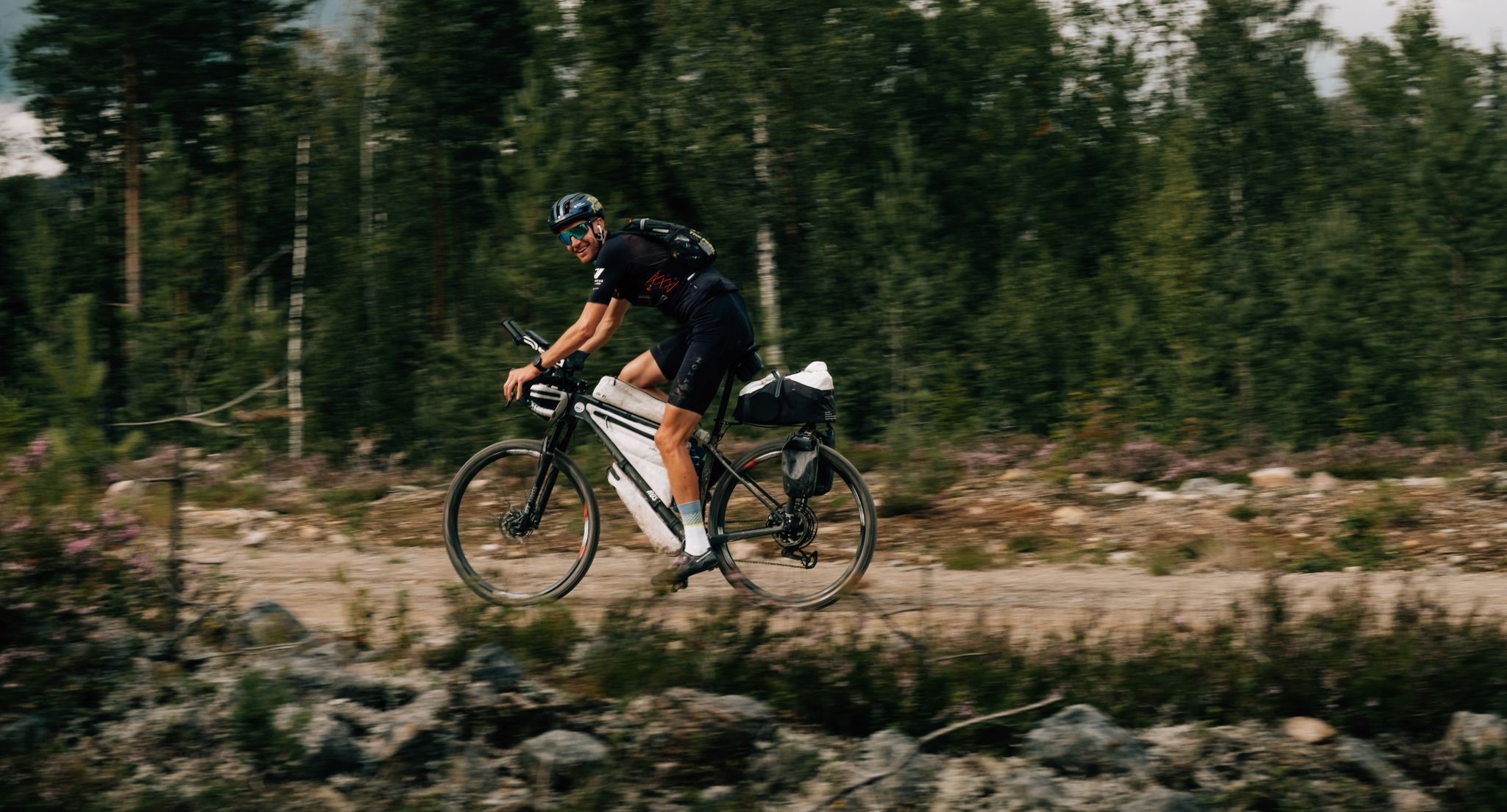
European D̶I̶V̶I̶D̶E̶ Connect Trail Project – a journey across Europe
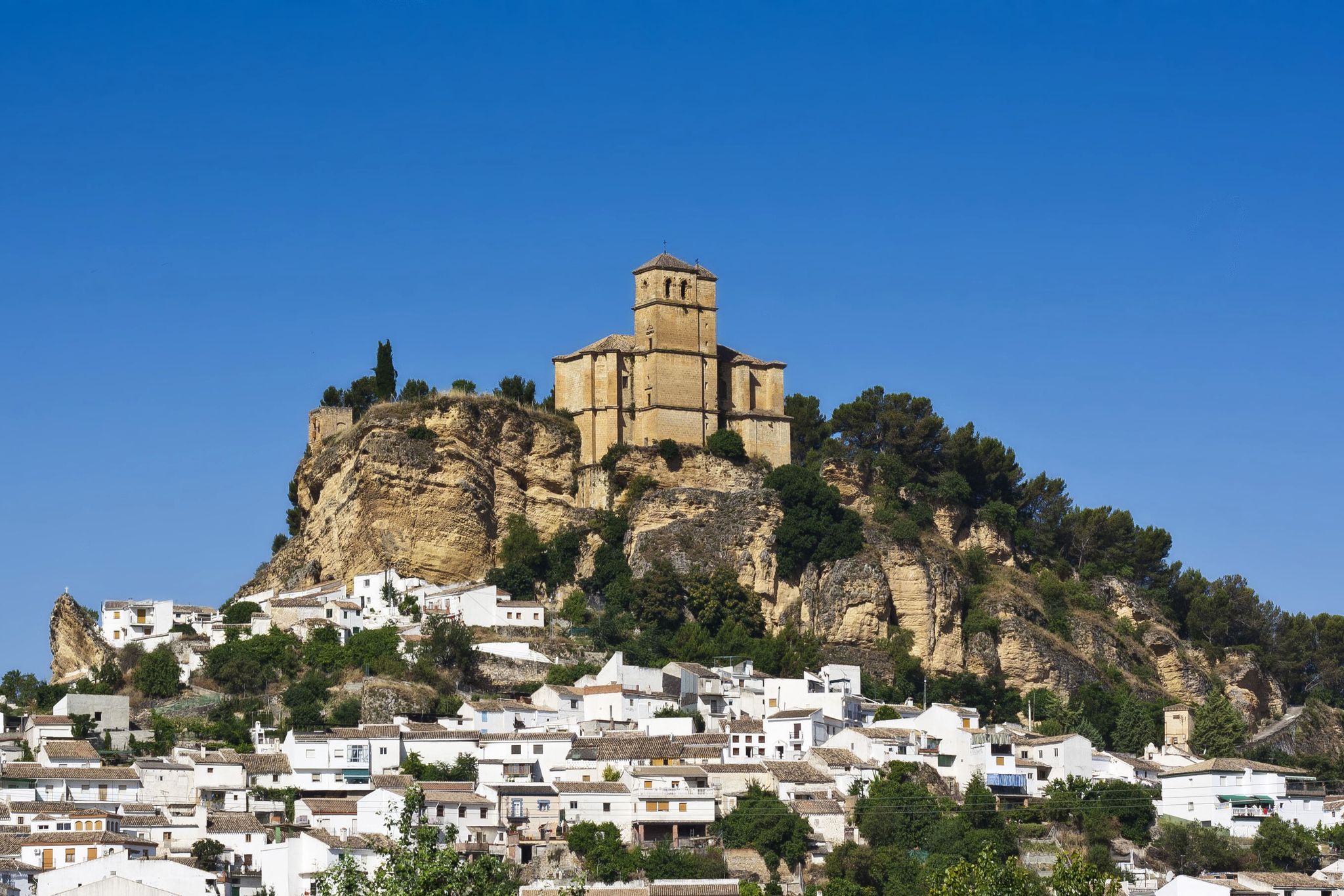
Washington Irving – cycle through the Arab vestiges of Andalusia
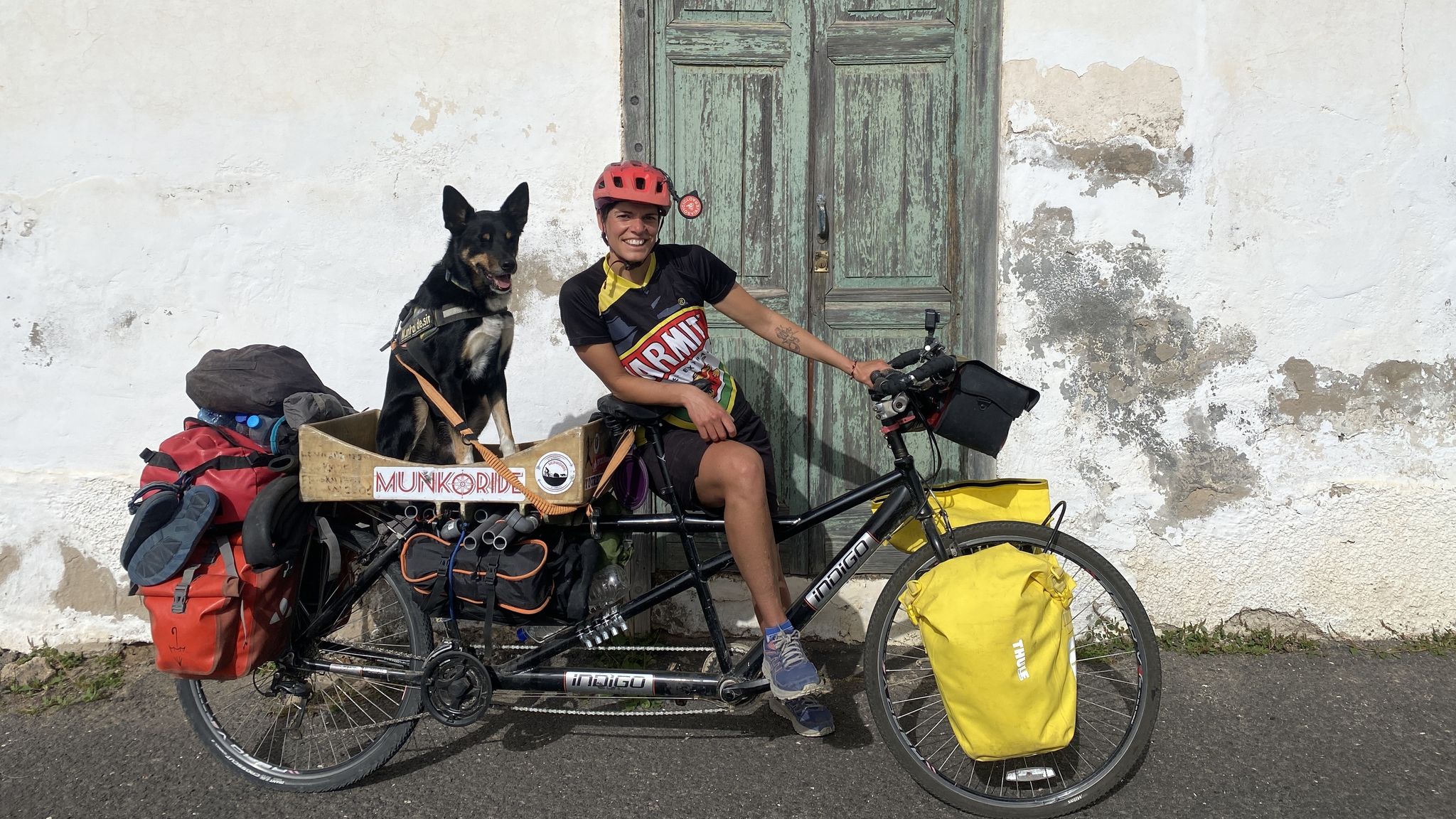
A winter getaway along the greenways of Andalusia in Spain
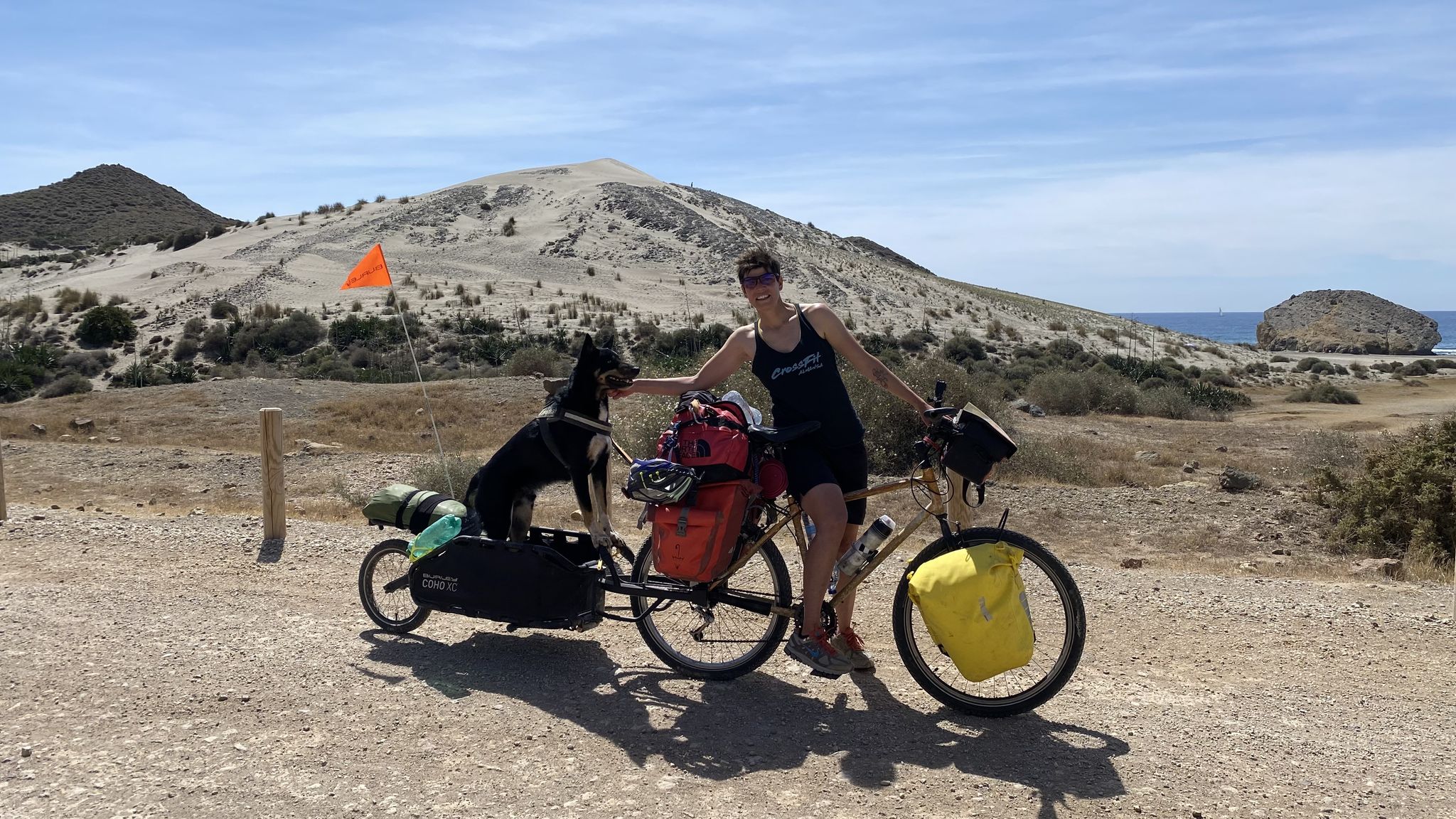
Let’s head south – cycle in Andalusia with me and my dog
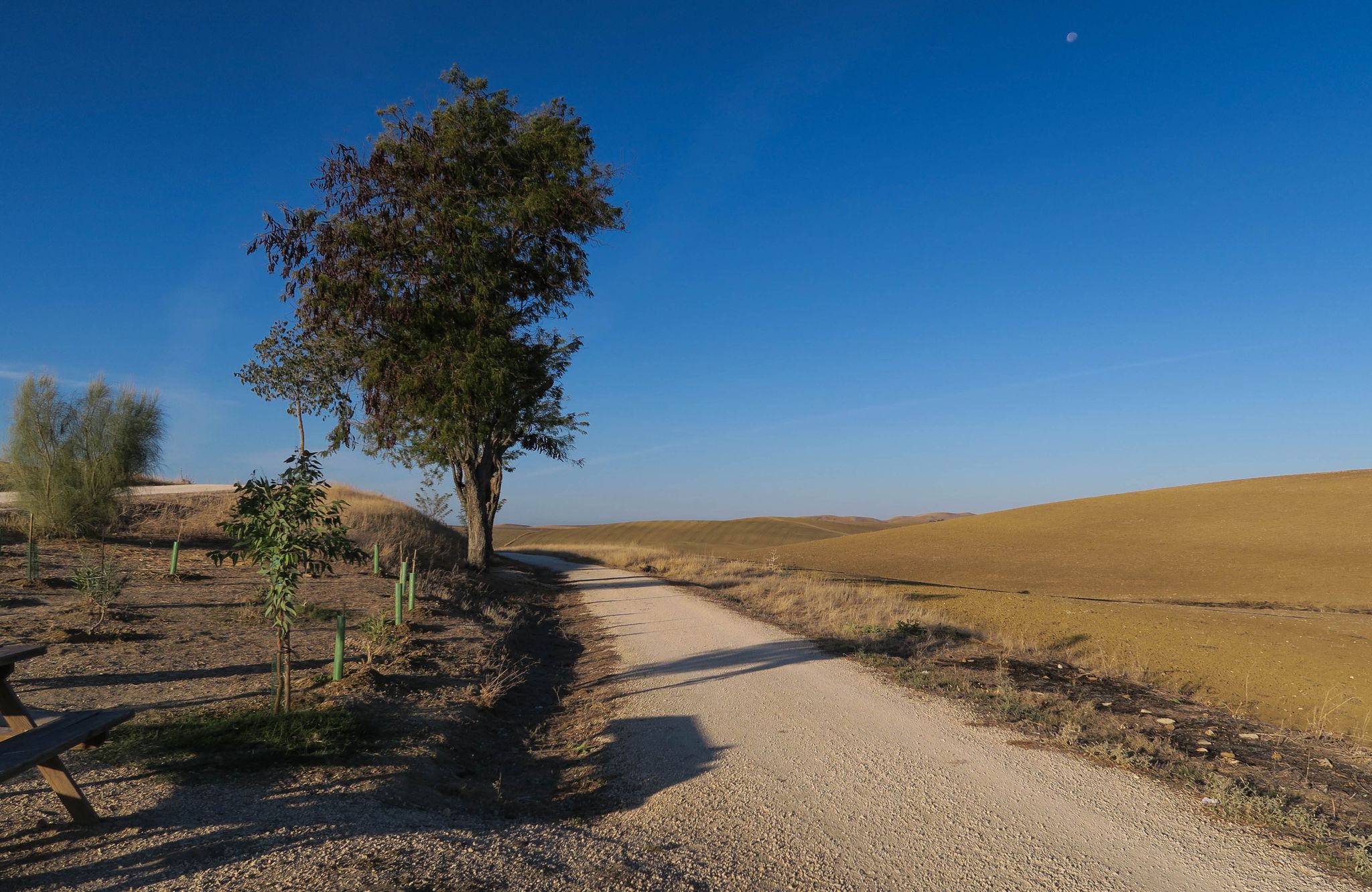
Cycle through the countryside of Spain’s Cordoba – Via Verde de la Campiña
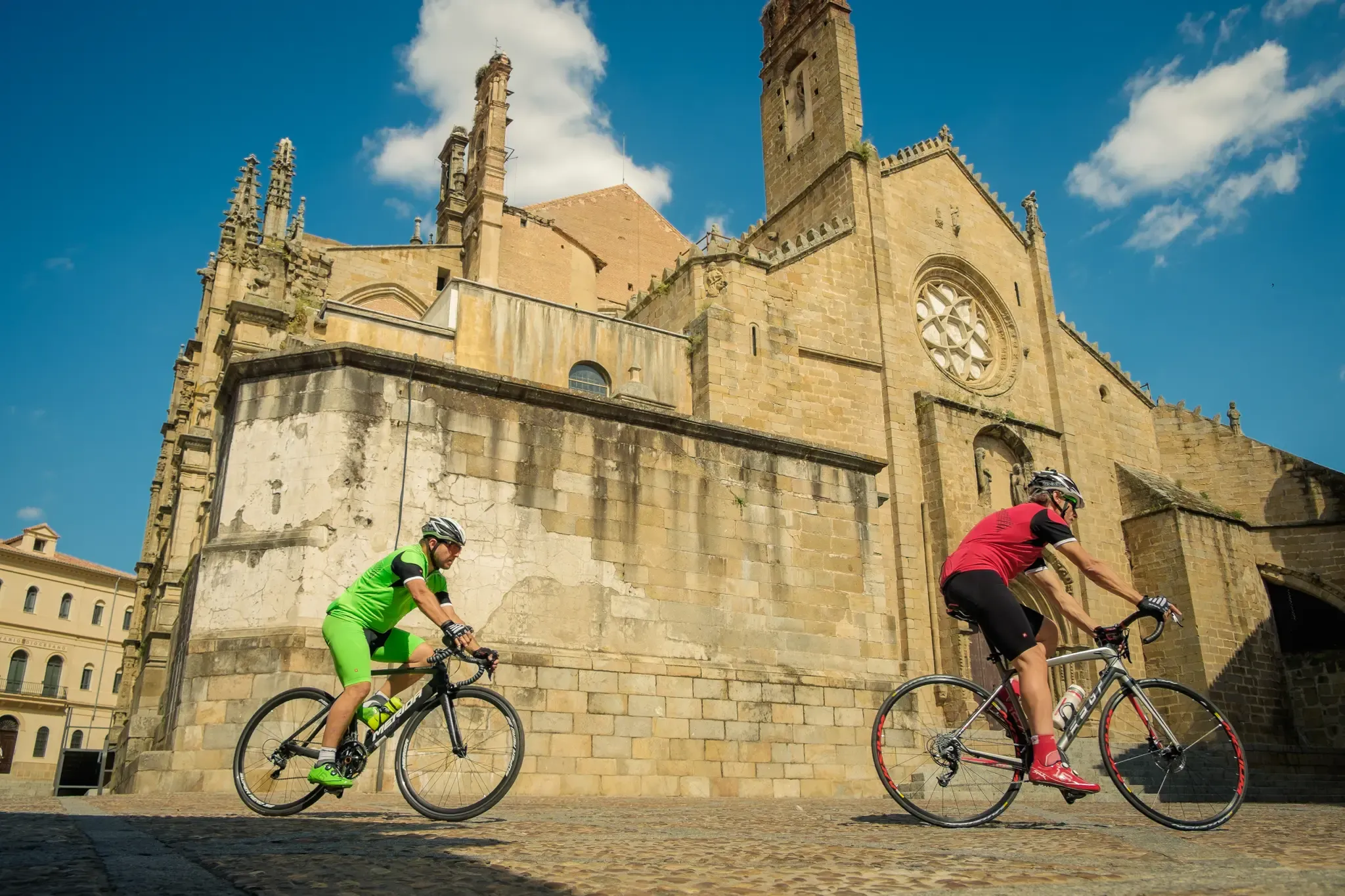
Vía de la Plata – from Seville to Gijón by bike
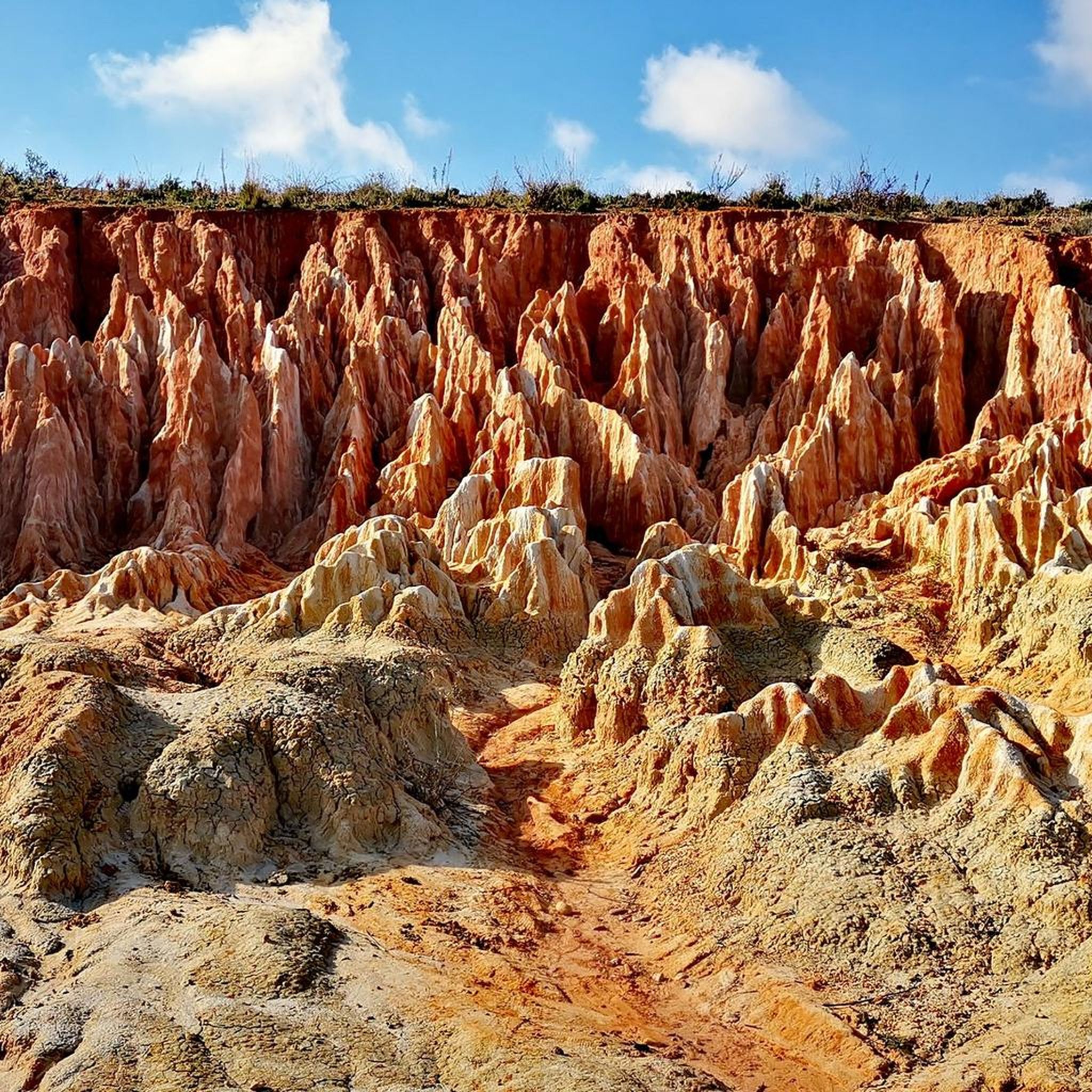
Hiking around La Campiña
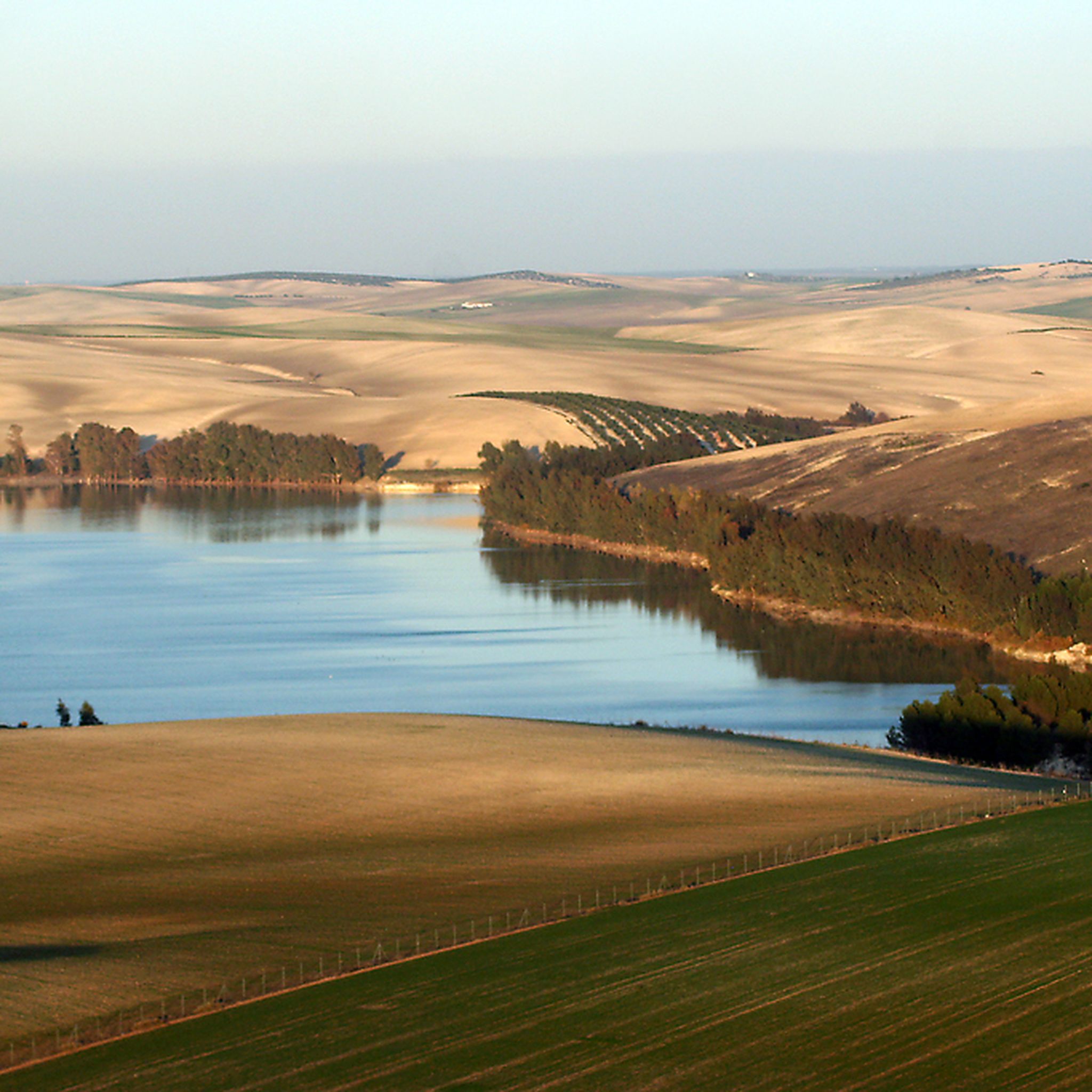
Road Cycling Routes around La Campiña
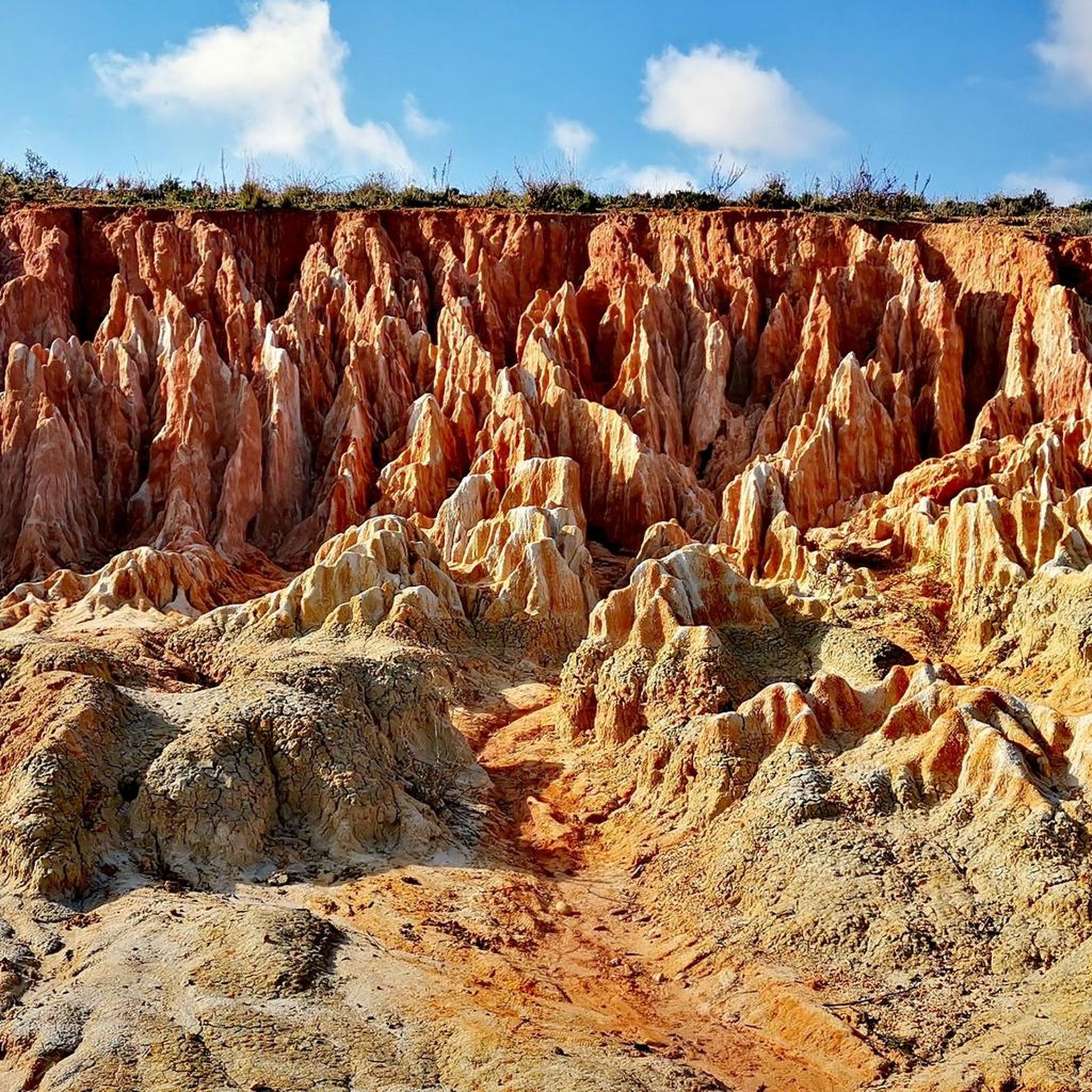
Cycling around La Campiña
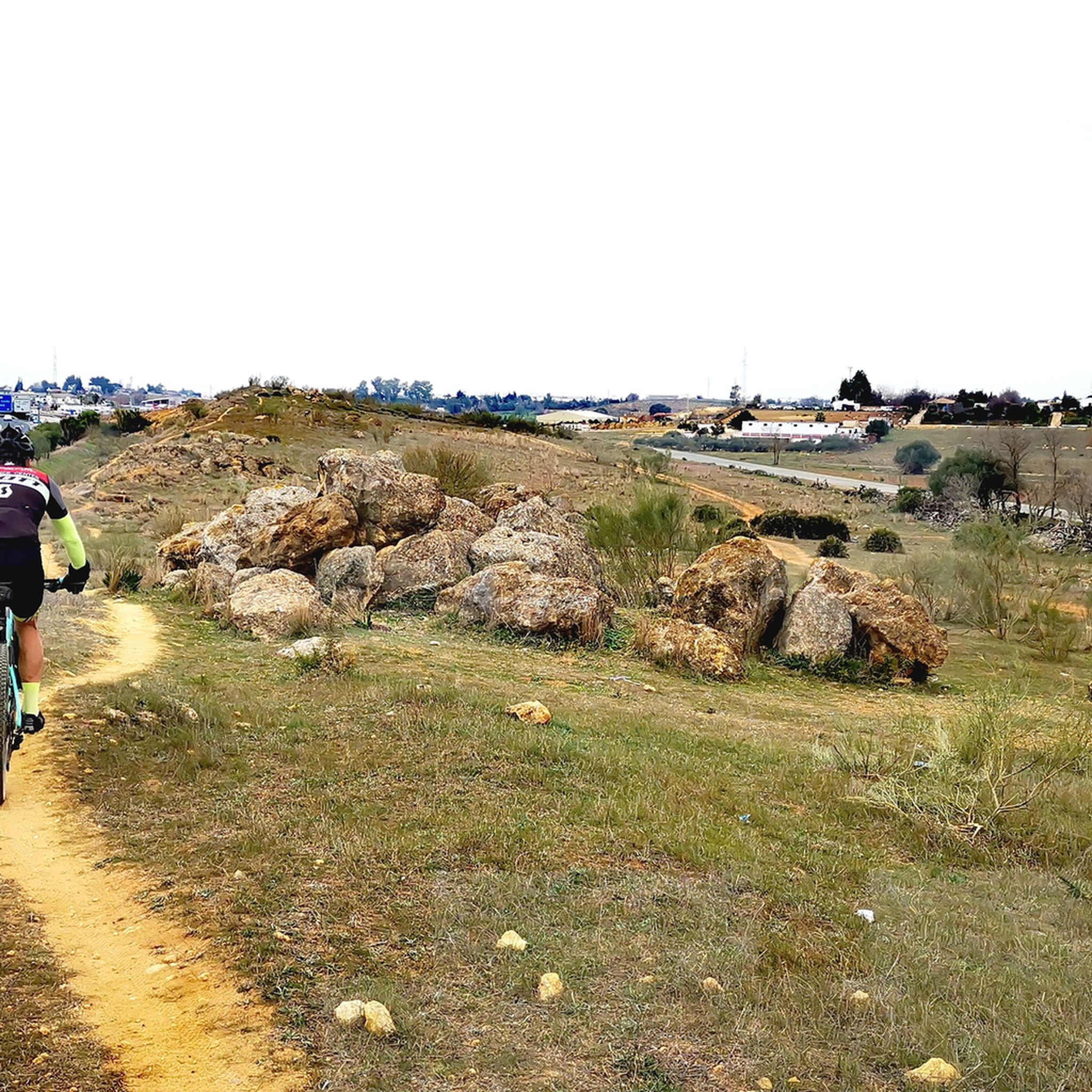
MTB Trails around La Campiña
Other adventures around La Campiña


Tips from the Community

The Vía Verde de los Alcores is a 25-km nature trail that connects Carmona with Alcalá de Guadaíra, passing through Mairena del Alcor and El Viso del Alcor, following the old route of the legendary Tren de los Panaderos (Bakers' Train). It's perfect for walking, cycling, horseback riding, and even wheelchair access in some sections. The terrain is mostly sandy soil, surrounded by countryside, stone pines, and Mediterranean scrubland.
3
0

Do not ride in wet conditions or after rain! The mud will stick to the bike so badly that you can no longer ride it!!
1
1
Declared a Historic-Artistic Monument in 1906, even before the Giralda of Seville. Today it houses the Tourist Information Center and is used for cultural events and guided tours.
8
0
The Alcázar of the Seville Gate is one of Carmona's most iconic monuments and an exceptional example of defensive architecture with over 2,500 years of history. Remains dating back to the 9th century BC have been found, although the current structure began to take shape under the Carthaginians, who built a bastion atop an earlier tower to withstand Roman attacks.
13
0
The Cordoba Gate is one of Carmona's most emblematic monuments and a living testament to its ancient history. It formed part of the walled enclosure and the route of the Via Augusta, connecting Carmona with Cordoba. Its function was more propagandistic than defensive, conceived as a triumphal arch to symbolize the power and prosperity of the Roman Empire.
3
0
The old town of Carmona is one of the most monumental and historic in Andalusia. Situated on a hill, it retains a medieval structure with narrow streets, whitewashed facades, and numerous Baroque palaces and churches.
13
1

Located in the historic center of the city, also known as “El Salón”, it is configured as the most important civic and social center and serves as the main square. Under the direction of the City Council, it has a rectangular plan and a perimeter of more than 400 meters, which corresponds to an area of 0.80 hectares. It is surrounded by a series of civil and religious buildings, and depending on the buildings located there, important streets and some small squares of great architectural and monumental interest meet.
4
0
The old parish church of Santa María belonged to the Gothic-Mudejar type of church. It seems that it was built by D. Pedro Fernández Gragera, a knight in the service of San Fernando in the reconquest of Écija. According to sources, it was completed in 1262. The structure was designed with three naves and a polygonal head, later two side naves were added, so its plan was irregular, with a tower, a patio with orange trees and a cemetery. The building was extensively renovated in the 16th and 17th centuries, with the church being demolished and rebuilt in 1758.
4
0
Frequently Asked Questions
What historical sites can I explore in La Campiña?
La Campiña is rich in history, offering numerous sites to explore. In La Campiña of Seville, you can visit the impressive Alcázar of the Gate of Seville in Carmona, or wander through the captivating Carmona Old Town with its Roman necropolis and fortress ruins. Écija boasts the Plaza de España (El Salón), where Roman mosaics can still be found. The La Campiña of Córdoba features towns like Monturque with preserved Roman, Arabic, and Christian influences, and Montemayor Castle. In La Campiña of Guadalajara, don't miss the magnificent Palacio del Infantado in Guadalajara city or the castle in Torija.
Are there any family-friendly attractions in La Campiña?
Yes, La Campiña offers several family-friendly attractions. The Jesús Nazareno Bridge / Roman Bridge Alcalá in Alcalá de Guadaíra is a historical site suitable for all ages. The Puerta de Córdoba is another historical landmark that families can enjoy. Many towns, such as Écija with its Plaza de España (El Salón), provide open spaces and historical context for children to explore. Additionally, the greenways and natural trails mentioned for outdoor activities are generally suitable for families.
What natural landscapes and viewpoints can I discover in La Campiña?
La Campiña is characterized by diverse natural landscapes. In the Seville region, you'll find vast olive groves and cereal fields, Oromana Natural Park, and the Lantejuela Endorheic Complex, important for birdwatching. The Córdoba region features rolling fields, vineyards, and olive groves, along with wetlands like Zóñar Lagoon. In Guadalajara, the Henares and Jarama rivers create green corridors with thick poplars and ash trees. Many historical sites like Carmona Old Town and Marchenilla Castle also offer excellent viewpoints over the surrounding countryside.
What outdoor activities, like hiking or cycling, are available near these attractions?
La Campiña provides excellent opportunities for outdoor activities. For hiking, you can explore routes like the Alcalá de Guadaira Green Gate Trail or the Antigua ciudad de Carmona — circular by Los Alcores. The Hiking around La Campiña guide offers more options. Cyclists can enjoy the Via Verde de la Sierra (90% gravel), a 36-kilometer route along an old railway line, or the Vía Verde de Los Alcores (Carmona). For more cycling adventures, check out the Gravel biking around La Campiña and Road Cycling Routes around La Campiña guides.
Which towns in La Campiña are known for their cultural heritage?
Several towns in La Campiña are celebrated for their rich cultural heritage. Carmona in Seville is renowned for its architectural wealth, including the Alcázar of the Seville Gate and its Roman necropolis. Osuna features the Collegiate Church and Calle San Pedro, recognized as one of Europe's most beautiful streets. Écija is known for its Roman past and impressive Plaza de España. In La Campiña of Córdoba, Montilla is famous for its vineyards and Montilla-Moriles wine, while La Rambla is a hub for potters and ceramists. Guadalajara city in the Guadalajara region boasts the Palacio del Infantado, a stunning example of Isabelline Gothic architecture.
What is the best time of year to visit La Campiña for sightseeing?
The best time to visit La Campiña for sightseeing is generally during the spring (March to May) and autumn (September to November). During these seasons, the weather is milder and more pleasant for exploring historical sites and enjoying outdoor activities. Spring brings vibrant colors to the fields, while autumn offers a beautiful palette of harvest hues. Summers can be very hot, especially in the Andalusian regions, making extensive outdoor exploration less comfortable.
Are there any unique or 'hidden gem' attractions in La Campiña?
Beyond the well-known sites, La Campiña holds several unique spots. In Seville, the old quarry in Osuna, dubbed 'the Petra of Andalusia,' offers a fascinating geological and historical experience. Marchena, an ancient Almohad town, provides a journey back to the era of Al-Andalus with its La Mota neighborhood. In Córdoba, the artisanal pottery workshops of La Rambla offer a glimpse into centuries of craftsmanship. The Pontón de la Oliva Dam in Guadalajara, the oldest dam in Madrid, is a historical engineering marvel nestled in a scenic limestone area.
What kind of wildlife can I expect to see in La Campiña's natural areas?
La Campiña's diverse natural areas support a variety of wildlife. The Lantejuela Endorheic Complex in Seville is particularly important for birdwatching, especially for the endangered white-headed duck. The Via Verde de la Sierra (90% gravel) is home to a large colony of Griffon Vultures. The rivers and wetlands of the Guadalajara region are rich in aquatic birds, and its forests of oaks, holm oaks, and rockroses provide habitat for various species.
Can I find any Roman-era remnants or sites in La Campiña?
Yes, La Campiña has a significant Roman past. The Jesús Nazareno Bridge / Roman Bridge Alcalá in Alcalá de Guadaíra is believed to be of Roman origin. In Écija, the Plaza de España (El Salón) sits atop the Roman forum, where splendid mosaics remain in situ. Carmona's old town also features a Roman necropolis. Many towns in the La Campiña of Córdoba, such as Monturque, have preserved Roman mosaics and other historical elements.
What are some notable castles or fortresses to visit in the region?
La Campiña is dotted with impressive castles and fortresses. In Seville, you can visit Marchenilla Castle, a 13th-century structure, and the Alcázar of the Gate of Seville in Carmona. The region also features a 'Route of the Castles' including Alcalá de Guadaíra Castle and La Monclova Castle. In Córdoba, Montemayor Castle, built with Roman remains, is a significant site. The Guadalajara region boasts the castle in Torija and the impressive 'El Cid' castle in Jadraque.
Are there any specific routes or trails that highlight the agricultural landscape of La Campiña?
Absolutely. The defining agricultural landscape of La Campiña, with its extensive olive groves, vineyards, and cereal fields, can be best appreciated along several routes. The Via Verde de la Sierra (90% gravel) and the La Campiña Nature Trail in Córdoba, which runs along a former railway line, both pass through these iconic fields. The Los Alcores Greenway in Seville also offers views of the changing agricultural scenery, especially beautiful in spring with blooming sunflowers and green crops.
What do visitors enjoy most about the attractions in La Campiña?
Visitors frequently praise the rich historical atmosphere and the scenic beauty of La Campiña's attractions. Many appreciate the well-preserved castles and old towns, finding them 'nice places to pass through and remember some history' and 'great photo opportunities.' The greenways and cycle paths are loved for their 'unique combination of beautiful nature and historical sights,' making them 'perfect for a relaxing adventure in nature.' The region's blend of cultural heritage and picturesque landscapes consistently receives positive feedback.
Most popular routes around La Campiña
Most popular attractions around La Campiña

Get inspired with the komoot mobile app


Didn’t find what you were looking for?
Are you keen on exploring more awesome places nearby? Browse our guides:
Explore more
Still not found the Highlight you’re looking for? See guides of the top attractions in other regions:
