The best walks and hikes in Grand Canyon National Park
4.7
(2867)
37,985
hikers
203
hikes
Hiking in Grand Canyon National Park offers experiences within an immense gorge carved by the Colorado River, showcasing layers of colorful rock formations. The park features diverse trails, ranging from accessible rim walks to challenging descents into the canyon's depths. Its geological grandeur provides a constantly evolving backdrop for outdoor activities, with significant elevation changes between the rim and the inner canyon.
Best hiking trails in Grand Canyon National Park
- The most popular hiking route is 1.5 Mile Resthouse via…
Last updated: September 27, 2026
4.7
(156)
1,887
hikers
5.76km
02:27
310m
310m
Moderate hike. Good fitness required. Mostly accessible paths. Sure-footedness required.
4.9
(57)
577
hikers
10.8km
03:01
250m
130m
Embark on a moderate hike along the Rim Trail, offering continuous, sweeping vistas of the Grand Canyon's vast expanse. As you walk, you'll witness the canyon's immense scale and deep…

4.9
(167)
1,541
hikers
10.1km
04:33
630m
630m
The Bright Angel Trail offers a dramatic descent into the Grand Canyon, starting from the South Rim and winding through ancient geological layers. You'll experience a remarkable shift in scenery,…
4.8
(18)
344
hikers
10.5km
04:25
10m
1,420m
Embark on the South Kaibab Trail for a moderate hiking experience that plunges you into the heart of the Grand Canyon. This 6.6-mile (10.5 km) route, with a modest 44…
4.9
(123)
1,244
hikers
9.56km
04:31
650m
650m
Embark on a moderate hike down the South Kaibab Trail to Skeleton Point, a 5.9-mile (9.6 km) journey that descends 2119 feet (646 metres) into the Grand Canyon. You can…
Get access to more routes and recommendations from other explorers.
Already have an account?
Our route recommendations are based on thousands of hikes, rides, and runs completed by other people on komoot.
Start today with a free account
Your next adventure awaits.
Popular around Grand Canyon National Park
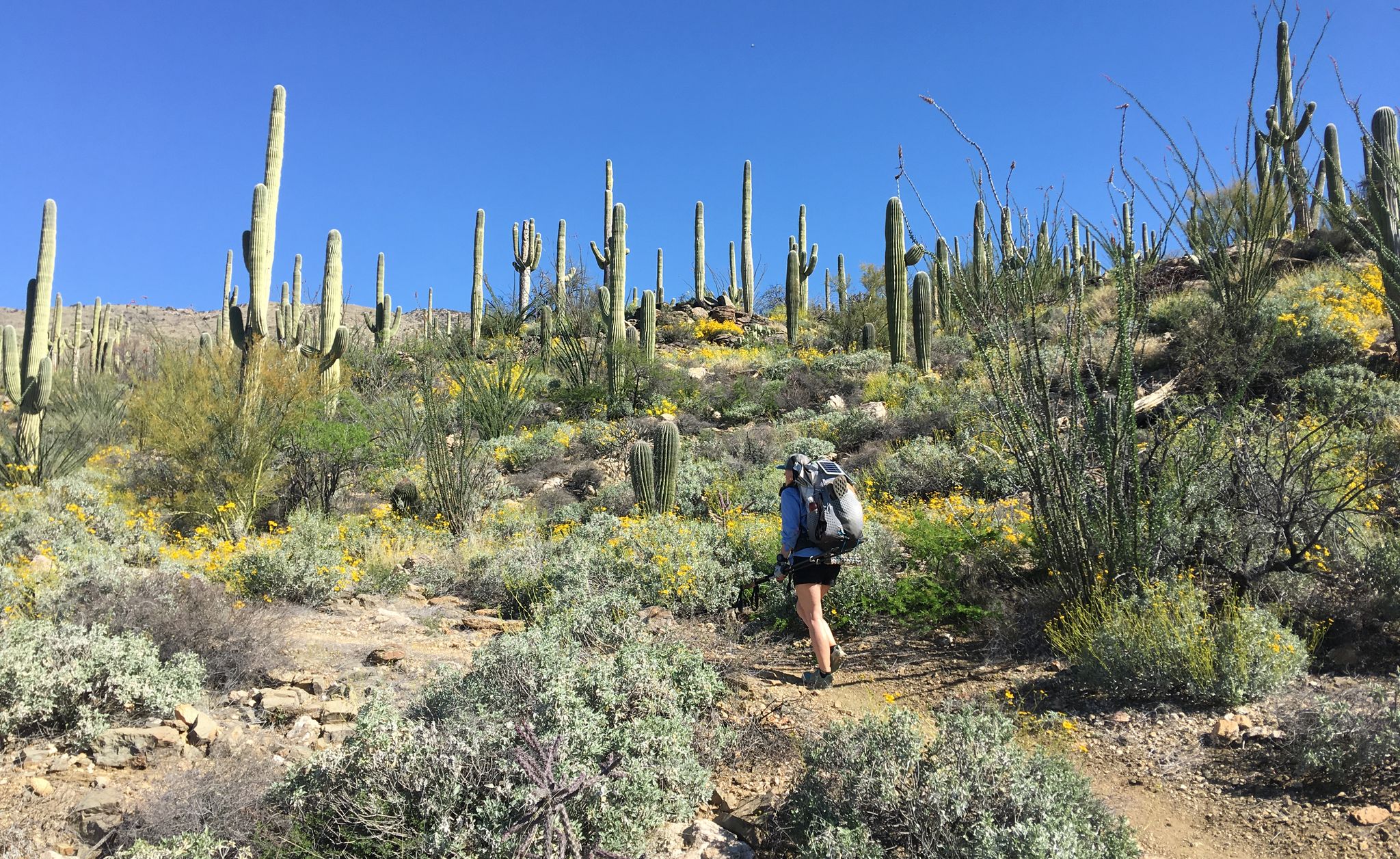
The Arizona Trail — From Mexico to Utah in 43 days
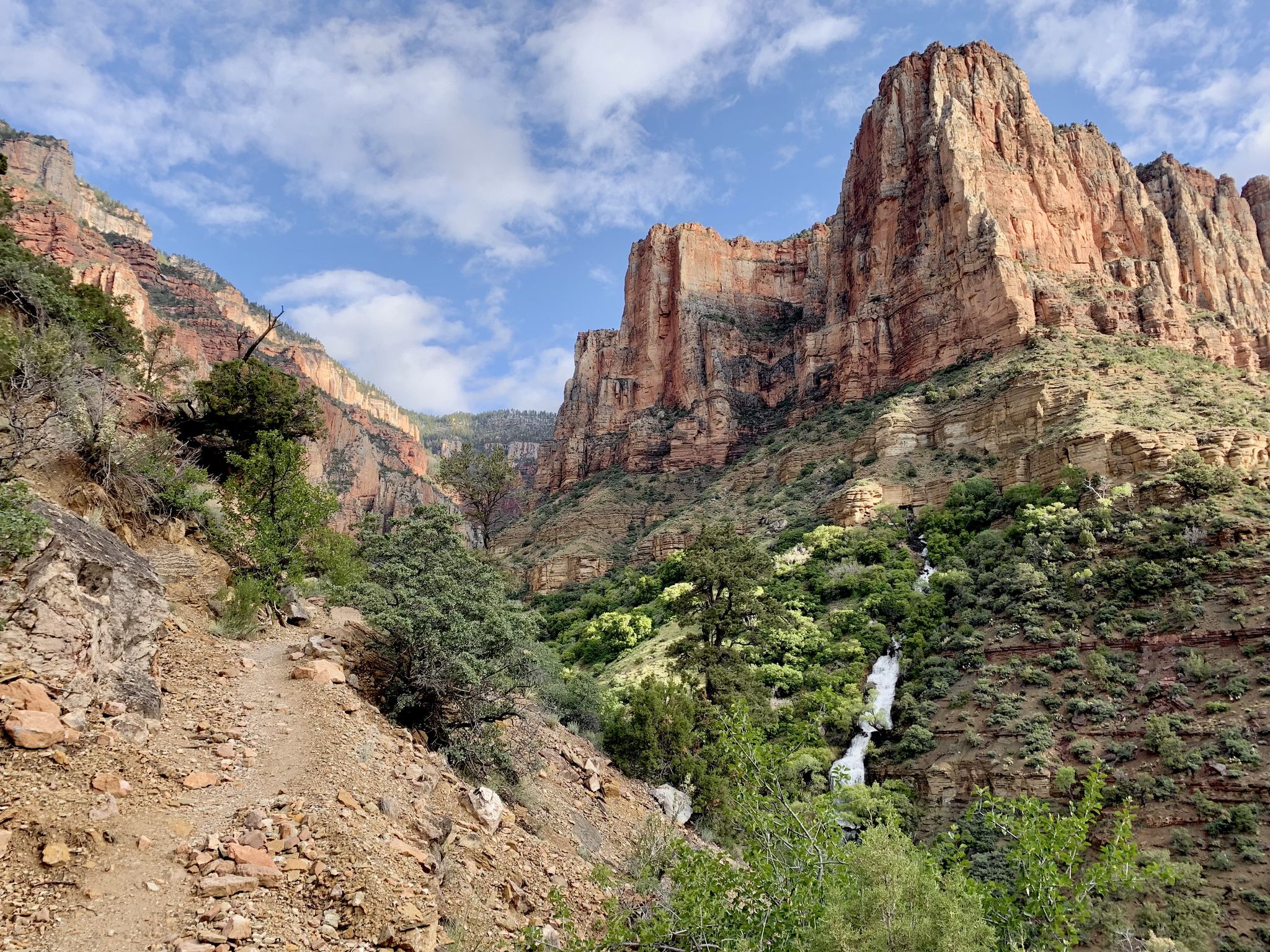
Rim-to-Rim-to-Rim – top to bottom through the Grand Canyon
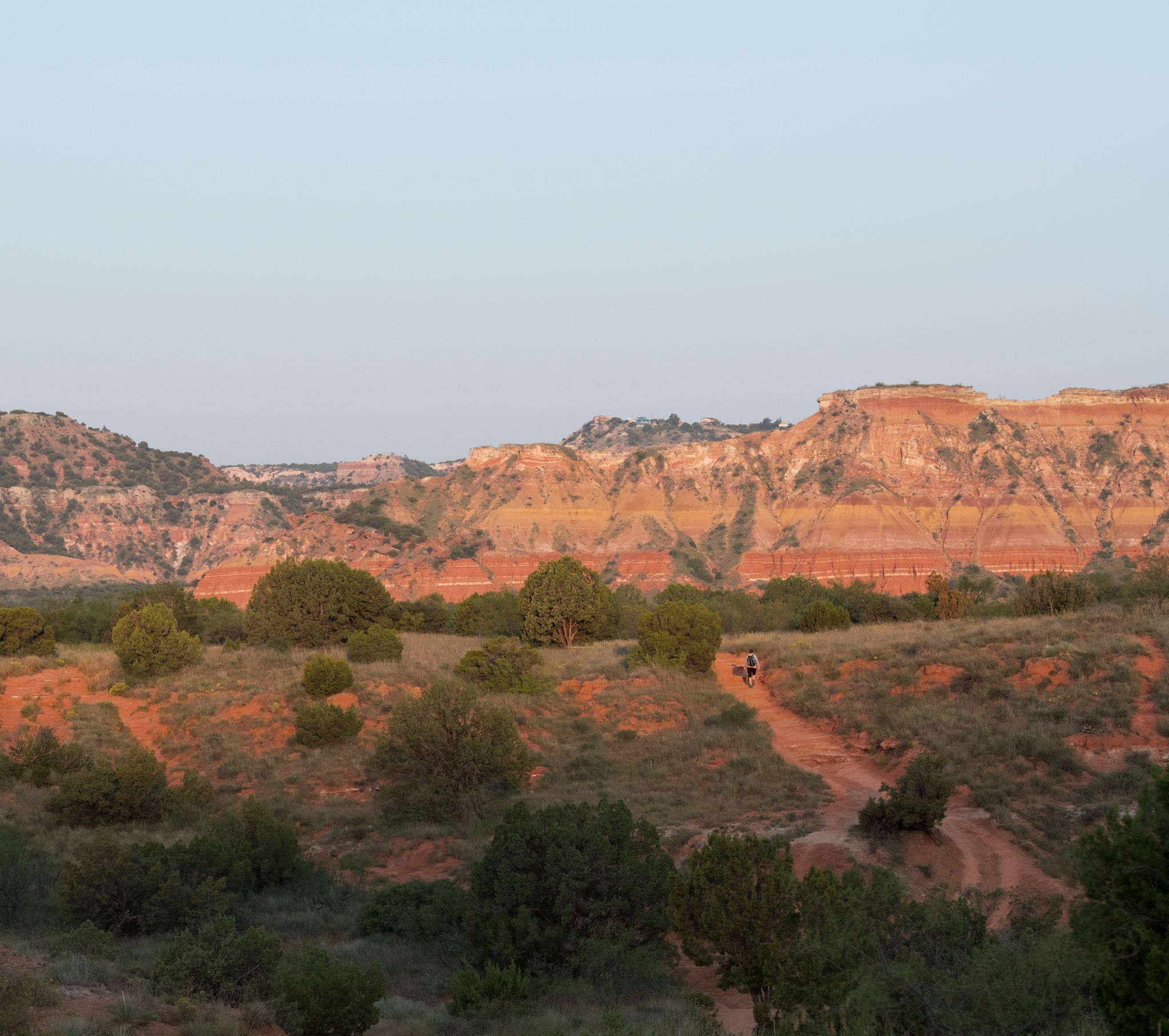
Historic Route 66 – curiosities, selfie spots and diners
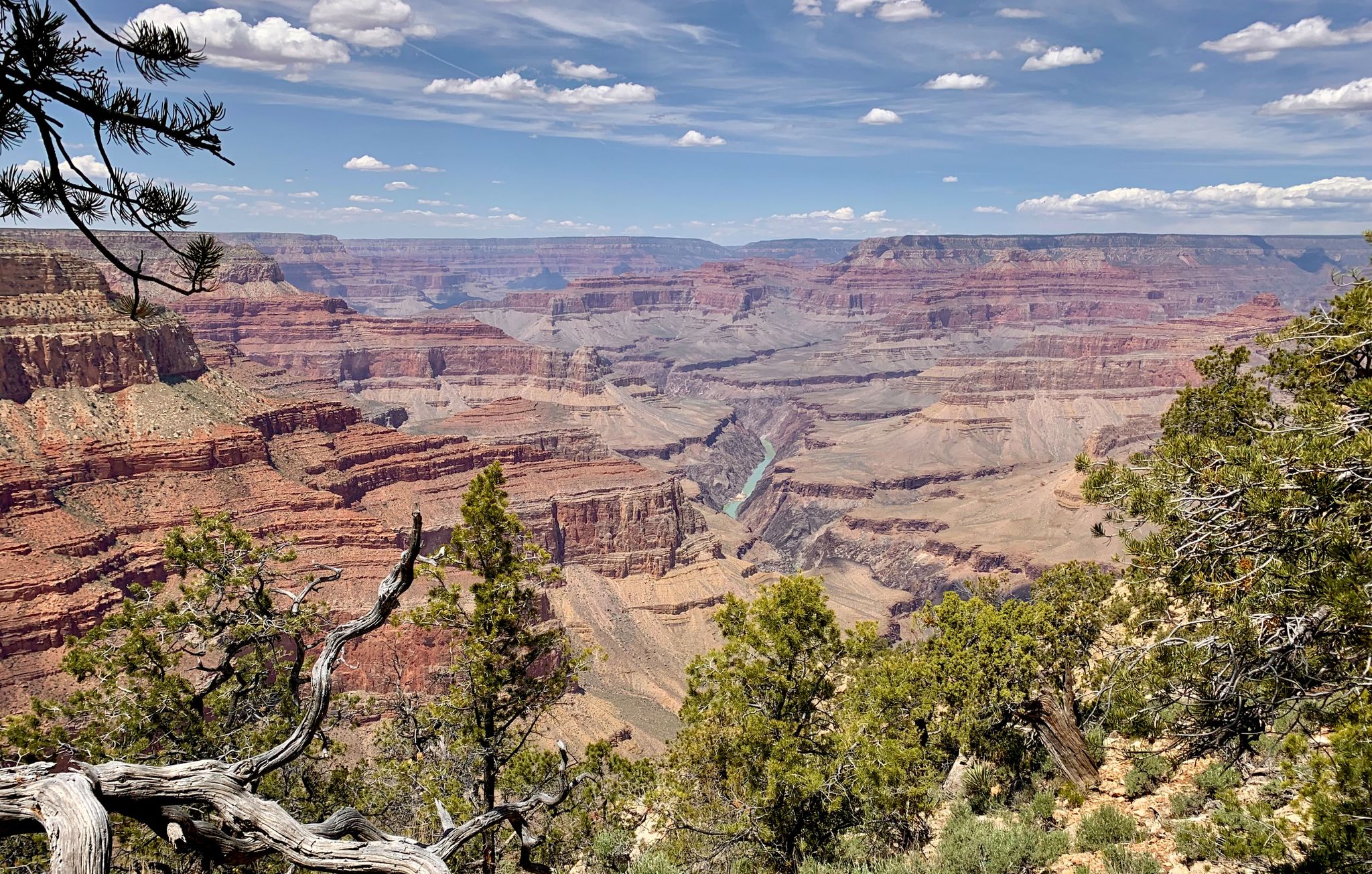
Arizona to Colorado – national parks and Native American culture
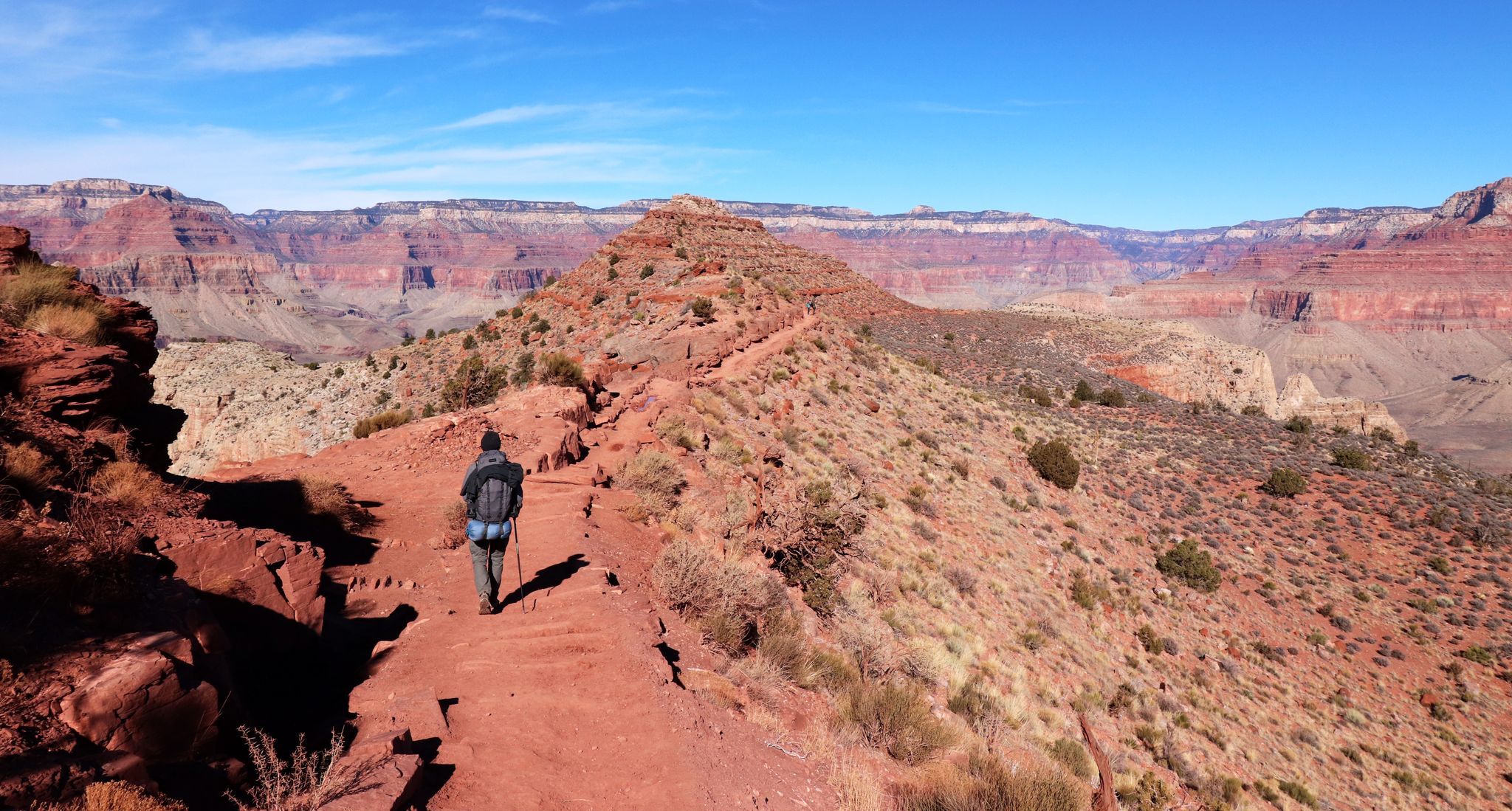
An unforgettable winter hike through the Grand Canyon
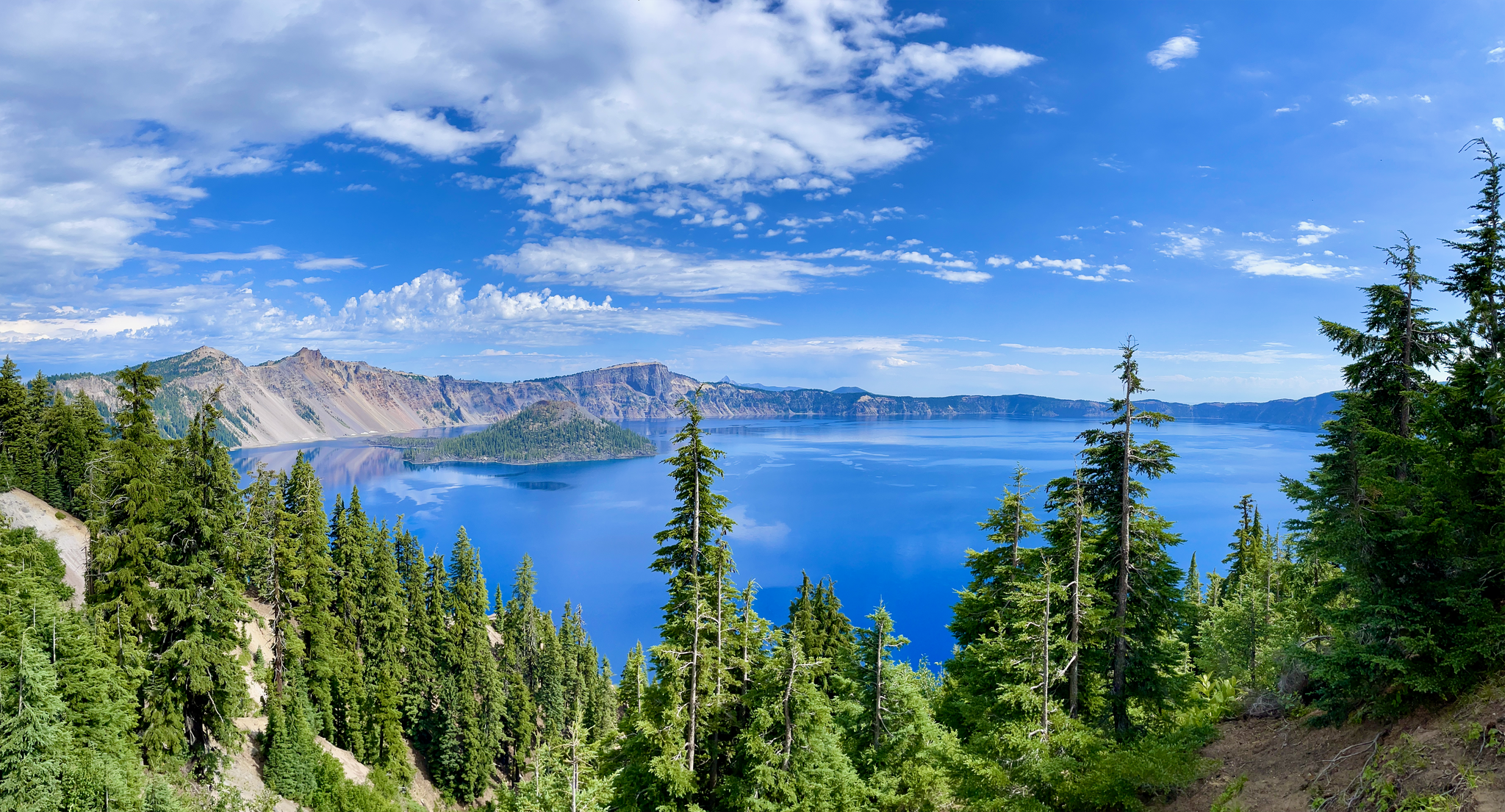
The pristine beauty of the US National Parks
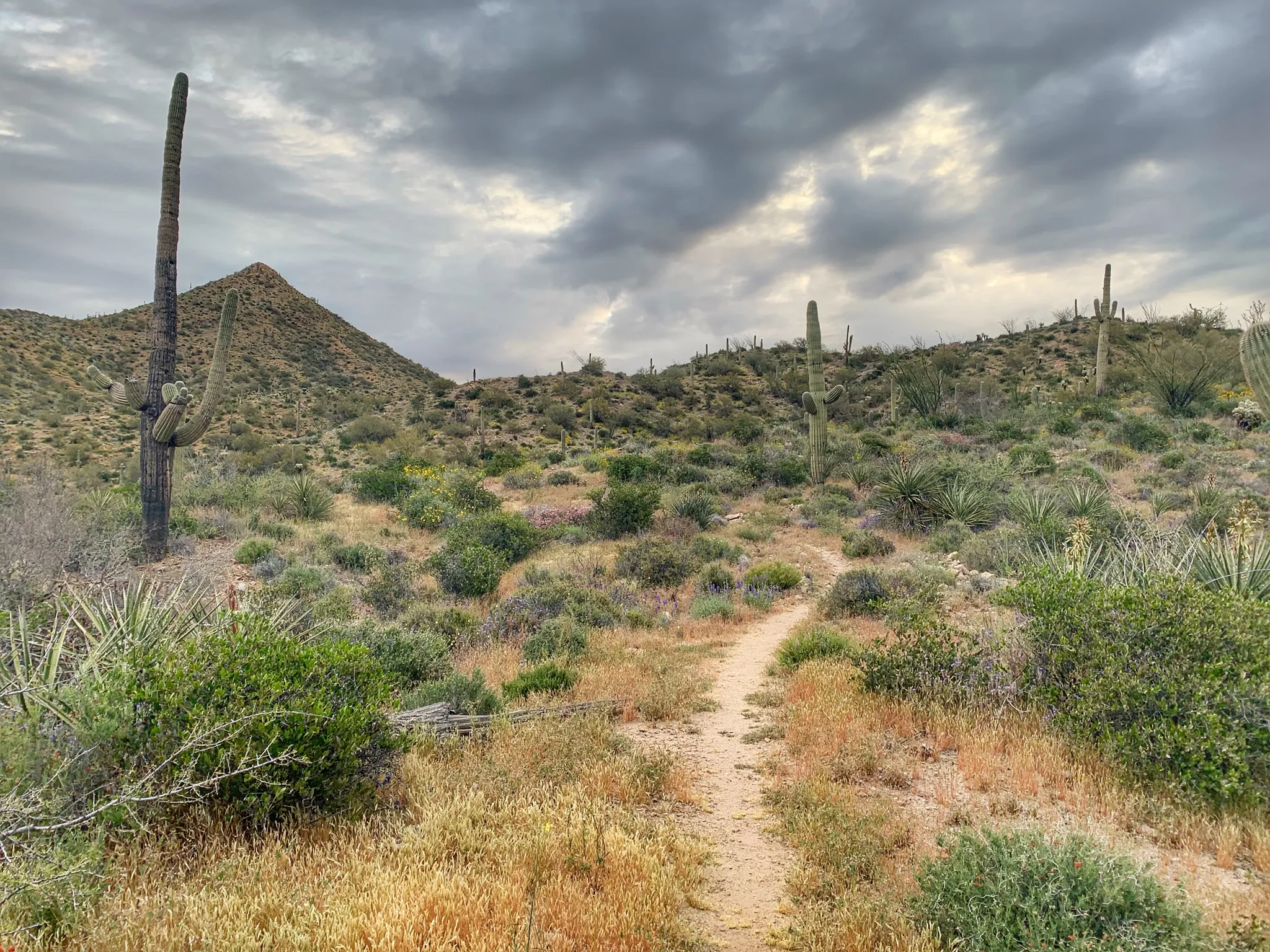
Arizona Trail — A beautiful 800-mile struggle
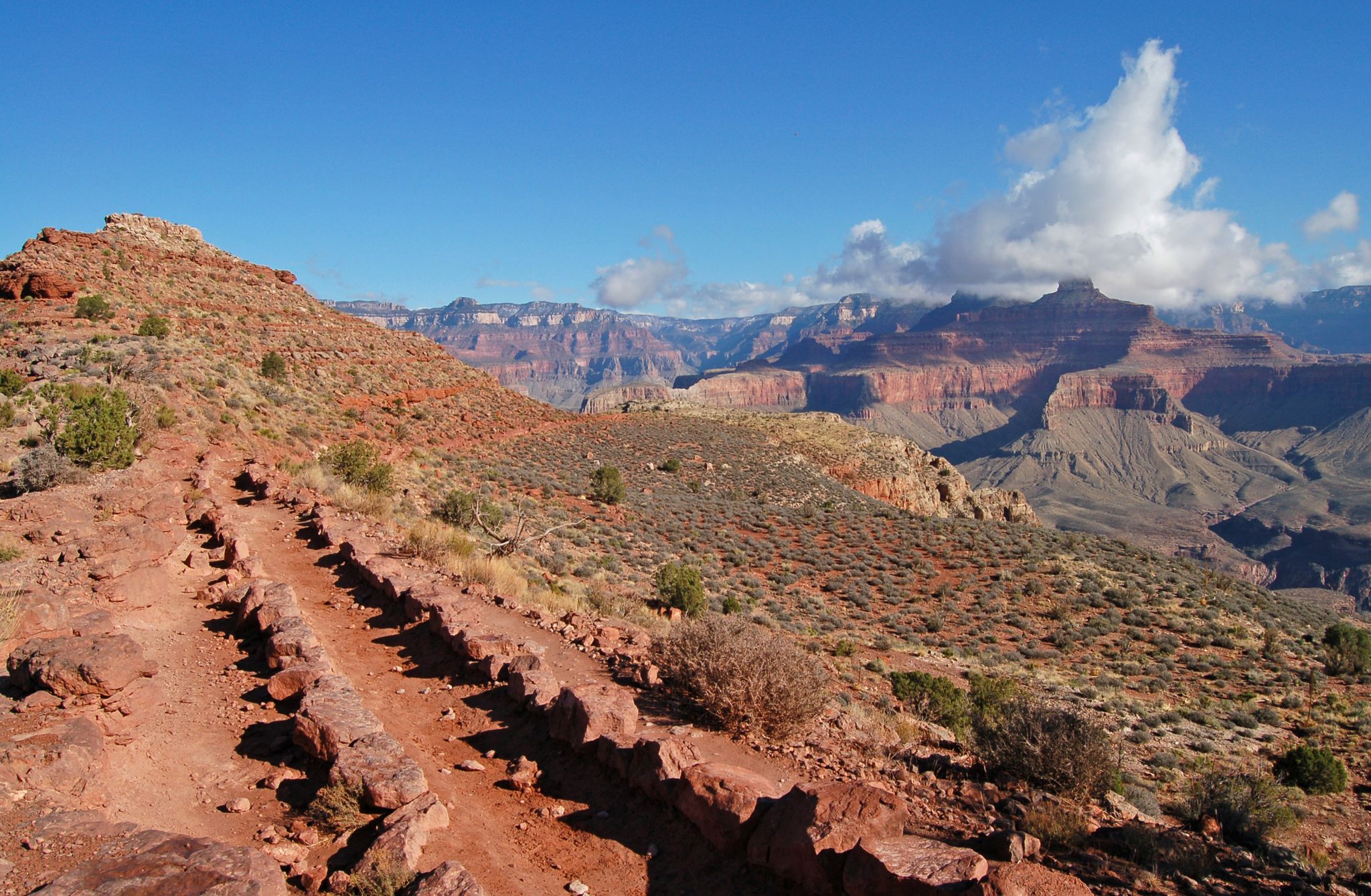
Rim-to-Rim-to-Rim — Fastpacking into the Grand Canyon’s heart
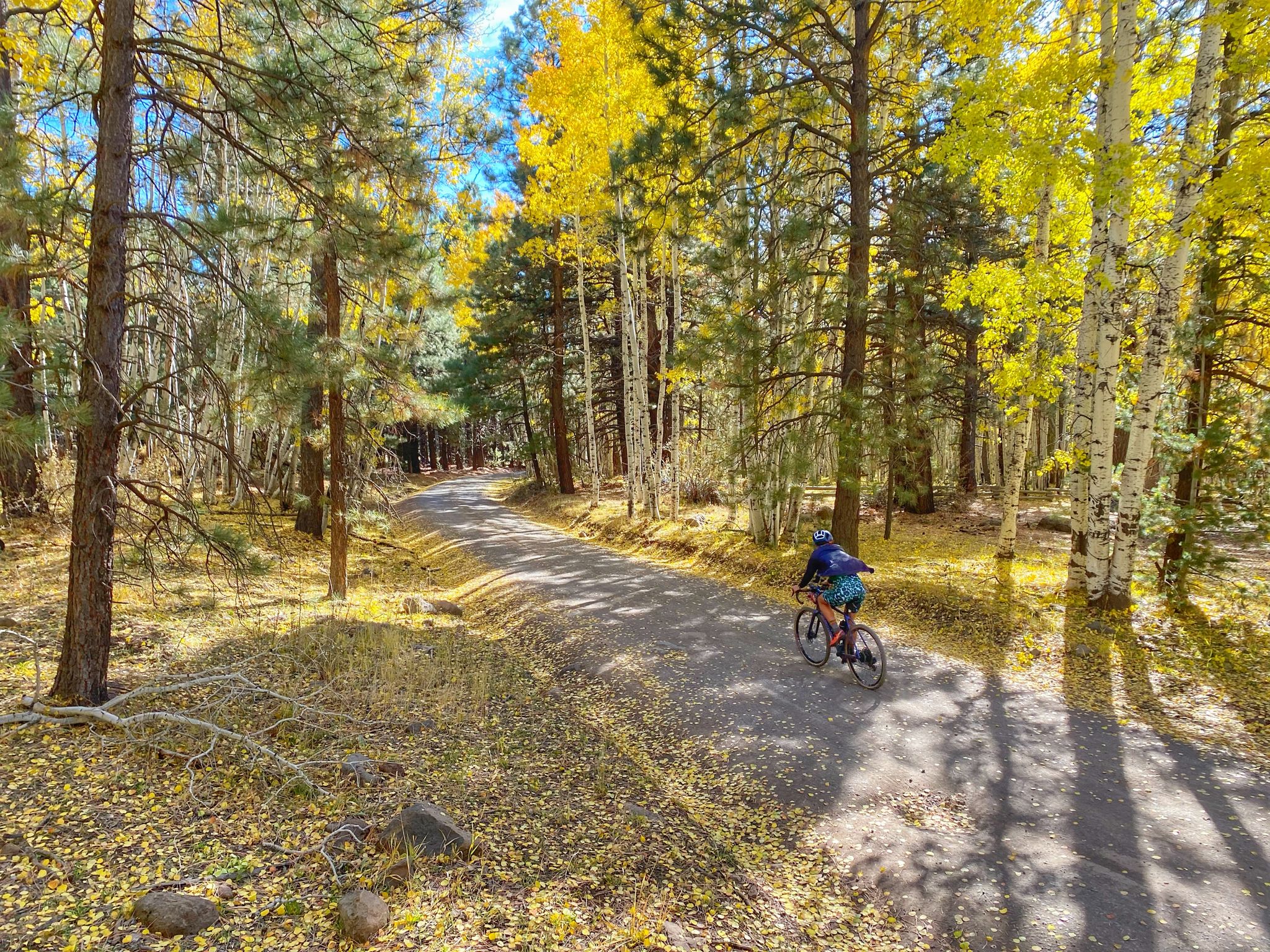
Grand Canyon to Mount Humphreys — a run, bike, run adventure
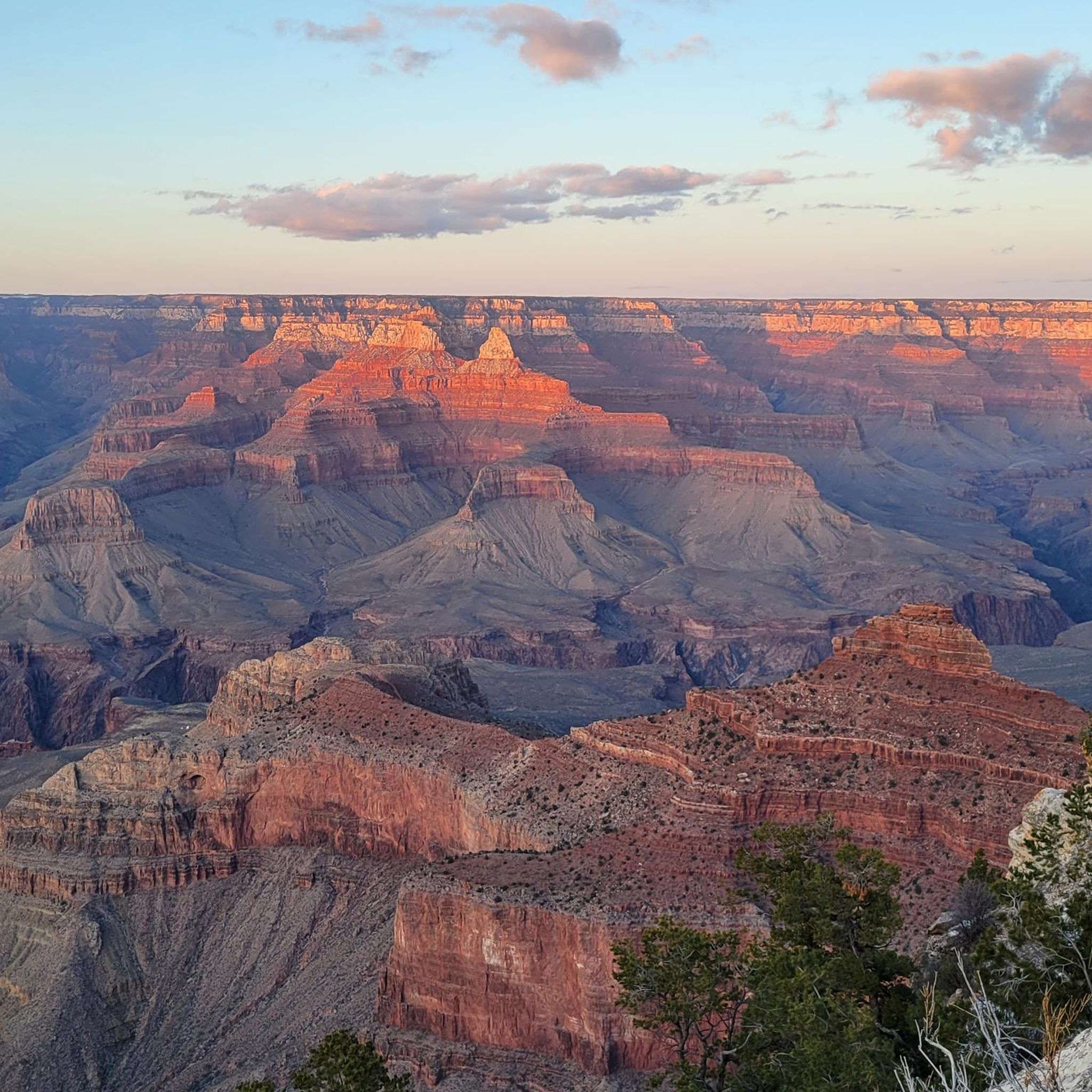
Road Cycling Routes in Grand Canyon National Park
Other adventures in Grand Canyon National Park


Tips from the Community

October
0
0

Once you've descended past the tunnel, look up to your left to see some amazing petroglyphs, including very-detailed deer done in red, with beautiful antlers!
0
0
Unlike at the 3-mile resthouse, this resthouse does not have benches inside the shelter
0
0

It's best to start at Powell Point. That would be the best section.
0
0


Mohave Point offers incredible views over the Grand Canyon, especially at sunset. You’ll also get a perfect view of the Tonto Trail winding deep into the canyon. The trail to the very tip of the point isn’t paved, so you can stop your bike and take a short hike to check it out.
0
0
One of the stunning viewpoints along the Hermit Greenway Road Trail, offering a privileged view of The Alligator and Cope Butte. Since this spot is farther from the busy entrance of the National Park, it’s often less crowded, it's perfect for a break to take in the scenery.
0
0
Frequently Asked Questions
How many hiking trails are available in Grand Canyon National Park?
Grand Canyon National Park offers a vast network of over 170 hiking routes. These trails cater to a wide range of abilities, from easy rim walks to challenging multi-day treks into the canyon's depths, ensuring there's an adventure for every hiker.
What is the best time of year to hike in Grand Canyon National Park?
The shoulder seasons of spring and fall generally offer the most pleasant hiking conditions with moderate temperatures. While hiking is possible year-round, summer in the inner canyon can be dangerously hot, similar to Phoenix, and winter brings cooler temperatures, especially at the rim, but can be quite enjoyable once you descend into the canyon.
Are there any easy hikes suitable for beginners or families in Grand Canyon National Park?
Yes, the park offers several accessible options. The Rim Trails along both the South and North Rims are excellent for beginners and families, often paved and providing spectacular panoramic views with less strenuous effort. A great example is the Visitor Center & Mather Point to Bright Angel Trailhead via Rim Trail, which offers stunning vistas without significant elevation changes.
What are some notable landmarks or viewpoints I can see while hiking in the Grand Canyon?
The Grand Canyon is rich with iconic viewpoints. Along the trails, you can experience places like Ooh Aah Point, known for its stunning views on the South Kaibab Trail, or Cedar Ridge. The Bright Angel Trailhead and South Kaibab Trailhead are also significant starting points for many adventures.
Are there any waterfalls in Grand Canyon National Park that can be reached by hiking?
Yes, the Grand Canyon area features several impressive waterfalls, though many require more strenuous hikes into the inner canyon. Notable examples include Ribbon Falls View, Deer Creek Falls, and Thunder River Falls. These offer unique natural beauty away from the more crowded rim areas.
What do other hikers enjoy most about hiking in Grand Canyon National Park?
The area is highly rated by the komoot community, with an average score of 4.8 stars from over 2,700 reviews. Hikers consistently praise the awe-inspiring scale of the canyon, the diverse geological formations, and the unique perspectives gained from descending into the gorge. The well-maintained paths and the sense of wilderness are also frequently highlighted.
Are there any loop trails in Grand Canyon National Park?
While true loop trails that descend into the canyon and return to the same rim point are rare due to the canyon's immense scale and challenging terrain, many hikers create loop experiences by combining different trails. For instance, a popular, though very strenuous, 'Rim to River' experience involves descending via one trail like South Kaibab and ascending via another like Bright Angel, often requiring an overnight stay. For shorter, easier loops, sections of the Rim Trail can be combined with shuttle bus routes.
What are some advanced or strenuous hiking options in the Grand Canyon?
For experienced hikers seeking a challenge, trails like the South Kaibab Trail to Skeleton Point offer dramatic views and significant elevation changes. Other strenuous options include the full Bright Angel Trail to the Colorado River or trails like Hermit Trail and Grandview Trail, which provide a more remote and rugged experience. Remember that descending into the canyon is always easier than climbing back out.
Are dogs allowed on hiking trails in Grand Canyon National Park?
Dogs are generally permitted on trails above the rim, such as the South Rim Trail, and on the paved Greenway Trail. However, they are not allowed on any trails below the rim, including popular routes like Bright Angel or South Kaibab, due to the extreme conditions and potential impact on wildlife. Always keep dogs on a leash and ensure they have plenty of water. For detailed regulations, it's best to consult the official National Park Service website: nps.gov/grca.
What should I know about permits, parking, and public transport when hiking in Grand Canyon National Park?
No permits are required for day hiking on established trails in Grand Canyon National Park. Parking can be challenging, especially at popular trailheads and viewpoints, so arriving early is recommended. The South Rim offers an excellent free shuttle bus system that connects various viewpoints, visitor centers, and trailheads, significantly reducing the need to drive and park. This is particularly useful for accessing trails like Bright Angel and South Kaibab. For more detailed information on planning your visit, including transport, refer to the official National Park Service website: nps.gov/grca.
What are some less crowded hiking options for those seeking solitude?
To find more solitude, consider exploring trails on the North Rim, which is generally less crowded than the South Rim. Trails like the North Kaibab Trail offer breathtaking views and a chance to experience diverse wildlife away from the main tourist hubs. For those on the South Rim, venturing further along the Rim Trail away from the main visitor centers, or exploring less-trafficked historic routes like Hermit Trail, can also provide a more secluded experience.
How can I prepare for a summer hike in the Grand Canyon's inner canyon?
Summer hiking in the inner canyon can be extremely dangerous due to intense heat, often exceeding 100°F (38°C). It's crucial to start very early in the morning, carry at least one gallon of water per person, wear light-colored, loose-fitting clothing, and consume salty snacks. Avoid hiking during the hottest parts of the day (10 AM - 4 PM). The National Park Service strongly advises against hiking from the rim to the river and back in one day during summer. Always check current weather conditions and heed all park warnings.
Most popular routes in Grand Canyon National Park
Most popular attractions in Grand Canyon National Park

Get inspired with the komoot mobile app


Explore more
Browse the best Hikes in other regions.
