The best walks and hikes in Rocky Mountain National Park
4.7
(837)
14,409
hikers
207
hikes
Hiking in Rocky Mountain National Park offers diverse landscapes, from montane meadows and evergreen forests to subalpine and alpine tundra. The park features over 100 peaks above 11,000 feet, including Longs Peak, and numerous glacial valleys and alpine lakes. An extensive network of trails, totaling over 350 miles, caters to various skill levels across these varied ecosystems. The Continental Divide runs through the park, influencing its topography and climate.
Best hiking trails in Rocky Mountain National Park
- The most popular hiking route is Nymph Lake & Glacier Gorge Trail Loop – Rocky Mountain National Park, a 7.0 miles (11.2 km) trail that takes 3 hours 33 minutes to complete, passing several scenic alpine lakes.
- Another top favourite among local hikers is Sky Pond & The Loch Trail – Rocky Mountain National Park, a moderate 8.7 miles (14.0 km) path that ascends through subalpine forests to high-altitude lakes.
- Local hikers also love the Chasm Lake – Rocky Mountain National Park, an 8.0 miles (12.9 km) trail leading through alpine terrain to a glacial lake beneath Longs Peak, often completed in about 5 hours 12 minutes.
- Hiking in Rocky Mountain National Park is defined by majestic peaks, serene alpine lakes, and captivating waterfalls. The park's network of routes offers options for various ability levels, from easy strolls to challenging climbs.
- The routes in Rocky Mountain National Park are highly rated by the komoot community with an average score of 4.7 stars from over 830 reviews. More than 14,000 hikers have used komoot to explore Rocky Mountain National Park's varied terrain.
Last updated: July 21, 2026
4.8
(58)
1,220
hikers
5.21km
01:36
190m
200m
Easy hike. Great for any fitness level. Easily-accessible paths. Suitable for all skill levels.
4.9
(87)
727
hikers
17.6km
05:52
930m
410m
Hard hike. Very good fitness required. Mostly accessible paths. Sure-footedness required.

Sign up for free
4.8
(68)
557
hikers
11.2km
03:33
370m
370m
Moderate hike. Good fitness required. Mostly accessible paths. Sure-footedness required.
5.0
(2)
102
hikers
13.0km
04:10
410m
420m
Moderate hike. Good fitness required. Mostly accessible paths. Sure-footedness required.
4.9
(44)
563
hikers
14.0km
04:20
520m
520m
Moderate hike. Good fitness required. Easily-accessible paths. Suitable for all skill levels.
Get access to more routes and recommendations from other explorers.
Sign up for free
Already have an account?
Our route recommendations are based on thousands of hikes, rides, and runs completed by other people on komoot.
Start today with a free account
Your next adventure awaits.
Login or Signup
Popular around Rocky Mountain National Park
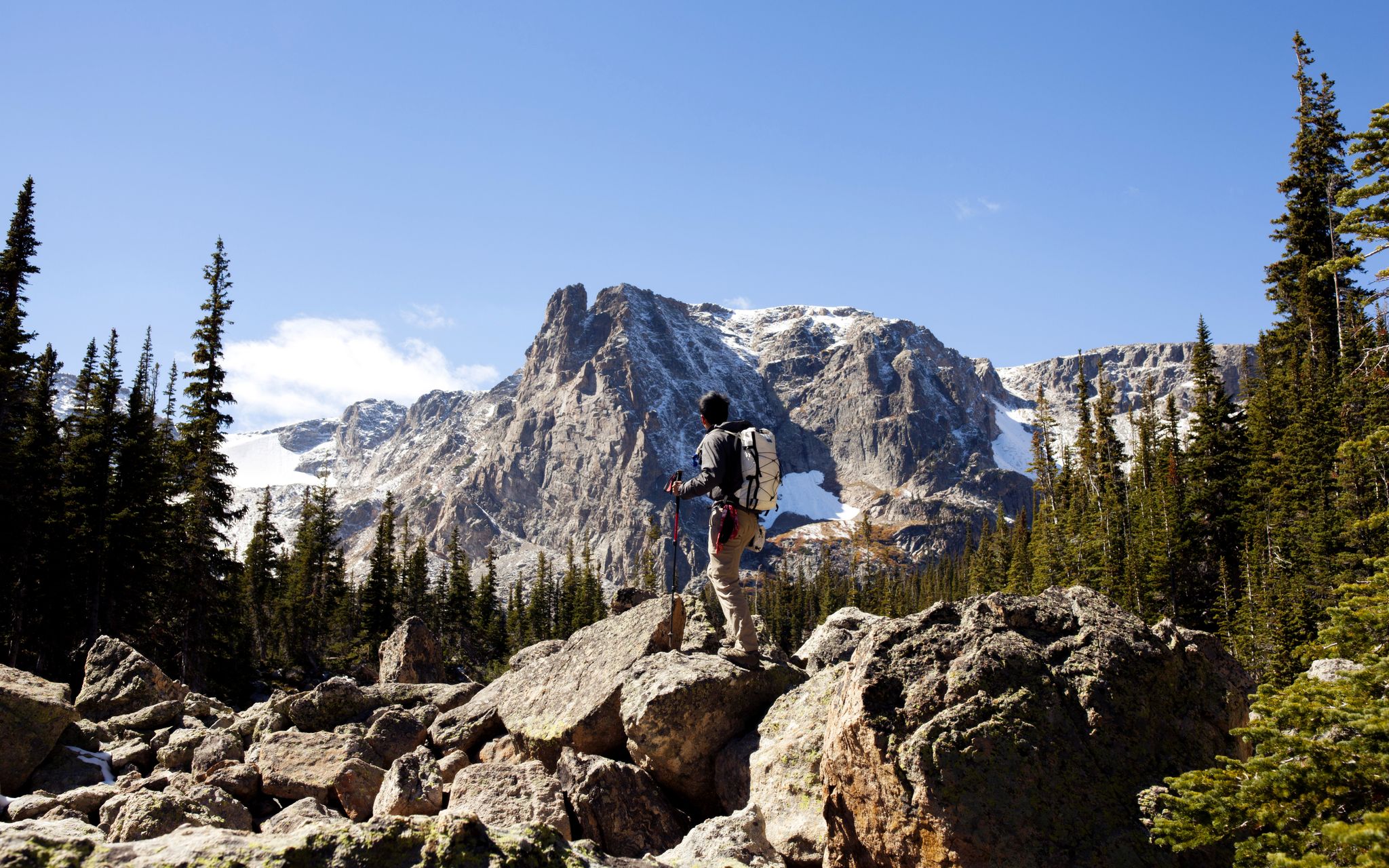
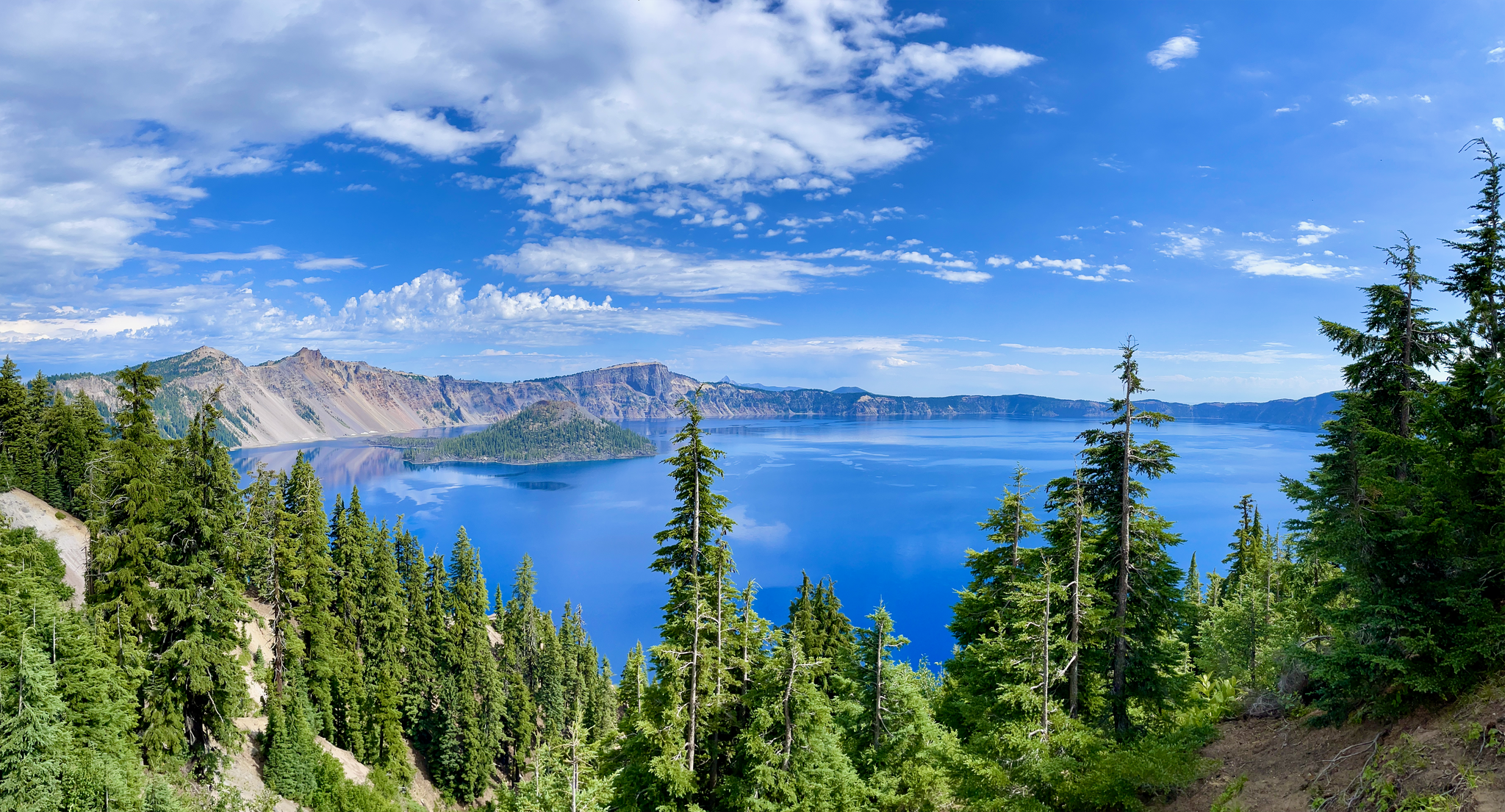
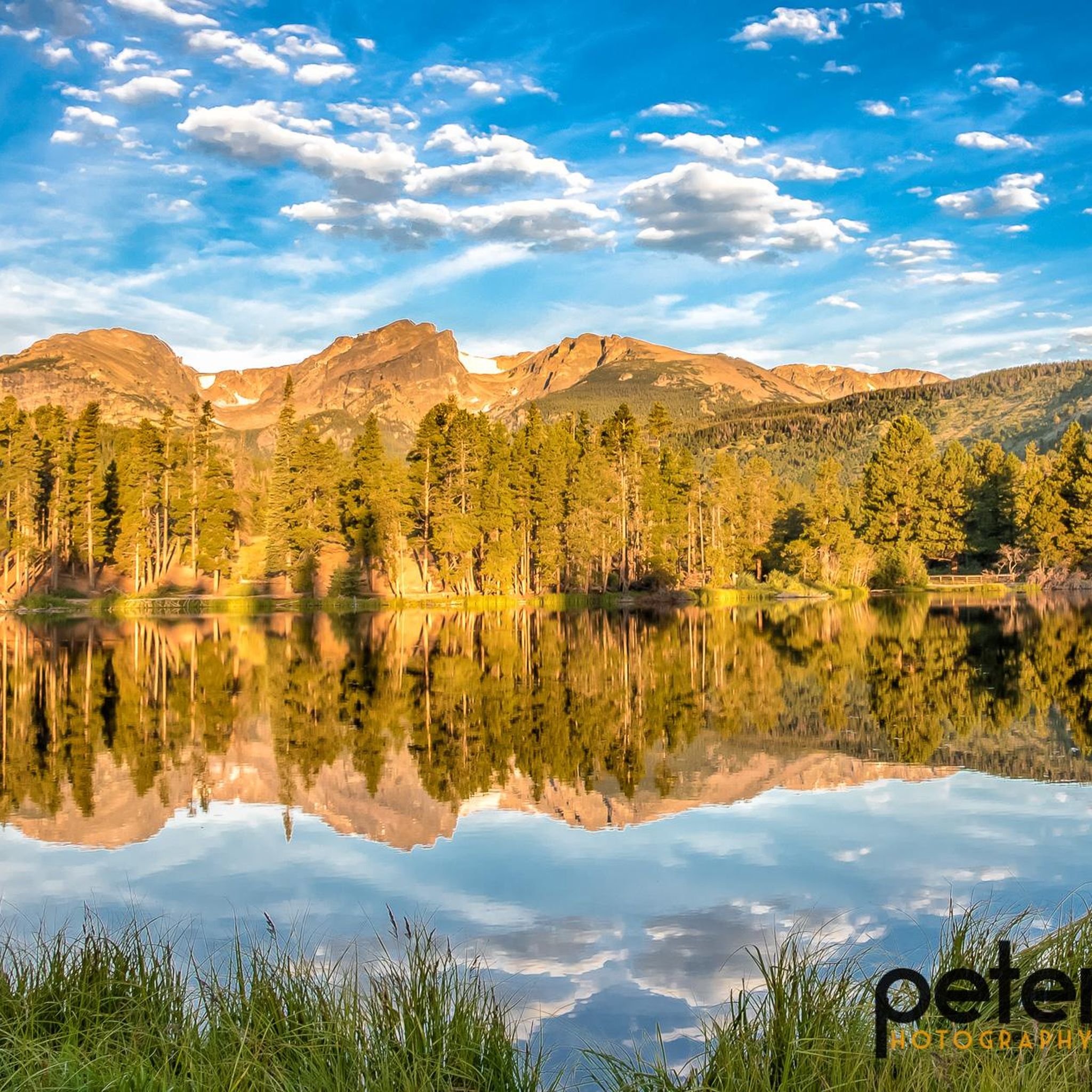
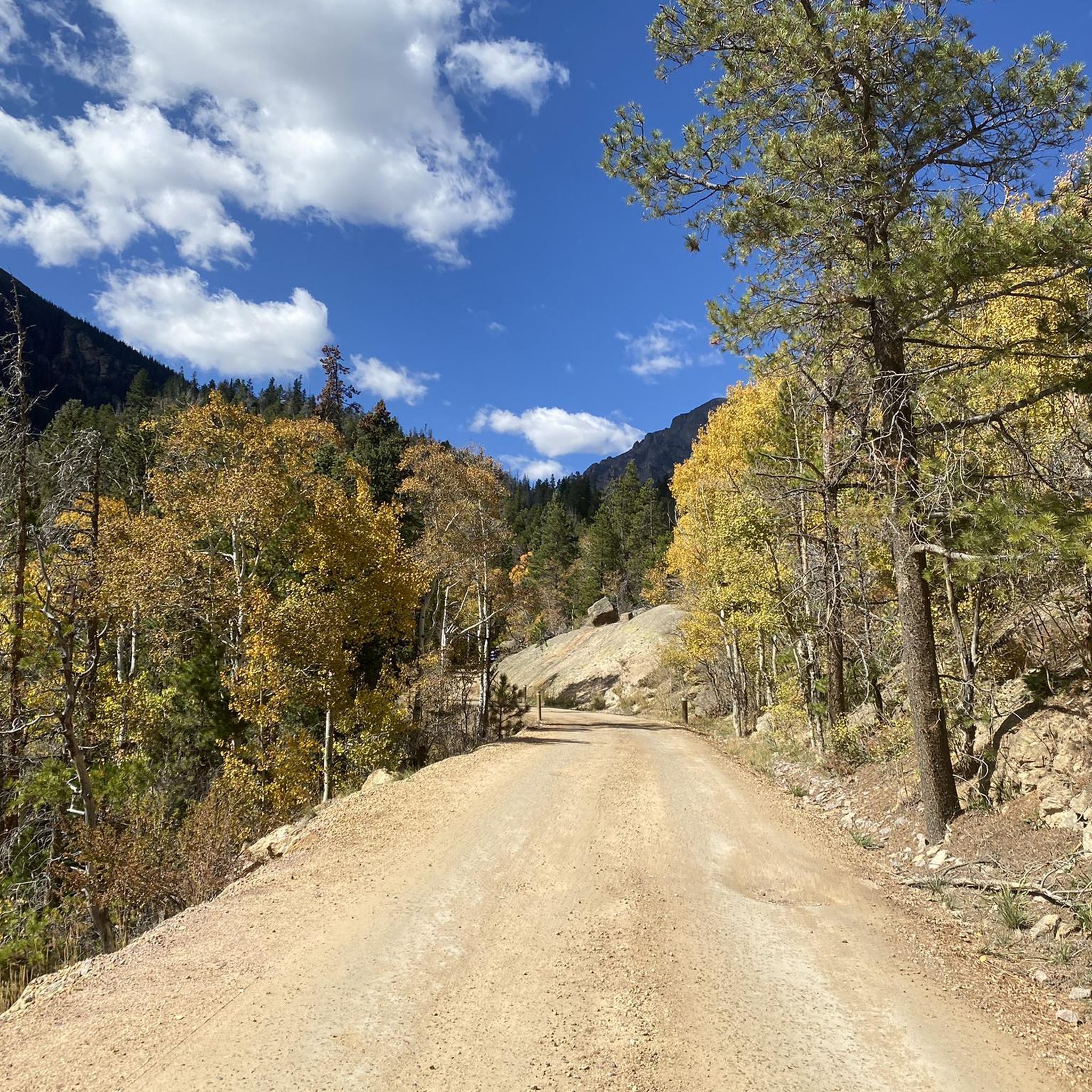
Other adventures in Rocky Mountain National Park


Tips from the Community

A very beautiful mountain lake with a wonderful color. Many rocks line the lake, offering places to rest.
0
0
Beautiful views of the lake and the surrounding mountains, nice little wooden bridge.
0
0
A scenic hike in the eastern part of Rocky Mountains National Park, passing several lakes, including The Loch, Lake Haiyaha, Dream Lake, Nymph Lake, and Bear Lake. After about 3 kilometers on the Glacier Gorge Trail, you first pass the 9-meter-high Alberta Falls. Continuing uphill through the autumn-colored forest, you pass numerous viewpoints and reach the picturesque "The Loch," framed by a majestic mountain backdrop with occasional snowcapped peaks.
0
0
A scenic hike in the eastern part of Rocky Mountains National Park, passing several lakes, including The Loch, Lake Haiyaha, Dream Lake, Nymph Lake, and Bear Lake. After about 3 kilometers on the Glacier Gorge Trail, you first pass the 9-meter-high Alberta Falls. Continuing uphill through the autumn-colored forest, you pass numerous viewpoints and reach the picturesque "The Loch," framed by a majestic mountain backdrop with occasional snowcapped peaks.
0
0
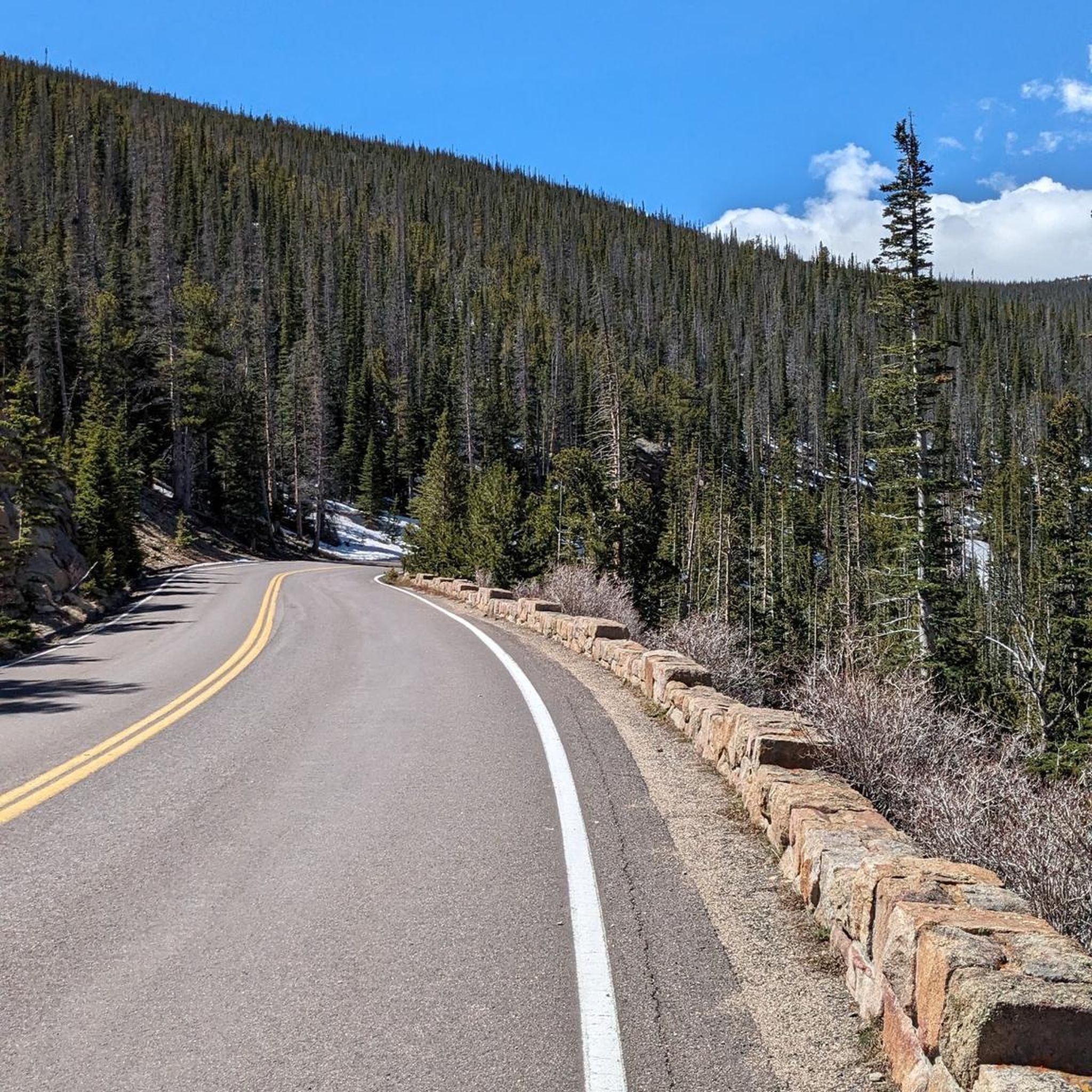
Rocky Mountain National Park (RMNP) in Colorado is one of the most famous and highest national parks in the USA. Longs Peak is the highest point at 4,345 meters. The landscape is characterized by mountain forests with aspens, pines, and expansive meadows, where elk are common. Dense coniferous forests and mountain lakes, as well as rugged, treeless plateaus with only low-growing plants, bighorn sheep, and marmots can also be found. A highlight is the Trail Ridge Road, the highest continuously paved mountain pass in North America, leading through the alpine tundra. The most popular hiking area, with its numerous lakes, is the Bear Lake Corridor. The park is open year-round, although many roads and trails are closed during the winter months due to snow or are only accessible with appropriate equipment. Due to its immense popularity, time-slot reservations are often required for access during peak season.
1
0
Beautiful, quiet lake with a great view.
1
0

Not far from the hiking trail you can enjoy this beautiful view over the valley.
0
0
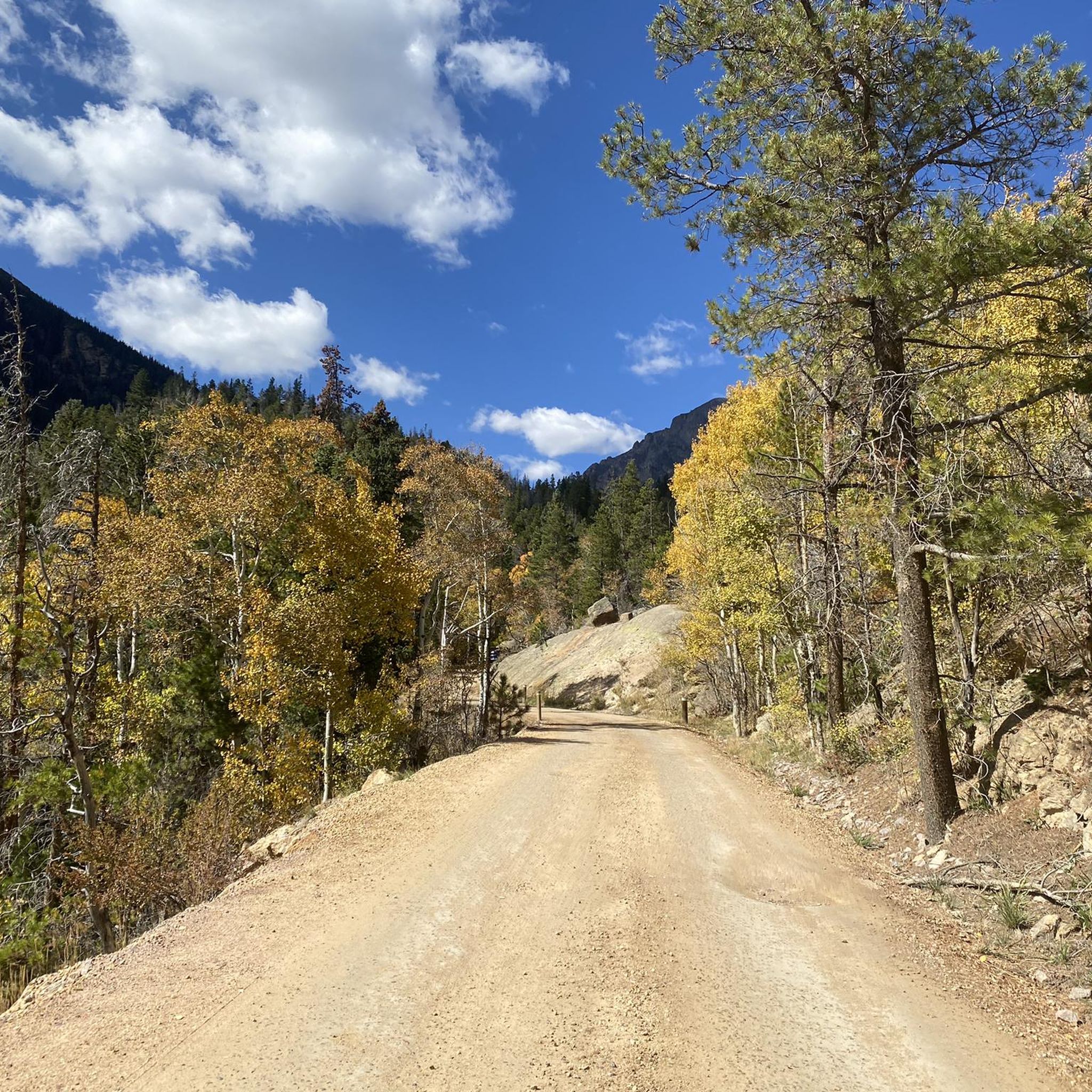
A scenic route with beautifully lined paths lined with birch and aspen trees. Along partially rocky paths, it passes numerous lakes. These are framed by majestic mountains and offer a truly beautiful view.
0
0
More Information
FAQs about hike in Rocky Mountain National Park
- When is the best time to hike in Rocky Mountain National Park?
Generally, summer and early fall offer the most accessible trails and pleasant weather for hiking in Rocky Mountain National Park. Some higher elevation trails may still have snow into July. - What are some of the most popular hiking trails in the park?
Highly recommended trails include the Nymph Lake & Glacier Gorge Trail Loop and the Sky Pond & The Loch Trail. Both are popular moderate options offering stunning scenery. - Are there challenging hikes available in Rocky Mountain National Park?
Yes, for those seeking a strenuous adventure, the Chasm Lake trail is considered difficult and offers a rewarding, demanding experience. - Can I find easy or family-friendly hikes in Rocky Mountain National Park?
Absolutely! The park features many trails suitable for different fitness levels. For a generally accessible and moderate option, consider the Mills Lake via Glacier Gorge loop, or explore other designated easy hikes within the park. - What natural features will I encounter while hiking?
Expect to see majestic Mountain Peaks, crystal-clear Lakes like Nymph Lake and Mills Lake, and captivating Waterfalls such as Alberta Falls along many of the park's trails. - How long do hikes in Rocky Mountain National Park typically take?
Hike durations vary significantly. Shorter, less strenuous trails can take around 2 to 3 hours, while longer, more difficult routes like Chasm Lake can extend to over 5 hours. - What essential gear should I bring for a hike in Rocky Mountain National Park?
It's always wise to carry plenty of water, snacks, sun protection, layered clothing for variable mountain weather, a map, and sturdy hiking boots. - Are there specific trails known for waterfalls in Rocky Mountain National Park?
Yes, the Nymph Lake & Glacier Gorge Trail Loop features beautiful cascading falls, and the Sky Pond & The Loch Trail is famous for its unique rock scramble directly up Timberline Falls. - Which hikes lead to scenic lakes in the park?
Many trails offer stunning lake views, including the popular routes to Nymph Lake, Dream Lake, Emerald Lake, The Loch, Sky Pond, and Mills Lake, all providing picturesque alpine scenery. - Are permits or reservations required for hiking in Rocky Mountain National Park?
Rocky Mountain National Park typically requires timed-entry reservations during peak seasons, in addition to a park entrance fee. Always check the official National Park Service website for the most current requirements before your visit.
Frequently Asked Questions
How many hiking trails are available in Rocky Mountain National Park?
Rocky Mountain National Park offers an extensive network of over 350 miles of trails. On komoot, you can find more than 160 hiking routes, catering to various skill levels from easy strolls to challenging climbs.
What types of terrain and elevation changes can I expect while hiking in Rocky Mountain National Park?
The park's diverse topography ranges from montane meadow valleys and evergreen forests at lower elevations to subalpine and alpine tundra above 11,000 feet. You'll encounter dramatic glacial valleys, numerous alpine lakes, and majestic peaks, with over 100 summits rising above 11,000 feet. The Continental Divide also runs through the park, creating varied climatic zones.
Are there easy, family-friendly hikes in Rocky Mountain National Park?
Yes, the park offers many easy and family-friendly options. Trails like the Bear Lake Loop or Sprague Lake Nature Trail are short and relatively flat. For a slightly longer but still moderate option, the hike to Emerald Lake (3.3 miles round trip) or Dream Lake (2.1 miles round trip) are popular choices that lead to beautiful alpine lakes.
What are some challenging hikes in Rocky Mountain National Park?
For experienced hikers seeking a challenge, routes like the Chasm Lake – Rocky Mountain National Park trail offer a difficult 8.0-mile (12.9 km) ascent through alpine terrain to a glacial lake beneath Longs Peak. Another strenuous option is the Sky Pond & The Loch Trail – Rocky Mountain National Park, which ascends through subalpine forests to high-altitude lakes.
Do I need a permit or reservation to hike in Rocky Mountain National Park?
Yes, Rocky Mountain National Park often requires timed entry reservations, especially during peak seasons, in addition to the park entrance fee. Specific trailheads, particularly those in the Bear Lake Road corridor, may also require separate reservations. It's crucial to check the official National Park Service website for the most current requirements before your visit. You can find more information on the official NPS website: nps.gov/romo/planyourvisit/hiking.htm.
What are the parking options for trailheads in Rocky Mountain National Park?
Parking at popular trailheads, especially along Bear Lake Road, can fill up very early in the morning during peak season. The park operates a shuttle system from the Park & Ride lot to various trailheads along Bear Lake Road, which is often the most reliable way to access these areas. For other trailheads, arrive early or consider visiting during off-peak times to secure a spot.
Is public transportation available within Rocky Mountain National Park?
Yes, Rocky Mountain National Park provides a free shuttle bus system that operates along the Bear Lake Road corridor during the summer and fall seasons. This shuttle connects the Park & Ride lot to popular trailheads and scenic points, helping to alleviate parking congestion. Check the park's official website for current operating schedules and routes.
Can I see waterfalls while hiking in Rocky Mountain National Park?
Absolutely! The park is home to several beautiful waterfalls accessible by trail. Popular destinations include Alberta Falls, which is a relatively short hike, and Copeland Falls. You can also find Adams Falls on the park's west side, and Calypso Cascade.
Are there any loop trails for hiking in Rocky Mountain National Park?
Yes, there are several excellent loop trails. One popular option is the Nymph Lake & Glacier Gorge Trail Loop – Rocky Mountain National Park, a moderate 7.0-mile (11.2 km) route that passes several scenic alpine lakes. Another great choice is the Mills Lake via Glacier Gorge loop – Rocky Mountain National Park.
What is the best time of year to hike in Rocky Mountain National Park?
The best time for hiking generally depends on the elevation and your preferred conditions. Summer (July-August) offers the warmest weather and access to most high-elevation trails, but also the largest crowds. Fall (September-October) brings stunning aspen colors and cooler temperatures, though snow can begin at higher elevations. Spring (May-June) can still have significant snowpack on many trails, while winter offers unique snowshoeing and cross-country skiing opportunities.
Can I bring my dog on the hiking trails in Rocky Mountain National Park?
No, dogs are generally not permitted on hiking trails in Rocky Mountain National Park to protect wildlife and natural resources. Pets are allowed only on roads, in campgrounds, and in picnic areas. They must always be on a leash no longer than 6 feet. Service animals are an exception to this rule.
What wildlife can I expect to see while hiking in Rocky Mountain National Park?
Rocky Mountain National Park is renowned for its abundant wildlife. You might spot elk, bighorn sheep, moose, and mule deer, particularly in areas like Moraine Park, Horseshoe Park, and the Kawuneeche Valley. Smaller creatures such as marmots and pika are also common in the alpine zones. Early mornings and late evenings are often the best times for wildlife viewing.
Are there any prominent natural features or landmarks to look out for?
Beyond the extensive trail system, the park is defined by its majestic peaks, including Longs Peak, and numerous alpine lakes like Bear Lake, Emerald Lake, and Sky Pond. The Continental Divide runs through the park, and you can experience unique alpine tundra ecosystems at higher elevations. Scenic drives like Trail Ridge Road also offer incomparable views of the tundra and valleys.
Most popular routes in Rocky Mountain National Park
Most popular attractions in Rocky Mountain National Park

Get inspired with the komoot mobile app


Explore more
Browse the best Hikes in other regions.
