Top 20 Waterfalls in Yellowstone National Park
Best waterfalls in Yellowstone National Park are found within a landscape shaped by volcanic activity and the Yellowstone River. The park is home to over 40 named waterfalls, many of which are located within the Grand Canyon of the Yellowstone, a chasm known for its vibrant, hydrothermally altered rhyolite cliffs. These natural features offer a diverse range of cascades, from easily accessible viewpoints to those requiring a moderate hike. The area's unique geology contributes to the distinct characteristics of each waterfall.
Best waterfalls in Yellowstone National Park
- The most popular waterfalls is View of Lower Falls from Artist Point, a viewpoint that provides spectacular views of the Lower Falls and Yellowstone River. This overlook is considered the best view in the Grand Canyon of Yellowstone.
- Another must-see spot is Upper Yellowstone Falls, a waterfall that plunges 110 feet (33 m). Visitors can expect a magnificent sight with plenty of viewing points located on each side of the gorge.
- Visitors also love Lower Yellowstone Falls, a waterfall that is 308 feet (94 m) high. It is special for plunging dramatically into the Grand Canyon of the Yellowstone.
- Yellowstone National Park is known for its diverse cascades, plunges, and fan-shaped falls. The variety of waterfalls ranges from easily accessible roadside views to those requiring a moderate hike.
- The waterfalls in Yellowstone National Park are appreciated by the komoot community, with more than 27 upvotes and 37 photos shared.
Last updated: October 11, 2026
Upper Yellowstone Falls
Highlight • Waterfall
Tip by

Lower Yellowstone Falls
Highlight • Waterfall
The Lower Falls of the Yellowstone River are a majestic sight, plunging dramatically into the Grand Canyon of the Yellowstone. This iconic waterfall, nearly twice the height of Niagara Falls, is a testament to the raw power of nature and the volcanic forces that shaped this unique landscape. Visitors can marvel at its grandeur from various viewpoints, each offering a distinct perspective on the cascading water and the vibrant hues of the canyon walls.
The Grand Canyon of the Yellowstone itself is a geological wonder, carved by the mighty Yellowstone River over thousands of years. Its rhyolite rock, altered by hot water and steam, displays a dazzling array of colors, from fiery reds and oranges to soft yellows and browns. Hiking trails wind along the rim and descend into the canyon, providing opportunities for intimate encounters with this breathtaking natural artistry.
Exploring this area offers incredible photographic opportunities and a chance to truly connect with the wild heart of Yellowstone. Remember to stay on marked trails for safety and to protect the delicate ecosystem. Early mornings or late afternoons often provide the best light for photography and fewer crowds, allowing for a more serene experience.
Tip by

Sign up now to discover places like this
Get recommendations on the best single tracks, peaks, & plenty of other exciting outdoor places.
Brink of the Lower Falls Trail
Highlight (Segment) • Waterfall
Tip by

Mystic Falls
Highlight • Waterfall
Translated by Google •
Tip by

Fairy Falls
Highlight • Waterfall
Tip by
Sign up for free to discover even more waterfalls in Yellowstone National Park.
Already have an account?
Start today with a free account
Your next adventure awaits.
Popular around Yellowstone National Park
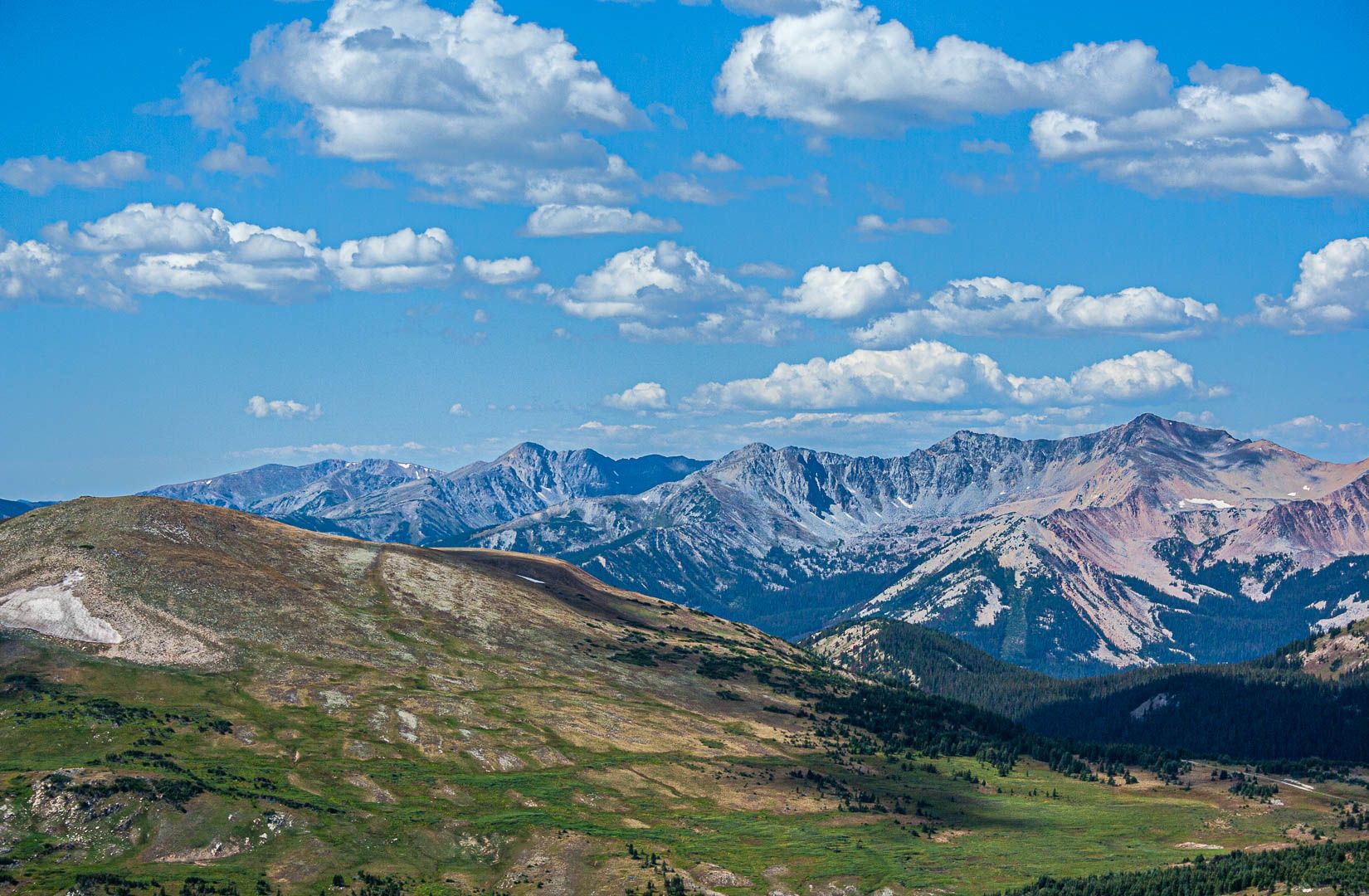
The Continental Divide Trail — Across the sky of America
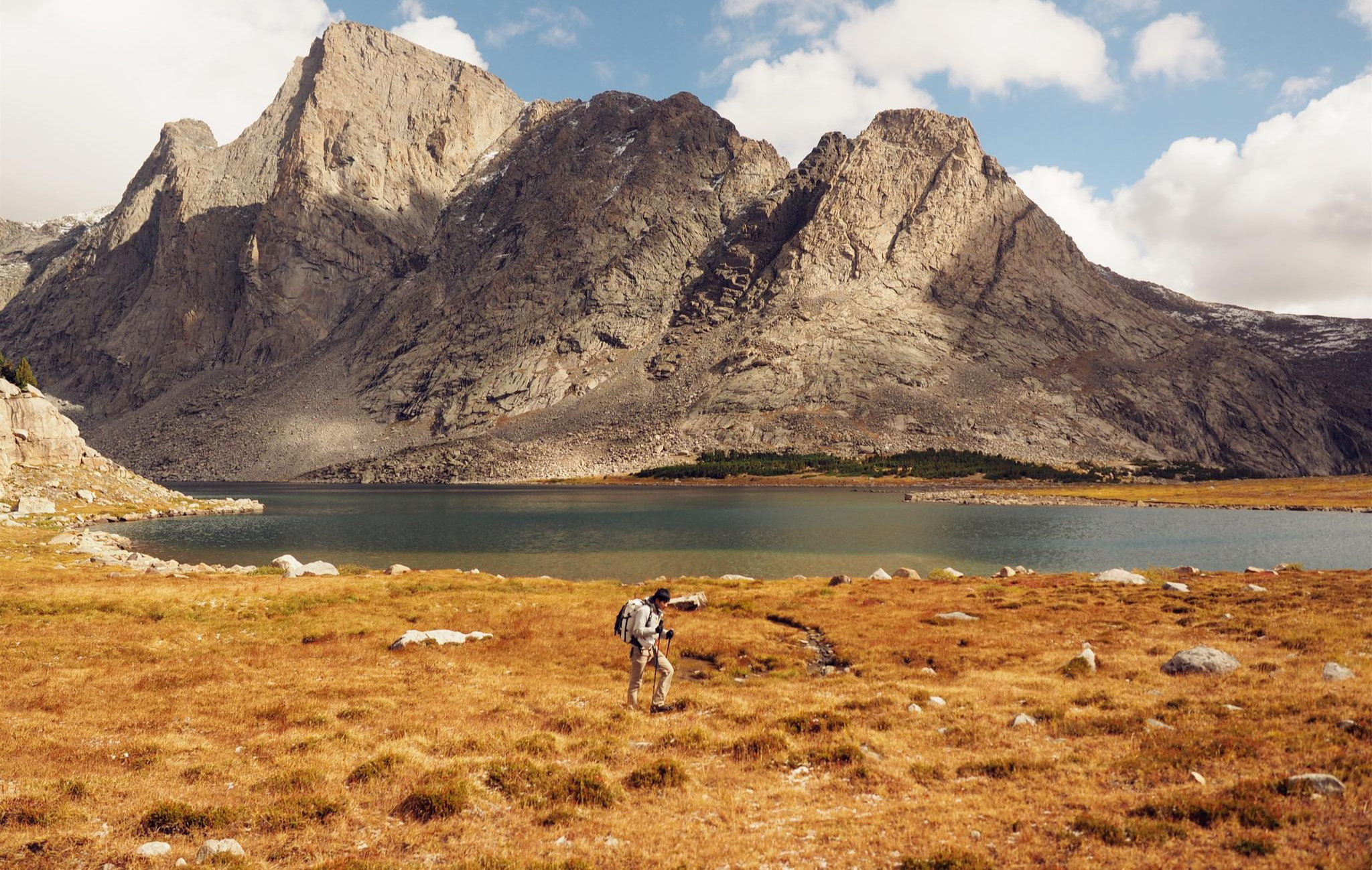
Like in the Wild West – hiking on the Oregon Trail
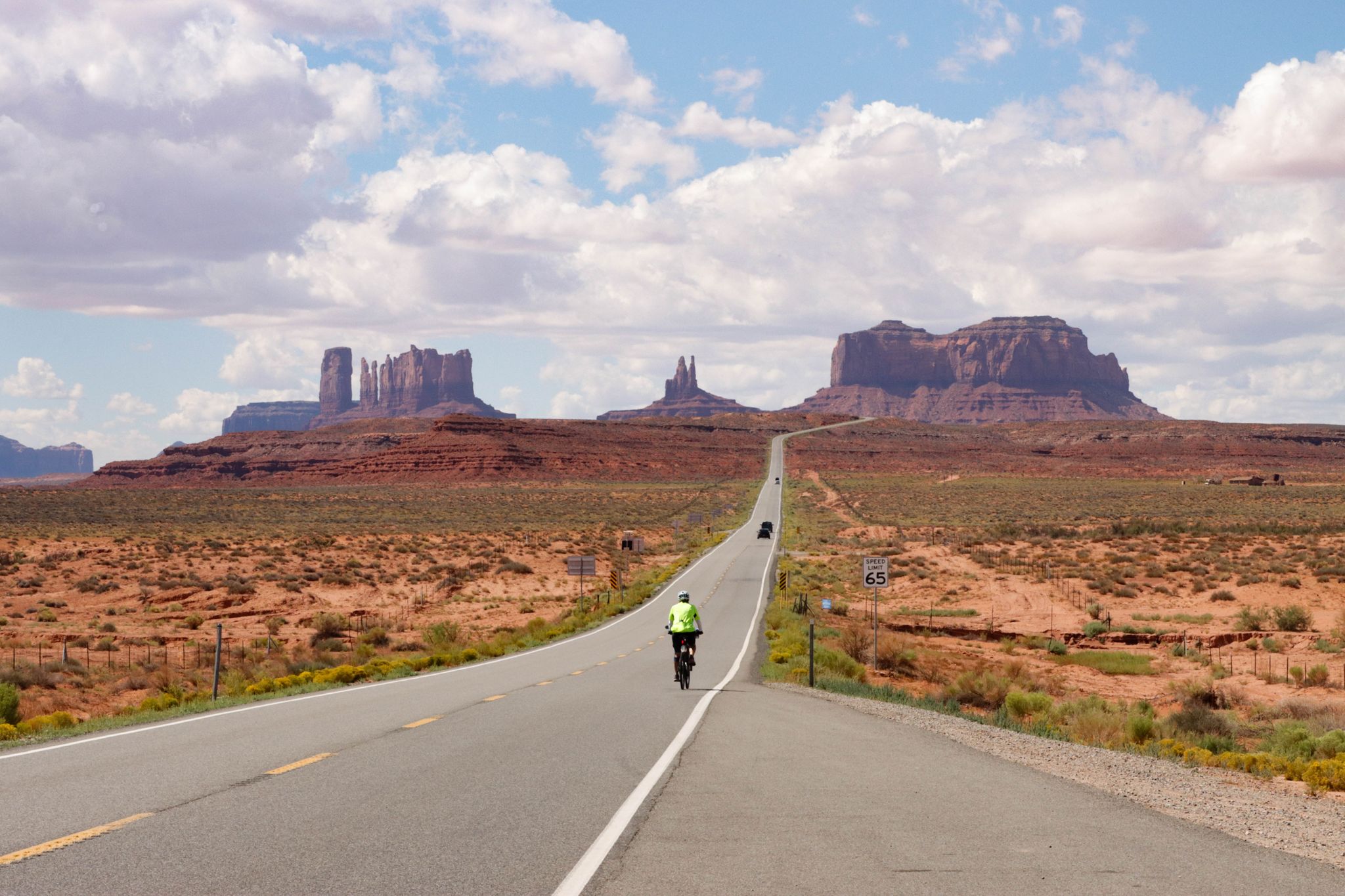
From the Arctic Ocean to the Panama Canal — North American Epic
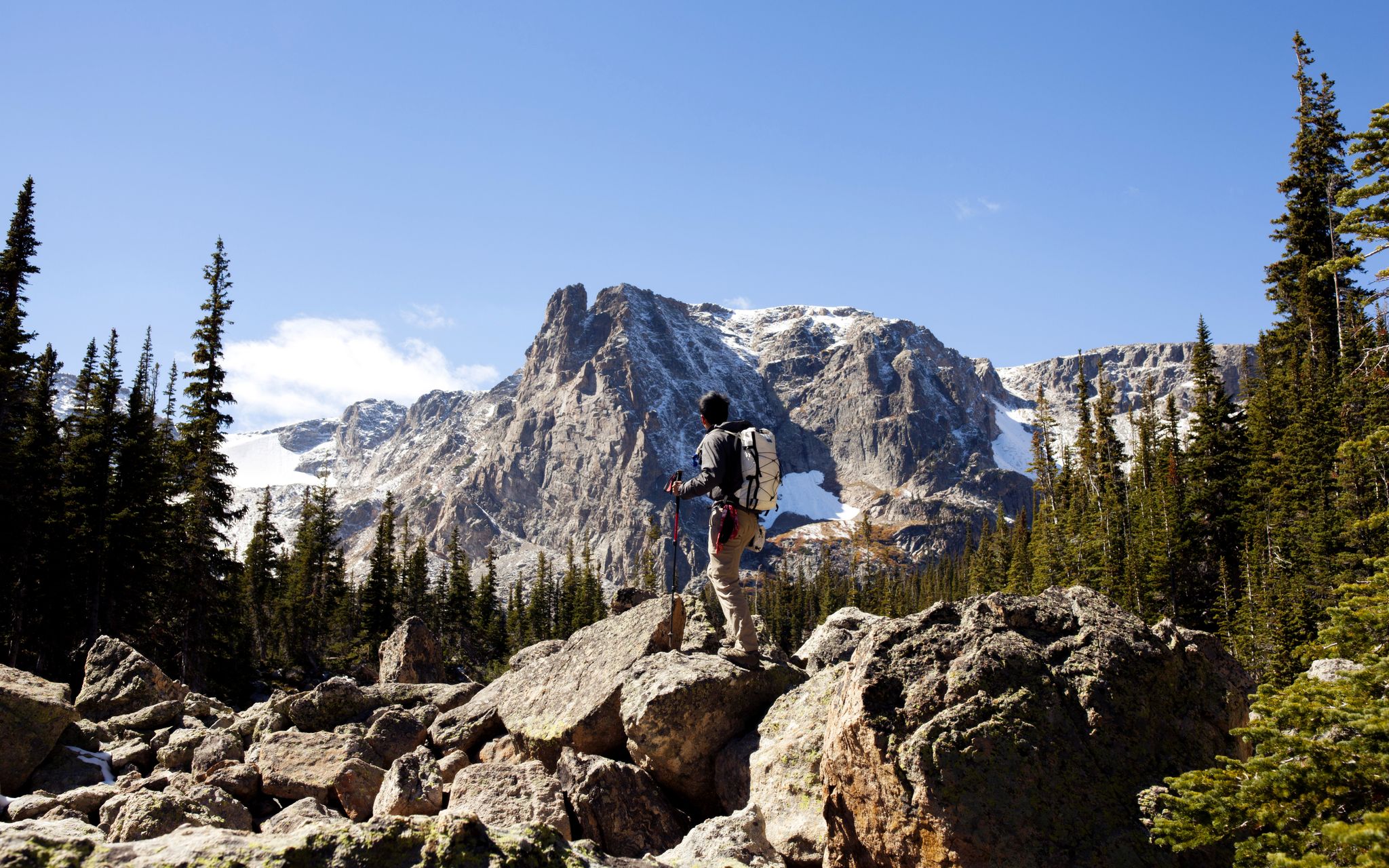
From the mountain peaks to the prairie – Rocky Mountains and Great Plains
The pristine beauty of the US National Parks
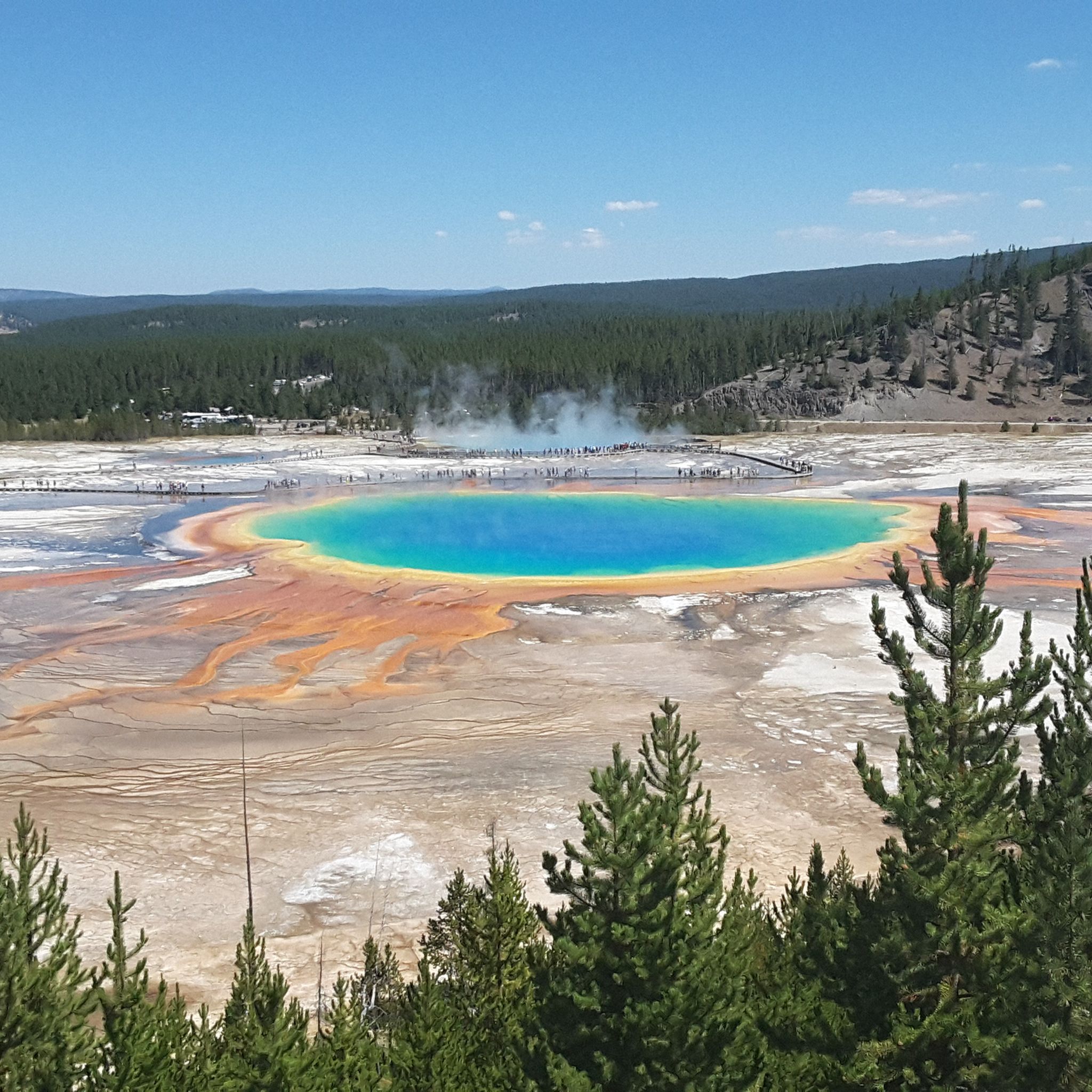
Hiking in Yellowstone National Park
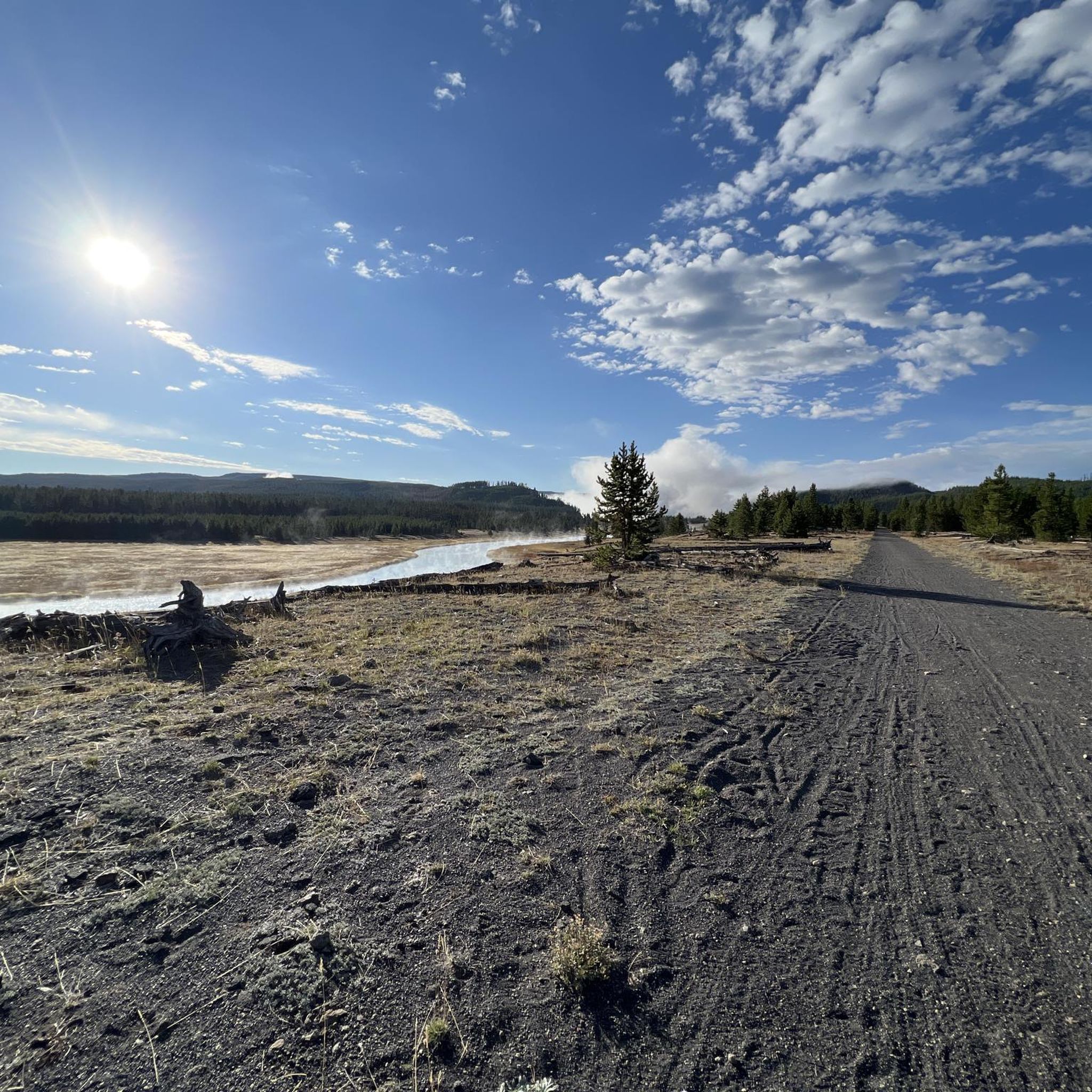
MTB Trails in Yellowstone National Park
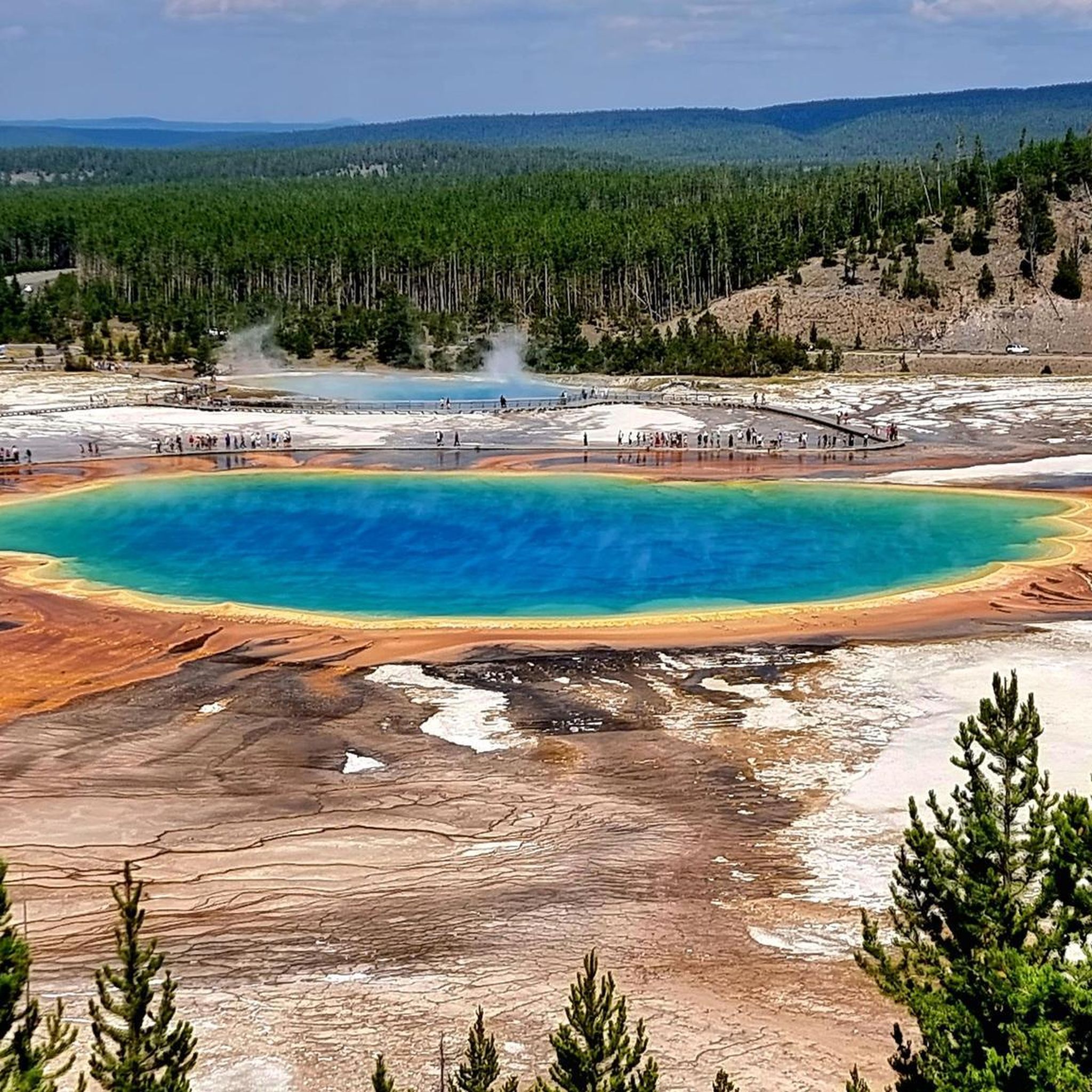
Cycling in Yellowstone National Park
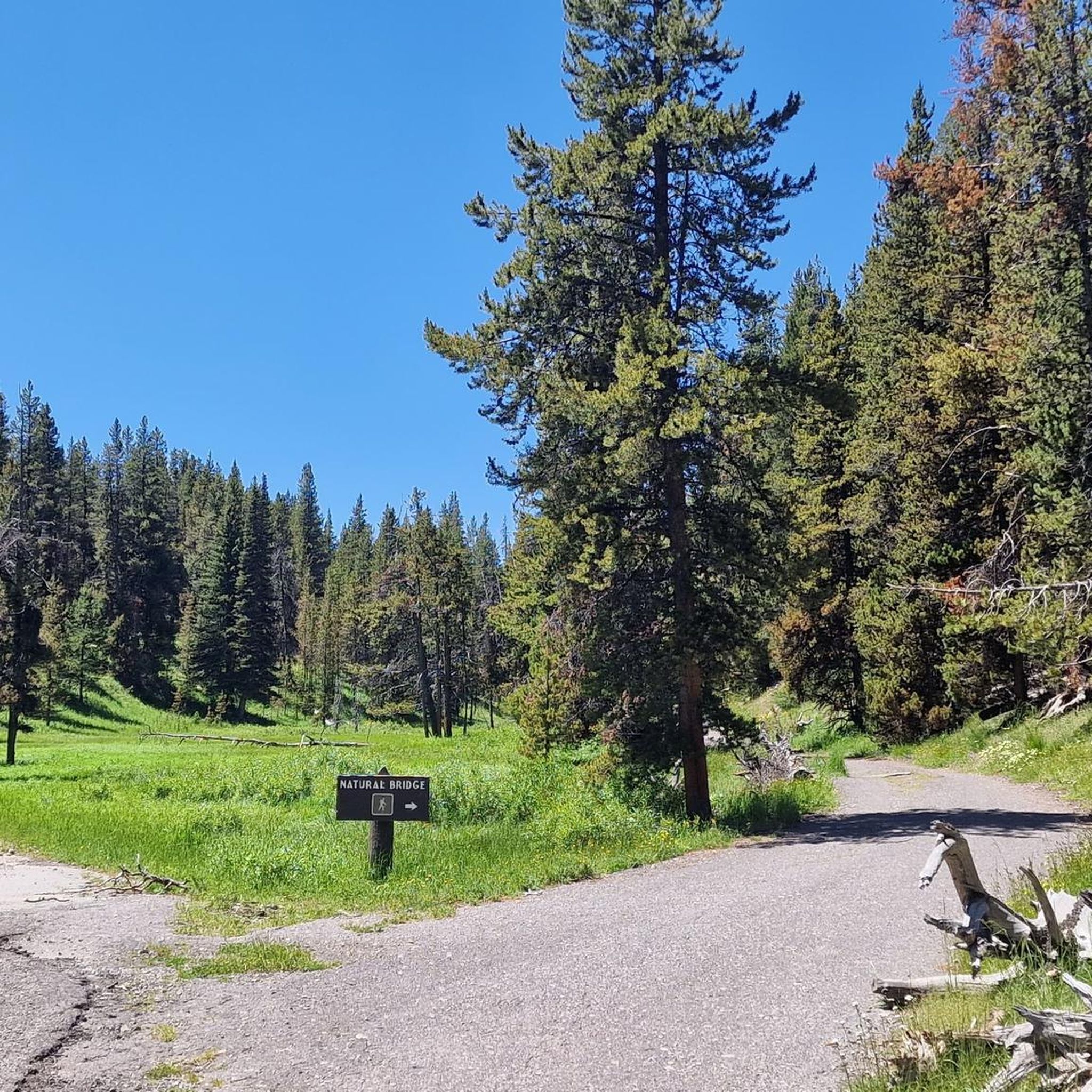
Running Trails in Yellowstone National Park
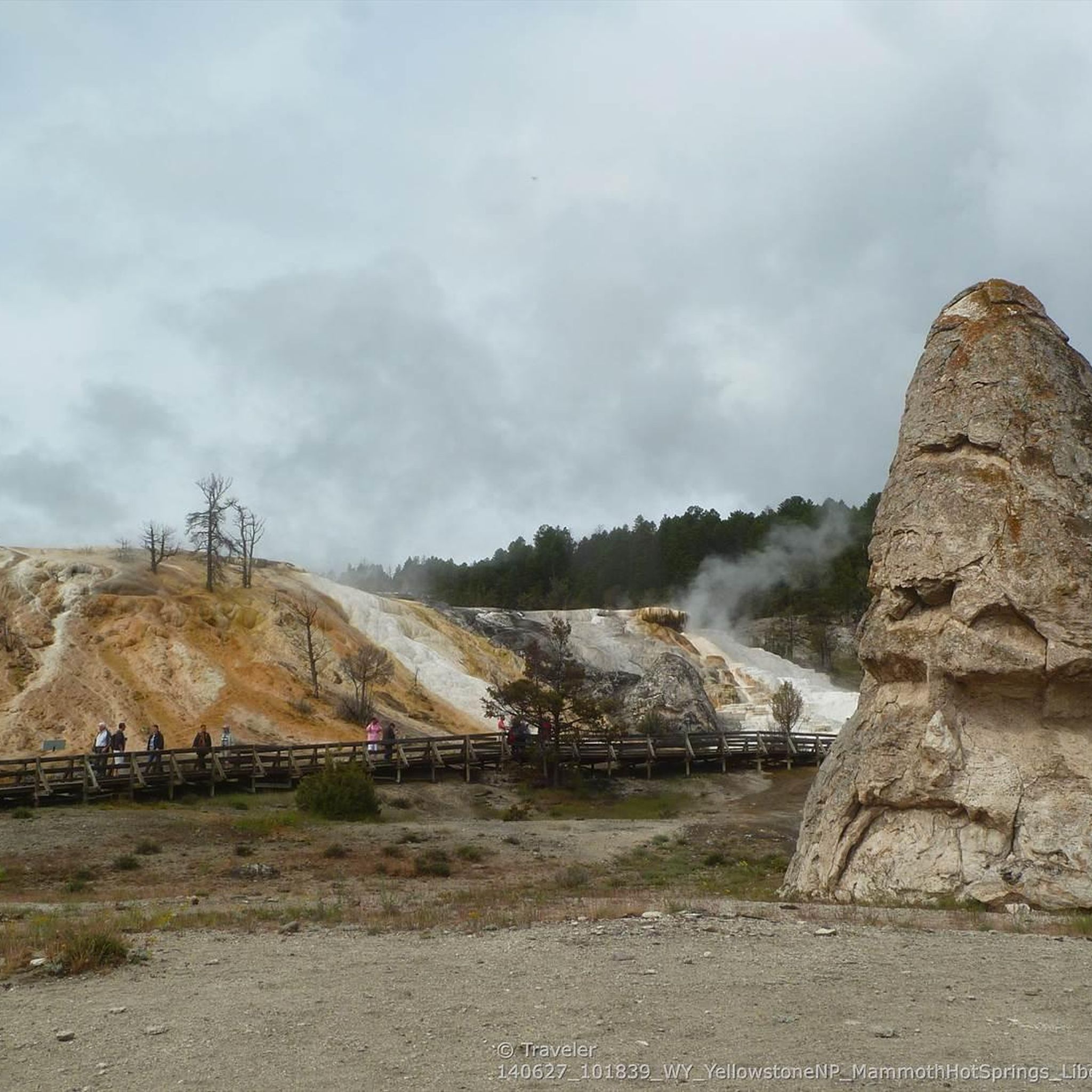
Road Cycling Routes in Yellowstone National Park
Other adventures in Yellowstone National Park


Tips from the Community

Lower Falls Of The Yellowstone River, Yellowstone National Park, United States 🇺🇸 The Grand Canyon of the Yellowstone stretches for roughly twenty miles and offers some of the most breathtaking vistas in the entire American West. Carved by the power of the Yellowstone River, the canyon walls display a stunning array of colors ranging from deep oranges and reds to brilliant yellows and whites, caused by the chemical weathering of iron compounds in the rhyolite rock. To get the best views of the Lower Falls, visitors should head to Artist Point or Lookout Point, which provide sweeping perspectives of the 308-foot waterfall as it plunges into the canyon below. Timing is essential when planning a visit to this iconic landmark, as the roar of the falls is most thunderous during the late spring and early summer when snowmelt increases the river's volume. It is highly recommended to arrive early in the morning to beat the large crowds and to witness the soft morning light illuminating the canyon walls. For those interested in a closer look, the Brink of the Lower Falls trail offers a steep but rewarding hike that leads directly to the edge of the precipice, allowing you to feel the mist and hear the deafening power of the water. Beyond the main overlooks, travelers should explore the various trails that line both the North and South Rims to find quieter spots for photography and wildlife viewing. The area is home to diverse fauna, including osprey that nest on the towering rock pinnacles and the occasional grizzly bear or elk wandering through the nearby forests. Always carry bear spray and stay on designated paths to protect the fragile geothermal environment. Because Yellowstone is a high-altitude park, it is wise to drink plenty of water and wear layers to accommodate the rapidly changing weather conditions common in the mountains. Faheem Hunarwar
0
0

The Mystic Falls Trail is a scenic hike to the 21-meter-high falls, which cascade down several times. It is also known for its proximity to the famous geothermal areas.
0
0
Lower Falls of the Yellowstone, Yellowstone National Park, United States 🇺🇸 The Lower Falls of the Yellowstone River are a majestic sight, plunging dramatically into the Grand Canyon of the Yellowstone. This iconic waterfall, nearly twice the height of Niagara Falls, is a testament to the raw power of nature and the volcanic forces that shaped this unique landscape. Visitors can marvel at its grandeur from various viewpoints, each offering a distinct perspective on the cascading water and the vibrant hues of the canyon walls. The Grand Canyon of the Yellowstone itself is a geological wonder, carved by the mighty Yellowstone River over thousands of years. Its rhyolite rock, altered by hot water and steam, displays a dazzling array of colors, from fiery reds and oranges to soft yellows and browns. Hiking trails wind along the rim and descend into the canyon, providing opportunities for intimate encounters with this breathtaking natural artistry. Exploring this area offers incredible photographic opportunities and a chance to truly connect with the wild heart of Yellowstone. Remember to stay on marked trails for safety and to protect the delicate ecosystem. Early mornings or late afternoons often provide the best light for photography and fewer crowds, allowing for a more serene experience.
1
0

This 110-foot waterfall is only small in comparison to the lower falls, which are almost 330 feet high. Needless to say the upper falls are still magnificent, and the interesting colors in the canyon walls are the result of this region's constant hydrothermal activity.
0
0

The Brink of the Lower Falls Trail offers a close-up experience with the Lower Falls, allowing hikers to experience water plunging between 5,000 and 60,000 gallons per second over a 308-foot drop. You can enjoy distant views of the falls from overlooks near the parking lot or descend the steep 0.4-mile Brink of the Lower Falls Trail, which drops 600 feet to reach the falls. This trail, located in the Canyon Village Area, is open during summer and fall but closed in winter. No reservations or activity fees are required, and pets are not allowed.
0
0

Here, over a distance of 5 kilometers, you can see an exciting variety of colorful geysers on boardwalks and a beautiful waterfall, which you can reach on pretty paths through the forest and along the stream. It is hard to imagine more variety of experiences in such a short distance.
4
0
On a serpentine path about 1.3 km long (there and back) you can go down to the river and, directly above the Lower Falls, get an impression of the masses of water that cascade down here day after day.
0
0

The tourist trail ends here it gets really quiet past this point, but you have to cross 100 yards of slightly swampy trail
0
0
Frequently Asked Questions
Which waterfalls in Yellowstone National Park are most popular for visitors?
Among the most popular and iconic waterfalls are the Lower Falls of the Yellowstone River, known for its dramatic plunge into the Grand Canyon of the Yellowstone, and the Upper Falls of the Yellowstone River, located just upstream. Many visitors also enjoy the spectacular views of the Lower Falls from Artist Point.
Are there any family-friendly waterfalls in Yellowstone National Park?
Yes, several waterfalls are easily accessible and suitable for families. Artist Point offers stunning views of the Lower Falls with minimal effort. Gibbon Falls is another excellent choice, featuring a large pull-off and a paved, wheelchair-accessible path to viewing areas. Tower Fall is also easily accessible via a short paved walk to an overlook.
What unique natural features can I observe near Yellowstone's waterfalls?
Yellowstone's waterfalls are set within a landscape shaped by volcanic activity. You can see the vibrant, hydrothermally altered rhyolite cliffs of the Grand Canyon of the Yellowstone, especially near the Upper and Lower Falls. Tower Fall is distinctive for its towering volcanic rock spires, while Gibbon Falls cascades over a remnant of the Yellowstone caldera rim. The Firehole River, near Firehole Falls, is thermally influenced, with hot spring water flowing into it.
What is the best time of year to visit the waterfalls in Yellowstone National Park?
Late spring, particularly during snowmelt, offers the most impressive volume of water cascading over the falls, creating a thunderous roar and frequent rainbows. Early mornings or late afternoons often provide the best light for photography and fewer crowds, allowing for a more serene experience. Some areas, like the swimming spot near Firehole Falls, are best enjoyed in warmer months.
Are there hiking trails to reach waterfalls in Yellowstone National Park?
Yes, many waterfalls are accessible via hiking trails. For example, Mystic Falls is a 70-foot waterfall accessible via a moderate hike through Biscuit Basin. The Fairy Falls Trail leads to the 200-foot Fairy Falls. You can also take a short hike to the Brink of the Upper Falls or the Brink of the Lower Falls for a closer perspective. For more hiking options, explore the Hiking in Yellowstone National Park guide.
What outdoor activities can I do near the waterfalls in Yellowstone National Park?
Beyond waterfall viewing and hiking, Yellowstone National Park offers a variety of outdoor activities. You can find numerous road cycling routes, with options ranging from easy to difficult, such as the 'Palette Springs – Mammoth Hot Springs Terraces loop'. For more details on cycling, check out the Road Cycling Routes in Yellowstone National Park guide.
Which waterfalls offer the best viewpoints for photography?
The View of Lower Falls from Artist Point is widely considered the best for photography, offering spectacular panoramic views of the Lower Falls and the vibrant Grand Canyon of the Yellowstone. Tower Fall is also highly picturesque, framed by unique volcanic rock spires. Gibbon Falls provides a beautiful fan-like cascade that is easy to capture from its accessible viewing areas.
Are there any less crowded waterfalls to visit in Yellowstone National Park?
While many waterfalls attract crowds, Fairy Falls is often considered a less visited part of the park, offering a more serene experience. It's reached via the Fairy Falls Trail, providing a sense of tranquility away from the main attractions.
What makes the Grand Canyon of the Yellowstone unique in relation to the waterfalls?
The Grand Canyon of the Yellowstone is a geological wonder, carved by the Yellowstone River. Its rhyolite rock, altered by hot water and steam, displays a dazzling array of colors from fiery reds and oranges to soft yellows and browns. The Lower Falls plunges dramatically into this canyon, making it an integral part of the canyon's breathtaking scenery and a testament to the park's volcanic forces.
Can I see wildlife near the waterfalls?
Yes, the areas around Yellowstone's waterfalls are often rich in wildlife. The region surrounding Tower Fall, for instance, is known for opportunities to observe various animals. Always maintain a safe distance and respect wildlife habitats when exploring.
What is the difference between the Upper and Lower Yellowstone Falls?
The Lower Falls of the Yellowstone River is the taller and more iconic of the two, plunging 308 feet (94 m) into the Grand Canyon of the Yellowstone. The Upper Falls of the Yellowstone River, located just a quarter-mile upstream, is 109 feet (33 m) high. While the Lower Falls is often considered the showstopper, the Upper Falls is powerful in its own right, marking a significant geological junction.
Are there any waterfalls in Yellowstone National Park that are accessible by car?
Yes, some waterfalls offer roadside access or very short walks from parking areas. Gibbon Falls is conveniently located along the Grand Loop Road with a large pull-off. Firehole Falls is situated along the scenic Firehole Canyon Drive, a one-way road providing views directly from or very near your vehicle. Tower Fall also has an easily accessible overlook.
Most popular routes in Yellowstone National Park
Most popular attractions in Yellowstone National Park

Get inspired with the komoot mobile app


