The best walks and hikes in Glacier National Park
4.8
(422)
7,830
hikers
163
hikes
Hiking in Glacier National Park offers an extensive trail system through a landscape shaped by ancient glaciers, featuring rugged mountains, deep valleys, and numerous lakes. The park encompasses over a million acres in northwestern Montana, characterized by glacier-scoured peaks, pristine forests, and alpine meadows. Hikers can explore diverse terrain, from cedar-hemlock forests to high-elevation passes. This region provides a variety of routes showcasing its unique geological formations and natural ecosystems.
Best hiking trails in Glacier National Park
- The most popular…
Last updated: October 11, 2026
4.8
(35)
925
hikers
4.52km
01:22
160m
160m
Embark on the easy Hidden Lake Overlook Trail, a 2.8 miles (4.5 km) hike that takes about 1 hour and 22 minutes to complete. You will gain 509 feet (155…
4.9
(50)
888
hikers
9.36km
02:36
170m
170m
Embark on the Avalanche Lake Trail for a moderate hike that takes you through diverse landscapes in Glacier National Park. This route covers 5.8 miles (9.4 km) with an elevation…

5.0
(1)
75
hikers
11.2km
03:26
550m
50m
Embark on the Grinnell Glacier Trail, a moderate hike spanning 6.9 miles (11.2 km) with an elevation gain of 1801 feet (549 metres), typically completed in about 3 hours and…
5.0
(2)
72
hikers
13.6km
04:04
440m
380m
Embark on the Highline Trail for a moderate hiking adventure through Glacier National Park's iconic landscapes. This route spans 8.4 miles (13.6 km) and involves a steady ascent of 1436…
5.0
(7)
76
hikers
11.6km
03:05
130m
120m
Embark on a moderate hike along the Bullhead Lake via Swiftcurrent Pass Trail, a 7.2-mile (11.6 km) route that guides you through the scenic Swiftcurrent Valley. You will experience a…
Get access to more routes and recommendations from other explorers.
Already have an account?
Our route recommendations are based on thousands of hikes, rides, and runs completed by other people on komoot.
Start today with a free account
Your next adventure awaits.
Popular around Glacier National Park
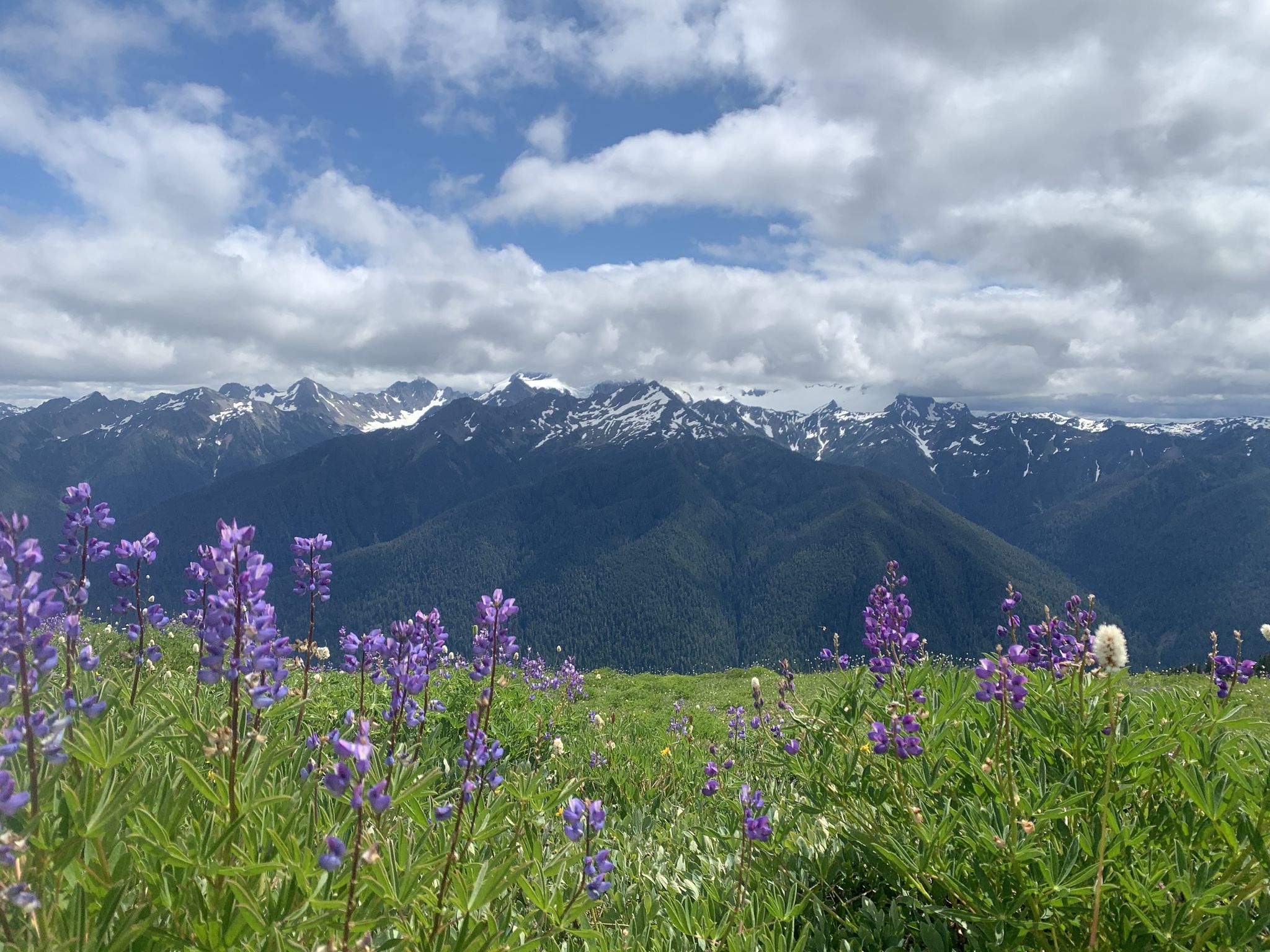
Pacific Northwest National Scenic Trail — From Alpine to Alava through the untamed Northwest
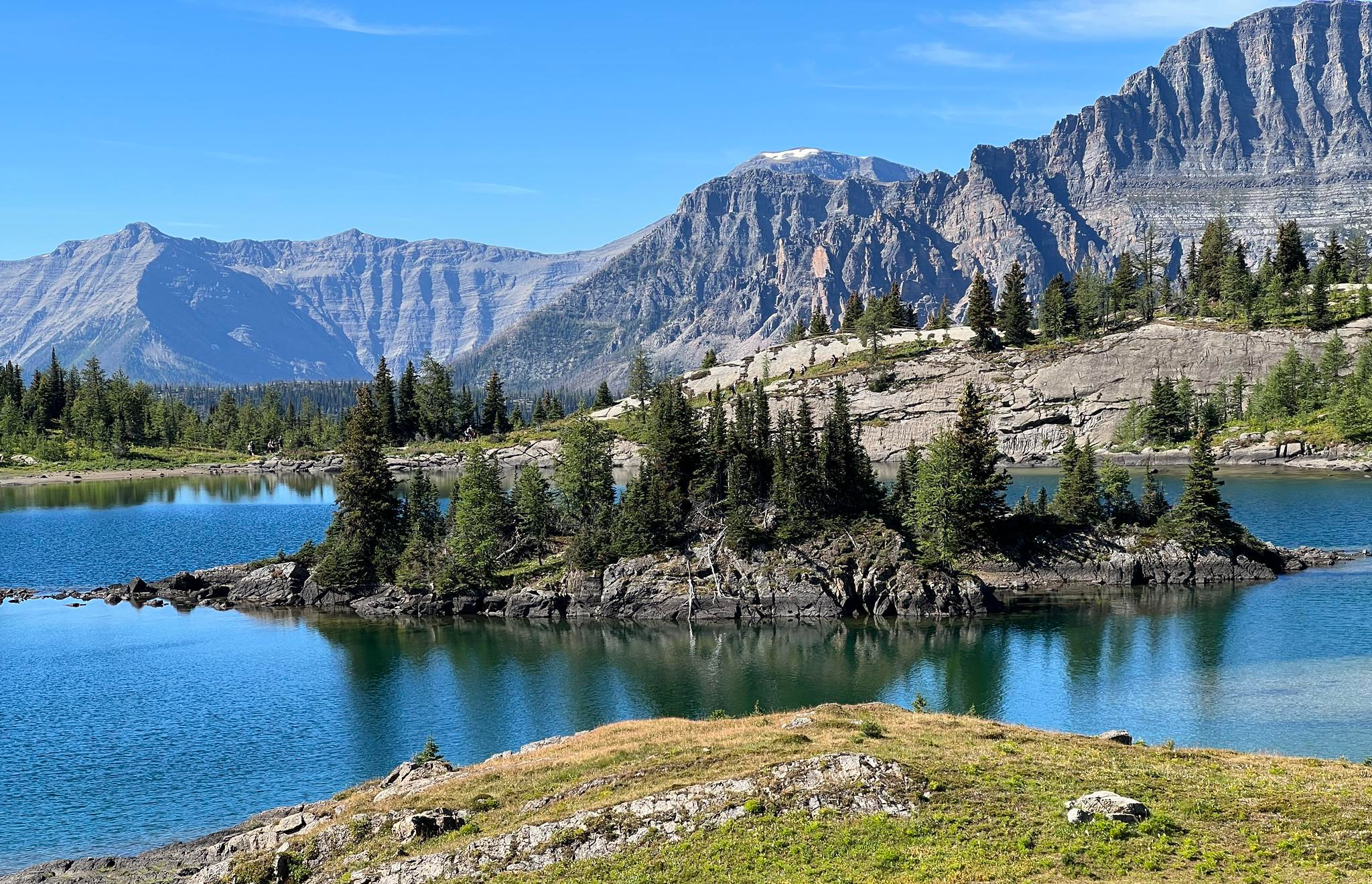
Great Divide Trail – Section A to E: Waterton to Maligne Lake
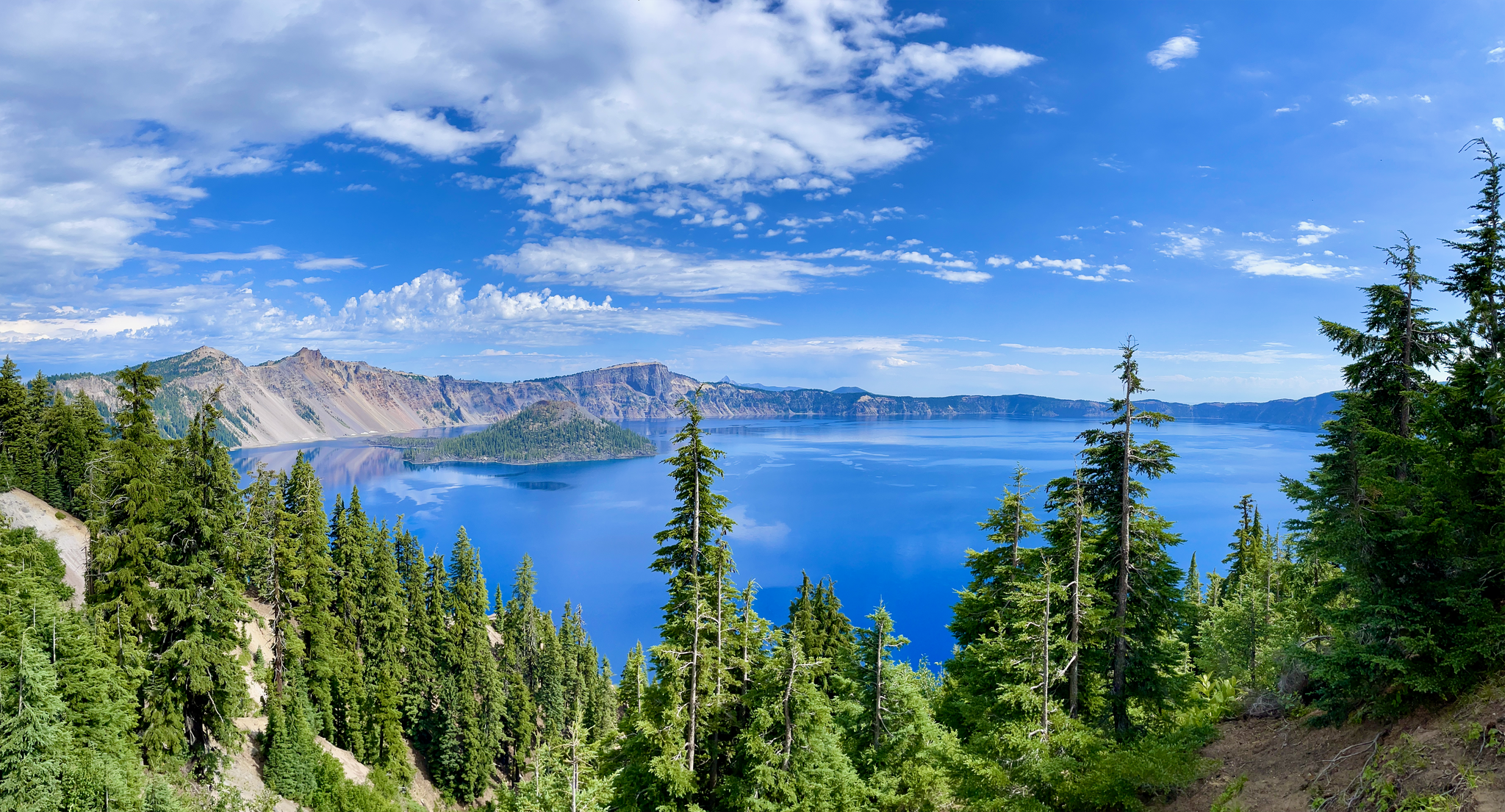
The pristine beauty of the US National Parks
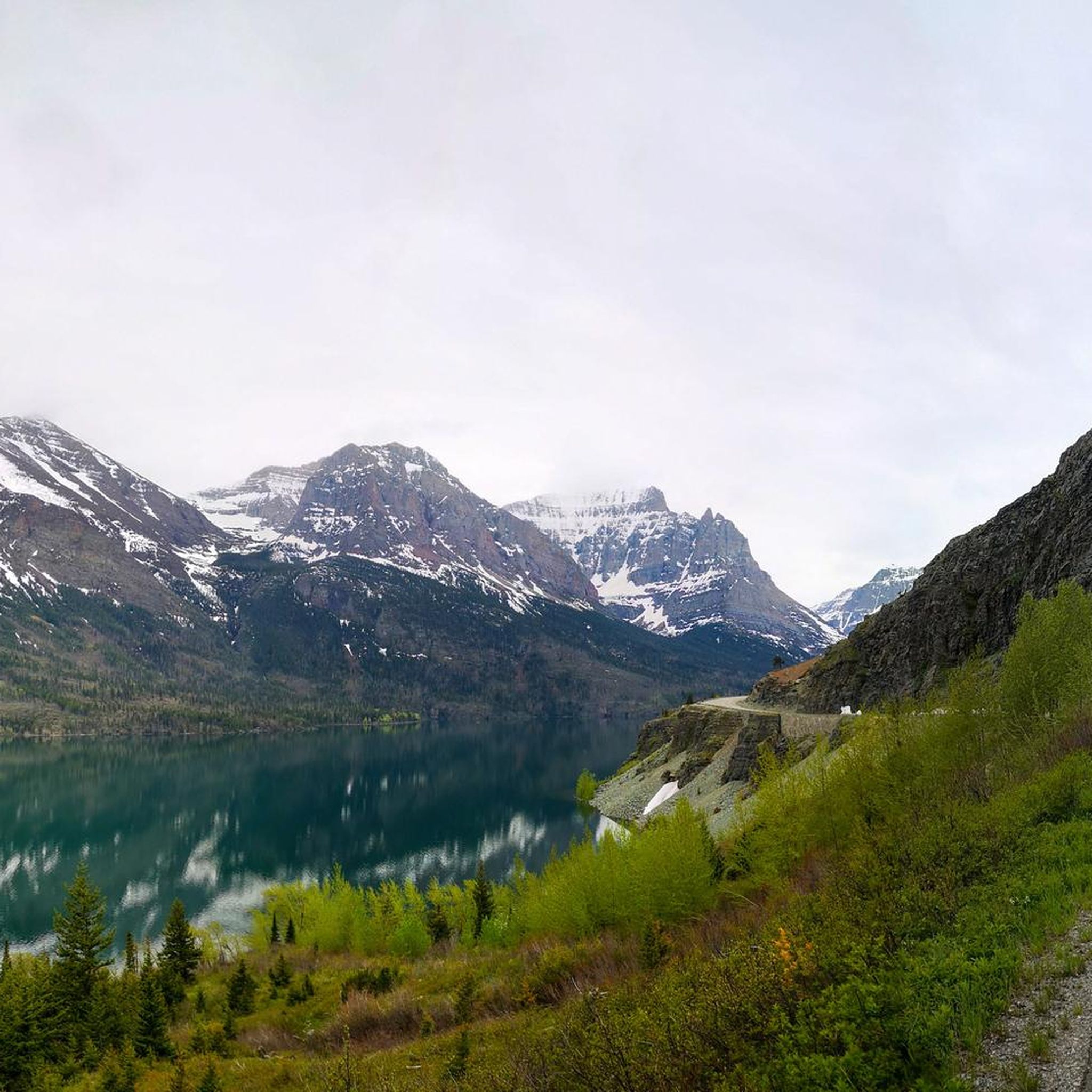
Cycling in Glacier National Park
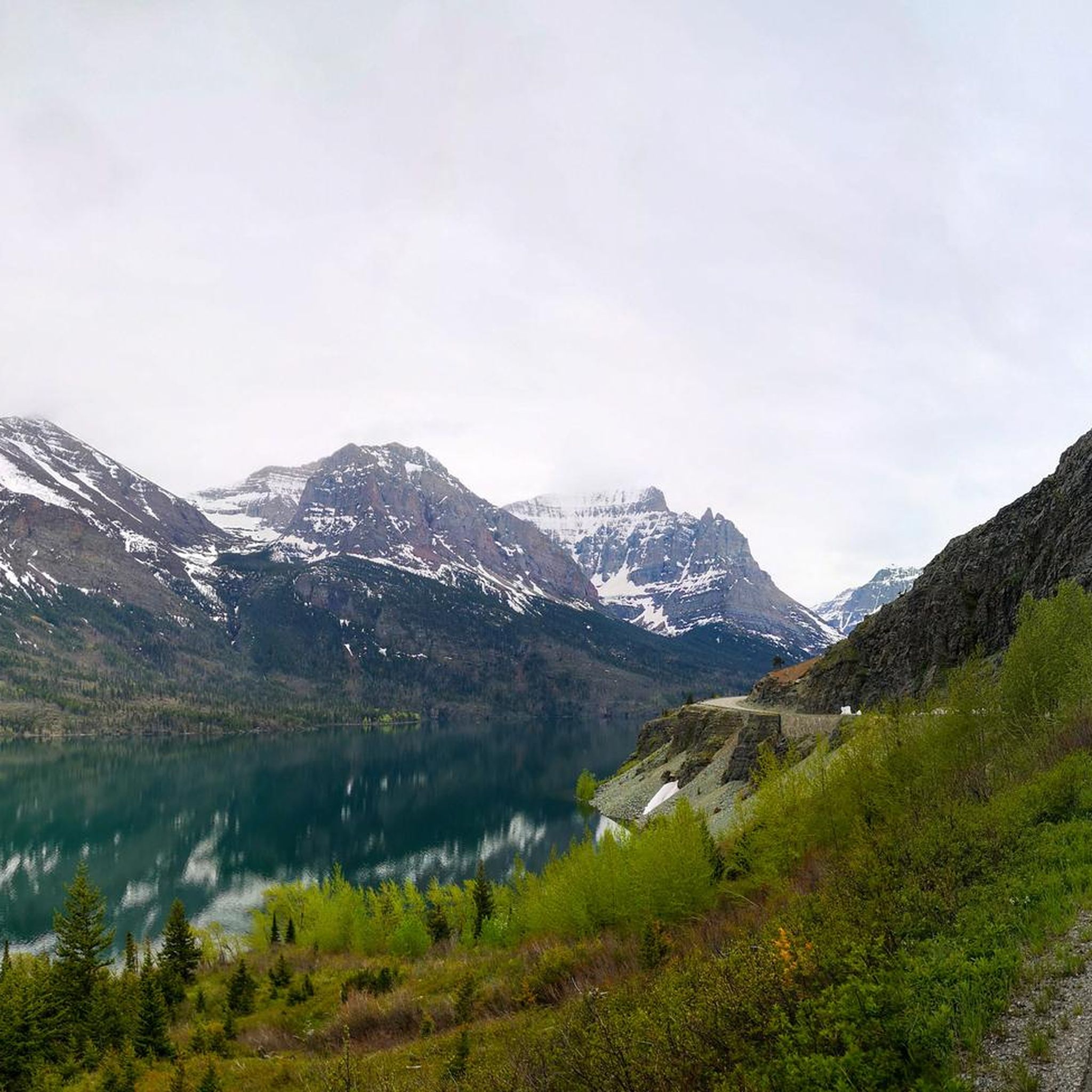
Road Cycling Routes in Glacier National Park
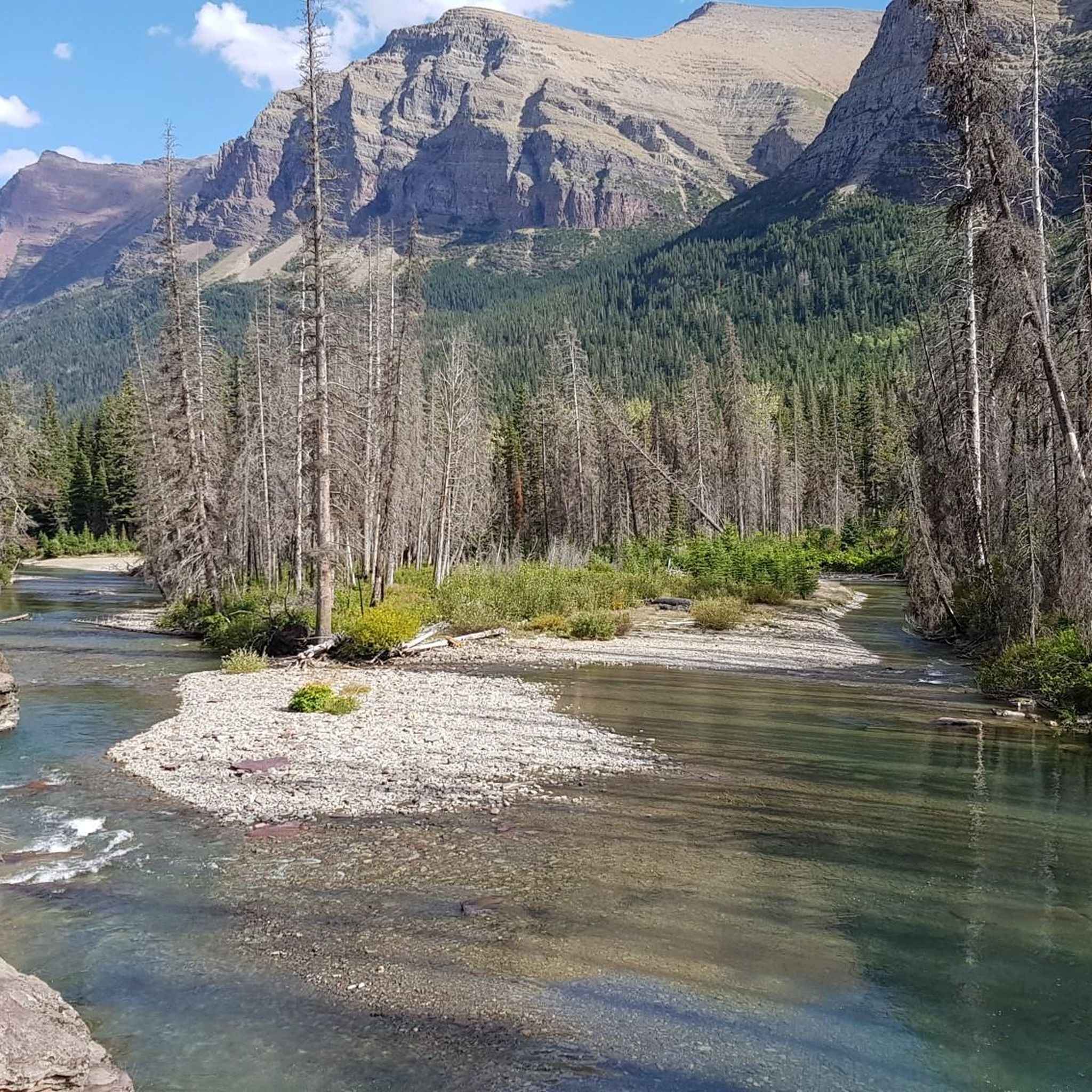
Running Trails in Glacier National Park
Other adventures in Glacier National Park


Tips from the Community

At about 2100 m you have a wonderful view of both sides of the pass. It is often still snow-covered and you feel like you are in a ski lodge
2
0

This area is really so incredibly beautiful.
4
0
This area is really so incredibly beautiful.
3
0

Unbelievable View to the other site of Highline Trail
0
0

Reaching the summit of Logan Pass by bike is a true high point—literally and figuratively—of any ride in Glacier National Park. At 6,646 feet, the pass straddles the Continental Divide and offers sweeping views of alpine meadows, rugged peaks, and likely some mountain goats. The visitor center at the top has restrooms, water, interpretive displays, and rangers on hand to answer questions. It’s also a jumping-off point for iconic hikes like the Hidden Lake Overlook and Highline Trail.
0
0

Easy to walk paths, quickly muddy when it rains. Mostly flat
0
0
Beautiful mountain lake, the earlier the fewer people
0
0
Beautiful little "waterfall" on the side of the road, easy to see from the railing
0
0
More Information
FAQs about hikes in Glacier National Park
- What are the best hikes for beginners in Glacier National Park?
Glacier National Park offers several easy routes suitable for all fitness levels. A great option is St. Mary and Virginia Falls — Glacier National Park, which is an easy 5.07 km trail taking about 01:30. - What is the most popular hike in Glacier National Park?
The most popular hike is Avalanche Lake — Glacier National Park, a moderate 9.36 km trail that typically takes around 02:36 to complete. - Which hike is the most challenging in Glacier National Park?
For a more challenging adventure, consider the Grinnell Glacier Loop — Glacier National Park. This difficult hike spans 20.90 km and requires approximately 06:12. - What kind of scenery can I expect on hikes in Glacier National Park?
Glacier National Park is renowned for its stunning natural beauty, including majestic mountains, pristine lakes, and diverse wildlife. Many trails offer breathtaking views of the rugged landscape and opportunities to connect with nature. - When is the best time of year to go hiking in Glacier National Park?
The best time to hike in Glacier National Park is typically from late June to early September, when most trails are free of snow and the weather is generally favorable. Always check current conditions before heading out. - Do I need a permit to hike in Glacier National Park?
While many day hikes do not require specific permits beyond the park entrance fee, some popular trails or overnight backpacking trips within Glacier National Park may require permits or reservations. It's always best to check the official park website for the most current regulations. - Are there family-friendly hiking options in Glacier National Park?
Yes, many trails in Glacier National Park are suitable for families. Easy hikes like St. Mary and Virginia Falls — Glacier National Park are perfect for a pleasant outing with varying skill levels. - What essential gear should I bring for hiking in Glacier National Park?
Essential gear for hiking in Glacier National Park includes sturdy footwear, layers of clothing, plenty of water, snacks, a map, navigation tools, sun protection, and bear spray. Always be prepared for changing weather conditions. - What wildlife might I encounter on the trails?
Glacier National Park is home to a diverse array of wildlife, including grizzly bears, black bears, moose, elk, mountain goats, and bighorn sheep. It's important to carry bear spray and know how to use it, and to maintain a safe distance from all animals. - Can I find hikes with waterfalls in Glacier National Park?
Absolutely! Glacier National Park features beautiful waterfall hikes. You can explore a variety of routes that lead to stunning cascades and serene streams throughout the park. - Are there any long-distance hiking trails that pass through Glacier National Park?
Yes, Glacier National Park is part of the Pacific Northwest National Scenic Trail. This trail offers an immersive, long-distance backpacking experience through stunning alpine, forest, river, and coastal landscapes.
Frequently Asked Questions
How many hiking trails are available in Glacier National Park?
Glacier National Park offers an extensive network of over 100 hiking trails, catering to a wide range of skill levels. You'll find everything from easy nature walks to challenging multi-day excursions through diverse landscapes shaped by ancient glaciers.
What kind of terrain can I expect when hiking in Glacier National Park?
Hikers in Glacier National Park can expect incredibly diverse terrain. The park is characterized by glacier-scoured peaks, deep U-shaped valleys, pristine subalpine and ancient cedar-hemlock forests, and lush alpine meadows. You'll encounter rugged mountains, numerous lakes, and dramatic geological formations throughout your journey.
Are there any easy or family-friendly hikes in Glacier National Park?
Yes, Glacier National Park has many trails suitable for beginners and families. There are over 40 easy routes available. A great option is the St. Mary and Virginia Falls trail, which is an easy 3.1-mile (5.1 km) path, or the Trail of the Cedars, which is an accessible walk through an old-growth forest.
Where can I see waterfalls while hiking in Glacier National Park?
Glacier National Park is home to over 200 waterfalls. For a rewarding hike featuring multiple cascades, consider the St. Mary and Virginia Falls trail. Other notable waterfalls include McDonald Falls and Swiftcurrent Falls.
What are some of the most scenic natural features or landmarks to see?
The park is renowned for its stunning natural features. You can explore iconic lakes like Lake McDonald, St. Mary Lake, and Iceberg Lake. Don't miss the dramatic views from Logan Pass, or the unique glacial formations visible from trails like the Grinnell Glacier Trail. The Avalanche Creek Gorge and Trail of the Cedars also offer beautiful sights.
Are there any loop hikes in Glacier National Park?
Yes, there are several loop hikes available. One notable option is the Grinnell Glacier Loop, a challenging 13.0-mile (20.9 km) path that offers dramatic views of the glacier and its meltwater lake amidst alpine scenery.
What is the best time of year to hike in Glacier National Park?
The best time to hike in Glacier National Park is typically from late June through September, when most trails are free of snow and all park facilities are open. July and August offer lush wildflower meadows, while September provides cooler temperatures and vibrant fall foliage, often with fewer crowds.
What are the regulations for bringing dogs on trails in Glacier National Park?
Glacier National Park has strict regulations regarding pets to protect wildlife and ensure visitor safety. Dogs are generally not allowed on hiking trails, along lake shores, or in the backcountry. They are permitted in developed areas, along paved roads, and in campgrounds. Always keep your dog on a leash no longer than 6 feet (1.8 meters).
Is there public transport or a shuttle service available for hikers?
Yes, Glacier National Park operates a free shuttle system along the Going-to-the-Sun Road during peak season, which provides access to many popular trailheads and points of interest, including Logan Pass. This can help reduce parking stress and allow for one-way hikes.
What do other hikers enjoy most about hiking in Glacier National Park?
The area is highly rated by the komoot community, with an average score of 4.8 stars from over 280 reviews. Reviewers often praise the park's awe-inspiring glacial landscapes, the abundance of pristine lakes, and the opportunities for wildlife viewing. The diverse trail system, from easy walks to challenging alpine routes, is also frequently highlighted.
Are there any less crowded trails for hiking in Glacier National Park during peak season?
While popular trails can get busy, exploring areas like Two Medicine or Many Glacier (outside of the main Going-to-the-Sun Road corridor) can sometimes offer a more serene experience. Additionally, starting your hikes early in the morning or later in the afternoon can help you avoid the largest crowds on any trail.
Do I need a permit or vehicle reservation to access hiking areas in Glacier National Park?
Glacier National Park has implemented a vehicle reservation system for certain areas, including the Going-to-the-Sun Road, during peak season. It's crucial to check the official National Park Service website (nps.gov/glac) for the most current information on entry requirements, permits, and vehicle reservations before your visit, as these can change annually.
What wildlife might I encounter while hiking in Glacier National Park?
Glacier National Park is home to a diverse array of wildlife. Hikers frequently spot bighorn sheep and mountain goats, especially in higher elevations like near Hidden Lake Lookout. You might also see elk, moose, and various bird species. The park is also home to grizzly and black bears, so it's essential to carry bear spray and know bear safety protocols.
Most popular routes in Glacier National Park
Most popular attractions in Glacier National Park

Get inspired with the komoot mobile app


Explore more
Browse the best Hikes in other regions.
