The best road cycling routes in Glacier National Park
4.4
(11)
435
riders
15
rides
Road cycling in Glacier National Park offers routes through the Rocky Mountains, characterized by terrain sculpted by ancient glaciers. The landscape features impressive, banded mountains, over 700 pristine lakes, and diverse forests. Cyclists navigate roads that traverse U-shaped valleys, climb towards high mountain passes, and offer views of the park's natural features. The park's elevation changes provide varied challenges for road cyclists.
Best road cycling routes in Glacier National Park
- The most popular road cycling route is Going-to-the-Sun Road,…
Last updated: October 14, 2026
14
riders
162km
09:24
2,670m
2,670m
Hard road ride. Very good fitness required. Mostly well-paved surfaces and easy to ride.
5.0
(7)
143
riders
Hard road ride. Very good fitness required. Mostly well-paved surfaces and easy to ride.

4.5
(2)
91
riders
104km
05:47
1,440m
1,440m
Hard road ride. Very good fitness required. Mostly well-paved surfaces and easy to ride.
3.0
(1)
50
riders
116km
06:51
2,050m
2,050m
Hard road ride. Very good fitness required. Some segments of this route may be unpaved and difficult to ride.
33
riders
81.3km
05:07
1,870m
1,870m
Hard road ride. Very good fitness required. Mostly well-paved surfaces and easy to ride.
Get access to more routes and recommendations from other explorers.
Already have an account?
Our route recommendations are based on thousands of hikes, rides, and runs completed by other people on komoot.
Start today with a free account
Your next adventure awaits.
Popular around Glacier National Park
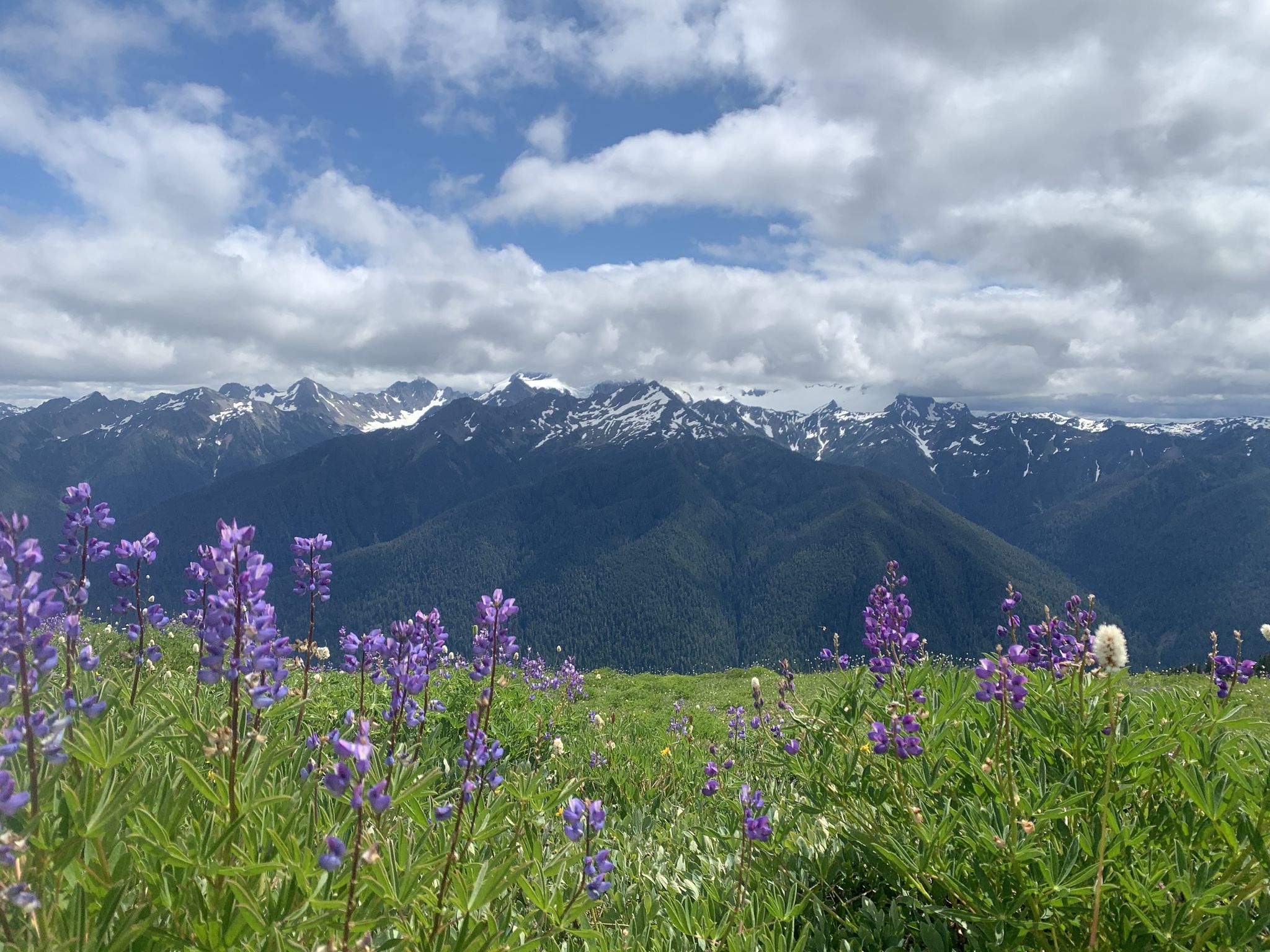
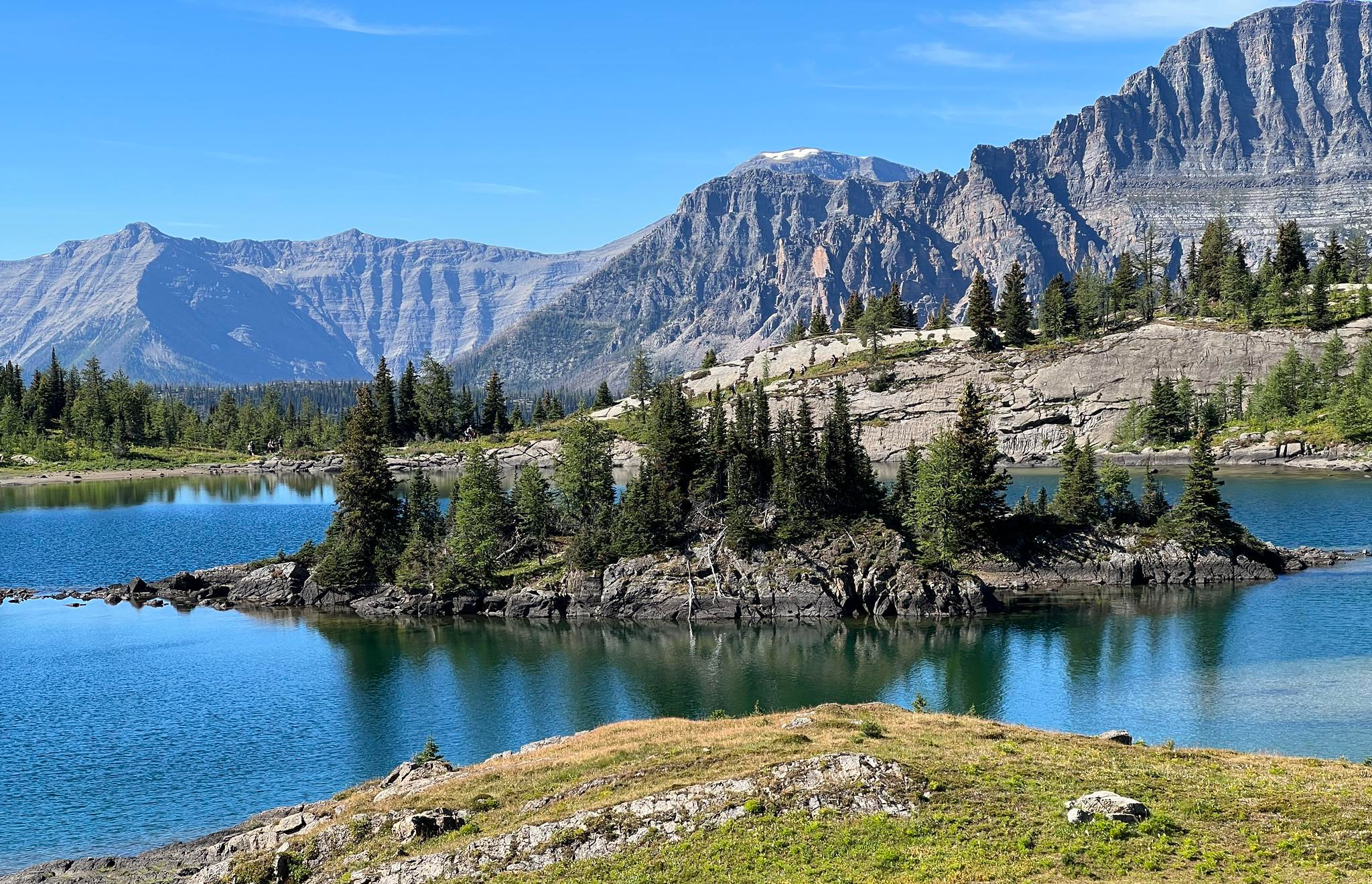
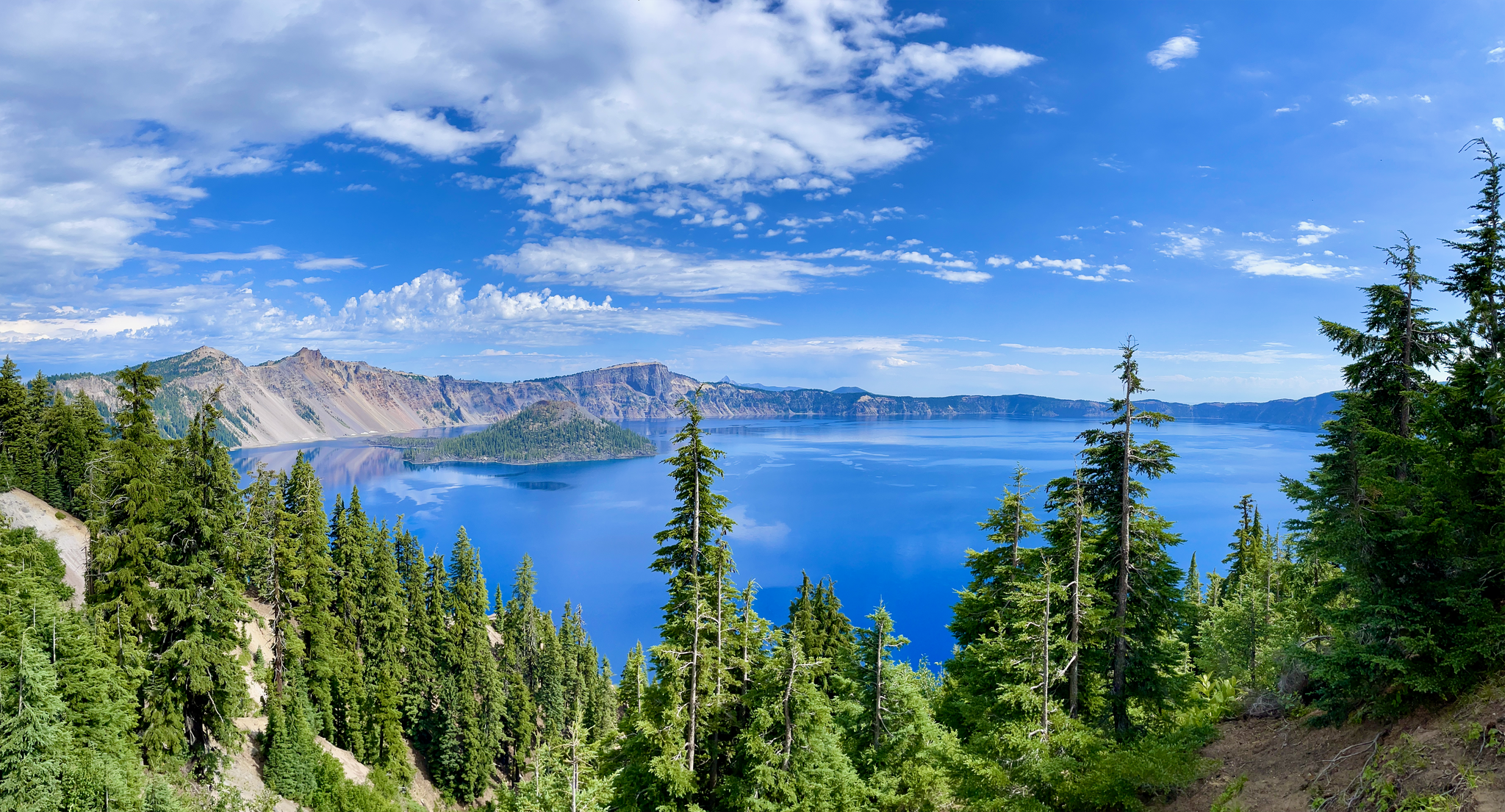
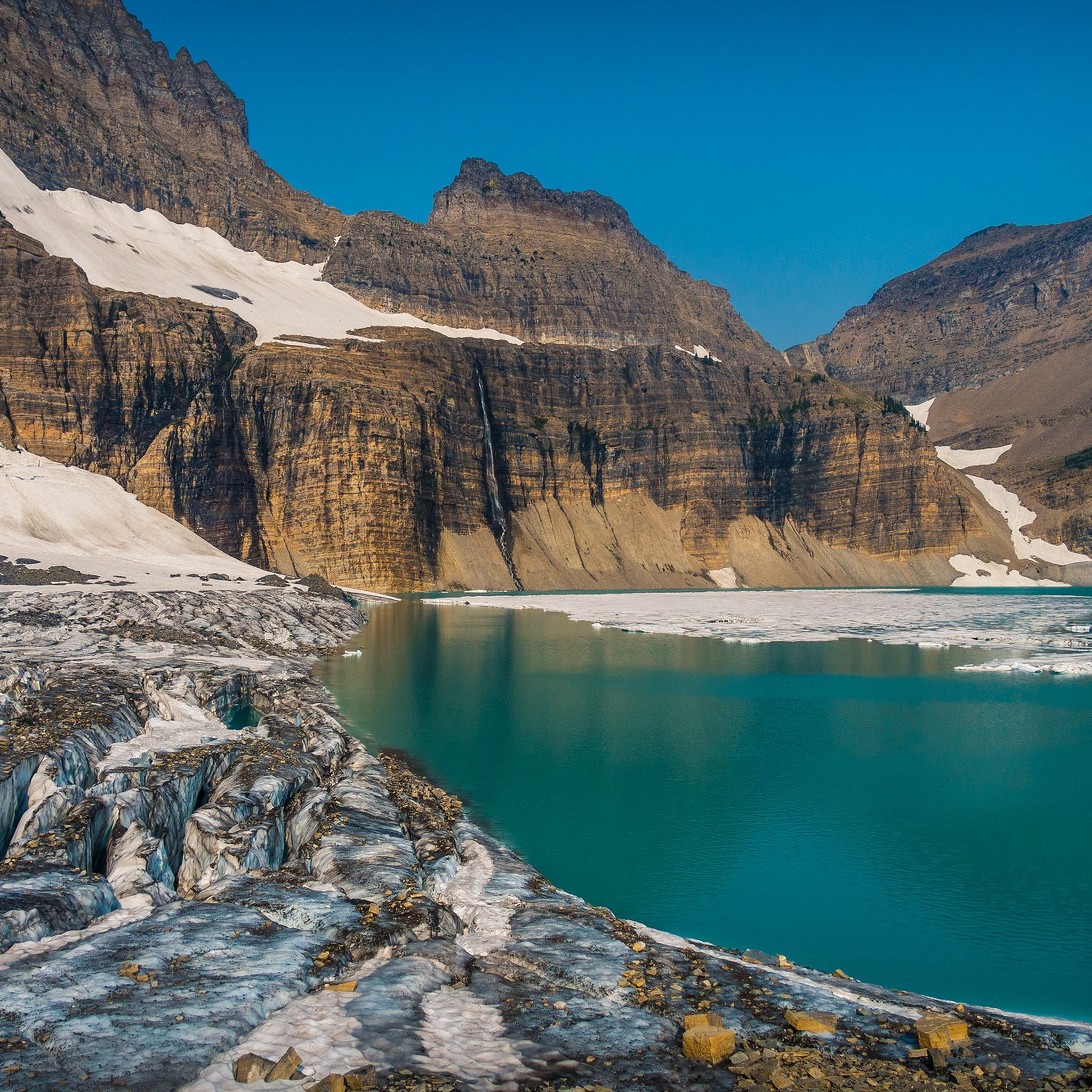
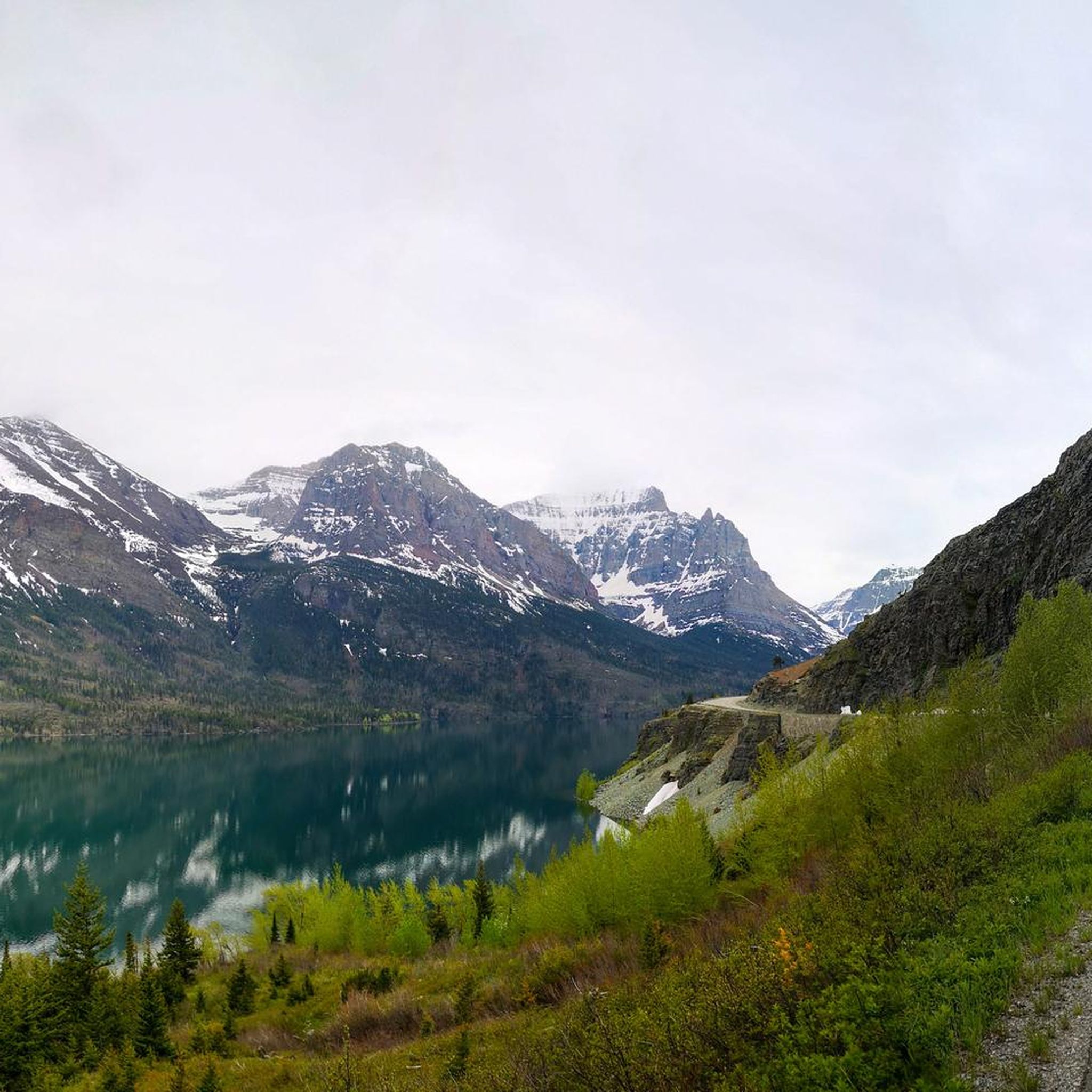
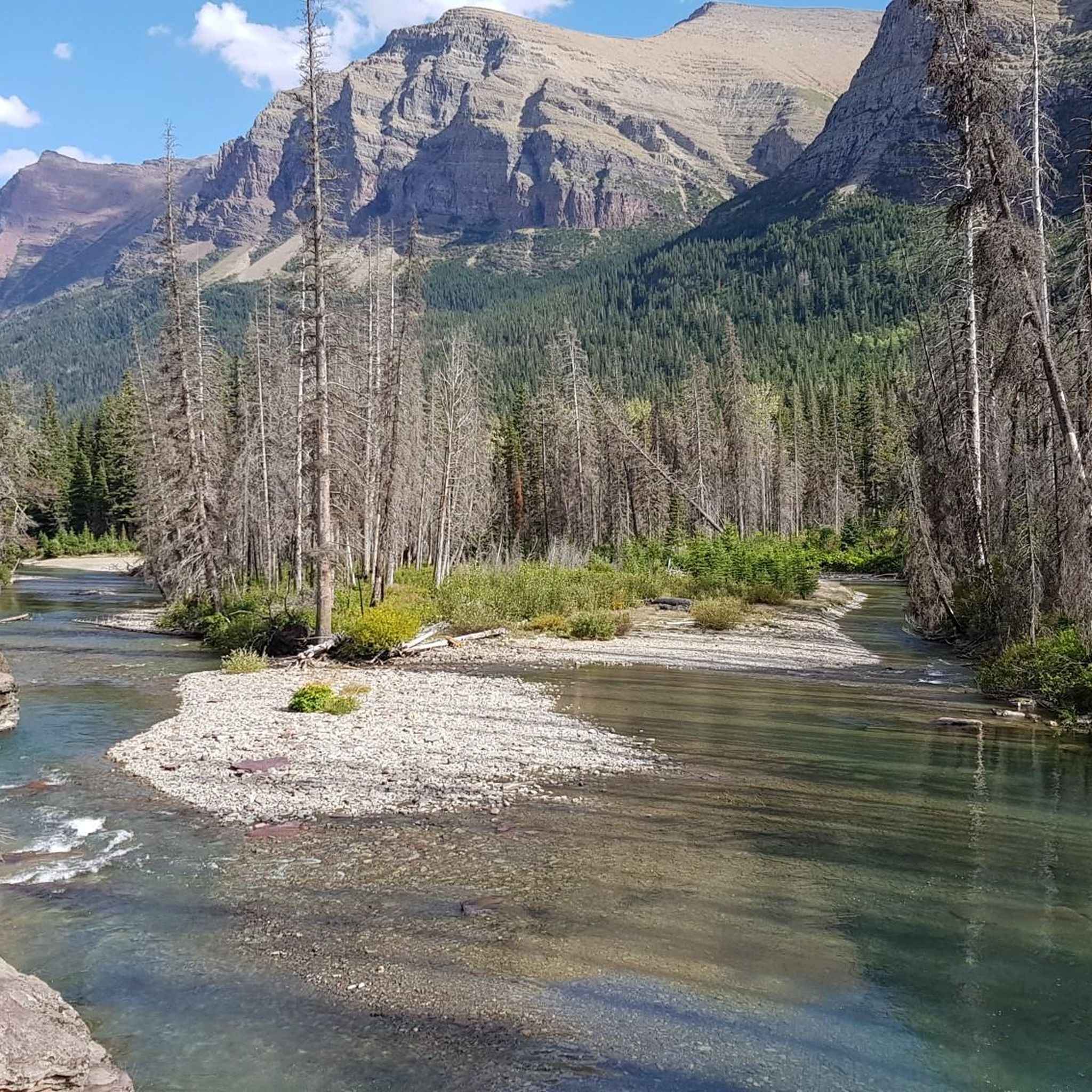
Other adventures in Glacier National Park


Tips from the Community

Beautiful view of the lake
2
0
Very beautiful views
4
0

At about 2100 m you have a wonderful view of both sides of the pass. It is often still snow-covered and you feel like you are in a ski lodge
2
0
Yes, also Cedars, and old ones at that, are in the park
2
0

This area is really so incredibly beautiful.
3
0

Just what the name suggests; moose love this sort of terrain, as they're built to navigate it. If you look on the opposite side of the road you'll catch a glimpse of the far prettier McDonald Creek.
0
0
Frequently Asked Questions
How challenging are the road cycling routes in Glacier National Park?
Road cycling in Glacier National Park offers a range of challenges. Many routes feature significant elevation changes, with some difficult trails climbing over 3,000 feet. For instance, the Going-to-the-Sun Road involves substantial climbing, crossing the Continental Divide at Logan Pass. However, there are also moderate options like the Trail of the Cedars – Red Rock Point loop from Avalanche Creek, and easier, flatter paths like the McDonald Creek Bike Path for a more relaxed experience.
What makes the Going-to-the-Sun Road a unique cycling experience?
The Going-to-the-Sun Road is an iconic 50-mile engineering marvel that traverses the heart of Glacier National Park, offering breathtaking vistas of glaciers, alpine meadows, and pristine lakes. It climbs over 3,000 feet to Logan Pass, providing a challenging yet rewarding ride. A particularly unique opportunity is the 'biker-hiker season' in late spring (typically May to late June), when sections of the road are open to cyclists before vehicle traffic, allowing for a quieter, more immersive experience without congestion.
When is the best time of year to go road cycling in Glacier National Park?
The best time for road cycling in Glacier National Park is generally from late spring through early fall. The 'biker-hiker season' in late spring (May to late June) is highly recommended for experiencing the Going-to-the-Sun Road without vehicle traffic. During summer, all roads are typically open, but vehicle traffic will be higher. Always check current road conditions and opening dates, as they can vary yearly depending on snowfall.
Are there any family-friendly road cycling options in Glacier National Park?
Yes, for families or those seeking an easier ride, the McDonald Creek Bike Path is a great option. This relatively flat, two-mile paved path runs from West Glacier to the Apgar Visitors Center, making it ideal for a relaxed outing. Other less strenuous options might include sections of the Camas Road or Two Medicine Road, depending on your family's comfort level with varied terrain.
What scenic viewpoints and landmarks can I expect to see while cycling?
While cycling in Glacier National Park, you'll encounter numerous stunning natural features. Along the Going-to-the-Sun Road, you can experience points like the West Side Tunnel, The Loop, Haystack Creek, Weeping Wall, Big Bend, Bird Woman Falls Overlook, Triple Arches, and the famous Logan Pass. The park is also home to over 700 pristine lakes, including Lake McDonald, and impressive mountain ranges sculpted by ancient glaciers.
Where can I park my car when planning a road cycling trip in Glacier National Park?
Parking is available at various visitor centers and trailheads within Glacier National Park. For rides starting on the west side, the Apgar Visitor Center is a common starting point with parking facilities. When planning your trip, it's advisable to check the official National Park Service website for specific parking regulations, availability, and any required vehicle reservations, especially during peak season.
Are dogs allowed on road cycling routes in Glacier National Park?
While Glacier National Park is generally dog-friendly in certain areas, pets are typically not allowed on hiking trails or in backcountry areas. For road cycling, dogs are permitted on roads where vehicles are allowed, provided they are on a leash. However, they are not allowed on the McDonald Creek Bike Path. Always ensure your pet is safe and does not interfere with wildlife or other visitors. For detailed regulations, it's best to consult the official National Park Service website.
Are there any notable loop road cycling routes in the park?
Yes, Glacier National Park offers several loop options for road cyclists. A popular choice is the Logan Pass – Logan Pass Visitor Center loop from Lake McDonald Lodge, which is a challenging 44.1-mile route. Another significant loop is the Logan Pass – Logan Pass Visitor Center loop from Avalanche Creek, covering 50.6 miles through glacial valleys and mountain scenery.
What do other road cyclists enjoy most about Glacier National Park?
The road cycling routes in Glacier National Park are highly rated by the komoot community, with an average score of 4.8 stars. Cyclists frequently praise the stunning natural beauty, the challenge of the mountain passes, and the unique experience of riding the Going-to-the-Sun Road, especially during the 'biker-hiker season' when it's free of vehicle traffic. The diverse landscapes, from pristine lakes to dramatic mountain vistas, are consistently highlighted as major draws.
How many road cycling routes are available in Glacier National Park?
There are over 10 road cycling routes available in Glacier National Park documented on komoot, offering a variety of distances and difficulty levels. These routes range from easy, shorter paths to challenging, multi-hour rides with significant elevation gains, catering to different cycling preferences and fitness levels.
Are there facilities like cafes or accommodation near the cycling routes?
Within Glacier National Park, facilities are available at key points. The Apgar Village area, near the west entrance, offers services including lodging, dining, and shops. On the east side, the Many Glacier Hotel provides accommodation and dining options. While specific 'bike-friendly' cafes might be limited directly on the routes, visitor centers and lodges offer places to rest and refuel. For more extensive amenities, towns just outside the park, like Whitefish, offer a wider selection.
Do I need any special permits or reservations to cycle in Glacier National Park?
Glacier National Park may require vehicle reservations for certain areas, including the Going-to-the-Sun Road, during peak season. While cyclists typically do not need a separate permit to ride the roads, it's crucial to check the official National Park Service website for the most current information on entry requirements, vehicle reservations, and any specific regulations that might apply to cyclists, especially for the Going-to-the-Sun Road corridor.
Most popular routes in Glacier National Park
Most popular attractions in Glacier National Park

Get inspired with the komoot mobile app


Explore more
Browse the best Road cycling routes in other regions.
