Coronado National Forest
Coronado National Forest
The 15 Most Amazing Peaks in Coronado National Forest
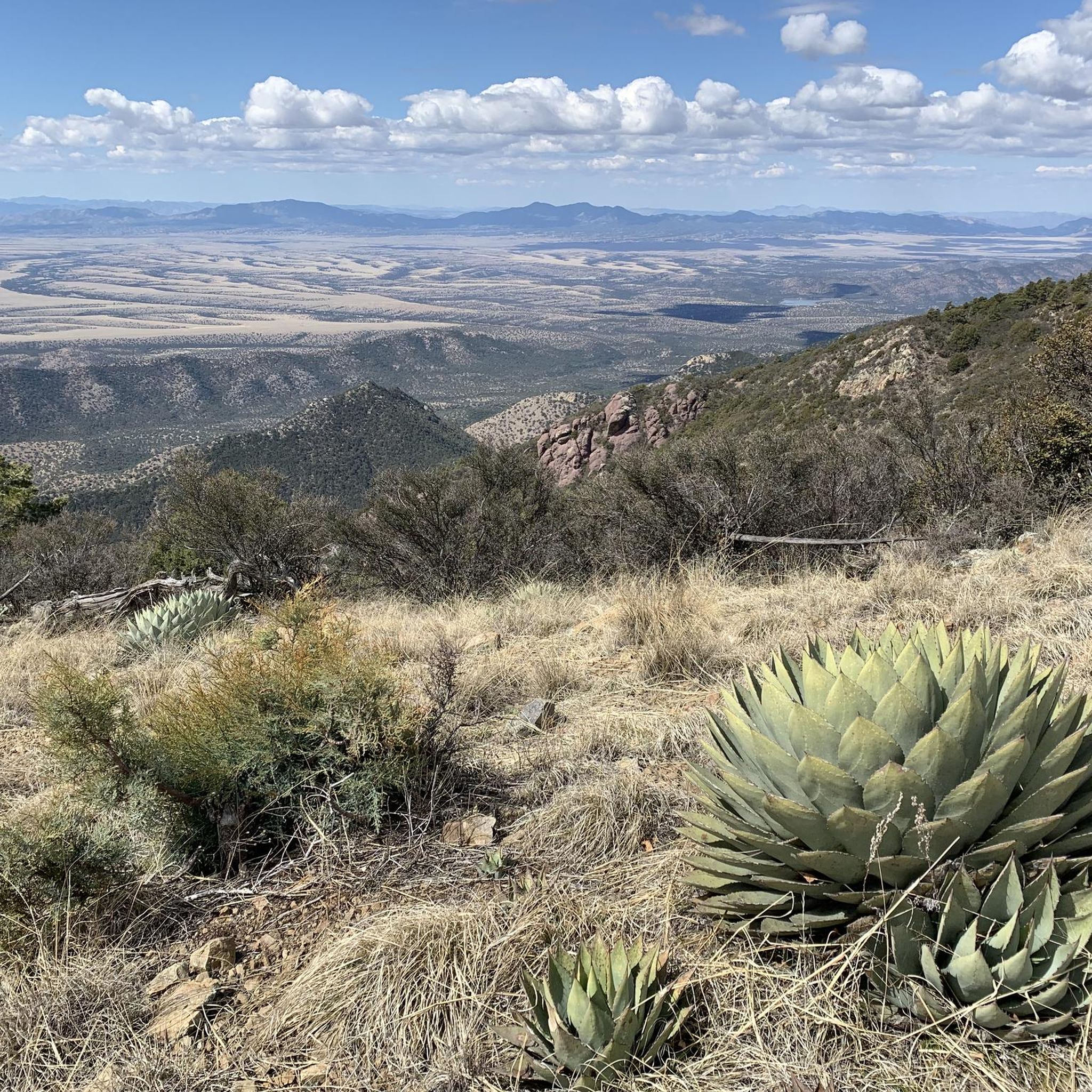
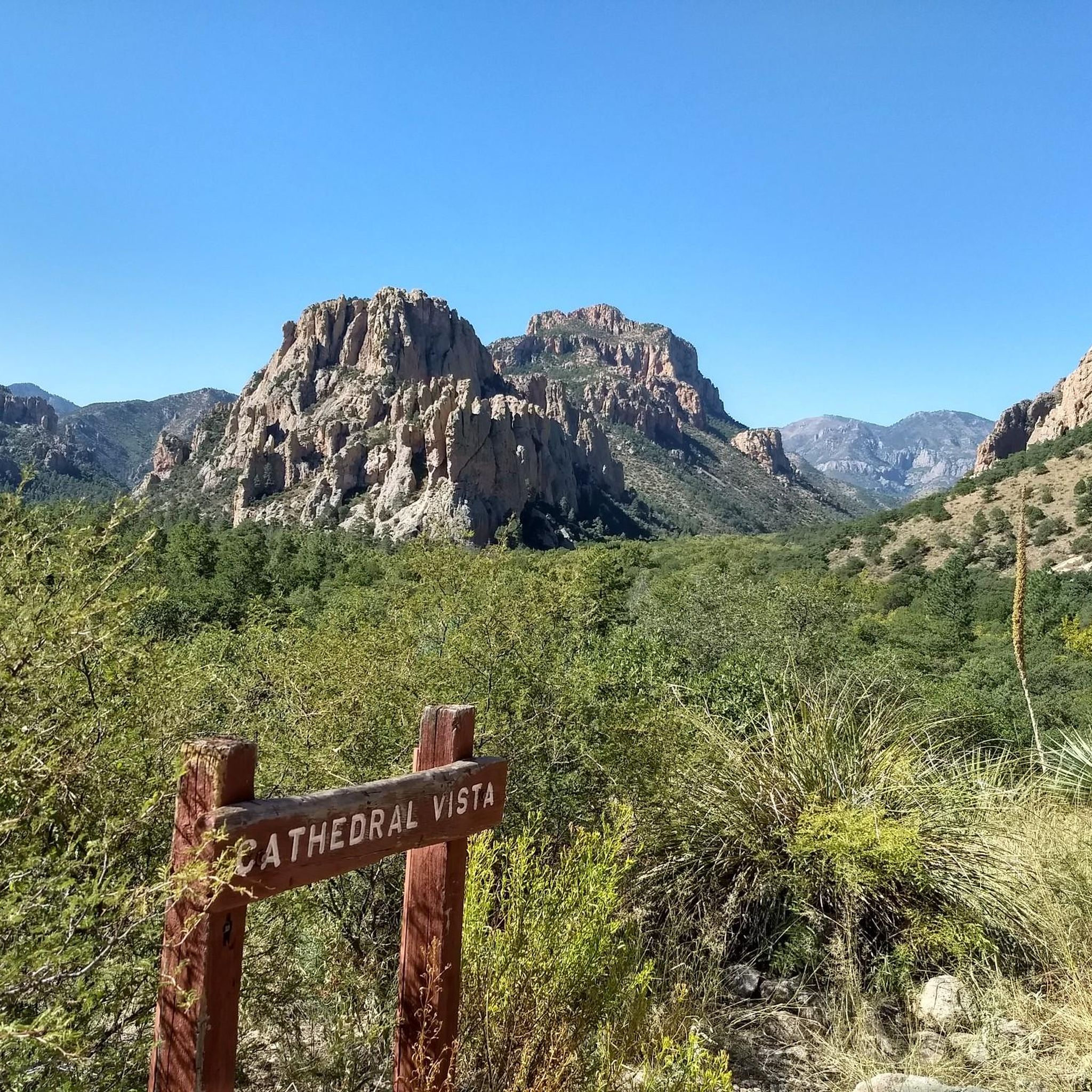
Best mountain peaks in Coronado National Forest are found across a collection of "sky island" mountain ranges rising from the desert floor in southeastern Arizona and southwestern New Mexico. These ranges, including the Chiricahua, Rincon, Santa Catalina, Huachuca, Santa Rita, and Pinaleño Mountains, offer diverse features and experiences. The region is characterized by significant elevation changes, leading to varied biotic communities and natural landscapes. Visitors can explore numerous peaks that provide extensive opportunities for outdoor activities.
Best mountain peaks in Coronado National Forest
- The most popular mountain peaks is Finger Rock Trailhead, a trail that offers a great adventure into the mountain scenery of the Pusch Ridge Wilderness with views of Tucson. Following this trail leads to the summit of Mount Kimball at 7,240 feet.
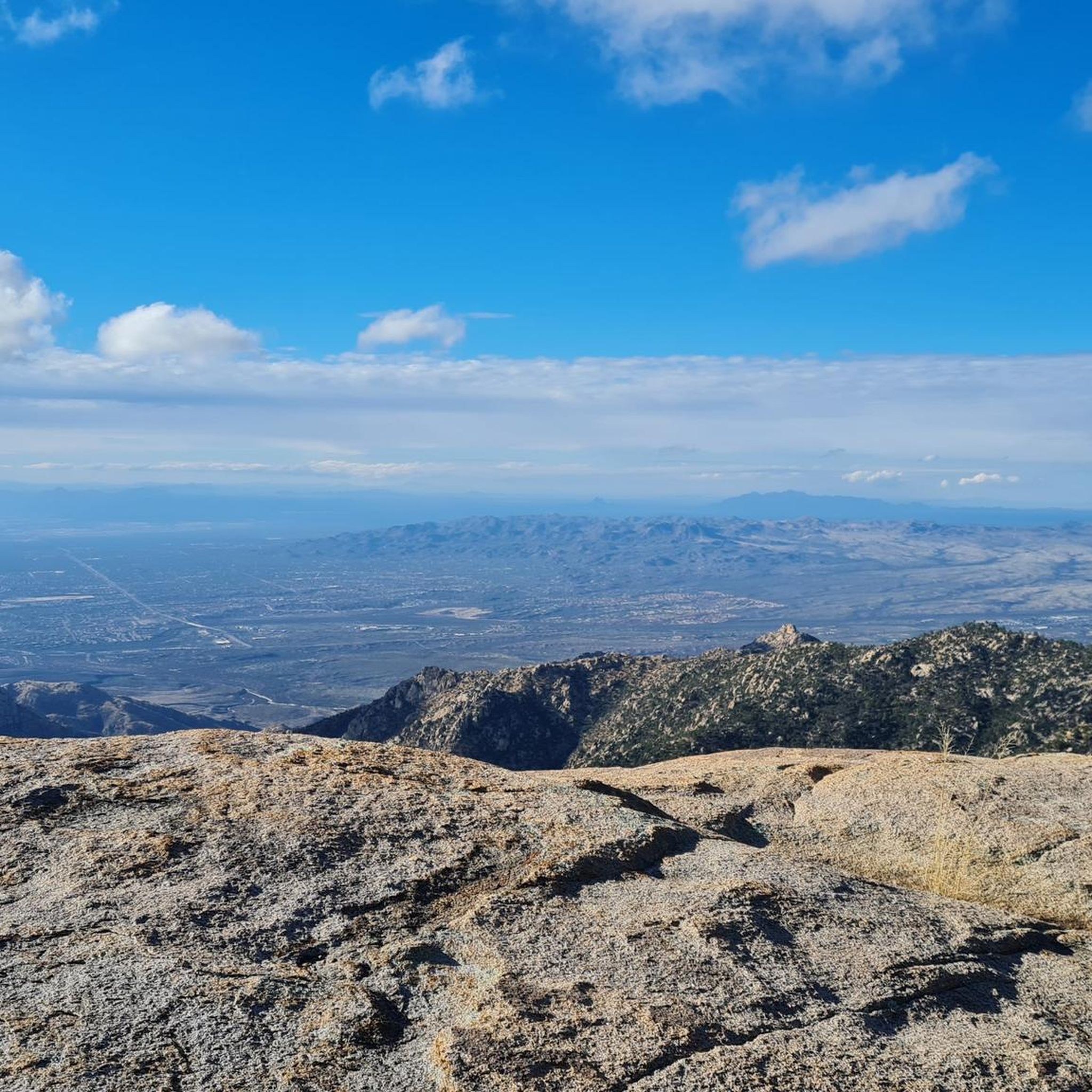
- Another must-see spot is View from Pusch Peak, a summit that provides panoramic views of the canyon and the Tucson plateau. This relatively short but steep hike quickly leads to the summit of Pusch Peak.
- Visitors also love Pusch Peak Trail, a challenging trail featuring steep 25% grade climbs and loose rocks. Over 1.25 miles, hikers ascend more than 2,300 feet along a mostly well-defined trail.
- Coronado National Forest is known for its diverse mountain peaks, including prominent summits, challenging trails, and scenic viewpoints. The region offers a variety of mountain peaks to see and explore, from high-elevation "sky islands" to accessible viewpoints.
- The mountain peaks in Coronado National Forest are appreciated by the komoot community, with 19 upvotes and 5 photos shared by visitors.
Last updated: July 8, 2026
Finger Rock Trailhead
Highlight • Trail
Tip by

Pusch Peak Trail
Highlight (Segment) • Trail
Tip by

Sign up now to discover places like this
Get recommendations on the best single tracks, peaks, & plenty of other exciting outdoor places.
Sign up for free
Brett’s Mt. Lemmon Climb
Highlight (Segment) • Climb
Tip by

View from Pusch Peak
Highlight • Summit
Tip by

Saddle Back
Highlight • Summit
Tip by
Sign up for free to discover even more peaks in Coronado National Forest.
Sign up for free
Already have an account?
Start today with a free account
Your next adventure awaits.
Login or Signup
Popular around Coronado National Forest
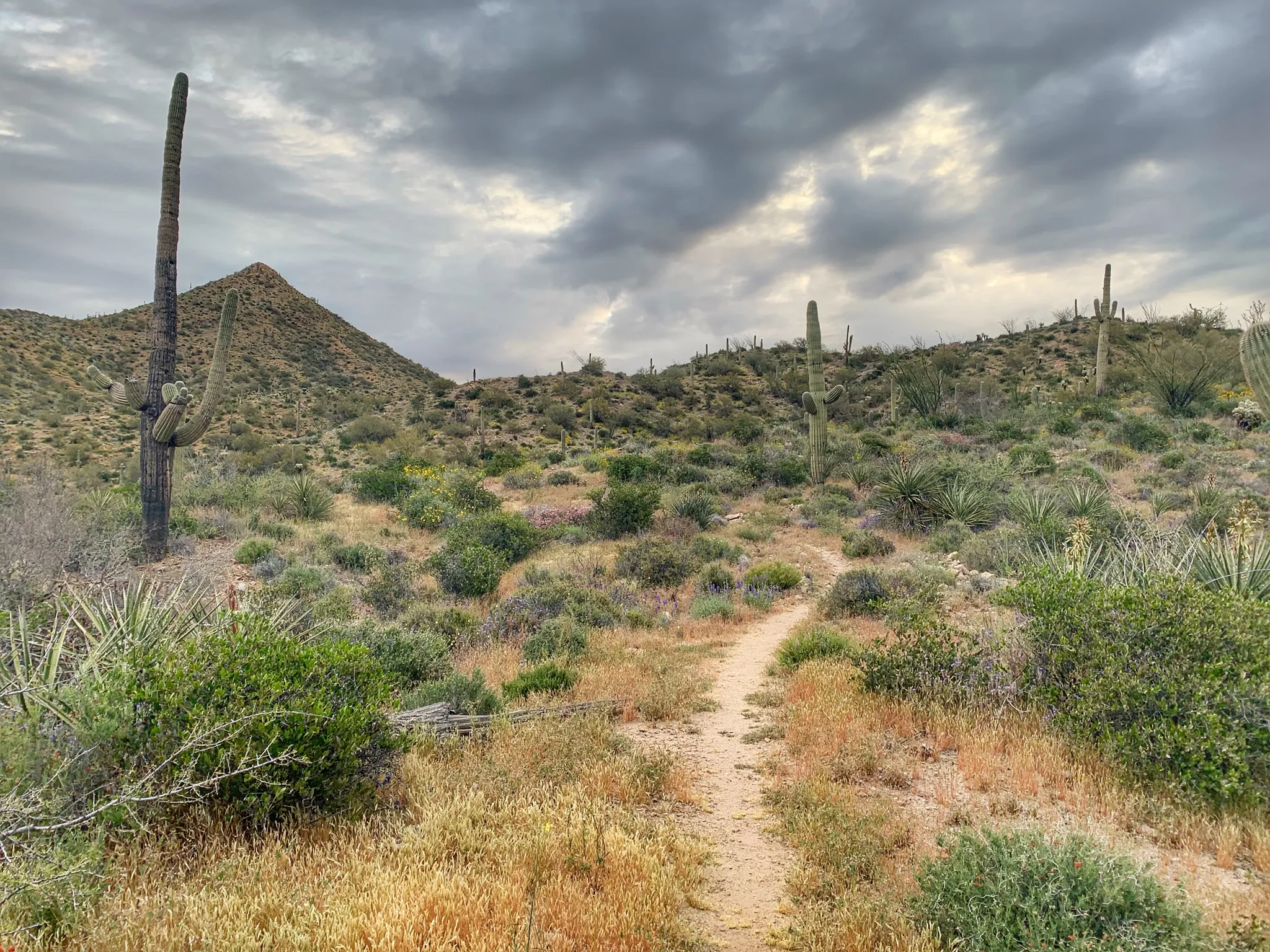
Arizona Trail — A beautiful 800-mile struggle
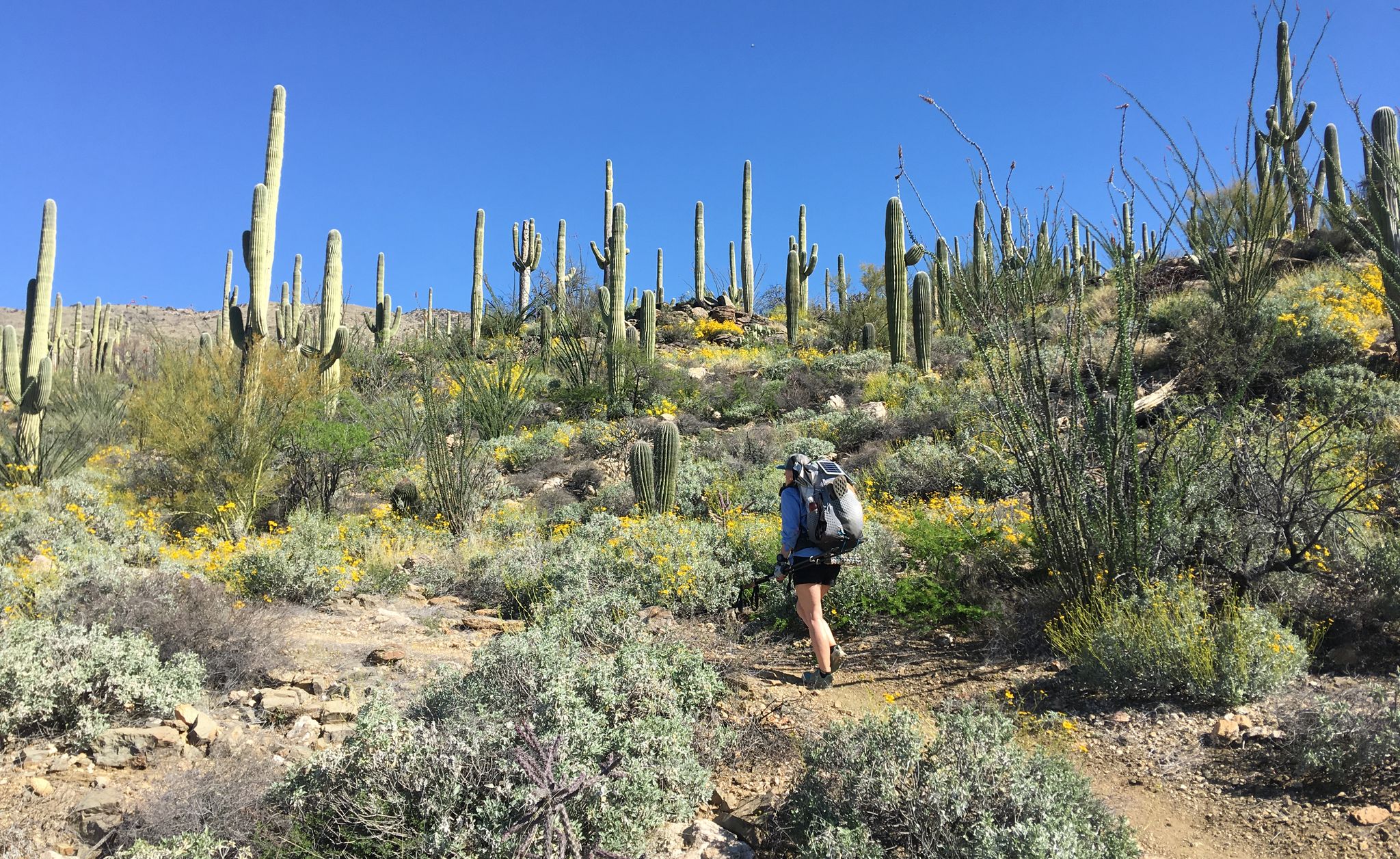
The Arizona Trail — From Mexico to Utah in 43 days
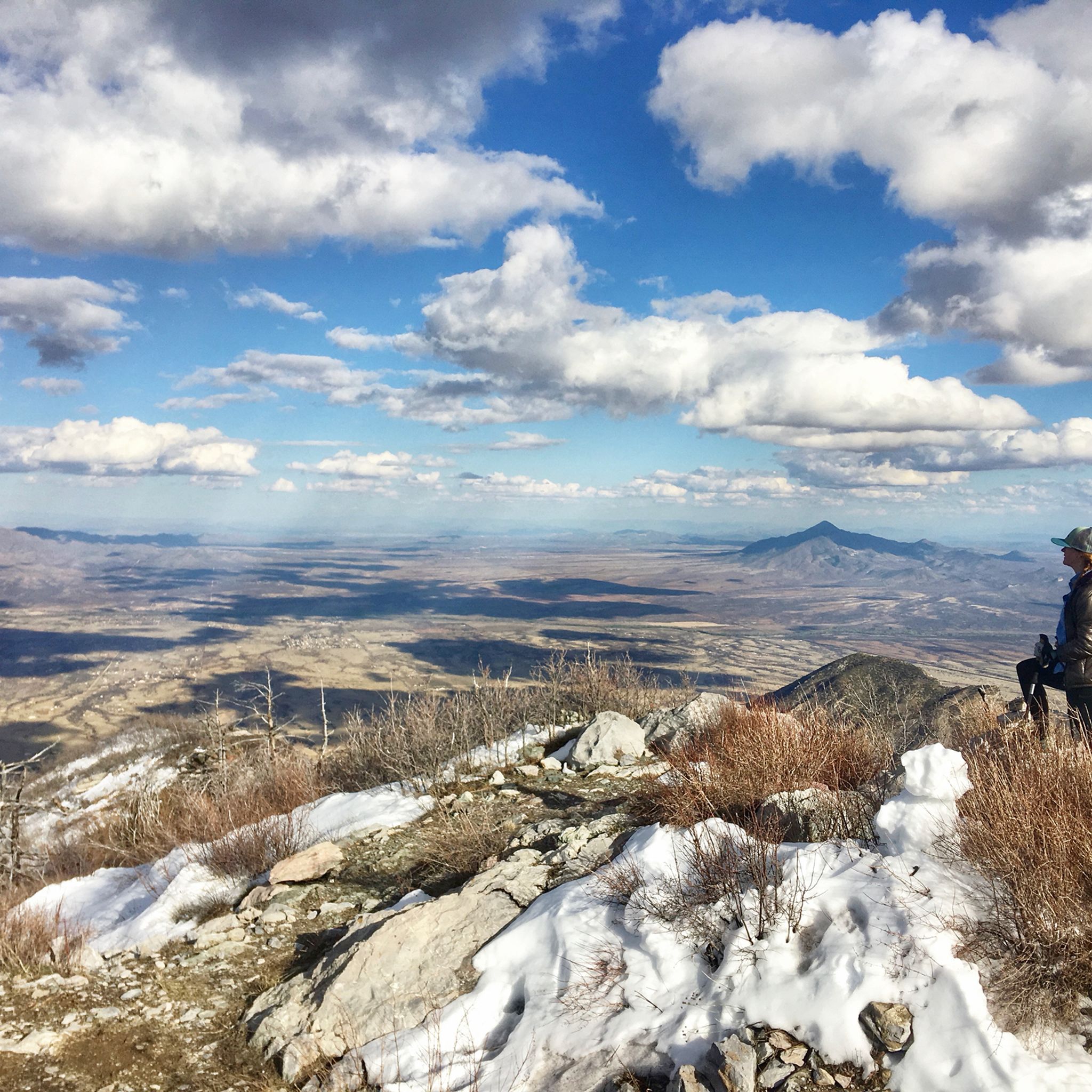
Hiking in Coronado National Forest
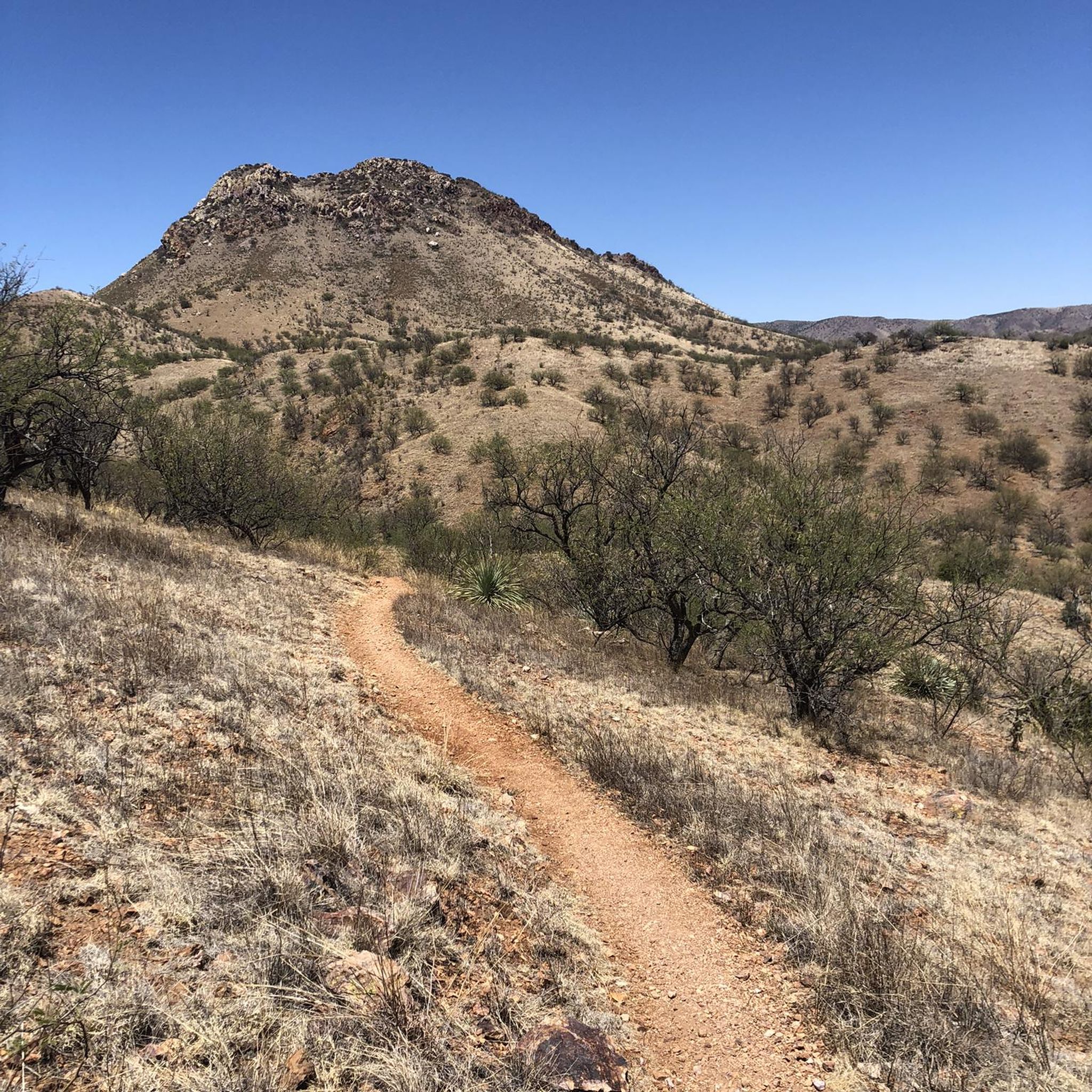
MTB Trails in Coronado National Forest
Road Cycling Routes in Coronado National Forest
Running Trails in Coronado National Forest
Cycling in Coronado National Forest
Gravel biking in Coronado National Forest
Other adventures in Coronado National Forest


Tips from the Community

Mt Lemmon climbs from the Sonoran desert to an alpine forest at the top and the town of Summer Haven. Make sure you have appropriate attire for cold weather above 2000m.
0
0

The Pusch Peak Trail begins at the Linda Vista Loop Trailhead and cuts through the loop trail. After 0.7 miles and a 380-foot elevation gain, a sign marks the start of the "real" route to the peak, featuring steep 25% grade climbs, loose rocks, and prickly desert vegetation. Long pants and sturdy boots are recommended for this section. Over 1.25 miles, hikers ascend more than 2,300 feet along a mostly well-defined trail, with some sections requiring navigation over exposed rock. The return follows the same path.
1
0
Blackett’s Ridge Trail is a popular hike that leads to the 4,341-foot summit of Saddleback. Spanning 5.5 miles with over 1,900 feet of elevation gain, the trail rewards hikers with views of Thimble Peak, the Santa Catalina Mountains, and, on clear days, the Santa Rita and Tucson Mountains. To the south, the city of Tucson stretches out below. Open year-round, the trail requires an $8 fee to enter the Sabino Canyon Recreation Area, and dogs are not allowed on trail. With no reliable water sources, hikers should bring plenty of water.
1
0

Parking is across the street. No water access at this trailhead.
0
0

Steep access by a very well maintained trail with no technical difficulty. The views are really breathtaking.
0
0
Very steep trail offering great views on the canyon and the mountains range, from one side, and on the Tucson plateau on the other side. Caution : this trail is closed from Jan 1st to April 30th to protect the BigHorn sheep.
1
1

If you are in decent shape, can follow your own pace, hike early when hot, and hydrate with sips, not chugging, it is a half day hike or less. It is a fairly high elevation for a 360 view in the Catalinas. Follow the trail with your eyes, especially when it is overgrown. Several side trails with many Sheep trails can lead to off trail, which can be dangerously steep. It you pay attention, it is beautiful and safe.
0
0

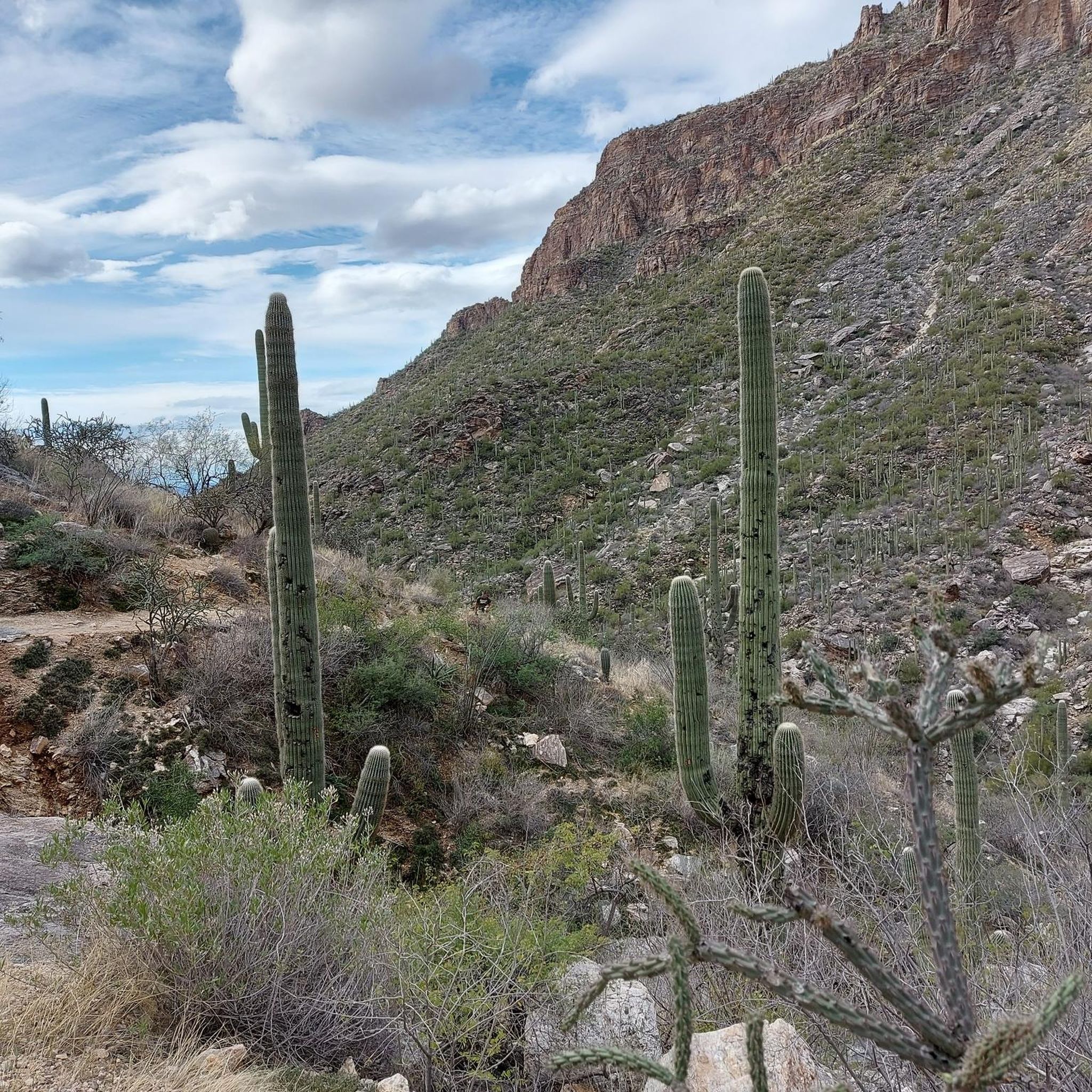
Finger Rock Trail is a great adventure into the mountain scenery of the Pusch Ridge Wilderness with great views on Tucson. If you follow it to the end you will summit Mount Kimball at 7,240 feet. Along your way you will see the stunning Saguaro cacti and you might see Javelina and even the infamous Gila Monster.
2
0
Frequently Asked Questions
What are some of the most prominent mountain peaks in Coronado National Forest?
Coronado National Forest is home to several significant 'sky island' peaks. Among them are Mount Graham in the Pinaleño Mountains, the tallest at 10,699 feet; Mount Lemmon in the Santa Catalina Mountains, a popular recreational spot; and Mount Wrightson in the Santa Rita Mountains, known for its diverse wildlife and birding opportunities. Other notable peaks include Fly Peak in the Chiricahua Mountains and Coronado Peak in the Huachuca Mountains, offering historical context and panoramic views.
Are there challenging hiking trails to mountain peaks in the region?
Yes, several peaks offer challenging trails. For instance, the Pusch Peak Trail is known for its steep 25% grade climbs and loose rocks, ascending over 2,300 feet in 1.25 miles. Similarly, the climb to Mount Wrightson involves significant elevation gain, rewarding hikers with a breathtaking pine forest at the summit.
What unique natural features can I expect to see on these mountain peaks?
The 'sky island' nature of these mountains creates remarkable ecological diversity. On Mount Graham, you can experience an ecological journey equivalent to traveling from Mexico to Canada, with relic species from the last ice age, including the southernmost stand of Englemann spruce, aspen groves, and an alpine lake. The Santa Rita Mountains, home to Mount Wrightson, feature diverse flora from oak-pine forests to white fir and alligator juniper, and are a world-renowned birding destination.
Are there family-friendly activities or accessible viewpoints among the peaks?
While many trails are challenging, some areas offer more accessible experiences. The Swift Trail Parkway leading up Mount Graham provides numerous picnic areas and campgrounds, along with incredible views. Coronado Peak, though a steep hike, is relatively short from Montezuma Pass, offering rewarding panoramic views without an extensive climb, making it a good option for families seeking a vista.
What is the best time of year to visit the mountain peaks in Coronado National Forest?
The best time to visit varies by elevation and activity. Higher peaks like Mount Lemmon offer a cool escape during warmer months and opportunities for snow fun in winter. The fall is particularly beautiful in the Chiricahua Mountains, where the aspens turn golden around Fly Peak. For lower elevation trails, hiking early in the day during warmer seasons is recommended, and some trails, like the Pusch Peak Trail, have seasonal closures (Jan 1 - April 30) to protect wildlife.
What kind of wildlife can be spotted around the mountain peaks?
The diverse ecosystems support a variety of wildlife. Around Mount Wrightson in the Santa Rita Mountains, you might encounter black bears, foxes, raccoons, deer, bobcats, mountain lions, and rattlesnakes. The Madera Canyon area is especially famous for birdwatching, with over 230 bird species, including 15 types of hummingbirds. On trails like the Finger Rock Trailhead, you might spot Javelina and even the infamous Gila Monster. Bighorn sheep can also be seen near Pusch Peak.
Are there opportunities for rock climbing or mountain biking near these peaks?
Yes, Mount Lemmon is a popular destination for diverse recreational opportunities, including mountain biking and rock climbing. The highly scenic Catalina Highway leads to its summit, providing access to various outdoor activities.
What historical significance do some of these peaks hold?
Coronado Peak, located within the Coronado National Memorial, offers historical context about Francisco Vasquez de Coronado's expedition, with information signs along the trail. Fly Peak in the Chiricahua Mountains was named after Camillus S. Fly, a renowned photographer, adding a touch of local history.
Where can I find hiking routes near the mountain peaks in Coronado National Forest?
You can find numerous hiking routes throughout the forest. For a variety of options, explore the Hiking in Coronado National Forest guide. If you're looking for easier walks, check out the Easy hikes in Coronado National Forest guide, which includes routes like the Sabino Walkway Loop and Sutherland Trail. For those interested in waterfalls, the Waterfall hikes in Coronado National Forest guide features trails such as Chiva Falls Trail and Bridal Wreath Falls.
What do visitors enjoy most about the mountain peaks in Coronado National Forest?
Visitors frequently highlight the breathtaking views and the unique ecological transitions. The panoramic vistas from summits like Pusch Peak and Coronado Peak are often praised. The journey up Mount Graham via the Swift Trail Parkway is cherished for its dramatic changes in biotic communities, offering a sense of traveling through different climates in a short distance. The well-maintained trails and opportunities for wildlife spotting also contribute to a memorable experience.
Are there any specific access roads or scenic drives to reach these mountain peaks?
Yes, several peaks are accessible via scenic routes. The Swift Trail Parkway (State Route 366) climbs over 7,000 feet in 35 miles to access Mount Graham, offering incredible views. The Catalina Highway leads directly to the summit of Mount Lemmon, providing a highly scenic drive. Additionally, the drive up Montezuma Canyon Road to Montezuma Pass offers scenic views on the way to Coronado Peak.
Most popular routes in Coronado National Forest
Most popular attractions in Coronado National Forest

Get inspired with the komoot mobile app


