Attractions and Places To See in Salmon-Challis National Forest - Top 13
Best attractions and places to see in Salmon-Challis National Forest include a diverse range of natural and historical sites. This vast area in east-central Idaho features rugged mountains, wild rivers, and significant wilderness areas. Visitors can explore towering peaks, alpine lakes, and historical mining operations. The forest also encompasses parts of the Frank Church—River of No Return Wilderness, offering extensive natural landscapes.
Best attractions and places to see in Salmon-Challis National Forest
- The most popular attractions is Yankee Fork Gold…
Last updated: October 11, 2026
Yankee Fork Gold Dredge
Highlight • Monument
Tip by

Bear Valley Trail
Highlight (Segment) • Trail
Tip by

Sign up now to discover places like this
Get recommendations on the best single tracks, peaks, & plenty of other exciting outdoor places.
Goldbug Hot Springs
Highlight • Natural Monument
Tip by
Borah Peak
Highlight • Summit
Tip by

Merriam Lake
Highlight • Lake
Tip by

Sign up for free to discover even more attractions in Salmon-Challis National Forest.
Already have an account?
Start today with a free account
Your next adventure awaits.
Popular around Salmon-Challis National Forest
Other adventures in Salmon-Challis National Forest

Tips from the Community

The impressive Yankee Fork Gold Dredge is one of the best preserved and presented dredges in the lower 48 states and was donated to the U.S. Forest Service in 1966. It weighs 988 tons and measures 112 feet with a width of 54 feet and a height of 64 feet. The dredge ran from 1940 to 1952. It was estimated that there was 11 million dollars of gold to be had in the Yankee Fork Valley. Today, you can explore the site on a self guided tour so you can stay as long as you want. Here you will find more information about tours and hours: https://yankeeforkdredge.com/tours/.
4
0

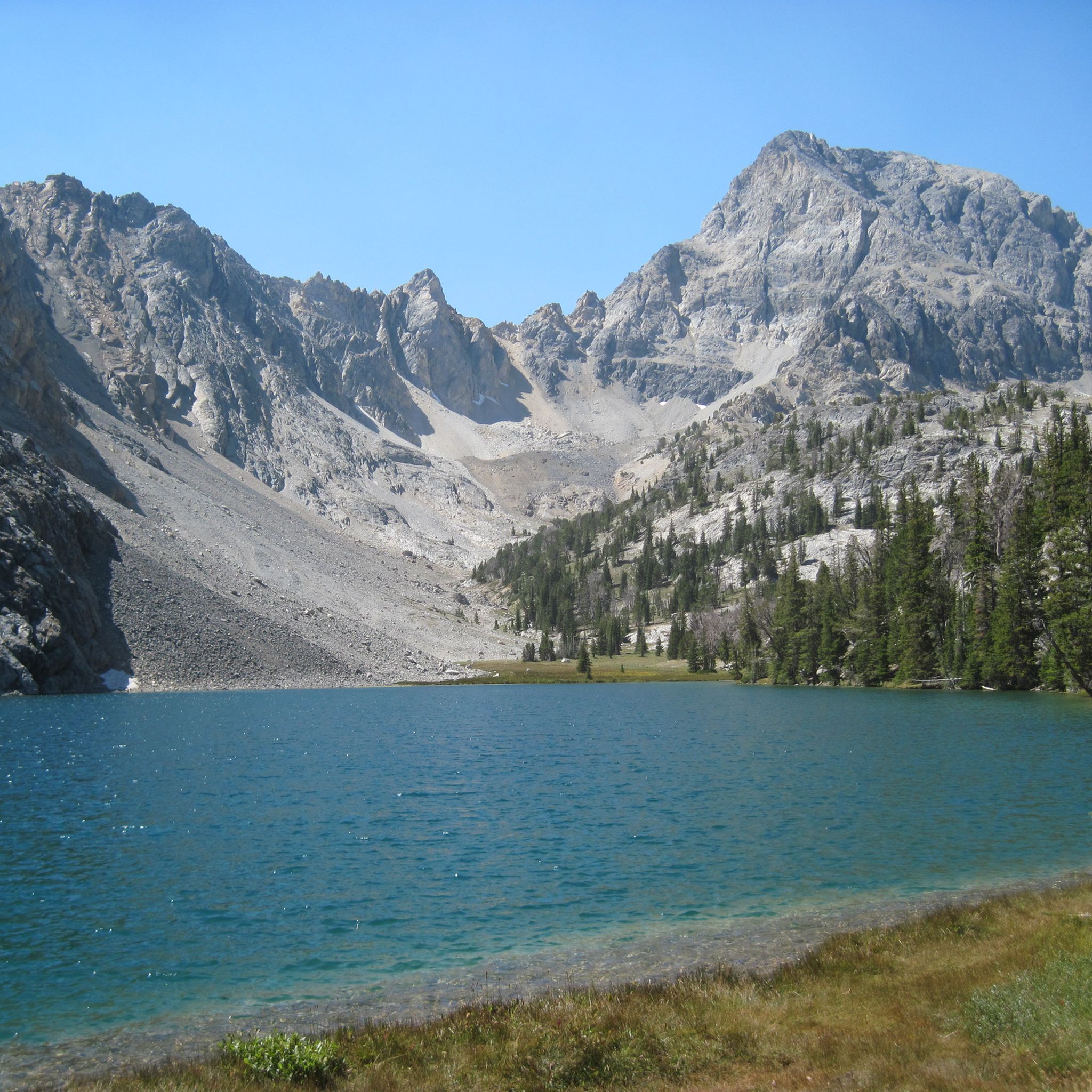
Situated at 12,000 feet in the Lost River Range, Merriam Lake is a beautiful place to visit in Salmon-Challis National Forest. The area is home to mountain goats and bighorn sheep, which during mating season you may hear the thunder clash of them butting heads echoing through the valley.
0
0

The trail climbs gradually through sage meadows and open forest for the first 2 miles. Then the forest thickens and the trail steepens with some rough, rocky sections-fine for hiking but it can be tough for other uses. Nearing Bear Valley Lake, the trail levels out in sub-alpine meadows. There are junctions along the way to Buck Lakes and Upper Bear Valley Lakes. https://www.nrtdatabase.org/trailDetail.php?recordID=215
0
0
Access to this hot springs requires a hike from the trailhead which starts at the end of the county road. The first 1/4 mile of the trail passes through private property with public access provided by an easement. Dogs must be leashed while crossing the private property. Please protect access to the hot springs by respecting private property. https://www.blm.gov/visit/goldbug-hot-springs
1
0

Also known as Mount Borah, Borah Peak is an enticing objective. At 3,859 meters (12,662 ft), it is the highest peak in Idaho. The final ascent to the summit is a bit of a scramble, calling for a head for heights and some experience of this kind of hiking. There are sections where the rocky crest of the superbly named Chicken Out Ridge is narrow.
0
0
Frequently Asked Questions
What historical sites can I explore in Salmon-Challis National Forest?
The Salmon-Challis National Forest is rich in history. You can visit the well-preserved Yankee Fork Gold Dredge, which operated from 1940 to 1952 and offers self-guided tours. Another notable site is the ghost town of Custer, accessible via the Custer Motorway, providing a glimpse into the region's mining past. The Sacajawea Historic Byway also features Native American rock art and fossils.
Are there challenging hikes or climbs in the area?
Yes, for experienced adventurers, Borah Peak, Idaho's highest summit at 3,859 meters (12,662 ft), offers a challenging ascent. The final stretch includes scrambling along the aptly named Chicken Out Ridge. The forest also contains numerous rugged mountains like the Lost River and Lemhi Ranges, providing ample opportunities for rock climbing and scrambling.
What natural features are prominent in Salmon-Challis National Forest?
The forest is defined by its rugged mountains, including the Lost River, Lemhi, Pioneer, Boulder, and Bitterroot Ranges. It's also home to the vast Frank Church—River of No Return Wilderness, featuring the granite peaks of the Bighorn Crags. The Wild and Scenic Salmon River and Middle Fork of the Salmon River are famous for their deep canyons, while numerous alpine lakes like Merriam Lake, Iron Bog Lake, and Kane Lake dot the landscape.
Are there any hot springs to visit?
Yes, the forest features several natural hot springs. Goldbug Hot Springs is a popular and relatively accessible option, though it requires a hike from the trailhead. Visitors should always exercise caution due to potentially high water temperatures.
What are some scenic drives in Salmon-Challis National Forest?
You can enjoy breathtaking views along several scenic byways. The Salmon River Scenic Byway offers stunning vistas, access to hot springs, and historical ghost towns. The Sacajawea Historic Byway follows Highway 28, paralleling the Continental Divide and showcasing Lewis and Clark Expedition history. For a more rugged experience, the Lewis & Clark Backcountry Byway is a gravel road leading to Lemhi Pass, where the expedition first crossed the Continental Divide.
What kind of hiking trails are available?
The forest offers a diverse network of trails for various experience levels. For a moderate experience, consider Bear Valley Trail, which climbs through sage meadows and open forest before leveling out near Bear Valley Lake. Other trails include Summit Creek Hike and East Pass Creek Trail. For easier options, you can explore routes like Lower Cedar Creek Falls or Meadow Lake Trail, which are part of the easy hikes in Salmon-Challis National Forest guide.
What outdoor activities can I do near these attractions?
Beyond hiking, the Salmon-Challis National Forest offers extensive outdoor recreation. You can enjoy rafting and paddling on the Wild and Scenic Salmon River, fishing in alpine lakes and streams, camping, mountain biking, and horseback riding. During winter, popular activities include snowshoeing, cross-country skiing, and snowmobiling. For mountain biking, routes like Marten Lake loop are featured in the MTB Trails in Salmon-Challis National Forest guide.
Are there family-friendly activities in the Salmon-Challis National Forest region?
While many natural attractions are suitable for families, specific family-friendly points of interest include the Yankee Fork Gold Dredge, which offers an engaging historical experience. In the town of Salmon, Island Park provides a recreational area with a walking path, boat launch, dog park, and a skatepark, including the Salmon Whitewater Park for kayakers and surfers.
What is the best time to visit Salmon-Challis National Forest?
The best time to visit largely depends on your desired activities. Summer and early fall are ideal for hiking, camping, rafting, and exploring alpine lakes. For winter sports like snowshoeing and cross-country skiing, the colder months offer prime conditions. Spring brings wildflowers and melting snow, making some areas accessible earlier.
What kind of wildlife can I expect to see?
The diverse ecosystems of Salmon-Challis National Forest support a variety of wildlife. At high-altitude locations like Merriam Lake, you might spot mountain goats and bighorn sheep. The vast wilderness areas are also home to larger mammals, and birdwatching opportunities are abundant throughout the forest.
What are some less crowded hiking options?
While popular trails can see more visitors, many areas within the vast Salmon-Challis National Forest offer solitude. Exploring trails in the Frank Church—River of No Return Wilderness, or seeking out less-traveled routes in the various mountain ranges, can provide a more secluded experience. Consider trails leading to alpine lakes like Iron Bog Lake or North Fork Lake for quieter excursions.
Most popular routes in Salmon-Challis National Forest

Get inspired with the komoot mobile app


Explore more
Still not found the Highlight you’re looking for? See guides of the top attractions in other regions:
