Attractions and Places To See in Gifford Pinchot National Forest - Top 20
Best attractions and places to see in Gifford Pinchot National Forest include a diverse array of natural and cultural sites across its 1.3 million acres in southwestern Washington. Established in 1908, this national forest is one of the oldest in the United States. It encompasses the Mount St. Helens National Volcanic Monument, offering unique insights into volcanic landscapes. Visitors can explore old-growth forests, significant historical locations, and numerous rivers and waterfalls.
Best attractions and places to see in Gifford Pinchot…
Last updated: September 26, 2026
Johnston Ridge Observatory
Highlight • Viewpoint
Tip by

Boundary Trail, Gifford Pinchot National Forest
Highlight (Segment) • Trail
Tip by

Sign up now to discover places like this
Get recommendations on the best single tracks, peaks, & plenty of other exciting outdoor places.
Hummocks Trail
Highlight (Segment) • Trail
Tip by
Birth of a Lake Trail
Highlight • Trail
Tip by
Ape Cave Interpretive Site/Lower entrance
Highlight • Cave
Tip by

Sign up for free to discover even more attractions in Gifford Pinchot National Forest.
Already have an account?
Start today with a free account
Your next adventure awaits.
Popular around Gifford Pinchot National Forest

Pacific Crest Trail from Mexico to Canada – 4,200 kilometres of wilderness
The tour of your life – music trails on the Pacific coast
Volcanic peaks and glistening shores – discover Oregon and Washington
Hiking in Gifford Pinchot National Forest
Running Trails in Gifford Pinchot National Forest
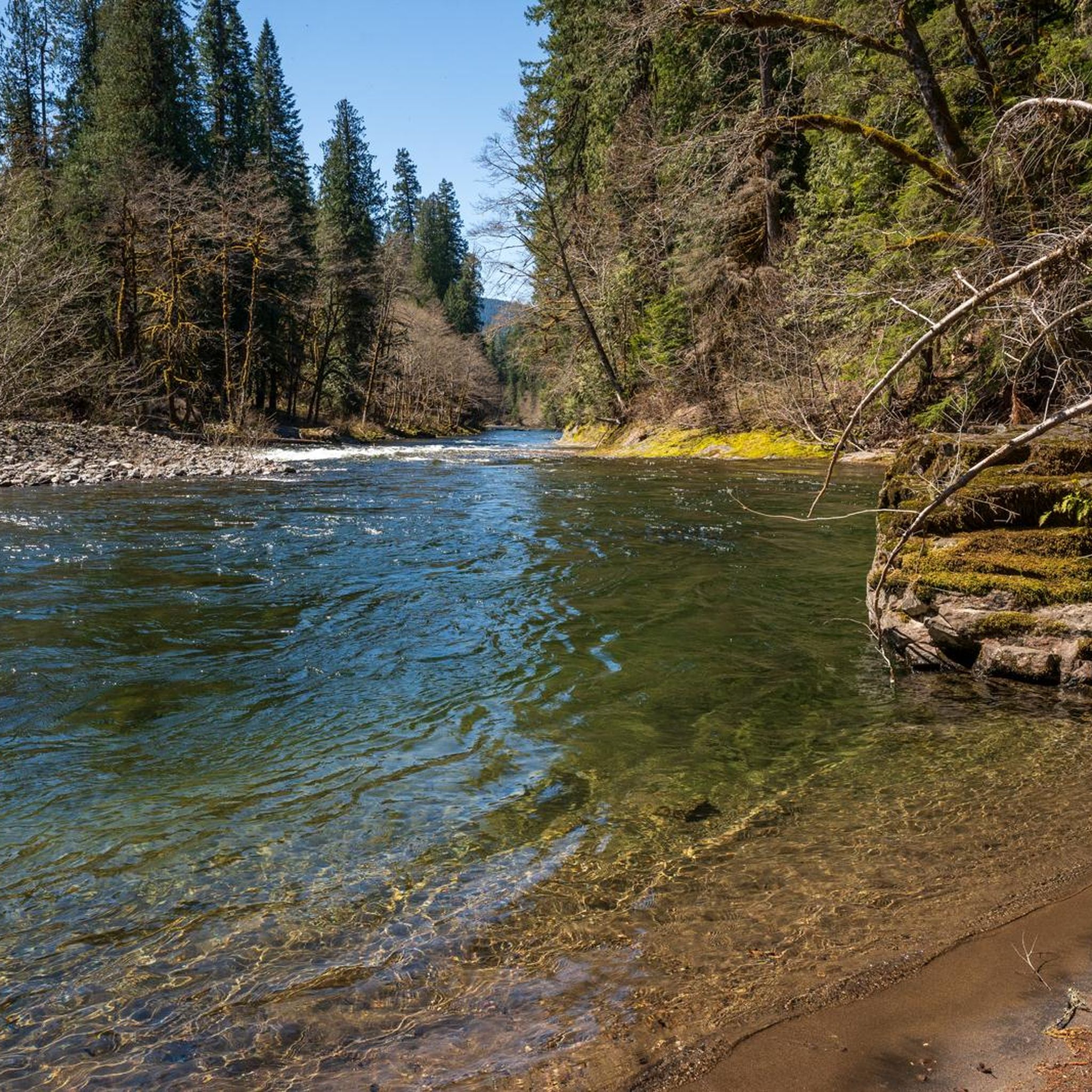
MTB Trails in Gifford Pinchot National Forest
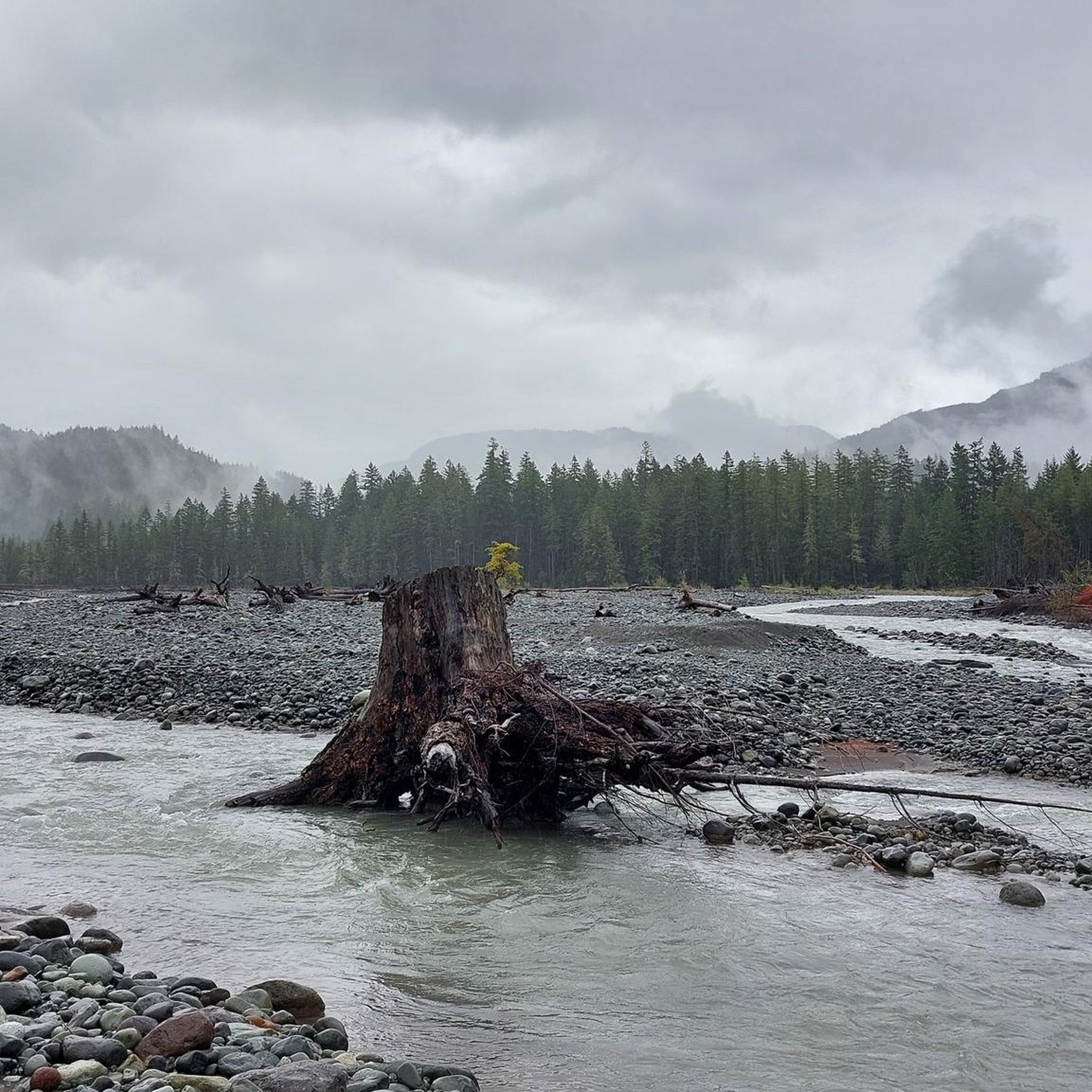
Road Cycling Routes in Gifford Pinchot National Forest
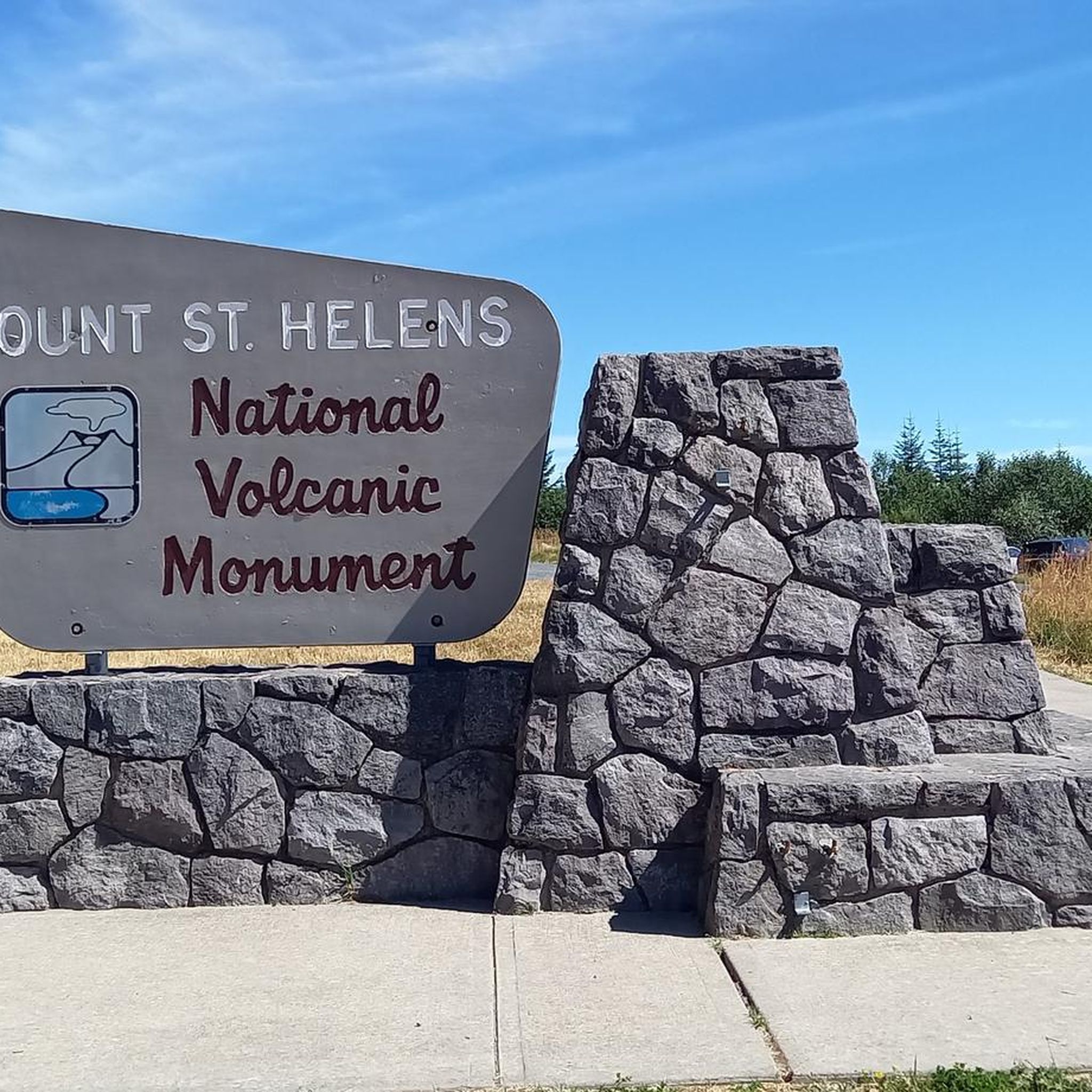
Cycling in Gifford Pinchot National Forest
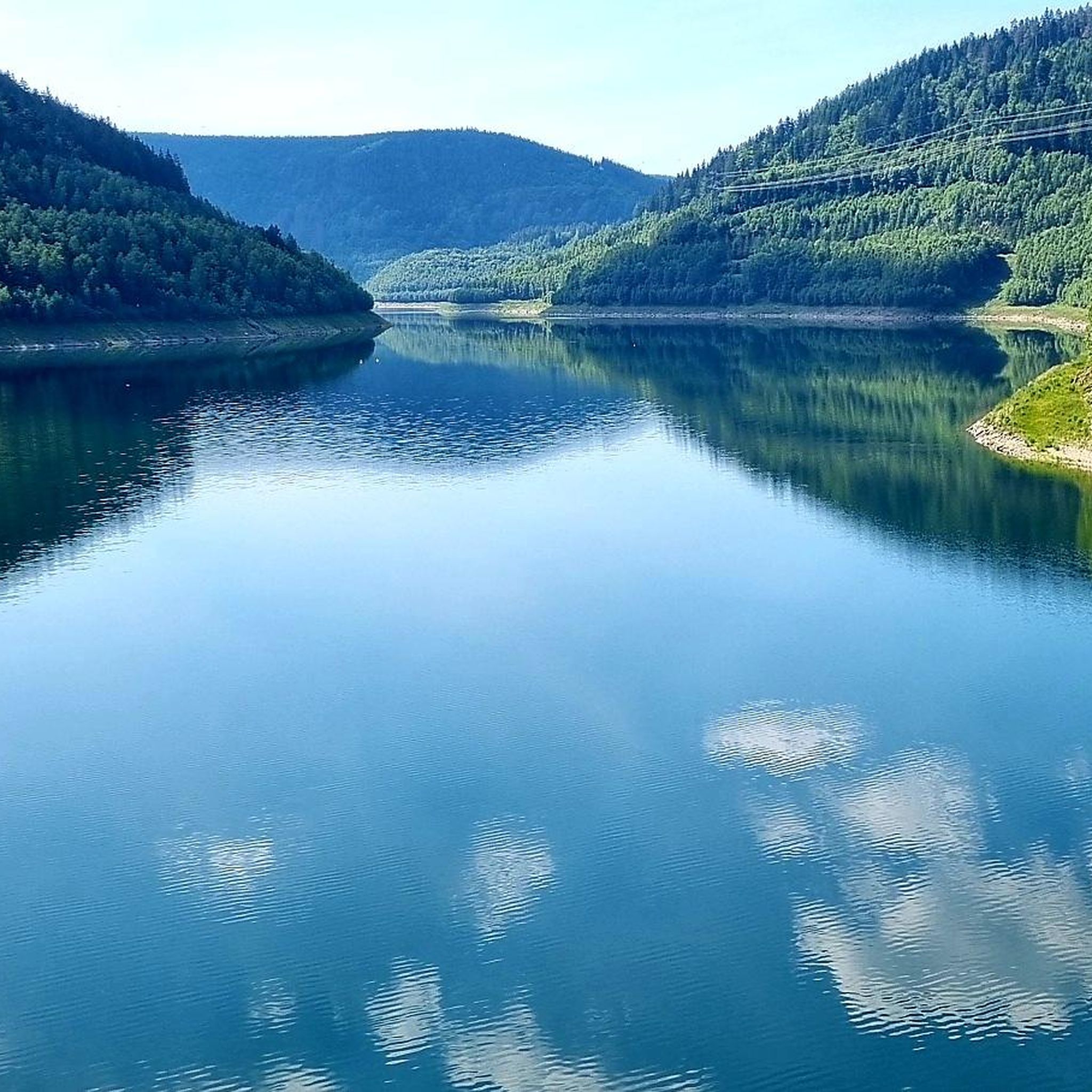
Gravel biking in Gifford Pinchot National Forest
Other adventures in Gifford Pinchot National Forest


Tips from the Community

After two months of volcanic activity and shaken by an earthquake measuring 5.1 on the Richter scale, the north face of this tall symmetrical volcano collapsed in a massive rock debris avalanche. In moments, this slab of rock and ice slammed into Spirit Lake, crossed a 1,300-foot ridge and roared 14 miles down the Toutle River. The avalanche quickly released pressurized gases inside the volcano. A massive lateral explosion ripped through the avalanche and developed into a turbulent, rock-filled wind that swept over ridges and toppled trees. Nearly 150 square miles of forest were blown away or left dead and standing. At the same time, a mushroom-shaped column of ash rose thousands of feet into the sky and drifted against the wind, turning day into night as dark, gray ash fell across eastern Washington and beyond. Wet, cement-like mud of rock and silt scoured all sides of the volcano. Searing currents of pumice poured from the crater. The eruption lasted 9 hours, but Mount St. Helens and the surrounding landscape changed dramatically in a matter of moments.
0
0

All in all, the Boundary Trail runs some 57 miles, mostly east-west along the north side of Mount St. Helens. Shorter chunks of it, like this one, are handy for linking trailheads or completing trail loops.
0
0

The visitor center is currently closed (6.2023) due to a large landslide, and it will be closed for some time as they repair the road. The closest access point is the Mt St Helens Science and Learning Center, located on Coldwater Lake. There is a trail from the Learning Center that can link up to the Boundary Trail and other popular Mt St Helens trails, although it does add considerable distance.
0
0

The Ape Cave is the third longest lava tube in North America. This is the main entrance for the impressive Ape Cave. The cave consists of a massive lava tube that you can explore on your own. Before you do, though, you have to book an inexpensive ticket for a certain time slot from May through October on https://www.recreation.gov/timed-entry/10086990 – that is to save the cave from the masses and ensure that you can experience this unique formation without being rushed. Bring at least two sources of light (in case one fails), it is pitch black in the 2.5 mile tunnel. Also bring some warm layers as it is just 42 degrees cool even in summer.
2
0

Great visitor center, if you get a chance to visit you should see the film. There are also headphones for different languages, after the performance the curtain goes up and St. Helens appears in all its glory.
0
0

This so graceful lake looks like it has existed forever. However, it only emerged in 1980 after the eruption, as a landslide prevented the outflow. A lake was created from the former canyon, the development of which has been very well researched. Today even rainbow trout swim in the clear water.
1
0

The observatory tells the story of Mount St. Helens and the impact of its 1980 eruption - on the land as well as on animal and human life.
4
0
Coldwater Lake was created by the 1980 eruption of Mount St. Helens. Along this trail, you'll find interpretive signs that explain how it came to be. This short hike is truly delightful.
2
0
Frequently Asked Questions
What unique natural features can I explore in Gifford Pinchot National Forest?
Gifford Pinchot National Forest is renowned for its diverse natural features. You can explore the dramatic volcanic landscapes around Mount St. Helens, including the unique Hummocks Trail, which winds through hills formed by volcanic landslides. The forest also features the fascinating Ape Caves, 2.5-mile long lava tubes offering an underground hiking experience, and the majestic Mount Adams, Washington's second-tallest volcano. Additionally, you'll find numerous rivers and waterfalls, such as the Lower Lewis River Falls, and serene lakes like Takhlakh Lake, known for reflecting Mount Adams.
Are there any historical or cultural sites to visit in Gifford Pinchot National Forest?
Yes, the forest holds significant historical and cultural sites. You can visit Layser Cave, a prehistoric archaeological site used by Native Americans for thousands of years. The forest also contains other historic Native American sites, such as the Big Tire Peeled Cedars, and historic structures like the House Rock Shelter. The Wind River Historic District, encompassing the Wind River Nursery and the oldest arboretum in the Pacific Northwest, offers a glimpse into the forest's past management and research.
What are some family-friendly attractions or activities in Gifford Pinchot National Forest?
For families, the forest offers several engaging options. The Birth of a Lake Trail is a delightful short hike with interpretive signs explaining how Coldwater Lake was formed by the 1980 Mount St. Helens eruption. The Hummocks Trail is another family-friendly option, allowing exploration of the unique landscape created by the eruption. Many areas around lakes like Takhlakh Lake are also suitable for family outings, offering opportunities for fishing and swimming.
Where can I find impressive viewpoints in Gifford Pinchot National Forest?
The forest boasts several spectacular viewpoints. The Johnston Ridge Observatory provides unparalleled views of Mount St. Helens and its blast zone. For expansive panoramic vistas, consider hiking to Silver Star Mountain, an extinct volcano offering views shaped by its five prominent ridges. Historic fire lookouts like Burley Mountain and High Rock also provide breathtaking views of Mount Rainier, Mount Adams, Mount St. Helens, and the Goat Rocks Wilderness.
What kind of hiking trails are available, and what are some popular options?
Gifford Pinchot National Forest offers a wide range of hiking trails, from easy walks to challenging climbs. A notable option is the Boundary Trail, which runs for about 57 miles along the north side of Mount St. Helens, with shorter sections perfect for connecting trailheads or creating loops. For those seeking a unique experience, the Ape Caves provide an underground hiking adventure through lava tubes. You can find more hiking options, including easy trails, in the Easy hikes in Gifford Pinchot National Forest guide.
Are there opportunities for mountain biking in Gifford Pinchot National Forest?
Yes, Gifford Pinchot National Forest offers excellent mountain biking opportunities. Trails like the Siouxon & Huffman Peak Loop and the Lewis River Trail provide diverse terrain for riders. You can explore various routes, from moderate to difficult, that wind through the forest's landscapes. For more detailed information and specific routes, refer to the MTB Trails in Gifford Pinchot National Forest guide.
When is the best time to visit Gifford Pinchot National Forest?
The best time to visit Gifford Pinchot National Forest largely depends on your desired activities. Summer and early fall (June through September) generally offer the most favorable weather for hiking, camping, and accessing higher elevation areas, as snow has typically melted. This period is ideal for exploring volcanic landscapes and enjoying lakes. However, some lower elevation trails and attractions are accessible year-round, offering different seasonal beauty.
What do visitors particularly enjoy about the attractions in Gifford Pinchot National Forest?
Visitors frequently praise the educational aspects and stunning natural beauty. For instance, the Johnston Ridge Observatory is highly valued for its comprehensive story of Mount St. Helens and the impact of its 1980 eruption, with many recommending watching the informative movie. The unique geological formations, such as those found along the Hummocks Trail and the Birth of a Lake Trail, are also big draws, offering insights into the dynamic landscape.
Are there any accessible trails or facilities in Gifford Pinchot National Forest?
While specific details on fully accessible trails are not always highlighted, many visitor centers and observatories, such as the Johnston Ridge Observatory, are designed to be accessible. When planning your visit, it's advisable to check with the specific site or visitor center for the most up-to-date information on accessible trails and facilities that cater to various mobility needs.
Can I find trails suitable for beginners or easy hikes in the forest?
Absolutely. Gifford Pinchot National Forest offers several easy hiking trails perfect for beginners or those seeking a leisurely walk. Examples include the Lower Falls Creek Trail and the Lakes Trail. These routes often feature gentle gradients and well-maintained paths, allowing you to enjoy the forest's beauty without strenuous effort. For a comprehensive list of suitable options, consult the Easy hikes in Gifford Pinchot National Forest guide.
Where can I see waterfalls in Gifford Pinchot National Forest?
Gifford Pinchot National Forest is home to numerous stunning waterfalls. The Lower Lewis River Falls is a prominent attraction, cascading over 200 feet across and dropping 43 feet into a clear pool. Another beautiful spot is Panther Creek Falls, which plunges over a mossy slope and is accessible via an easy, short trail. Many other rivers throughout the forest, including the Cispus and Wind Rivers, also feature scenic waterfalls.
Are there any unique geological formations to discover in the forest?
Beyond the volcanic features of Mount St. Helens, the forest is rich in unique geological formations. The Ape Caves, for instance, are ancient lava tubes formed by flowing molten lava, offering a rare underground exploration. The Dark Divide Roadless Area also features amazing geological formations and provides fantastic vistas, showcasing the diverse and dynamic geological history of the region.
Are there any dog-friendly options for trails in Gifford Pinchot National Forest?
Many trails within Gifford Pinchot National Forest are dog-friendly, though regulations can vary by specific area, especially within designated wilderness areas or sensitive natural monuments. It's generally recommended to keep dogs on a leash to protect wildlife and ensure a pleasant experience for all visitors. Always check the specific trail regulations before heading out with your canine companion.
Most popular routes in Gifford Pinchot National Forest
Most popular attractions in Gifford Pinchot National Forest

Get inspired with the komoot mobile app


Explore more
Still not found the Highlight you’re looking for? See guides of the top attractions in other regions:
