Gifford Pinchot National Forest
Gifford Pinchot National Forest
The 20 Most Amazing Peaks in Gifford Pinchot National Forest
Mountain peaks in Gifford Pinchot National Forest offer a diverse array of landscapes in southwest Washington. This region encompasses prominent glacial stratovolcanoes, ancient volcanic remnants, and rugged wilderness areas. Visitors can explore unique geological features and varied ecosystems, from old-growth forests to high-elevation meadows. The forest provides numerous opportunities to experience significant natural landmarks and expansive views.
Best mountain peaks in Gifford Pinchot National Forest
- The most popular mountain peaks is Silver Star Mountain, an extinct volcano named for its five prominent ridges that resemble a star. This summit offers panoramic views of Mount Hood, Mount St. Helens, and Mount Rainier.
- Another must-see spot is Goat Rocks Wilderness, a natural monument featuring a rugged collection of peaks that are remnants of an ancient, extinct volcano. This area provides spectacular alpine scenery and is traversed by the Pacific Crest Trail.
- Visitors also love High Rock, an exposed viewpoint offering all-round views of the Cascade Mountains. On clear days, Mount Rainier, Mount Adams, and Mount St. Helens are visible from this vantage point.
- Gifford Pinchot National Forest is known for its diverse range of mountain peaks, including active volcanoes, extinct volcanoes, and rugged wilderness summits. The area features a variety of mountain terrain, from challenging climbs to scenic viewpoints.
- The mountain peaks in Gifford Pinchot National Forest are appreciated by the komoot community, with 7 upvotes and 7 photos shared across various highlights.
Last updated: September 26, 2026
Goat Rocks Wilderness
Highlight • Natural Monument
You can also take an alternate route leading up to Old Snowy Mountain with stunning panorama of what makes both the Cascade Mountains and the entire Pacific Northwest region so unique.
Tip by

Mount St. Helens Summit
Highlight • Summit
Today, the volcano is still mildly active. You can see steam coming out of the crater and timelapse videos show the evolution of new cones over the years. A steep trail will lead you to the rim with some difficult terrain, the true summit is another 0.4 miles to the west. For summiting Mount St. Helens, you need to obtain a permit year round.
Tip by
Sign up now to discover places like this
Get recommendations on the best single tracks, peaks, & plenty of other exciting outdoor places.
Silver Star Mountain
Highlight • Summit
Tip by

Red Mountain Lookout
Highlight • Viewpoint
Tip by

High Rock
Highlight • Viewpoint
There used to be a fire station here, the anteroom is open, actually you would have to spend a night up there to experience sunrise and sunset.
Maybe next time.
Translated by Google •
Tip by

Sign up for free to discover even more peaks in Gifford Pinchot National Forest.
Already have an account?
Start today with a free account
Your next adventure awaits.
Popular around Gifford Pinchot National Forest

Pacific Crest Trail from Mexico to Canada – 4,200 kilometres of wilderness
The tour of your life – music trails on the Pacific coast
Volcanic peaks and glistening shores – discover Oregon and Washington
Hiking in Gifford Pinchot National Forest
Running Trails in Gifford Pinchot National Forest
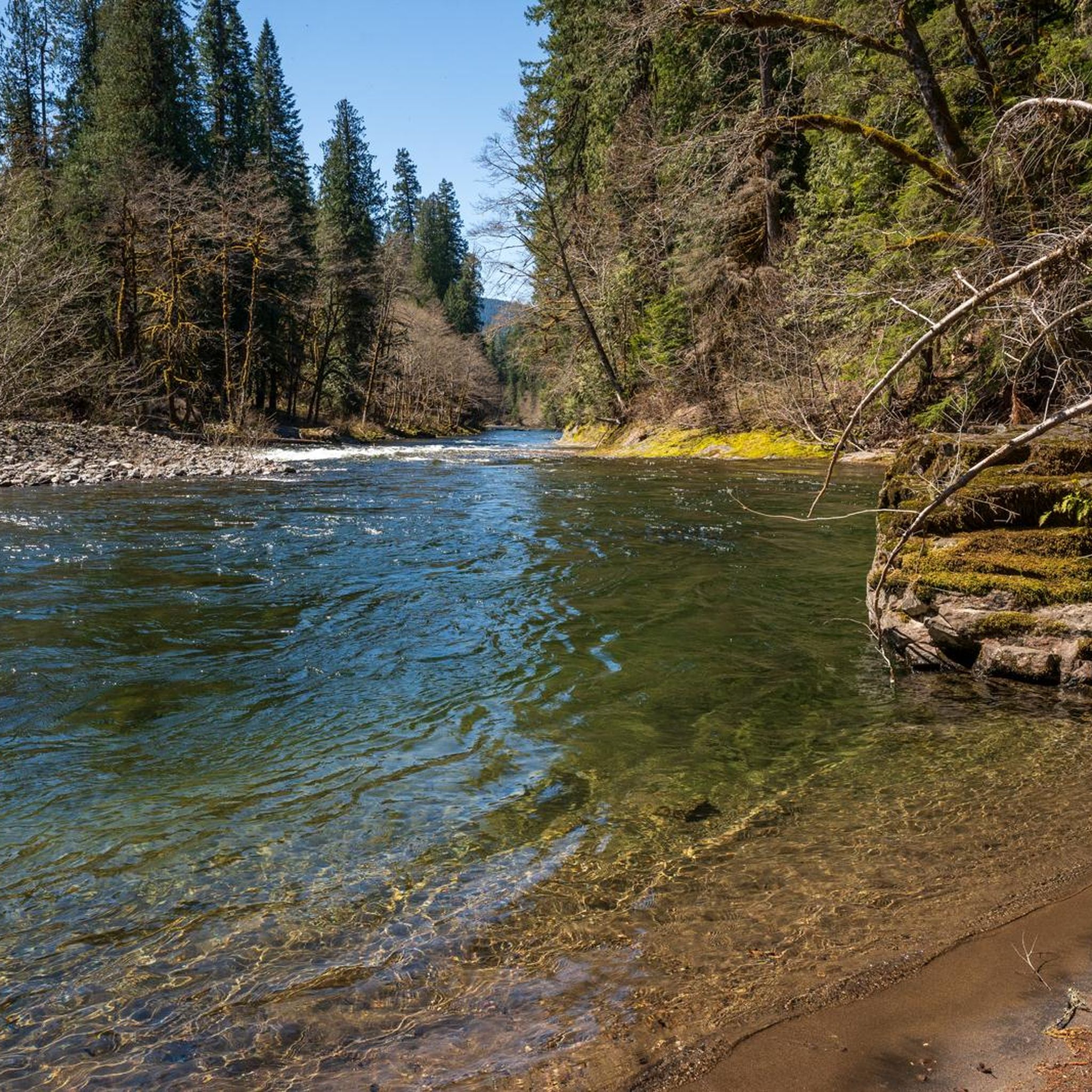
MTB Trails in Gifford Pinchot National Forest
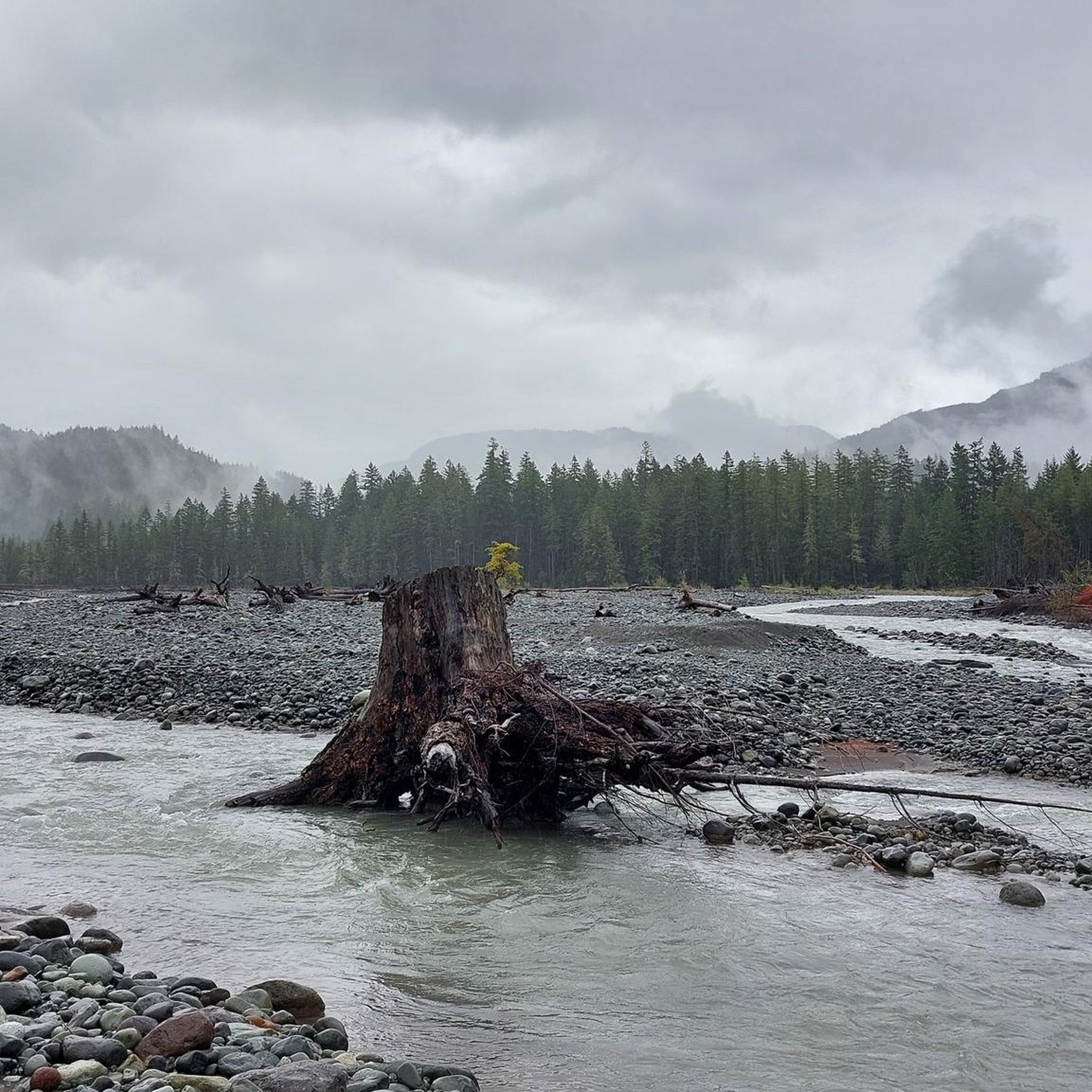
Road Cycling Routes in Gifford Pinchot National Forest
Cycling in Gifford Pinchot National Forest
Gravel biking in Gifford Pinchot National Forest
Other adventures in Gifford Pinchot National Forest


Tips from the Community

There were no bears to be seen, and the steep forest road (partly rough gravel) was not ideal for walking—but the 180-degree panoramic view from the summit more than compensates. Four volcanoes can be seen in the immediate and wider area.
0
0

Red Mountain lookout is one of the last remaining active fire lookout stations in Gifford Pinchot National Forest. It has been rebuilt twice throughout the years, and the current iteration was restored by volunteers in 2010.
2
0

Most people will know the name of Mount St. Helens due to the massive eruption that happened in May 1980. In that event, the top of the mountain was blasted away by the pressure that was released instantly and the north side collapsed with a gigantic landslide. Today, the volcano is still mildly active. You can see steam coming out of the crater and timelapse videos show the evolution of new cones over the years. A steep trail will lead you to the rim with some difficult terrain, the true summit is another 0.4 miles to the west. For summiting Mount St. Helens, you need to obtain a permit year round.
4
0

Exposed vantage point with a fantastic all-round view of the mountains of the cascades. Above all, the mighty Mt. Rainer spreads out in front of you. If visibility is good, you can also see Mt. Adams and Mt. St. Helens. There used to be a fire station here, the anteroom is open, actually you would have to spend a night up there to experience sunrise and sunset. Maybe next time.
0
0

From the summit of Red Mountain, you have an awesome view of Mount Rainier, Mount Saint Helens, Mount Adams, and Mount Hood. Quite the spot!
0
0
Mount St. Helens is a volcano best known for its major May 1980 eruption.
0
0
Silver Star Mountain is an extinct volcano. It is named this way for the five prominent ridges that link to the summit in the shape of a star.
1
0
The Goat Rocks Wilderness offers some of the most spectacular views along the Pacific Crest Trail with views of Mount Rainier, Mount Adams, Mount Saint Helens and Pacific Northwest alpine scenery. If it fits your schedule, pitch your tent in one of the spots just south of the Knife's Edge to catch an unforgettable sunset and sunrise. You can also take an alternate route leading up to Old Snowy Mountain with stunning panorama of what makes both the Cascade Mountains and the entire Pacific Northwest region so unique.
7
0
Frequently Asked Questions
What are some of the most popular mountain peaks to visit in Gifford Pinchot National Forest?
Among the most popular peaks, Silver Star Mountain is an extinct volcano known for its panoramic views of Mount Hood, Mount St. Helens, and Mount Rainier. The Goat Rocks Wilderness offers spectacular alpine scenery and is traversed by the Pacific Crest Trail. For dramatic views of the Cascade Mountains, including Mount Rainier, Mount Adams, and Mount St. Helens on clear days, High Rock is a favored spot.
Are there any beginner-friendly mountain peaks or trails in Gifford Pinchot National Forest?
While many peaks in the forest offer challenging climbs, there are options for various skill levels. For those seeking less strenuous experiences, areas like the Coldwater Lake near Mount St. Helens provide easy boardwalk trails and interpretive displays. For specific trails, it's always best to check individual route descriptions for difficulty ratings.
What unique natural features can I expect to see among the mountain peaks?
The region is rich in natural features. You can explore prominent glacial stratovolcanoes like Mount Adams, which features diverse ecology from rainforest to high desert, glaciers, and wildflower meadows. Mount St. Helens showcases a landscape dramatically altered by its 1980 eruption, with ongoing biological recovery, steam vents, and new cones. The Goat Rocks Wilderness offers rugged alpine scenery with deep drainages, alpine meadows, small lakes, and glaciers.
What is the best time of year to visit the mountain peaks in Gifford Pinchot National Forest?
Summer is generally the most popular time to visit, especially for high-elevation trails and alpine meadows, which burst with wildflowers. The Pacific Crest Trail through the Goat Rocks Wilderness is particularly beautiful in summer. For climbing Mount Adams or Mount St. Helens, the season typically runs from late spring through early fall, depending on snow conditions.
Are permits required for climbing or hiking certain mountain peaks?
Yes, permits are required for certain activities. For instance, a climbing pass is necessary for those ascending above 7,000 feet on Mount Adams between May 1 and September 30. Climbing to the summit of Mount St. Helens Summit also requires a permit year-round. For wilderness areas like the Goat Rocks Wilderness, free, self-issued wilderness permits are required at trailheads.
What outdoor activities can I do near these mountain peaks?
Beyond hiking and mountaineering, the Gifford Pinchot National Forest offers a variety of activities. You can find excellent road cycling routes, such as those detailed in the Road Cycling Routes in Gifford Pinchot National Forest guide. For runners, there are numerous trails, including the Boundary Trail Loop, as highlighted in the Running Trails in Gifford Pinchot National Forest guide. The area also provides opportunities for horseback riding, camping, and fishing.
Are there family-friendly hiking options around the mountain peaks?
Yes, there are options suitable for families. The Coldwater Lake area near Mount St. Helens, for example, offers easy boardwalk trails with interpretive displays that are great for all ages. When planning, look for trails with lower difficulty ratings and shorter distances. Always check specific trail conditions and recommendations for family suitability.
Where can I find panoramic views of multiple volcanoes?
Several peaks offer stunning multi-volcano panoramas. From Silver Star Mountain, you can see Mount Hood, Mount St. Helens, and Mount Rainier. Red Mountain Lookout provides an awesome view of Mount Rainier, Mount St. Helens, Mount Adams, and Mount Hood. Similarly, High Rock offers views of Mount Rainier, Mount Adams, and Mount St. Helens on clear days.
What is the difference between hiking Mount St. Helens and Mount Adams?
Both are prominent stratovolcanoes but offer different experiences. Mount St. Helens Summit is known for its dramatic post-eruption landscape, offering a challenging climb to the crater rim where you can observe ongoing volcanic activity. Mount Adams, as the second-highest peak in Washington, is a larger glacial volcano offering diverse ecosystems and various mountaineering routes, many requiring alpine proficiency. Both require permits for summiting.
What are some less crowded mountain hikes or hidden gems in the forest?
While popular spots attract many visitors, areas like Observation Peak in the Trapper Creek Wilderness offer sweeping views of nearby Cascade summits from a former fire lookout. Hamilton Buttes, though challenging to access due to rough roads, are described as magnificent for their views. Exploring trails within the vast Goat Rocks Wilderness, especially away from the main Pacific Crest Trail, can also lead to more secluded experiences.
Are there any historical sites related to the mountain peaks?
Yes, the region has historical significance. Red Mountain Lookout is one of the last remaining active fire lookout stations in the Gifford Pinchot National Forest, having been rebuilt and restored over the years. The landscape of Mount St. Helens itself is a living historical site, showcasing the dramatic impact of the 1980 eruption and the subsequent ecological recovery.
Most popular routes in Gifford Pinchot National Forest
Most popular attractions in Gifford Pinchot National Forest

Get inspired with the komoot mobile app


Explore more
See even more amazing summits in Gifford Pinchot National Forest with these guides:
