Attractions and Places To See around Boyes Hot Springs - Top 14
Attractions and places to see around Boyes Hot Springs, a census-designated place in Sonoma Valley, California, are primarily centered around its natural geothermal hot springs and proximity to the broader Sonoma wine country. The area offers a blend of historical sites, natural beauty, and cultural experiences. Visitors can explore landmarks, natural features, and cultural sites within this region.
Best attractions and places to see around Boyes Hot Springs
- The most popular attractions is Sonoma Plaza, a settlement that serves…
Last updated: July 20, 2026
Petaluma Adobe 🏡
Highlight • Historical Site
Tip by

Sonoma Plaza
Highlight • Settlement
Translated by Google •
Tip by

Sign up now to discover places like this
Get recommendations on the best single tracks, peaks, & plenty of other exciting outdoor places.
Sign up for free
Summit of Sonoma Mountain
Highlight • Summit
Tip by

Napa vineyards
Highlight • Natural
Tip by

Jack London State Historic Park
Highlight • Historical Site
Tip by

Sign up for free to discover even more attractions around Boyes Hot Springs.
Sign up for free
Already have an account?
Start today with a free account
Your next adventure awaits.
Login or Signup



Tips from the Community

Nestled on the slopes of Sonoma Mountain near Glen Ellen, Jack London State Historic Park preserves the home, ranch, and final resting place of the famed author. Visitors can tour the cottage where London lived, see the ruins of his grand “Wolf House,” and walk through oak woodlands and vineyards that inspired his writing. Scenic trails wind through the park’s rolling terrain, offering both a glimpse into California’s literary history and sweeping views of the Sonoma Valley.
0
0

Reaching up to an elevation of roughly 2,300 feet, Sonoma Mountain is no wimpy hill. It's a tough hike to the top, regardless of which route you use to get there, but the endless views are more than rewarding. There is a bench and a shade tree near the summit for good measure.
1
0

Sonoma Plaza is the main square in the center of Sonoma. Along with City Hall, there are several shops and restaurants in the plaza.
0
0

Ride past iconic Napa vineyards on narrow country roads. Be careful, as shoulders on some of these roads are small or almost nonexistent, but the roads are not too busy. If you're feeling up to it, feel free to stop at wineries for tastings along the way!
0
0
Reaching up to an elevation of roughly 2,300 feet, Sonoma Mountain is no wimpy hill. It's a tough pedal to the top, regardless of which route you use to get there, but the endless views are more than rewarding. There is a bench and a shade tree near the summit for good measure.
0
0

It’s not a stroll in the park, but the views are worth it.
1
0

This is a cool historical place and $5 to enter, but fun to see!
0
1

Rancho Petaluma Adobe is a historic ranch house built in 1836 from adobe bricks by order of Mariano Guadalupe Vallejo. It was the largest privately owned adobe structure built in California and is the largest example of the Monterey Colonial style of architecture. It was headquarters of a working ranch and defense against the Russians then living on the California coast or native tribes. In 1834, California Governor José Figueroa ordered Lieutenant (Teniente) Vallejo and his soldiers from the Presidio of San Francisco to move north of the Bay. He granted Vallejo the Rancho Petaluma. Construction cost $80,000 between 1836 and 1839, at least 2,000 Native Americans made bricks, haul lumber, build buildings, cook, farm, make tools, tan hides and tend the large herd of cattle. Vallejo's family lived in the town of Sonoma. The ranch included a tannery, smithy, and grist mill. From 12,000 head of cattle one quarter was slaughtered each year. The main products - hides and tallow - were shipped on the Petaluma River to San Francisco Bay. Most meat was wasted. Vallejo made about $24,000 yearly on hides and tallow (equivalent to much more in today's dollars). The ranch had up to 3,000 sheep for wool. Candles, soap, wool blankets, boots and shoes for military troops under Vallejo’s command, saddles were manufactured by native artisans in ranch shops. In the 1846–48 US-Mexico war Vallejo was imprisoned for his position in the Mexican military, while John C. Frémont stripped the ranch of horses, cattle and grain reserves for the California Battalion. Many of the natives, his main labor force, fled from the soldiers. The ranch declined in profitability every year. Vallejo sold the building and 1,600 acres (6.5 km²) to William Whiteside for $25,000 circa 1857 who sold it to William Bliss. The southeast half of the adobe deteriorated and the Bliss family could not afford all repairs. In 1910, Native Sons of the Golden West purchased what remained of the house. The restored historic site was turned over to the State of California in 1951. In 1970, it was registered as a National Historic Landmark. 80% of the adobe brick is original, most of the wood has been replaced. https://en.wikipedia.org/wiki/Rancho_Petaluma_Adobe $3 includes the Sonoma Mission, Sonoma Barracks, Toscano Hotel, General Vallejo Home and Petaluma Adobe on the same day. Open 10 am-5 pm every day at all venues. Closed Thanksgiving, Christmas & New Years Day. http://www.parks.ca.gov/?page_id=474
0
0
Frequently Asked Questions
What historical landmarks can I explore near Boyes Hot Springs?
You can visit several significant historical sites. The Petaluma Adobe 🏡, a historic ranch house built in 1836, was once the largest privately owned adobe structure in California. Another must-see is Jack London State Historic Park, which preserves the home, ranch, and final resting place of the famed author. Additionally, the Sonoma Plaza, just 3.2 kilometers away, is a historic hub with shops, restaurants, and the Sonoma City Hall.
Are there any notable natural viewpoints or features in the area?
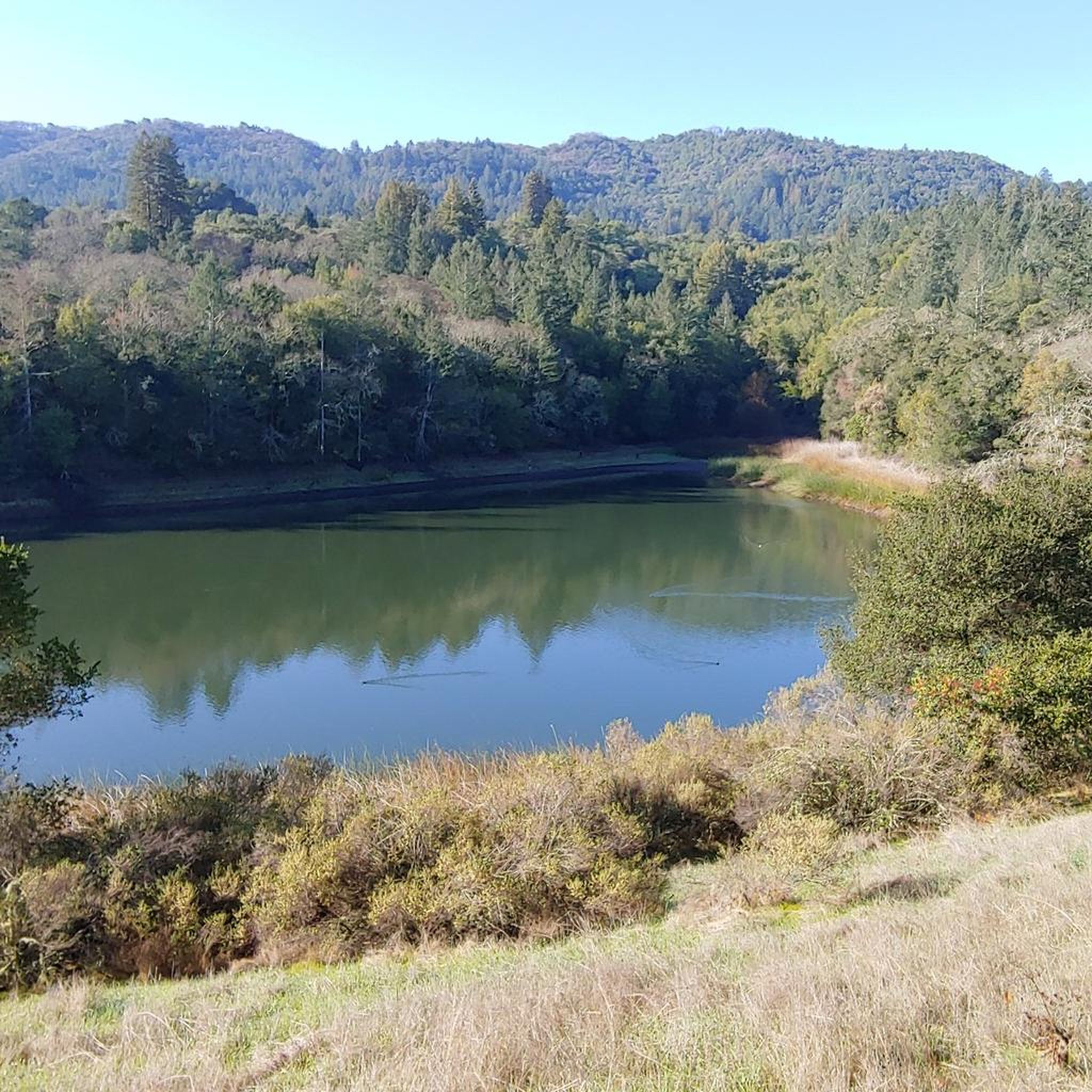
Yes, the region offers beautiful natural features. Schocken Hill provides a great lookout over Sonoma via the Sonoma Overlook Trail, featuring a well-graded hike. You can also visit Fern Lake, a small reservoir ideal for wildlife observation, located near Jack London State Historic Park.
What cultural experiences are available in Boyes Hot Springs and the surrounding Sonoma Valley?
Boyes Hot Springs is at the heart of California's wine country, offering easy access to numerous wineries for tastings and tours. The area is also known for its natural geothermal hot springs, with the Fairmont Sonoma Mission Inn & Spa providing access to therapeutic mineral waters. You can also experience local culture at The Springs Community Farmers Market.
Are there family-friendly attractions around Boyes Hot Springs?
Many attractions in the area are suitable for families. Both Sonoma Plaza and Fern Lake are considered family-friendly. Exploring the historical sites like Petaluma Adobe 🏡 and Jack London State Historic Park can also be engaging for all ages, offering a blend of history and outdoor exploration.
What kind of outdoor activities and trails are available near Boyes Hot Springs?
The region offers a variety of outdoor activities. You can find numerous running trails, including routes like the Sonoma State Historic Park – Schocken Hill loop. For cycling enthusiasts, there are options ranging from easy to difficult, such as the Vineyard Road in Napa Valley loop. Explore more options on the Running Trails around Boyes Hot Springs and Cycling around Boyes Hot Springs guide pages.
Are there easy hiking trails suitable for beginners?
Yes, there are trails suitable for various skill levels. The Sonoma Overlook Trail, leading to Schocken Hill, is described as a well-graded hike. For running, an easy option is the Sonoma Plaza – Sonoma Plaza with City Hall loop. You can find more details on the Running Trails around Boyes Hot Springs guide.
Can I find cycling routes in the Boyes Hot Springs area?
Absolutely. The area is popular for cycling, with routes like the Sonoma to Napa loop via Napa Valley Vine Trail for road cyclists, and the Vineyard Road in Napa Valley – Sonoma Plaza loop for touring bicycles. For a comprehensive list of routes, check out the Cycling around Boyes Hot Springs and Road Cycling Routes around Boyes Hot Springs guides.
Are there any wheelchair-accessible attractions?
Yes, Sonoma Plaza is noted as wheelchair accessible, offering a central location with shops and restaurants. It's a great place to experience the heart of Sonoma.
Are there dog-friendly options for visitors?
While specific dog rules for all trails are not detailed, many outdoor areas in Sonoma Valley are generally welcoming to dogs on leash. It's always best to check specific park regulations before visiting, especially for state historic parks like Jack London State Historic Park, which may have restrictions.
When is the best time to visit Boyes Hot Springs?
Boyes Hot Springs and the Sonoma Valley are enjoyable year-round. However, the spring and fall months (April-May and September-October) typically offer pleasant weather for outdoor activities and wine tasting, avoiding the hotter summer temperatures and potential winter rains. The natural hot springs are a draw in any season.
What do visitors enjoy the most about Boyes Hot Springs?
Visitors appreciate the blend of historical sites, natural beauty, and cultural experiences. The therapeutic geothermal hot springs are a major draw for relaxation. The proximity to world-class wineries and the charm of Sonoma Plaza are also highly valued, as is the opportunity to explore places like Jack London State Historic Park.
Where can I find information about the natural hot springs themselves?
The natural geothermal hot springs are the namesake of the area and have been a draw for centuries. The Fairmont Sonoma Mission Inn & Spa is built on the site of the original Boyes Hot Springs Hotel and offers access to these thermal mineral waters through various pools and spa treatments. You can learn more about the history of the springs at wikipedia.org.

Get inspired with the komoot mobile app


Explore more
Still not found the Highlight you’re looking for? See guides of the top attractions in other regions:
