The best walks and hikes around Downieville-Lawson-Dumont
5.0
(5)
218
hikers
21
hikes
Hiking around Downieville-Lawson-Dumont offers access to trails within the Arapaho National Forest and James Peak Wilderness. The region is characterized by mountainous terrain, including high-altitude lakes, alpine forests, and open tundra. Elevations vary significantly, providing diverse hiking experiences from gentle lakeside paths to challenging ascents towards prominent peaks.
Best hiking trails around Downieville-Lawson-Dumont
- The most popular hiking route is Saint Mary's Glacier — Arapaho National Forest, a 2.0 miles (3.2 km) trail that takes about 1 hour 18 minutes to complete. This moderate path leads to a scenic glacier and alpine lake.
- Another top favourite among local hikers is James Peak Trail — James Peak Wilderness, a difficult 8.1 miles (13.0 km) path. This route features significant elevation gain and expansive views from the summit of James Peak.
- Local hikers also love the Loch Lomond Trail — Arapaho National Forest, a 4.6 miles (7.4 km) trail leading through alpine landscapes to a high-elevation lake, often completed in about 2 hours 15 minutes.
- Hiking around Downieville-Lawson-Dumont is defined by high-altitude lakes, dense pine forests, and rugged mountain peaks. The network offers options for various ability levels, from easy lakeside strolls to strenuous wilderness climbs.
- The routes in Downieville-Lawson-Dumont are highly rated by the komoot community with an average score of 5.0 stars from 5 reviews. More than 200 hikers have used komoot to explore Downieville-Lawson-Dumont's varied terrain.
Last updated: May 16, 2026
4
hikers
8.11km
03:41
930m
80m
Hard hike. Very good fitness required. Mostly accessible paths. Sure-footedness required.
3
hikers
1.25km
00:33
160m
0m
Moderate hike. Great for any fitness level. Mostly accessible paths. Sure-footedness required.

Sign up for free
5.44km
02:01
450m
110m
Moderate hike. Good fitness required. Mostly accessible paths. Sure-footedness required.
13.0km
03:56
550m
280m
Moderate hike. Good fitness required. Easily-accessible paths. Suitable for all skill levels.
16.5km
05:04
730m
360m
Hard hike. Very good fitness required. Easily-accessible paths. Suitable for all skill levels.
Get access to more routes and recommendations from other explorers.
Sign up for free
Already have an account?
Our route recommendations are based on thousands of hikes, rides, and runs completed by other people on komoot.
Start today with a free account
Your next adventure awaits.
Login or Signup
Popular around Downieville-Lawson-Dumont
Tips from the Community

Yankee Hill stands at 11,237 feet (3,425 m) above the Lake Quivira trailhead in the James Peak Wilderness. The track that leads to close to its summit is steep in places and rocky, but passable on a tough touring bike as long as you don't mind pushing occasionally. It's a popular 4x4 trail, so the peace may be broken at times, but it's fun watching the trucks.
0
0

James Peak is a 13,294-foot summit in the James Peak Wilderness. The Ute Trail and James Peak trail carry you to the ridge, which is steep at times but never calls for more than class 1 travel. There are numerous other 12,000 and 13,000 foot peaks in this area of the wilderness, and there is a multitude of alpine lakes in the surrounding basins.
0
0

The trail up to Saint Mary's Lake is a wide gravel road and is steep but not technical. Once you get past the glacier the trail becomes a highland singletrack. Here you escape the crowds and are rewarded with serene alpine scenery.
0
0

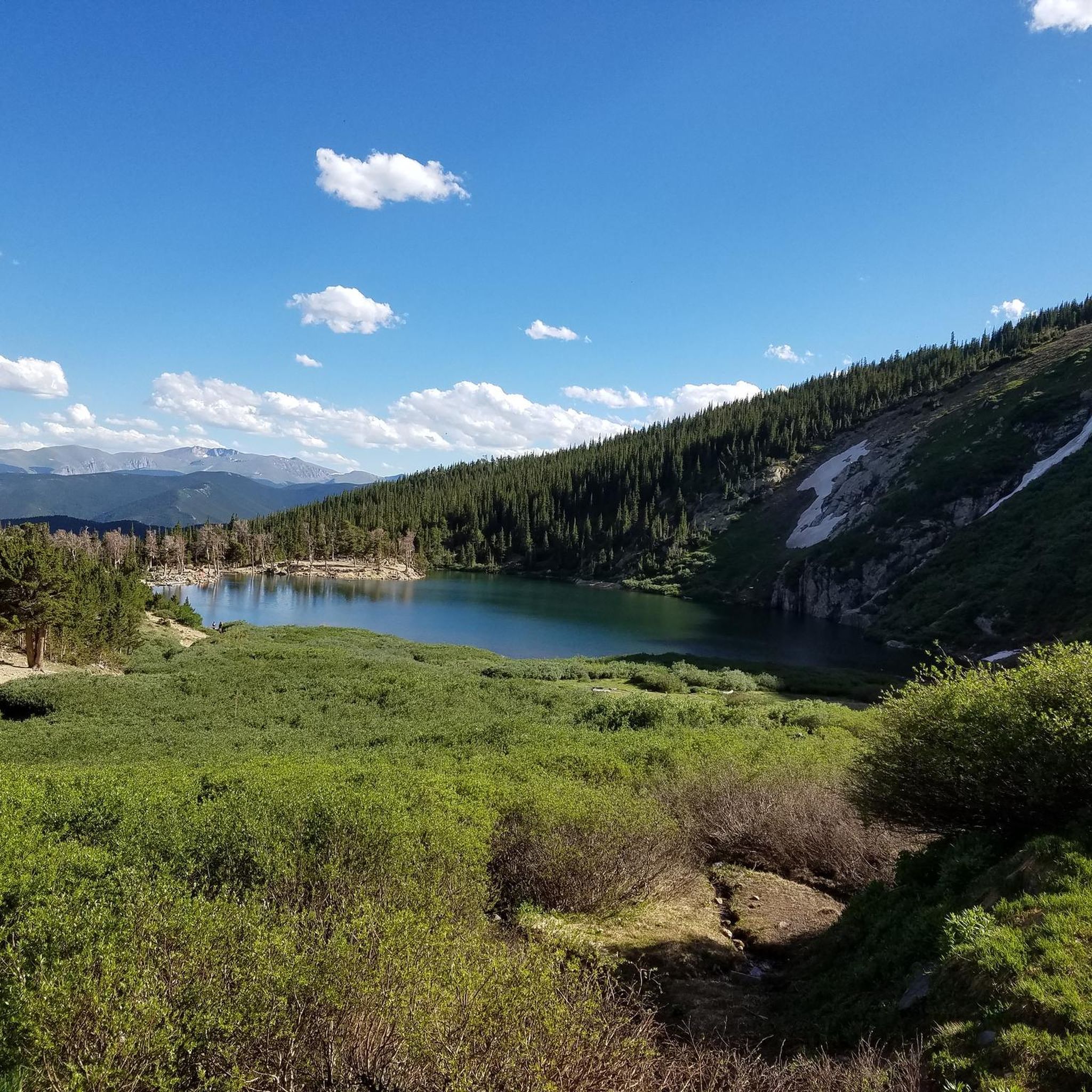
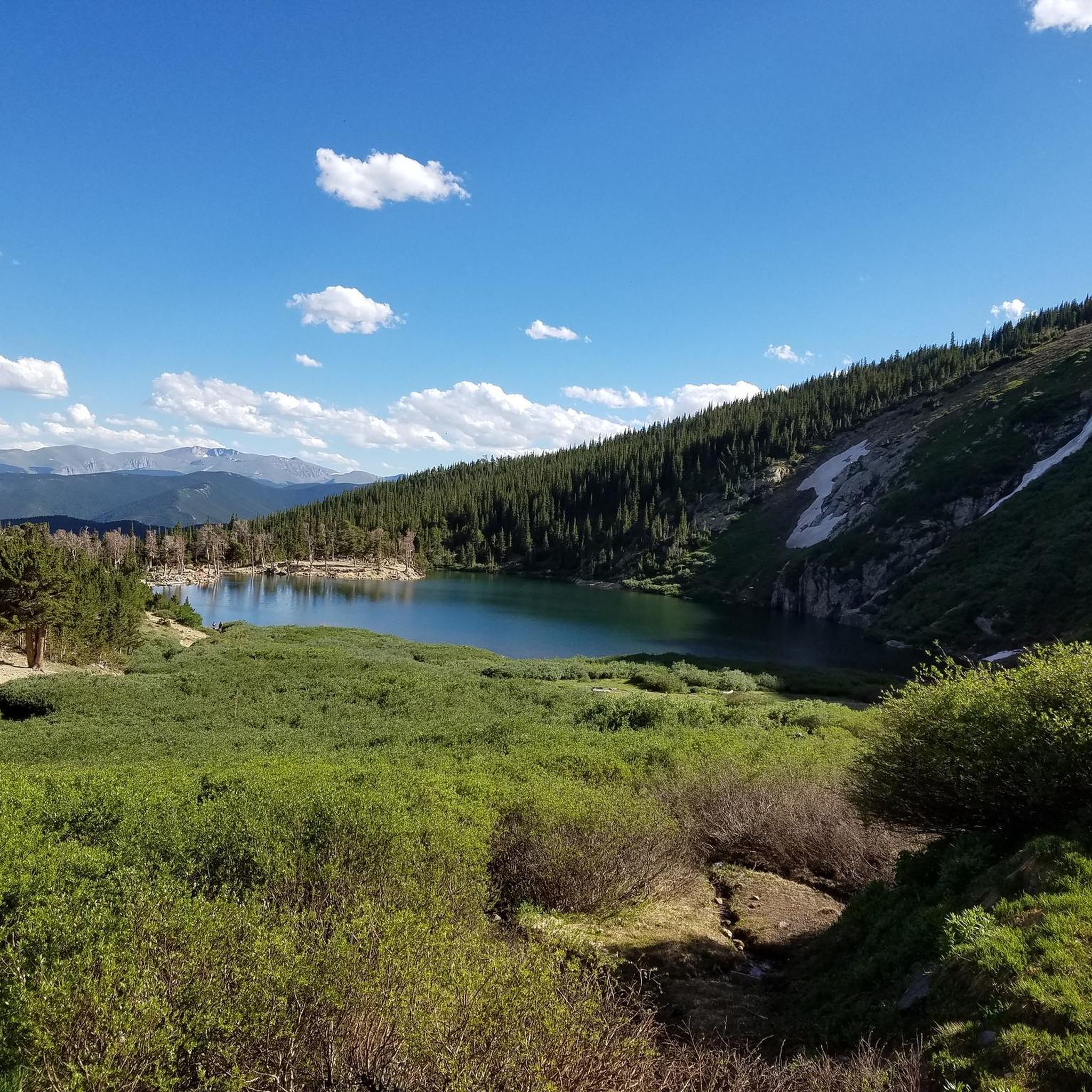
Fed by the snowmelt of Saint Mary's Glacier, this alpine lake is set in stunning scenery just half a mile from the parking area. The beginning of the trail is often heavily trafficked with hikers and other runners, but the further you continue past the lake, the quieter the trail becomes.
0
0
Saint Mary's Glacier actually isn't a glacier at all; it's simply a snowfield that doesn't completely melt in the warmer months. The persistence of snow throughout the year caused people to start referring to the snow mass as a glacier, but it isn't actually moving down the valley (which is the distinguishing feature of a glacier). This is still a cool feature to come check out any time of year.
0
0
Saint Mary's Glacier actually isn't a glacier at all; it's simply a snowfield that doesn't completely melt in the warmer months. The persistence of snow throughout the year caused people to start referring to the snow mass as a glacier, but it isn't actually moving down the valley (which is the distinguishing feature of a glacier). This is still a cool feature to come check out any time of year.
0
0
Saint Mary's Lake is fed by the melting Saint Mary's Glacier. There is a paid parking area below the lake with restrooms and informational signs. The hike up to the lake is extremely popular, but the further you push past the lake, the fewer people you will encounter.
0
0
James Peak is a 13,294-foot summit in the James Peak Wilderness. The Ute Trail and James Peak trail carry you to the ridge, which is steep at times but never calls for more than class 1 travel. There are numerous other 12,000 and 13,000 foot peaks in this area of the wilderness, and there is a multitude of alpine lakes in the surrounding basins.
0
0
Frequently Asked Questions
How many hiking trails are available in the Downieville-Lawson-Dumont area?
The Downieville-Lawson-Dumont area, encompassing parts of the Arapaho National Forest and James Peak Wilderness, offers a variety of hiking experiences. There are 13 distinct hiking routes documented, ranging from easy strolls to challenging mountain ascents.
What kind of terrain can I expect on hikes around Downieville-Lawson-Dumont?
Hikers in Downieville-Lawson-Dumont can expect diverse mountainous terrain. This includes high-altitude lakes, dense alpine forests, and open tundra. Elevations vary significantly, providing everything from gentle lakeside paths to strenuous climbs towards prominent peaks. You'll encounter both well-maintained trails and more rugged wilderness paths.
What do other hikers say about the trails in Downieville-Lawson-Dumont?
The trails in Downieville-Lawson-Dumont are highly regarded by the komoot community, with an average rating of 5.0 stars from 5 reviews. Over 200 hikers have explored the varied terrain using komoot, often praising the stunning alpine scenery and the sense of wilderness adventure.
Are there easy hiking options suitable for beginners in Downieville-Lawson-Dumont?
Yes, there are 5 easy hiking routes available. A great option for beginners or a relaxed outing is the Tom Bennhoff Lake Trail — Georgetown Lake, which is a relatively flat path perfect for a leisurely walk.
Are there challenging hikes for experienced trekkers in the area?
Absolutely. For experienced trekkers, there are 4 difficult routes. The James Peak Trail — James Peak Wilderness is a notable difficult path, featuring significant elevation gain and rewarding hikers with expansive views from the summit of James Peak.
What natural landmarks or scenic viewpoints can I discover while hiking?
The region is rich with natural beauty. You can visit stunning high-altitude lakes like Saint Mary's Lake and Loch Lomond. For panoramic views, consider routes that ascend towards peaks like Mount Flora or the James Peak summit.
What is the best time of year to go hiking in Downieville-Lawson-Dumont?
Given the high-altitude nature of the Downieville-Lawson-Dumont area, the best time for hiking is typically from late spring through early autumn (June to September). During this period, trails are generally free of snow, and the weather is more stable. Fall offers spectacular foliage, but be prepared for cooler temperatures and potential early snow at higher elevations.
Are there family-friendly hiking trails in Downieville-Lawson-Dumont?
Yes, several trails are suitable for families. Easy routes like the Clear Creek Greenway — Idaho Springs offer gentle paths. The area's lakeside trails, such as those around Georgetown Lake, also provide accessible and enjoyable options for all ages.
Are dogs allowed on the hiking trails in Downieville-Lawson-Dumont?
Generally, dogs are permitted on trails within the Arapaho National Forest and James Peak Wilderness, but they must be kept on a leash. Always check specific trail regulations before heading out, especially in designated wilderness areas, as rules can vary.
Is parking available at trailheads in Downieville-Lawson-Dumont?
Parking is typically available at most major trailheads within the Arapaho National Forest and James Peak Wilderness. Some popular spots, especially those leading to well-known attractions like Saint Mary's Glacier, may have designated parking lots, sometimes requiring a fee or a specific pass. It's advisable to arrive early during peak season.
Do I need a permit to hike in the Downieville-Lawson-Dumont area?
While many trails in the Arapaho National Forest do not require specific hiking permits, some areas, particularly within the James Peak Wilderness, may have regulations regarding group size or require a self-issued permit for overnight stays. Always check with the local Forest Service office for the most current information before your hike.
Are there any notable lakes to visit on hikes in this region?
The region is known for its beautiful high-altitude lakes. You can hike to Saint Mary's Lake, which is often associated with the glacier, or explore the scenic Loch Lomond. The Loch Lomond Trail is a popular route to reach this stunning lake.
Most popular routes around Downieville-Lawson-Dumont
Most popular attractions around Downieville-Lawson-Dumont

Get inspired with the komoot mobile app


Explore more
Browse the best Hikes in other regions.
