The best walks and hikes around Dinklage
4.5
(2029)
8,199
hikers
110
hikes
Hiking around Dinklage offers diverse terrain within the Vechta district of Lower Saxony, Germany. The region is characterized by a blend of moors, geestlands, and rolling hills, providing varied landscapes for exploration. Key features include the Burgwald Dinklage nature reserve with its near-natural forest and wetlands, and the surrounding flat countryside intersected by streams and tree lines. This mix of environments creates accessible paths and trails suitable for various skill levels.
Best hiking trails around Dinklage
- The most popular hiking…
Last updated: August 21, 2026
4.4
(90)
325
hikers
9.51km
02:24
10m
10m
Moderate hike. Good fitness required. Easily-accessible paths. Suitable for all skill levels.
4.6
(35)
200
hikers
3.50km
00:53
10m
10m
Easy hike. Great for any fitness level. Easily-accessible paths. Suitable for all skill levels.

Sign up for free
4.6
(25)
129
hikers
4.05km
01:01
10m
10m
Easy hike. Great for any fitness level. Easily-accessible paths. Suitable for all skill levels.
5.0
(5)
80
hikers
Easy hike. Great for any fitness level. Easily-accessible paths. Suitable for all skill levels.
4.2
(6)
56
hikers
4.96km
01:15
10m
10m
Easy hike. Great for any fitness level. Easily-accessible paths. Suitable for all skill levels.
Get access to more routes and recommendations from other explorers.
Sign up for free
Already have an account?
Our route recommendations are based on thousands of hikes, rides, and runs completed by other people on komoot.
Start today with a free account
Your next adventure awaits.
Login or Signup
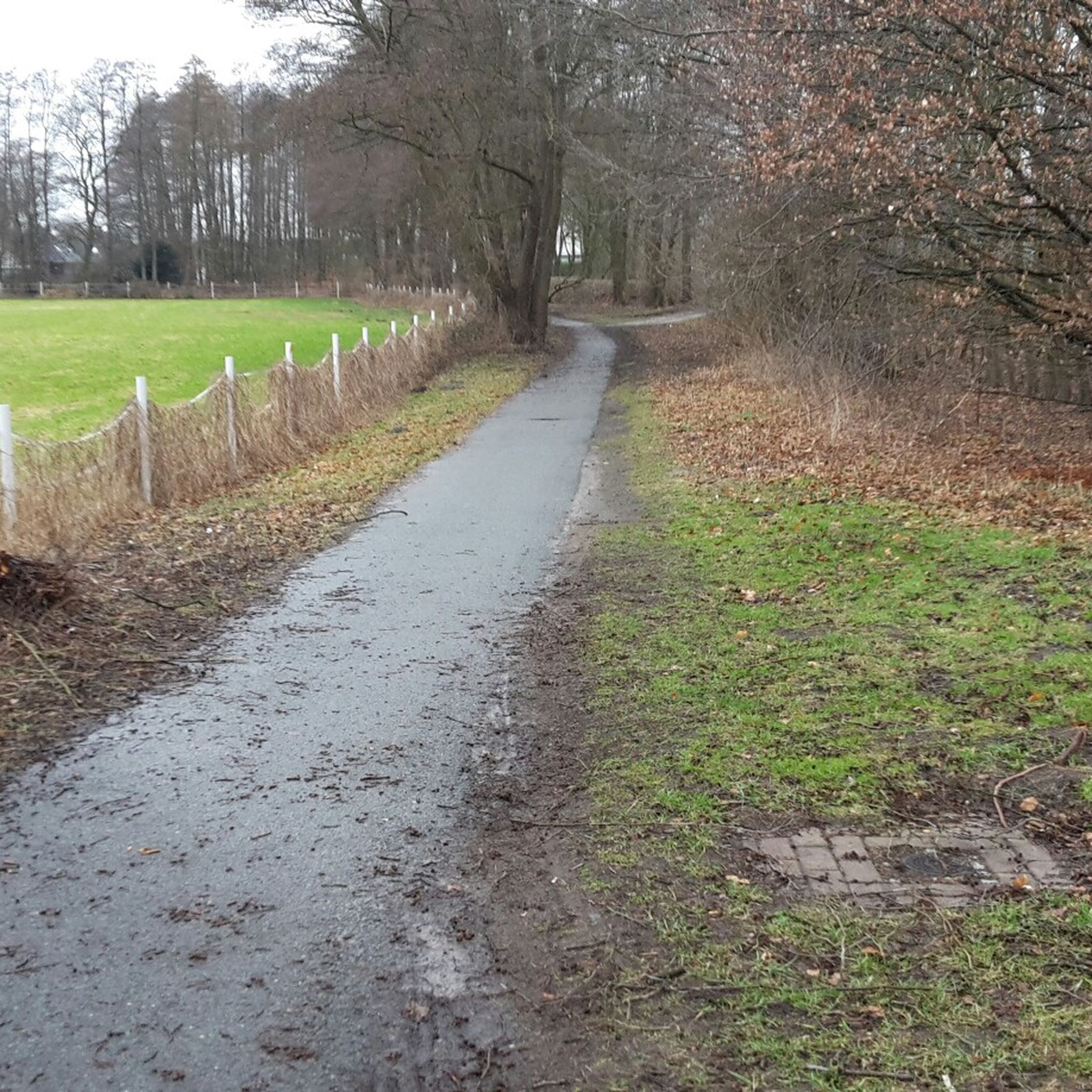
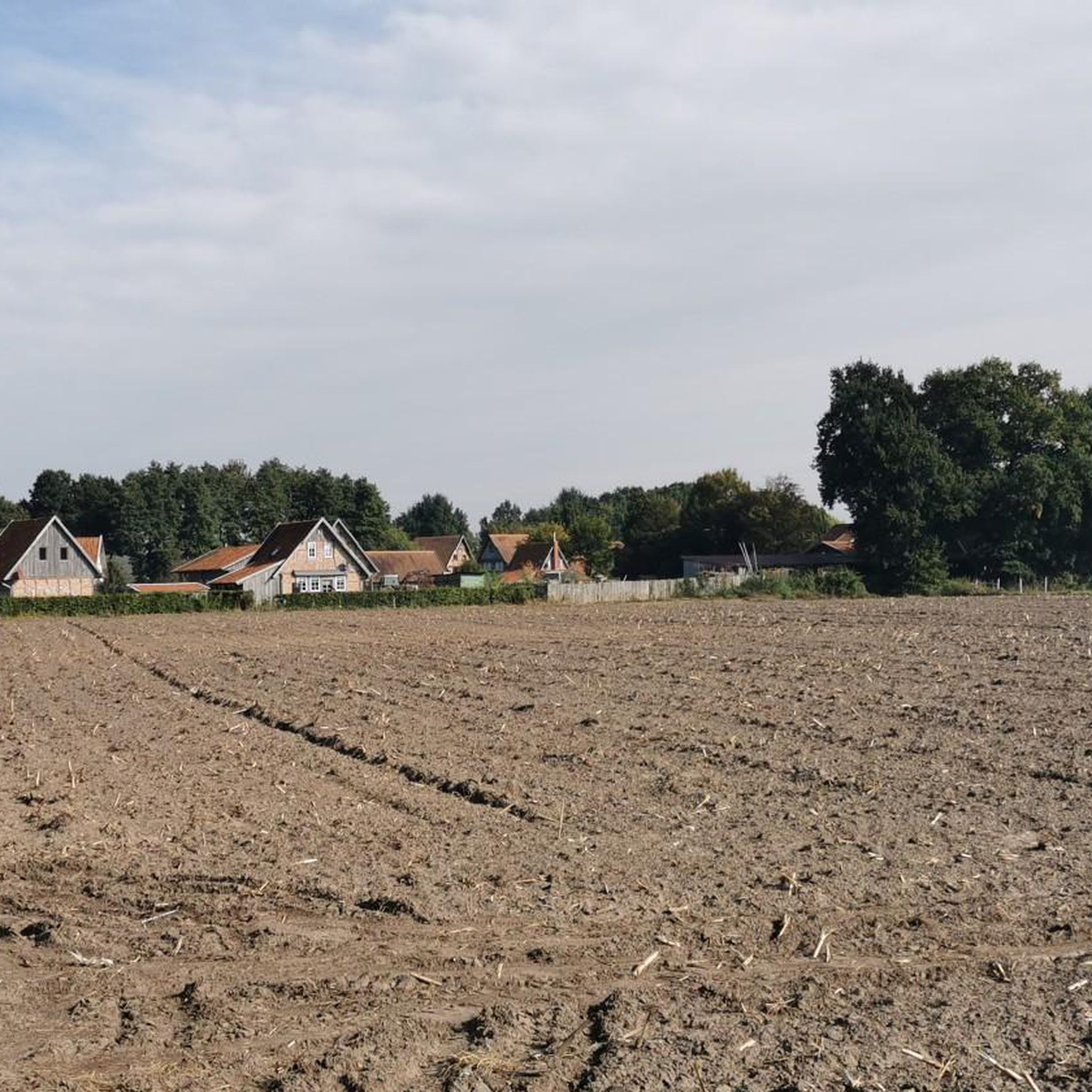
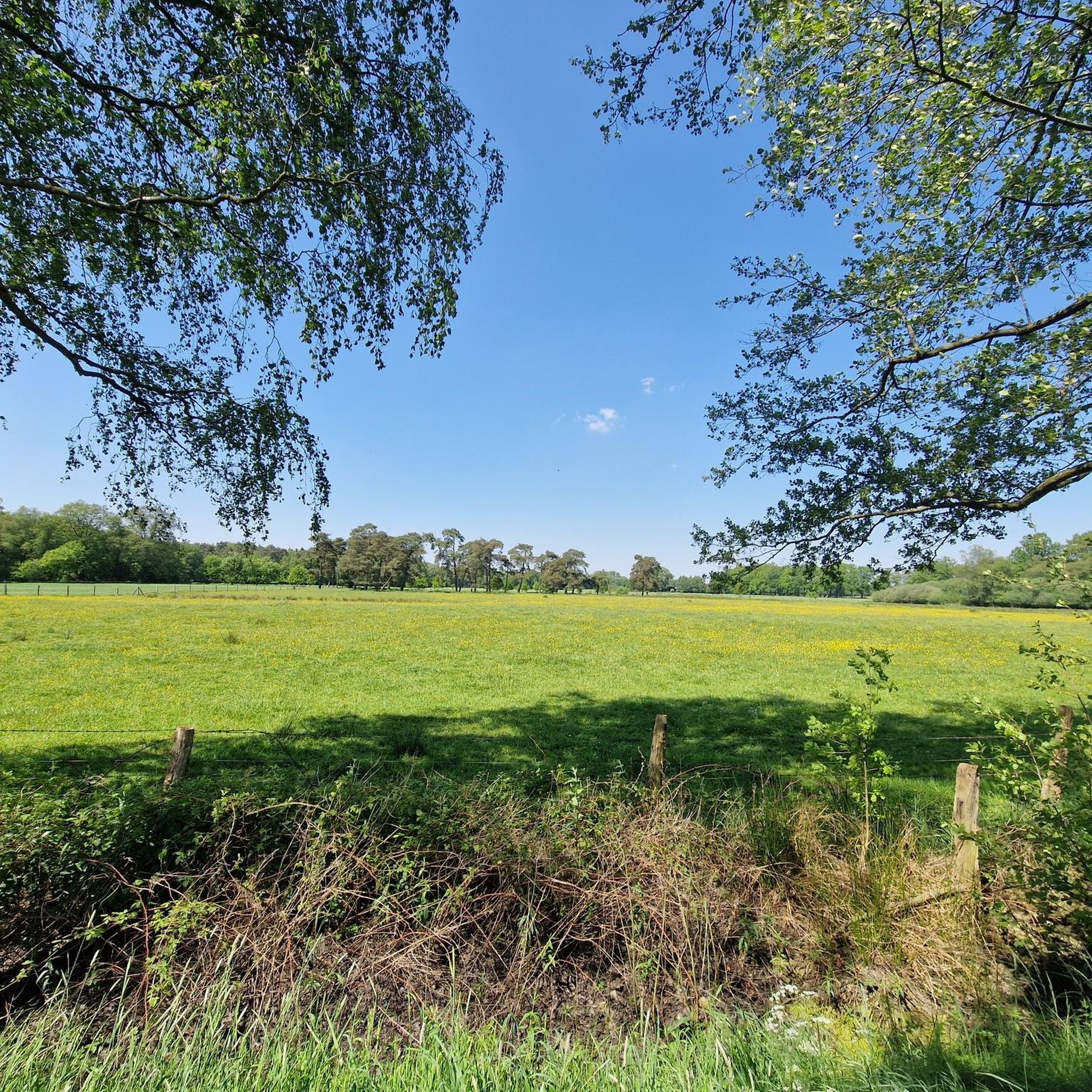
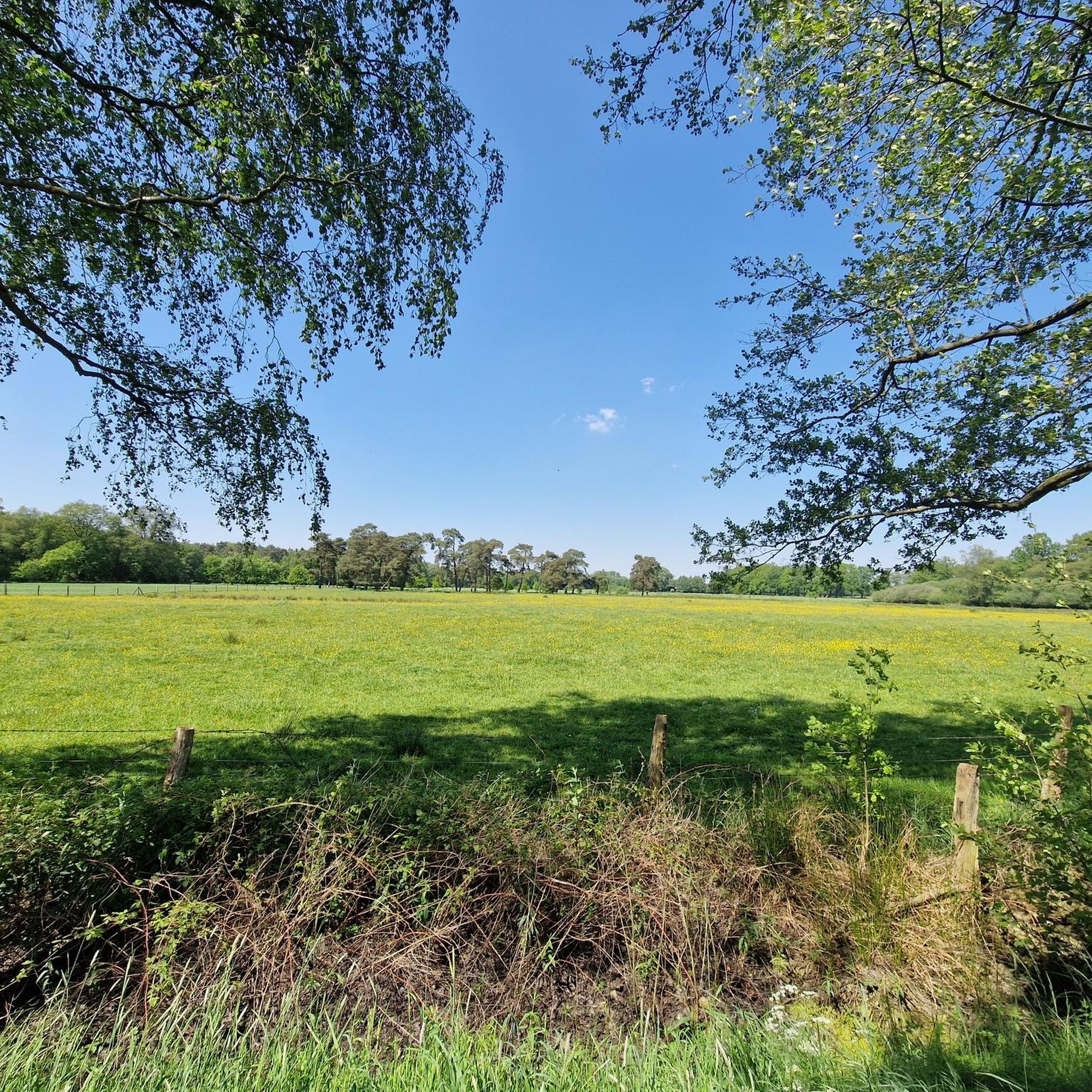

Tips from the Community

Beautifully located, a heavenly peace
0
0
Very nicely located, really beautiful
0
0

Dinklage Castle Abbey (St. Scholastica Abbey) is the name of a Benedictine nunnery. It is located within Dinklage Castle in Dinklage, Vechta district, in the Oldenburg Münsterland region of Lower Saxony. The abbey is named after Saint Scholastica, sister of Saint Benedict of Nursia. The monastery is situated in Dinklage Castle, a moated castle that was owned by the Westphalian noble family von Galen until 1949. Clemens August Count von Galen (1878–1946), later Bishop and Cardinal of Münster, was born in the castle and was beatified by Pope Benedict XVI on October 9, 2005. Since 1983, the castle has been located within the "Dinklage Castle" landscape conservation area.[1] In 2017, the Burgwald Dinklage nature reserve, within which the castle is nestled, was removed from this area.
0
0
History of the Mill Until the construction of the Schwege Mill, the only mills in the Dinklage area were the count's watermill at Dinklage Castle, built in 1460 and renovated in 1730, and the count's post mill in Bünne, built in 1628, which was replaced in 1688 by a gallery windmill "Auf dem Hövel." Later, the mill was called "Holthaus Mill." 1848–1849: Construction of the Schwege Mill by Böckmann and Schulte on Schulte's property in Schwege. (Zeller = term for the owner of a farm (full-time farm) in the Oldenburg Münsterland region) The sons of mill co-owner Böckmann were the first millers at the mill. Hence the name "Bäukn's Mill." In 1864, Bernhard Wehebrink leased the mill. The leasehold lasted until 1964. It also included a small farm and outbuildings. A rye bread bakery was built on the mill grounds between 1870 and 1871. Rye bread was baked there until the 1950s. Around 1880, Bernhard Wehebrink built a motor mill next to the windmill, initially powered by a steam engine. Later, he installed a diesel engine and then an electric motor. Millstones continued to be used for grinding the grain. The motor mill was demolished around 1970. Bernhard Wehebrink died in 1913 at the age of 80. His son, Heinrich Wehebrink, took over the mill. In 1914, the millstones fell silent. A severe storm destroyed two sails. New ones were ordered and cut to size, but they were never installed after the end of World War I. Milling operations continued with the motor mill. In 1925, lightning struck the remaining sails and set them ablaze. Afterward, the mill began to fall into disrepair. When the Schulte and Böckmann families, the owners, planned to demolish the mill in the early 1960s, Josef Hürkamp, then chairman of the Dinklage Local History Society, campaigned for its preservation. Unlike many mill ruins in the Vechta district, the interior of the Schweger Mill was still almost completely intact and only slightly damaged. The mill's owners agreed to lease it to the town of Dinklage. That same year, the town of Dinklage commissioned the Local History Society to care for and maintain the mill. Renovation began in 1962, initially with the installation of new sails, a new gallery, the re-shingling of the octagonal structure, and the replacement of the wind beam. To this day, numerous further preservation measures have been undertaken to ensure the continued existence and functionality of the Schweger Mill. After Josef Hürkamp, Josef Vodde, Gerd Gehlenborg, and Paul Arlingshaus took charge of preserving the mill. Since 2004, maintenance work and other activities related to the mill have been shared among the many members of the Friends of the Mill association. In 1964, the Schweger Mill was designated a historical monument. In 1967/68, a horse-powered mill building was erected on the mill grounds. It is used as a meeting room and for events. In the following years, the old bakehouse was also renovated. In 2006/2007, the Klöönhus (a small building) was constructed. This building houses a kitchen and three restrooms, one of which is accessible for people with disabilities.
0
0

A lovely, old shady spot by a small pond (with a frog concert during the season!). Several hiking trails through the Burgwald forest also intersect here. A nearby bench invites you to linger.
0
0
At this point, the Dinkel River (if it has water) can be crossed without getting wet. There's a gate in the attached railing through which you can slip. The gate also serves as a connecting path between the fitness trail and the access road to Ferdinandsburg Castle.
0
0

Frequently Asked Questions
What kind of terrain can I expect on hiking trails around Dinklage?
Dinklage offers a diverse landscape for hikers. You'll find a blend of moors, geestlands, and rolling hills. The region features generally flat countryside intersected by streams and tree lines, but also includes areas like the Burgwald Dinklage nature reserve with its near-natural forest and wetlands. This variety provides both easy walks and routes with gentle elevation changes.
Are there many easy hiking trails suitable for beginners in Dinklage?
Yes, Dinklage is very welcoming for hikers of all skill levels. Out of over 120 hiking routes, more than 85 are classified as easy. These paths are perfect for beginners, families, or those looking for a relaxed stroll through nature.
What are some natural features or landmarks I can see while hiking in Dinklage?
The area boasts several interesting natural features and historical landmarks. You can explore the Burgwald Dinklage nature reserve, which includes a near-natural forest and wetland areas. Hikers can also discover the oldest moated castle in the Oldenburger Münsterland, Dinklage Castle, located within the Burgwald. Other points of interest include the charming area around the Schweger Mühle (Schwege Mill) and opportunities for wildlife observation in areas like the deer enclosure.
Are there any circular hiking routes in Dinklage?
Yes, many of the trails around Dinklage are designed as circular routes, allowing you to start and end at the same point. For example, the Moorland in Burgwald Dinklage – Old Rentei, Dinklage Castle loop from Dinklage is an easy 5.9 km circular hike that takes you through the Burgwald forest and past the historic castle.
Can I bring my dog on the hiking trails in Dinklage?
Dinklage offers several dog-friendly trails. The natural environment, especially within the Burgwald forest and along the open countryside paths, is generally suitable for walks with dogs. Always ensure your dog is on a leash where required and respect local wildlife and other hikers.
Are there family-friendly hiking options in Dinklage?
Absolutely. Dinklage has many easy and accessible paths perfect for families. The generally flat countryside and well-maintained trails make it easy for children to participate. Routes like the World War II Bomber Memorial – Vila Vita Wildlife Park loop from Dinklage offer shorter distances and points of interest that can engage younger hikers.
What do other hikers say about the trails in Dinklage?
The hiking routes in Dinklage are highly regarded by the komoot community, with an average rating of 4.4 stars from over 300 reviews. Hikers often praise the diverse landscapes, the tranquility of the Burgwald forest, and the well-maintained paths that make for enjoyable outings.
Are there opportunities for wildlife spotting while hiking?
Yes, particularly within the Burgwald Dinklage nature reserve. This area is home to diverse wildlife, including amphibians like the protected great crested newt. The Spring in Burgwald Dinklage – View of the Deer Enclosure loop from Dinklage specifically offers opportunities for wildlife observation, including deer.
What is the best time of year to go hiking in Dinklage?
Dinklage offers pleasant hiking experiences throughout much of the year. Spring brings blooming nature, while autumn showcases beautiful foliage in the forests. Summer is ideal for longer excursions, and even mild winter days can be suitable for a refreshing walk, especially on the well-established paths.
Are there places to eat or stay near the hiking trails in Dinklage?
Dinklage and its surrounding areas offer various options for refreshments and accommodation. The charming area around the Schweger Mühle, for instance, has a café. You'll find local pubs and restaurants in Dinklage town center, as well as accommodation options ranging from guesthouses to hotels, catering to hikers and visitors.
How many hiking routes are available in the Dinklage region?
There are over 120 hiking routes recorded in the Dinklage region, offering a wide selection for different preferences and fitness levels. These include easy strolls, moderate excursions, and a few more challenging paths.
Most popular routes around Dinklage
Most popular attractions around Dinklage

Get inspired with the komoot mobile app


Explore more
Browse the best Hikes in other regions.
