The best road cycling routes around Stazerwald / God da Staz
4.5
(173)
9,050
riders
27
rides
Road cycling routes around Stazerwald / God da Staz traverse a landscape characterized by high alpine passes, glacial lakes, and dense forests within the Engadin region. The area features significant elevation changes, with routes often climbing to renowned mountain passes like Julier and Bernina. This terrain offers a mix of challenging ascents and scenic descents, with views of the surrounding peaks and valleys.
Best road cycling routes around Stazerwald / God da Staz
- The most popular road cycling route is…
Last updated: October 8, 2026
4.8
(69)
3,490
riders
107km
05:58
2,330m
2,330m
Hard road ride. Very good fitness required. Mostly well-paved surfaces and easy to ride.
4.8
(32)
1,383
riders
49.5km
02:33
790m
780m
Moderate road ride. Good fitness required. Some segments of this route may be unpaved and difficult to ride.

4.1
(14)
959
riders
54.7km
02:22
480m
480m
Moderate road ride. Good fitness required. Mostly well-paved surfaces and easy to ride.
5.0
(3)
226
riders
33.5km
01:57
750m
750m
Moderate road ride. Good fitness required. Mostly well-paved surfaces and easy to ride.
5.0
(1)
92
riders
28.1km
01:16
290m
290m
Easy road ride. Great for any fitness level. Mostly well-paved surfaces and easy to ride.
Get access to more routes and recommendations from other explorers.
Already have an account?
Our route recommendations are based on thousands of hikes, rides, and runs completed by other people on komoot.
Start today with a free account
Your next adventure awaits.
Popular around Stazerwald / God da Staz
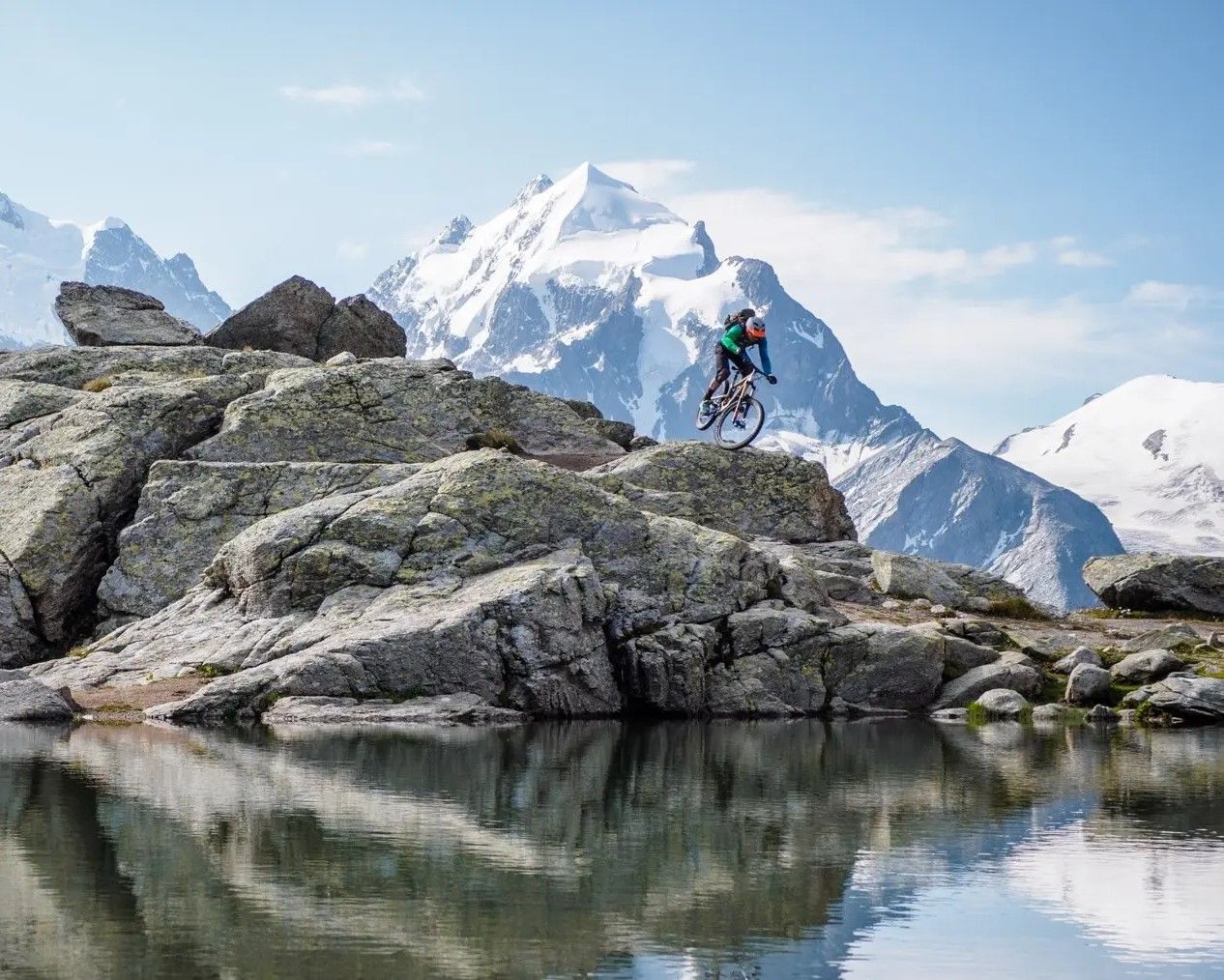
Trails with Swiss glacier views — mountain biking in Pontresina
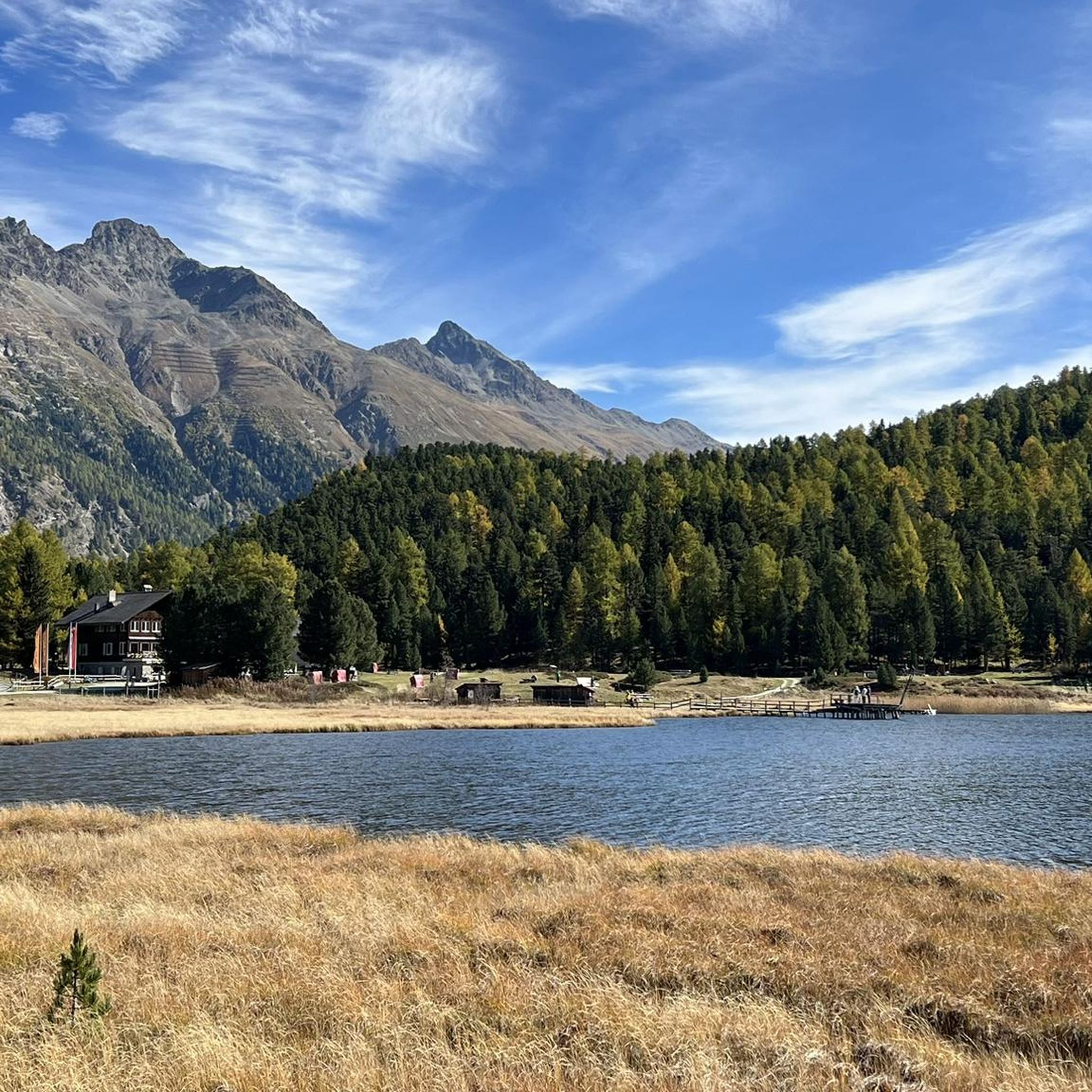
MTB Trails around Stazerwald / God da Staz
Gravel biking around Stazerwald / God da Staz
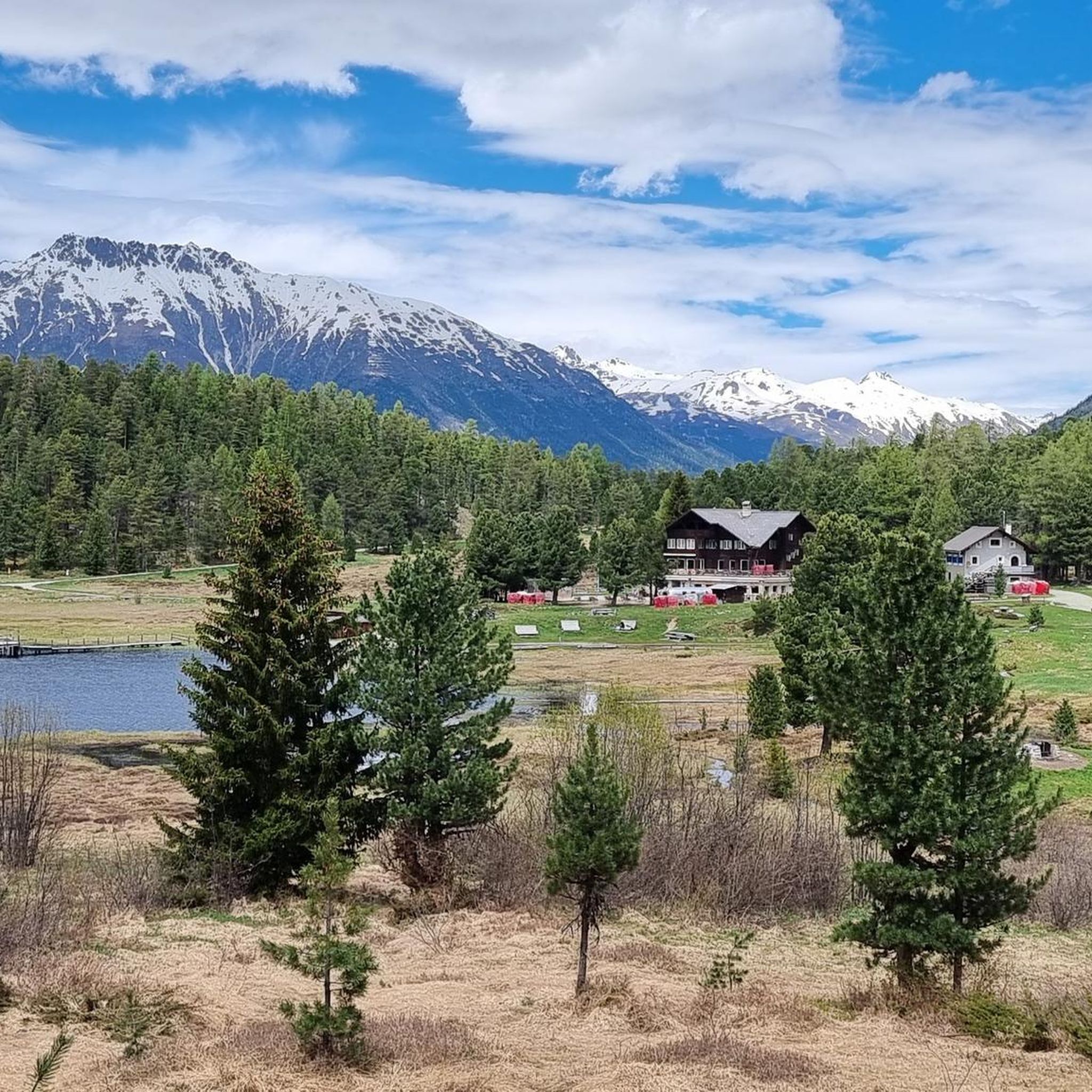
Running Trails around Stazerwald / God da Staz
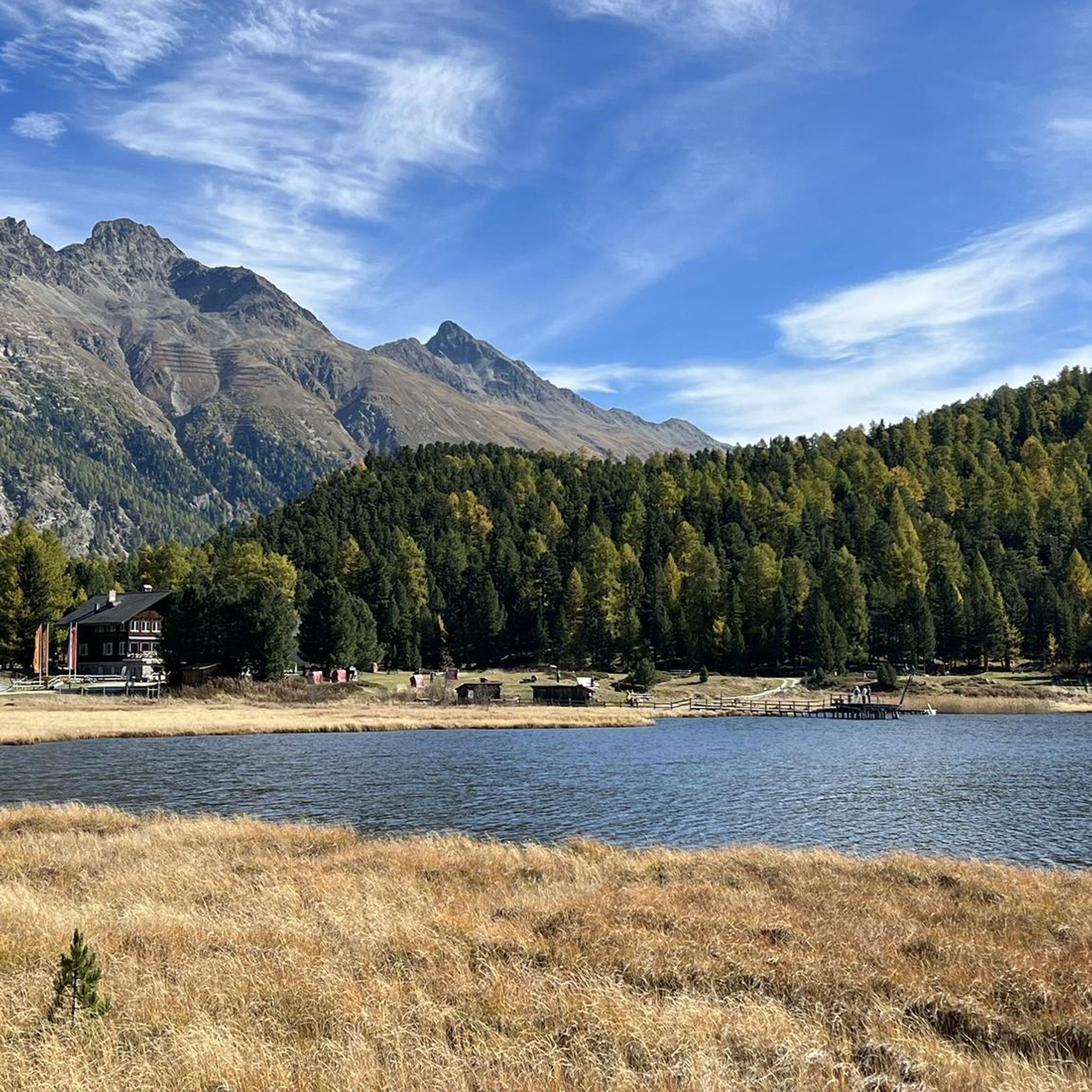
Cycling around Stazerwald / God da Staz
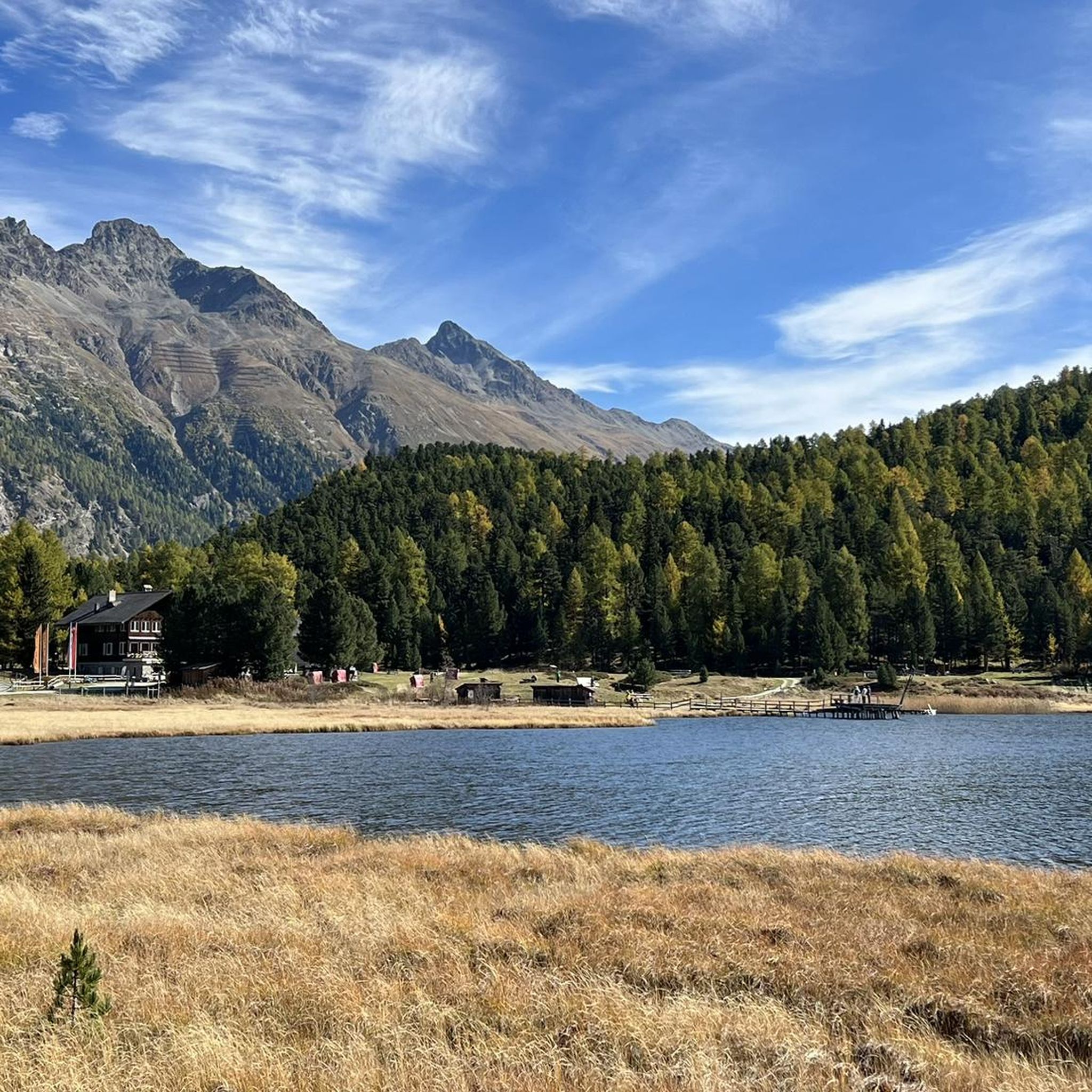
Hiking around Stazerwald / God da Staz
Mountain Hikes around Stazerwald / God da Staz
Other adventures around Stazerwald / God da Staz

Tips from the Community

Very nice viewpoint on the Julierpasstrasse a little above Silvaplana with a view of Silvaplanersee and Lej da Champfer.
0
0
Beautiful view from the pass summit.
0
0

Morteratsch glacier reached its greatest extent in 1857 AD (after the Little Ice Age 13th/14th century - 19th century) up to 100m from the RhB stop, since then a constant retreat. However, as a tree find from 2018 (C4 + Dendrochronology) of a 10400 year old larch shows, that the glacier after the last ice age, (Pleistocene 20000-14000) at the beginning of the Holocene approx. 10000 years ago, the glacier retreated even further than today. Minimum was around 7000 years ago. Then the glacier grew again until max. 1857. The beginning of measurements was from 1915, since then it has continuously retreated. (around 20000 years ago it had connection to the Bernina and Inn glaciers, around 14000 years ago it reached Pontresina and in 1857 almost to the Rhb Morteratsch stop.
0
0

Julier Pass, History (Pass height 2284 m above sea level) The column remnants exactly at the summit of the Julier Pass and the finds of Roman coins nearby point to a very early use of this Alpine crossing. The Septimer Pass, a few kilometers to the west, which was however steeper and more avalanche-prone, can certainly be considered a competitor. What is certain is that both were used intensively in Roman times. The Julier even with two-wheeled carts. In the age of packhorse trains, the Julier increasingly lost importance because the topography at the Septimer Pass was hardly a factor and, moreover, the detour via the Engadin was not necessary. With the construction of a cart track over the Septimer (1387), the Julier was definitively left behind. The Julier remained important for access to the Upper Engadin and the Bernina Pass. The actual road construction over the Julier took place between 1820 and 1826. In this phase of history, the Julier retained "the upper hand" over the Septimer. On the one hand, topographical reasons were decisive, and on the other hand, the canton could not afford to ignore the Engadin. This was the first road construction project in which the canton acted as the client. In the second half of the 19th century, various route adjustments followed, which became necessary due to the increasing feeder traffic for the Upper Engadin health resorts. The opening of the Albula Line of the Rhaetian Railway in 1903 caused car traffic over the Julier to collapse again. When the Federal Council put pressure on the Graubünden government in 1923 for a car-suitable transit route, the canton opted for the Julier route. Between 1935 and 1940, the pass road was renovated and was the first Alpine crossing to receive an asphalt surface. Today, the Julier is the most important, year-round open, northern access to the Engadin. Text / Source: Interessengemeinschaft Alpenpässe IAP, Postfach 11, Realp https://www.alpen-paesse.ch/de/alpenpaesse/julierpass/
13
0
Already in the Roman Empire around 2,000 years ago Already in the Roman Empire around 2,000 years ago, the Julier Pass was of great importance. At the pass summit, two columns of a Roman sanctuary still stand today. Today, the pass road over the Julier is the most important road connection to the Engadin and is passable all year round. In the vicinity of the Julier, you will find numerous hiking and biking routes on which the landscape can be ideally explored. From the Julierhospitz (pass summit 2284 m above sea level), the exploration tour or hike to the clear mountain lake Leg Grevasalvas begins. Text / Source: Graubünden Ferien, Alexanderstrasse 24, Chur https://www.graubuenden.ch/de/ausflugsziele/julierpass
13
0
From Morteratsch and from Montebello, the view towards the Bernina massif is excellent.
0
0
Both from the Morteratsch valley and from Montebello, you can enjoy a magnificent view of glaciers and the Bernina massif.
0
0

Wonderful, quiet floodplain landscape, although close to the road
0
0
Frequently Asked Questions
How many road cycling routes are available in Stazerwald / God da Staz?
There are over 30 road cycling routes in the Stazerwald / God da Staz region, offering a diverse range of experiences from easy rides to challenging alpine pass ascents. These routes are highly rated by the komoot community, with an average score of 4.6 stars.
What kind of terrain can I expect on road cycling routes in Stazerwald / God da Staz?
The Stazerwald / God da Staz region, nestled within the Engadin, is characterized by high alpine passes like Julier and Bernina, glacial lakes, and dense forests. You can expect a mix of challenging ascents, scenic descents, and routes that traverse alpine valleys, offering panoramic views of the surrounding peaks.
Are there road cycling routes suitable for beginners in Stazerwald / God da Staz?
Yes, Stazerwald / God da Staz offers 11 easy road cycling routes perfect for beginners. An example is the Lake St. Moritz – Entrance to St. Moritz loop from Maloja, which provides a gentle introduction to the region's beauty.
Where can I find challenging road cycling routes in Stazerwald / God da Staz?
For experienced cyclists seeking a challenge, there are 8 difficult routes available. A prime example is the Bergün – Julier Pass loop from Pontresina, a demanding 66.7-mile trail featuring significant climbs over the Julier Pass.
Are there any loop trails for road cycling in Stazerwald / God da Staz?
Yes, many road cycling routes in Stazerwald / God da Staz are designed as loops, allowing you to start and finish in the same location. Popular loop options include the Bernina Pass – View of the Bernina Pass loop from St. Moritz and the Silvaplana Market Square – Maloja Pass loop from Pontresina.
What is the best season for road cycling in Stazerwald / God da Staz?
The best season for road cycling in Stazerwald / God da Staz is typically from late spring to early autumn (June to September). During these months, the alpine passes are generally clear of snow, and the weather is most favorable for cycling, offering pleasant temperatures and stunning views.
What attractions can I see along the road cycling routes in Stazerwald / God da Staz?
Many routes offer views of beautiful natural attractions. You can cycle past Lake Staz (Lej da Staz), enjoy the serene Stazer Forest, or ride along the North shore of Lej da San Murezzan. The Roseg Valley also offers picturesque scenery.
Are there family-friendly road cycling routes in Stazerwald / God da Staz?
While many routes involve significant elevation, there are easy options suitable for families, particularly those with older children or those comfortable with moderate distances. Routes around the lakes, such as the Lake St. Moritz – Entrance to St. Moritz loop from Maloja, tend to be flatter and more accessible.
What do other road cyclists enjoy most about road cycling in Stazerwald / God da Staz?
The area is highly rated by the komoot community, with an average score of 4.6 stars from over 140 reviews. Reviewers often praise the breathtaking alpine scenery, the challenge of the mountain passes, and the well-maintained roads that offer a rewarding cycling experience.
Are there cafes or places to stop for refreshments along the routes?
Given the popularity of the Engadin region for outdoor activities, you will find various cafes and restaurants in the towns and villages along the main routes, such as Pontresina, St. Moritz, and Celerina. These provide excellent opportunities for a break and refreshment during your ride.
Is public transport accessible for reaching road cycling routes in Stazerwald / God da Staz?
Yes, the Engadin region has a well-developed public transport network, including trains and buses, which can be utilized to access various starting points for road cycling routes. Many routes begin or pass through towns like Pontresina, St. Moritz, and Celerina Staz, which are well-connected.
Are there viewpoints along the road cycling routes in Stazerwald / God da Staz?
Absolutely. The region is renowned for its stunning vistas. Routes often climb to high passes like Julier and Bernina, offering panoramic views of the surrounding mountains, valleys, and glacial lakes. The Bernina Pass – View of the Bernina Pass loop from St. Moritz, for instance, is specifically highlighted for its panoramic views.
Most popular routes around Stazerwald / God da Staz
Most popular attractions around Stazerwald / God da Staz

Get inspired with the komoot mobile app


Explore more
Browse the best Road cycling routes in other regions.
