The best walks and hikes around Puszcza Bukowa
4.5
(441)
4,537
hikers
42
hikes
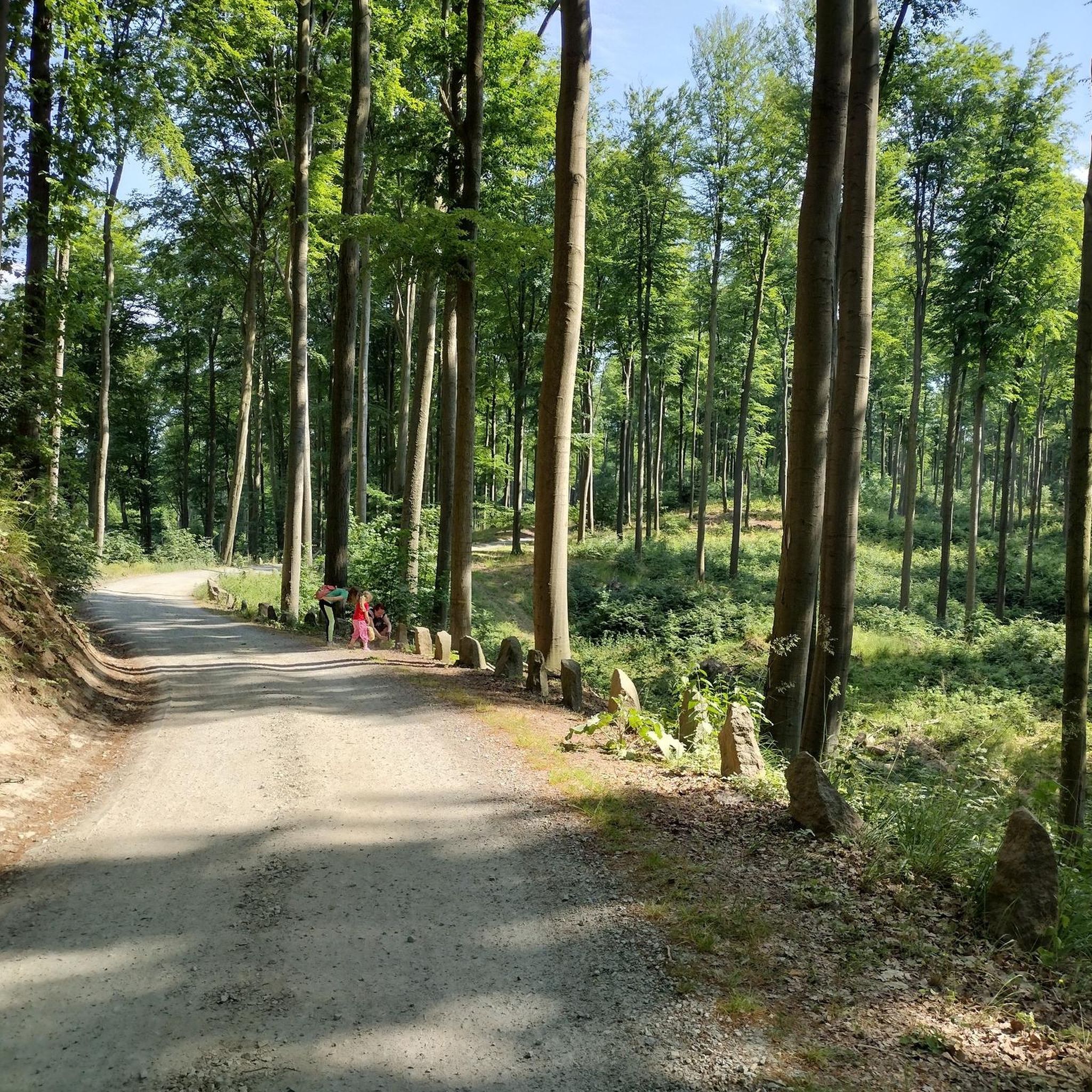
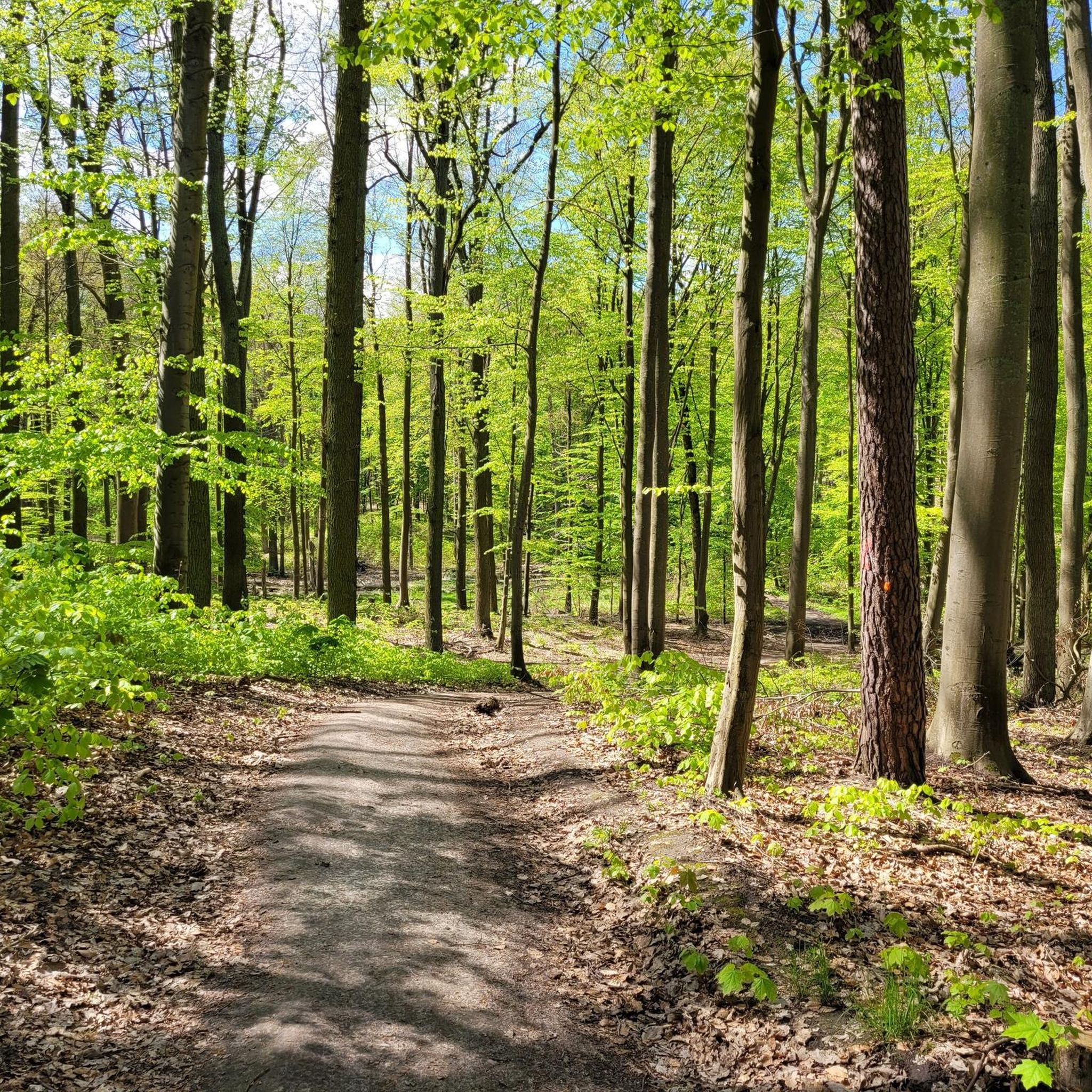
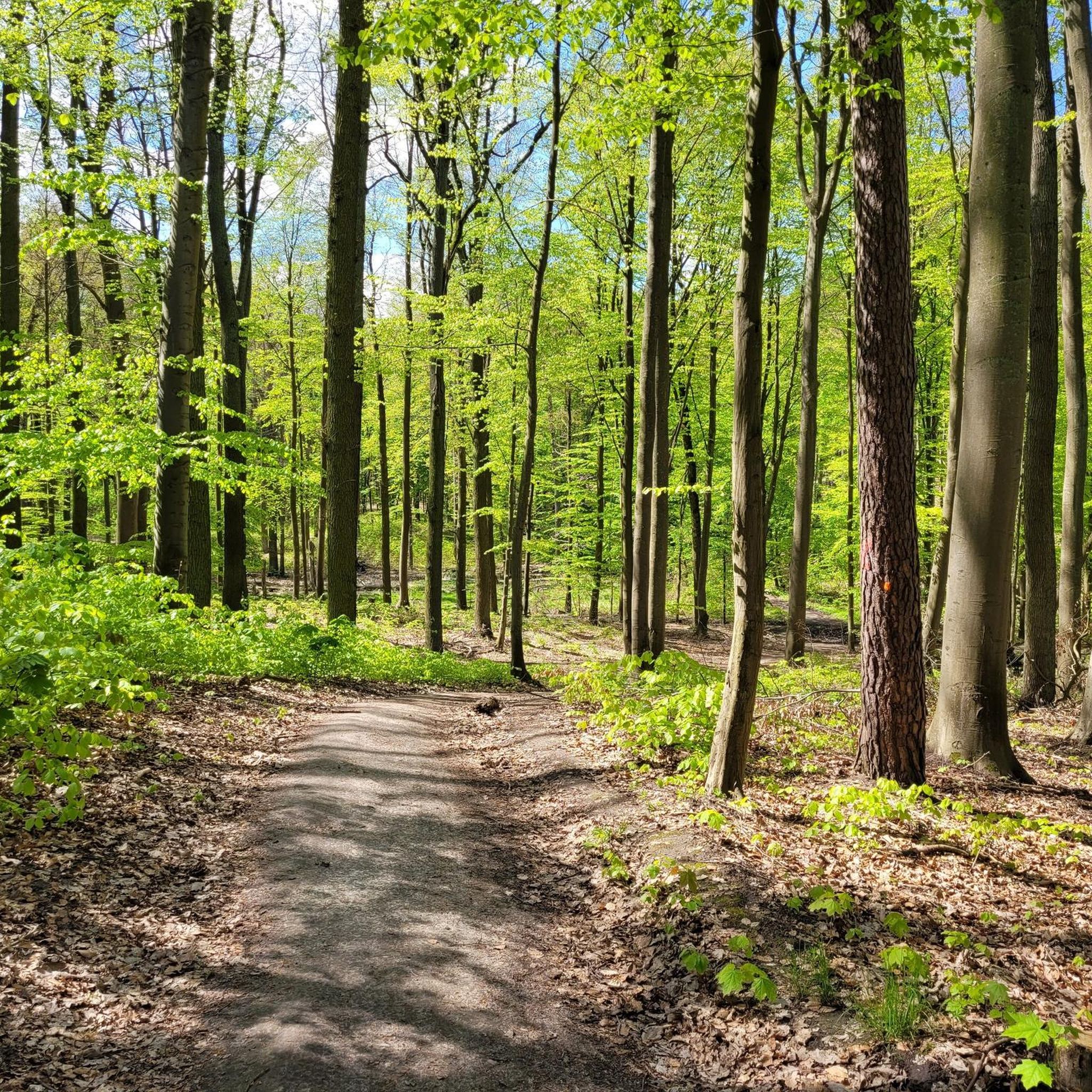
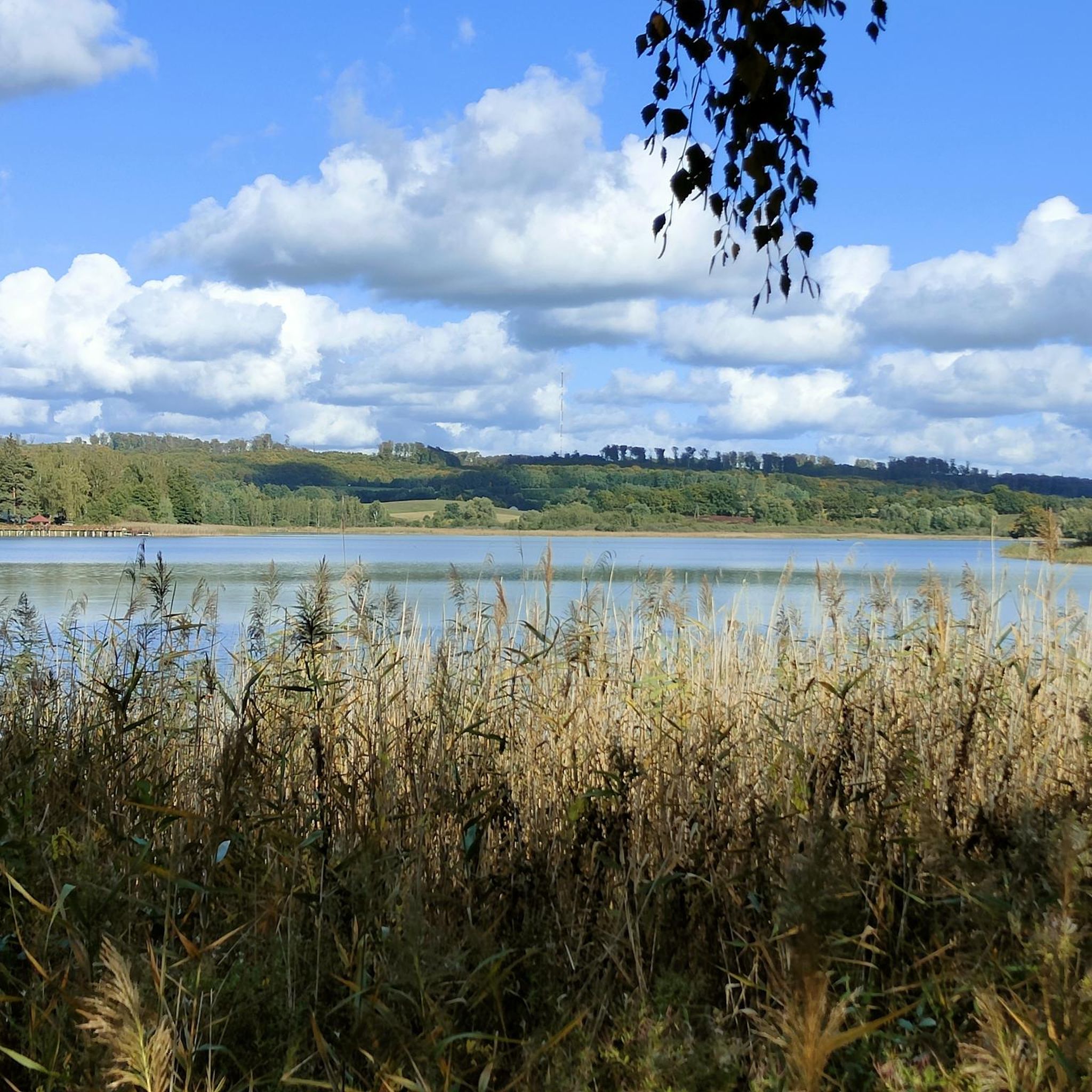
Hiking around Puszcza Bukowa, also known as the Szczecin Landscape Park, features diverse natural elements within its 91 square kilometer expanse. The region is characterized by pristine beech woodlands and rolling hills, formed on glacial moraine with elevation differences up to 100 meters. Numerous springs, watercourses, and picturesque lakes like Emerald Lake dot the landscape, providing varied terrain for hikers.
Best hiking trails around Puszcza Bukowa
- The most popular hiking route is View of Emerald Lake (Jezioro Szmaragdowe) loop from Rezerwat Zdroje, a 4.3 miles (7.0 km) trail that takes 1 hour 58 minutes to complete. This route offers views of the distinctive greenish water of Emerald Lake.
- Another top favourite among local hikers is Serce Puszczy Boulder – Czwójdziński Gate loop from Bukowe-Klęskowo, an easy 3.7 miles (6.0 km) path. This trail leads past the Serce Puszczy Boulder, a notable granite formation.
- Local hikers also love the Hiking loop from Rezerwat Zdroje, a 1.4 miles (2.3 km) trail leading through the natural reserve, often completed in about 39 minutes.
- Hiking around Puszcza Bukowa is defined by beech woodlands, glacial moraine hills, and picturesque lakes. The extensive trail network offers options for various ability levels, from easy walks to moderate routes.
- The routes in Puszcza Bukowa are highly rated by the komoot community with an average score of 4.5 stars from over 40 reviews. More than 400 hikers have used komoot to explore Puszcza Bukowa's varied terrain.
Last updated: July 11, 2026
4.9
(8)
116
hikers
6.97km
01:58
150m
150m
Easy hike. Great for any fitness level. Easily-accessible paths. Suitable for all skill levels.
4.3
(7)
35
hikers
Easy hike. Great for any fitness level. Easily-accessible paths. Suitable for all skill levels.

Sign up for free
4.7
(3)
42
hikers
2.26km
00:39
60m
60m
Easy hike. Great for any fitness level. Easily-accessible paths. Suitable for all skill levels.
4.7
(3)
31
hikers
5.70km
01:33
80m
80m
Easy hike. Great for any fitness level. Easily-accessible paths. Suitable for all skill levels.
5.0
(1)
12
hikers
5.15km
01:24
70m
70m
Easy hike. Great for any fitness level. Easily-accessible paths. Suitable for all skill levels.
Get access to more routes and recommendations from other explorers.
Sign up for free
Already have an account?
Our route recommendations are based on thousands of hikes, rides, and runs completed by other people on komoot.
Start today with a free account
Your next adventure awaits.
Login or Signup

Tips from the Community

A pleasant place to relax in the heart of the forest
1
0
A charming gravel Mountain Road running from the Szczecin Klęskowo district to the Serce Puszczy boulder.
0
0
The Linden of Peace is a natural monument – a Dutch linden tree (circumference 155 cm) planted in 1871 to commemorate the Peace of Frankfurt, which ended the Franco-Prussian War of 1870–1871. Fragments of a stone surround and a barely visible plaque, remnants of the former restaurant “Friedenslinde” (“Linden of Peace”), have been preserved near the tree.
0
1
there are several such chapels in the entire Puszcza Bukowa
0
0
tree shrine on Górska Droga in Puszcza Bukowa
0
0

An easily accessible vantage point offering a wonderful panoramic view of Szczecin. The open area in front of the vantage point also offers numerous seating areas and barbecue facilities.
1
0
Cement was already known to the ancient Romans, but it was later abandoned in construction for hundreds of years. It wasn't until the 19th century that the Englishman Joseph Aspdin reinvented it, patenting a method for producing Portland cement (its color resembled the limestone rocks of the Isle of Portland in Great Britain) in 1824. Less than forty years later, Szczecin was already one of the largest centers of the cement industry in Germany. Gustav Adolf Toepffer was largely responsible for this. He initially sought his chance to make a fortune by opening a fashion store, investing in a coconut mat factory, and breeding silkworms. However, his greatest success and fame came from the Portland cement factory "Stern," which he founded in 1862 with Heinrich Grawitz (his brother-in-law) in Zdroje. A major advantage was the convenient location of the cement plant. It was built on the site between today's ul. Batalionów Chłopskich (Champions' Battalions) and the banks of the Regalica River, near Kopalniana and Grabowa Streets. Close to the deposits of chalk, limestone, and clay mined on the slopes of the Bukowa Forest. Mine output (the most famous being the flooded chalk mine pit, the Emerald Lake) was transported to the cement plant in cable cars. Some elements of this infrastructure survive to this day (including a tunnel and a bridge). Access to the river (the factory was connected to the Regalica by a canal) guaranteed good transport conditions for the finished product, as well as the receipt of supplies from the island of Rügen (when local raw materials were slowly depleting). All this, and above all, the high quality of the award-winning product, led to the factory's rapid expansion. After the founder's death, his son, Albert Eduard Toepffer, took over management of the factory. He expanded production to include paving slabs and roof tiles. Today, he would also be called a marketing expert. He demonstrated the potential of the materials produced by "Stern" to potential buyers by building an artificial grotto in 1880 (it still exists today) and two concrete arches (one survives), upon which a Far Eastern-style music pavilion was erected. Today, almost no trace remains of the factory. After the war, it was dismantled to provide building materials for the reconstruction of Szczecin.
1
0
A former chalk and marl mine operated by the nearby "Stern" Portland cement factory, founded in 1862 and owned by the Toepffer family. In 1925, a sudden flood of groundwater through a layer of permeable sand led to the quarry's opening. The quarry quickly filled with water. People were immediately evacuated. The quarry was flooded. Emerald Lake was created, which owes its color and name to the high calcium carbonate content in the water and the reflection of light from the chalk bed. In good weather, railway wagons and even workers' tools can still be seen at the bottom of the lake. A concrete bridge, part of the railway track used to transport chalk output to the nearby cement plant, still stands near the lake today.
0
1
Frequently Asked Questions
What kind of terrain can I expect when hiking in Puszcza Bukowa?
Puszcza Bukowa, also known as the Beech Forest, is characterized by its diverse glacial moraine landscape. You'll find rolling hills with elevation differences up to 100 meters, pristine beech woodlands, and numerous picturesque lakes and streams. The highest point is Bukowiec Mount at 148.4 meters above sea level, offering a mix of gentle paths and moderately sloped routes.
Are there easy hiking trails suitable for beginners or casual walkers?
Yes, Puszcza Bukowa offers a variety of easy trails perfect for beginners or those seeking a leisurely walk. For example, the Serce Puszczy Boulder – Czwójdziński Gate loop from Bukowe-Klęskowo is an easy 3.7-mile (6.0 km) path. Another option is the Hiking loop from Rezerwat Zdroje, a shorter 1.4-mile (2.3 km) trail.
What natural landmarks or points of interest can I see along the trails?
The region is rich in natural attractions. A must-see is Emerald Lake (Jezioro Szmaragdowe), known for its distinctive greenish water. You can also discover impressive glacial erratic boulders like the Serce Boulder (Millstone) and the Groński Boulder. For panoramic views, visit Polana Widok (Viewing Glade) or the viewing tower on Wzgórz Bukowych.
Is Emerald Lake accessible via hiking trails?
Absolutely. Emerald Lake is one of the most popular destinations in Puszcza Bukowa and is easily accessible via several hiking trails. A great option is the View of Emerald Lake (Jezioro Szmaragdowe) loop from Rezerwat Zdroje, which offers excellent views of the lake's unique color.
Are there any circular hiking routes in Puszcza Bukowa?
Yes, many trails in Puszcza Bukowa are designed as circular routes, allowing you to start and end at the same point. Examples include the View of Emerald Lake (Jezioro Szmaragdowe) loop from Rezerwat Zdroje and the Serce Puszczy Boulder loop from Kołowo, which takes you past the notable granite formation.
Can I bring my dog on the hiking trails in Puszcza Bukowa?
Puszcza Bukowa is generally dog-friendly, allowing you to enjoy the trails with your canine companion. However, it's always recommended to keep your dog on a leash to protect the diverse wildlife and ensure a pleasant experience for all visitors. Please check local signage for any specific restrictions in certain areas or nature reserves.
Are there any family-friendly hiking options in the Beech Forest?
Puszcza Bukowa is an excellent destination for families. The extensive network includes many easy and moderate trails suitable for all ages. The varied landscape, with its lakes and natural monuments, provides engaging points of interest for children. Shorter loops like the Hiking loop from Rezerwat Zdroje are ideal for families with younger children.
Where can I park my car when visiting Puszcza Bukowa for a hike?
There are several parking areas available near popular trailheads and attractions within Puszcza Bukowa. For instance, you can find parking near Rezerwat Zdroje, which is a common starting point for trails around Emerald Lake. Other areas like Bukowe-Klęskowo and Kołowo also offer parking facilities, providing convenient access to various routes.
What do other hikers enjoy most about hiking in Puszcza Bukowa?
The area is highly rated by the komoot community, with an average score of 4.5 stars from over 40 reviews. Reviewers often praise the pristine beech woodlands, the varied glacial landscape, and the picturesque lakes, especially the unique Emerald Lake. The well-maintained and extensive trail network, catering to all abilities, is also frequently highlighted.
Are there any cafes or restaurants near the hiking trails in Puszcza Bukowa?
While Puszcza Bukowa itself is a natural park, its proximity to Szczecin means you can find cafes, pubs, and restaurants in the surrounding towns and villages. Areas close to popular entry points or attractions like Emerald Lake may have some local eateries, but it's advisable to check in advance or bring your own refreshments for longer hikes.
How many hiking trails are available in Puszcza Bukowa?
Puszcza Bukowa boasts an extensive network of around 200 kilometers of marked trails, including approximately 19 distinct walking routes. On komoot, you can find over 40 hiking tours, ranging from easy strolls to more moderate excursions, ensuring options for various preferences and fitness levels.
What is the best time of year to hike in Puszcza Bukowa?
Puszcza Bukowa offers beautiful hiking experiences throughout the year. Spring brings vibrant greenery and blooming flora, while autumn transforms the beech woodlands into a spectacular display of colors. Summer is ideal for longer days and enjoying the lakes, and even winter hiking can be magical with snow-covered landscapes, though some paths might be more challenging.
Most popular routes around Puszcza Bukowa
Most popular attractions around Puszcza Bukowa

Get inspired with the komoot mobile app


Explore more
Browse the best Hikes in other regions.
