Top 20 Caves in Upper Palatinate
Best caves in Upper Palatinate are found within Bavaria, Germany, a region characterized by its diverse natural landscape. The area features significant geological formations, including karst caves formed from Franconian dolomite and limestone, offering unique underground environments. These natural structures provide insights into the region's geological history and serve as habitats for local wildlife. The Upper Palatinate's terrain makes it a notable destination for exploring these subterranean features.
Best caves in Upper Palatinate
- The most popular cave is Vogelherd Grotto…
Last updated: September 26, 2026
Vogelherd Grotto
Highlight • Cave
But you can also enjoy this place wonderfully if …
Translated by Google •
Tip by

Ascent to the Räuber-Heigl Cave
Highlight (Segment) • Climb
Translated by Google •
Tip by

Sign up now to discover places like this
Get recommendations on the best single tracks, peaks, & plenty of other exciting outdoor places.
Mystery Grotto
Highlight • Cave
Translated by Google •
Tip by

Robber Heigl Cave
Highlight • Cave
Translated by Google •
Tip by

Mariahilf Pilgrimage Church (Neumarkt in der Upper Palatinate)
Highlight • Religious Site
Translated by Google •
Tip by

Hohlloch Cave (Velburg)
Highlight • Cave
Translated by Google •
Tip by

Schutzfels Pentling
Highlight • Natural Monument
Translated by Google •
Tip by
Vils Riverside Trail and Rock Formations
Highlight (Segment) • Trail
Translated by Google •
Tip by

Robber's Cave
Highlight • Cave
Translated by Google •
Tip by

Kaltenbach Spring
Highlight • Natural Monument
But the source with its splendor of colors made of sandstone is a highlight and a worthwhile excursion destination.
Translated by Google •
Tip by
Sign up for free to discover even more caves in Upper Palatinate.
Already have an account?
Start today with a free account
Your next adventure awaits.
Popular around Upper Palatinate
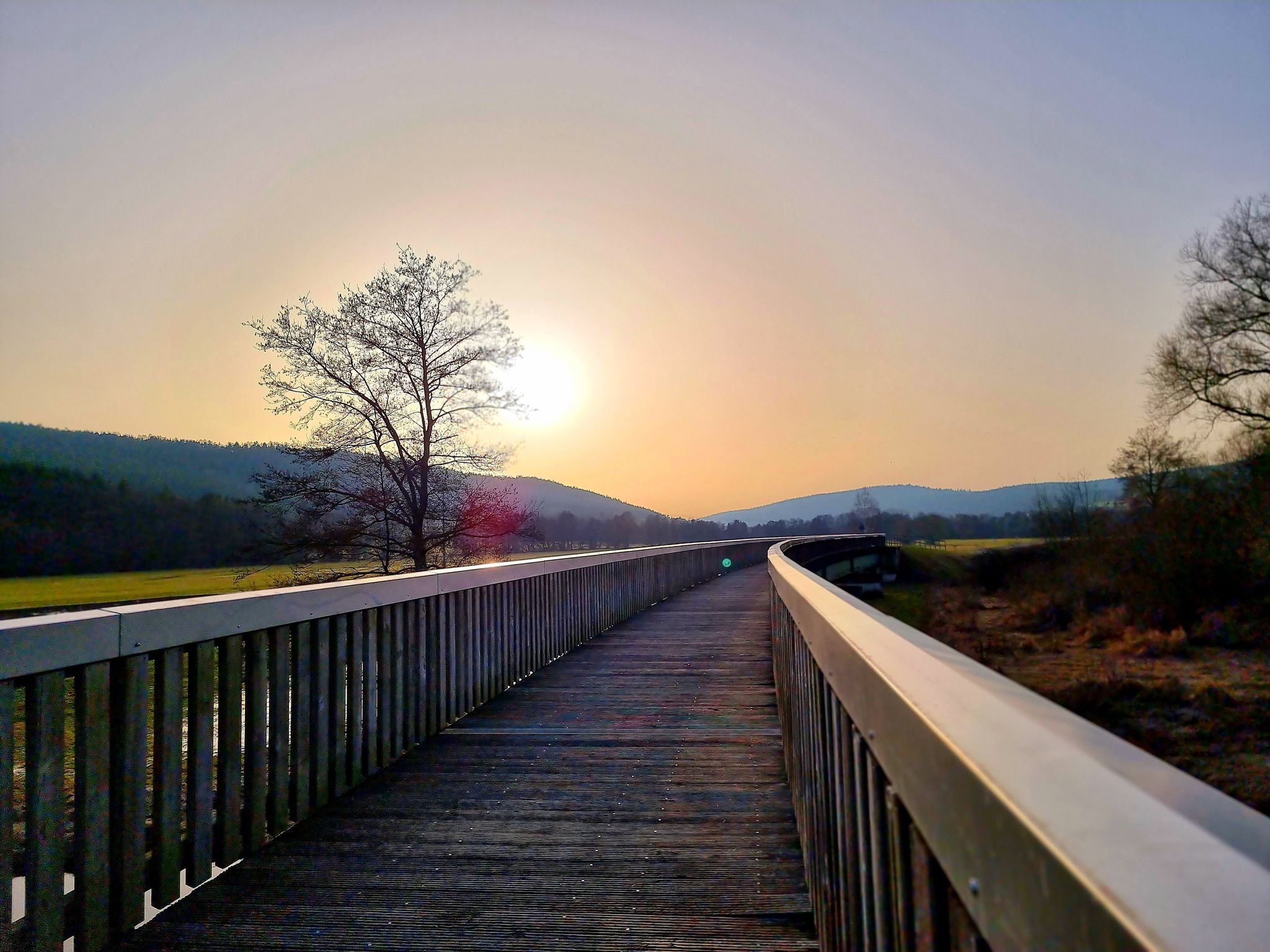
Bavaria-Bohemia long-distance cycling trail – Crossing borders
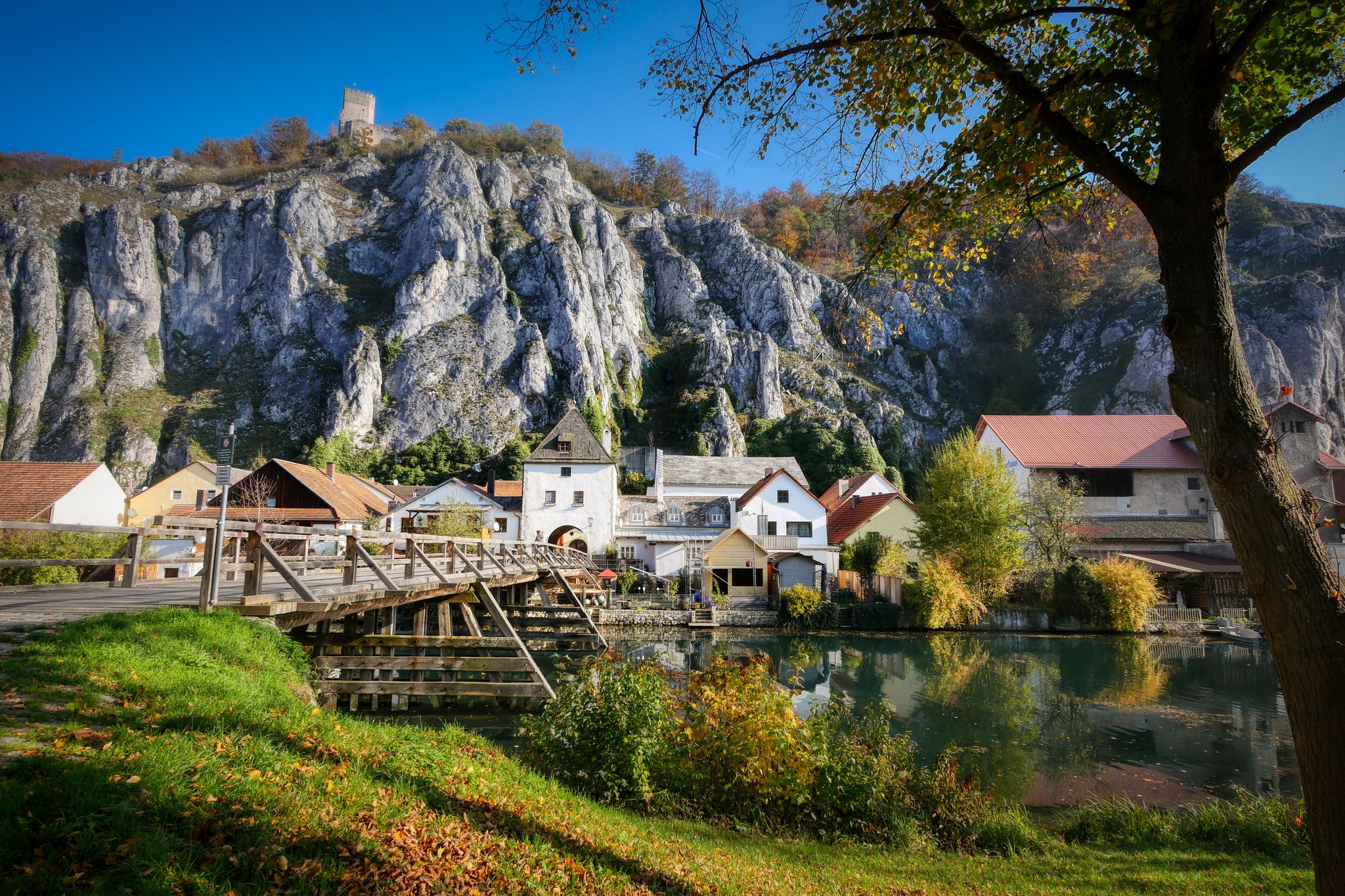
Jurasteig — hiking in the heart of Bavaria
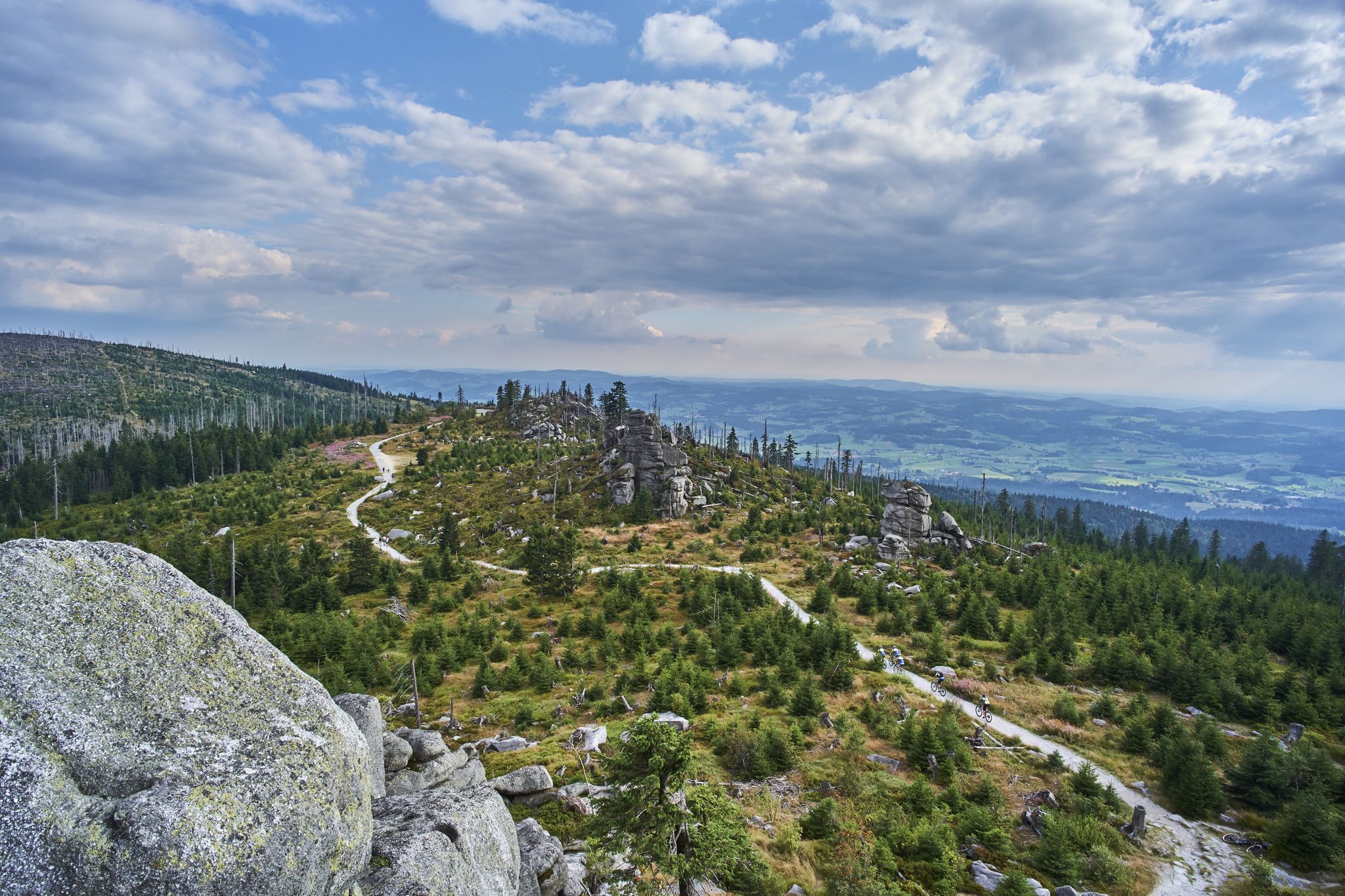
Trans Bayerwald – A mountain bike adventure through Bavaria's finest nature
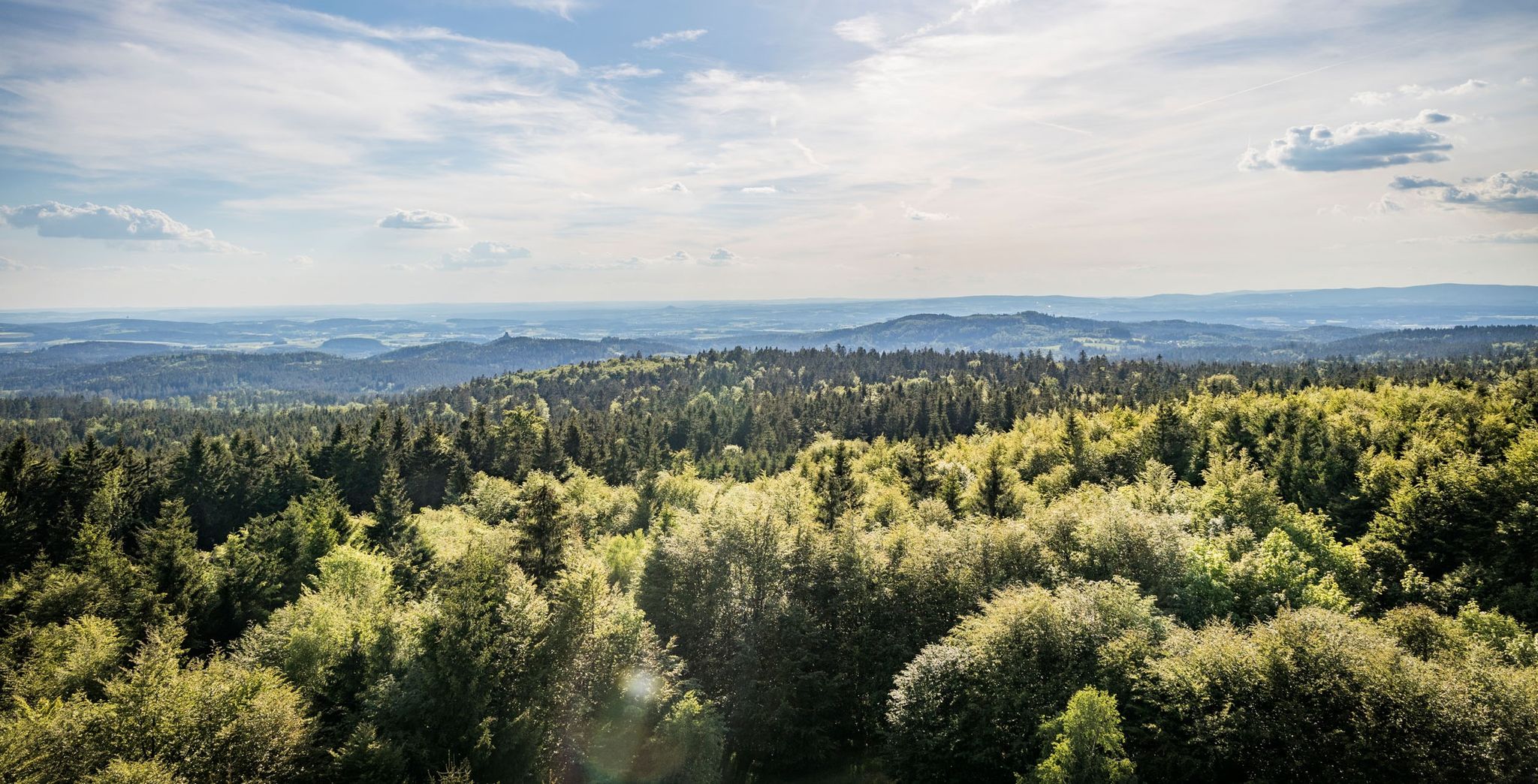
Nurtschweg – Hiking along the German-Czech border
SEND IT! Germany by bike with two mountain bike pros
Bikepacking in the Upper Palatinate Forest
Water, rocks & trails — Mountain biking in the Fichtel mountains
The Goldsteig – 38 stages between Upper Palatinate and Passau
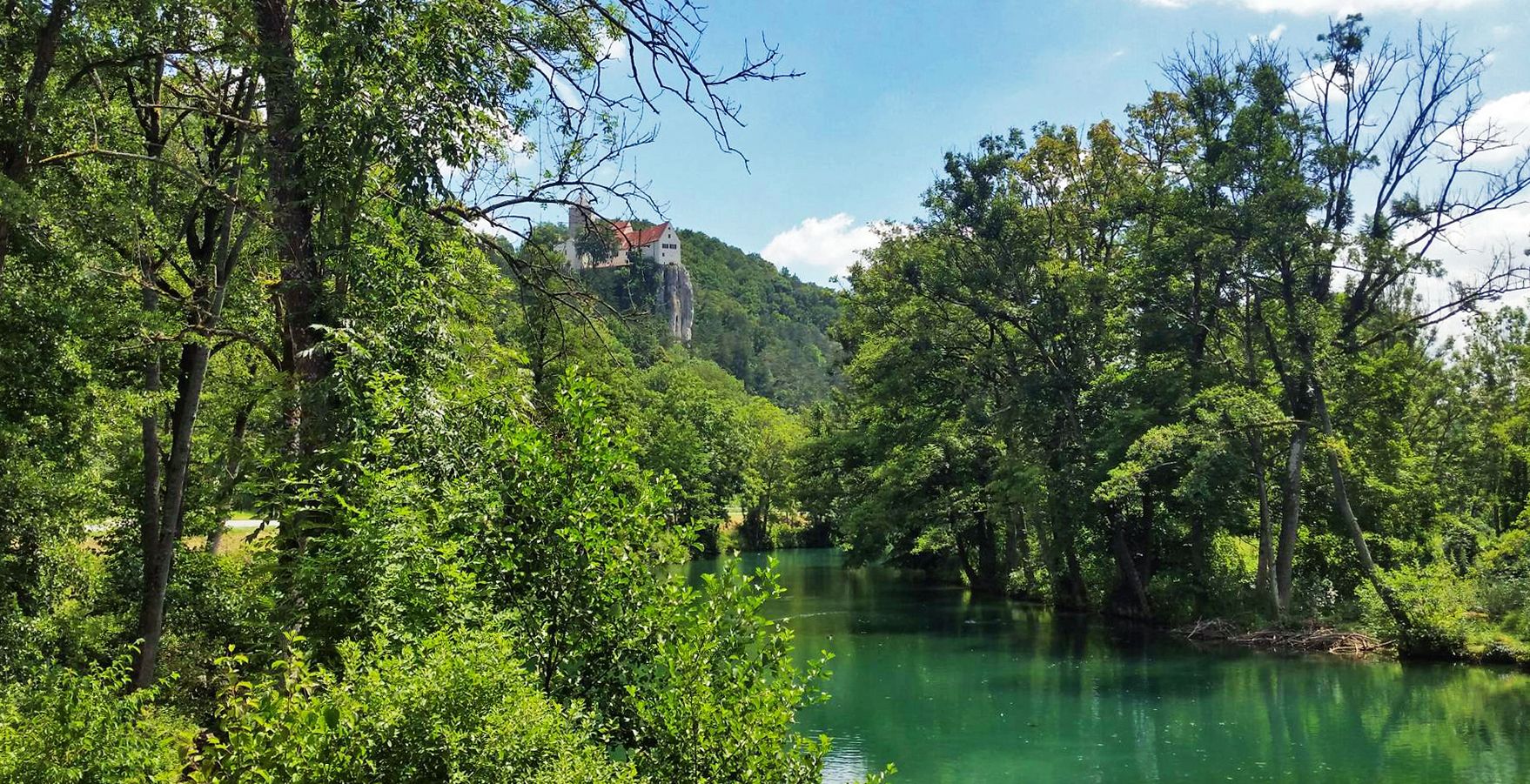
Five Rivers Cycle Path — 5 stages along Bavaria's most beautiful rivers
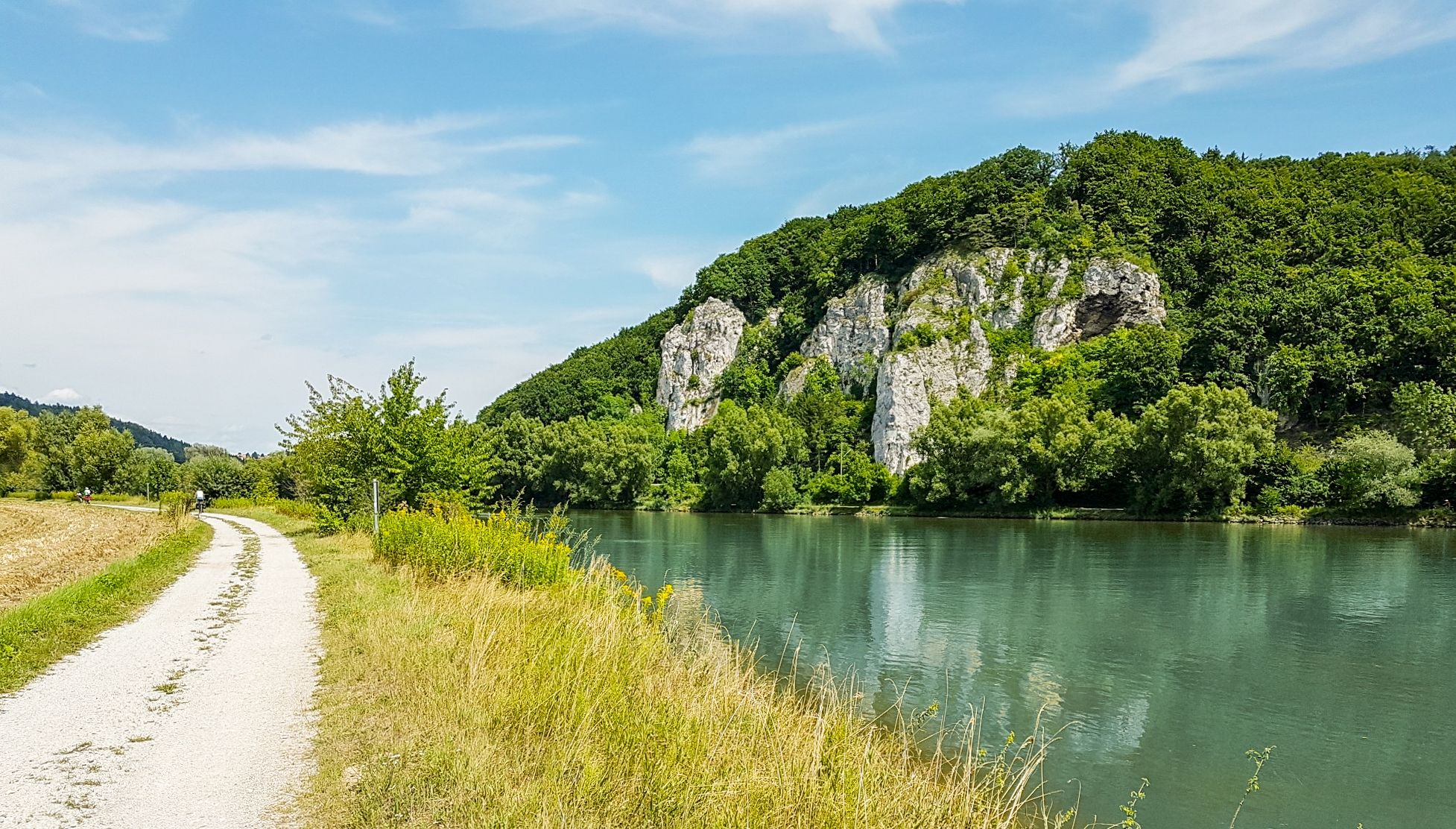
Donau-Panoramaweg – 10 days nature views and cultural insights
Other adventures in Upper Palatinate


Tips from the Community

Beautiful rock formations in the forest
2
0

Beautiful view back over the Vils
3
0
Rock formations are now majestically visible in March. They soon disappear into the sea of leaves and are then almost invisible again—unfortunately!
4
0

The Mystery Grotto is located near Neuhaus an der Pegnitz and is part of the Karst Hiking Trail. The name of the grotto comes from a legend that tells of the "White Lady". This legend says that the cursed soul of Countess Kunigunde von Leuchtenburg, who lived in the 13th century, is said to appear in the grotto as a restless spirit. The grotto is about 12 meters wide and 16 meters long and offers an impressive hall. Beautiful ice formations can be admired, especially in winter. The entrance to the grotto is partially walled up and closed in winter during the bat protection period. The grotto is only accessible from April to September.
1
0

An eye's width of these rocks.
3
1

Small, somewhat hidden cave with two chambers. It once offered shelter to the robber Michael Heigl until his hiding place was discovered through treachery.
0
0

The entrance lies beautifully in the midst of the stately rocks. The cave itself is actually rather small at around 12 meters in diameter. Rather, it owes its charm to the mysterious entrance, which at first seems to duck away from the visitor. And the legend to which the name Mysteriengrotte goes back is, thanks to the scary factor, an additional mood factor. Because this is where the “White Woman” is supposed to appear again and again. And this legend even has a true origin. Because the "White Woman" is said to be the cursed soul of Countess Kunigunde von Leuchtenburg, who lived at the foot of the Plassenburg in the 13th century. She murdered her two children, believing that the infants would stand in the way of her remarriage to Albrecht the Handsome, Burgrave of Nuremberg. Despite extensive penance in later, still unmarried days and the founding of a monastery, which she presided over as abbess, her restless spirit is said to have haunted the Mystery Grotto since her death.
4
0

Frequently Asked Questions
What makes the caves in Upper Palatinate unique?
The Upper Palatinate is known for its diverse geological formations, primarily karst caves formed from Franconian dolomite and limestone. These include impressive dripstone caves like the König-Otto-Tropfsteinhöhle, historical cave dwellings such as the House without a Roof (Kallmünz), and natural grottoes that offer unique atmospheres and geological insights.
Are there family-friendly caves to visit in Upper Palatinate?
Yes, several caves in the Upper Palatinate are suitable for families. For example, Mystery Grotto is listed as family-friendly and offers an intriguing local legend. Hohlloch Cave (Velburg) is also noted as family-friendly, with its large entrance and impressive size.
What historical significance do some Upper Palatinate caves hold?
Some caves in the Upper Palatinate have rich historical backgrounds. The House without a Roof (Kallmünz) is a unique cave dwelling that was inhabited until 1937. The Robber's Cave historically served as a strategic lookout point for robbers due to its excellent overview of the Naab River, and was likely used by Celts as well.
When is the best time to visit the caves in Upper Palatinate?
Visiting the Vogelherd Grotto in the morning is particularly recommended to experience its tranquil atmosphere. For Mystery Grotto, winter offers the chance to admire beautiful ice formations inside. Generally, caves maintain a consistent temperature, making them a good option in various weather conditions.
What kind of geological features can I expect to see in these caves?
The caves in Upper Palatinate showcase various geological wonders. Many are karst caves, formed from Franconian dolomite and limestone. The König-Otto-Tropfsteinhöhle, for instance, is renowned for its impressive stalactites, stalagmites, stalagnates, water level lines, and sinter pools. The Robber's Cave was formed during the Jurassic period by water eroding limestone.
Are there any caves known for unique natural phenomena or legends?
Yes, the Mystery Grotto is known for potential beautiful ice formations in winter and is associated with a local legend about the 'White Woman.' The König-Otto-Tropfsteinhöhle features stunning stalactite formations, some estimated to be at least 300,000 years old, including the 'Tree' and 'Giant Goliath,' and the filigree 'Emperor Barbarossa' formation in the Barbarossa Dome.
What outdoor activities can I do near the caves in Upper Palatinate?
The Upper Palatinate offers numerous outdoor activities. You can find various hiking routes, such as the Waldnaabtal circular route or the Eixendorf lakeside path. For more options, explore the Hiking in Upper Palatinate guide, which includes routes like the Hohenbogen hike in the Bavarian Forest. There are also specific Waterfall hikes in Upper Palatinate for scenic walks.
Are there any less crowded caves in the Upper Palatinate?
While popular spots like Vogelherd Grotto can experience heavy recreational use, visiting during off-peak times, such as early mornings, can offer a more tranquil experience. Exploring lesser-known natural grottoes or historical cave dwellings might also provide a quieter visit compared to the more prominent show caves.
What do visitors enjoy most about the caves in Upper Palatinate?
Visitors frequently appreciate the impressive size and unique formations of the caves. Many find the large entrances, like that of Hohlloch Cave (Velburg), to be great photo motifs. The historical context of places like the Robber's Cave and the tranquil atmosphere of spots like Vogelherd Grotto also receive high praise from the community.
Can I explore the caves on my own, or are guided tours necessary?
Many caves, like the Robber's Cave, are publicly accessible without specific opening times or entry fees, allowing for self-exploration. However, for more complex or protected show caves like the König-Otto-Tropfsteinhöhle, guided tours are typically offered to ensure safety and provide detailed information about the formations and history. Always check specific cave regulations before visiting.
Are there any caves that serve as wildlife habitats?
Yes, the Robber's Cave, for example, provides a habitat for numerous bats. Visitors are encouraged to be quiet to avoid disturbing them. Caves often serve as important ecosystems for various species, especially during hibernation periods.
What should I bring when visiting a cave in Upper Palatinate?
When exploring caves, especially those without artificial lighting, it's advisable to bring a flashlight to properly see the interior and any cracks or cavities. Comfortable shoes are recommended for walking on uneven terrain. For caves like the Robber's Cave, where bats reside, maintaining quiet is important.
Most popular routes in Upper Palatinate
Most popular attractions in Upper Palatinate

Get inspired with the komoot mobile app


Didn’t find what you were looking for?
Discover more caves in Upper Palatinate region by region:
Explore more
Extend your search for the best caves by checking out these guides of the top ones in Upper Palatinate:
