Top 20 Caves in Lower Bavaria
Caves in Lower Bavaria offer a diverse range of natural and historical sites within a region characterized by its river valleys, forests, and geological formations. This area, also known as Niederbayern, features significant archaeological locations and unique rock structures. Visitors can explore ancient human habitation sites and natural grottoes formed over millennia. The varied terrain caves Lower Bavaria provides opportunities for both casual exploration and more adventurous discovery.
Best caves in Lower Bavaria
- The most popular caves is Friedrichsruh Cave…
Last updated: October 4, 2026
Rißloch Waterfalls
Highlight • Waterfall
Translated by Google •
Tip by

Buchberger Leite Rock Tunnel
Highlight • Cave
Translated by Google •
Tip by

Sign up now to discover places like this
Get recommendations on the best single tracks, peaks, & plenty of other exciting outdoor places.
Klösterl Hermitage and Cave Church
Highlight • Religious Site
Translated by Google •
Tip by

Friedrichsruh Cave
Highlight • Cave
Translated by Google •
Tip by

Klausenhöhlen Caves
Highlight • Cave
Translated by Google •
Tip by

Klausen Caves
Highlight • Cave
Translated by Google •
Tip by

Little stone chapel
Highlight • Natural Monument
Translated by Google •
Tip by

Stone Age Cave Replica, National Park Center Falkenstein
Highlight • Cave
Translated by Google •
Tip by

Klamm Cave near Einthal
Highlight • Cave
Translated by Google •
Tip by
Gottesgab Mine on Silberberg
Highlight • Historical Site
Translated by Google •
Tip by

Sign up for free to discover even more caves in Lower Bavaria.
Already have an account?
Start today with a free account
Your next adventure awaits.
Popular around Lower Bavaria
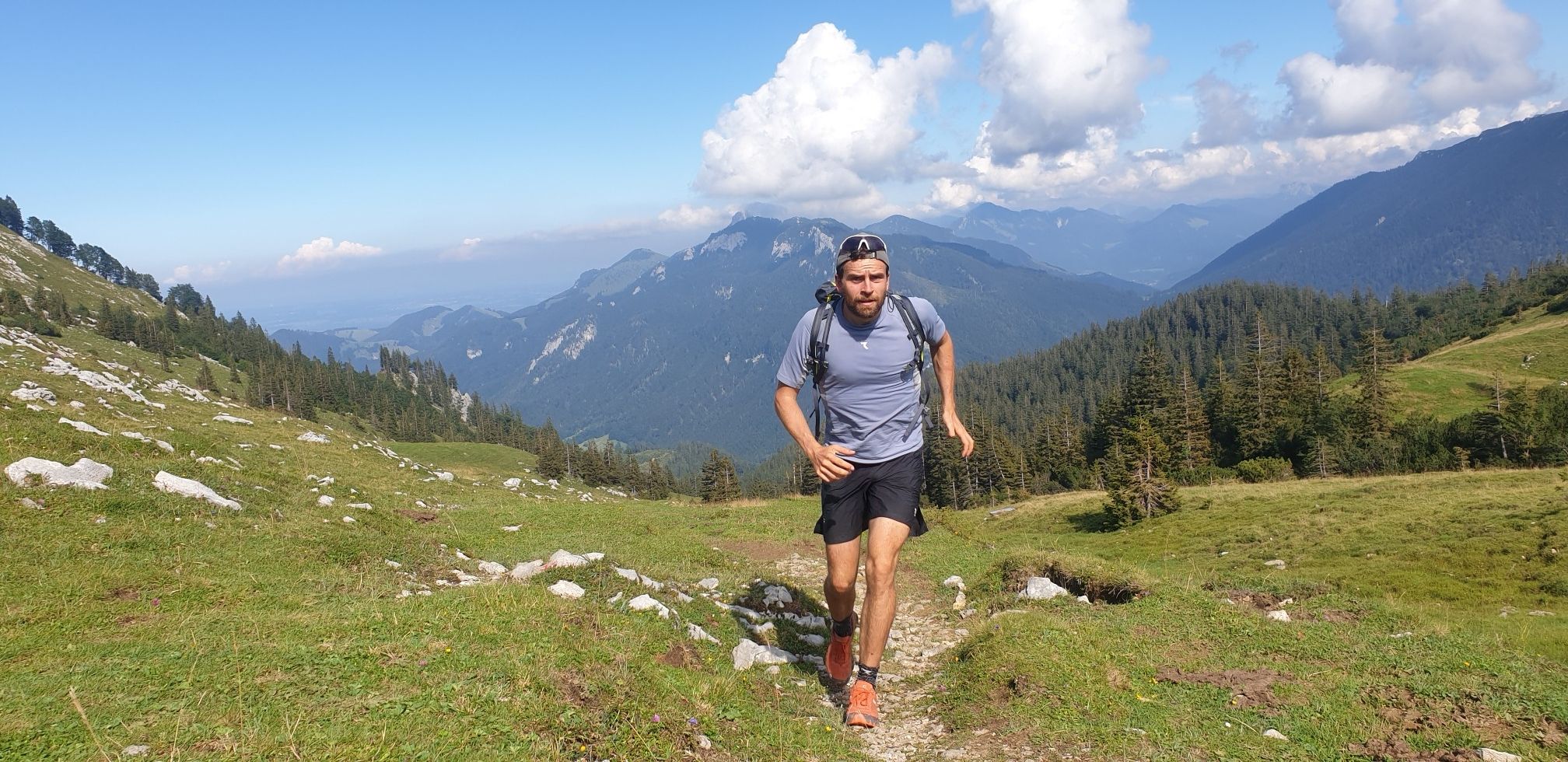
Triathlon around Germany
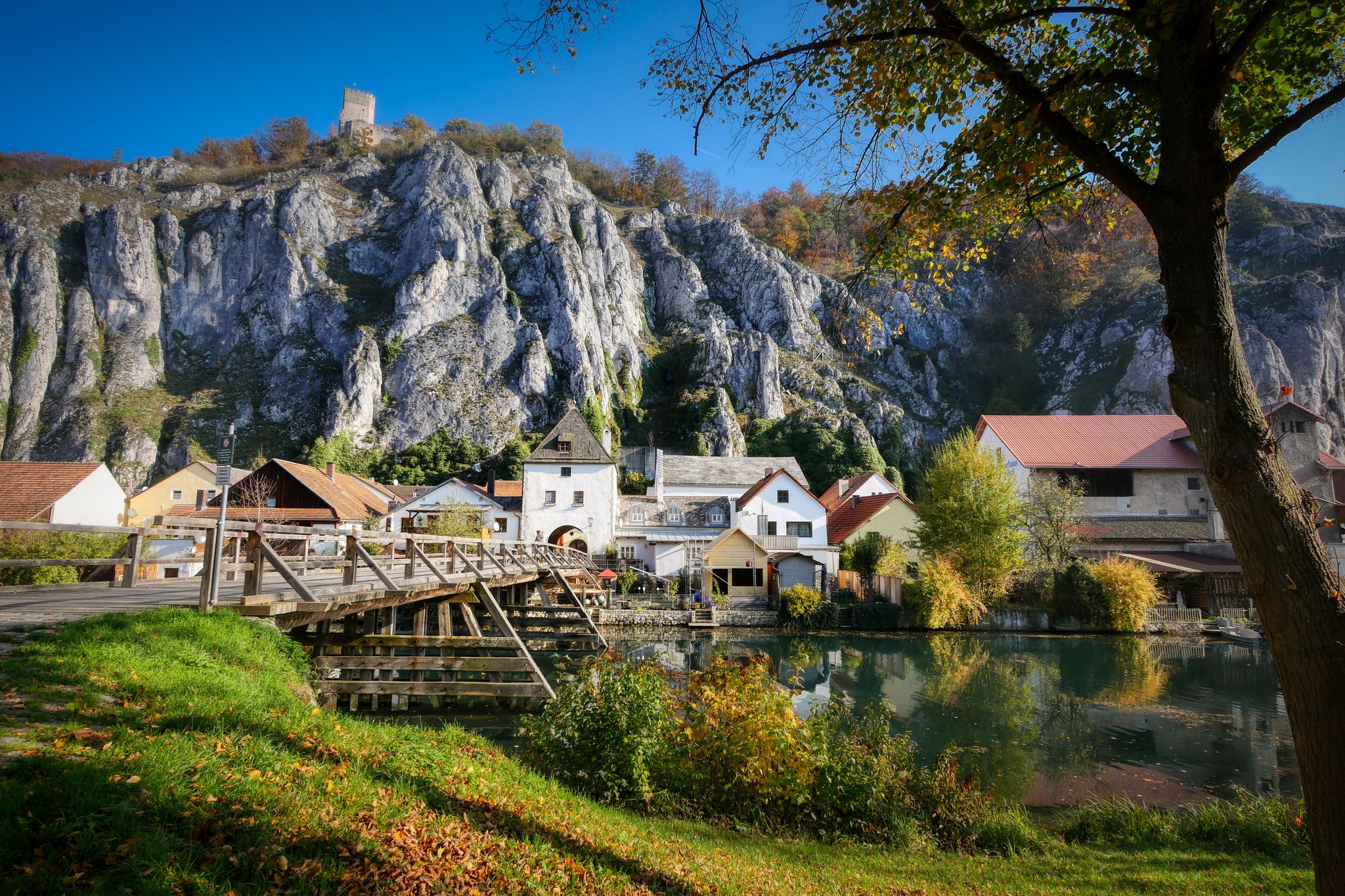
Jurasteig — hiking in the heart of Bavaria
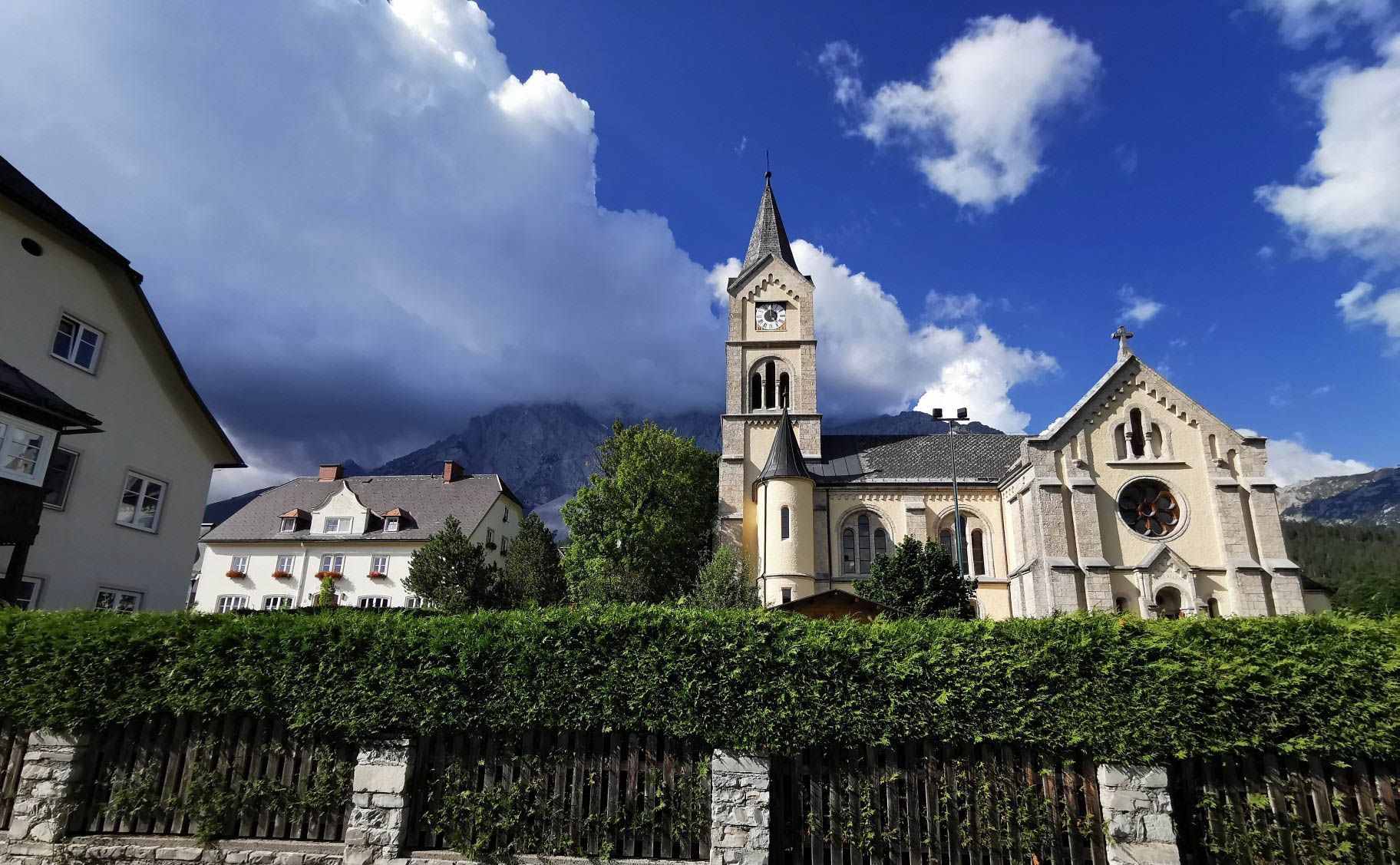
Way of the Book – Hike in the footsteps of the Bible smugglers in Austria
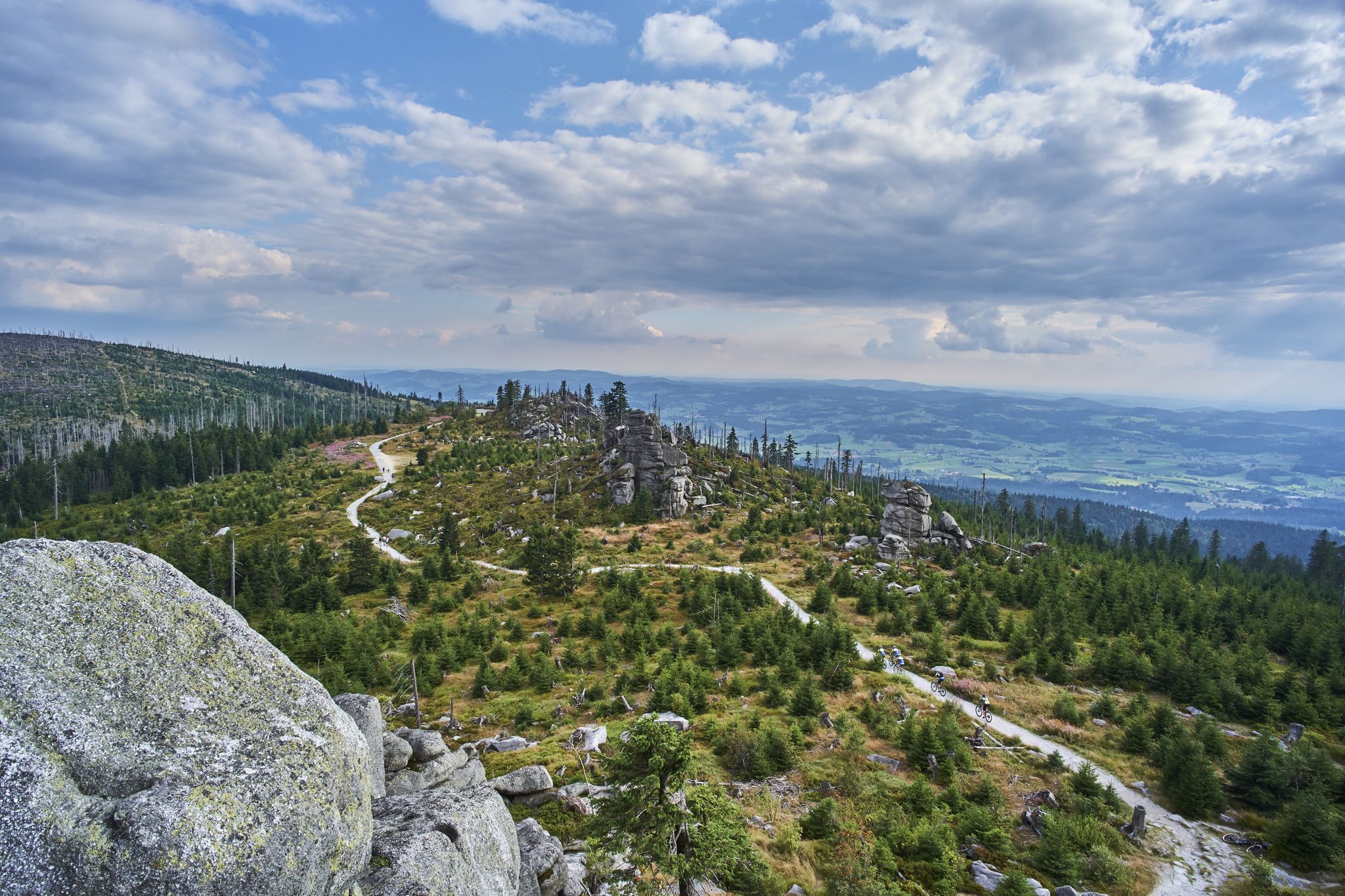
Trans Bayerwald – A mountain bike adventure through Bavaria's finest nature
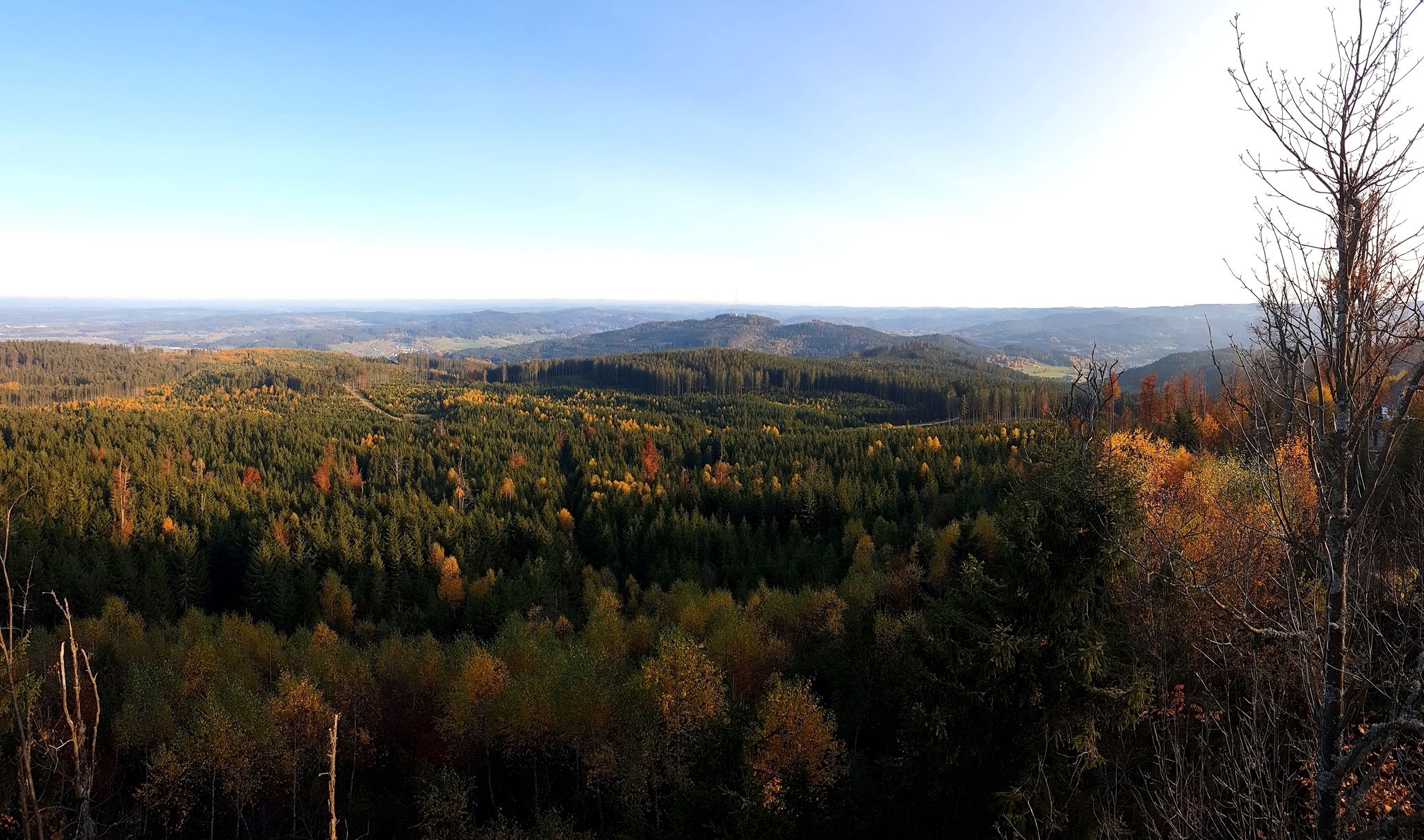
Nordwaldkamm trail – Hiking between the Czech Republic and Austria
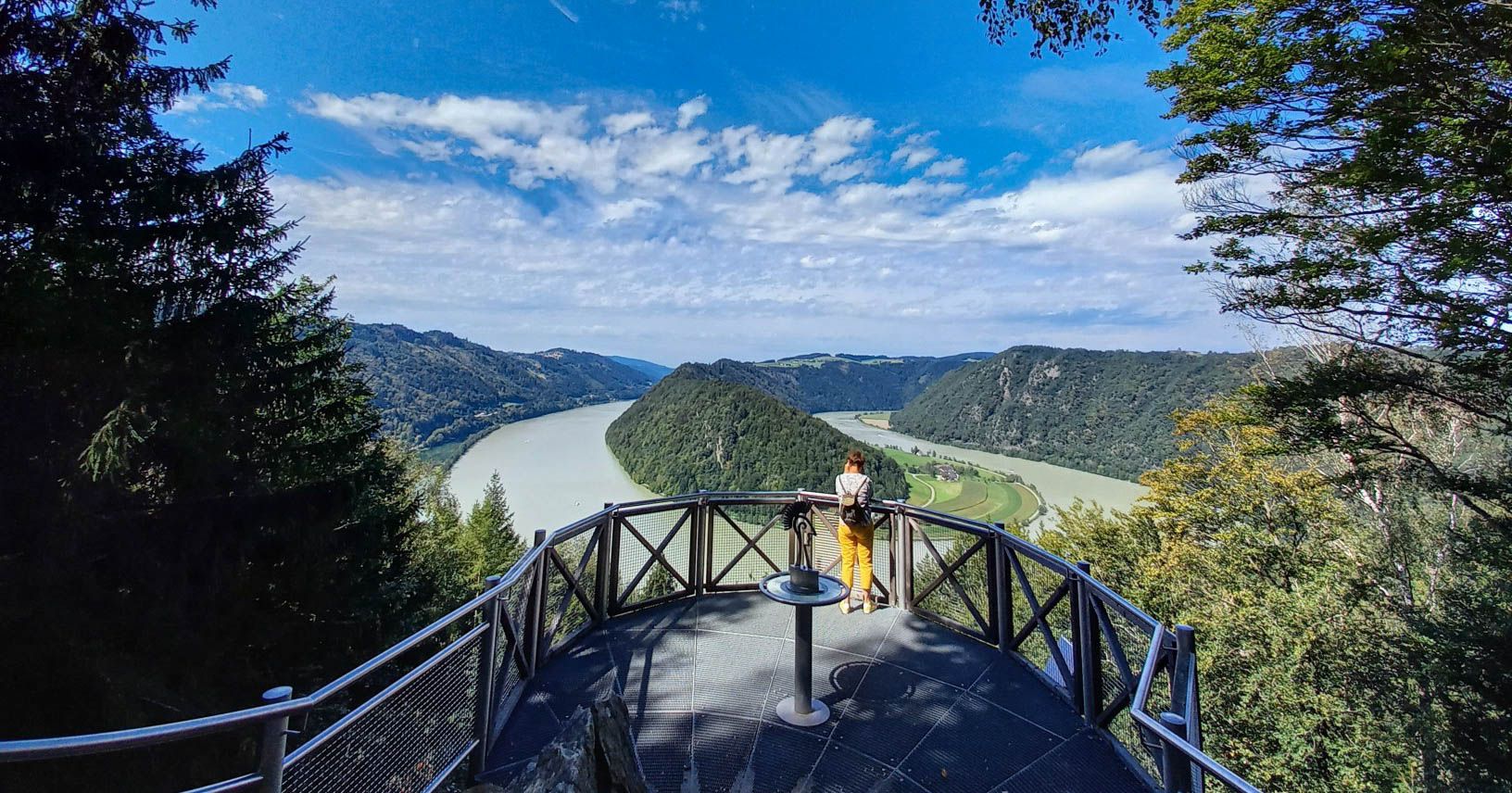
Danube Trail – Legendary long-distance hiking along the Danube River
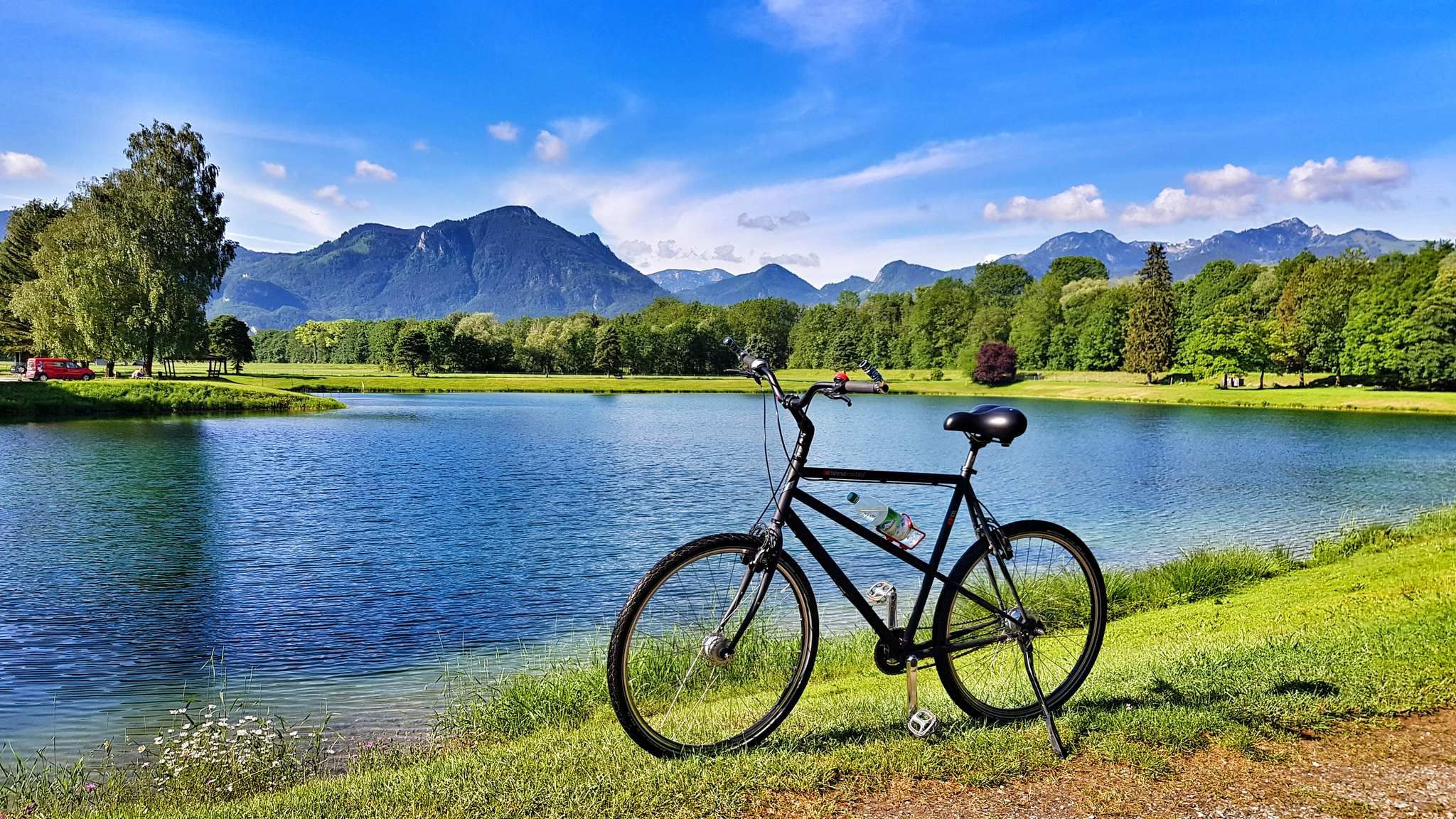
The Inn Cycle Path – From a babbling brook to a mighty river
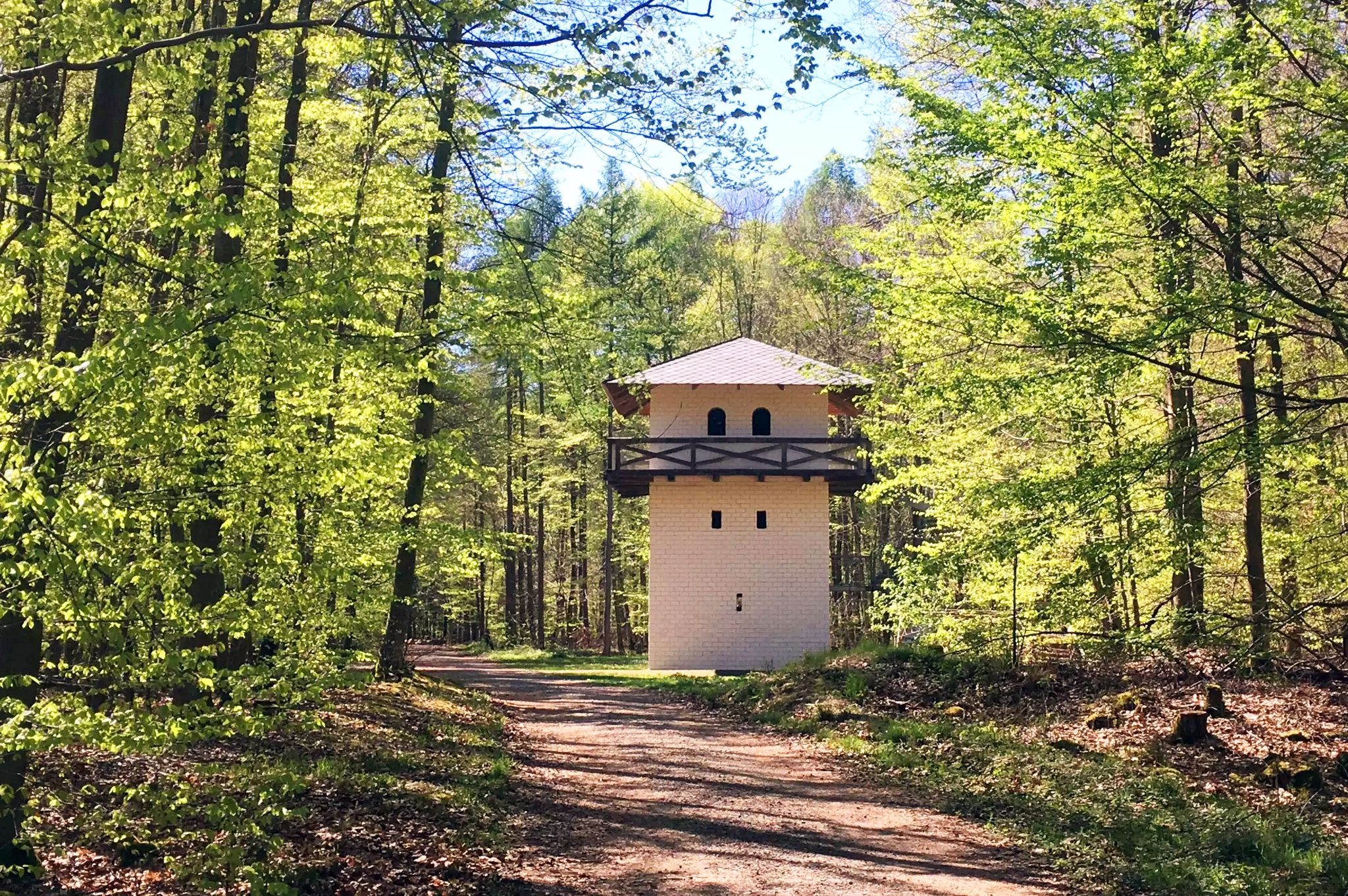
German Limes Cycle Path – Riding from the Rhine to the Danube
Römerradweg – Follow in the footsteps of Romans along the German-Austrian border
The Goldsteig – 38 stages between Upper Palatinate and Passau
Other adventures in Lower Bavaria


Tips from the Community

Geological observation Numerous rock outcrops with strong "Wollsack" weathering can be found in the entire area. During the Tertiary period, the rock was deeply weathered. Only in the area of more compact granite domes could the weathering not progress so quickly. During the Quaternary period, the weathered layers were eroded. Only the intact rock areas remained. The rock ensemble of rounded granite blocks near the "Steinernes Kirchlein" forms small hollows, niches, and rock passages. Bavarian State Office for the Environment (LfU). https://www.umweltatlas.bayern.de/standortauskunft/rest/reporting/sb_geotope/generate?additionallayerfieldvalue=272R028
0
0

The Stone Church is a rock formation. The weathered rocks form towers, crevices and caves. An iron cross is attached to one such cave. Hence the name Stone Church.
1
0

If you walk the path through the animal enclosure counterclockwise, you will first pass the Stone Age cave. In addition to the replica of a Stone Age cave, a film about the Stone Age in the Bavarian Forest will also be shown.
4
0

It's not far from Prunn Castle to get to the grotto. There is climbing in the grotto. If you walk a little further you will come to a very nice viewpoint. But take good care of the children.
2
0

Smaller caves can often be found in the rock.
5
0

The settlement history of the Altmühl valley began at the beginning of the last ice age, in the so-called Würm ice age, about 80,000 years ago. On the other hand, there are no archaeological finds from the oldest phase of the Paleolithic, i. H. from the Günz, Mindel or early Rißeiszeit 500,000 - 120,000 years ago, but this is more likely due to the change in river systems. The Danube flowed through the Lower Altmühltal until about 200,000 years ago. Therefore, no older finds could be deposited in caves or rock overhangs. In the Würm Ice Age, around 100,000 - 10,000 years ago, there are first indications of people who stayed in the caves or under rock protection roofs, so-called rock shelters, in the Lower Altmühl Valley. At that time the climate here is similar to that of the tundra today. The ice-free Altmühltal was a favorable hunting ground, where mammoths, rhinos, reindeer, and later also horses, bison and primal lived. The Klausen Caves are a system of several caves nested one on top of the other: Lower Klause, Klausen Niche, Middle and Upper Klause. Except for the Lower Hermitage, tools and equipment from the Old, Middle and Upper Palaeolithic periods were found in the other caves. From the Klausen niche comes z. B. a deciduous incisor of a Neanderthal. In the middle hermitage, archaeologists from the Magdalenian layer were able to salvage a single-row harpoon, bone spikes and a perforated staff made of reindeer antlers, which is decorated with fantasy creatures. A limestone slab with incised lines of a wild horse document the first art products. In 1913, archaeologists found the skeleton of a Homo sapiens. The approximately 30-year-old man died about 18,000 years ago. His dead body was wrapped in a mighty red chalk pack. Fragments of mammoth tusks lay in the area of the skull. https://www.herzstueck.bayern/ attraction/07-station-klausenhoehlen-e617ad20c7
8
1


Beautiful, small caves, some of which you can go into or climb up to.
5
0
Frequently Asked Questions
What historical or archaeological significance do the caves in Lower Bavaria hold?
Lower Bavaria's caves are rich in history. The Klausen Caves are one of Bavaria's most important Ice Age sites, with evidence of Neanderthal and early modern human presence, including Germany's oldest burial of an anatomically modern human. The Klamm Cave near Einthal was also inhabited by Stone Age people, offering a glimpse into ancient human life.
Are there any family-friendly caves or cave-related attractions in Lower Bavaria?
Yes, several options are suitable for families. The Stone Age Cave Replica at National Park Center Falkenstein offers an immersive, barrier-free educational experience about the Palaeolithic era, complete with artificial rock walls and cave paintings. The Klausen Caves and Klamm Cave near Einthal are also noted as family-friendly for exploration.
What kind of natural features can I expect to see in the caves of Lower Bavaria?
You'll find diverse natural formations. The Friedrichsruh Cave is a large grotto, approximately 12 meters high and 18 meters wide, offering a distinctive hall-like structure. The Klausen Caves are a system of interconnected karst caves on multiple levels, showcasing impressive chambers formed over millennia.
Are there any caves in Lower Bavaria that are easily accessible or wheelchair-friendly?
The Stone Age Cave Replica at National Park Center Falkenstein is specifically designed to be wheelchair and pram accessible, making it an excellent option for visitors with mobility needs. It's part of a larger barrier-free circular path.
What outdoor activities can I do near the caves in Lower Bavaria?
The region around the caves offers numerous outdoor activities. You can find various hiking opportunities, including easy hikes, moderate trails, and more challenging routes. For instance, there are many hiking trails in Lower Bavaria that pass by or lead to these natural landmarks. Additionally, the Friedrichsruh Cave is a popular spot for climbers.
Are there any unique or hidden cave experiences in Lower Bavaria?
The Klamm Cave near Einthal offers a unique experience. It's somewhat hidden off the main path, and a small, head-height opening at the back leads into another cave, adding an element of mystery and adventure for explorers.
What is the best time to visit the caves in Lower Bavaria?
Most natural caves and outdoor cave attractions in Lower Bavaria are accessible year-round, though spring to autumn generally offers the most pleasant weather for hiking and exploration. For indoor or replica caves like the Stone Age Cave Replica, weather is less of a concern, making them suitable for any season.
What should I wear or bring when exploring caves in Lower Bavaria?
For natural caves like the Klausen Caves, hiking attire, sturdy shoes, and a flashlight are recommended, as some areas can be uneven and unlit. Even for shorter visits, comfortable footwear is advisable.
Are there any religious or spiritual sites associated with caves in Lower Bavaria?
Yes, the Klösterl Hermitage and Cave Church is a notable site. This historical location combines a hermitage with a cave church, offering a unique blend of natural formation and religious significance.
Can I find any old mines or tunnels related to caves in the region?
Yes, the Gottesgab Mine on Silberberg is a historical site that combines mining history with cave-like structures. Another interesting spot is the Buchberger Leite Rock Tunnel, a rock breakthrough from WWII that forms part of a hiking trail along the Wolfsteiner Ohe River.
What do visitors enjoy most about the caves in Lower Bavaria?
Visitors appreciate the blend of natural beauty and historical significance. Many enjoy the peaceful atmosphere of places like Friedrichsruh Cave, the adventure of exploring ancient sites like the Klausen Caves, and the educational experience offered by the Stone Age Cave Replica. The region's caves are often integrated into scenic hiking routes, adding to the overall experience.
Most popular routes in Lower Bavaria
Most popular attractions in Lower Bavaria

Get inspired with the komoot mobile app


Didn’t find what you were looking for?
Discover more caves in Lower Bavaria region by region:
Explore more
Extend your search for the best caves by checking out these guides of the top ones in Lower Bavaria:
