The best traffic-free bike rides in Lower Bavaria
4.5
(44420)
247,291
riders
9,215
rides
No traffic touring cycling routes in Lower Bavaria traverse a landscape defined by extensive river valleys and dense forests. The region features major rivers such as the Danube, Inn, and Isar, which provide predominantly flat or gently undulating paths. Beyond the river plains, cyclists encounter rolling hills and varied forest sections, offering diverse terrain. This combination creates an environment well-suited for touring cyclists seeking routes away from vehicle traffic.
Best no traffic touring cycling routes in Lower Bavaria
- The most…
Last updated: June 26, 2026
4.5
(99)
421
riders
38.3km
02:27
310m
310m
Moderate bike ride. Good fitness required. Mostly paved surfaces. Suitable for all skill levels.
4.7
(84)
408
riders
29.1km
02:22
660m
660m
Hard bike ride. Very good fitness required. Some segments of this route may be unpaved and difficult to ride.

Sign up for free
4.7
(833)
3,952
riders
34.2km
02:12
230m
230m
Moderate bike ride. Good fitness required. Mostly paved surfaces. Suitable for all skill levels.

4.6
(68)
254
riders
26.7km
02:05
330m
330m
Moderate bike ride. Good fitness required. Mostly paved surfaces. Suitable for all skill levels.
4.4
(55)
234
riders
50.2km
03:19
390m
390m
Moderate bike ride. Good fitness required. Mostly paved surfaces. Suitable for all skill levels.
Get access to more routes and recommendations from other explorers.
Sign up for free
Already have an account?
Our route recommendations are based on thousands of hikes, rides, and runs completed by other people on komoot.
Start today with a free account
Your next adventure awaits.
Login or Signup
Popular around Lower Bavaria
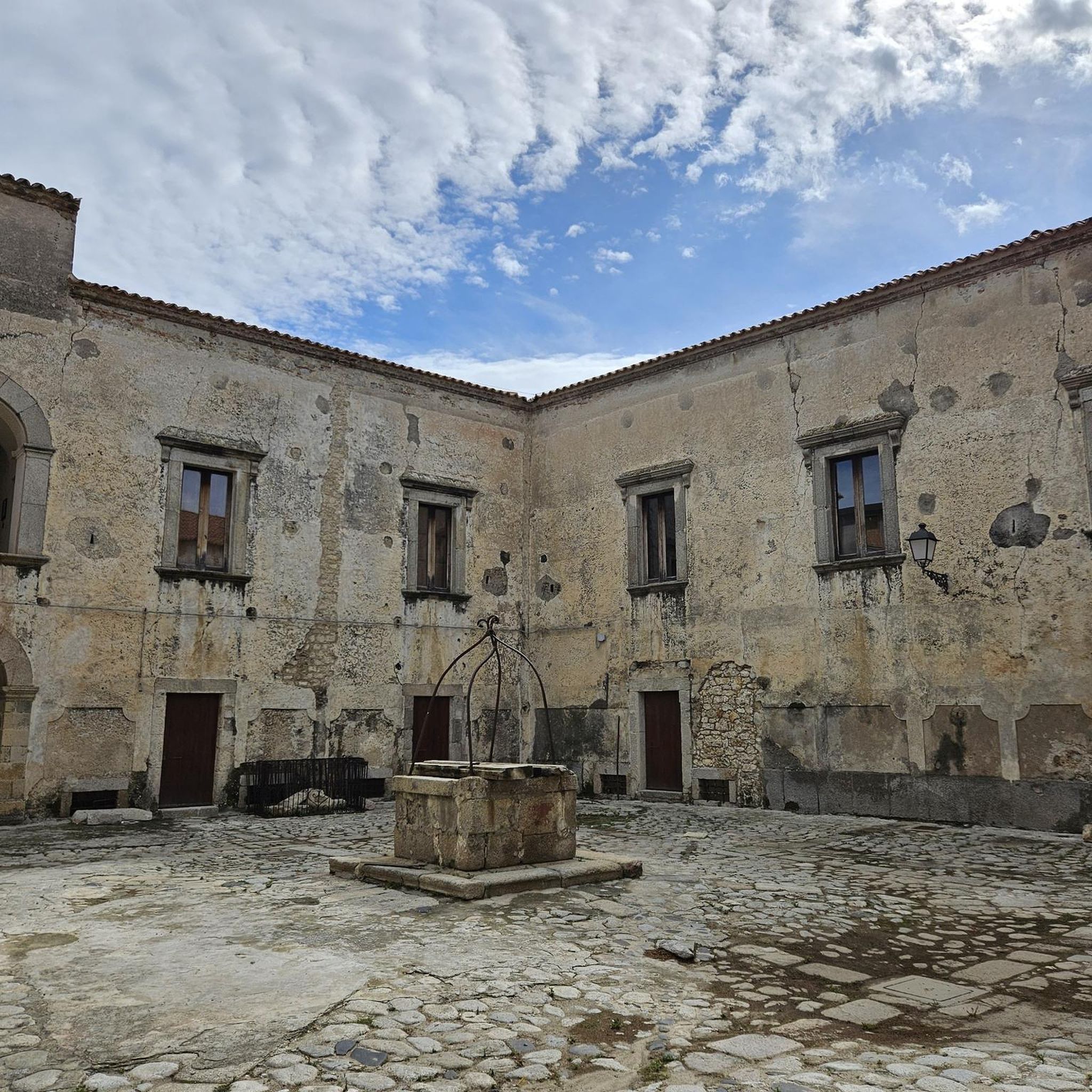
Traffic-free bike rides in Kelheim
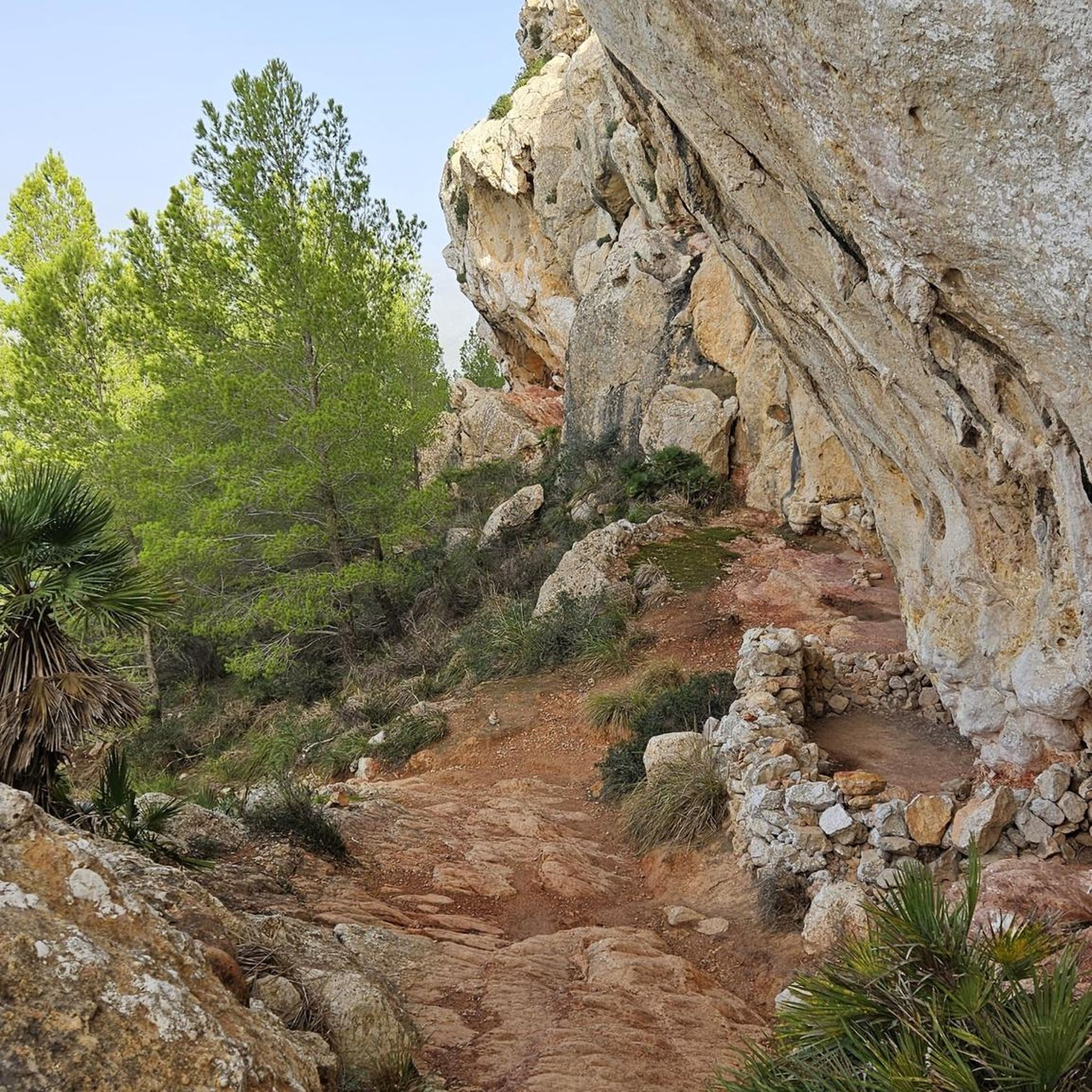
Traffic-free bike rides around Landkreis Passau

Traffic-free bike rides in Naturpark Bayerischer Wald

Traffic-free bike rides in Landkreis Landshut

Traffic-free bike rides in Regen
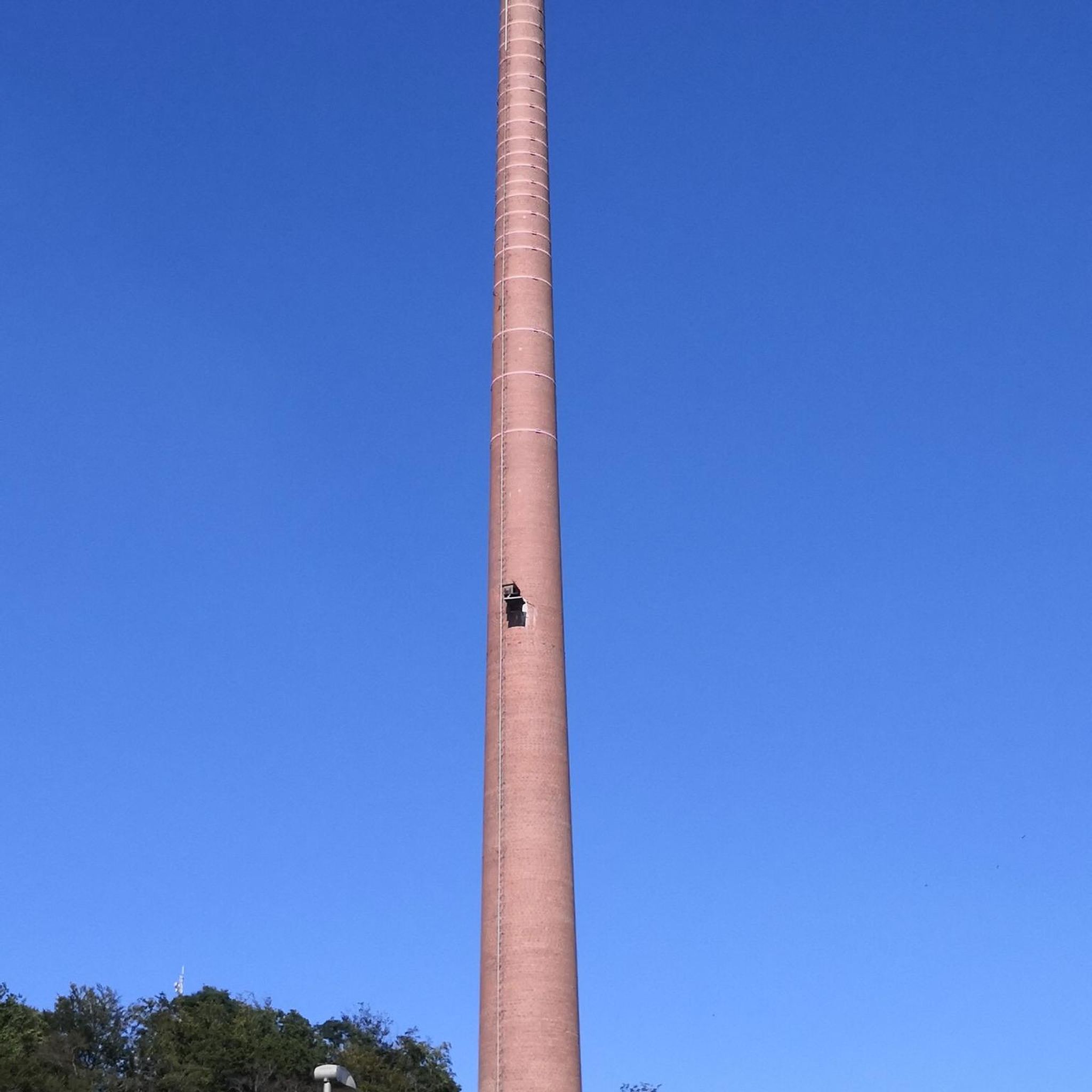
Traffic-free bike rides in Freyung-Grafenau

Traffic-free bike rides in Deggendorf
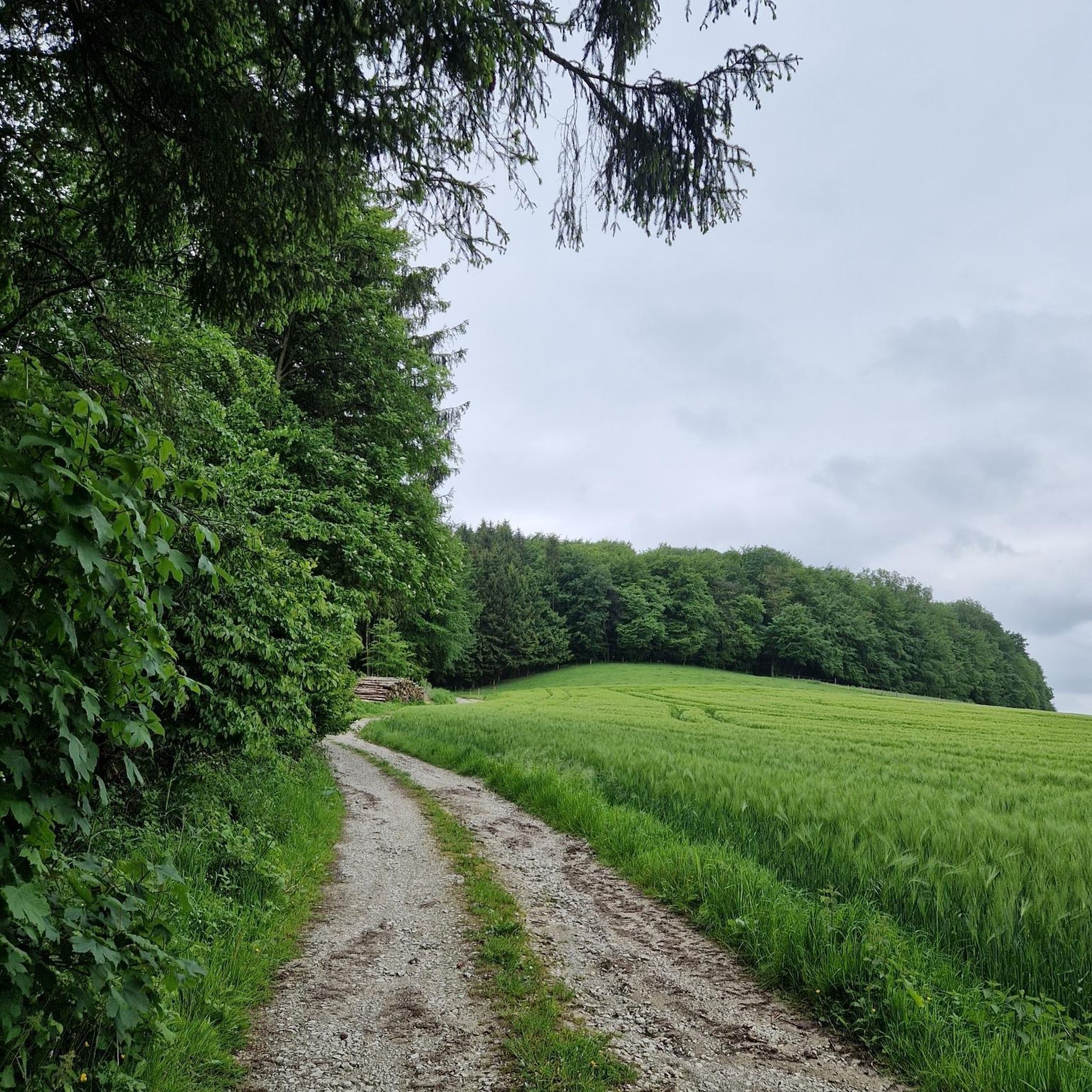
Traffic-free bike rides in Landkreis Dingolfing-Landau
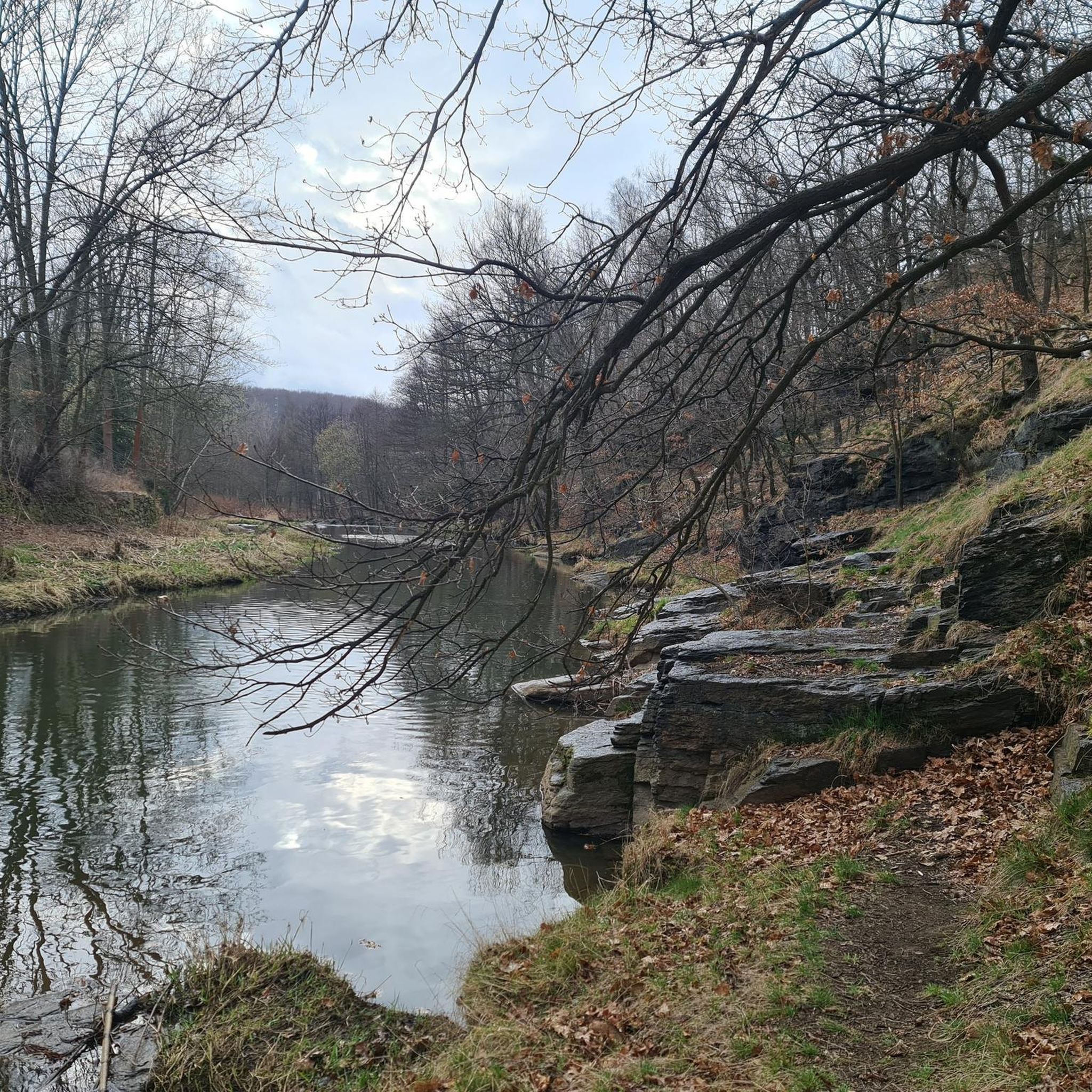
Traffic-free bike rides in Landkreis Straubing-Bogen
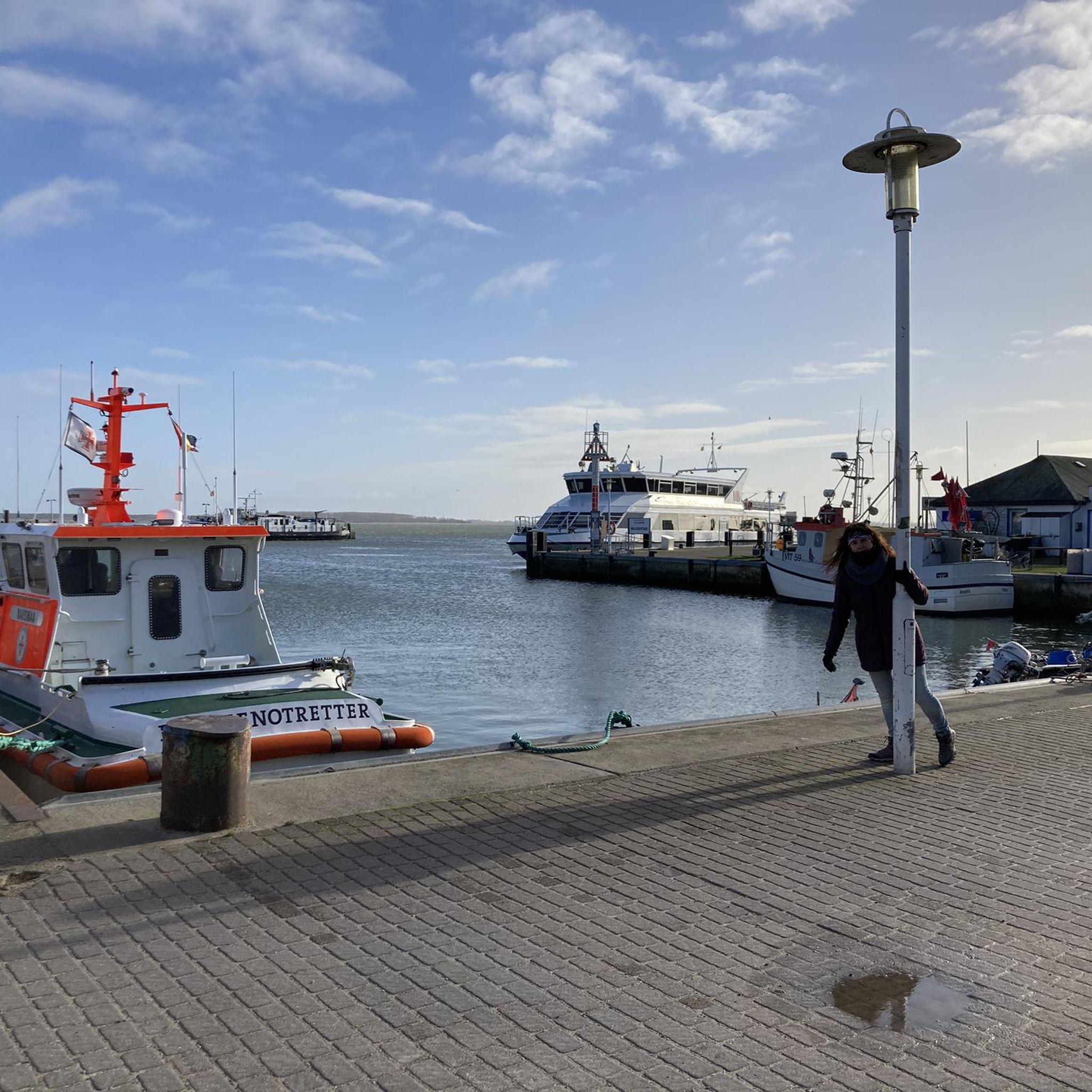
Traffic-free bike rides in Landkreis Rottal-Inn
Other adventures in Lower Bavaria


Tips from the Community

Hexenagger Castle A Dietricus von Haecsenakker is mentioned as early as 928 in a Regensburg document from the St. Emmeram Monastery; further information is scarce. In 1311, Gottfried Hexenacker became Bishop of Freising. He had studied in Bologna and served as dean of the cathedral there for many years. In 1314, he died of an infectious disease while on a tour of inspection in Vienna. In 1485, the castle passed through marriage to the Counts of Helfenstein, who sold the fortress to Duke William of Bavaria in 1528. He gave Hexenagger to the Muggenthal family as a fief. When the castle was destroyed in the Thirty Years' War, the Muggenthal family rebuilt it as a castle. In 1724, the castle was sold to the Bavarian Elector Charles Albert, as the Hexenagger line of the Muggenthal family had died out. In 1731, Elector Karl Albrecht donated the castle to his mistress, Maria Josepha Countess von Morawitzky. Her husband received the castle in 1738, and when he died in 1754, Anton von Kaiserstein became the new owner. Franz Joseph III von Kaiserstein (1792–1893) sold the castle in 1830 and acquired an estate in Sooß (Lower Austria) in exchange. From 1830 to 1951, Hexenagger Castle belonged to the noble family of Weidenbach. Otto Edler von Weidenbach bequeathed it to his niece Ilse von Kalckreuth, who married Wilhelm Leichtfuß, whose son, Eberhard Leichtfuß, owns it today. Hexenagger is a castle between the Renaissance and Baroque periods, built on the foundations of the old castle. In the lower areas and at the corners, ashlars and bossed ashlars, up to several meters high, are still visible on the castle building. The stump of the keep, made of bossed ashlar, is also said to have been preserved, but is not visible from the outside. The defensive character of the complex is best appreciated from the rear, where parts of the curtain wall and wall towers have been preserved. The tall, narrow chapel also still hints at the castle in its form; particularly interesting is the slender, slightly leaning bell tower, which appears to still sit on the older foundations of the medieval chapel tower. The main building itself, with its stepped gable and beautiful garden, presents a romantic sight. The castle is privately owned and not open to the public; the popular Christmas market was relocated to the Wolfgangshof estate near Zirndorf in Middle Franconia in 2023 due to complaints from local residents. Source: www.Burgenseite.de / www.wikipedia.de
2
0
Sandersdorf Castle The present castle dates back to a medieval castle built by the Lords of Sandersdorf as Wittelsbach ministerials. The family has been documented since the 12th century. In 1420, the castle was plundered by Duke Henry of Bavaria-Landshut while he was at war with Duke Ludwig the Bearded of Bavaria-Ingolstadt. In 1425, the castle was granted to the Muggenthal family; the first owner of this family, Erhart von Muggendal, rebuilt it. Hans Heinrich von Muggenthal succeeded in keeping peasant revolts and the Reformation away from his domain. The Sandersdorf Castle Brewery was founded in 1550. The castle was destroyed during the Thirty Years' War; Albrecht Ulrich von Muggenthal had it rebuilt as a four-winged castle by 1646. It retains this form to this day. In 1675, Dominikus de Bassus inherited Sandersdorf Castle, but he witnessed its destruction in 1703 during the War of the Spanish Succession. In May 1787, the castle was searched by Bavarian officials because it was considered an "Illuminati nest." Thomas de Bassus was a member of the Illuminati Order, founded in Ingolstadt by Adam Weishaupt in 1776; his castle was a meeting place for many of the secret society's meetings. Numerous secret documents were confiscated during the search. Around 1900, the castle was partially renovated and refurbished under the direction of the Munich architect Gabriel von Seidl. In 2008, the castle was sold by Margarethe Baroness de Bassus, along with the forest lands, to the Wittelsbach Equalization Fund. In March 2022, the castle was sold to Dr. Horst-Florian Jaeck. Parts of it are to be opened to the public. The richly structured four-winged building complex was built on medieval foundations in the 16th century, rebuilt after destruction in the 17th and 18th centuries, and remodeled in the 19th century. The high main wing faces east; it has high stepped gables on its narrow sides and three oriels with gabled tops on the wide sides facing the valley, in front of which is a kind of moat with two octagonal corner turrets. The lower castle wings to the north and south face west. The castle chapel of St. Joseph, with its octagonal domed tower, is located in the inner courtyard. Source: www.wikipedia.de
2
0

delicious iced coffee and off we go.
1
0


Frequently Asked Questions
How many no-traffic touring cycling routes are available in Lower Bavaria?
Komoot offers nearly 9,400 no-traffic touring cycling routes in Lower Bavaria. These routes cater to various skill levels, with over 2,600 easy, more than 4,100 moderate, and over 2,600 difficult options.
What kind of terrain can I expect on no-traffic touring cycling routes in Lower Bavaria?
Lower Bavaria's no-traffic routes offer diverse terrain. You'll find many routes following major river valleys like the Danube, Inn, and Isar, providing predominantly flat or gently undulating paths. Beyond the river plains, the region features rolling hills and dense forests, offering a mix of easy and moderately challenging routes. The extensive network includes well-maintained asphalt and car-free paths, ensuring a smooth touring experience.
Are there any family-friendly no-traffic cycling routes in Lower Bavaria?
Yes, Lower Bavaria is well-suited for family cycling. The river valley routes, such as those along the Danube or the Five Rivers Route, are known for their minimal ascents and car-free sections, making them ideal for families. These paths often follow rivers, offering scenic and safe environments for all ages.
What are some notable natural features or landmarks I can see along these routes?
Lower Bavaria's routes are rich with natural beauty and historical sites. You can explore the dramatic Danube Gorge, the expansive Bavarian Forest National Park, and picturesque water meadows. Highlights include the Great Arber Lake, and various summits like Großer Arber Summit and Lusen Summit. Historic towns like Regensburg and Passau, and significant religious architecture such as Weltenburg Abbey, are also frequently encountered.
What is the best time of year to go touring cycling in Lower Bavaria?
The best time for touring cycling in Lower Bavaria is generally from spring through autumn. During these seasons, the weather is pleasant, and the landscapes are vibrant. The region's extensive network of paths is well-maintained, making it enjoyable for cycling for most of the year, avoiding the colder winter months.
Are there any circular no-traffic touring cycling routes in Lower Bavaria?
Yes, Lower Bavaria offers several excellent circular routes. A notable example is the Five Rivers Route, which links five river valleys over approximately 300 kilometers with minimal ascents, making it a popular choice for a multi-day circular tour. Many shorter, local loops also exist, providing varied options for day trips.
What do other touring cyclists enjoy most about cycling in Lower Bavaria?
The komoot community highly rates touring cycling in Lower Bavaria, with an average score of 4.5 out of 5 stars from over 41,800 ratings. Reviewers often praise the region's well-developed cycling infrastructure, the scenic beauty of the river valleys and forests, and the abundance of car-free paths that make for a relaxed and enjoyable experience.
Can I find routes that offer a more challenging experience?
Absolutely. While many routes are flat or gently undulating, Lower Bavaria also offers more challenging options, particularly in areas with rolling hills and closer to the Bavarian Forest. For example, the Cycling to the shafts route is rated difficult, featuring significant elevation changes over its 29-kilometer distance.
Are there any routes that pass by castles or historic sites?
Many routes in Lower Bavaria are intertwined with cultural and historical gems. You can find routes that pass by impressive castles and fortresses. For instance, you might encounter Prunn Castle or Oberhaus Fortress, adding a historical dimension to your ride.
What kind of services can I expect along the no-traffic cycling routes?
Lower Bavaria is well-equipped for touring cyclists. Many inns and hotels along the routes are cyclist-friendly, often providing services like secure bike storage and sometimes even luggage transport. You'll also find cafes and pubs in towns and villages along the way, perfect for a break and refreshment.
Are there any specific routes that offer particularly scenic views?
Many routes offer stunning vistas. The Weltenburg Tour, for example, takes you through picturesque landscapes near the Danube Gorge. Routes along the major rivers frequently provide expansive views of the water meadows and surrounding countryside, while paths in the rolling hills offer panoramic views of the Bavarian landscape.
How accessible are these no-traffic routes by public transport?
Many of Lower Bavaria's cycling routes are designed with accessibility in mind. Major towns like Regensburg, Passau, and Straubing, which serve as starting points or pass-throughs for popular routes, are well-connected by regional trains, often with facilities for bike transport. This makes it convenient to reach the start of a car-free route or return from an endpoint.
Most popular routes in Lower Bavaria
Most popular attractions in Lower Bavaria

Get inspired with the komoot mobile app


Didn’t find what you were looking for?
Check out more Cycling routes throughout Lower Bavaria below and find the perfect route in your destination.
Explore more
Browse the best Cycling routes in other regions.
