Top 20 Caves in the Moselle Valley
Best caves in the Moselle Valley offers a diverse landscape characterized by its winding river, steep vineyards, and geological formations. This region, known for its viticulture, also features a mix of natural caves and extensive man-made underground systems. The area's geology includes sandstone formations and historical mining sites, providing varied subterranean experiences. Visitors can explore both ancient natural caverns and historic wine cellars.
Best caves in the Moselle Valley
- The most popular caves is Klausen Cave (Hermit's Cave), a…
Last updated: October 10, 2026
Genoveva Cave
Highlight • Cave
Translated by Google •
Tip by

Klausen Cave (Hermit's Cave)
Highlight • Cave
Showing Translation
Tip by

Sign up now to discover places like this
Get recommendations on the best single tracks, peaks, & plenty of other exciting outdoor places.
Slate Mining Tunnels on Strimmiger Berg
Highlight • Cave
Translated by Google •
Tip by

Theresia Mine Tunnel
Highlight • Cave
Translated by Google •
Tip by

Climbing section near Collisturm
Highlight • Climb
Starting point: Zeller Black Cat Fountain.
Translated by Google •
Tip by

Sign up for free to discover even more caves in the Moselle Valley.
Already have an account?
Start today with a free account
Your next adventure awaits.
Popular around Moselle Valley
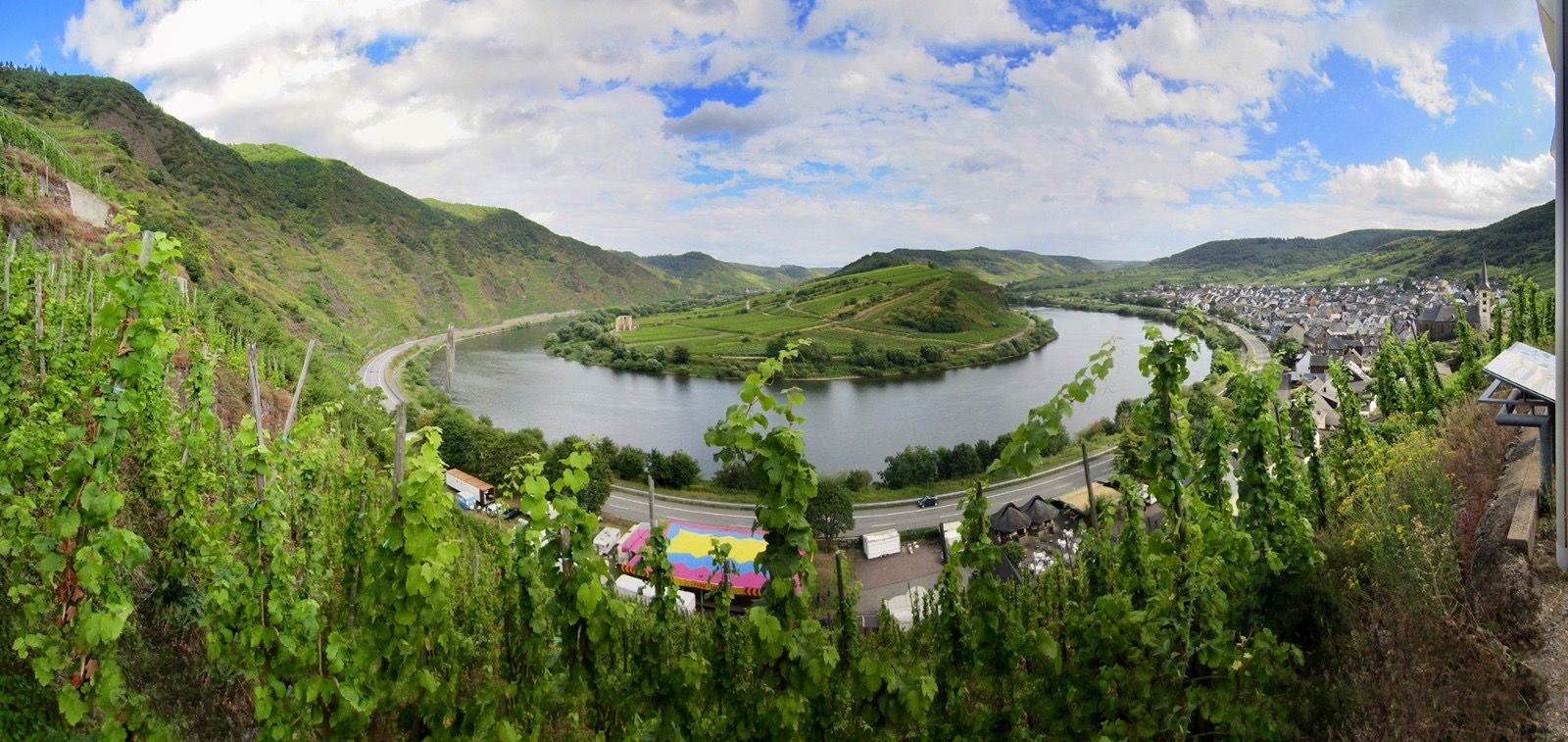
The Moselle cycle path — from the Vosges to the Rhine in 18 stages
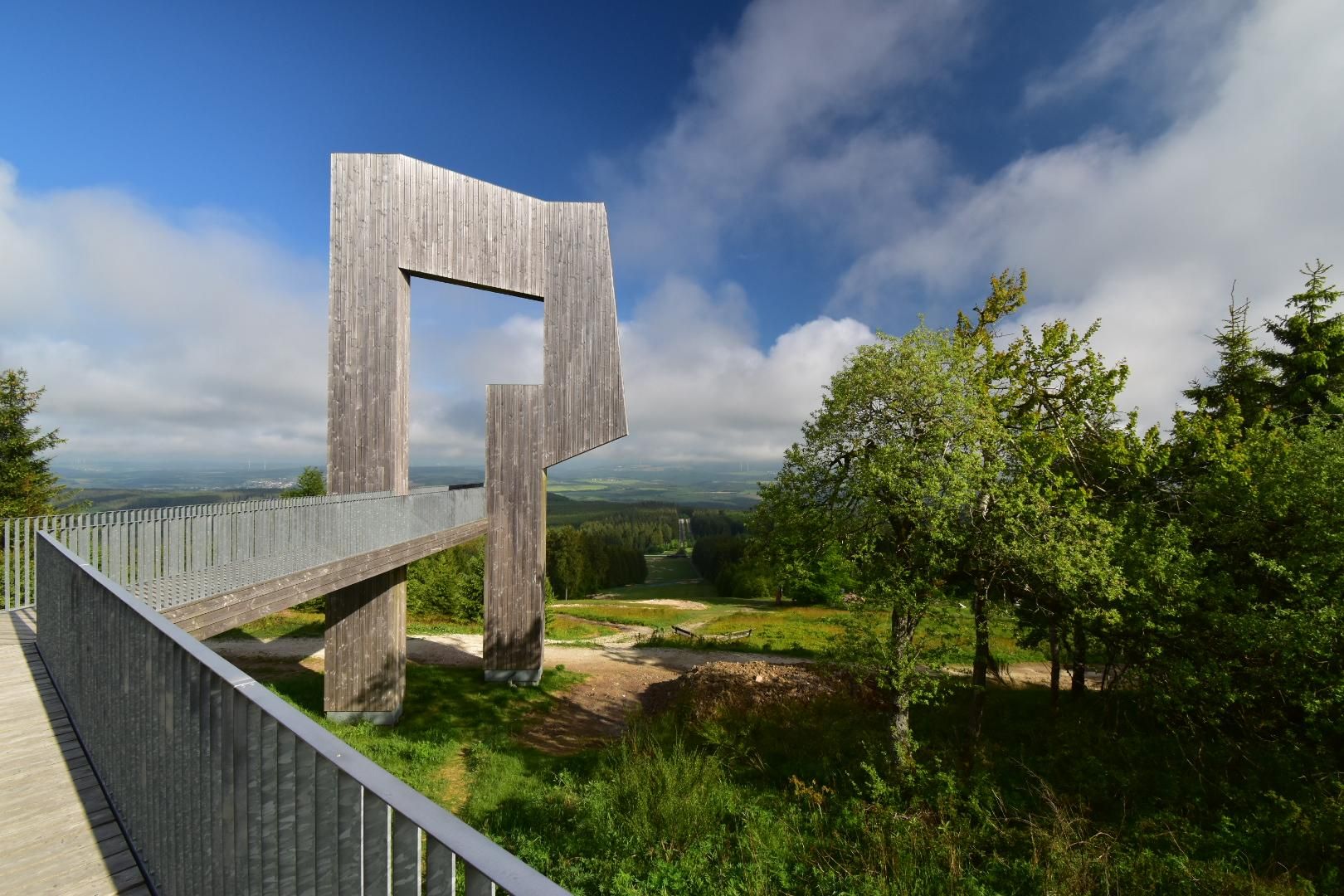
Saar-Hunsrück Climb – Hike in Germany where culture and nature meet
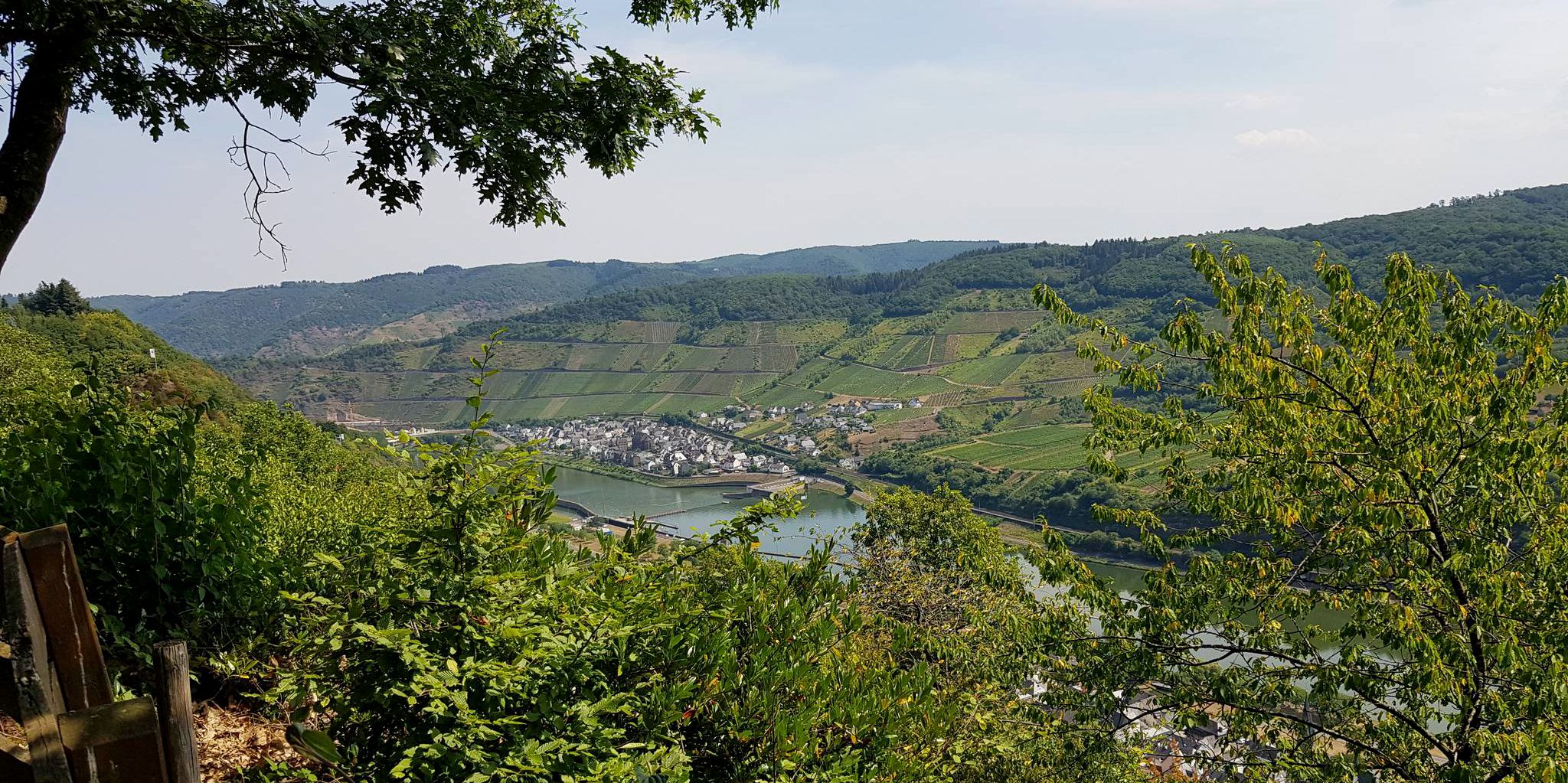
Moselcross — Riding from Trier to Koblenz
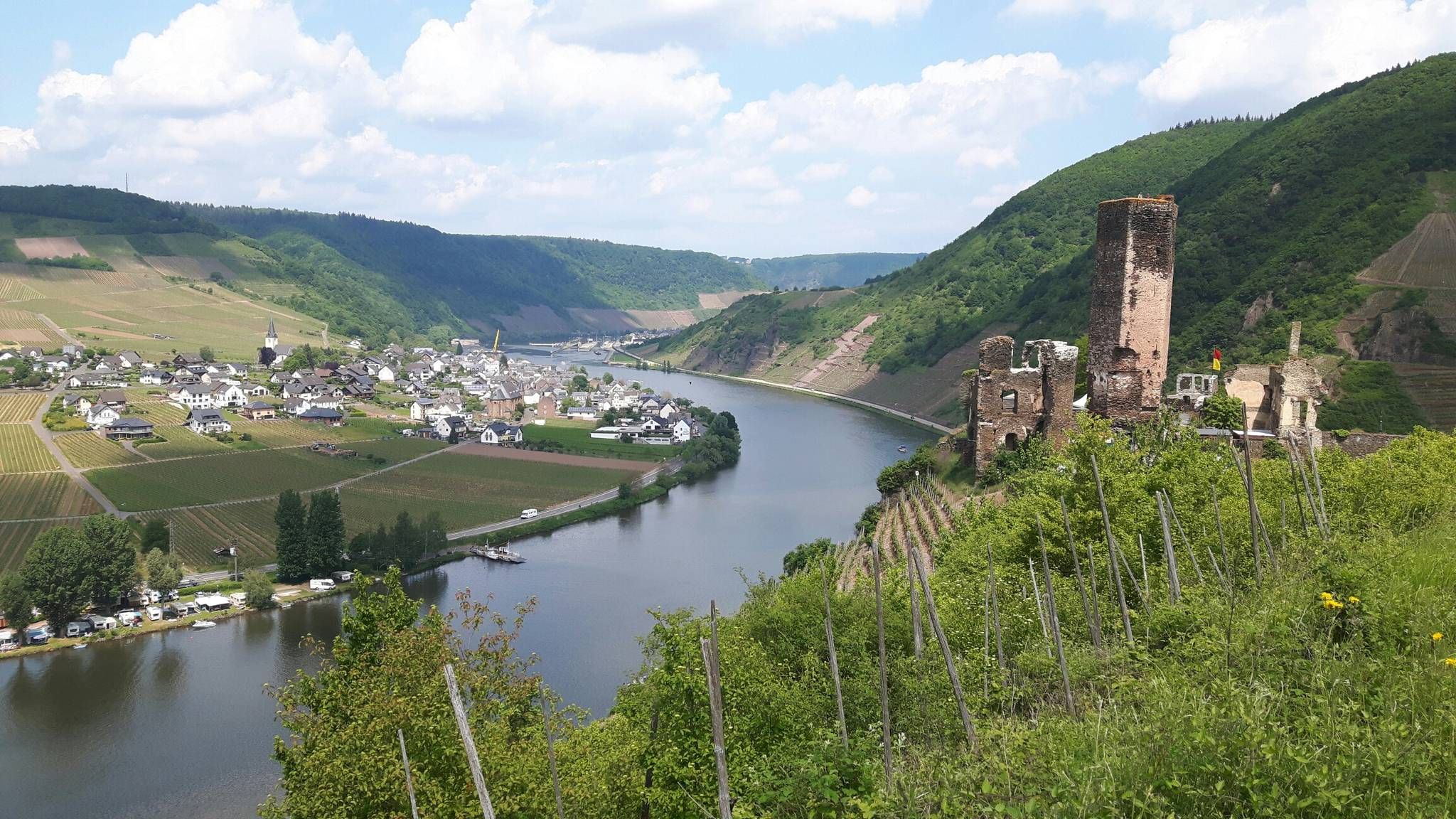
The Moselsteig trail – 24 stages along the sunny Moselle Valley
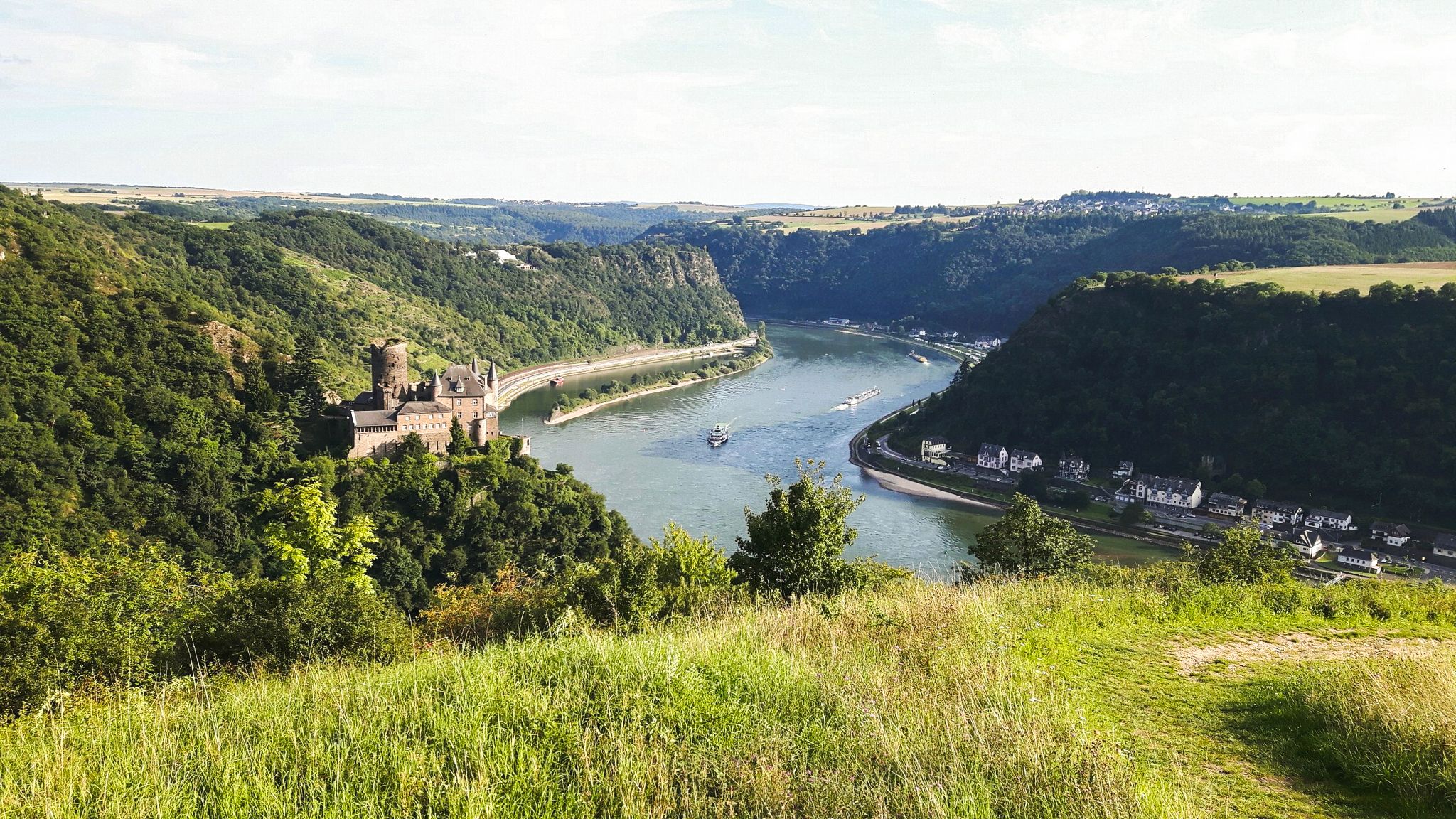
Rheinsteig Trail – The 21 stages along the Rhine
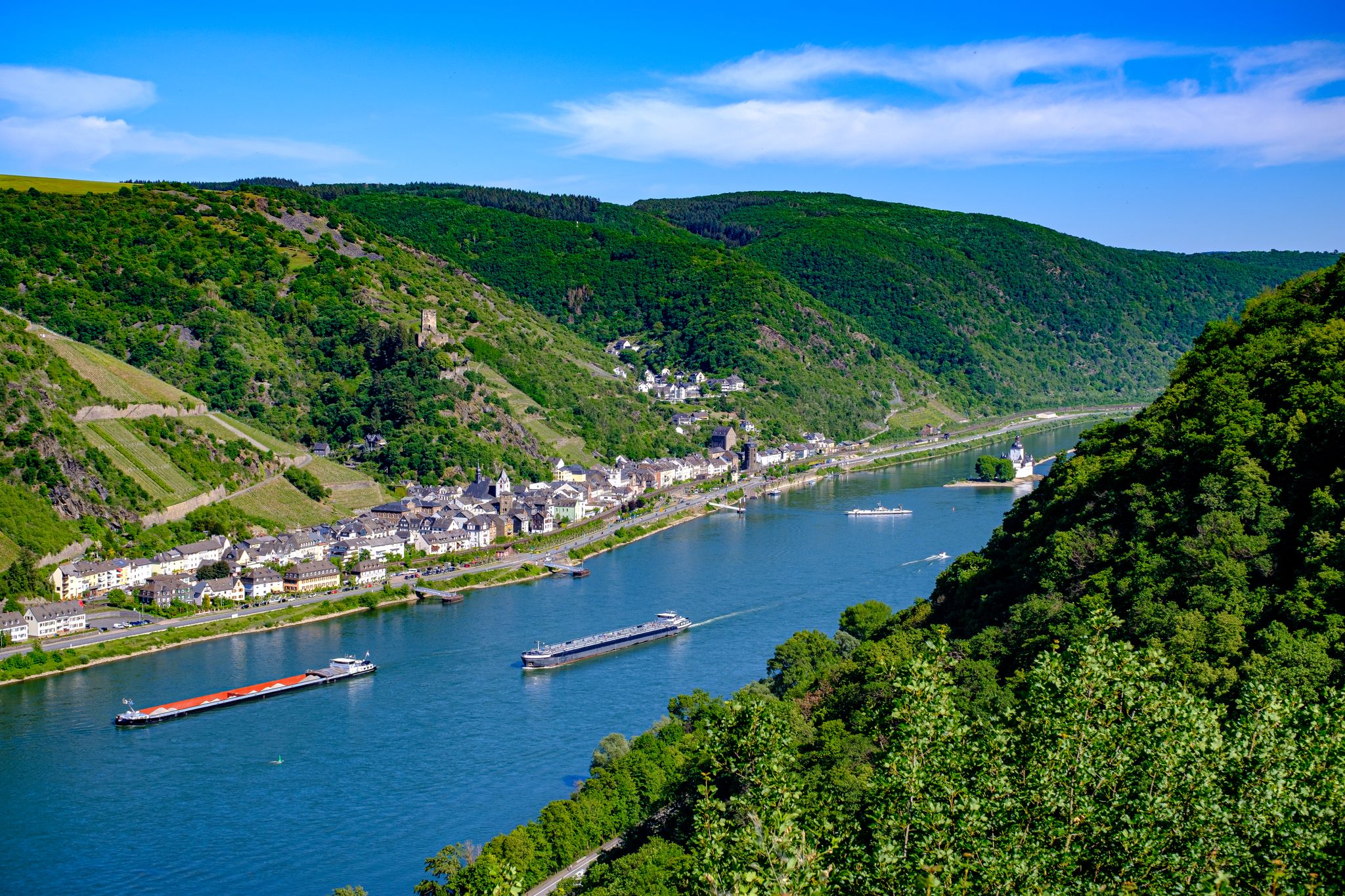
The Rhine Castle Trail – 13 stages of pure Rhine romanticism
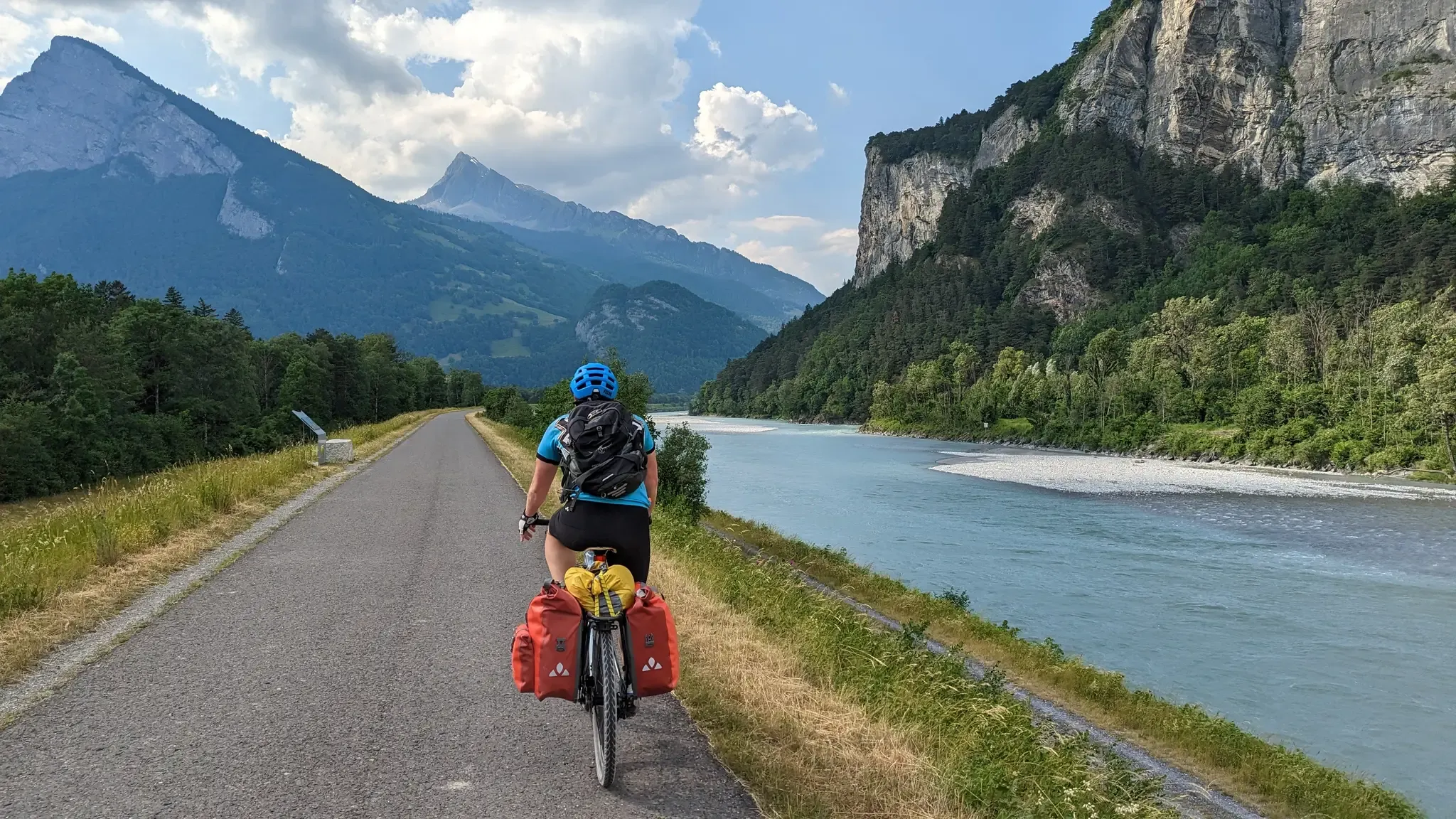
The Rhine Cycle Path — From the source to the North Sea
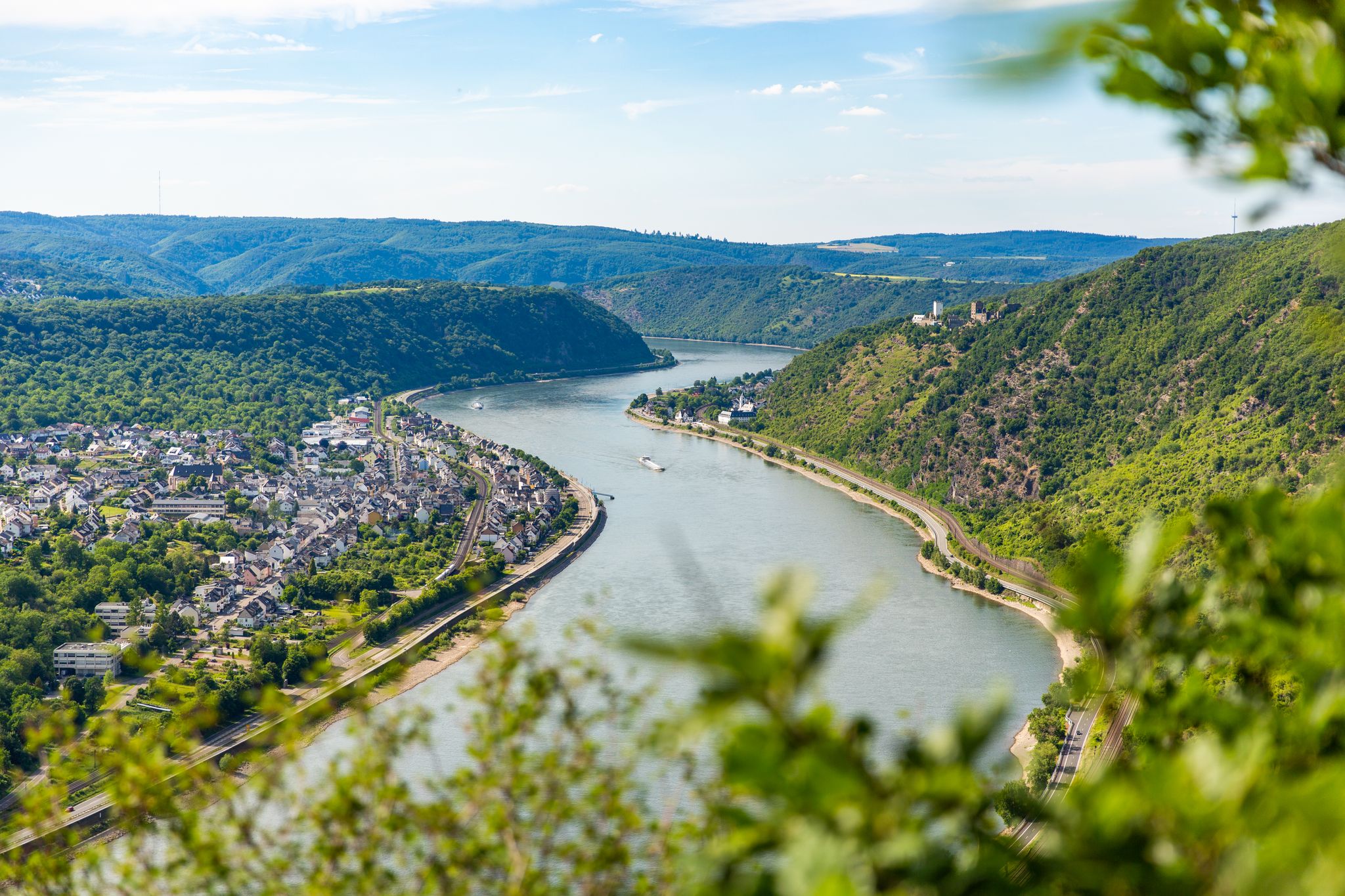
Up and down along the Rhine – adventure on the Rheinsteig

Dream Trails in the Rhine-Mosel-Eifel Region – Small Trails, Great Nature
Dream Loops with great views in the Hunsrück
Other adventures in the Moselle Valley


Tips from the Community


View of Zell from the Collis Tower
0
0

A nice little climbing spot, but it can easily be bypassed by a small path.
0
0

The Klausenhöhle was inhabited in the 18th century by a hermit. Access is via ladders. Particularly impressive is the view through a natural rock opening, which reveals a view of the surrounding landscape. With its exceptional location and special atmosphere, the cave is one of the region's most appealing photo motifs.
44
0

The mine path begins with Jupp, the miner carved out of wood, who is a symbol of the miners from Morshausen who mined ore in the lower Theresia mine from 1859 to 1886. The ores were brought to St. Goarshausen-Fellen for smelting. From the Theresia ore mine, the mouth hole of the lowest tunnel at Baybach level near the colliery house, which was built in 1860 for 12 miners and miners, has been preserved and one at the spoil heap level. The various tunnels extended from 250 meters to 20 meters into the mountain and were 10 to 15 meters wide.
1
0

Officially 'steep path' and that describes it much better. Even if there are elements that are familiar from via ferratas, the overall experience is more of a demanding, partly exposed and quite steep hiking trail in passages with clamps/ladders. Hardly anyone will have equipment here (except perhaps for children) and anyone who has a little experience of via ferrata can walk through here comfortably.
5
0

Great, impressive photo opportunity 🎨📸👍🏻👌🏼 Klausenhöhle KORDEL Visit the Klausenhöhle on the Eifelsteig and Römerpfad premium hiking trails and let the past come to life again. In the 18th century, a Klausener, a hermit, who sought to achieve eternal salvation through a life in complete isolation, probably lived in the Klausenhöhle. It's gigantic to see😵👌🏼
15
0

The via ferrata from Zell to the Collisturm is one of the most difficult via ferratas on the Moselle. In addition to safety ropes and step bars, steep ladders and crossings on pins await you.
10
0
Frequently Asked Questions
What types of subterranean sites can I explore in the Moselle Valley?
The Moselle Valley offers a diverse range of subterranean experiences, including ancient natural caverns, extensive historic wine cellars, and former mining tunnels. This mix reflects the region's unique geology and rich history.
Are there any natural caves with historical significance in the Moselle Valley?
Yes, the Genoveva Cave near Kordel is a legendary natural cave formed millions of years ago. Archaeological finds within the cave, dating from the Paleolithic era to Roman and medieval times, indicate it provided shelter for thousands of years. It's also steeped in local folklore.
Can I visit wine cellars that are referred to as 'caves' in the Moselle Valley?
Absolutely. The Moselle Valley is famous for its wine, and many extensive underground wine cellars are often called 'caves.' Notable examples include Caves St Martin in Remich, Luxembourg, known for sparkling wine production, and Caves de Wellenstein, a major site for Vinsmoselle wines. Traben-Trarbach also features an 'Underworld' of historic cellar vaults, which you can explore via guided tours to learn about its past as a major wine trading hub. For more details on Traben-Trarbach's underground, visit visitmosel.de.
What are the unique features of the Slate Mining Tunnels on Strimmiger Berg?
The Slate Mining Tunnels on Strimmiger Berg are horizontal tunnels manually driven into the mountain to extract slate blocks. These tunnels gained economic importance in the 19th century and later served as protection from air raids during wartime. Today, they are closed with grids for safety but provide crucial shelter for wintering bats, and the spoil heaps are ideal habitats for heat-loving species.
Are there any easy hiking trails that lead to caves in the Moselle Valley?
Yes, the Genoveva Cave is accessible via popular hiking trails like the Eifelsteig or Römerpfad, with steps carved into the rock to improve access. For other easy hiking options in the region, you can explore routes in the Easy hikes in the Moselle Valley guide.
What do visitors enjoy most about the caves in the Moselle Valley?
Visitors frequently appreciate the historical depth and natural beauty. For instance, the Klausen Cave (Hermit's Cave) is loved for its secluded charm and the fascinating faces carved into the rock. The Genoveva Cave is noted for its impressive size and the historical context provided by information boards, offering a glimpse into how people lived there thousands of years ago.
Are there any caves in the Moselle Valley that are suitable for families?
Many of the accessible natural caves and historical sites, like the Genoveva Cave, are suitable for families, offering an engaging experience for children to explore history and nature. The wine cellar tours, while not traditional caves, also provide an educational and interesting outing for older children and adults.
What is the Theresia Mine Tunnel, and what can I expect to see there?
The Theresia Mine Tunnel is one of many historical mine tunnels in the Hunsrück area, driven into the rock for ore, gemstone, or slate quarrying. While most are now closed with bars to protect bats, they represent a significant part of the region's industrial history, where lead, silver, copper, and zinc ores were mined.
Can I find other outdoor activities near the caves in the Moselle Valley?
Yes, the Moselle Valley offers a wide range of outdoor activities. You can find numerous mountain biking trails in the MTB Trails in the Moselle Valley guide, or explore road cycling routes in the Road Cycling Routes in the Moselle Valley guide. Many caves are also integrated into hiking networks, providing opportunities for scenic walks.
Is there a religious grotto in the Moselle Valley that is considered a cave?
Yes, the Lourdes Grotto (Station 10) on the All Saints' Hill is a grotto with a figure of the Virgin Mary and Saint Bernadette. While primarily a religious site, its grotto formation gives it a cave-like appearance and it is a point of interest for pilgrims and hikers alike.
What is the best time of year to visit the caves and subterranean sites in the Moselle Valley?
The Moselle Valley's caves and underground wine cellars can generally be visited year-round. Natural caves like Genoveva Cave are accessible in most seasons, though hiking trails leading to them might be more pleasant in spring, summer, or autumn. Wine cellars maintain a constant cool temperature, making them a good option regardless of outside weather, though some cellar tours might be unavailable during harvest season.
Most popular routes in the Moselle Valley
Most popular attractions in the Moselle Valley

Get inspired with the komoot mobile app


Explore more
Extend your search for the best caves by checking out these guides of the top ones in the Moselle Valley:
