Top 20 Castles in the Verwaltungsregion Oberland
Castles in the Verwaltungsregion Oberland, also known as the Bernese Oberland, are set amidst Alpine landscapes and reflect a rich historical heritage. This region in the Canton of Bern, Switzerland, encompasses four administrative districts. It is home to 20 castles, offering insights into medieval architecture and aristocratic life. The castles provide historical context to the region's development and offer views of Lake Thun and the surrounding mountains.
Best castles in the Verwaltungsregion Oberland
- The most popular castles is Spiez Castle…
Last updated: October 4, 2026
Thun Old Town and Castle
Highlight • Castle
Translated by Google •
Tip by

Amsoldingen Basilica
Highlight • Religious Site
Tip by

Sign up now to discover places like this
Get recommendations on the best single tracks, peaks, & plenty of other exciting outdoor places.
Schadau Castle
Highlight • Castle
Translated by Google •
Tip by

Spiez Castle and Marina
Highlight • Castle
Translated by Google •
Tip by

Burgkirche and Ringgenberg Castle Ruins
Highlight • Castle
Marvel at a medieval and baroque castle church
The Ringgenberg Castle Church is a charming place, full of Bernese history and at the …
Translated by Google •
Tip by

Oberhofen Castle
Highlight • Castle
Today, the castle is a museum designed to reflect the history of former residents.
Translated by Google •
Tip by
Wimmis Castle
Highlight • Castle
Translated by Google •
Tip by

Ruins of Tellenburg Castle
Highlight • Castle
Translated by Google •
Tip by

Schadaupark
Highlight • Natural
Translated by Google •
Tip by
Spiez Bay
Highlight • Lake
Translated by Google •
Tip by
Sign up for free to discover even more castles in the Verwaltungsregion Oberland.
Already have an account?
Start today with a free account
Your next adventure awaits.
Popular around Verwaltungsregion Oberland
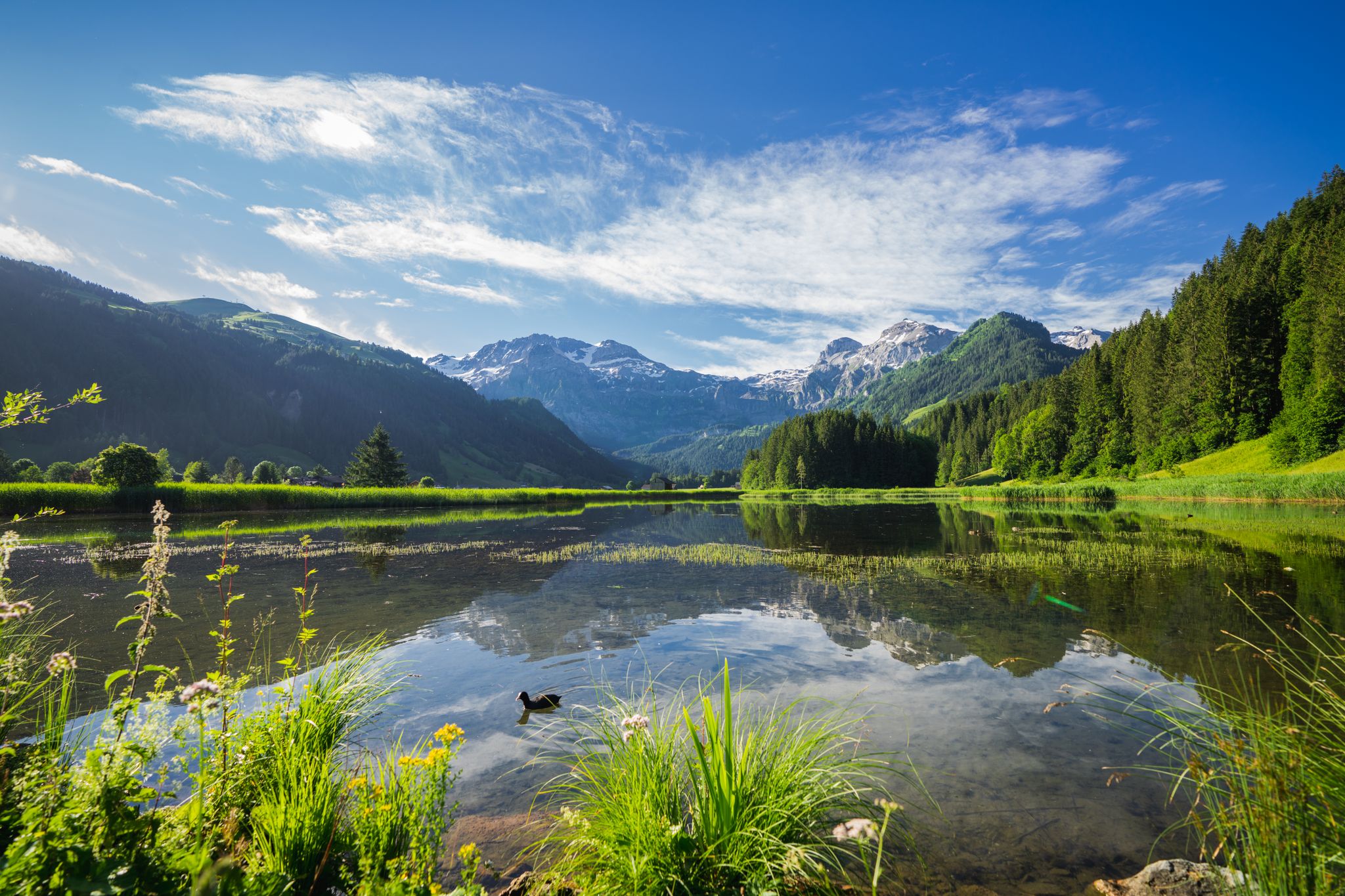
Alpine flowers and lunar craters – hiking in the Bernese Oberland
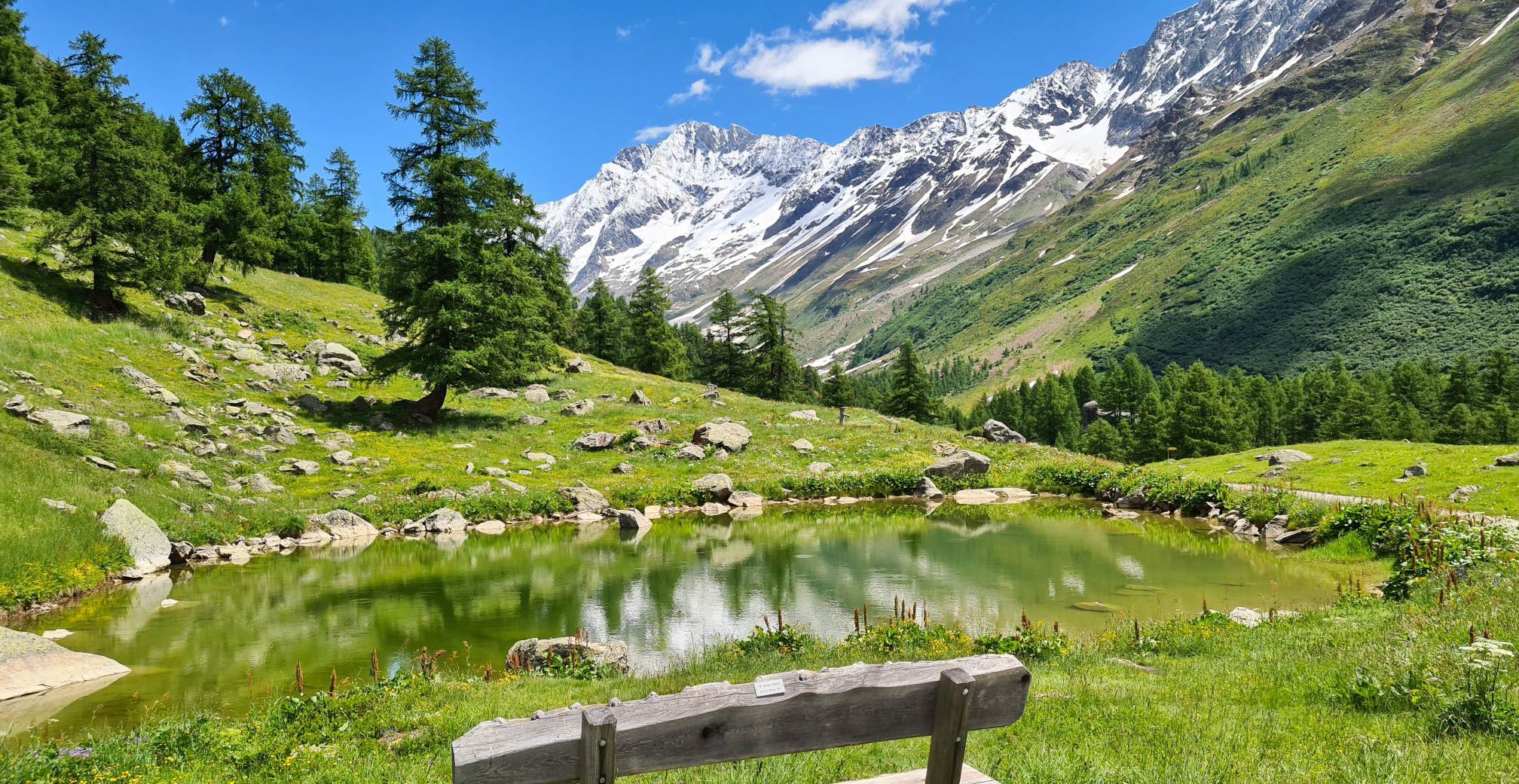
Lötschberg Panorama Trail – 4 days of alpine views in Switzerland
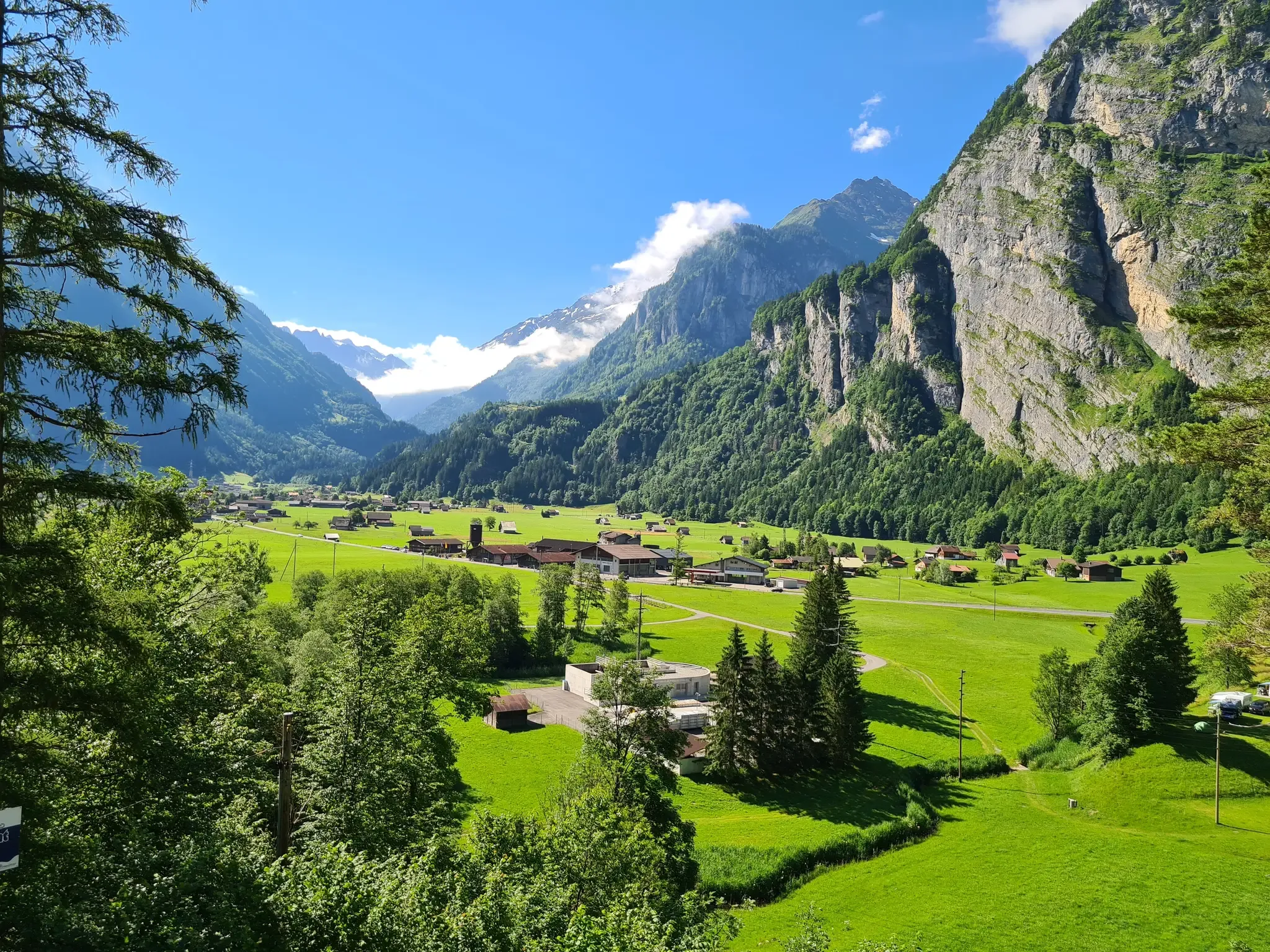
Aare Route – Everything Switzerland has to offer
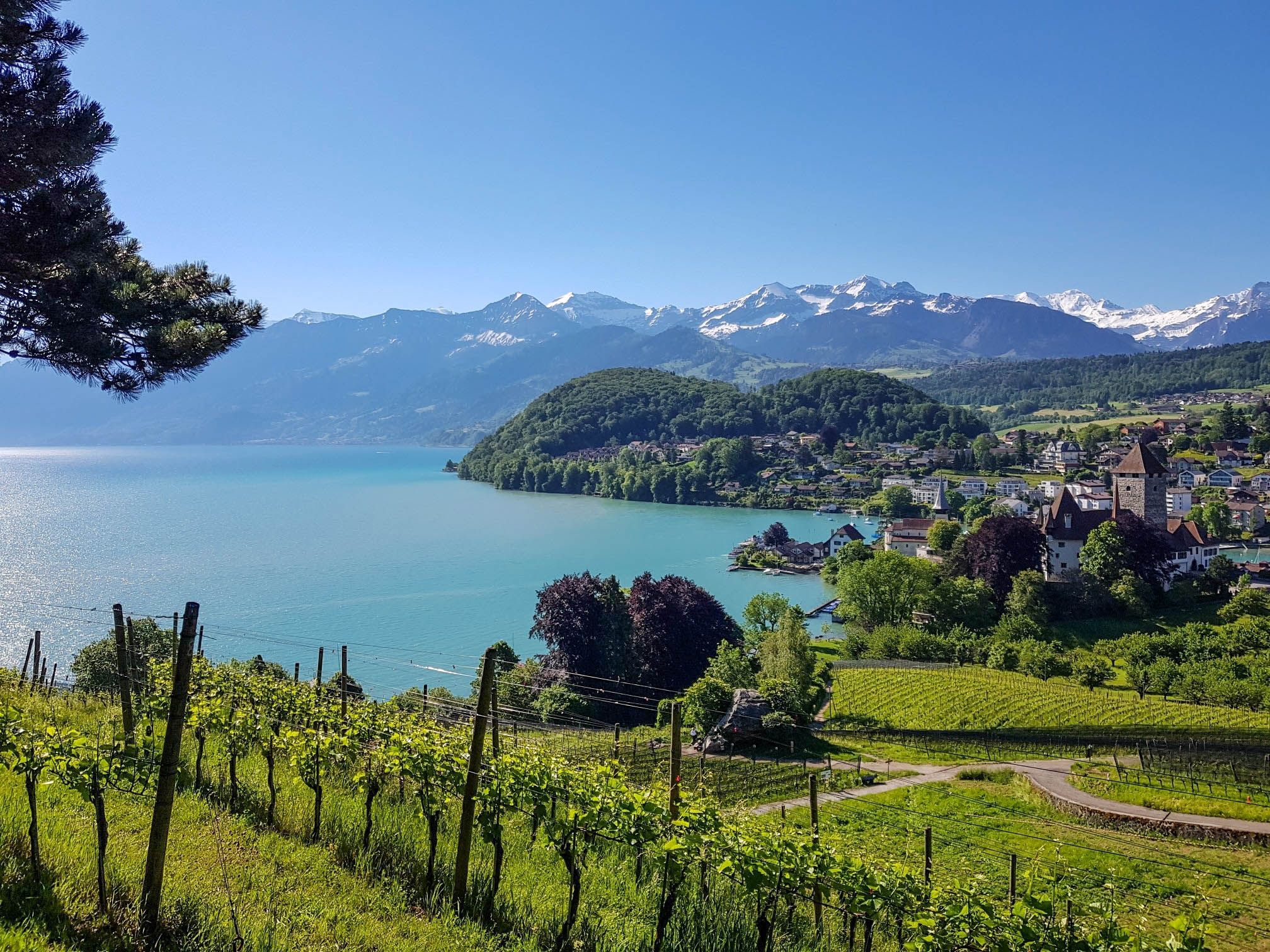
Panoramic circular trail around Switzerland's Lake Thun – Lake views at every turn
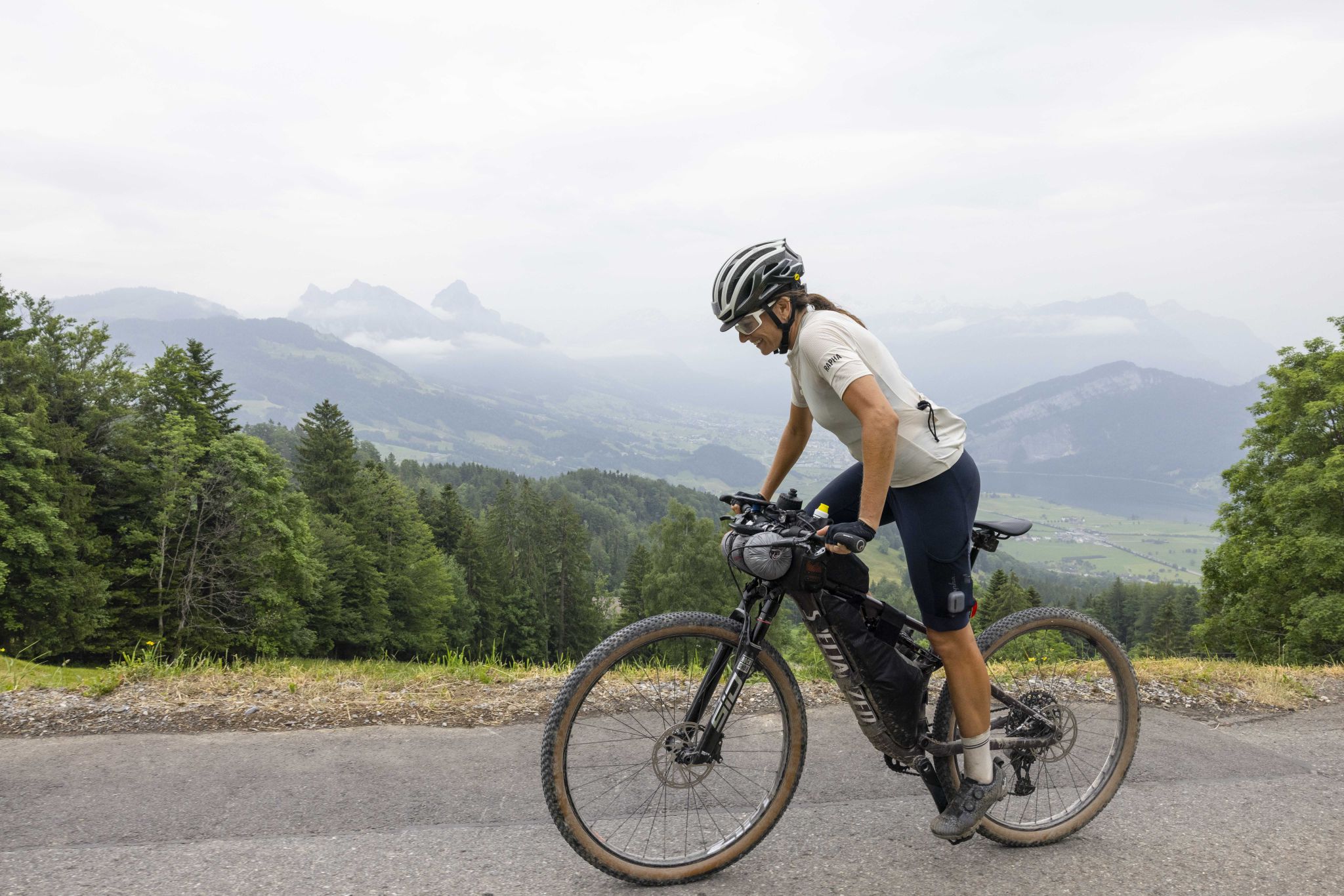
Hope 1000 – Bikepacking Switzerland in 11 stages
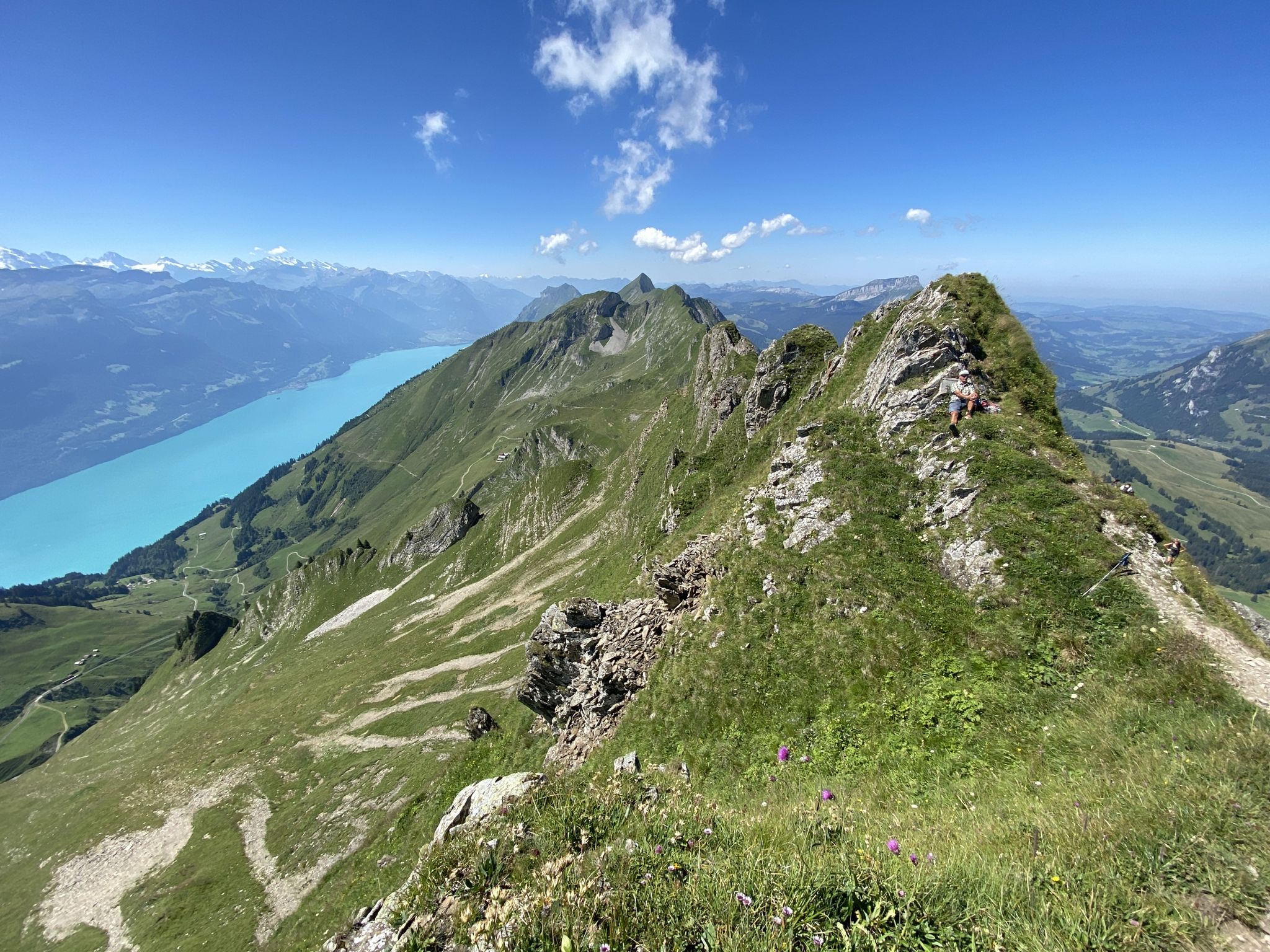
Napfbergland Border Trail – Hike between Bern and Lucerne
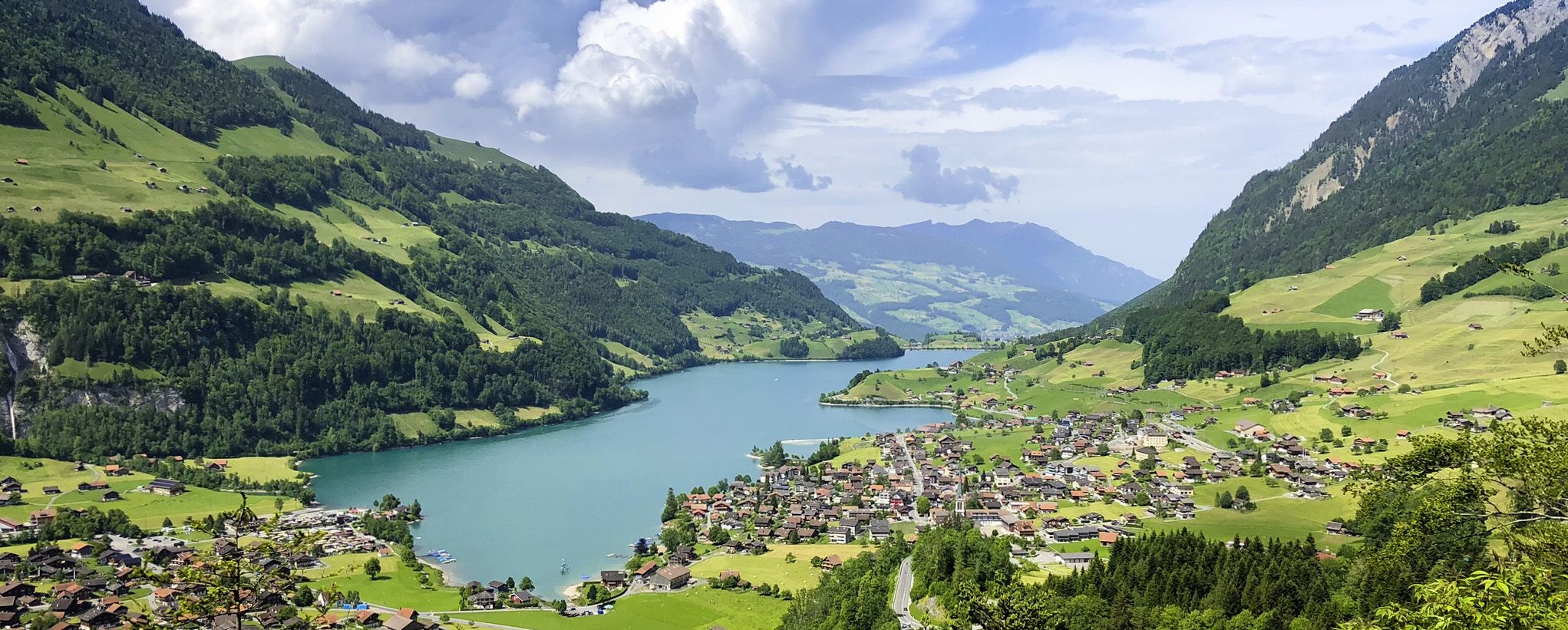
The Lakes Route – Picture-postcard views in the Swiss alpine foothills
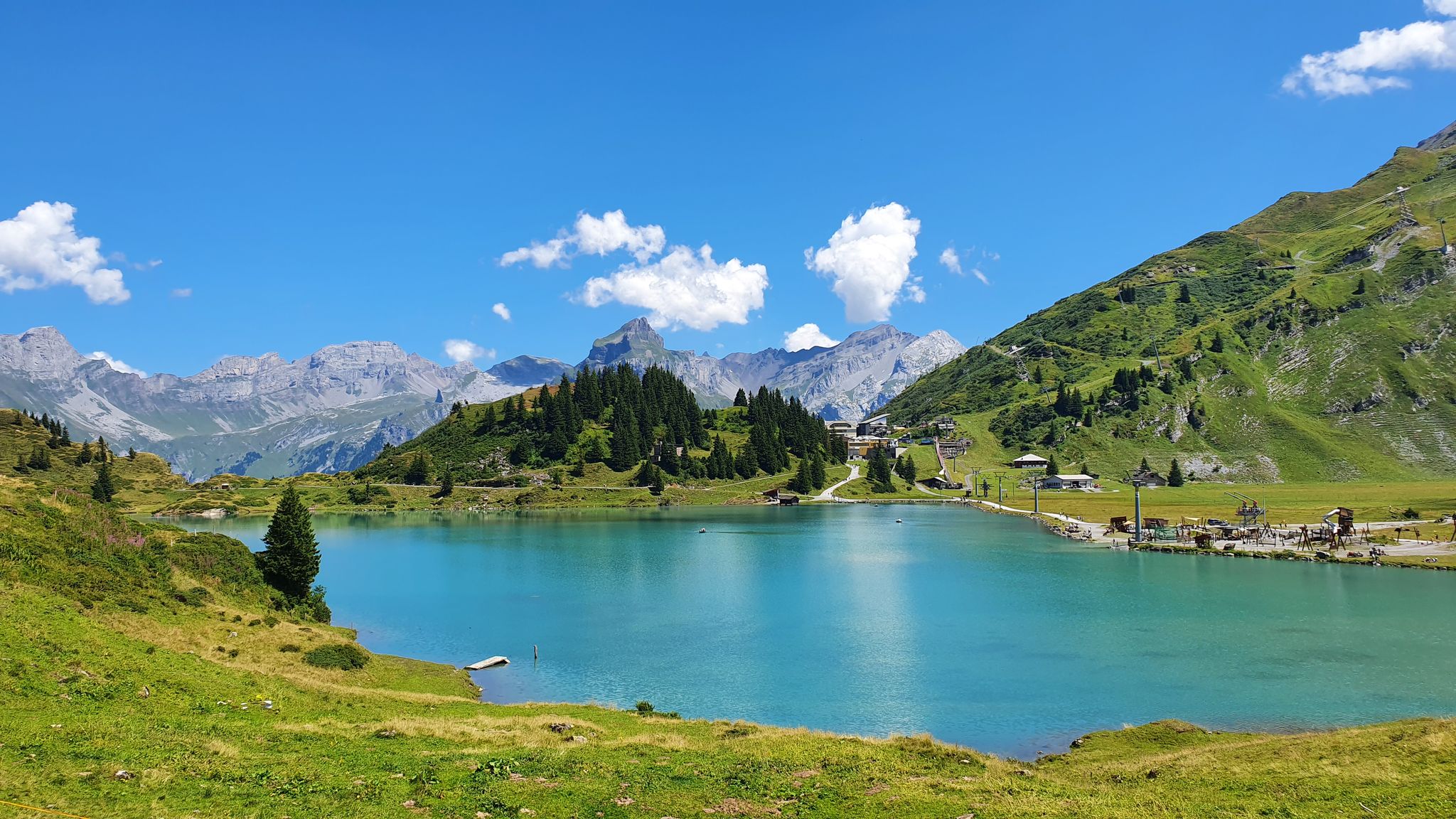
Via Alpina – The 15 stages of the Green Route
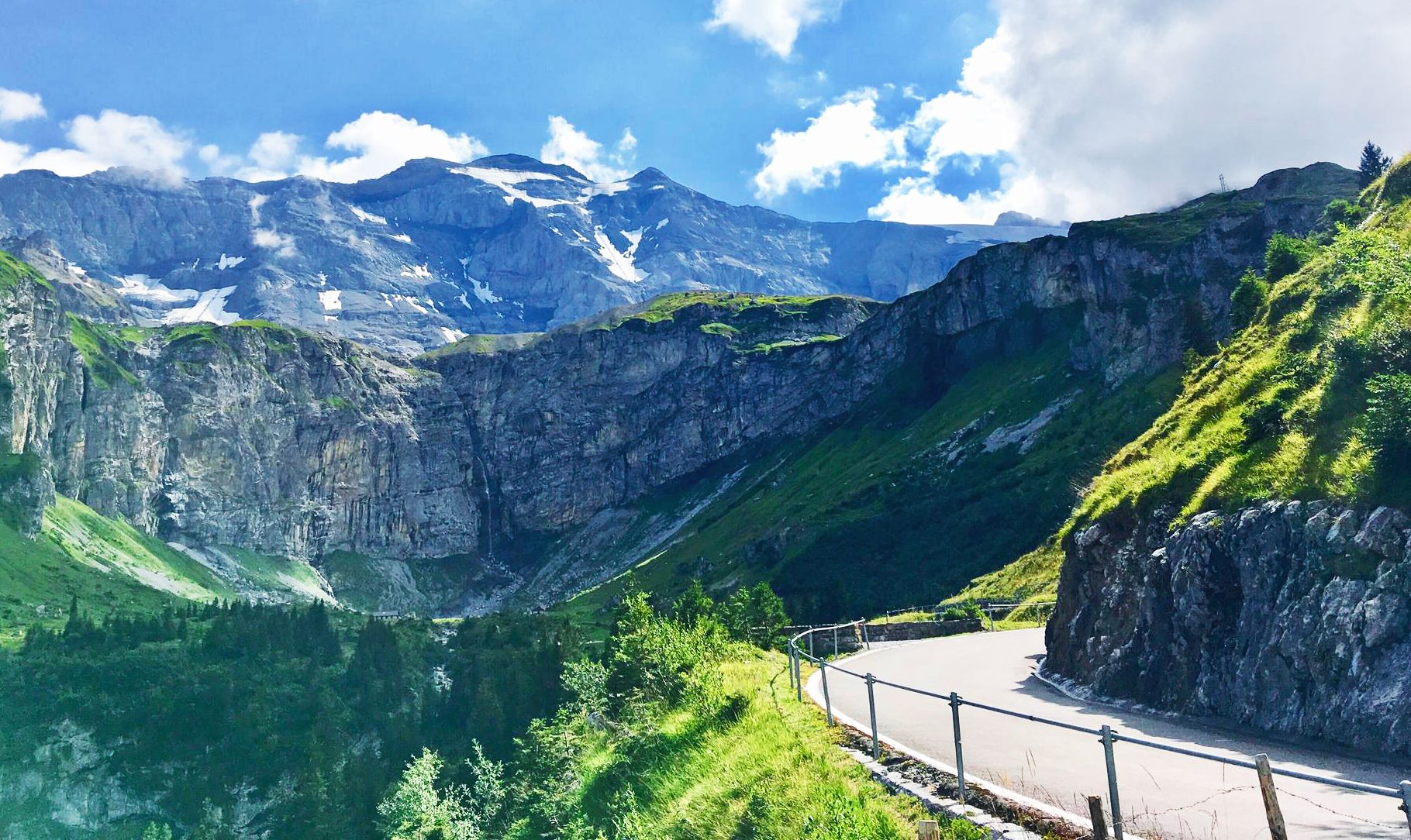
Alpine Panorama Route — 8 stages through the foothills of the Alps
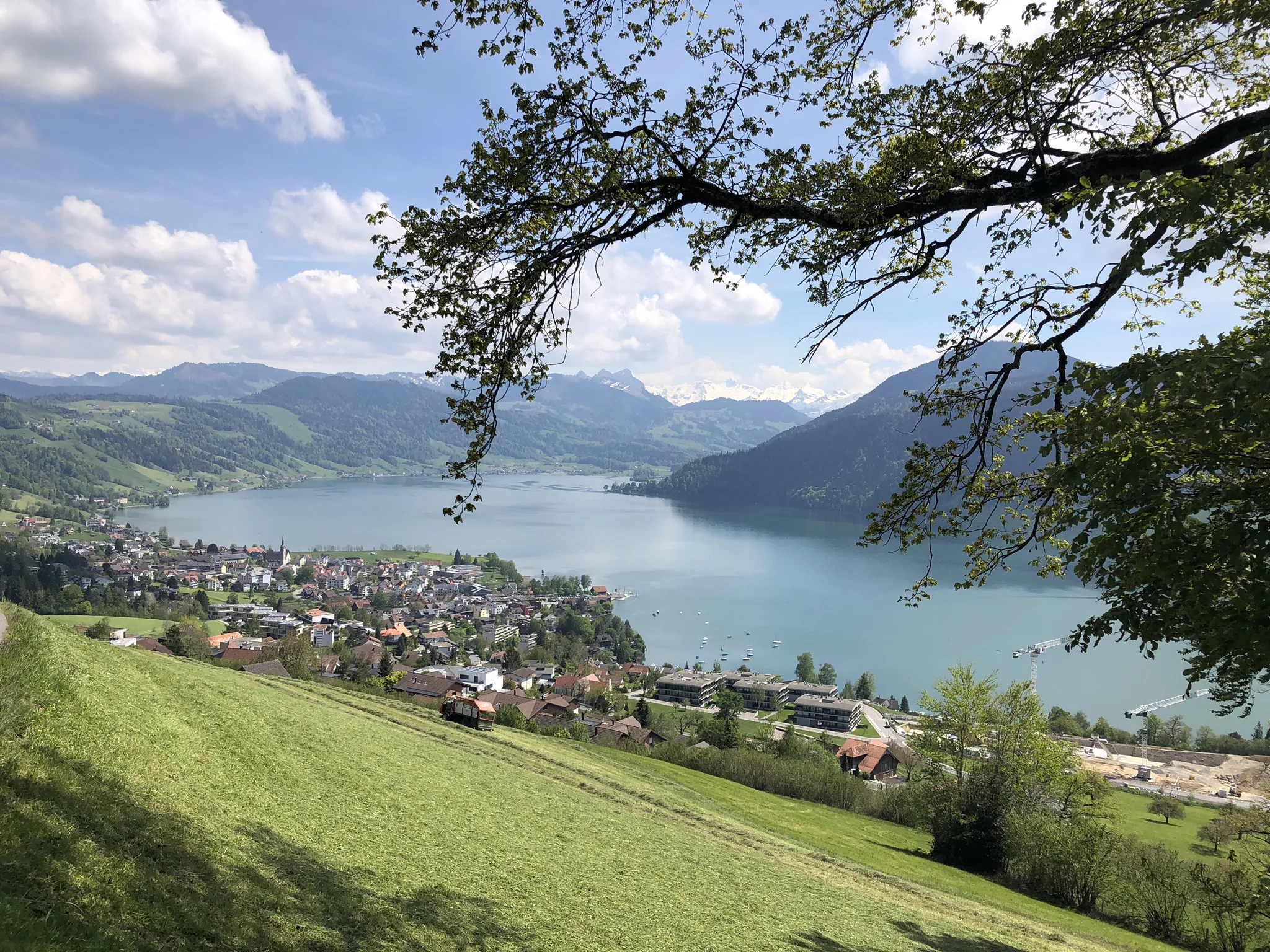
The Herzroute – Cycling through the heart of Switzerland
Other adventures in the Verwaltungsregion Oberland


Tips from the Community

Beautiful little harbor with lots of activities...
0
0

Built in the 12th/13th centuries by the Lords of Strättligen (or Wimmis), the complex came into the possession of the Barons of Weissenburg around 1260. Weissenburg War & Contested During the 14th century, during the Weissenburg Wars, there were a total of about nine sieges, including a successful Bernese conquest in 1334. Under Bernese Rule In 1449, Bern acquired the castle and the office. It served as the seat of the bailiff/landvogt until 1967 and later as a district court. In 2010, it became the property of the municipality. Renovations & Expansion Important expansions: 15th–17th centuries, addition of the south wing in 1696, northeast wing in 1741/42, renovations in 1789–90, 1949–51, and 1984–87. Current Use The first and second floors house offices of the cantonal forest administration, and the third floor houses a private apartment. Public tours are offered during the summer months.
8
0

Ringgenberg Castle Church from the 13th century Marvel at a medieval and baroque castle church The Ringgenberg Castle Church is a charming place, full of Bernese history and at the same time one of the most impressive castle complexes in the Bernese Oberland. It was built by Imperial Bailiff Cuno von Brienz in the 13th century. With the founding of the Swiss Castle Association in 1928, historical interest in the castle ruins arose. The Ringgenberg Castle Church stands proudly on the northern shore of Lake Brienz. Two monuments from different historical eras and areas of life can be found on the castle rock in Ringgenberg. Together, the ruins of the medieval castle of the high nobility and the Baroque reformed church form a contrasting, distinctive interplay. The courtly culture cultivated here in the Middle Ages can still be sensed. The ballroom in the tower is reminiscent of intoxicating parties with a view of the lake. Since 2008, the castle tower has been accessible via stairs, a gallery and a viewing terrace. Once at the top, you can enjoy a unique view over Lake Brienz. In contrast, there is the modesty of the hall church, which is geared to the needs of reformed services. In 1837, the castle church received its church organ, which Felix Mendelsohn played in 1847. Text / Source: Interlaken Tourism, Marktgasse 1, Interlaken https://www.interlaken.ch/erlebnisse/poi/burgkirche-ringgenberg
12
1

The Amsoldingen Basilica, attributed to Rudolf II of Burgundy and Berta of Alamannia, was built around 1000 on the site of an earlier 7th-century church and shows Lombard architectural influences. Originally lacking a tower and transept, it later gained a tower in place of the southern apse, and its collegiate chapter was dissolved in 1484. The church underwent Gothic modifications, became a Pietist center under Samuel Lutz (1726–1738), and was renovated in 1978–1980; its crypt includes Roman spolia, and its stained glass windows by Max Brunner depict the Trinity.
0
0


Wonderful park to relax or just enjoy
0
0


Beautiful castle with a particular location, best admired from the outside while sailing on Lake Thun
2
0
Frequently Asked Questions
Which castles in the Verwaltungsregion Oberland offer the best panoramic views?
Several castles in the region boast exceptional views. Thun Castle provides magnificent sights of the city, Lake Thun, and the Bernese Alps from its towers. Oberhofen Castle, situated directly on Lake Thun, offers stunning vistas of the lake and surrounding mountains, especially from its oriental smoking room. Spiez Castle, perched on the lakeshore, also provides breathtaking views of Lake Thun and the imposing mountains.
Are there family-friendly castles to visit in the Verwaltungsregion Oberland?
Yes, many castles in the region are great for families. Thun Castle offers interactive elements for children within its historical museum. Spiez Castle features engaging interactive exhibitions, including a Knights' Trail and 3D peepers, making history fun for all ages. Oberhofen Castle and its beautiful park are also suitable for family outings.
What is the best time of year to visit the castles in the Verwaltungsregion Oberland?
The best time to visit is generally from spring to autumn (April to October) when the weather is mild and the castle parks and surrounding landscapes are at their most beautiful. Summer (June to August) offers the warmest temperatures, ideal for combining castle visits with outdoor activities. Some castles may have reduced opening hours or be closed during the winter months, so it's advisable to check individual castle websites before planning a winter visit.
Which castles offer insights into the region's historical architecture and aristocratic life?
Thun Castle, built by the Dukes of Zähringen, is a prime example of Zähringian architecture and houses the well-preserved Knights' Hall. Oberhofen Castle showcases the lifestyle of aristocratic families like the de Pourtalès, with rooms preserved from the 19th century. Hünegg Castle offers a unique glimpse into the Historicism and Art Nouveau periods, with its furnishings largely unchanged since 1900.
Are there opportunities for outdoor activities near the castles?
Yes, the Verwaltungsregion Oberland is renowned for its outdoor activities. You can find numerous hiking, road cycling, and mountain biking routes nearby. For instance, you can explore hiking trails like the Schynige Platte Panorama Trail, or enjoy road cycling routes around Lake Thun, such as the loop from Thun to Oberhofen Castle. For mountain biking, there are MTB trails like the Brienzersee Bike Route.
Which castles are easily accessible by public transport?
Many castles in the Verwaltungsregion Oberland are well-connected by public transport. Thun Castle is located in the town of Thun, which is a major transport hub. Spiez Castle and Oberhofen Castle are also conveniently located on Lake Thun, often reachable by boat or bus services that run along the lake.
Can I find dining options or accommodation near the castles?
Absolutely. Schadau Castle, for example, houses a chic restaurant and hotel within its premises. Many castles, like Oberhofen Castle, have cafes or restaurants nearby. The towns of Thun and Spiez, where several prominent castles are located, offer a wide range of cafes, restaurants, and hotels.
Are there any castle ruins worth visiting in the region?
Yes, the region also features historical castle ruins that offer a different perspective on its past. The Burgkirche and Ringgenberg Castle Ruins on the northern shore of Lake Brienz provide an impressive complex with Bernese history. The Ruins of Tellenburg Castle are another site for those interested in exploring historical remnants.
What makes the castles around Lake Thun particularly special?
The castles around Lake Thun are special due to their stunning lakeside locations, often framed by the Bernese Alps. Castles like Thun Castle, Oberhofen Castle, Spiez Castle, and Schadau Castle not only offer rich history and architecture but also provide picturesque settings for walks, picnics, and boat trips on the lake, making for a truly memorable experience.
What do visitors enjoy most about the castles in the Verwaltungsregion Oberland?
Visitors frequently praise the combination of historical immersion and natural beauty. The panoramic views from castle towers, the well-preserved interiors showcasing aristocratic life, and the beautiful castle parks are often highlighted. Many appreciate the interactive exhibitions, especially at places like Spiez Castle, and the opportunity to learn about the region's rich history while enjoying the stunning Alpine and lakeside scenery.
Are there any castles that are particularly known for their gardens or parks?
Yes, Oberhofen Castle is renowned for its magnificent 2.5-hectare castle park, considered one of the most beautiful gardens in the Alpine region, showcasing various trends in garden art. Schadau Castle is also nestled within the picturesque Schadau Park, offering a splendid setting for relaxation and admiring the views.
How long should I plan for a typical castle visit?
The duration of a castle visit can vary. For major castles like Thun Castle or Oberhofen Castle, which include museums and extensive grounds, you might want to allocate 2-3 hours to fully explore. Smaller castles or ruins might take less time, around 1-1.5 hours. If you plan to combine a visit with a stroll in the surrounding town or park, allow extra time.
Most popular routes in the Verwaltungsregion Oberland
Most popular attractions in the Verwaltungsregion Oberland

Get inspired with the komoot mobile app


Didn’t find what you were looking for?
Explore Verwaltungsregion Oberland’s best castles region by region:
Explore more
Looking for the best castles somewhere else? Discover other guides in the Verwaltungsregion Oberland:
