Top 20 Castles in the Mühlviertel
Best castles in the Mühlviertel are found in Upper Austria, a region characterized by its historic castles and ruins. These structures offer insights into the past, many situated on ridges or above rivers like the Danube. The area features a diverse collection of medieval fortifications, from well-preserved residential castles to extensive ruins. Visitors can explore various historical sites that highlight the region's rich heritage.
Best castles in the Mühlviertel
- The most popular castles is Reichenstein Castle, a castle that serves as a cultural and event center. Its medieval chapel is a venue for weddings and baptisms, and it houses the Upper Austrian Castle Museum.
- Another must-see spot is Prandegg Castle Ruins and Tavern, a castle ruin. Visitors can explore one of the largest and best-preserved ruins in Upper Austria, located on a ridge in the Waldaisttal.
- Visitors also love View of Grein and Greinburg Castle from the Danube Cycle Path, a viewpoint offering views of Greinburg Castle. This castle is Austria's oldest residential castle, featuring a Renaissance arcaded courtyard and housing the Upper Austrian Maritime Museum.
- Mühlviertel is known for its residential castles, extensive ruins, and cultural centers. The region offers a variety of historical sites, from well-preserved castles to large ruin complexes, many with museums or event spaces.
- The castles in the Mühlviertel are appreciated by the komoot community, with more than 1400 upvotes and over 300 photos shared across 67 highlights.
Last updated: August 29, 2026
Grein Marina
Highlight • Settlement
Translated by Google •
Tip by

View of Grein and Greinburg Castle from the Danube Cycle Path
Highlight • Viewpoint
Translated by Google •
Tip by

Sign up now to discover places like this
Get recommendations on the best single tracks, peaks, & plenty of other exciting outdoor places.
Sign up for free
View of Schloss Neuhaus
Highlight • Viewpoint
Today Neuhaus Castle towers mightily over the Danube. The castle has been owned by the Plappart family since 1918 and is therefore not open to the public.
Translated by Google •
Tip by

Prandegg Castle Ruins and Tavern
Highlight • Castle
I've seen a few castle ruins, but this was the biggest so far.
Translated by Google •
Tip by

Ruins of Ruttenstein Castle
Highlight • Castle
Translated by Google •
Tip by

Reichenstein Castle
Highlight • Castle
Translated by Google •
Tip by

Waxenberg Castle Ruins
Highlight • Castle
Everyone is of course free to form their own opinion...
Source: meinbezirk.at/urfahr-umfeld/c-lokales/waechter-der-zeit-in-waxenberg-weren-auch-entfernt_a5120587
Translated by Google •
Tip by

Falkenstein Castle Ruins
Highlight • Castle
Translated by Google •
Tip by

Marsbach Castle
Highlight • Castle
Translated by Google •
Tip by

Piberstein Castle
Highlight • Castle
Translated by Google •
Tip by
Sign up for free to discover even more castles in the Mühlviertel.
Sign up for free
Already have an account?
Start today with a free account
Your next adventure awaits.
Login or Signup
Popular around Mühlviertel
Salt Trail — On old paths through Upper Austria
Austria's Mühlviertel Cycle Path — A hilly idyll
Ruperti Trail – Hike from Austria's Bohemian Forest to the Carnic Alps
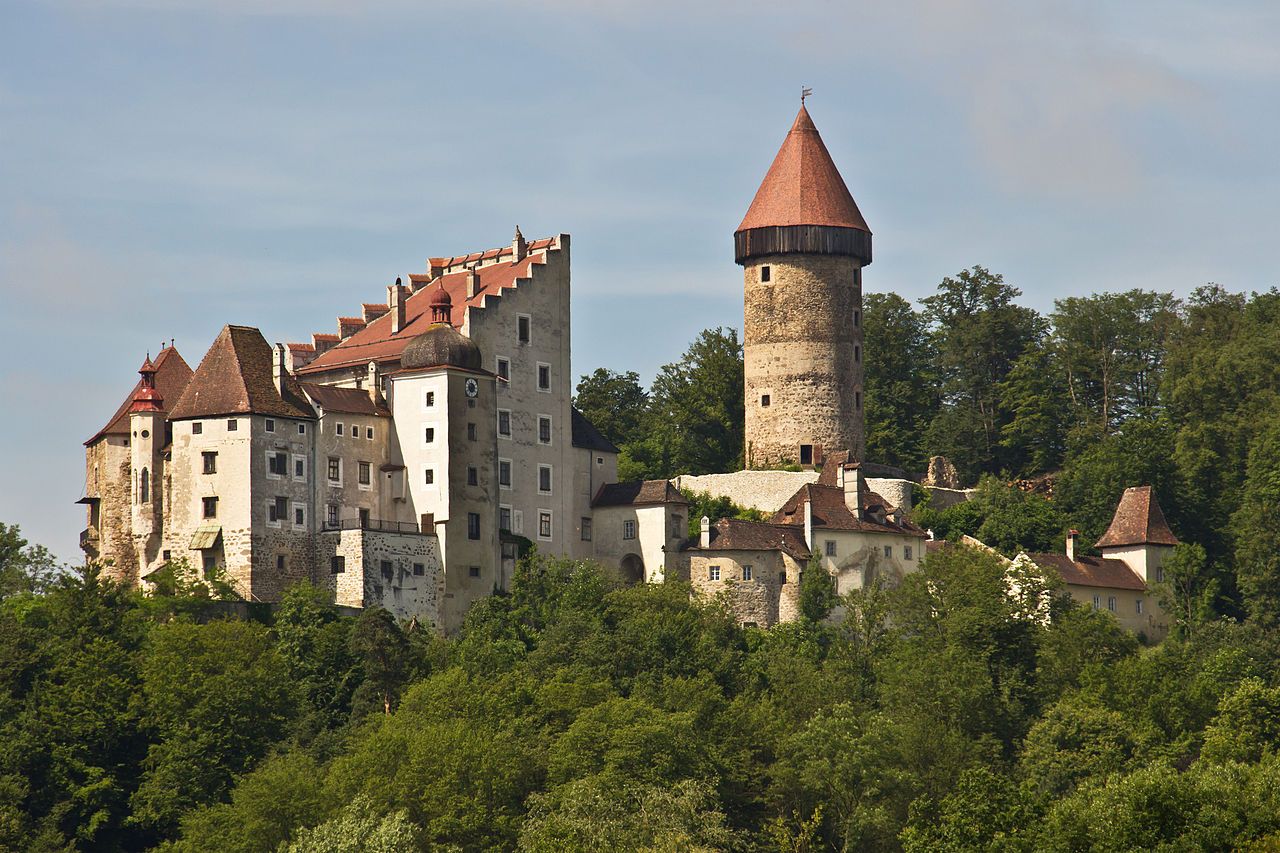
Castles & Palaces Trail – Discover the mystical Mühlviertel in Austria
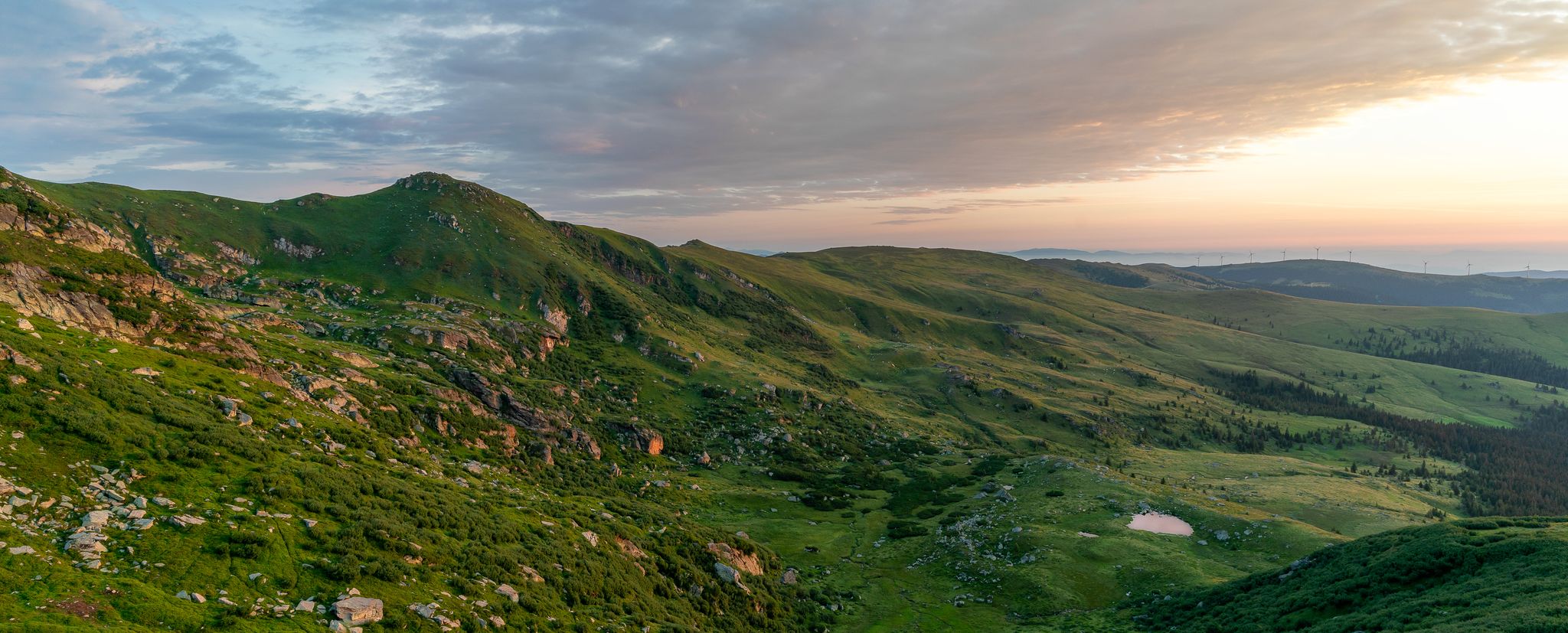
North-South Trail through Austria – Small country, big paths!
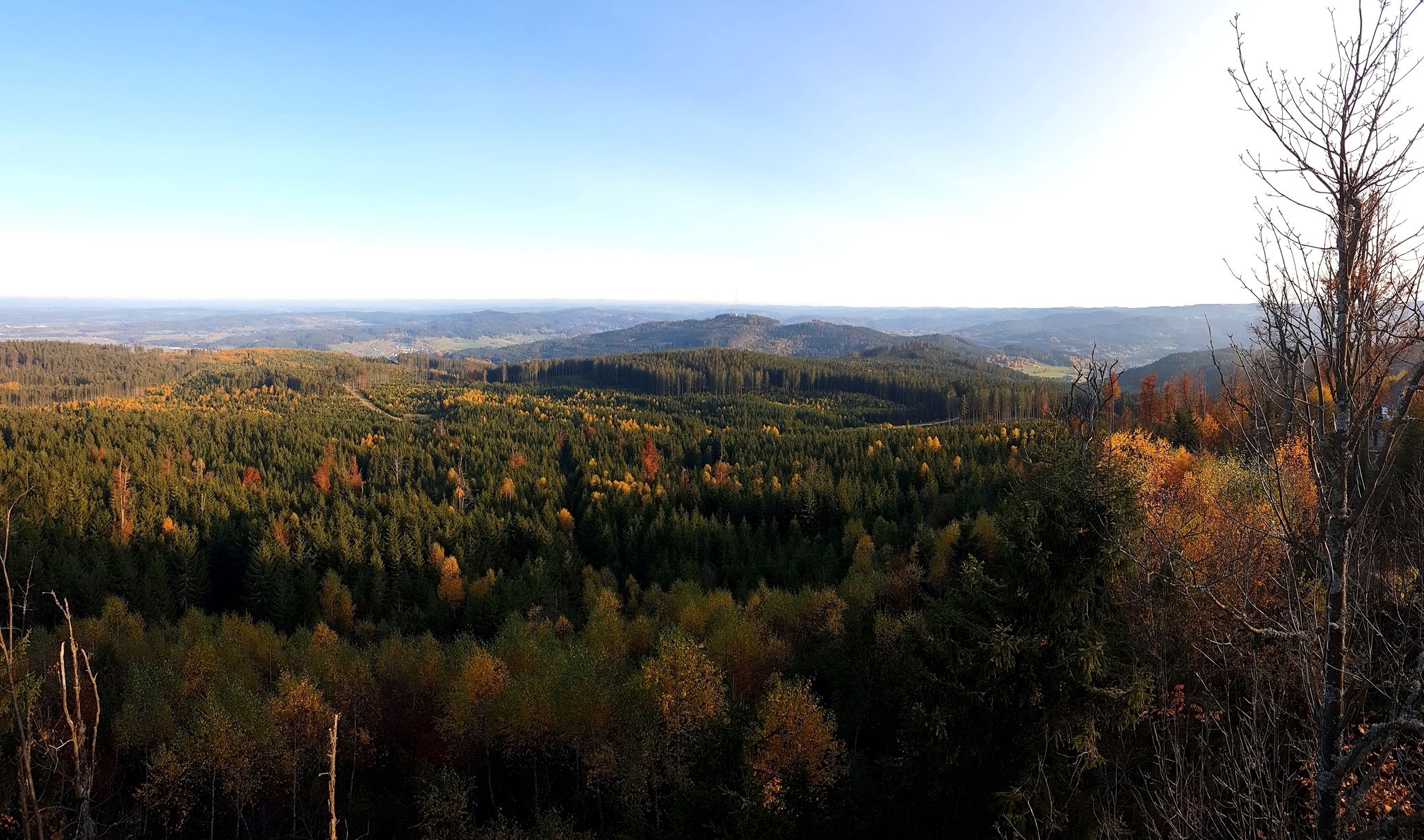
Nordwaldkamm trail – Hiking between the Czech Republic and Austria
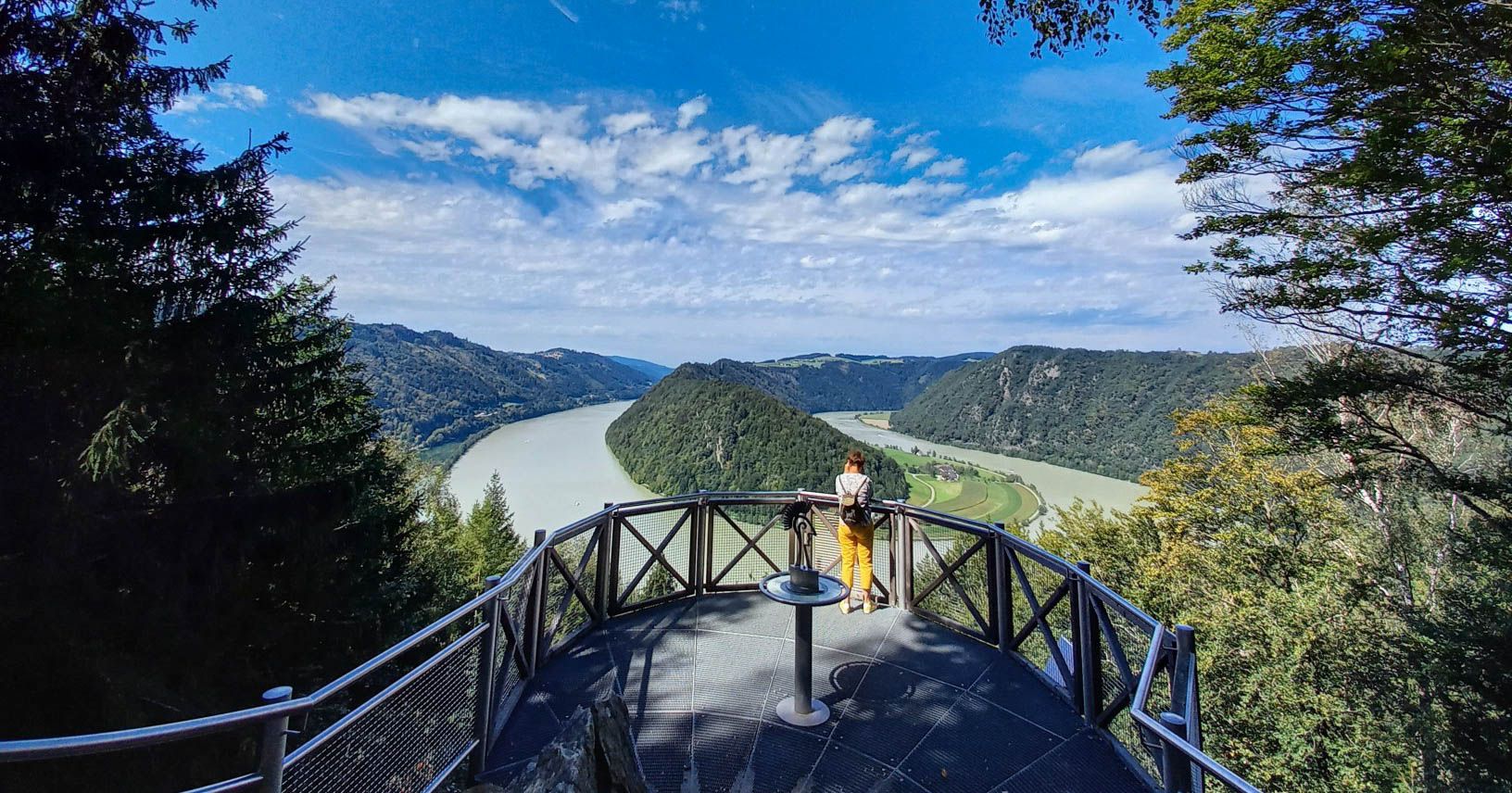
Danube Trail – Legendary long-distance hiking along the Danube River
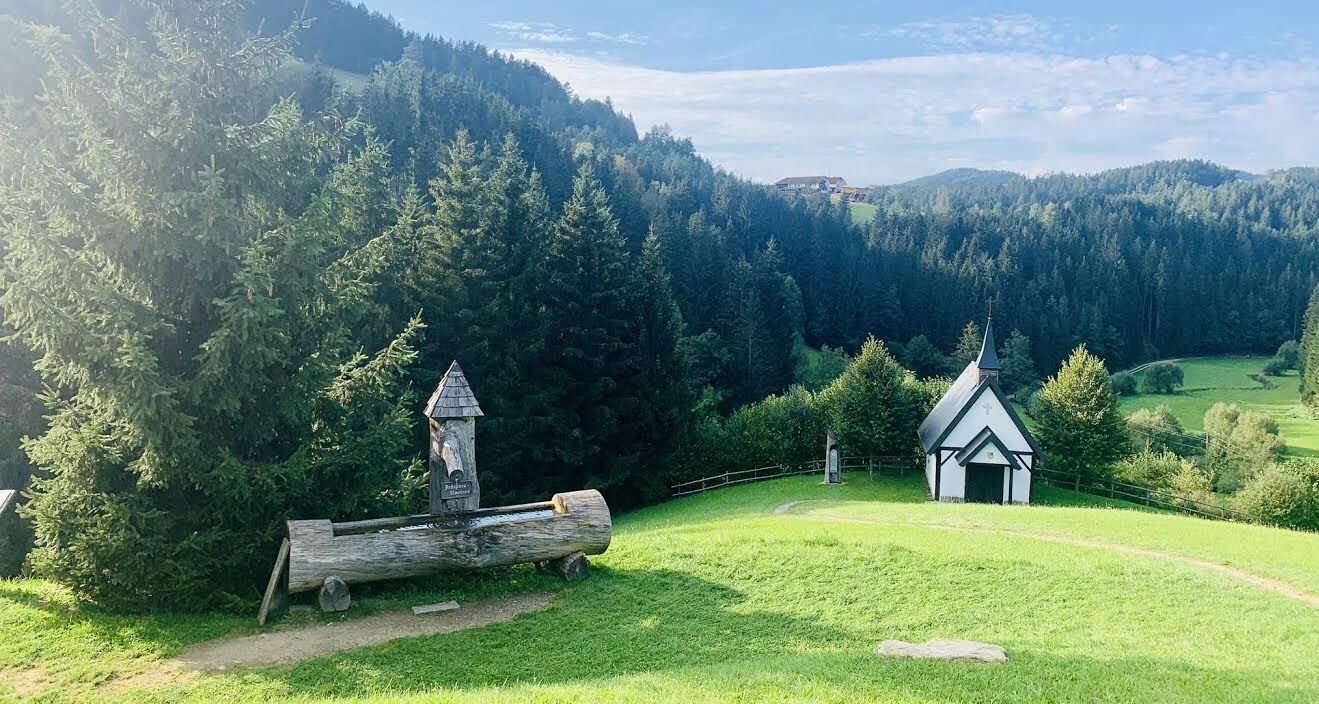
St. John's Pilgrimage Route – A spiritual path through Austria's Mühlviertel
The Path of Deceleration – hiking through the Bohemian Forest
The Danube Cycle Path – From Donaueschingen to Budapest
Other adventures in the Mühlviertel


Tips from the Community


The Prandegg castle ruins are around 140 metres long and are one of the largest castles in the country. They began to decay around 1750 and have been owned by the Dukes of Saxe-Coburg and Gotha since 1823. You can visit them and walk around the castle on the castle trail.
2
0

Beautiful cycle path along the Danube
2
0
Grein is an Upper Austrian town in the Lower Mühlviertel in the district of Perg. With an area of 18.42 square kilometers and 2,934 inhabitants (as of January 1, 2023), Grein is the fifteenth largest municipality in terms of area and the seventh largest municipality in terms of population in the district. Grein has been the third oldest town in the Mühlviertel and the capital of the Strudengau since 1491.
3
0

From Falkenstein, Schlägl Abbey and the district capital Rohrbach were founded.
7
0

Beautiful section of the route with highlights worth seeing, on a great route from Melk to Grein. We have now driven this section several times and it is and remains a great experience. Relaxed tour on cycle paths that are easy to navigate.
3
1
Just before Grein, the Danube Cycle Path offers a stunning view of Greinburg Castle, which sits majestically overlooking the Danube. Begun around 1488, this castle is considered the oldest inhabited castle in Austria and is one of the country's most important Renaissance buildings. Built by the Counts of Losenstein, it impresses visitors with its elegant arcaded courtyard and famous diamond-vaulted ceiling. Since the 17th century, the castle has been owned by the ducal family of Saxe-Coburg and Gotha. Today, it houses the Upper Austrian Shipping Museum and is a popular destination for day trips. A short stop on the Danube Cycle Path is well worth it – offering a magnificent view of both history and the Danube.
5
0
Frequently Asked Questions
What are some of the most historically significant castles in the Mühlviertel?
The Mühlviertel is rich in history. Greinburg Castle stands out as Austria's oldest residential castle, built between 1488 and 1495. It features a Renaissance arcaded courtyard and houses the Upper Austrian Maritime Museum. Marsbach Castle, first mentioned in 1075, also holds significant historical weight, though it's privately owned today.
Are there any castles in the Mühlviertel that are particularly well-preserved or unique?
Yes, Greinburg Castle is exceptionally well-preserved as Austria's oldest residential castle, showcasing a three-story Renaissance arcaded courtyard and a unique diamond vault. For ruins, the Prandegg Castle Ruins are considered the second largest and best-preserved ruins in Upper Austria, offering an impressive scale to explore.
Which castles offer the best panoramic views in the Mühlviertel?
Many castles in the Mühlviertel are situated to offer stunning views. The View of Grein and Greinburg Castle from the Danube Cycle Path provides a fantastic perspective of Greinburg Castle and the surrounding Danube landscape. From the tower of Waxenberg Castle Ruins, you can enjoy a wonderful panorama over the Mühlviertel and beyond.
Are there family-friendly castles to visit in the Mühlviertel?
Absolutely. Reichenstein Castle, now a cultural and event center, often hosts activities suitable for families. Prandegg Castle Ruins are also listed as family-friendly, offering an engaging historical site for exploration. Waxenberg Castle is known for its Ritterspiele (Knights' Games), which are particularly popular with families and schools.
Can I find hiking or walking trails around the castles in the Mühlviertel?
Yes, the Mühlviertel region is excellent for combining castle visits with walks. The "Castles & Palaces Trail" is a 200-kilometer hiking route that connects many historic buildings and ruins. You can also find numerous other hiking opportunities, including easy hikes, in the region. For more detailed routes, explore the Easy hikes in the Mühlviertel guide.
What kind of cultural events or museums can I find at Mühlviertel castles?
Several castles in the Mühlviertel host cultural events and museums. Reichenstein Castle serves as a cultural and event center, with its medieval chapel being a popular venue for weddings. It also houses the Upper Austrian Castle Museum. Greinburg Castle hosts cultural events like the Danube Festival Weeks and contains the Upper Austrian Maritime Museum. Freistadt Castle is home to the Mühlviertel Castle Museum, featuring an extensive collection of exhibits.
When is the best time of year to visit the castles in the Mühlviertel?
The period from May to October is generally ideal for visiting the castles in the Mühlviertel. During these months, many castles like Greinburg Castle are open to visitors, and the weather is pleasant for exploring ruins and enjoying outdoor activities around the sites.
Are there options for dining or refreshments near the castles?
Yes, some castle sites offer dining options. For instance, the Prandegg Castle Ruins include a tavern, providing a cozy spot for refreshments. Many towns near the castles also have local cafes and restaurants where you can enjoy regional cuisine.
What other outdoor activities can I enjoy near the Mühlviertel castles?
Beyond exploring castles, the Mühlviertel offers a variety of outdoor activities. You can find numerous road cycling routes, including scenic paths along the Danube, as detailed in the Road Cycling Routes in the Mühlviertel guide. There are also many running trails, such as those around Pleschinger Lake, which you can find in the Running Trails in the Mühlviertel guide.
What should I wear when visiting castles and ruins in the Mühlviertel?
When visiting castles and ruins in the Mühlviertel, especially those with extensive grounds or located on hills, it's advisable to wear comfortable walking shoes. Layers of clothing are also recommended, as the weather can change, and some castle interiors or ruins might be cooler than expected. If you plan to hike around the sites, appropriate outdoor gear is beneficial.
Are there any castles in the Mühlviertel that are wheelchair accessible?
While many historic castles and ruins in the Mühlviertel, due to their age and hilltop locations, may have limited accessibility, some modern cultural centers or ground-level areas might be more accommodating. It's best to check specific castle websites or contact them directly for detailed information on wheelchair accessibility before your visit.
Most popular routes in the Mühlviertel
Most popular attractions in the Mühlviertel

Get inspired with the komoot mobile app


Didn’t find what you were looking for?
Explore Mühlviertel’s best castles region by region:
Explore more
Looking for the best castles somewhere else? Discover other guides in the Mühlviertel:
