Top 20 Gorges in Italy
Best canyons in Italy, known locally as "orridi," "gole," or "forre," are geological formations carved by rivers and streams. These features include dramatic rock walls, clear waters, and waterfalls. Italy's diverse landscapes offer a range of canyon experiences, from deep limestone fissures to volcanic gorges. The country presents varied terrain for exploration, showcasing natural forces shaping the earth.
Best canyons in Italy
- The most popular canyons is Gorropu Gorge, a canyon and gorge considered one of the deepest and…
Last updated: September 26, 2026
Rastenbach stream gorge
Highlight (Segment) • Waterfall
Translated by Google •
Tip by

Rastenbachklamm Waterfall
Highlight • Waterfall
Translated by Google •
Tip by

Sign up now to discover places like this
Get recommendations on the best single tracks, peaks, & plenty of other exciting outdoor places.
Passer Gorge Trail
Highlight • Trail
Translated by Google •
Tip by

View of Lake Caldaro
Highlight • Viewpoint
Translated by Google •
Tip by

Suspension Bridge on the Merano High Mountain Trail
Highlight (Segment) • Bridge
Translated by Google •
Tip by

Biotop Rastenbachklamm - Biotop Rastenbach stream gorge
Highlight • Gorge
The Rastenbachklamm between Altenburg and Lake Kaltern is an impressive natural monument with its waterfalls and pools, ivy-covered trees, fallen trunks and rippling cool water.
Translated by Google •
Tip by

Suspension Bridge in the 1,000 Steps Gorge
Highlight • Bridge
Translated by Google •
Tip by

Passer Gorge
Highlight • Gorge
Translated by Google •
Tip by

Passer Gorge
Highlight • Gorge
Translated by Google •
Tip by

Mooser Dam Pedestrian Bridge
Highlight • Bridge
Translated by Google •
Tip by

Sign up for free to discover even more gorges in Italy.
Already have an account?
Start today with a free account
Your next adventure awaits.
Popular around Italy
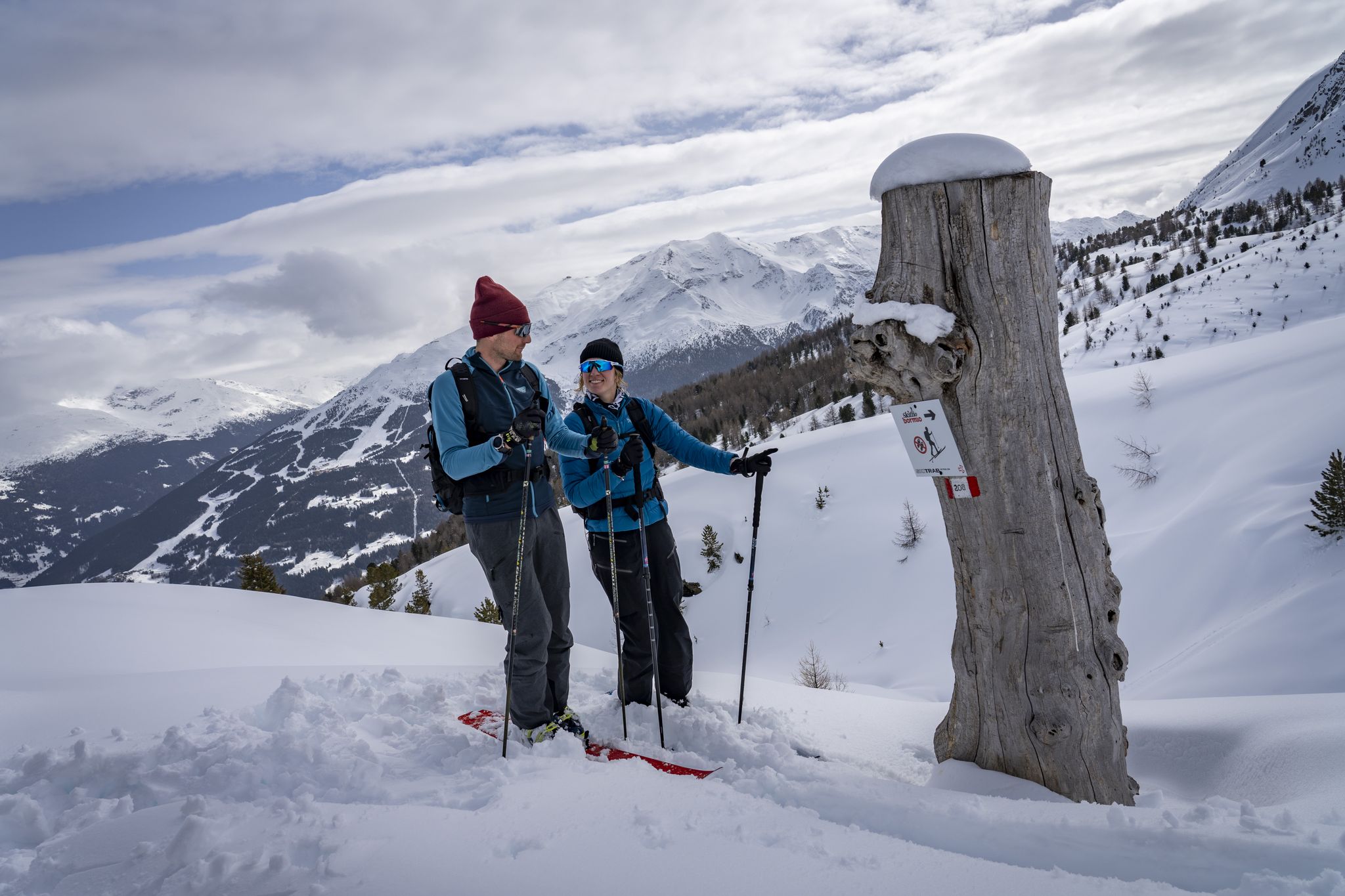
Stelvio Natural Skimo Trails – ski mountaineering adventures in Bormio
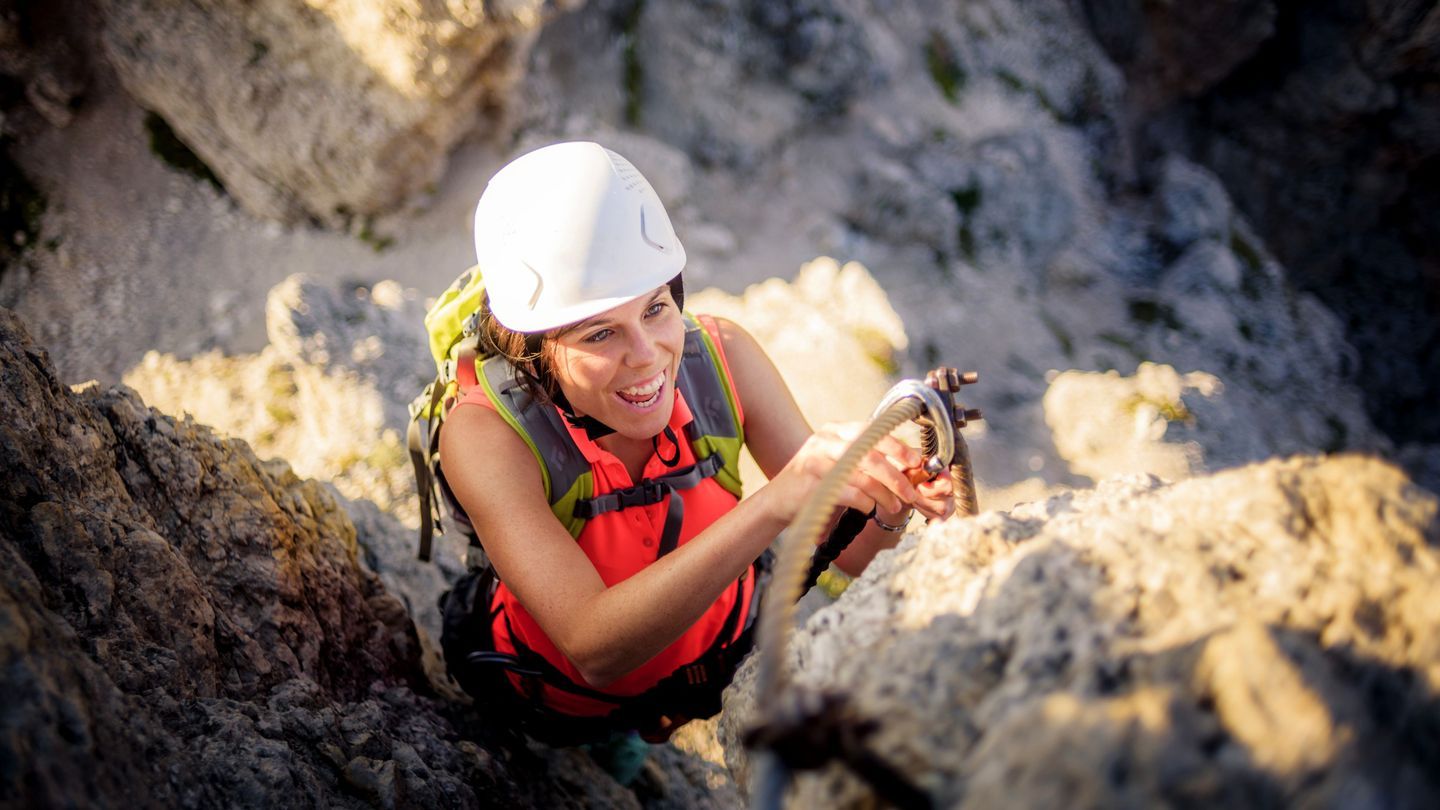
Via ferratas in Val Gardena – Dolomites
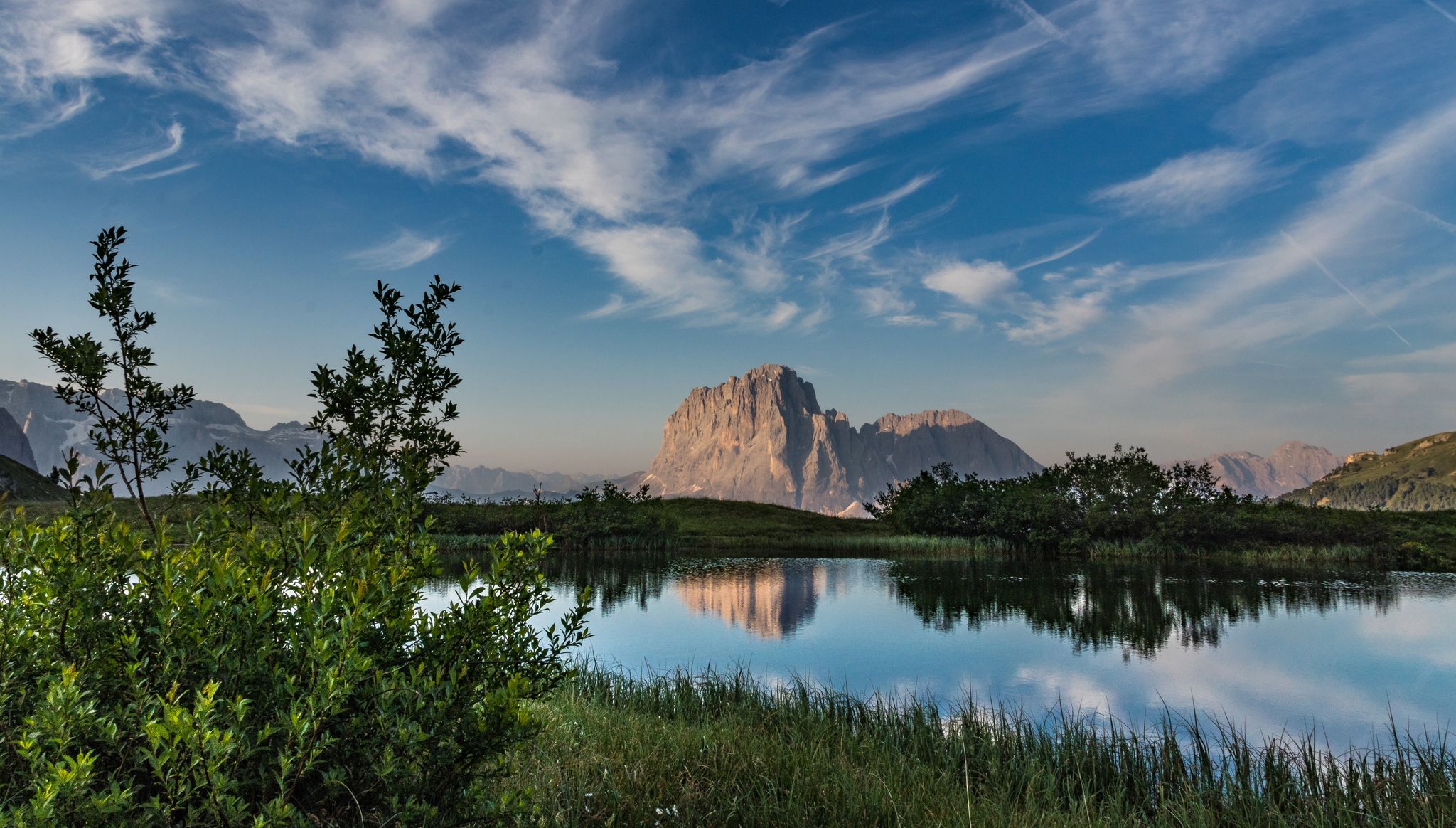
Secret Dolomites - beautiful spring in Val Gardena
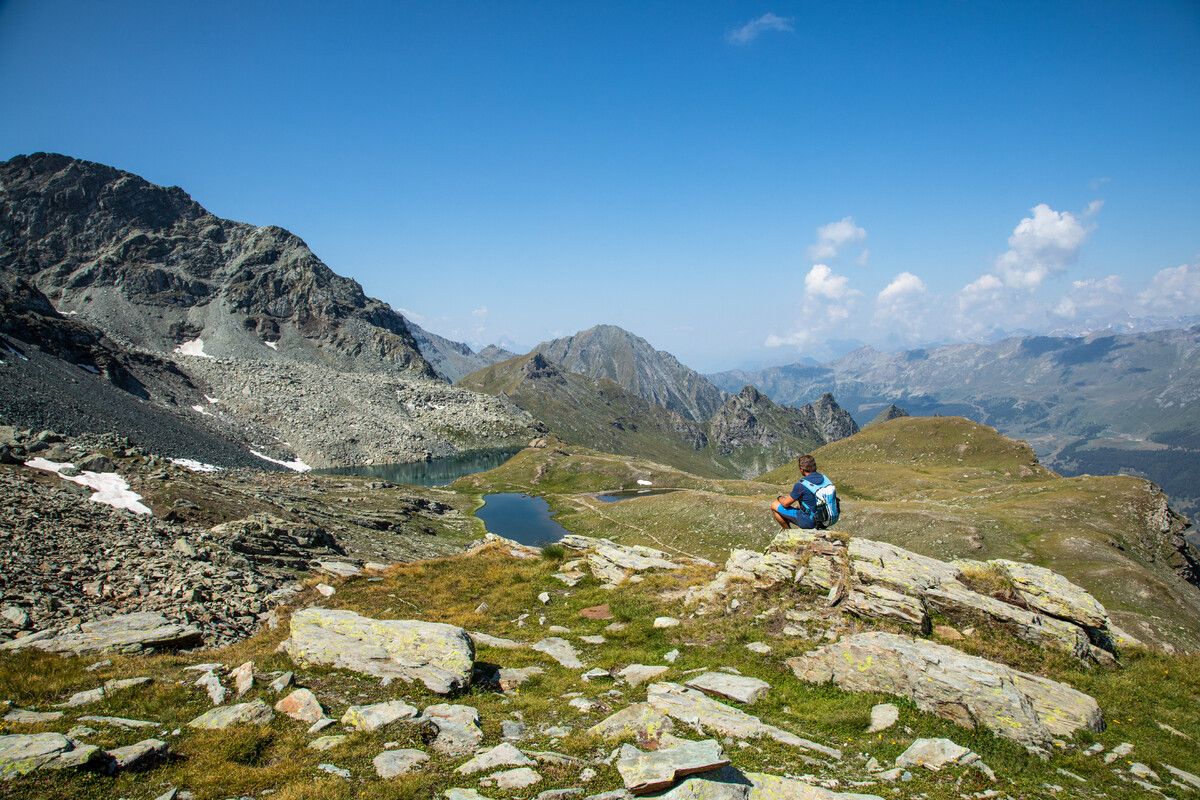
Alta Via n. 1 of the Aosta Valley — a walk among Italian giants
Tratturo Magno – On the roads of transhumance
The Tratturo Magno – From the Apennines to the TavoIiere, 300 kilometers
Haute Route Alps 2025 — Assaulting the Alps
In the footsteps of the pilgrims in Valle Stura
Historic and spiritual trails in the province of Torino
Piemont's Via Francigena
Other adventures in Italy


Tips from the Community

Between Moso and San Leonardo in Passiria, the Passirio stream (Passer in German) forms a suggestive gorge near the hamlet of Plata. From here you can see it from above, while you can walk on an iron footbridge. It is a very suggestive walkway.
2
1

Beautiful hiking trail through the Rastenbach Gorge over many steps. Various viewpoints, waterfalls and a hiking trail along the stream make the effort worthwhile.
6
0

One of many vantage points with a fantastic view of the lake. The path through the gorge requires surefootedness and appropriate footwear. 🥾
4
1

Beautiful suspension bridge on the Merano High Trail.
2
0

Beautiful but here too I wouldn't just recommend flip flops!!
2
0

Incredibly beautiful. Streams, a large waterfall. View of Lake Kaltern. Wonderful
3
2

High waterfalls, the rustic bridges and wooden walkways, the lush deciduous forest covered with mosses and ivy, which creates a jungle feeling, the steep stairs and steps and the flatter sections that invite you to play by the water, guarantee an exciting experience along the Altenburgerbach .
6
0

A smaller suspension bridge than in the 1000 steps gorge, but also with less public traffic. Definitely worth a detour.
5
1
Frequently Asked Questions
What are some of Italy's most impressive canyons to explore?
Beyond the well-known spots, Italy offers a variety of stunning canyons. For instance, the Gorropu Gorge in Sardinia is considered one of Europe's deepest, with walls reaching 500 meters. In Sicily, the Gole dell'Alcantara feature unique basalt rock formations carved by ancient lava flows. The Orrido di Botri in Tuscany is a deep limestone fissure known for its wild nature and as a Golden Eagle sanctuary. Each offers a distinct natural experience.
Are there family-friendly canyons or gorges in Italy?
Yes, several canyons in Italy are suitable for families. The Passer Gorge in Trentino, for example, is noted as family-friendly and offers a suggestive walkway. The Gole del Raganello in Calabria also has sections suitable for various skill levels, including families, accessible via the iconic Ponte del Diavolo. The Val Maggiore in Veneto provides a natural aquatic park experience with basins for diving and slides, enjoyable for all ages.
What kind of natural features can I expect to see in Italian canyons?
Italian canyons showcase diverse natural features. You'll find dramatic rock walls, crystal-clear waters, and numerous waterfalls, such as the Rastenbach Gorge Waterfall in South Tyrol. Many gorges feature unique geological formations like the basalt columns of Gole dell'Alcantara or the reddish conglomerate pinnacles of Lame Rosse. Some, like Canyon Rio Sass, even reveal fossils, stalactites, and rich flora including red and green algae, mosses, and ferns.
What is the best time of year to visit canyons in Italy?
The best time to visit Italian canyons generally depends on the activity. For canyoning and river trekking, late spring through early autumn (May to September) is ideal when water levels are safer and temperatures are warmer. For hiking, spring and autumn offer pleasant weather and vibrant scenery. Some areas, like the Orrido di Botri, have regulated access typically limited to summer months due to water levels.
What outdoor activities can I do near these canyons?
Beyond exploring the canyons themselves, Italy offers a wide range of outdoor activities nearby. You can find excellent cycling routes, including touring, road cycling, and mountain biking. For instance, near some gorges, you can embark on routes like the 'From Merano to San Leonardo along the Val Passiria cycle path' or challenging MTB trails like the 'Riva del Garda - Lake Ledro MTB Route'. For more cycling options, explore the Cycling in Italy guide.
Are there hiking trails available in or around Italian canyons?
Yes, many Italian canyons offer fantastic hiking opportunities. The Passer Gorge Trail provides a suggestive walk with steel constructions in difficult places. The Gole del Calore in Cilento National Park features a 10 km circular trail. The Gola di Gorropu offers trails for both experienced hikers and those seeking easier routes. The Gole del Sagittario also has numerous trails, allowing visitors to discover marine fossils and lush flora.
What are some notable canyons in Northern Italy?
Northern Italy, particularly regions like Trentino and South Tyrol, is home to several impressive gorges. The Rastenbach Gorge in South Tyrol is known for its spectacular waterfalls and jungle-like feeling. Canyon Rio Sass in Trentino's Val di Non allows exploration of swirling waters and unique geological formations. The Val Maggiore in Veneto, set against the Dolomites, is a popular spot for canyoning with natural slides and diving basins.
Can I go canyoning in Italy, and what are the difficulty levels?
Italy is a prime destination for canyoning, with options for various skill levels. The Gola di Gorropu has three difficulty-increasing sections, with the most challenging requiring alpine equipment. The Gole dell'Alcantara offers a distinctive canyoning experience amidst volcanic basalt. The Gole del Raganello provides routes suitable for different skill levels, from family-friendly sections to more demanding river trekking. Val Maggiore is known for its exciting canyoning with natural features like slides and diving pools.
Are there any unique bridges or viewpoints in Italian canyons?
Many Italian canyons feature impressive bridges and viewpoints. The Passer Gorge Trail includes an iron footbridge offering views from above. The Suspension Bridge in the 1,000 Steps Gorge is an impressive structure that aids in hiking. The Gole del Calore boasts the medieval bridge of Magliano Nuovo, and the Gole del Raganello is known for the iconic Ponte del Diavolo.
What do visitors enjoy most about exploring Italy's canyons?
Visitors frequently praise the breathtaking natural beauty and the sense of adventure. Many highlight the impressive scale of gorges like Gorropu Gorge, calling it spectacular and awe-inspiring. The unique geological formations, the 'jungle feeling' in places like Rastenbach Gorge, and the thrill of navigating challenging sections are also highly appreciated. The opportunity for refreshment and cooling by waterfalls in summer is another common positive remark.
Are there any canyons in Tuscany worth visiting?
Yes, Tuscany is home to the Orrido di Botri, its most imposing canyon. Located in the Garfagnana region near Lucca, this deep limestone fissure was carved by the Rio Pelago, with walls reaching up to 200 meters. It's a remote and wild area, serving as a crucial nesting sanctuary for the Golden Eagle. Access is typically limited to the summer months for safety. For more information, you can visit visittuscany.com.
Most popular routes in Italy
Most popular attractions in Italy

Get inspired with the komoot mobile app


Didn’t find what you were looking for?
Want to see even more gorges? See the best ones in Italy region by region:
Explore more
Already discovered everything in this region? See additional gorges in Italy for your next adventure:
