Top 20 Caves in Lower Austria
Best caves in Lower Austria are found within a region characterized by its diverse topography, from the Vienna Woods to the Alpine foothills. This area features significant geological formations, including limestone massifs and river valleys. The natural landscape provides ideal conditions for the formation of various cave systems. These underground environments offer insights into geological processes and historical human activity.
Best caves in Lower Austria
- The most popular caves include Einöd Cave, a cave where visitors can explore three…
Last updated: September 26, 2026
Luckerte Wand Rock Formation and Viewpoint
Highlight • Viewpoint
Translated by Google •
Tip by

Matterhörndl
Highlight • Natural Monument
Translated by Google •
Tip by

Sign up now to discover places like this
Get recommendations on the best single tracks, peaks, & plenty of other exciting outdoor places.
King's Cave
Highlight • Cave
Translated by Google •
Tip by

Anton's Grotto
Highlight • Cave
Translated by Google •
Tip by
Rudolf Decker via ferrata, Steinwand Gorge
Highlight • Climb
Translated by Google •
Tip by

Arnstein Cave
Highlight • Cave
Translated by Google •
Tip by

Arnstein Castle Ruins
Highlight • Castle
Translated by Google •
Tip by
Einöd Cave
Highlight • Cave
Translated by Google •
Tip by
Einhornhöhle (Unicorn Cave)
Highlight • Cave
More information is available at wieneralpen.at/urlaubszielen-in-den-wiener-alpen-discoveren/a-einhorn-tropfsteinhoehle.
Translated by Google •
Tip by
Lourdes Grotto, Maria Gugging
Highlight • Religious Site
Artificial replicas of the cave in which the Mother of …
Translated by Google •
Tip by
Sign up for free to discover even more caves in Lower Austria.
Already have an account?
Start today with a free account
Your next adventure awaits.
Popular around Lower Austria
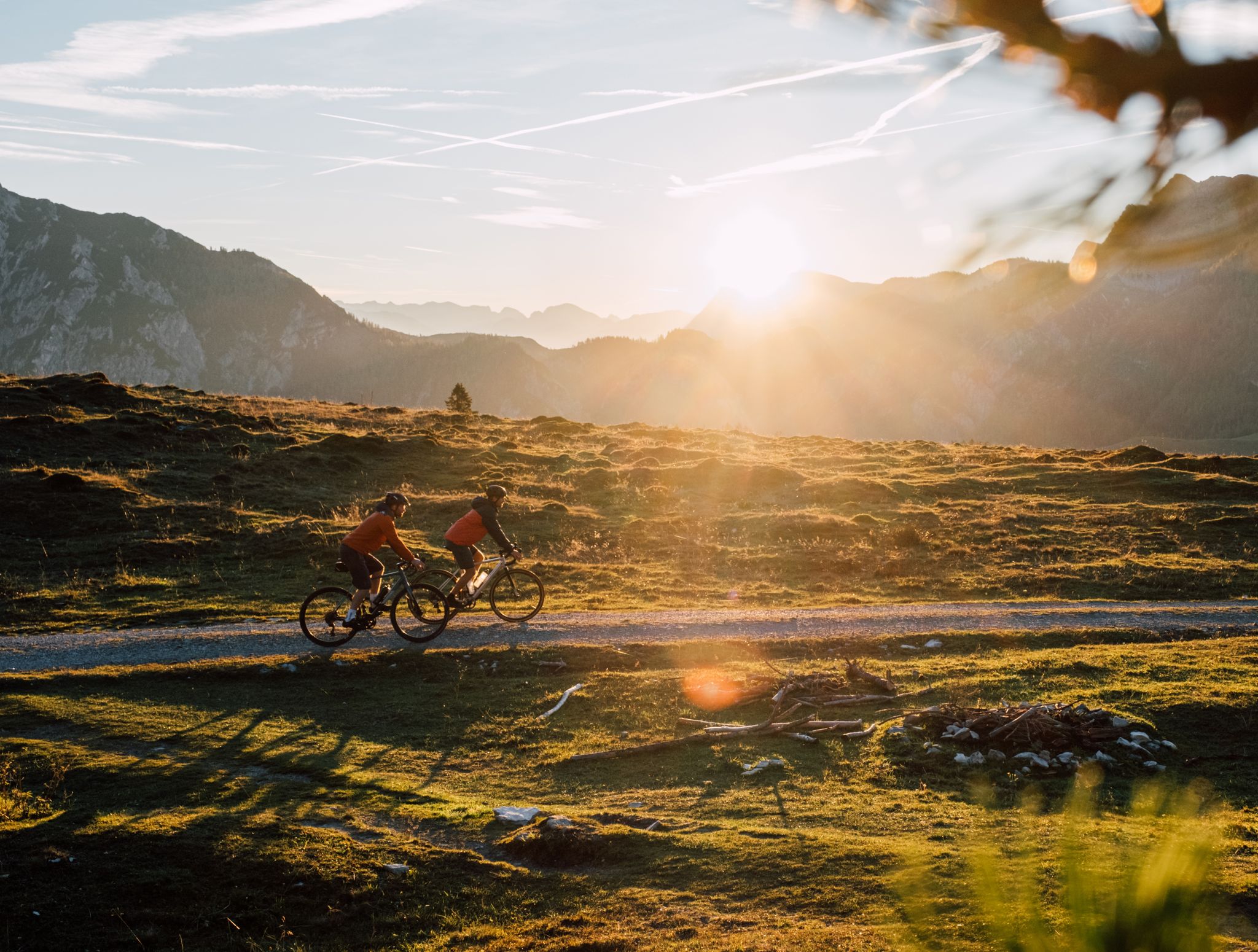
Beyond the pavement – explore Austria's wild nature on a gravel bike
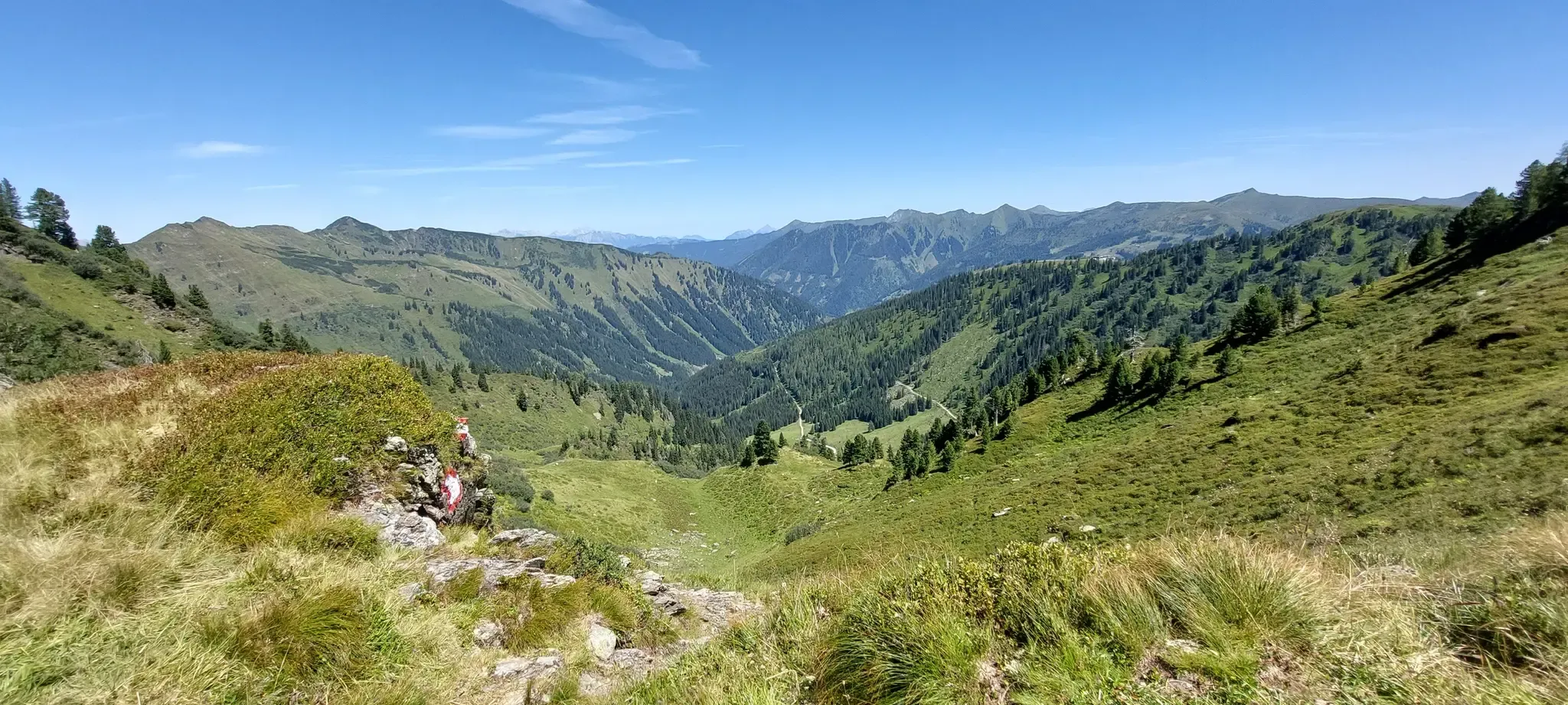
Central Alps Trail Eastern Section – Discover Austria
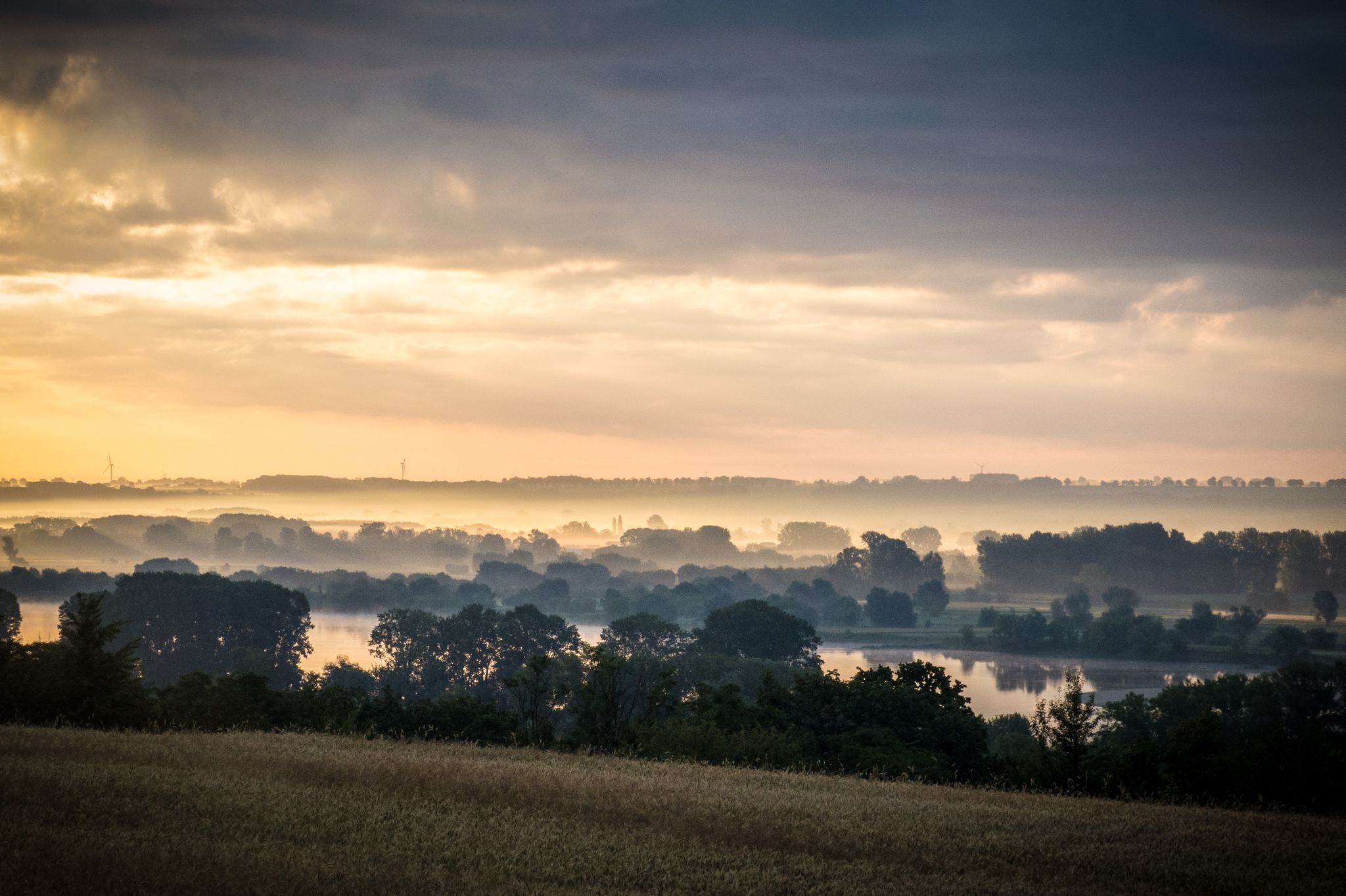
EuroVelo 9 – The Amber Route from the Baltic to Adriatic Sea
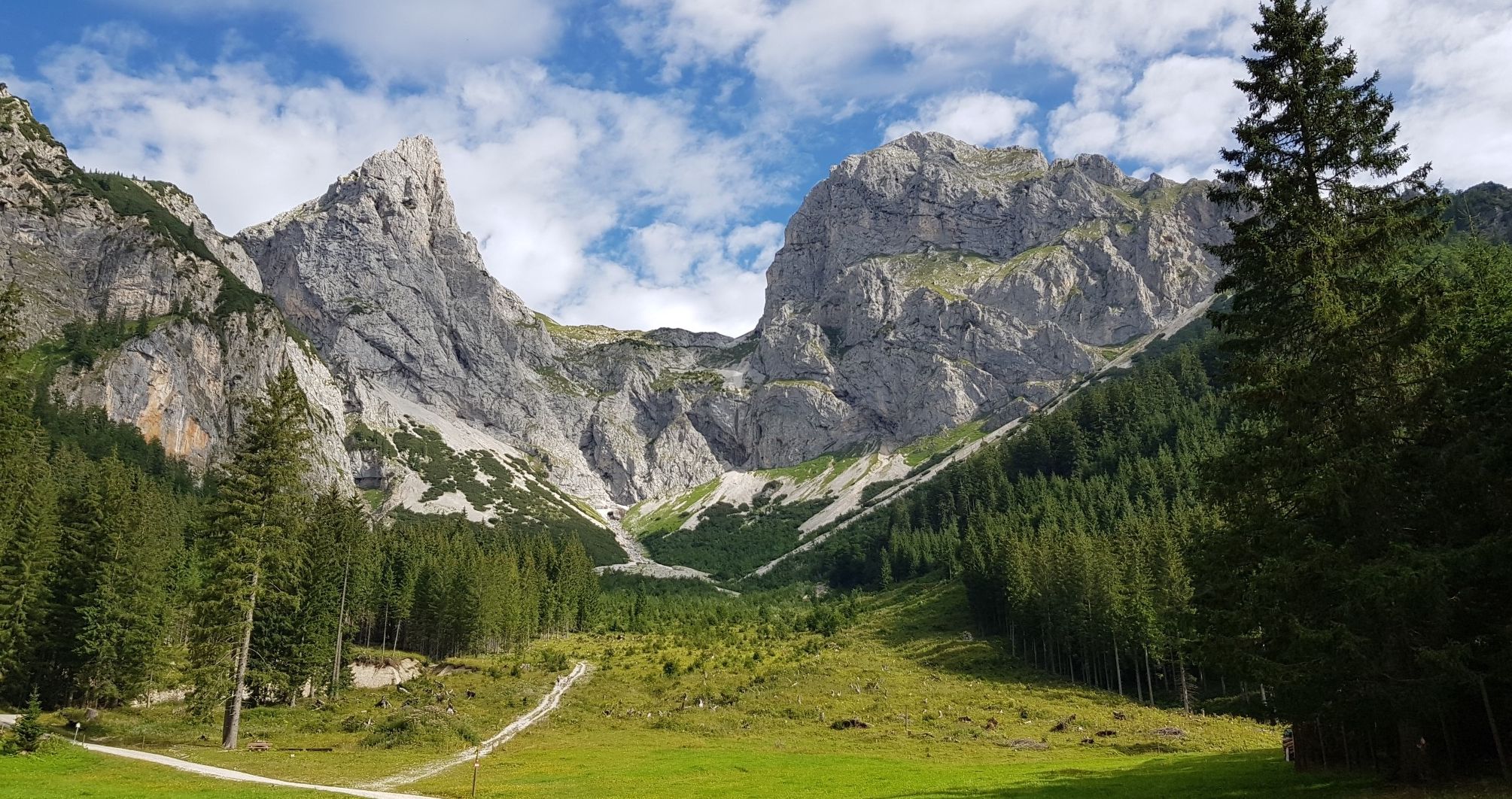
North Alpine Trail 01 – Hike across Austria in 49 days
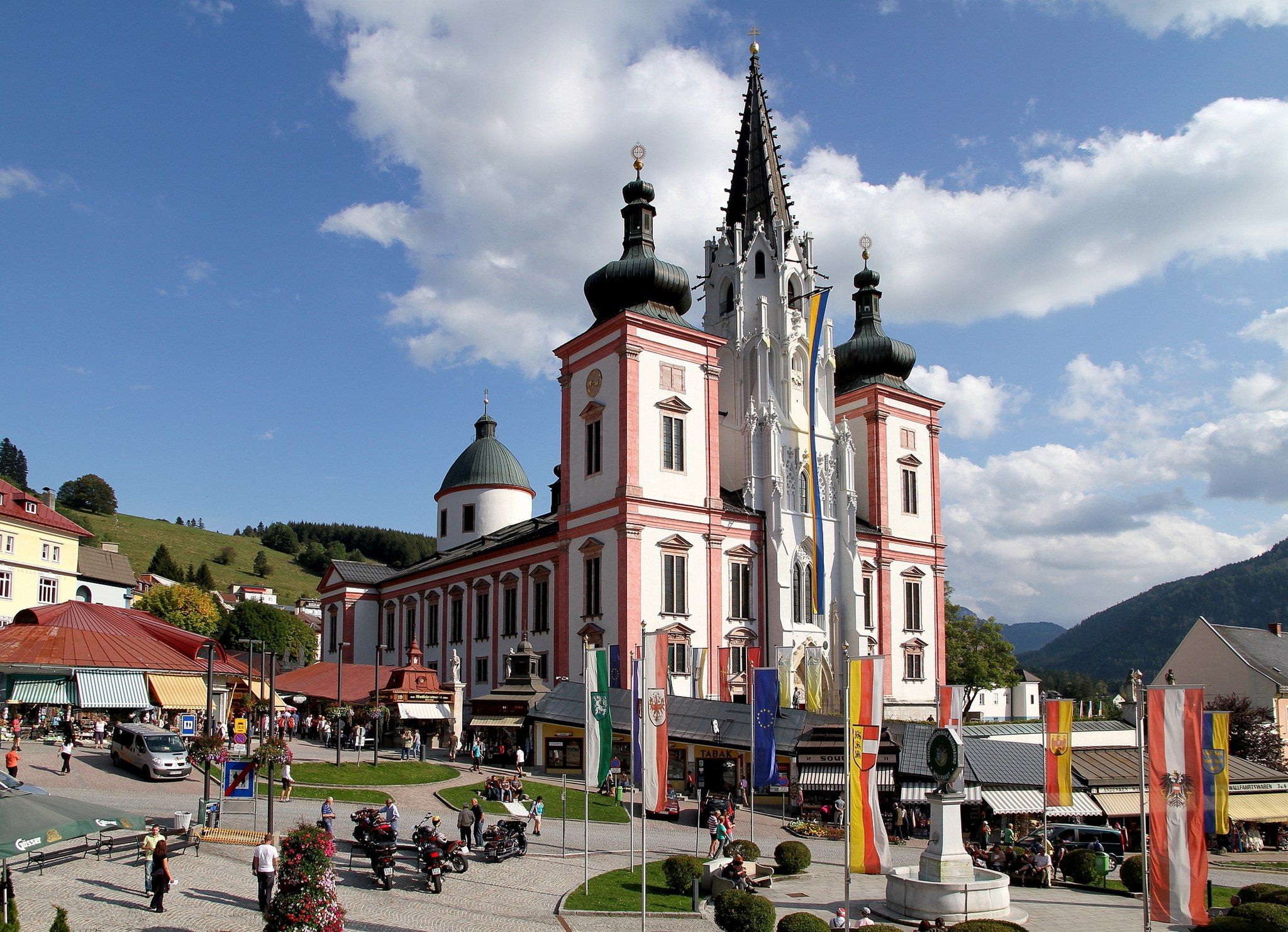
Wiener Wallfahrerweg 06 – A pilgrimage through Lower Austria
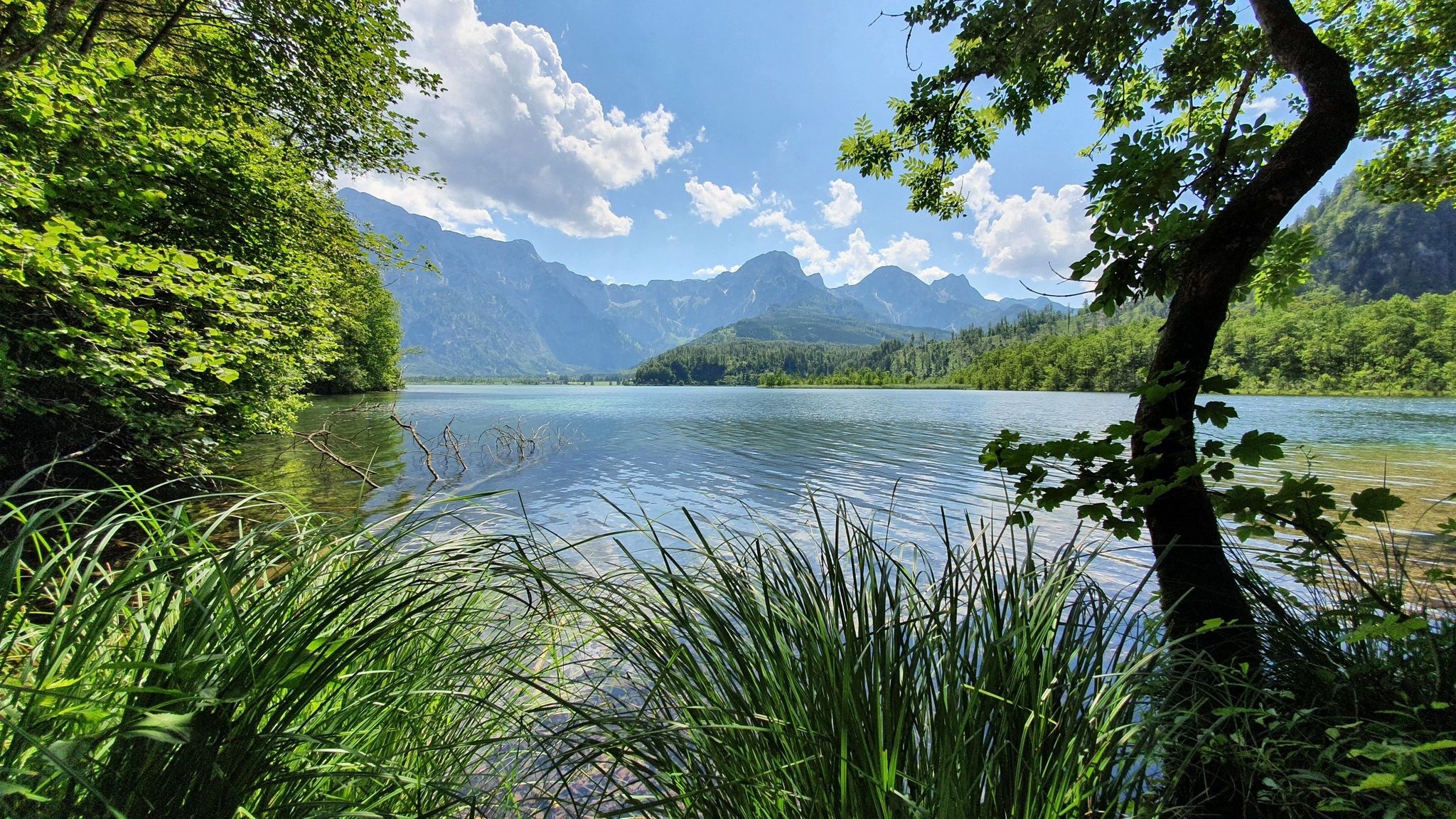
Voralpenweg 04 – From Vienna to Bad Reichenhall
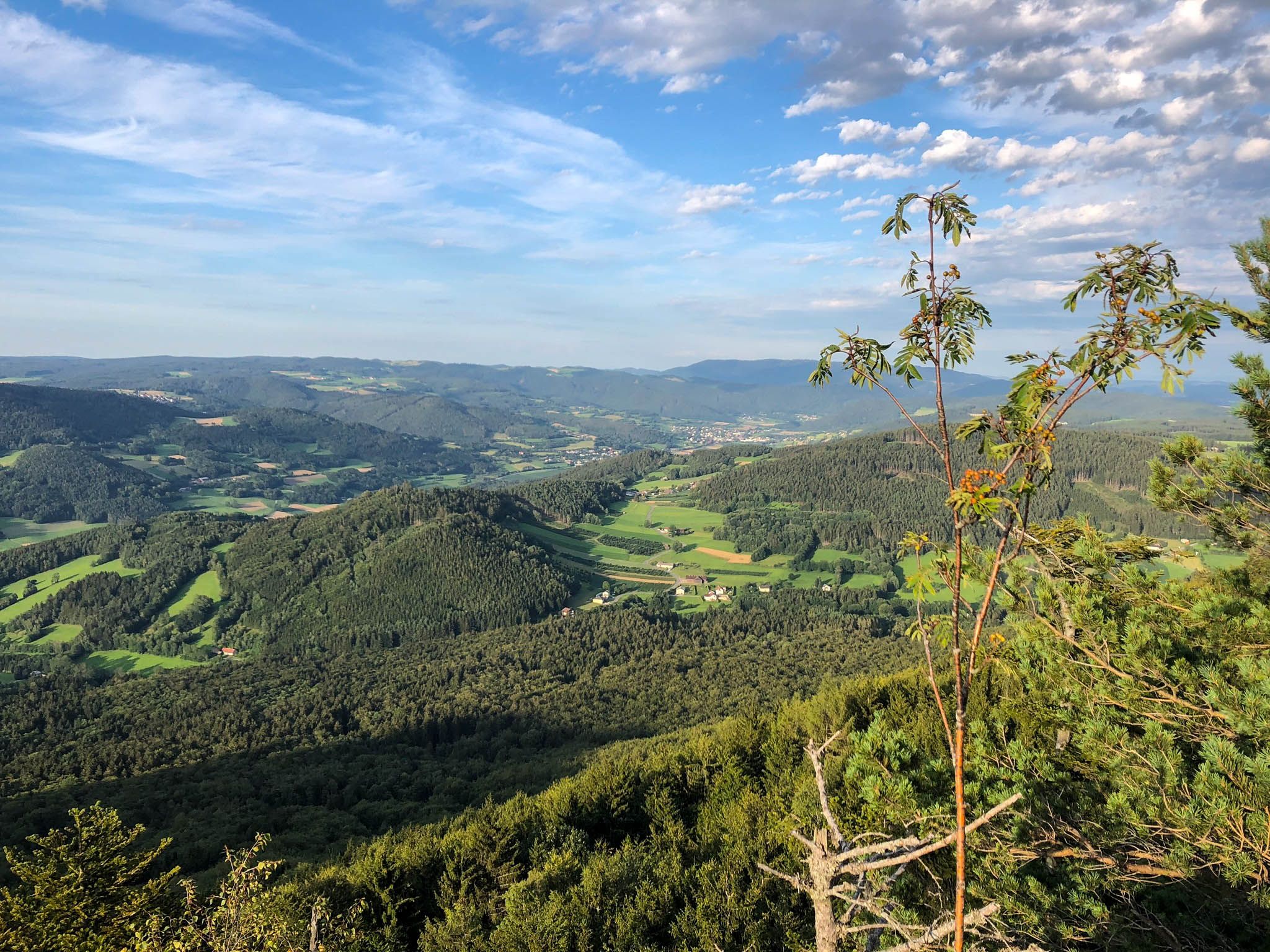
Ysper-Weitental circular hiking trail – Unwind in Austria
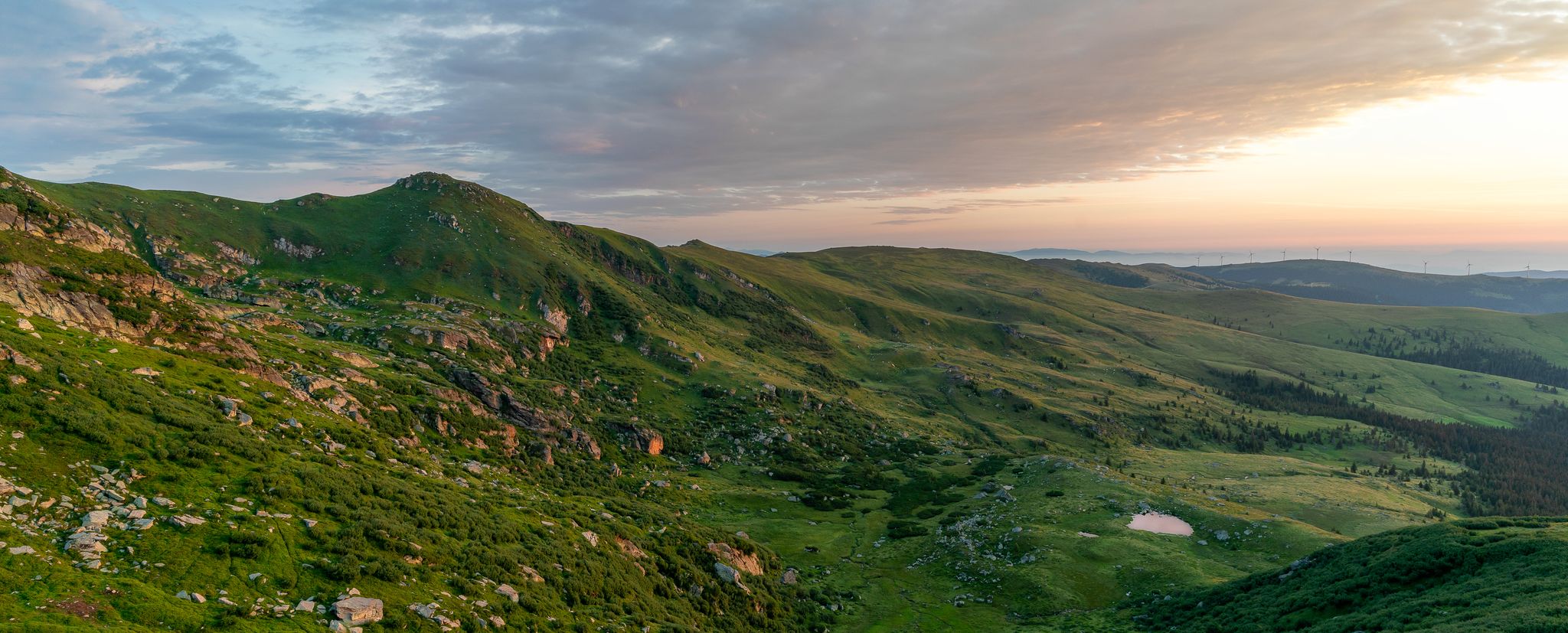
North-South Trail through Austria – Small country, big paths!
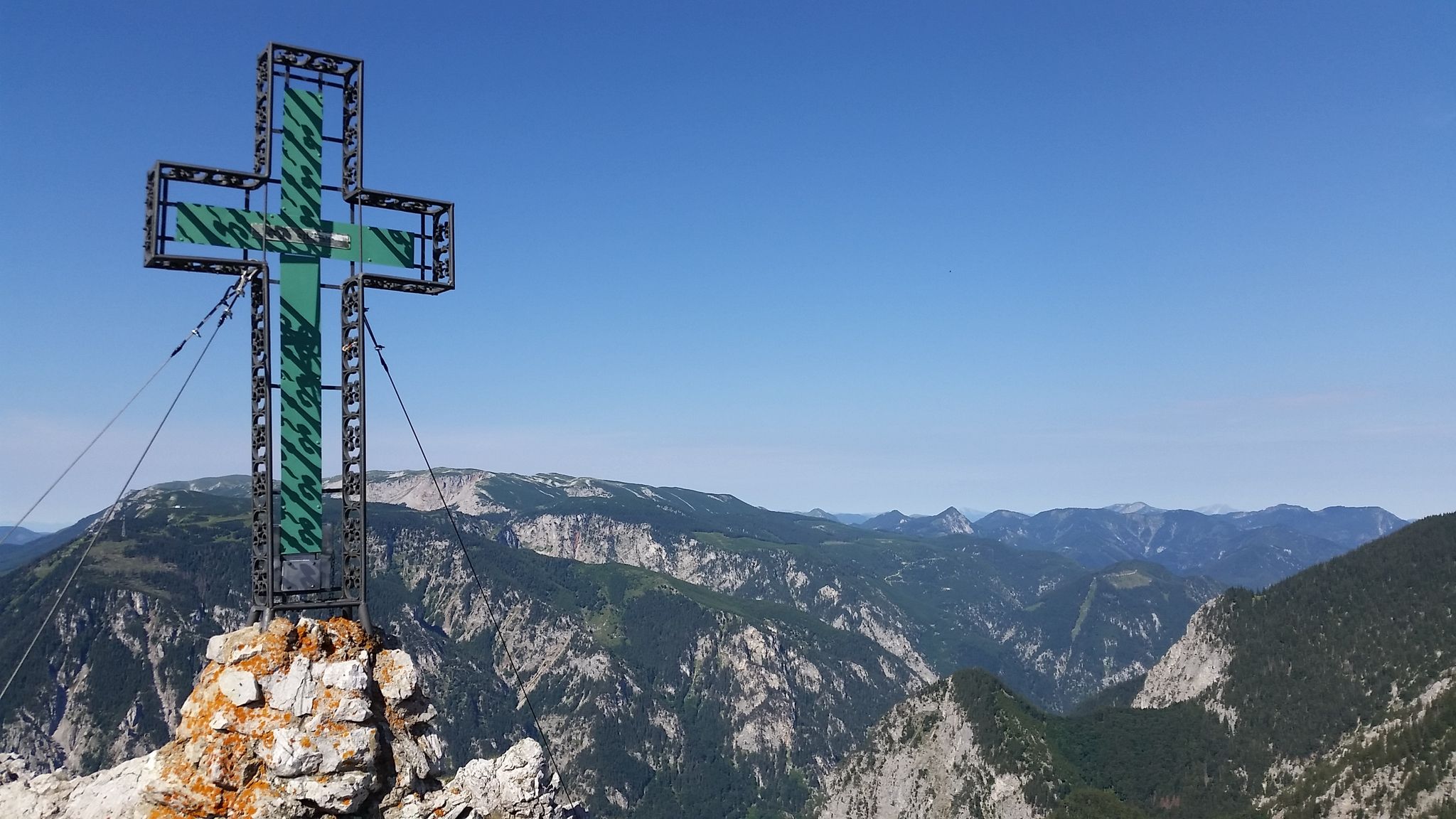
Viennese Alpenbogen – Lower Austria's most beautiful peaks
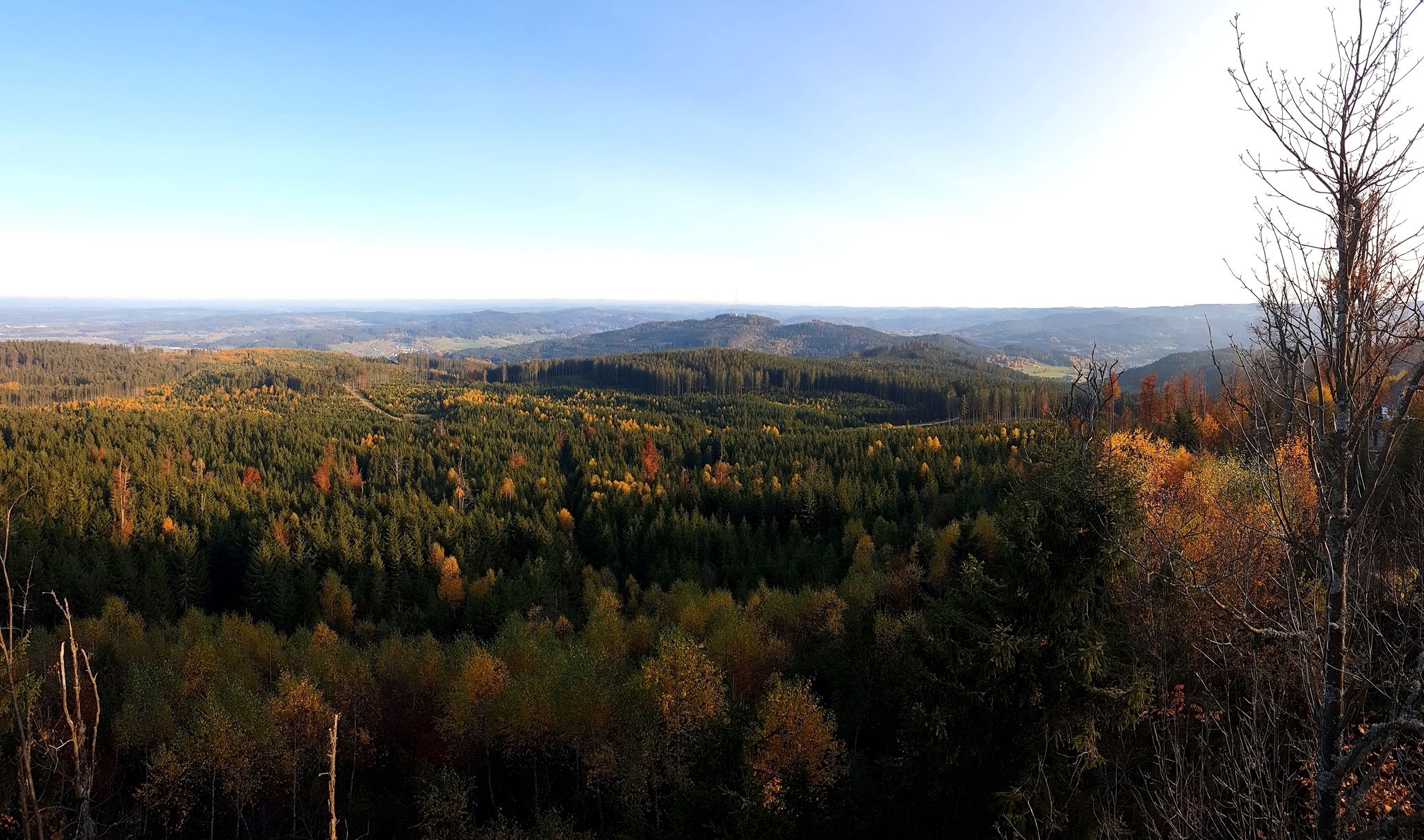
Nordwaldkamm trail – Hiking between the Czech Republic and Austria
Other adventures in Lower Austria


Tips from the Community

The Lourdes Grotto in the Vienna Woods is a faithful replica of the Lourdes Grotto. Even the altar was built from pure marble, (like the altar in Lourdes).
2
0
The cave was discovered in 1927 by Otto Langer sen. and opened as a show cave in 1930. During World War II, the cave served as a place of refuge. In 1958, it was accessible again as a show cave. In 1964, the installations were modernized by Otto Langer jun.
1
0
The people who lived in the Baden region around 3000 years ago were referred to as the "Baden culture" due to the sensational finds made around the so-called "Königshöhle" (King's Cave).
1
0
The Arnstein Castle was first mentioned in writing in 1170. The first castellan and builder of the complex was Wichard von Arnstein, who was the feudal lord of Hohen Lindkogel and Peilstein at that time. The von Arnstein family owned the castle until the 14th century.
2
0
After his death, the giant Einöder was carried away into the Anninger. To this day, he lives deep within the Einödhöhle and is considered by the people to be the most powerful guardian of the land against the incursions of enemy armies from the east.
2
0


Near the ruins of Arnstein Castle on a steep rock there are several caves such as the Burghöhle and the Schnattihöhle.
5
1

The Unicorn Cave was closed and locked with a gate.
4
0
Frequently Asked Questions
Which caves in Lower Austria are particularly suitable for families?
Several caves in Lower Austria offer family-friendly experiences. The Einöd Cave is accessible from April to October and allows exploration of three halls with a headlamp, making it exciting for all ages. The Allander Tropfsteinhöhle is also recommended for children from 4 years old, featuring modern lighting and multimedia to enhance the visit. Additionally, Anton's Grotto is listed as family-friendly.
What unique geological formations can I expect to see in Lower Austria's caves?
Lower Austria's caves are rich in diverse geological formations. The Ötscher Tropfsteinhöhle is renowned for its impressive stalactites and stalagmites, some dating back millions of years, including formations like the 'Märchenhalle' (Fairy Tale Hall). The Allander Tropfsteinhöhle showcases a wide variety of dripstone formations, such as water chimneys, pearl sinter, and ceiling cones. The Hermannshöhle is also known for its many unique stalactite formations and mountain milk deposits, while the Hochkar Cave features large limestone crystals and reddish stalactite organs.
Do any caves in Lower Austria have historical significance?
Yes, several caves in Lower Austria hold significant historical value. The Seegrotte Hinterbrühl, originally a gypsum mine, served as a secret aircraft production site during World War II, a dark but fascinating chapter of its history. The Allander Tropfsteinhöhle has yielded prehistoric discoveries, including artifacts made of antler, bone, and stone, and houses a largely complete 10,000-year-old skeleton of a brown bear. The Höhlturm is a historical site with a large cave nearby, and King's Cave is also noted for its historical significance.
When is the best time to visit the caves in Lower Austria?
The best time to visit depends on the specific cave. Many show caves, like the Einöd Cave, are typically accessible from April to the end of October. Visiting during winter months is often discouraged for some caves to avoid disturbing hibernating bats. Dripstone caves, such as the Ötscher Tropfsteinhöhle, offer a cool retreat during hot summer days. Always check the specific opening times for each cave before planning your visit.
What outdoor activities can I do near the caves in Lower Austria?
Lower Austria offers a wide range of outdoor activities near its caves. You can find excellent opportunities for gravel biking, with routes like the National Park Thayatal tour or the Schneeberg Round in the Vienna Woods. For running enthusiasts, there are trails such as the Pressbaum - Jochgrabenberg Loop Trail or routes around the Peilstein massif. Cycling is also popular, with options like the Donau-Schatz-Tour or the Wachau Vineyards Route. You can explore more routes and activities on the respective guide pages for Gravel biking in Lower Austria, Running Trails in Lower Austria, and Cycling in Lower Austria.
Which caves offer unique experiences like underground lakes or adventure tours?
The Seegrotte Hinterbrühl is famous for being Europe's largest underground lake, where visitors can take a memorable boat ride through illuminated caverns. The Hermannshöhle offers diverse tours, including an extended version through the Kyrle-Labyrinth with rich sinter formations, and an adventure tour exploring undeveloped parts of the system. The Ötscher Tropfsteinhöhle also features an underground lake at its deepest point.
Are there any caves in Lower Austria known for their wildlife, particularly bats?
Yes, the Hermannshöhle near Kirchberg am Wechsel is the most important bat hibernation site in Lower Austria, providing optimal conditions for 17 different bat species, with about 3,000 bats overwintering there annually. The Einöd Cave is also known as a bat habitat, which is why it's recommended to avoid visiting in winter to prevent disturbing them. The Allander Tropfsteinhöhle also hosts diverse underground life, including bats.
What are the difficulty levels for exploring caves in Lower Austria?
Difficulty levels vary significantly. Show caves like the Ötscher Tropfsteinhöhle typically have concrete paths and steps, making them accessible for most visitors. However, some caves or specific tours within them can be more challenging. For instance, the Hermannshöhle offers adventure tours into undeveloped parts of the system. The Rudolf Decker via ferrata in Steinwand Gorge leads into a spectacular cave and is considered challenging, requiring surefootedness and a headlamp. Always check specific tour requirements and bring appropriate gear for more adventurous explorations.
Can I find any hidden gems or lesser-known caves in Lower Austria?
Beyond the well-known show caves, Lower Austria has several intriguing, lesser-known caves. The Einhornhöhle (Unicorn Cave) offers a unique natural monument experience. The Arnstein Cave is located near the Arnstein Castle Ruins, providing a combination of historical exploration and natural cave discovery. These offer a chance to explore more rugged and less crowded underground environments.
Are there any caves in Lower Austria that are particularly deep or extensive?
The Hochkar Cave, also known as Hochkarschacht, is considered one of the deepest caves in Lower Austria and the fifth largest in the province, with a total length of over 650 meters and a height difference of 130 meters. The Hermannshöhle is also extensive, with passages stretching over four kilometers across multiple levels and a 73-meter elevation difference.
What kind of natural landmarks or viewpoints are near the caves in Lower Austria?
Many caves are situated within scenic areas offering additional natural attractions. Near some caves, you can find impressive viewpoints like the Luckerte Wand Rock Formation and Viewpoint, which offers a great Schneeberg panorama. The Matterhörndl is another natural monument and viewpoint in a forest setting. The Hochkar Cave is located within the high-alpine setting of the Ötscher mountain range, known for hiking in warmer months.
Most popular routes in Lower Austria
Most popular attractions in Lower Austria

Get inspired with the komoot mobile app


Didn’t find what you were looking for?
Discover more caves in Lower Austria region by region:
Explore more
Extend your search for the best caves by checking out these guides of the top ones in Lower Austria:
