Top 20 Caves in Upper Austria
Best caves in Upper Austria are found within a region characterized by Alpine landscapes and a subterranean world. This area features a range of geological formations, including ice caves, karst systems, and active river caves. The region's caves offer diverse experiences, from guided tours through developed show caves to more adventurous explorations of natural systems.
Best caves in Upper Austria
- The most popular caves is Stillensteinklamm, a gorge where the Gießenbach stream flows through an underground cave system. One…
Last updated: October 4, 2026
Stillensteinklamm
Highlight (Segment) • Gorge
Translated by Google •
Tip by

Pießling Spring (karst spring)
Highlight • Natural Monument
Translated by Google •
Tip by

Sign up now to discover places like this
Get recommendations on the best single tracks, peaks, & plenty of other exciting outdoor places.
Dachstein Giant Ice Cave
Highlight • Cave
Translated by Google •
Tip by

Windloch Cave
Highlight • Cave
Translated by Google •
Tip by

Gassel Cave and Gassel Hut
Highlight • Cave
Further info here: gasselhoehle.at
Translated by Google •
Tip by

Mein Land – Dein Land via ferrata
Highlight (Segment) • Climb
Translated by Google •
Tip by

Eulenloch Cave
Highlight • Cave
Translated by Google •
Tip by

Koppenbrüller Cave
Highlight • Cave
Translated by Google •
Tip by

Flehlucka Cave (Erdstall)
Highlight • Cave
Translated by Google •
Tip by

Teufelshöhlen Kremsmünster
Highlight • Cave
Translated by Google •
Tip by

Sign up for free to discover even more caves in Upper Austria.
Already have an account?
Start today with a free account
Your next adventure awaits.
Popular around Upper Austria
Beyond the pavement – explore Austria's wild nature on a gravel bike
#Winterlove — 14 tips for your winter adventure in Austria
The Dachstein Rundwanderweg – Eight days in the Dachsteingebirge
The SalzAlpenSteig – On the tracks of white gold
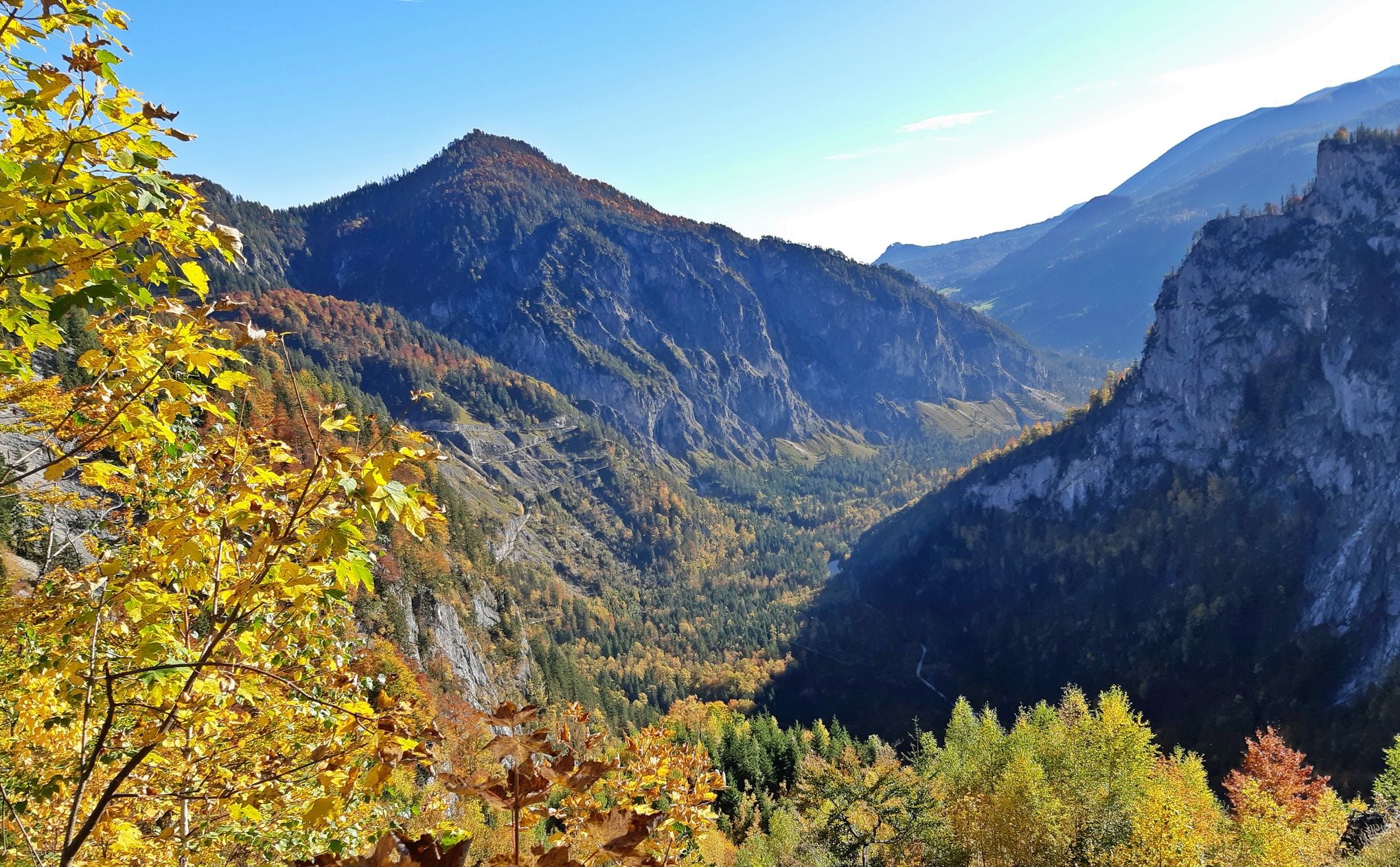
Salt Trail — On old paths through Upper Austria
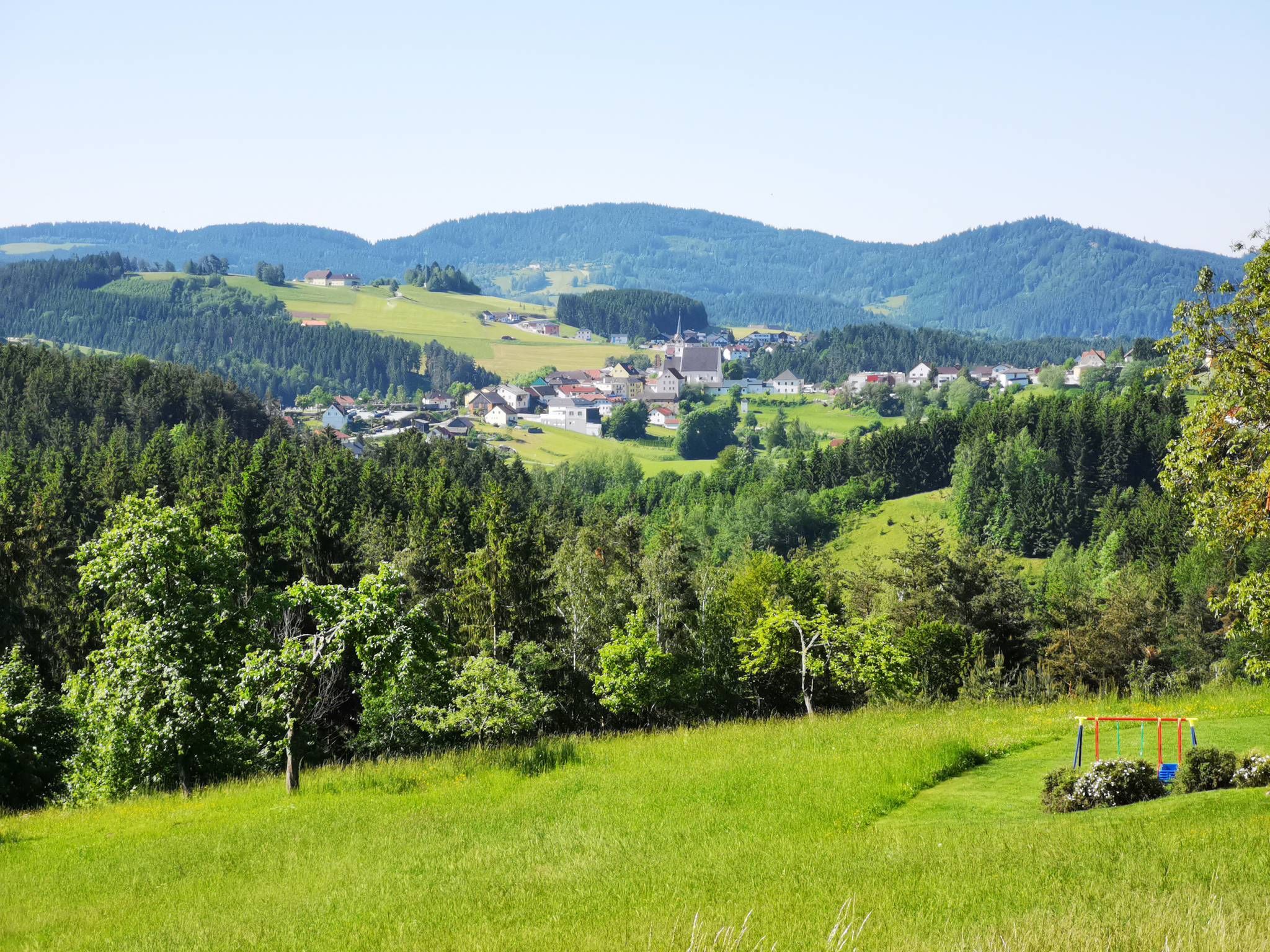
Austria's Mühlviertel Cycle Path — A hilly idyll
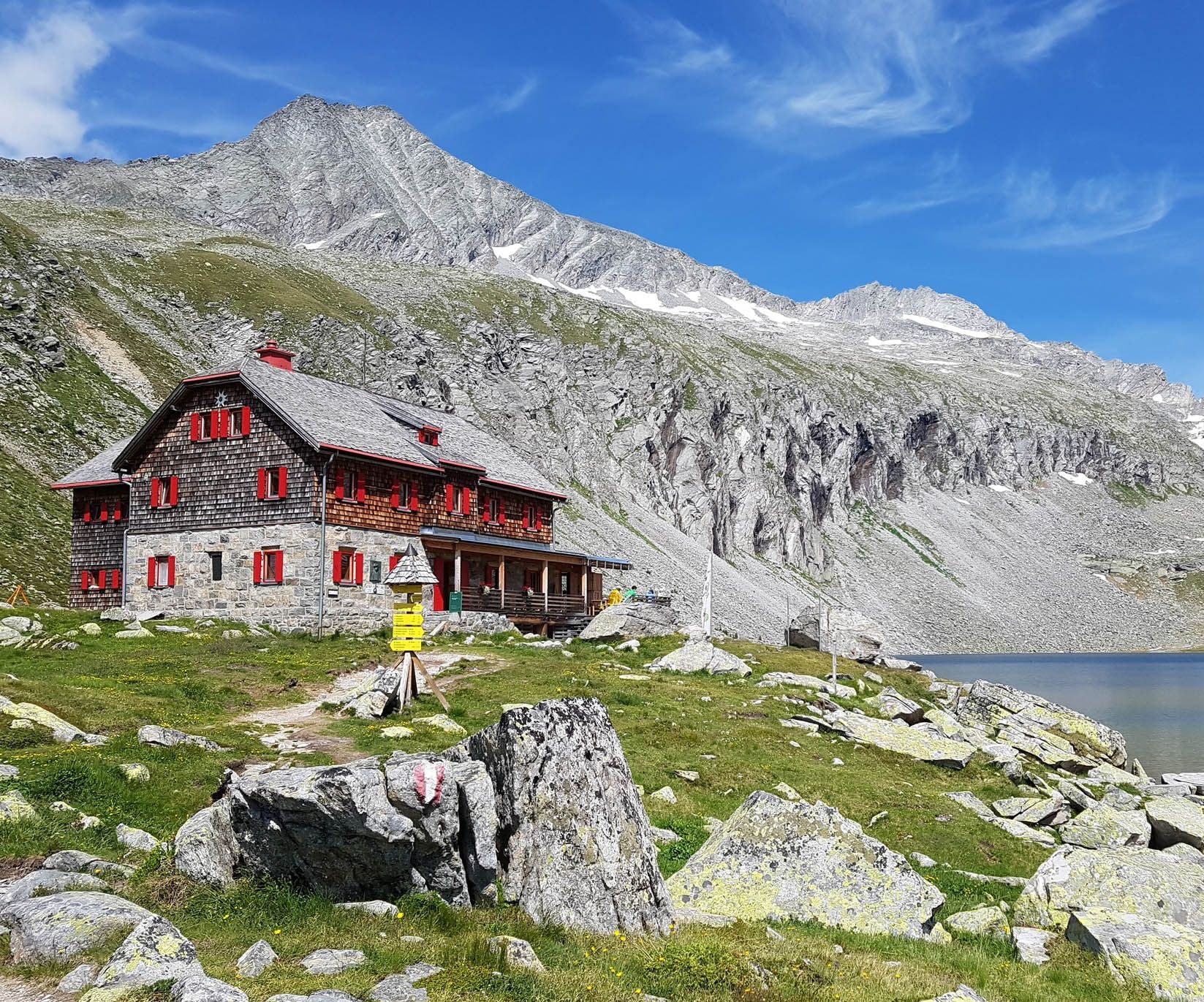
Ruperti Trail – Hike from Austria's Bohemian Forest to the Carnic Alps
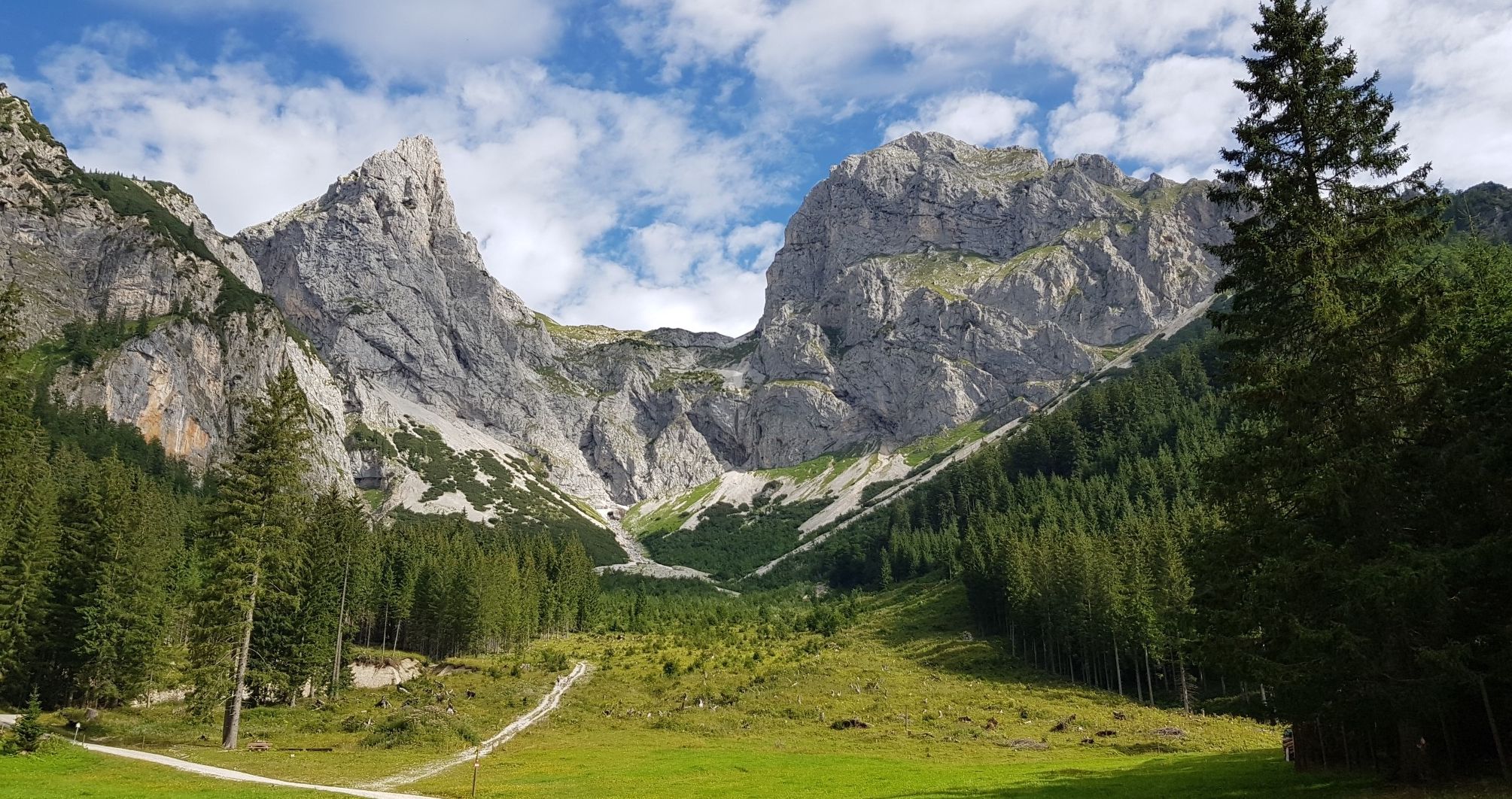
North Alpine Trail 01 – Hike across Austria in 49 days
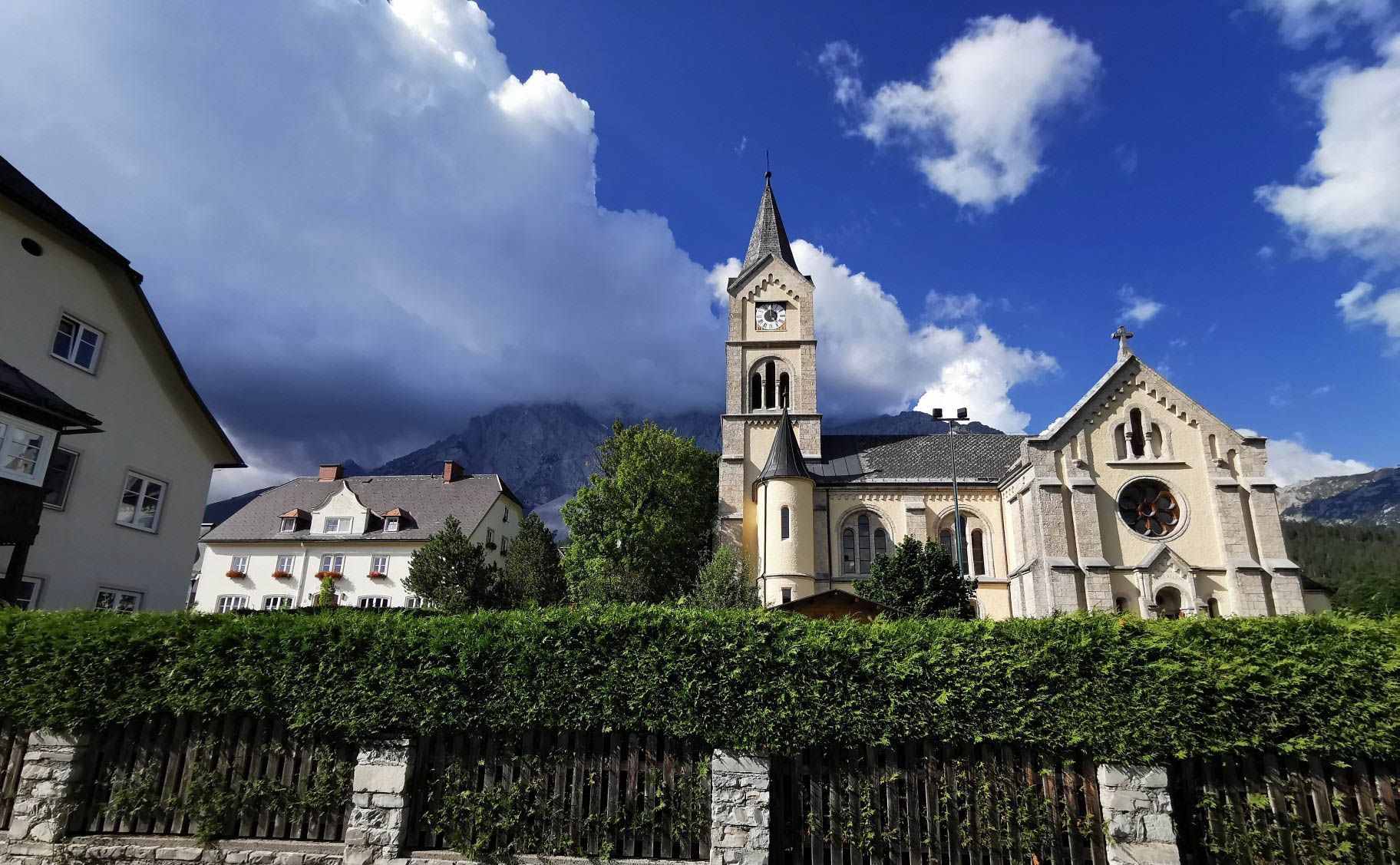
Way of the Book – Hike in the footsteps of the Bible smugglers in Austria
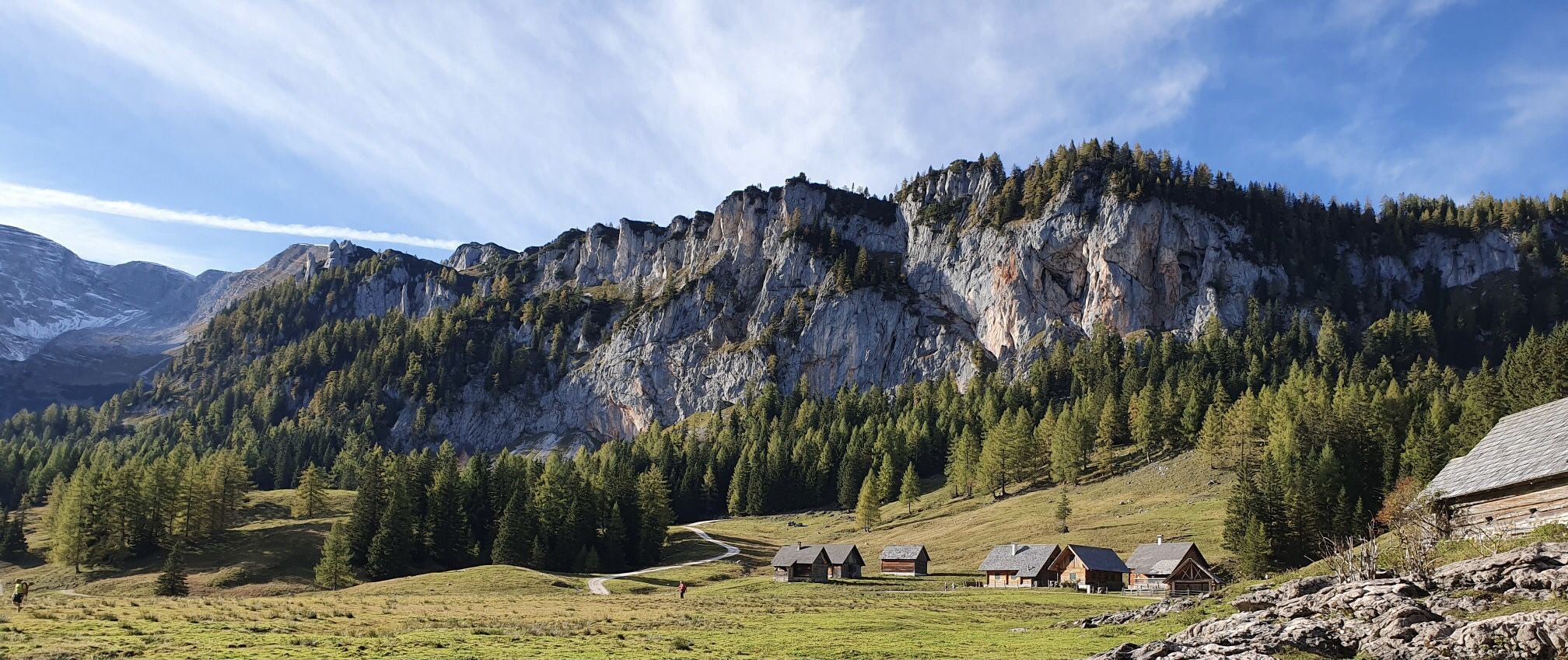
Austria's Kalkalpen Trail – Giant rocks & alpine meadows
Other adventures in Upper Austria


Tips from the Community

The Koppenbrüller Cave impresses with its rushing water and mysterious passages. After the heavy rains of the last nine days, the spectacle was particularly impressive and mystical."
0
0

The escape hole, or Flehlucka, has been closed for 1 1/2 years due to storm damage. It's not yet known when access will be reopened. This information comes from a local.
0
1


We like to walk via the Windloch to the Dambergwarte
0
0
"The water-bearing Koppenbrüller Cave is located in the valley and can be reached by a short walk along the Koppentraun. Marvel at the stalactites that are thousands of years old and listen to the roar of the invisible stream inside the mountain. A visit to the Koppenbrüller Cave, the youngest of the three Dachstein caves, gives you impressive insights into the underground waterways of the Dachstein interior. When the snow melts and after heavy rainfall, the Koppenbrüller Cave offers a unique natural spectacle that you can walk through completely safely during the guided tours. The water roars its way through the mountain, so it is not surprising that myths surround this cave." https://www.dachstein-salzkammergut.com/de/sommer/unterirdisch/koppenbruellerhoehle
1
0

A very beautiful, impressive gorge.😍
3
0

Great cave with classical music. Fascinating experience. Dress warmly!!
0
0
Frequently Asked Questions
What are the most popular caves to visit in Upper Austria?
Among the most popular caves in Upper Austria are the Dachstein Giant Ice Cave, known for its impressive ice sculptures and formations, and the Stillensteinklamm, a gorge where the Gießenbach stream flows through an underground cave system. The Pießling Spring (karst spring) is also a significant natural monument.
Are there family-friendly caves in Upper Austria?
Yes, several caves in Upper Austria are suitable for families. The Dachstein Giant Ice Cave offers guided tours through its magical ice landscape, and the Hallstatt Salt Mine provides an engaging historical experience. The Koppenbrüller Cave is also noted as family-friendly.
What kind of geological features can I expect to see in Upper Austria's caves?
Upper Austria's caves showcase a diverse range of geological features. You can find spectacular ice formations and gigantic ice curtains in the Dachstein Giant Ice Cave. The Gassel Dripstone Cave is renowned for its beautiful stalactite and stalagmite formations, considered the largest stalactite deposit in the Northern Limestone Alps. The Dachstein-Mammuthöhle, adjacent to the ice cave, is one of Europe's largest karst caves, featuring massive passages and intricate rock formations carved by water.
What is the best time of year to visit caves in Upper Austria?
Many show caves, especially ice caves like the Dachstein Giant Ice Cave, are popular during summer as they offer a refreshing escape from the heat with year-round temperatures around -2 °C (28°F). Other caves, like the Gassel Dripstone Cave, are typically open on weekends during the summer. Adventurous caves like Kreidelucke are not offered in winter due to bat protection. Always check specific cave opening times before planning your visit.
What should I wear when visiting caves in Upper Austria?
Temperatures inside caves are consistently cool, even in summer. For ice caves like the Dachstein Giant Ice Cave, temperatures are around -2 °C (28°F), so warm clothing is essential. For dripstone caves like the Gassel Dripstone Cave, which maintains 6.2 °C, long-sleeved clothing is recommended. Sturdy, non-slip shoes are advisable for all cave visits due to potentially wet and uneven surfaces. For adventurous trekking caves like Kreidelucke, specialized equipment such as neoprene suits, helmets, and headlamps are typically provided.
Are there any adventurous caving experiences available in Upper Austria?
Yes, for those seeking a more adventurous experience, Kreidelucke near Hinterstoder offers undeveloped natural cave trekking tours. These involve exploring nooks, passages with shallow, ice-cold water, and some sections requiring climbing. Participants should be prepared for crawling, wading, and climbing, and certified guides provide necessary equipment like neoprene suits and headlamps. The Stillensteinklamm also has active river cave sections for experienced explorers with specialized equipment.
How long do cave tours typically last in Upper Austria?
The duration of cave tours varies. Guided tours through the Dachstein Giant Ice Cave and the Gassel Dripstone Cave typically last around 50 minutes. The Dachstein-Mammuthöhle also offers tours covering approximately one kilometer of its extensive passages. For more adventurous, undeveloped caves, the exploration time can be longer depending on the chosen tour and difficulty.
What outdoor activities can I do near the caves in Upper Austria?
The region around Upper Austria's caves offers a variety of outdoor activities. You can find numerous easy hikes, such as the 'Zum Welterbeblick auf der 5Fingers-Aussichtsplattform' or the 'Vorderer Gosausee – Front Gosau Lake loop'. For more challenging adventures, there are mountain hikes like the 'Thekla Chapel – Drachenwand loop'. The area also features running trails, including scenic routes along the Danube Promenade in Linz.
Are there any historical caves or sites related to caves in Upper Austria?
Yes, Upper Austria has caves with historical significance. The Hallstatt Salt Mine is a prominent historical site, offering insights into ancient salt mining. The Windloch Cave has historical assumptions about being an escape route from monasteries or castles. Remains of historic cave bears have also been found in the 'King Arthur's Dome' section of the Dachstein Giant Ice Cave.
What makes the Koppenbrüller Cave unique among Upper Austria's caves?
The Koppenbrüller Cave in Obertraun is unique for its dramatic views into the Dachstein's underground waterways. It becomes particularly spectacular during snowmelt, transforming its usually dry riverbed into a powerful, raging mountain stream. This offers a unique opportunity to witness the active hydrological processes shaping subterranean landscapes.
Can I visit caves in Upper Austria during winter?
While some caves, particularly undeveloped ones like Kreidelucke, are closed in winter for bat protection, others may offer winter tours. Ice caves like the Dachstein Giant Ice Cave maintain their cold temperatures year-round, making them a unique winter destination, though access might depend on cable car operations. The Teufelshöhlen are noted to have ice formations in winter. It's always best to check the specific cave's winter operating hours and accessibility in advance.
What is the Pießling Spring and its connection to caves?
The Pießling Spring is one of the strongest karst springs in Austria, a natural monument where water emerges from an underground cave system. It's a powerful hydrological feature, capable of meeting the water needs of hundreds of thousands of people on summer days. While not a cave you enter, it's a direct manifestation of the extensive subterranean karst systems in Upper Austria.
Are there any less-known or 'hidden gem' caves in Upper Austria?
Beyond the well-known show caves, Upper Austria offers some less-traveled options for those seeking a different experience. The Windloch Cave, with its historical legends and challenging ladder descent, provides a more rugged exploration. Kreidelucke, an undeveloped natural cave, offers adventurous trekking tours for those prepared for a hands-on caving experience. The Eulenloch Cave also presents a historical and natural monument for exploration.
Most popular routes in Upper Austria
Most popular attractions in Upper Austria

Get inspired with the komoot mobile app


Didn’t find what you were looking for?
Discover more caves in Upper Austria region by region:
Explore more
Extend your search for the best caves by checking out these guides of the top ones in Upper Austria:
