Top 20 Huts and Cabins in Saxony
Huts in Saxony provide diverse accommodations for outdoor enthusiasts, ranging from rustic shelters to comfortable guesthouses. The region, known for its natural landscapes, features dramatic sandstone mountains in Saxon Switzerland and rolling hills in the Erzgebirge. These areas offer numerous huts that serve as strategic points for exploring popular hiking trails and enjoying the outdoors. Many locations boast historical significance and provide access to expansive views.
Best huts in Saxony
- The most popular huts is Pfaffenstein Mountain Inn, a…
Last updated: July 6, 2026
Pfaffenstein Mountain Inn
Highlight • Mountain Hut
Translated by Google •
Tip by

Papststein Viewpoint
Highlight • Viewpoint
Translated by Google •
Tip by

Sign up now to discover places like this
Get recommendations on the best single tracks, peaks, & plenty of other exciting outdoor places.
Sign up for free
Fichtelberghaus Restaurant & Hotel
Highlight • Restaurant
Translated by Google •
Tip by

View from Brand
Highlight • Viewpoint
Translated by Google •
Tip by

Nonnenfelsen (Nuns' Rocks)
Highlight (Segment) • Natural Monument
Translated by Google •
Tip by

Amselfall
Highlight • Waterfall
Translated by Google •
Tip by

Gohrischstein Summit Shelter
Highlight • Mountain Hut
Translated by Google •
Tip by

Fichtelberg Peace Bell
Highlight • Monument
Translated by Google •
Tip by

Hockstein Viewpoint and Shelter
Highlight • Viewpoint
Translated by Google •
Tip by

Auersberg Summit and Observation Tower
Highlight • Summit
Translated by Google •
Tip by

Sign up for free to discover even more huts and cabins in Saxony.
Sign up for free
Already have an account?
Start today with a free account
Your next adventure awaits.
Login or Signup
Popular around Saxony
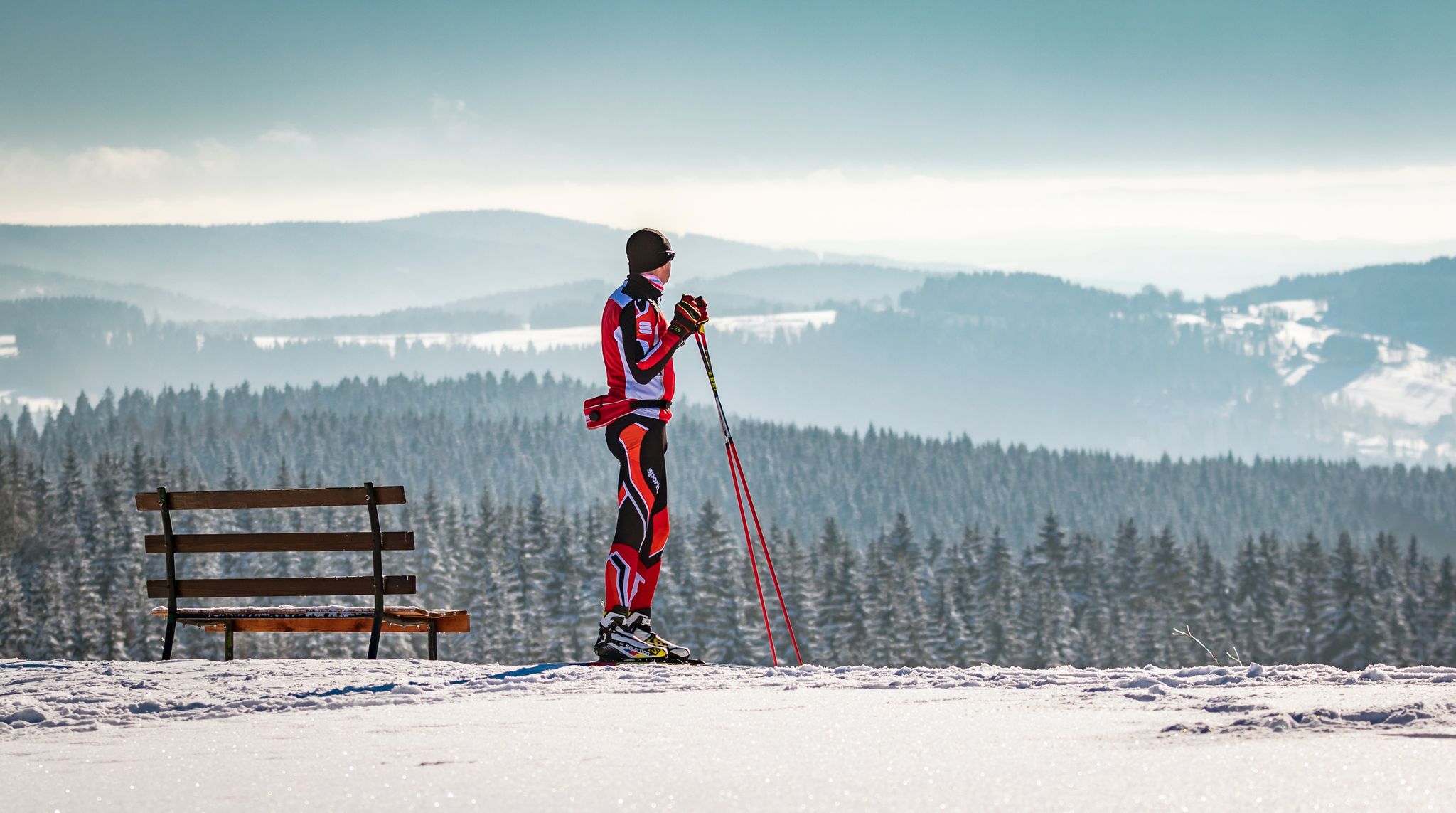
Let it flow! Cross-country skiing in the Ore Mountains
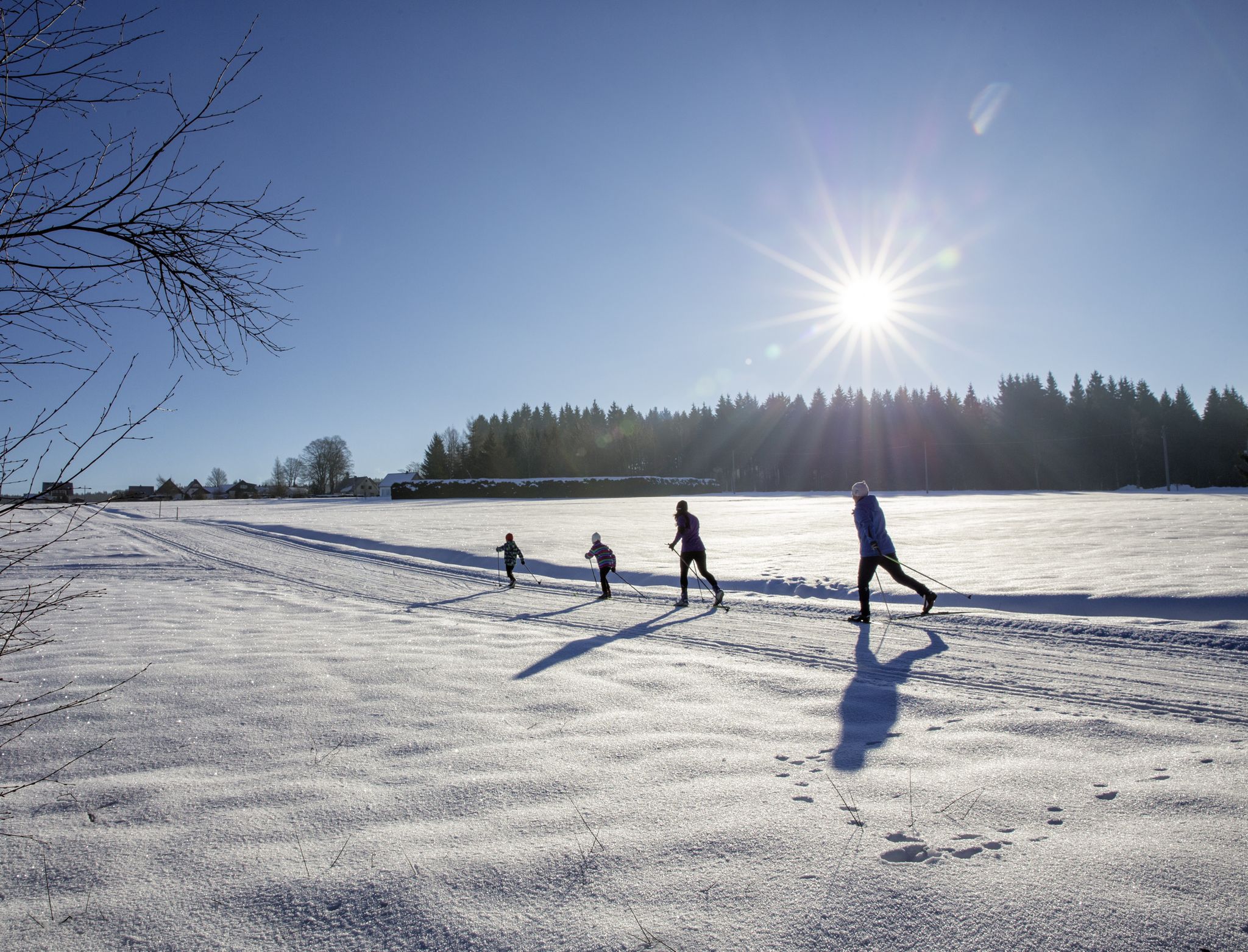
A snowy paradise – winter hiking and cross-country skiing in Germany’s Vogtland
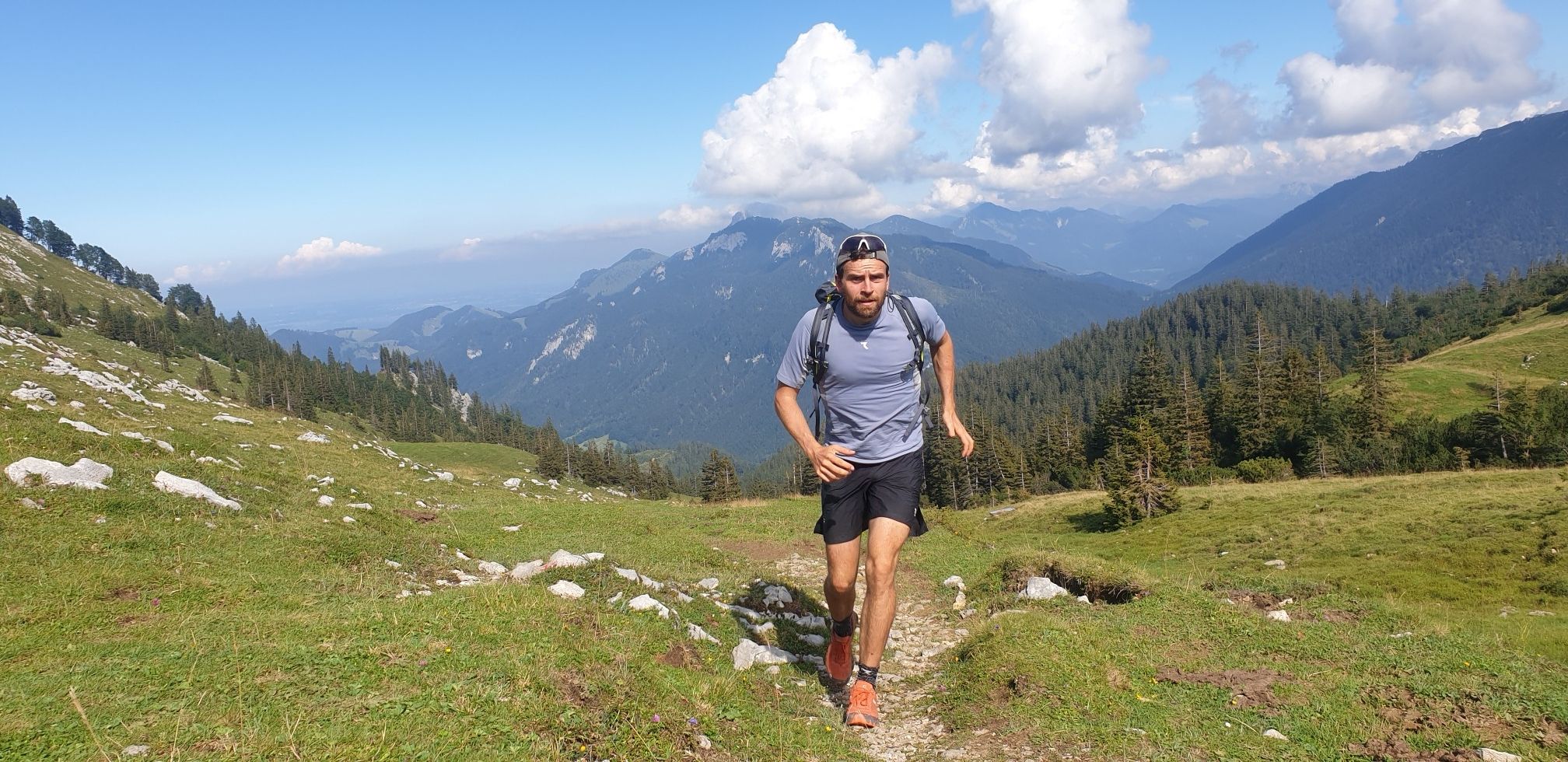
Triathlon around Germany
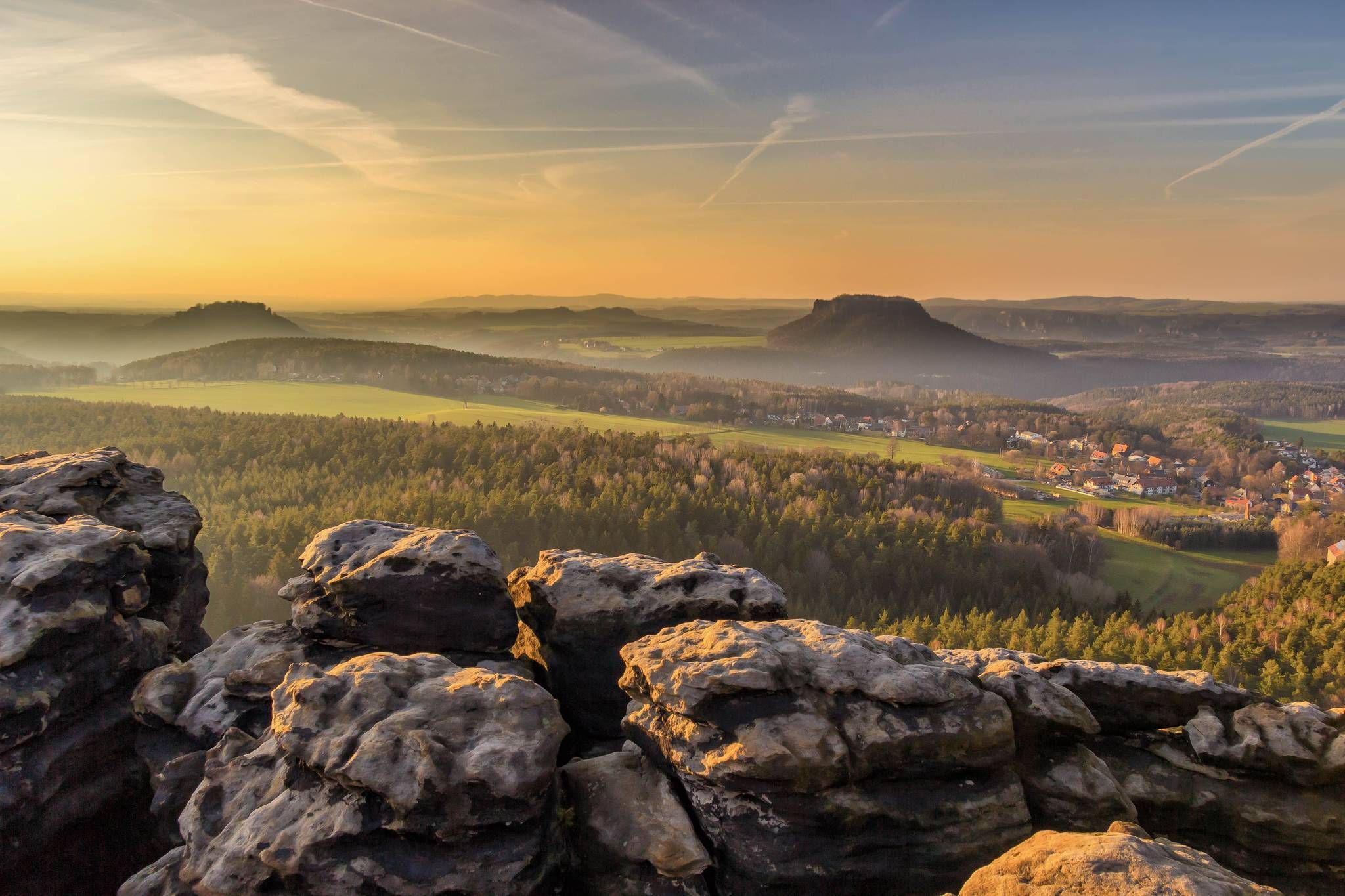
Forststeig – 7 days in the wild, remote sandstone mountains
Cycling from Dresden to Berlin – lakes, nature and Sorbian culture
SEND IT! Germany by bike with two mountain bike pros
Mountains, heaths & lakes – hiking in Lusatia
Kammweg Erzgebirge – Border adventure along the Ridgeway
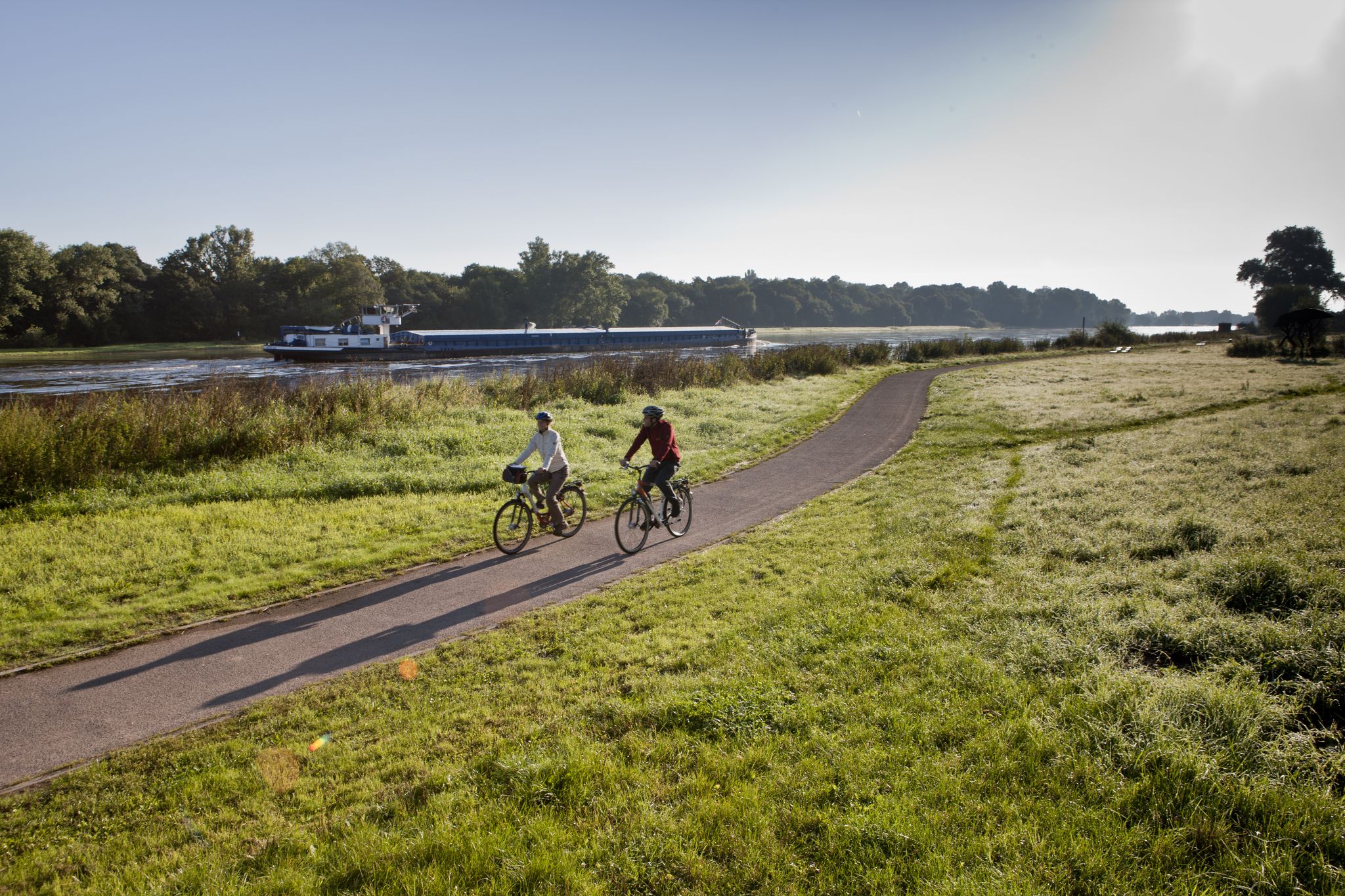
Elbe Cycle Route – Ride through Saxony-Anhalt

Around Thuringia — 7 stages through Germany's green heart
Other adventures in Saxony


Tips from the Community

The large peace bell on the Fichtelberg had to remain silent for six months in 2024. Stone throwing in May 2022 had so badly damaged the bell that its sound suffered. It was decided to stop ringing it and replace it with a new one. The old bell rang for the last time on Easter Monday 2024. Just in time for the mountain service on German Unity Day on October 3, the new bell was officially rung for the first time in the fall of 2024. The idea of using a peace bell to commemorate the peaceful revolution of 1989 in the GDR and German reunification in 1990 came from watchman Gerd Schlesinger and night watchman Jörg Eller from the Ore Mountains town of Schwarzenberg. The bell was also intended to be heard in neighboring Czechia and thus ring for a united Europe. The cast steel bell, already ninety years old at the time, was rung for the first time in 2010. The new bell was cast in Innsbruck by the Grassmayr company. At 2,700 kilograms, it is about 1,100 kilograms heavier than the old bell.
17
1

Impressive rock formations, great trails with viewing platforms and a beautiful mountain restaurant.
19
1

The large rock massif of the Nonnenfelsen (537 m) rises almost 100 meters above the southwestern edge of Jonsdorf. There is also a beautiful via ferrata (Nonnensteig) here.
20
0


At a height of 292 meters, it towers majestically above the Polenz Valley, which is 115 meters below, and offers hikers magnificent views that will remain in their memories for a long time. The climb to Hockstein is an adventure in itself. The Wolfsschlucht captivates hikers with its narrow crevices and many stairs. Here the path sometimes leads through narrow crevices, sometimes around the corners of impressive rock formations - an exciting experience that increases the anticipation of the summit with every step. However, if you are looking for a less challenging route, we recommend the easy climb over the historic Devil's Bridge, which was built in 1821 and is therefore considered one of the first tourist structures in Saxon Switzerland. Once at the top, the Hockstein rewards you with a breathtaking panoramic view. Hohenstein Castle stands proudly on the opposite side and seems to be within reach of the viewer. The Polenztal stretches out in all its splendor, a natural painting that invites you to linger and dream. A lovingly built shelter is available for protection from sudden changes in the weather or for a comfortable rest. Here you can enjoy the food you brought with you in peace and let your gaze wander.
5
0

☆ The oldest stone observation tower in the Ore Mountains. More information can be found at the tower.
10
0
The Nonnenfelsen are a popular rock formation on a slope in the south-east of the Buchberg. In total, the rocks have a height of 537 meters. This makes them 100 meters higher than the valley of the Pochebach. The most important climbing peaks in Jonsdorf belong to the Nonnenfelsen: Gorge wall, Barbarine and the Nonnenfelsen on the terrace of the associated restaurant.
16
1
Via the bridge and the climbing facility you can get very close to the Nonnenfelsen. The reward is a gigantic view.
15
0
Frequently Asked Questions
Which huts in Saxony offer the most impressive panoramic views?
Many huts in Saxony are strategically located for spectacular views. For instance, the Pfaffenstein Mountain Inn provides a fantastic panorama from its observation tower on the summit of Pfaffenstein. Similarly, the Papststein Viewpoint, with its mountain inn and fire tower, offers extensive vistas. In the Erzgebirge, the Mountain House on Bärenstein also boasts impressive views from its observation tower, including Fichtelberg and Klínovec.
Are there family-friendly huts in Saxony?
Yes, Saxony offers several family-friendly options. The Fichtelberghaus is known for its facilities and family-friendly atmosphere at a high elevation. Additionally, the Auersberg Summit and Observation Tower highlight mentions a small playground for children, making it a suitable stop for families.
What kind of historical significance do some of Saxony's huts have?
Many huts in Saxony have a rich history. The Auersberghaus, for example, is Saxony's highest hotel with an inn dating back to 1907. The Mountain House on Bärenstein originated as a mountain hut in 1903 and has evolved into a guesthouse with an observation tower. These locations offer a glimpse into the region's past as a tourist destination.
What outdoor activities can I do near huts in Saxony?
The huts in Saxony serve as excellent bases for various outdoor activities. You can enjoy extensive hiking, climbing, and cycling. For specific routes, consider exploring options like Mountain Hikes in Saxony, Gravel biking in Saxony, or Road Cycling Routes in Saxony.
Which huts are good starting points for hiking trails in Saxon Switzerland?
In Saxon Switzerland, the Neumannmühle is a strategic starting point for hiking, cycling, and climbing tours, and also serves as a stage destination on the Malerweg. Trekking huts like Grenzbaude and Haselmausbaude along the Forststeig also provide essential shelter for multi-day treks.
What is the best time of year to visit huts in Saxony?
The best time to visit huts in Saxony largely depends on your preferred activities. Spring and autumn offer pleasant temperatures for hiking and exploring the natural landscapes. Summer is ideal for longer treks and enjoying beer gardens. Some huts, like the Auersberghaus, are open year-round, allowing for winter activities such as snowshoeing or cross-country skiing.
Are there huts in Saxony that offer food and lodging?
Yes, many huts in Saxony provide both food and lodging. The Neumannmühle, for instance, offers regional cooking, specialties from a clay oven, and guest rooms. The Pfaffenstein Mountain Inn and Papststein Viewpoint also feature mountain inns where you can strengthen yourself. Some, like the Auersberghaus, function as hotels with accommodation.
What natural features can I expect to see near huts in Saxony?
Near Saxony's huts, you can explore diverse natural features. In Saxon Switzerland, expect dramatic sandstone mountains, unique rock formations like the Nonnenfelsen (Nuns' Rocks), and picturesque valleys. The Erzgebirge region offers rolling hills and forested landscapes. Many huts are near viewpoints, summits, and even waterfalls like Amselfall.
How can I find huts that are easily accessible in Saxony?
While specific public transport routes to every hut can vary, many popular huts are situated along well-known hiking trails or near towns with public transport connections. For example, the Neumannmühle is a key point on the Malerweg. It's advisable to check local transport options for the specific hut you plan to visit, especially in areas like Saxon Switzerland.
What makes the huts in Saxony a unique experience for visitors?
Visitors appreciate the huts in Saxony for their combination of rustic charm, historical significance, and unparalleled access to nature. They often provide crucial waypoints for hikers, offering shelter, sustenance, and a genuine experience of mountain life. The komoot community has shared over 5700 photos and given more than 5300 upvotes, highlighting the region's appeal.
Are there any huts in Saxony that are particularly well-suited for a quiet retreat?
Many huts, especially those nestled deeper in the natural landscapes of Saxon Switzerland or the Erzgebirge, offer a peaceful retreat. The Pfaffenstein Mountain Inn, described as a regional retreat, provides a serene setting on a historical plateau. Trekking huts along the Forststeig offer a true wilderness experience for self-catering hikers seeking solitude.
Can I find huts in Saxony that are suitable for beginner hikers?
While many trails in Saxony can be challenging, there are also options suitable for beginners. Huts often serve as accessible day-trip destinations or provide comfortable overnight stays on less strenuous sections of trails. Look for huts with 'intermediate' or 'family_friendly' categories in their descriptions, as these often indicate easier access or surrounding routes.
Most popular routes in Saxony
Most popular attractions in Saxony

Get inspired with the komoot mobile app


Didn’t find what you were looking for?
See even more amazing huts in Saxony with these guides per region:
Explore more
Find more beautiful huts and cabins in Saxony by checking out the top ones in these nearby places:
