The 20 Most Amazing Peaks in South Tyrol
Best mountain peaks in South Tyrol, an autonomous province in northern Italy, are primarily found within the Alps, including the Dolomites, a UNESCO World Heritage site. This region features diverse mountain terrain, from rugged rock formations to expansive alpine meadows. The unique carbonate composition of the Dolomite rock contributes to its distinctive appearance and geological history.
Best mountain peaks in South Tyrol
- The most popular mountain peaks is Seceda Summit, a summit that offers ideal vantage points for capturing…
Last updated: August 16, 2026
View of Ortler
Highlight • Viewpoint
Translated by Google •
Tip by

Knottnkino on Rotsteinkogel
Highlight • Viewpoint
Translated by Google •
Tip by

Sign up now to discover places like this
Get recommendations on the best single tracks, peaks, & plenty of other exciting outdoor places.
Sign up for free
Piffinger Köpfl
Highlight • Viewpoint
Translated by Google •
Tip by

View from Hochmuth of Merano and the Adige Valley
Highlight • Viewpoint
Translated by Google •
Tip by

View of Merano and the Adige Valley from Hochmuth Panoramic Platform
Highlight • Viewpoint
Translated by Google •
Tip by

Seceda Summit
Highlight • Summit
Translated by Google •
Tip by

Viewpoint at Fillner Kreuz
Highlight • Viewpoint
Translated by Google •
Tip by

View of the Sassolungo Group
Highlight • Viewpoint
Translated by Google •
Tip by

Bergstation Klammeben
Highlight • Rest Area
Translated by Google •
Tip by

Meran 2000 Cable Car Mountain Station
Highlight • Rest Area
Translated by Google •
Tip by
Sign up for free to discover even more peaks in South Tyrol.
Sign up for free
Already have an account?
Start today with a free account
Your next adventure awaits.
Login or Signup
Popular around South Tyrol
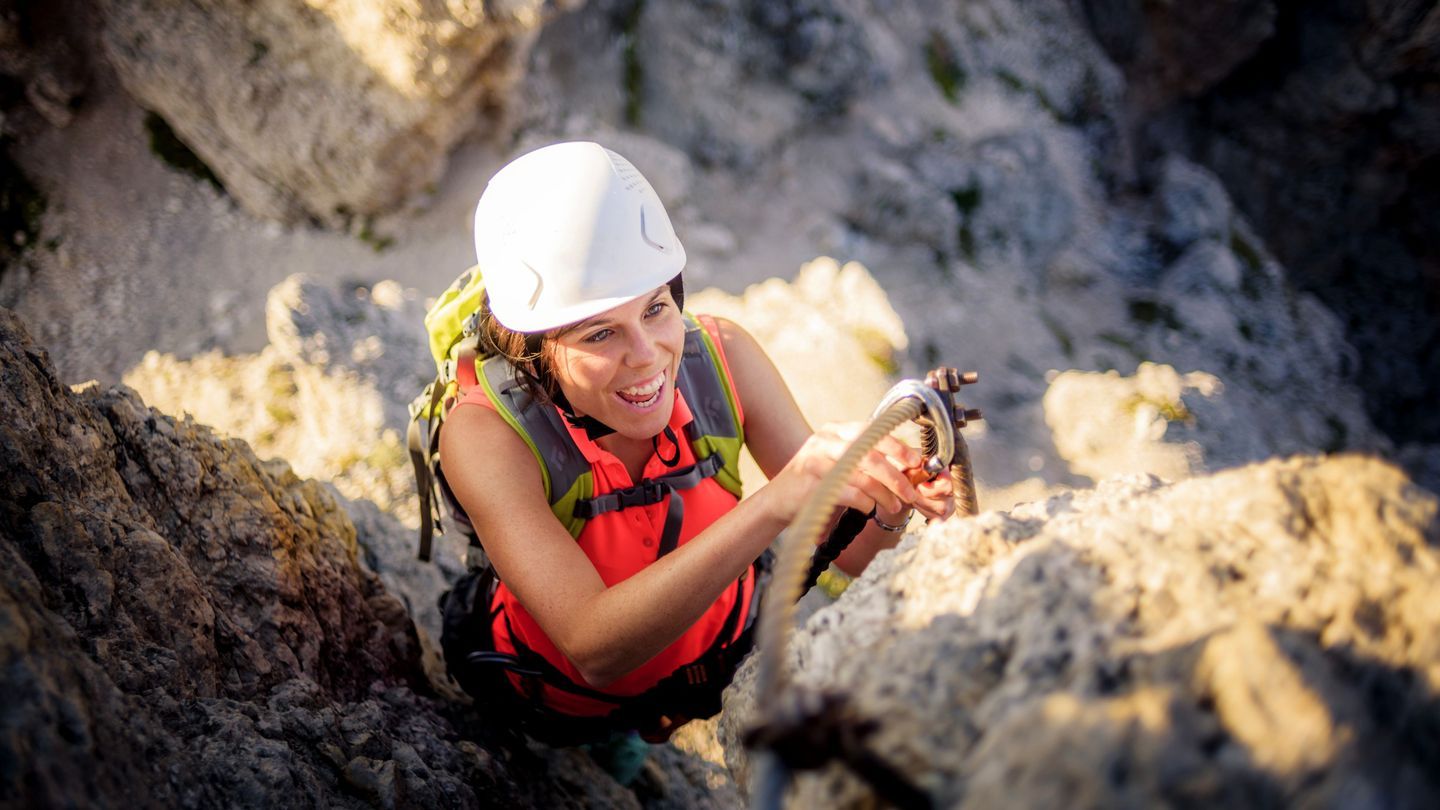
Via ferratas in Val Gardena – Dolomites
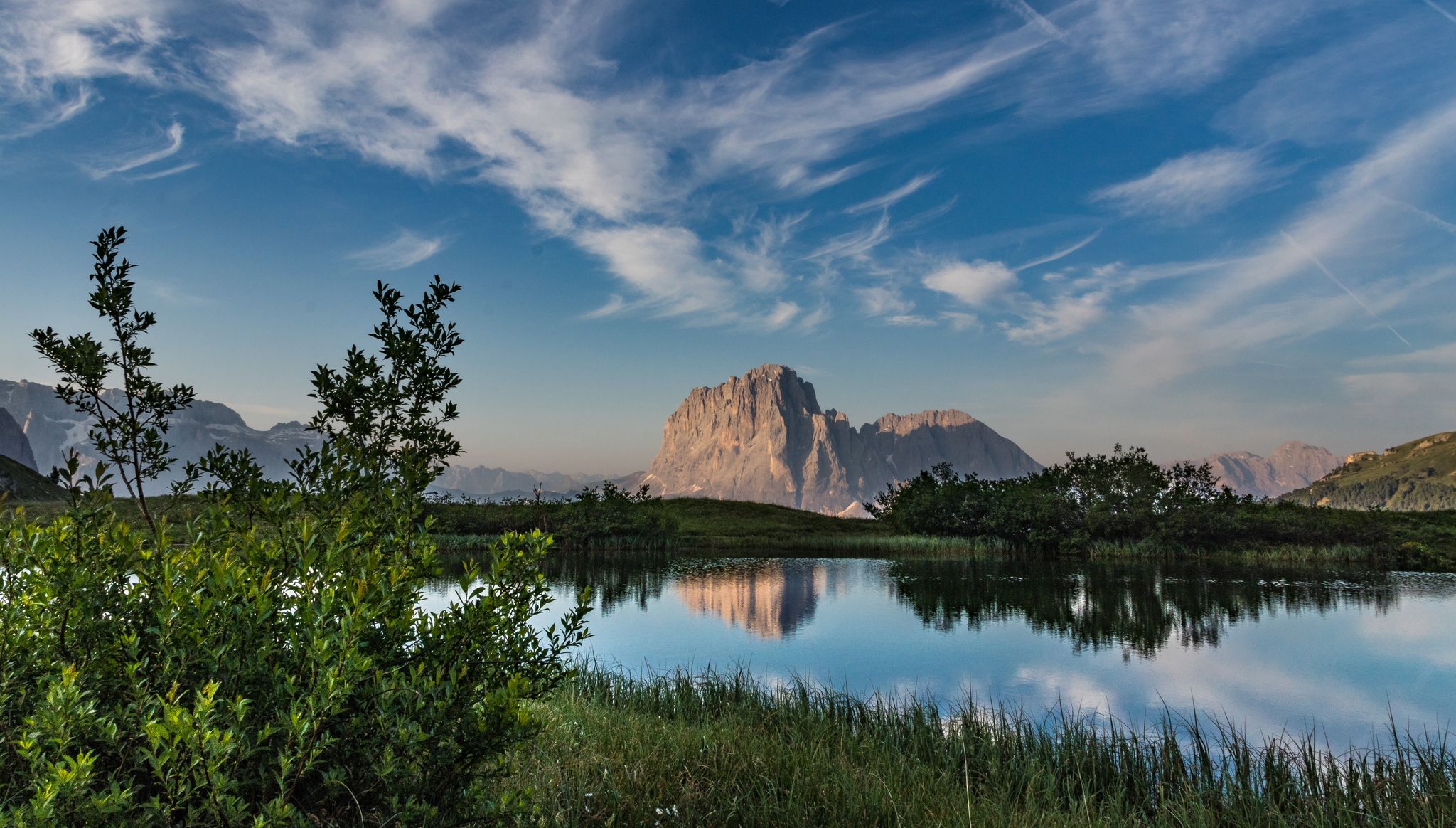
Secret Dolomites - beautiful spring in Val Gardena
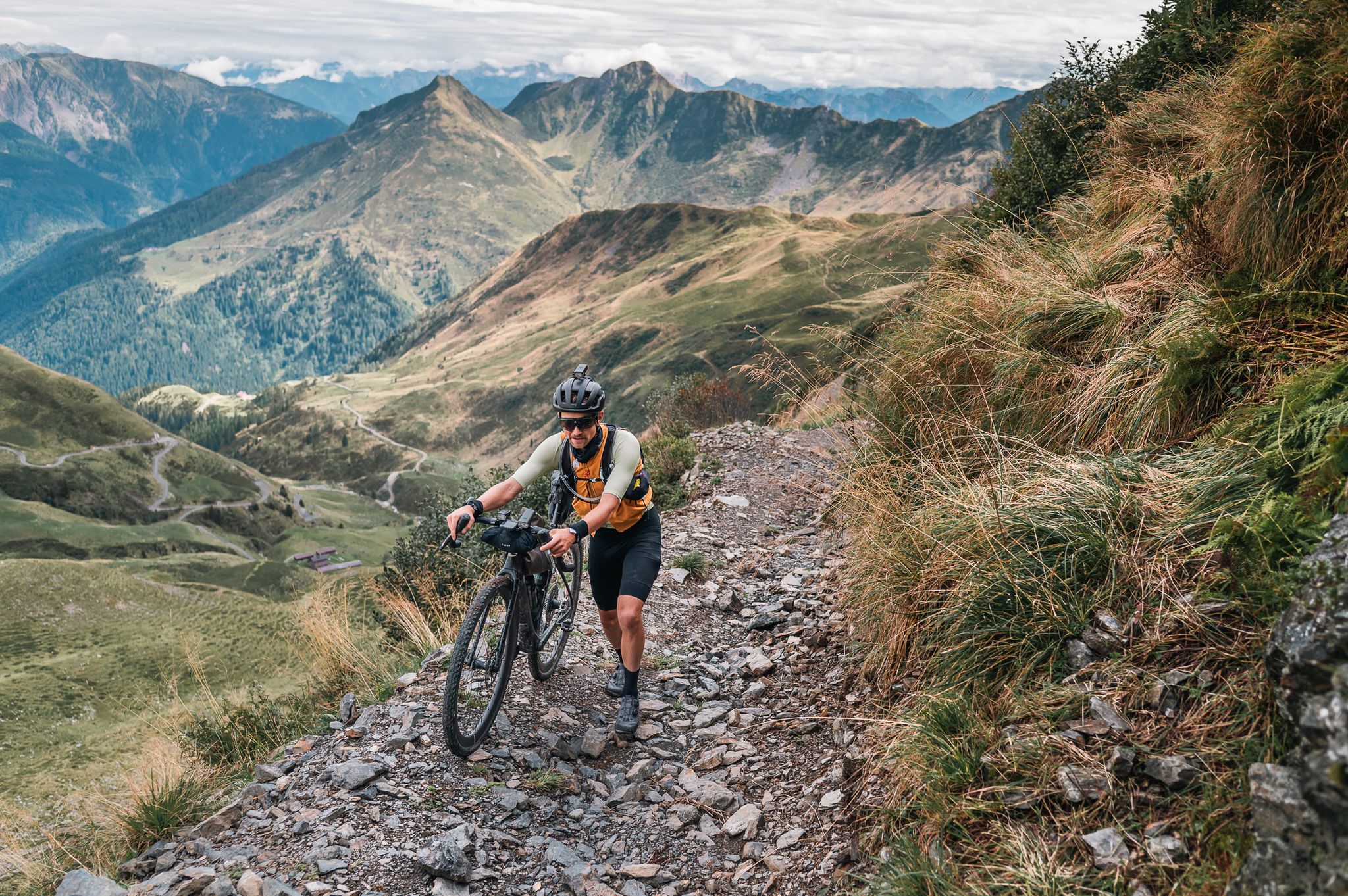
Sneak Peaks ADVENTURE 🥇
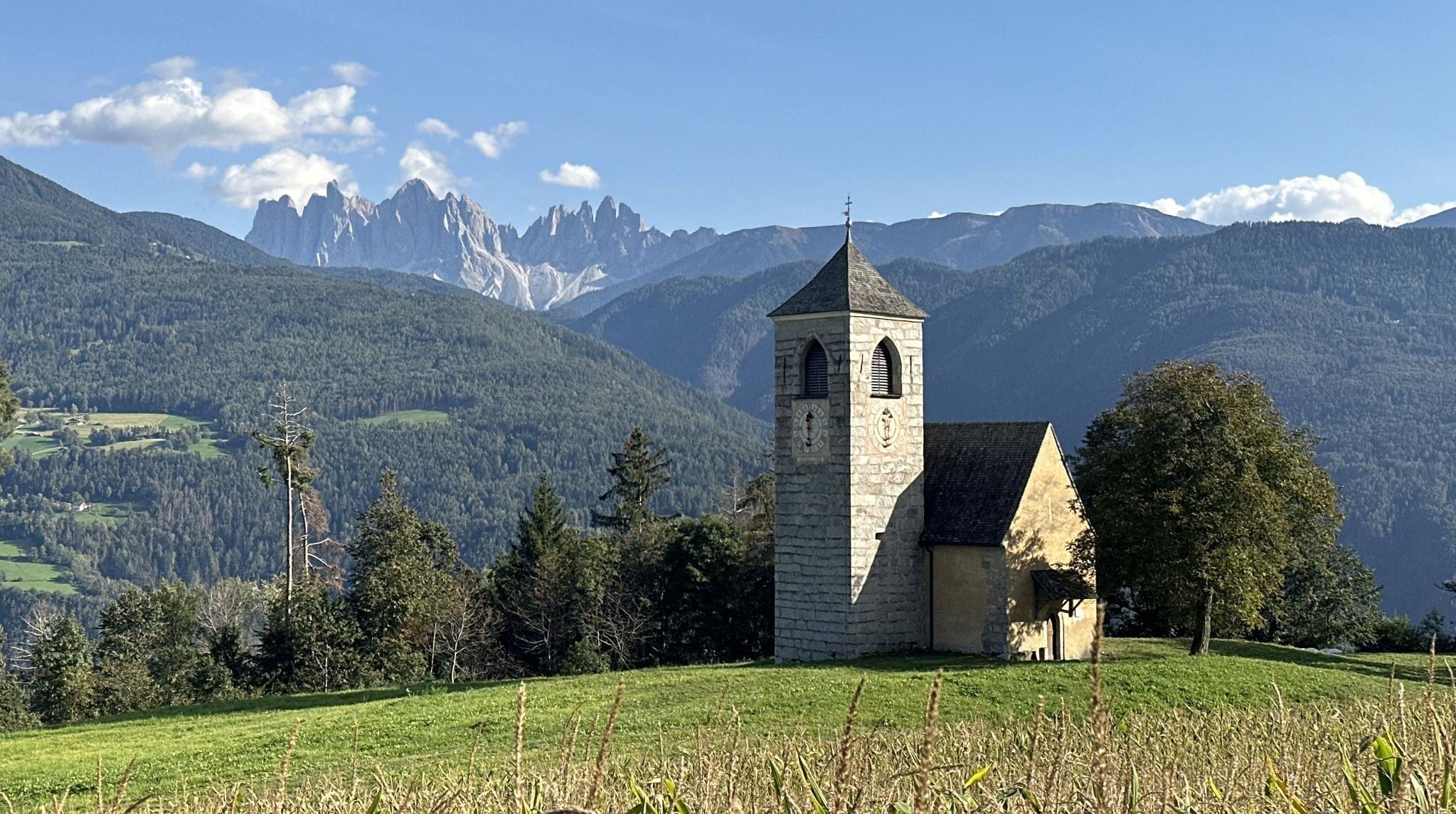
Via Romea Germanica – History, nature and spirituality
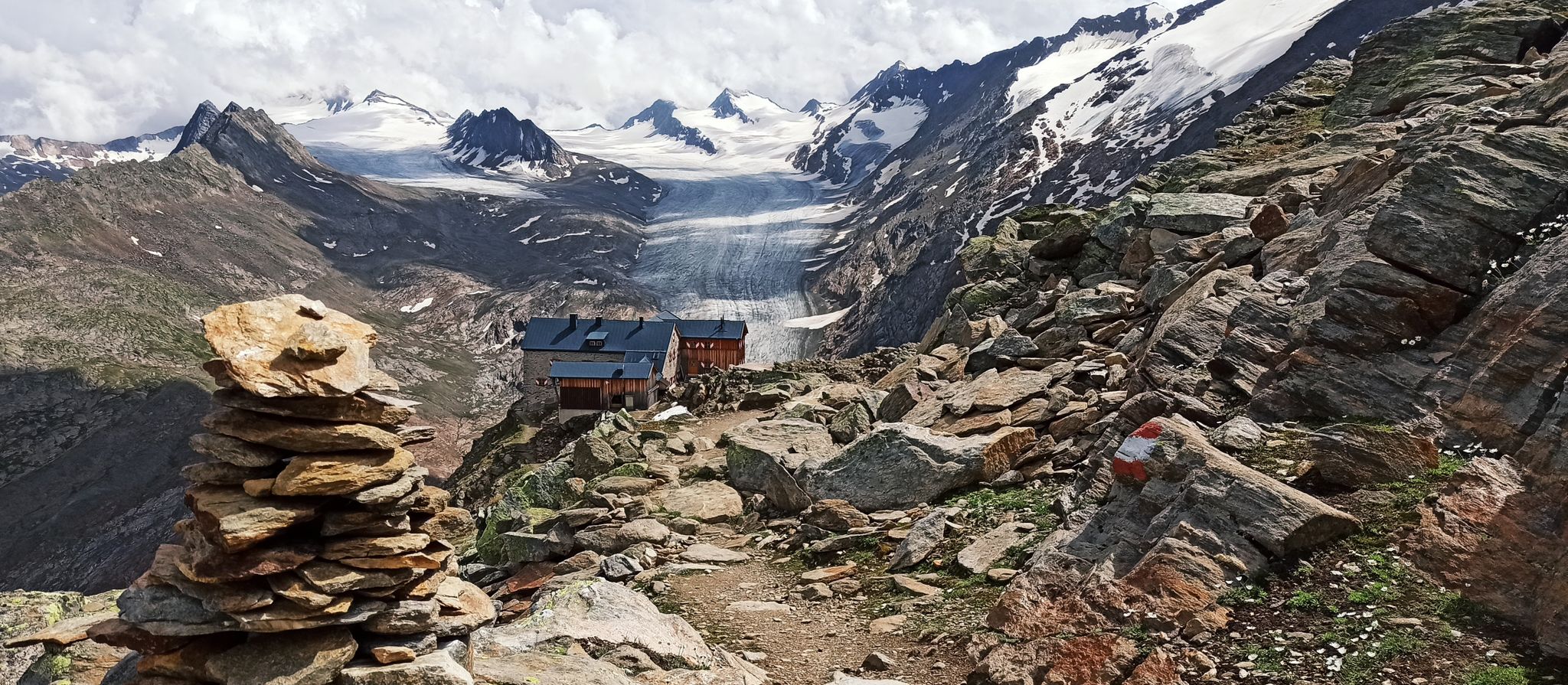
L1 from Garmisch to Brescia – Far from the classic Alpine crossings
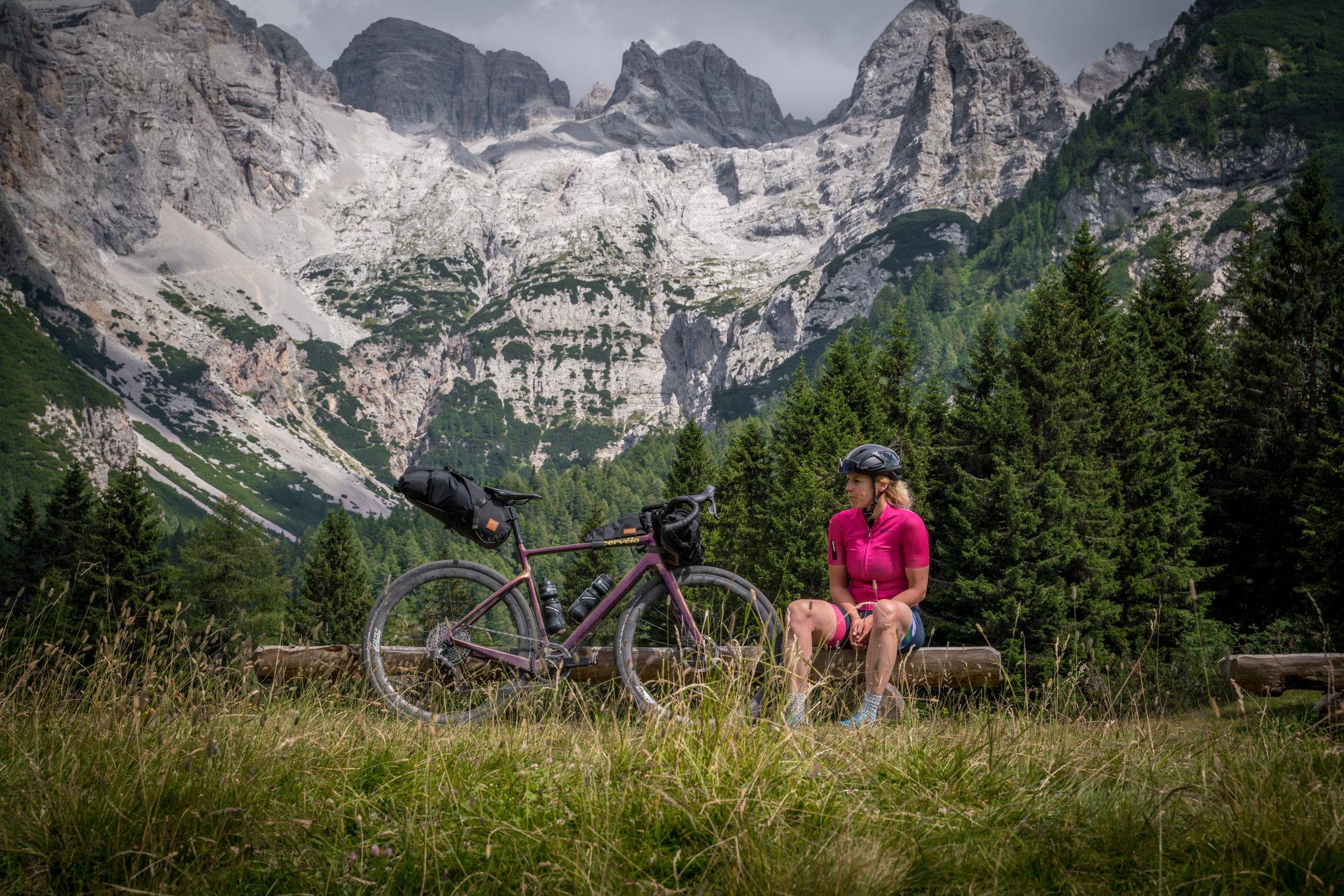
Graun to Riva del Garda — Gravelling across the Alps
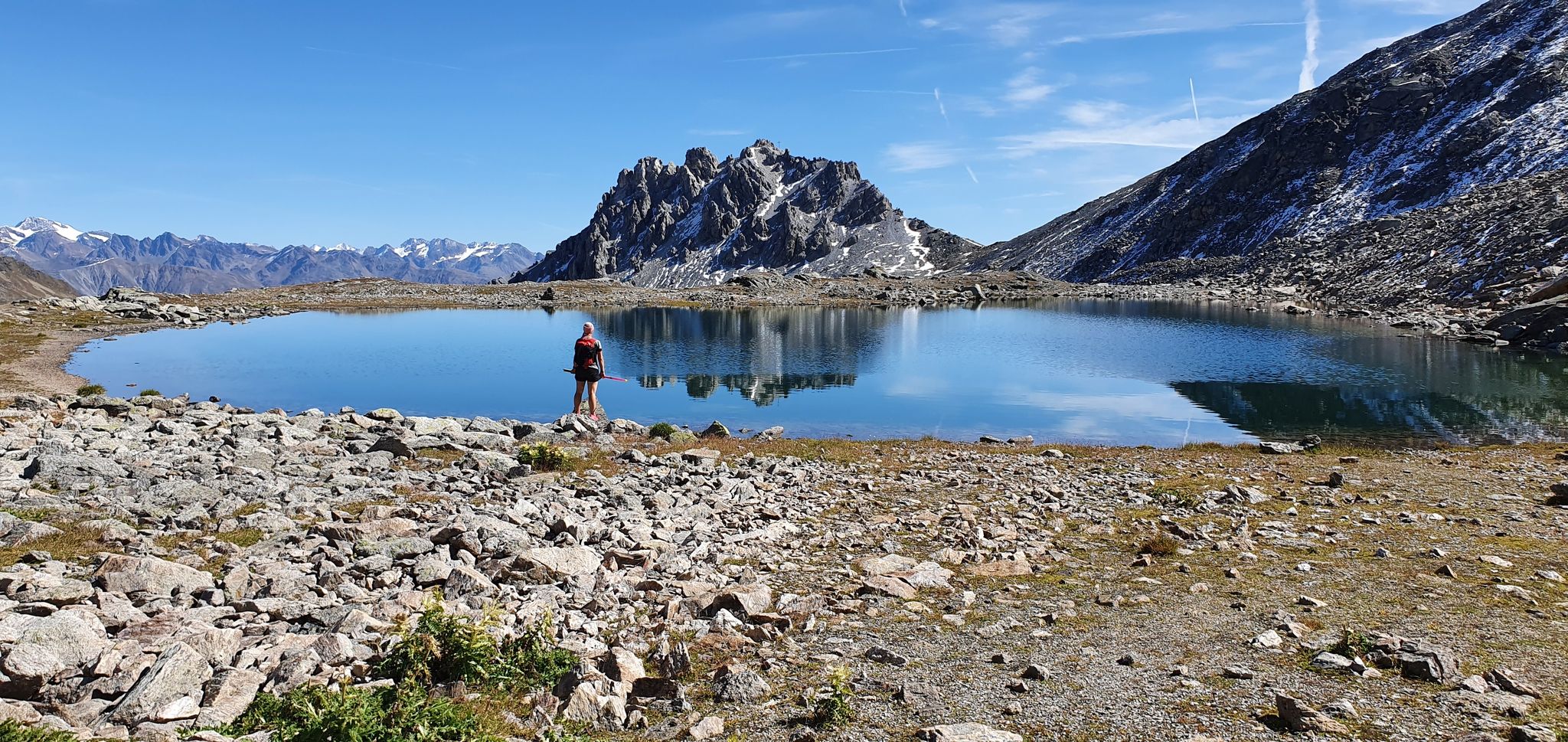
Swiss National Park Panorama Trail – Spectacular and serene
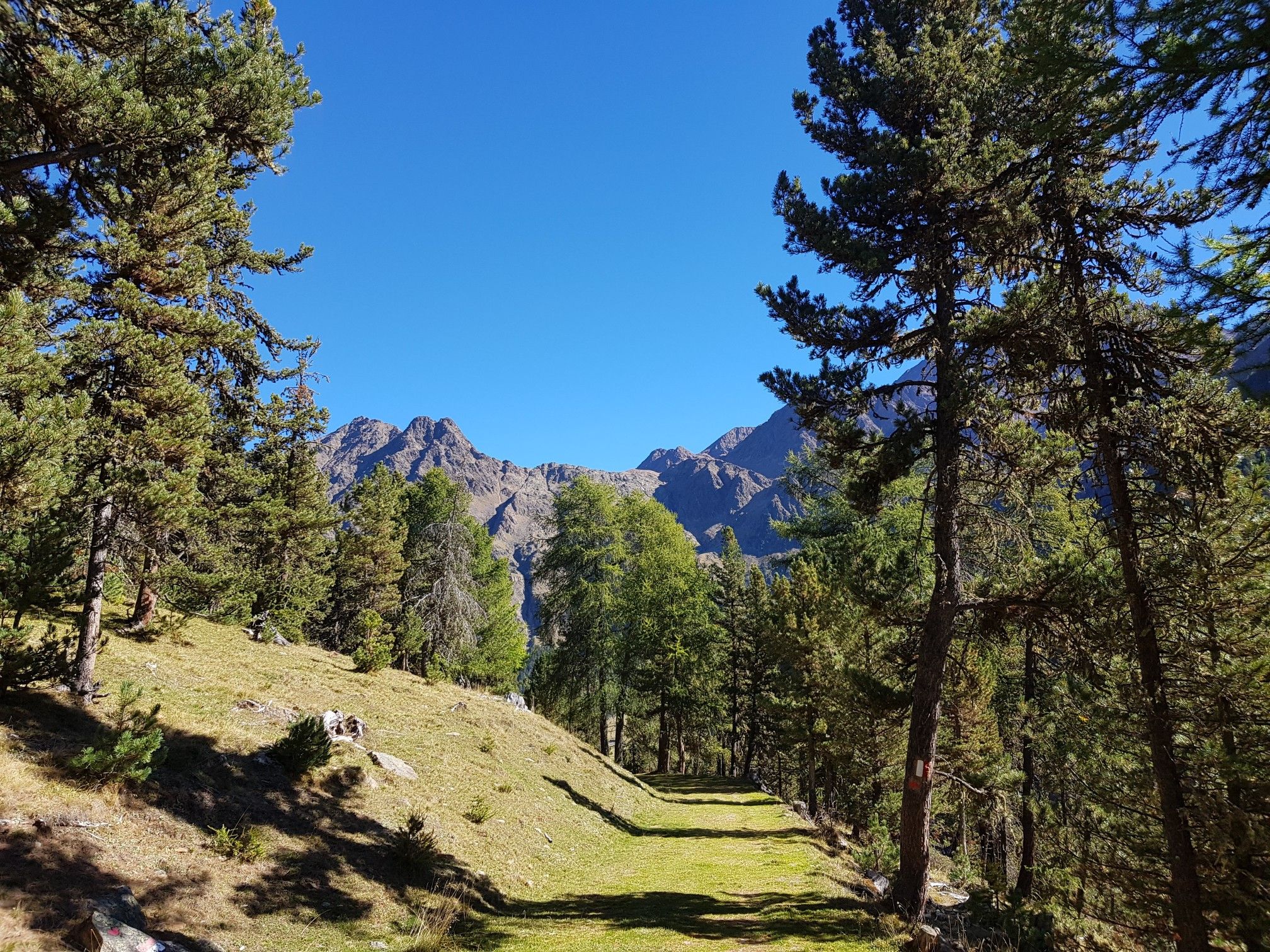
Vinschger Höhenweg – hiking South Tyrol's Sonnenberg mountain
Austria's High & Holy Pilgrimage Trail – Walking across mountains and borders
Road to Lisbon – bikepacking the Alps, Pyrenees and Picos de Europa
Other adventures in South Tyrol


Tips from the Community

The Seceda summit is probably the most crowded mountain in the Dolomites these days... You should arrive before 8 a.m., because the first cable car takes you up at 8:00 or 8:30 a.m. Before that, you'll have peace and quiet, but afterward, it gets very busy and crowded. Those arriving on foot are best advised to take the ascent from Selva or the Cristauta parking lot... Once you get to the top, most people aren't interested in the Seceda itself. Because everything revolves around the view from the Seceda to the Odle Group... Although the panoramic view from the Seceda summit itself is certainly not to be sniffed at: you get a fantastic panoramic view. As of September 2025, there's a turnstile at one of the entrances to the Seceda with a €5 entrance fee, but you can avoid this!
10
1

The train takes you up to 2000m in 10 minutes.
6
1
From April to November, the Hirzer cable cars depart from the picturesque village of Saltusio at an altitude of 1,980 m. In just a few minutes, two cable cars cover 1,490 meters of altitude.
6
0

The mountain's name is derived from the Latin word siccus (dry). It refers to the arid and dry pastureland below the summit.
17
1
Seceda is the ideal place to take impressive pictures of the famous Geisler peaks.
16
1

Stop, enjoy the landscape and the view and take it all in. I can't describe it any other way.
2
1

Fantastic views can be discovered everywhere here
3
0

Great cycle path, best surface, wonderful mountain views.
5
1
Frequently Asked Questions
What are some of the most popular mountain peaks and viewpoints in South Tyrol?
South Tyrol offers numerous popular peaks and viewpoints. The Seceda Summit is highly recommended for its panoramic views of the Geisler peaks and the eastern Alpine ridge. Another unique spot is Knottnkino on Rotsteinkogel, known for its rock formations and wide perspectives. For a spiritual experience with stunning views, visit the Latzfonser Kreuz Pilgrimage Church and Mountain Hut, Europe's highest pilgrimage church.
What kind of mountain terrain can I expect in South Tyrol?
South Tyrol's mountain terrain is incredibly diverse. You'll find rugged rock formations, massifs, pinnacles, and expansive alpine meadows, particularly within the Dolomites, a UNESCO World Heritage site. The unique carbonate composition of the Dolomite rock gives it a distinctive appearance, often glowing pink at sunset in a phenomenon called 'enrosadira'.
Are there family-friendly mountain peaks or viewpoints in South Tyrol?
Yes, many areas are suitable for families. Viewpoints like View of Ortler, View of Merano from the Piffinger Köpfl, and View of Merano and the Adige Valley from Hochmuth Panoramic Platform are often accessible and offer great experiences for all ages. The Seceda Summit is also considered family-friendly, often reachable by cable car.
What are some challenging peaks for experienced mountaineers in South Tyrol?
For experienced mountaineers, the Ortler, standing at 3,905 meters, is the highest mountain in South Tyrol and a significant destination for challenging climbs, especially its glaciated northwest flank. The Drei Zinnen (Tre Cime di Lavaredo) are also renowned as a premier center for alpine climbing due to their impressive and distinctive appearance.
When is the best time to visit the mountain peaks in South Tyrol?
The best time to visit largely depends on your activity. For hiking and climbing, late spring to early autumn (May to October) generally offers the most favorable weather conditions. During these months, trails are typically clear of snow, and alpine meadows are vibrant. Winter (December to March) is ideal for skiing and winter hiking, with many peaks offering stunning snow-covered landscapes.
What natural features are prominent in the South Tyrol Alps?
The South Tyrol Alps are rich in natural features. You'll encounter rugged peaks, vast alpine meadows like the Alpe di Siusi, and unique geological formations such as those found in the Dolomites. The 'enrosadira' phenomenon, where the Dolomitic rock walls glow pink at sunset, is a particularly famous natural spectacle. Glaciated summits, like parts of Ortler, also add to the diverse landscape.
Are there mountain huts or facilities available near the peaks?
Yes, many mountain peaks and trails in South Tyrol have mountain huts (Rifugi) and facilities. For example, the Latzfonser Kreuz Pilgrimage Church and Mountain Hut offers a place to eat, drink, and relax. These huts often provide accommodation, food, and a chance to rest during longer hikes, enhancing the mountain experience.
What outdoor activities can I do near the mountain peaks in South Tyrol?
Beyond hiking and climbing, South Tyrol offers a wide range of outdoor activities. You can find excellent opportunities for gravel biking, with routes like 'From Sesto to Plätzwiese' or 'Klammlrunde'. Road cycling is also popular, with famous routes such as the 'Sella loop and 4 passes' or 'Sellaronda'. For more specific hiking adventures, explore the Mountain Hikes in South Tyrol guide.
Can I find routes for mountain biking near the peaks?
Absolutely. South Tyrol is a fantastic destination for mountain biking. You can explore various gravel biking routes, including challenging options like 'From Sesto to Plätzwiese' or 'Gravelbike-Tour zur Plätzwiese'. These routes often traverse stunning alpine landscapes, offering a different perspective of the region's peaks. Check the Gravel biking in South Tyrol guide for more details.
What is special about the Sassolungo (Langkofel) Group?
The Sassolungo (Langkofel) Group is notable for its distinctive range of peaks, including the Grohmanns- and Fünffingerpitze, and offers views of the Marmolada. It's known for its 'stone town' area near the Sella Pass, rich in flora and fauna. The group is popular for via ferrata and mountain tours, with the highest point being the Langkofel at 3,181 meters. Accessing parts like the Rifugio Toni Demetz can be an adventure in itself.
What makes the Dolomites a UNESCO World Heritage site?
The Dolomites are recognized as a UNESCO World Heritage site due to their exceptional natural beauty and unique geological significance. Characterized by rugged peaks, massifs, pinnacles, and plateaus, their distinctive carbonate rock composition (dolomite) contributes to their striking appearance. The geological history, from ancient coral reefs to towering mountains, and phenomena like the 'enrosadira' at sunset, highlight their outstanding universal value.
Are there any historical or cultural sites associated with the mountain peaks?
Yes, some mountain areas in South Tyrol have historical and cultural significance. The Latzfonser Kreuz Pilgrimage Church and Mountain Hut is a notable religious and historical site, being the highest pilgrimage church in Europe. Additionally, peaks like Sciliar are steeped in local legends and tales, adding a cultural layer to the natural landscape.
Most popular routes in South Tyrol
Most popular attractions in South Tyrol

Get inspired with the komoot mobile app


Didn’t find what you were looking for?
Discover South Tyrol’s best peaks and summits by region:
Explore more
See even more amazing summits in South Tyrol with these guides:
