The 20 Most Amazing Peaks in Tuscany
Best mountain peaks in Tuscany offer a diverse range of landscapes, from the rugged Apuan Alps to the forested Apennines. The region features dramatic terrain, rich biodiversity, and unique geological formations. These mountainous areas provide a contrast to Tuscany's gentler scenery, making them suitable for outdoor activities. They also hold cultural significance, with ancient villages and historical sites nestled within their slopes.
Best mountain peaks in Tuscany
- The most popular mountain peaks is Monte Capanne Summit, a summit that…
Last updated: October 9, 2026
Monte Capanne Summit
Highlight • Summit
Translated by Google •
Tip by

Monte Forato Natural Arch
Highlight • Natural Monument
Translated by Google •
Tip by

Sign up now to discover places like this
Get recommendations on the best single tracks, peaks, & plenty of other exciting outdoor places.
Volterraio Castle
Highlight • Castle
The fortress is being renovated and the former entrance is …
Translated by Google •
Tip by

Monte Sante Marie Gravel Road
Highlight • Trail
Translated by Google •
Tip by

Monte Mar di Capanna Summit Cross
Highlight • Summit
Translated by Google •
Tip by

Cima del Monte
Highlight • Summit
Translated by Google •
Tip by

Pania della Croce
Highlight • Summit
Translated by Google •
Tip by

Mount Falco
Highlight • Summit
Translated by Google •
Tip by

Pratomagno Summit Cross
Highlight • Summit
Translated by Google •
Tip by

Croce della Retaia
Highlight • Summit
Translated by Google •
Tip by

Sign up for free to discover even more peaks in Tuscany.
Already have an account?
Start today with a free account
Your next adventure awaits.
Popular around Tuscany
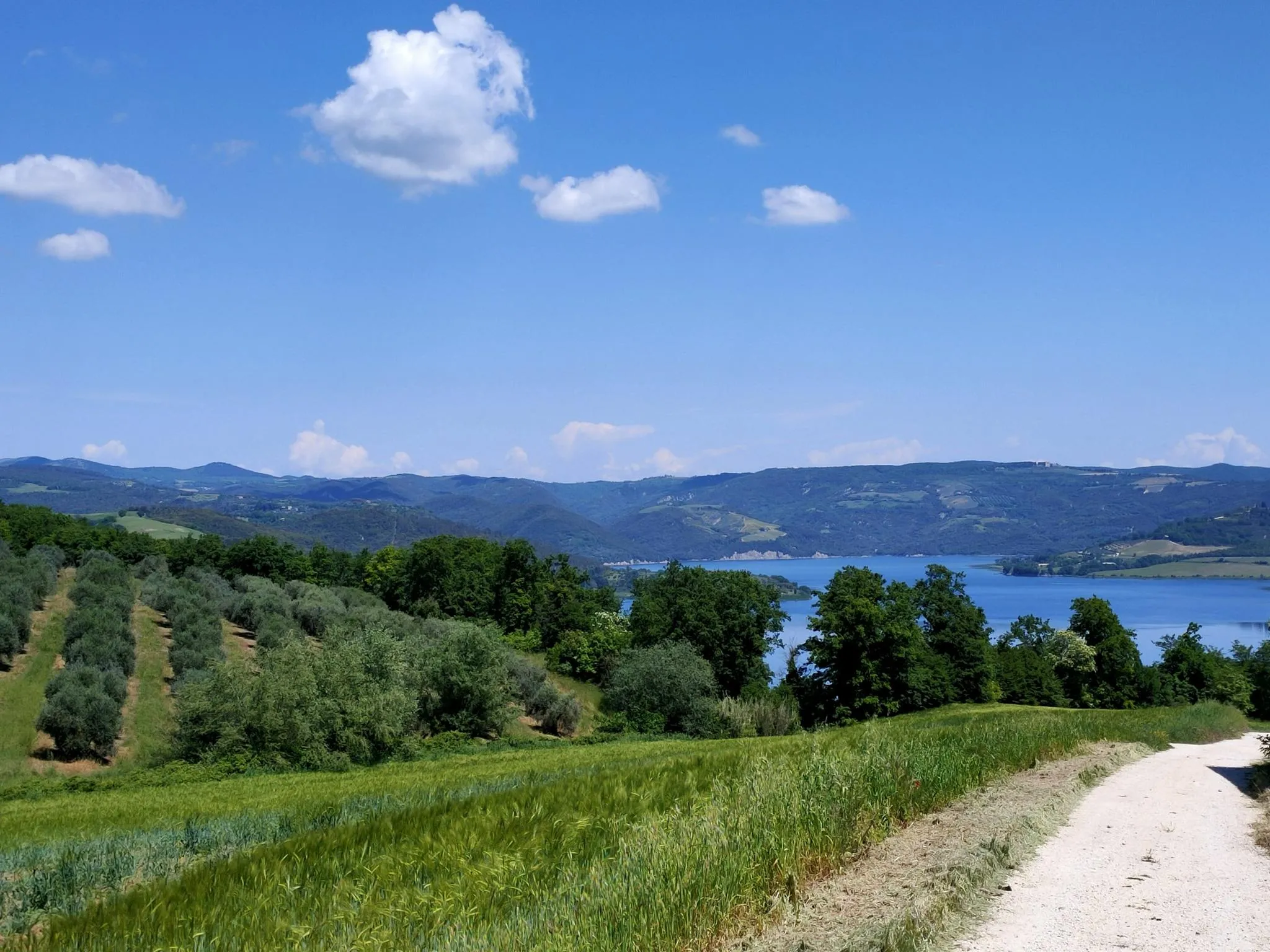
Italian Coast2Coast – From Portonovo to Orbetello
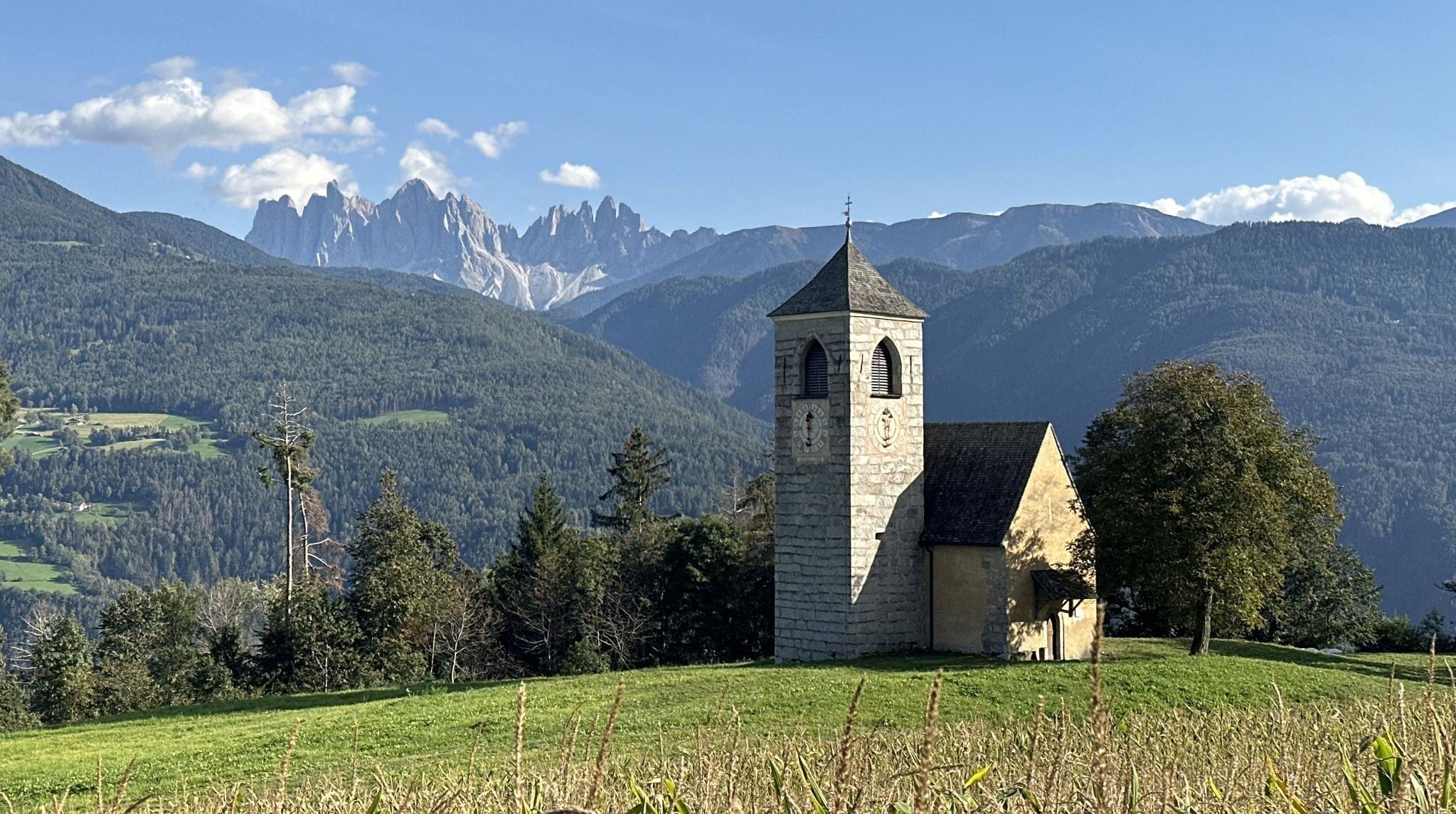
Via Romea Germanica – History, nature and spirituality
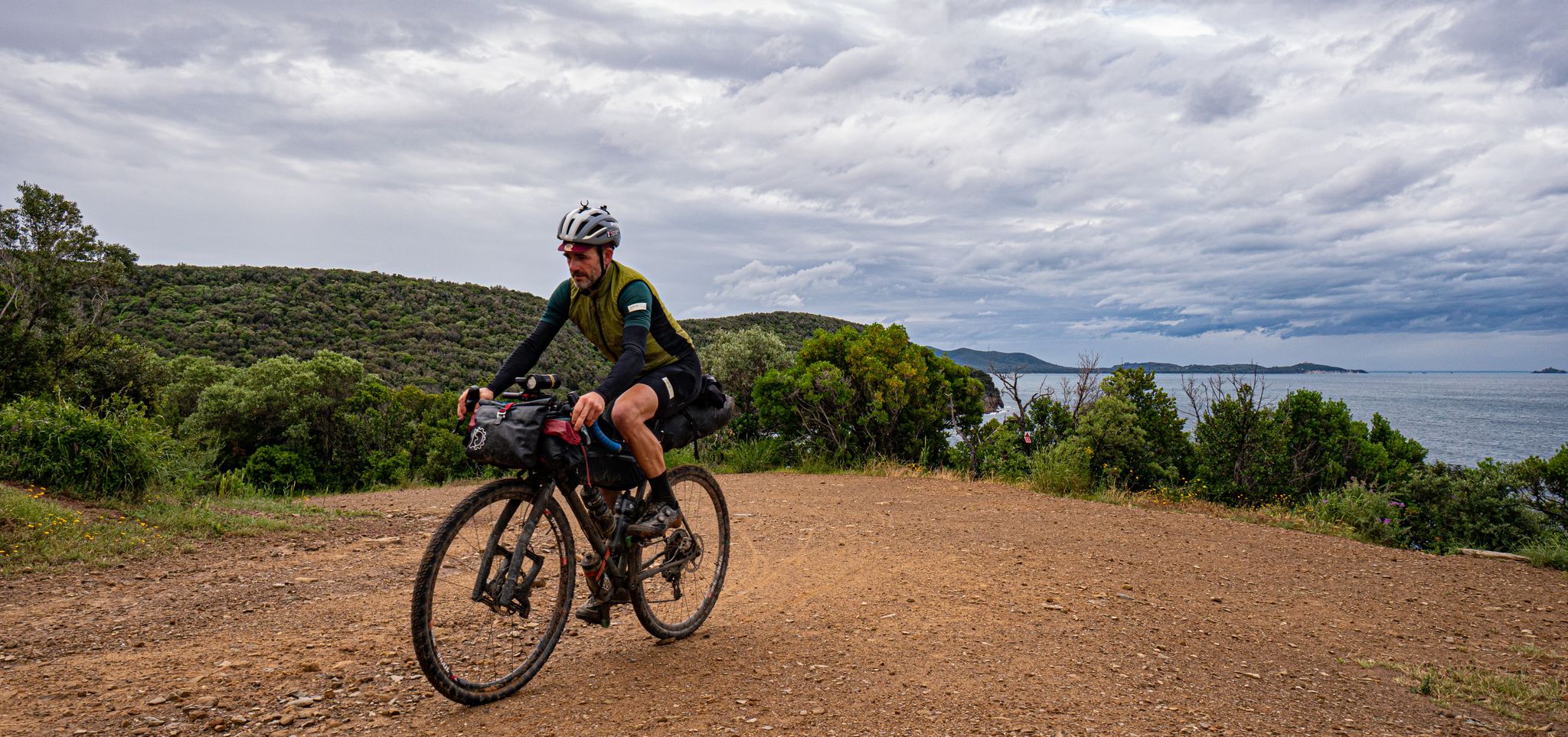
Maremma Challenge — A Tuscan, mixed terrain bikepacking loop
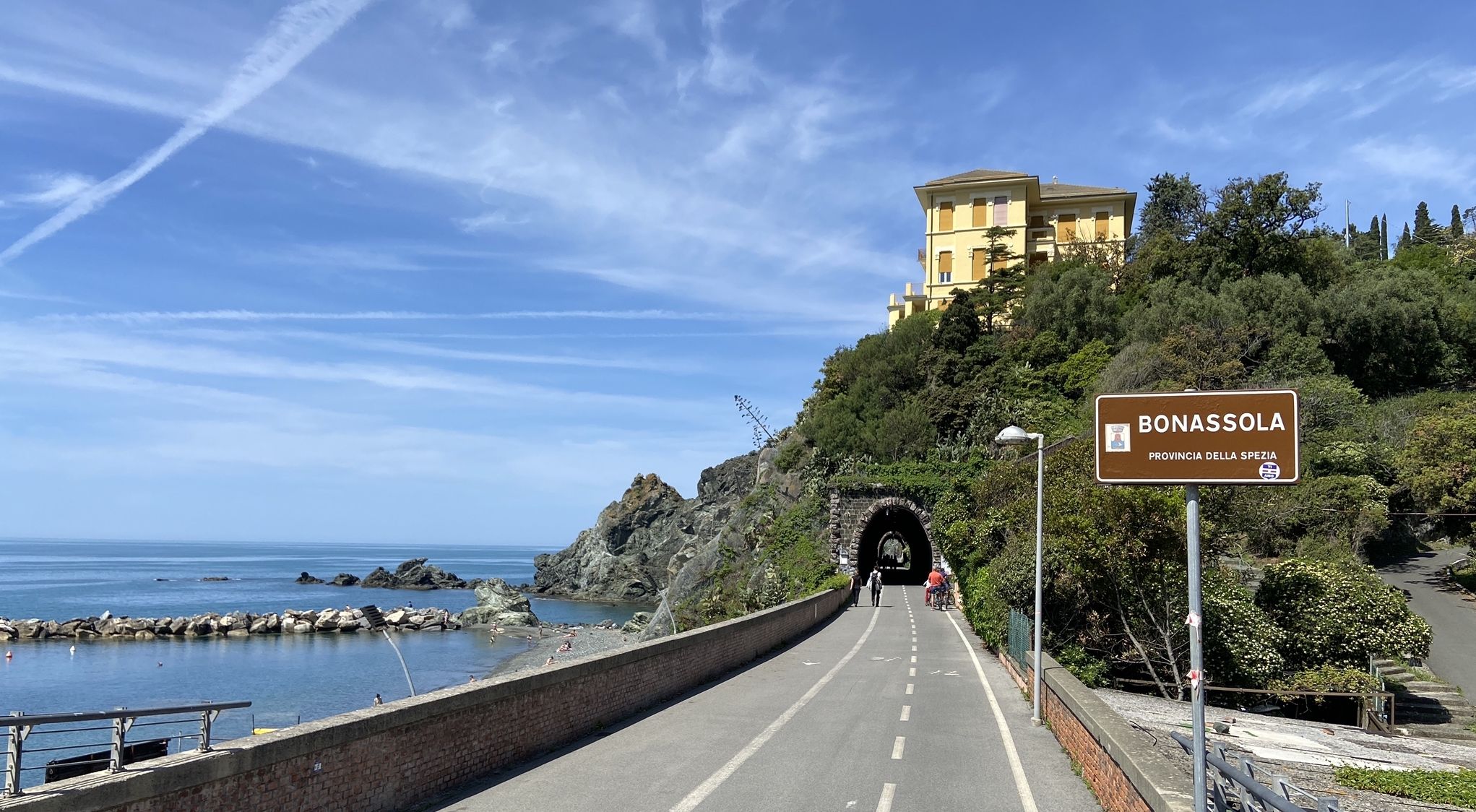
Pedalling to Portofino and the Cinque Terre — sea and mountains
The Tuscany Trail – bikepacking in the heart of Italy
Naples to North Cape — Two friends, one purpose and many scoops of ice-cream
#transit: My farewell to pro-cycling – from Como to Lecchi in two days
A heavenly week cycling in Tuscany
From the mountains to the sea — road cycling in Northern Italy
Via Francigena South — Siena to Rome
Other adventures in Tuscany


Tips from the Community

Truly amazing panorama, on cloudless days you can see the sea
0
0

Some summit crosses have no corpus, while others are adorned with the figure of the crucified Christ. But the most famous crucifix on the Italian peninsula leads us away from here into the Po Valley. There in the 'Bassa', the writer Giovanni Guareschi (1908 to 1968) set his popular short stories about the protagonists 'Don Camillo' and 'Peppone'. But besides the two, there is another main character: because Jesus Christ himself speaks from the high altar to the priest Don Camillo – whom the actor Fernandel (Fernand Joseph Désiré Contandin, 1903 to 1971) portrayed excellently in several feature films. The crucifix, originally made only for the film adaptations, has been preserved and has become a popular tourist attraction in Brescello (Emilia-Romagna). Via the following link, it can be virtually visited as a komoot highlight =>> https://www.komoot.com/de-de/highlight/6457013
0
0

Grandiose view of Barbarossa and Porto Azzurro!
1
0

It is the pinnacle of Prato's hikes, starting from the slopes to get some fresh air, or for those with more time, as a stopping point for beautiful hikes in Calvana.
0
0

After a direct climb through the woods, you'll reach a fork in the trail. Proceeding towards the cross, it's a ten-minute walk, climbing the rocks and using your hands to help you. The view is worth the effort!
1
0
This mountain is ideal for sunrise hikes, as you can reach the summit from the nearby rest area within 30-40 minutes and thus have a very good view in the morning or during the day over Portoferraio, Rio Marina or parts of Porto Azurro
2
0

Beautiful all-round view, especially of the bay of Portoferraio and the ruins of Volterraio.
2
0

A particularly beautiful destination in winter 🥰
1
0
Frequently Asked Questions
Which mountain peaks are considered the most popular in Tuscany?
Among the most popular mountain peaks in Tuscany, visitors frequently highlight Monte Capanne Summit on Elba Island, known for its incredible 360-degree panorama. Another favorite is the unique Monte Forato Natural Arch, a geological wonder in the Apuan Alps. Mount Cantagrilli in the Calvana Mountains is also highly appreciated for its extensive views and wild horses.
What are the highest mountain peaks in Tuscany?
The highest peak in Tuscany is Monte Prado, standing at 2,054 meters (6,739 ft) within the Tuscan-Emilian Apennines. In the Apuan Alps, the highest Tuscan peak is Monte Pisanino at 1,947 meters (6,388 ft). Monte Amiata, a dormant volcano, reaches 1,738 meters (5,702 ft) and is the most prominent mountain in southern Tuscany.
What kind of terrain and difficulty can I expect on Tuscany's mountain peaks?
Tuscany's mountain peaks offer a diverse range of terrain. The Apuan Alps feature dramatic, rugged karst landscapes with challenging rock-climbing routes and trekking trails. The Apennines, including Monte Prado and Monte Amiata, involve traversing beech forests and grassy ridgelines. While some trails are moderate, many peaks, like Monte Capanne Summit, include passages on supported rock protected by metal cables, requiring a minimum level of familiarity with such environments.
Are there any unique natural landmarks among Tuscany's mountain peaks?
Yes, Tuscany is home to several unique natural landmarks. The Monte Forato Natural Arch in the Apuan Alps is particularly famous for its 26-meter high natural arch connecting two peaks. Monte Amiata, a dormant volcano, is known for its dense beech and chestnut forests, hidden waterfalls, and ancient groves. Monte Falco, the 'Roof of the Casentinesi Forests,' protects rare alpine and subalpine vegetation.
Which mountain peaks offer the best panoramic views in Tuscany?
Many peaks in Tuscany provide stunning panoramic views. Monte Prado offers breathtaking vistas that can extend up to 500 kilometers, encompassing the French Alps and the Ligurian coastline. From Monte Capanne Summit on Elba, you can enjoy incredible 360-degree views of the island and the surrounding archipelago. Monte Amiata's summit provides extensive views reaching the Tyrrhenian Sea, while Croce della Retaia offers vistas over the Florentine plain and Prato, with distant views of Livorno's port and Capraia island on clear days.
What is the best time of year to visit Tuscany's mountain peaks?
Tuscany's mountain peaks can be enjoyed year-round, depending on your activity. Summer is ideal for hiking and trekking, offering pleasant temperatures and clear views. Monte Amiata is a popular destination for skiing and snowboarding in winter. Spring brings beautiful blooms to areas like Mount Cantagrilli, while autumn showcases vibrant foliage in the forested Apennines.
Are there family-friendly mountain peaks or trails in Tuscany?
While many mountain trails in Tuscany can be challenging, some areas offer more accessible options. For example, the ascent to Monte Capanne Summit can be made via a characteristic 'basket route' cable car from Marciana, providing a unique and less strenuous experience for families. Exploring the surrounding medieval villages near Monte Amiata also offers a cultural dimension suitable for all ages.
What cultural or historic sites can be found near Tuscany's mountain peaks?
Tuscany's mountains are rich in cultural and historic sites. Monte Amiata is steeped in local folklore, with surrounding medieval villages like Abbadia San Salvatore. The Apuan Alps are famous for the world-renowned Carrara marble quarries, offering insight into centuries of art history. The Monte Pratomagno massif is home to ancient hermitages, and the Pistoiese Mountains feature cultural and historic trails through the Pistoiese Mountain Ecomuseum.
What outdoor activities can I do near Tuscany's mountain peaks?
Beyond hiking and climbing, Tuscany's mountain regions offer a variety of outdoor activities. You can find excellent running trails, such as those listed in the Running Trails in Tuscany guide. For cycling enthusiasts, there are numerous gravel biking routes, including the famous L'Eroica Permanent Route, detailed in the Gravel biking in Tuscany guide. Winter sports like skiing and snowboarding are popular on Monte Amiata and in the Pistoiese Mountains.
Are there challenging climbs or advanced trails for experienced hikers in Tuscany?
Yes, Tuscany offers challenging options for experienced hikers. The Apuan Alps, with peaks like Monte Pisanino and Pania della Croce, provide rugged terrain and demanding rock-climbing routes. Hiking to Monte Prado involves traversing extensive ridgelines. Trails to Monte Capanne Summit can include passages on supported rock, requiring familiarity with such environments. For specific challenging routes, consult the Mountain Hikes in Tuscany guide, which lists difficult trails like the Ferrata Tordini-Galligani loop.
What kind of wildlife can be found in Tuscany's mountain ranges?
Tuscany's mountain ranges are home to diverse wildlife. In the Calvana Mountains, particularly around Mount Cantagrilli, it's possible to encounter wild horses and cows. The integral nature reserve on Monte Falco protects rare alpine and subalpine vegetation, indicating a rich ecosystem. The dense forests of Monte Amiata also harbor various species, contributing to the region's biodiversity.
What do visitors enjoy most about Tuscany's mountain peaks?
Visitors consistently praise the incredible panoramic views, often described as 'walking in the sky,' from summits like Monte Prado and Monte Capanne Summit. The unique geological formations, such as the Monte Forato Natural Arch, are also a major draw. Many appreciate the contrast these rugged landscapes offer to Tuscany's gentler scenery, providing a profound connection with nature and a sense of adventure.
Most popular routes in Tuscany
Most popular attractions in Tuscany

Get inspired with the komoot mobile app


Didn’t find what you were looking for?
Discover Tuscany’s best peaks and summits by region:
Explore more
See even more amazing summits in Tuscany with these guides:
