Top 20 Waterfalls in the Alps
Waterfalls in the Alps are a prominent feature of the region's diverse natural landscape, shaped by glacial activity and mountainous terrain. The Alps are characterized by high peaks, deep valleys, and numerous rivers and streams, which create a variety of waterfall formations. These natural spectacles are found across several countries, including Austria, Switzerland, and France, offering many opportunities for exploration. The geological conditions and significant elevation changes contribute to the presence of both towering cascades and powerful gorges throughout the…
Last updated: July 6, 2026
Leutasch Ghost Gorge
Highlight (Segment) • Gorge
Translated by Google •
Tip by

Höllental Gorge
Highlight (Segment) • Gorge
Translated by Google •
Tip by

Sign up now to discover places like this
Get recommendations on the best single tracks, peaks, & plenty of other exciting outdoor places.
Sign up for free
Buchenegger Waterfalls
Highlight • Waterfall
Translated by Google •
Tip by

Starzlach Gorge
Highlight (Segment) • Gorge
Translated by Google •
Tip by

Waterfall in Höllentalklamm
Highlight • Waterfall
Translated by Google •
Tip by

Krimml Waterfalls Trail
Highlight (Segment) • Waterfall
Translated by Google •
Tip by

Lower Gaisalp Lake
Highlight • Lake
Showing Translation
Tip by

Breitach Gorge Waterfall
Highlight • Waterfall
Translated by Google •
Tip by

Rastenbach stream gorge
Highlight (Segment) • Waterfall
Translated by Google •
Tip by

Hinanger Waterfall
Highlight • Waterfall
Tip: Especially in the late afternoon, when the sun slowly bids farewell, the path through the waterfalls is the most impressive.
Translated by Google •
Tip by

Sign up for free to discover even more waterfalls in the Alps.
Sign up for free
Already have an account?
Start today with a free account
Your next adventure awaits.
Login or Signup
Popular around Alps
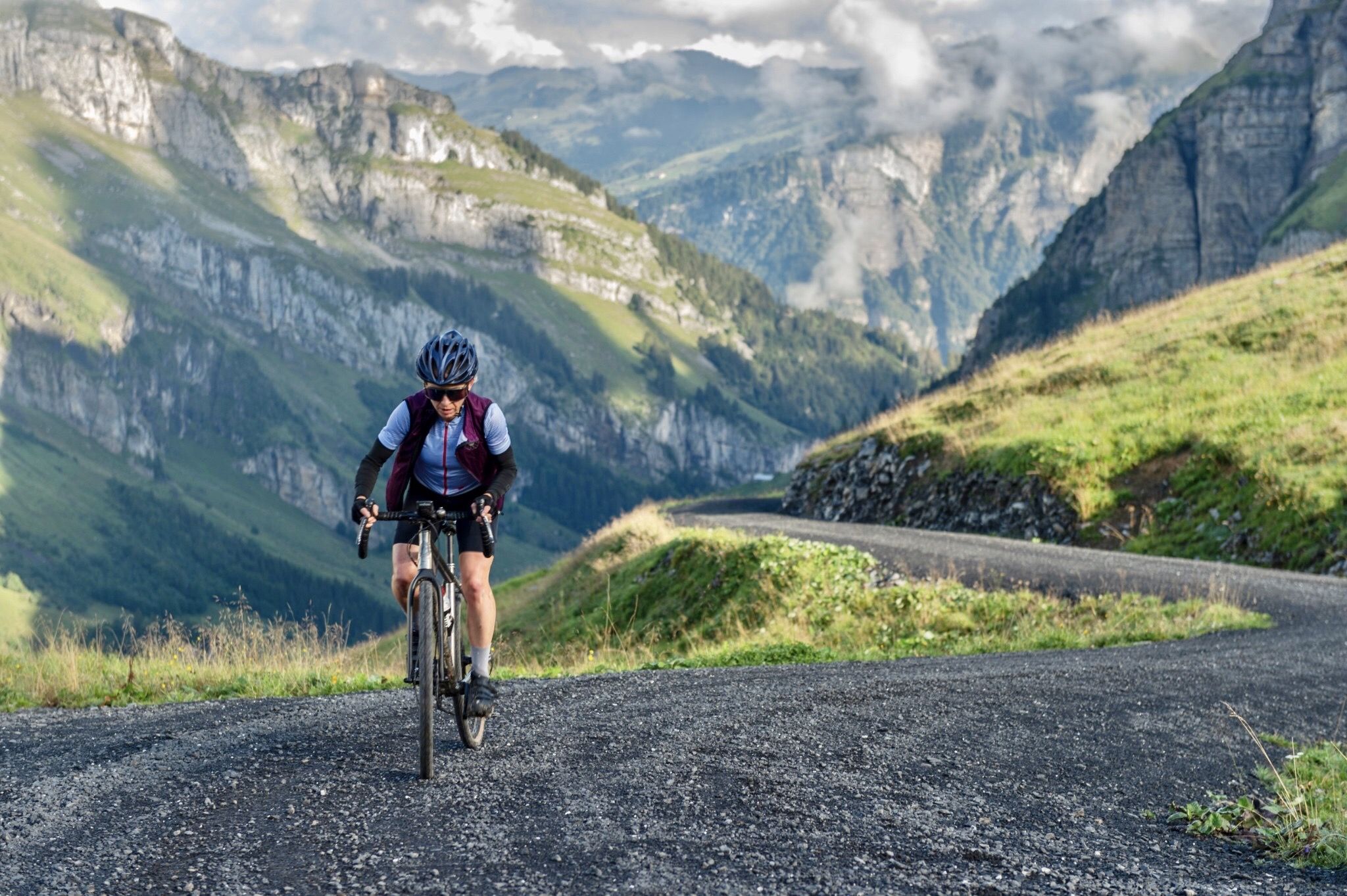
A summer of backdoor adventures in the Voralpen
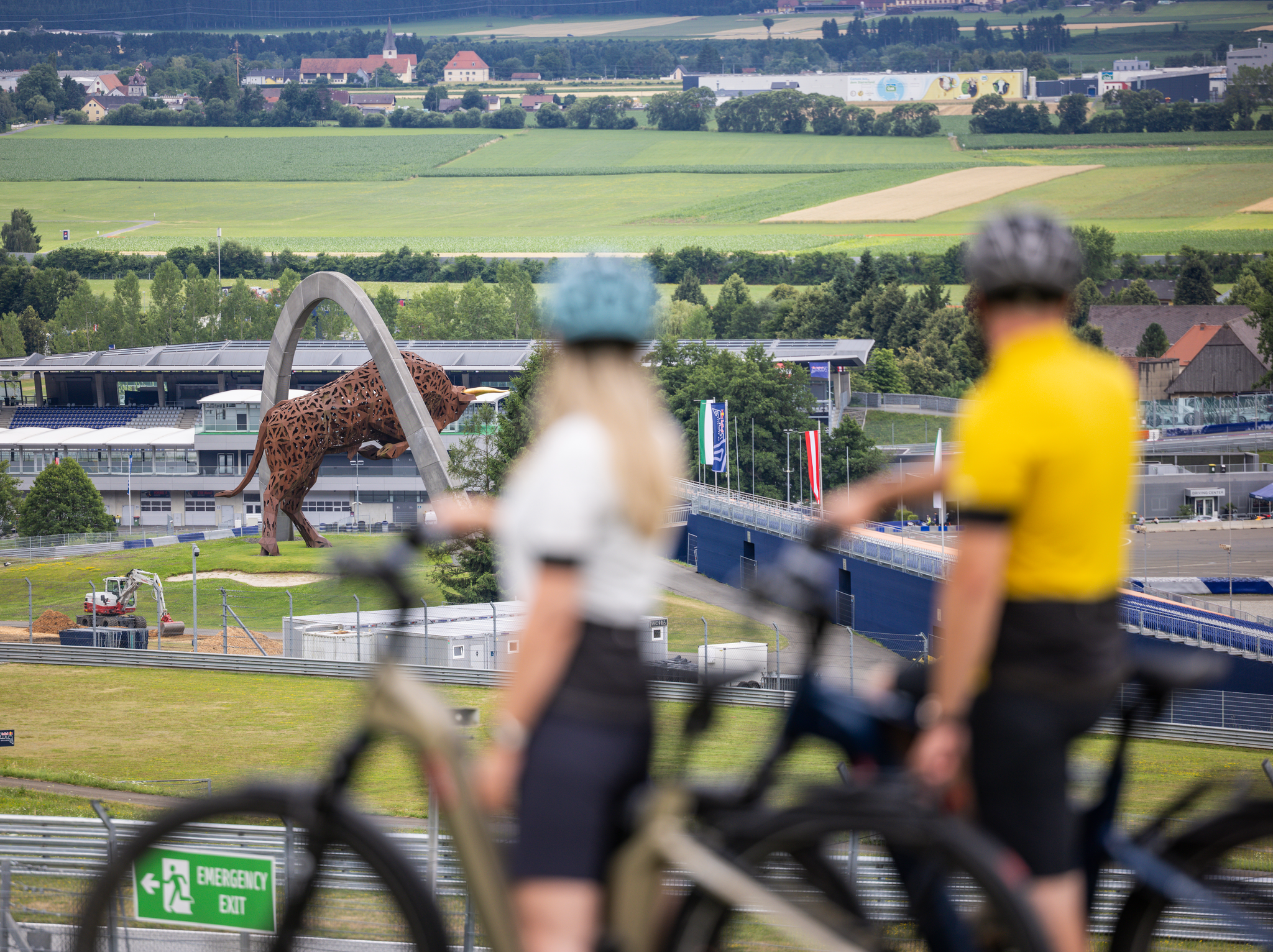
The Mix Makes It: Around the Red Bull Ring
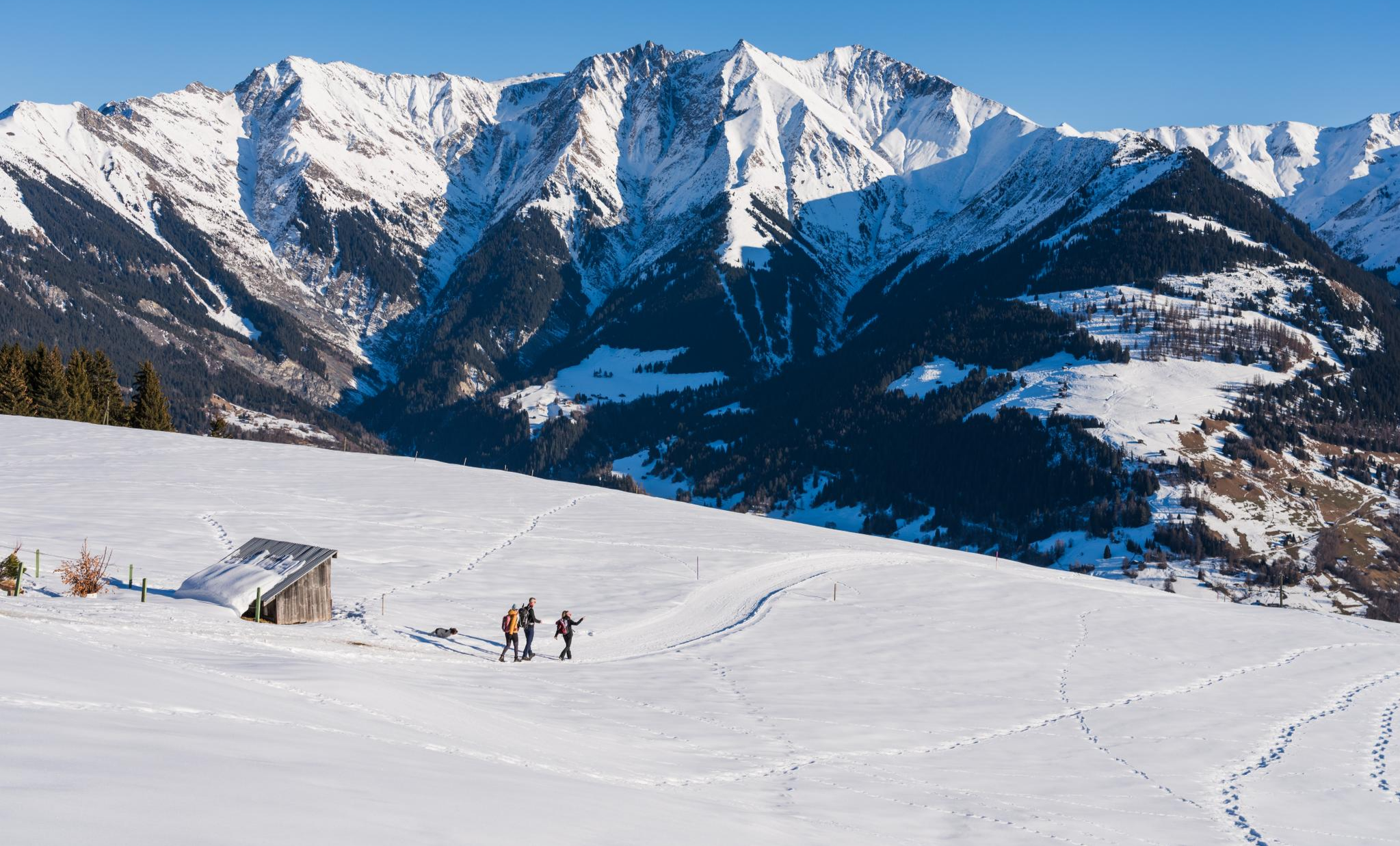
Winter Magic in the Surselva – peace, space and pure nature
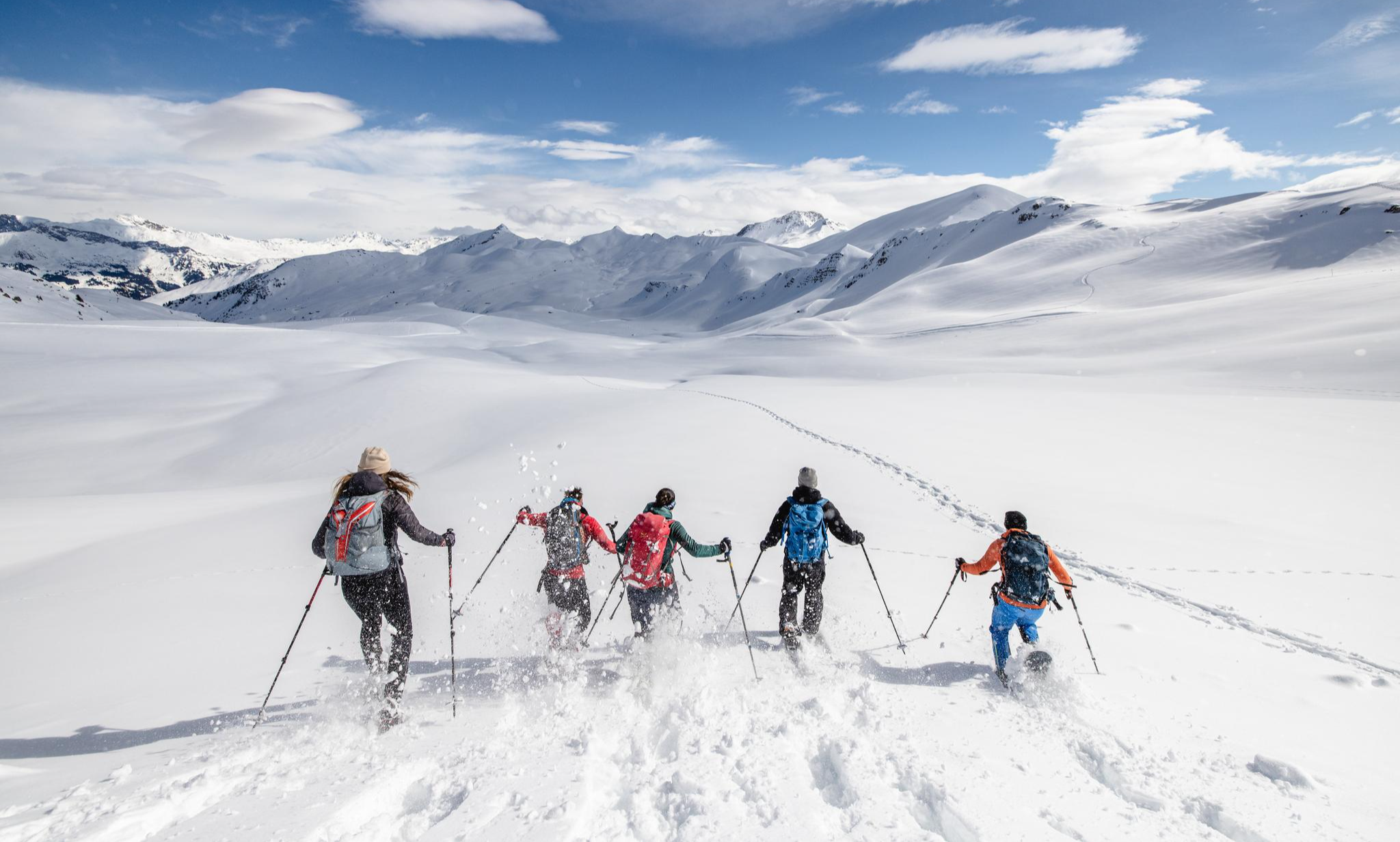
Snowy fun and hut cuisine – Winter Adventures in the Prättigau
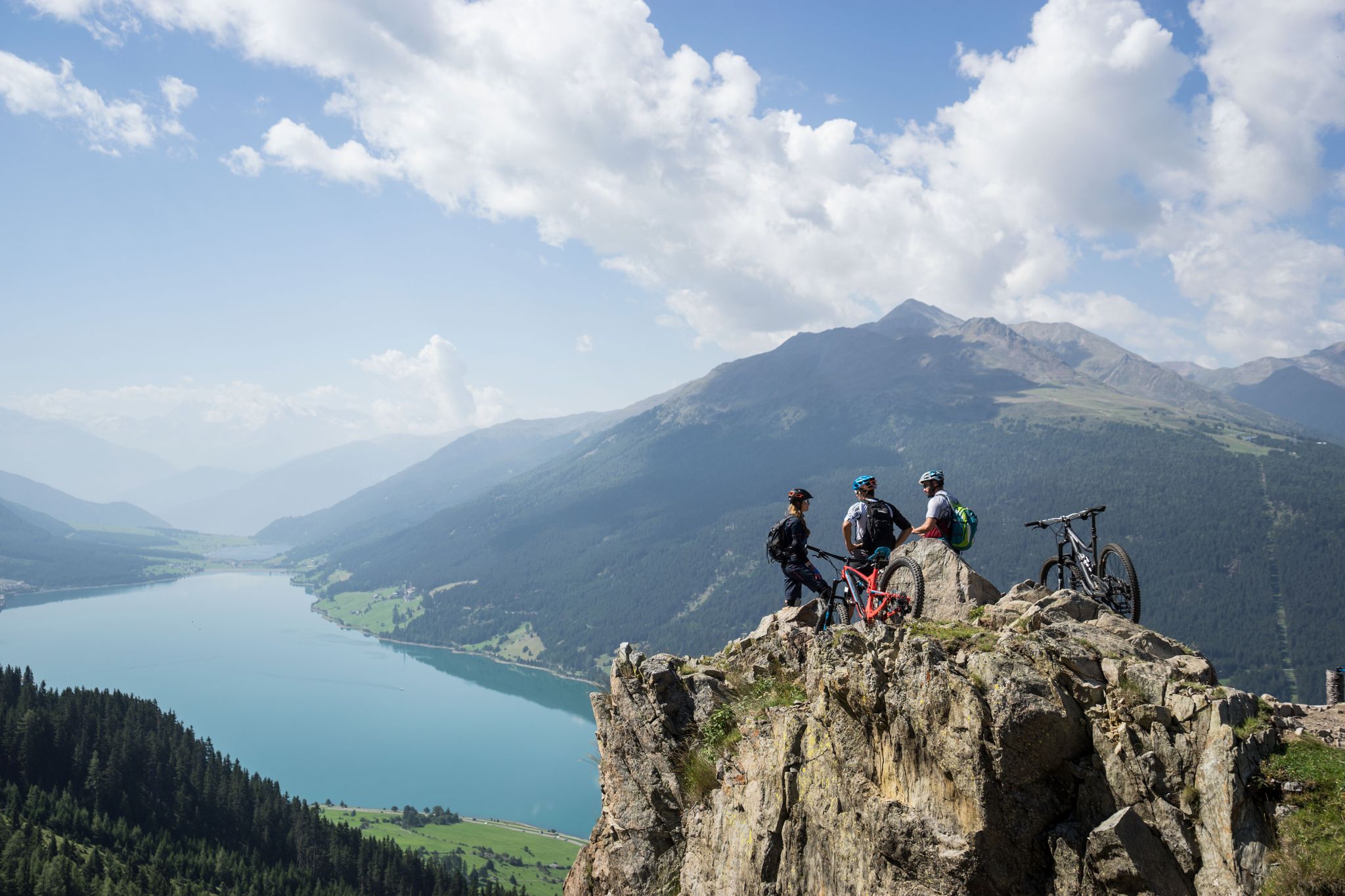
High into the Tyrolean mountain world – mountain biking in Tyrol
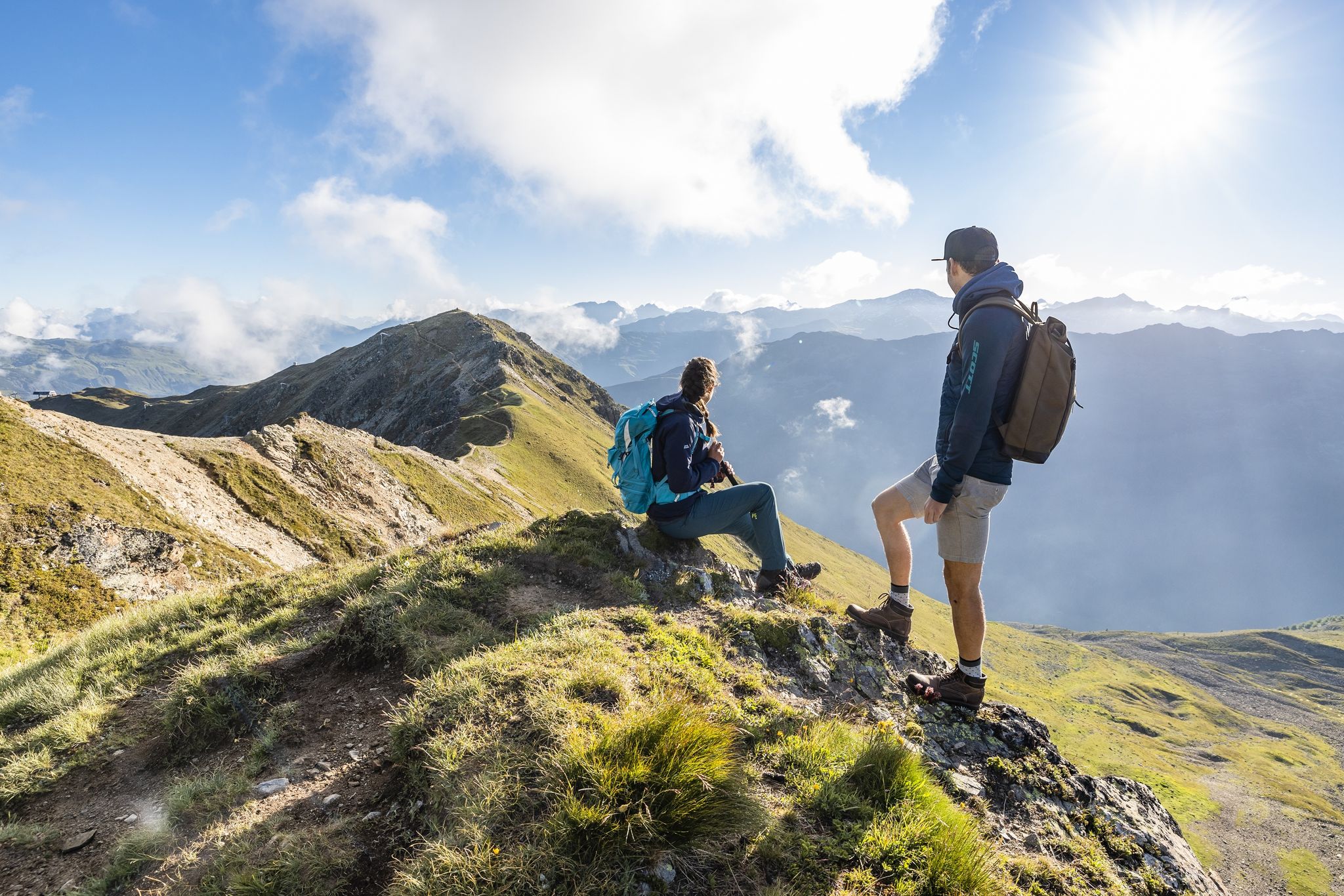
Summit joy on the mountain peaks of Davos Klosters
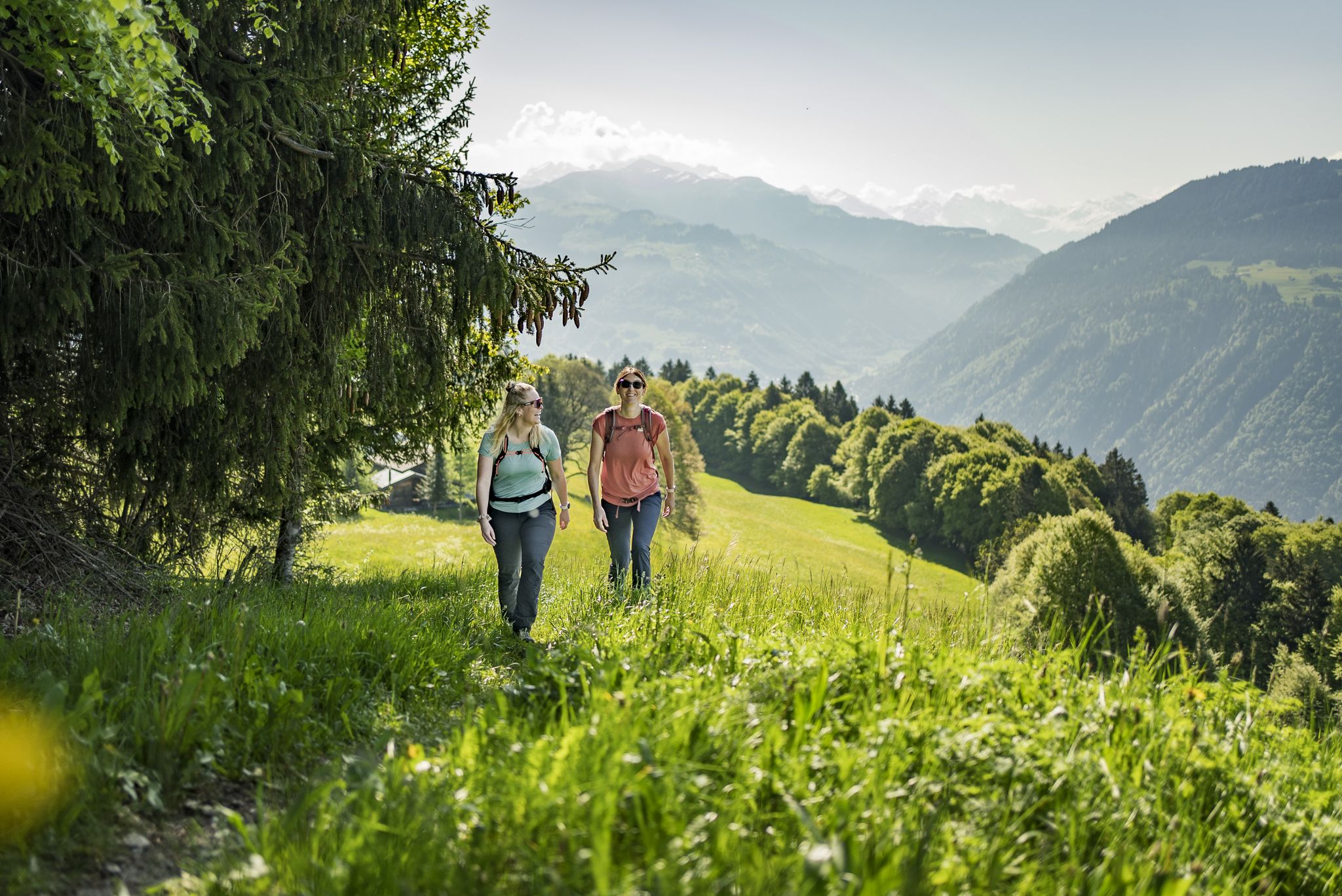
Step into the hiking season – spring routes in Graubünden
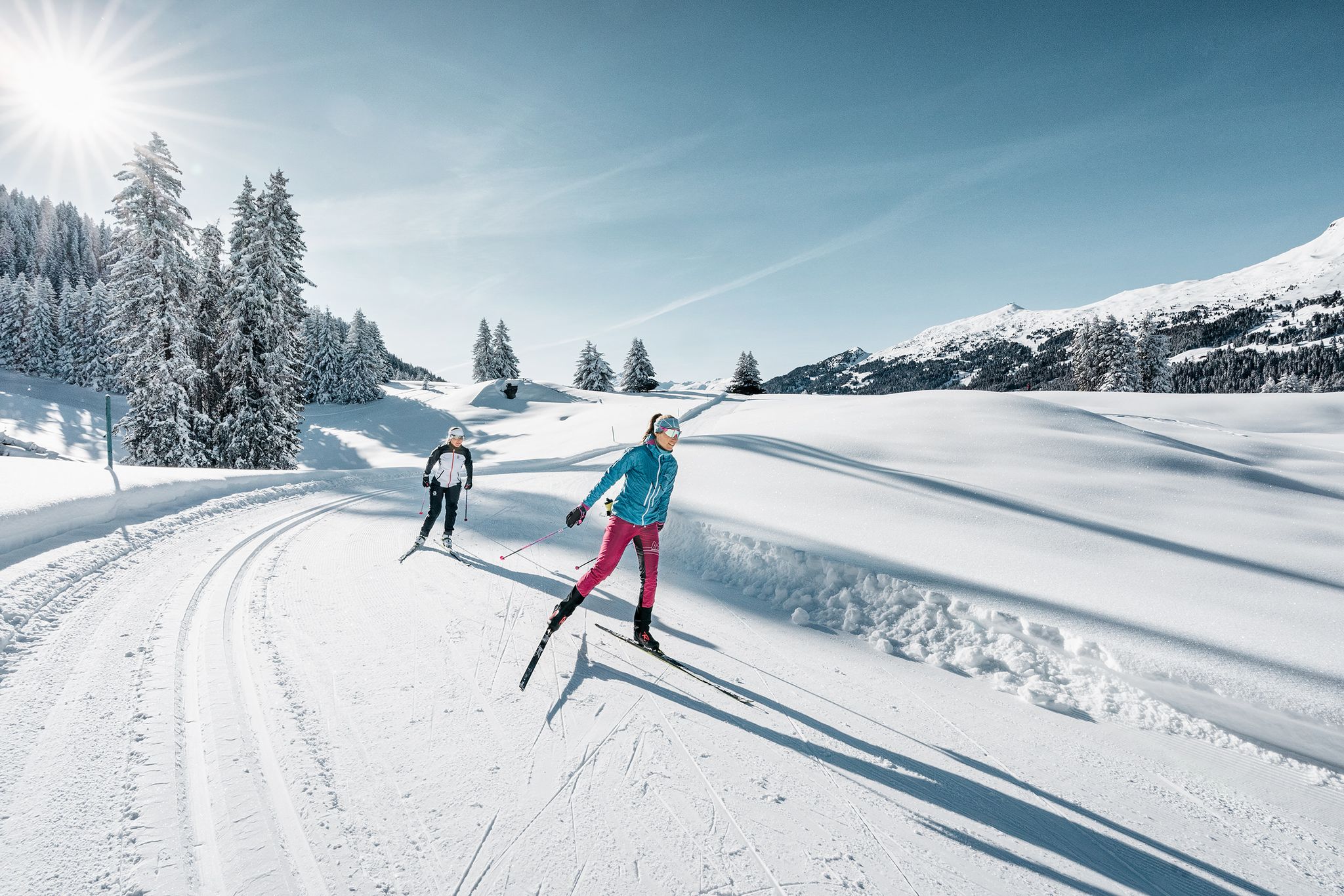
Cross-country skiing fever in the Graubünden region
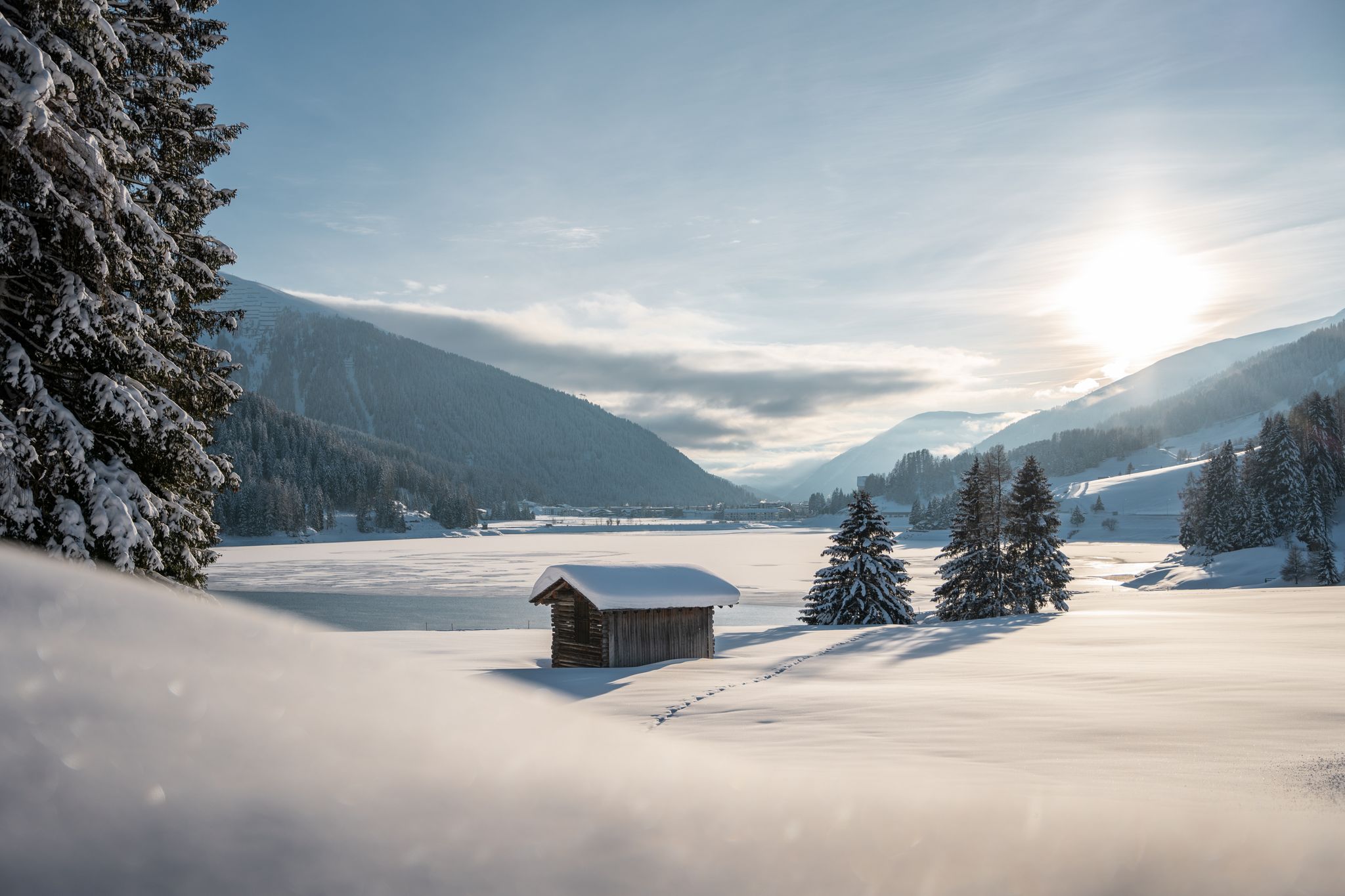
In the snow paradise – winter hiking in Davos Klosters
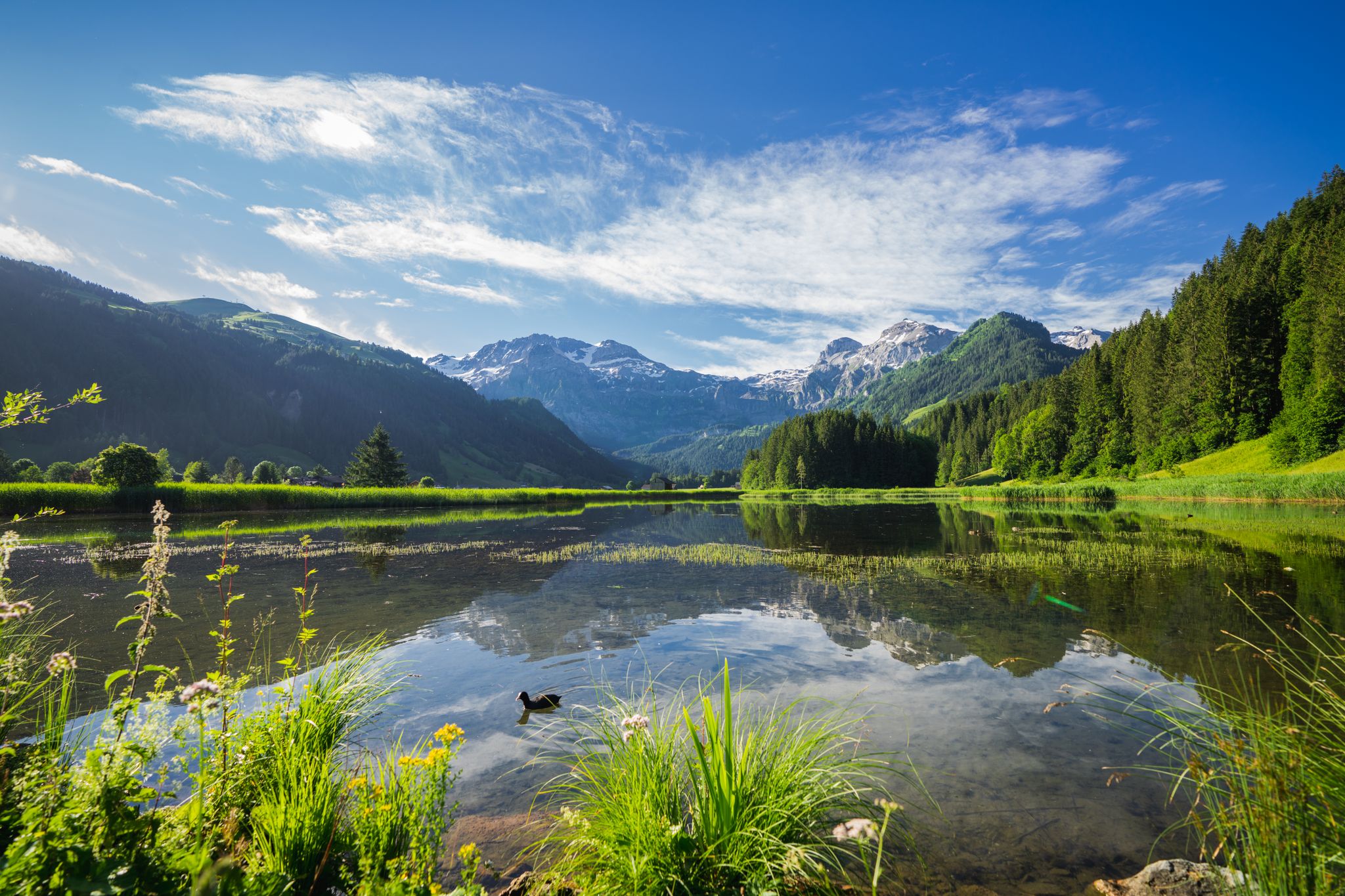
Alpine flowers and lunar craters – hiking in the Bernese Oberland
Other adventures in the Alps


Tips from the Community

Beautiful hiking trail through the Rastenbach Gorge over many steps. Various viewpoints, waterfalls and a hiking trail along the stream make the effort worthwhile.
6
0

Force of nature and man becomes very small
11
0
The waterfalls are very impressive
5
0

High waterfalls, the rustic bridges and wooden walkways, the lush deciduous forest covered with mosses and ivy, which creates a jungle feeling, the steep stairs and steps and the flatter sections that invite you to play by the water, guarantee an exciting experience along the Altenburgerbach .
6
0

Magnificent waterfalls, especially after heavy rainfall. The sounds are very impressive.
9
1

The biotope Rastenbachklamm is one of the most impressive gorges in South Tyrol (jungle feeling)
12
1

This unique natural monument is located in Oberstdorf and is the deepest rock gorge in Central Europe. It is one of the most impressive geotopes in Bavaria! It is also one of the most popular attractions in the Allgäu and stretches from Oberstdorf Tiefenbach to the neighboring Kleinwalsertal. Access is possible from both sides. A trip is worthwhile at any time of the year - even in rainy weather, because the more water flows, the more impressive the Breitachklamm appears. See: https://www.breitachklamm.com/
10
0

The Breitachklamm is the deepest rock gorge in Central Europe. The light green to turquoise shimmering water, the rock formations and the steep rock walls are impressive. I think my green “dumpling” is the prettiest.
9
0
Frequently Asked Questions
Are there family-friendly waterfalls in the Alps?
Yes, many waterfalls in the Alps are suitable for families. For instance, the Krimml Waterfalls Trail in Austria is known for its accessible path and multiple viewpoints. Other great options include the Leutasch Ghost Gorge and Wimbach Gorge, which offer engaging trails for all ages, often with boardwalks and secure paths.
What are some of the most impressive gorges with waterfalls in the Alps?
The Alps feature several spectacular gorges where waterfalls are a prominent highlight. The Leutasch Ghost Gorge offers a unique experience with its themed trails and cascading water. Other notable gorges include the Höllental Gorge and Starzlach Gorge, both known for their dramatic scenery and powerful water features. In South Tyrol, the Rastenbach Gorge Waterfall provides a spectacular and steep natural environment.
What is the best time to visit waterfalls in the Alps?
The best time to visit waterfalls in the Alps is generally from late spring to early summer (May to July). During this period, snowmelt from the mountains significantly increases water volume, making the cascades particularly powerful and impressive. For example, the Krimml Waterfalls see peak volume in June and July, and the Grawa Waterfall is widest in early summer due to meltwater. Late summer and early autumn can also be pleasant, offering stable weather for hiking, though water levels might be lower.
Are there any hidden gem waterfalls in the Austrian Alps?
While many Austrian waterfalls are well-known, some offer a more secluded experience. The Hinanger Waterfall is a beautiful spot that provides a tranquil forest setting. For those seeking a less crowded experience, the remote location of the Röthbach Waterfall in Berchtesgaden National Park (though technically in Germany, it's often associated with the broader Alpine region) helps preserve its pristine natural beauty.
What kind of outdoor activities can I do near waterfalls in the Alps?
The areas around Alpine waterfalls are perfect for various outdoor activities. You can find numerous hiking trails, from easy walks to challenging mountain hikes. For example, you can explore Mountain Hikes in the Alps. The region also offers excellent opportunities for cycling, including Road Cycling Routes and Gravel Biking, often with routes passing by or offering views of these natural wonders.
Which waterfalls in the Alps are known for their unique natural features?
The Alps boast waterfalls with truly unique characteristics. The Trümmelbach Falls in Switzerland are Europe's largest underground waterfalls, accessible inside a mountain. Austria's Grawa Waterfall is one of the widest in the Eastern Alps, spreading 85 meters. The Stuibenfall in Tyrol is notable for its 159-meter plunge over two steps, creating swirling clouds of water dust. The Buchenegger Waterfalls are set within one of Germany's last primeval forests, offering an impressive natural experience.
Can I find waterfalls in the Alps that are easily accessible by public transport or have good parking?
Many popular waterfalls in the Alps are designed for visitor access. While specific public transport details vary by location, many major sites like the Krimml Waterfalls have dedicated parking areas and are often served by regional buses during peak season. The Cascade du Rouget in France is easily accessible by car with a short walk to the falls. Always check local transport and parking information for your chosen waterfall before visiting.
Are there any waterfalls in the Alps that have historical or cultural significance?
Yes, some waterfalls in the Alps hold cultural or historical importance. The Bad Gasteiner Wasserfall in Austria, for example, has inspired many painters and poets over centuries. The Pöllat Waterfall near Neuschwanstein Castle offers a stunning view that combines natural beauty with a famous historical landmark, particularly from the Marienbrücke (Marien Bridge).
What do visitors enjoy most about the waterfalls in the Alps?
Visitors frequently praise the immense power and beauty of the Alpine waterfalls. Many highlight the impressive natural experience, especially after heavy rainfall, and the sounds of the water. The Krimml Waterfalls Trail is appreciated for its many viewpoints, allowing visitors to watch the 'game of water.' The unique atmosphere of places like the Rastenbach Gorge Waterfall, described as having a 'jungle feeling,' is also a popular draw.
Are there opportunities for wild swimming near waterfalls in the Alps?
While many waterfalls are powerful and not suitable for swimming directly, some nearby natural pools or lakes offer opportunities for a refreshing dip. For instance, the Lower Gaisalp Lake, though naturally cold, invites swimming in summer after a hike. Always exercise extreme caution, be aware of strong currents and cold temperatures, and respect local regulations regarding swimming in natural waters.
Which waterfalls in the Alps are particularly good for photography?
The Alps offer countless photographic opportunities around its waterfalls. The Krimml Waterfalls, with their three stages and misty spray, are highly photogenic. The Staubbach Falls in the Lauterbrunnen Valley, with its continuous 300-meter drop, creates a 'dust' effect that is stunning to capture. The Giessbach Falls, tumbling in 14 stages down to Lake Brienz, provide a picturesque landscape. The dramatic settings of gorges like Starzlach Gorge also offer unique angles and powerful water shots.
What should I wear when hiking to waterfalls in the Alps?
When hiking to waterfalls in the Alps, it's essential to wear appropriate gear. Good footwear with strong grip is crucial, as paths can be slippery, especially when wet or near the spray of the falls. Waterproof or water-resistant clothing is advisable, particularly for closer viewpoints where mist is prevalent. Layers are also recommended to adapt to changing mountain weather. For winter visits, crampons or snowshoes might be necessary, as mentioned for the Krimml Waterfalls.
Most popular routes in the Alps
Most popular attractions in the Alps

Get inspired with the komoot mobile app


Explore more
Happy to travel a little further afield? Then browse these guides for the best waterfalls in the Alps:
