Top 20 Lakes in the Alps
Best lakes in the Alps are found across a vast mountain range spanning multiple countries, offering diverse natural features. This region is characterized by its dramatic peaks, deep valleys, and a variety of glacial lakes. These bodies of water range from large, expansive lakes to smaller, high-altitude tarns, often surrounded by forests and alpine meadows. The lakes serve as focal points for outdoor activities and are often situated near historical sites or charming towns.
Best lakes in the Alps
- The most popular lakes is Lake Seebensee, a lake known for its crystal-clear, blue-green water. It offers a magnificent view with the Wetterstein and Zugspitze mountains in the background.
- Another must-see spot is View of Lake Eibsee, a viewpoint that offers perspectives of the lake, particularly beautiful in autumn. The area can be crowded during holidays.
- Visitors also love Lake Vilsalp, a lake nestled in a nature reserve and surrounded by mountains. The way to the lake is well-developed and suitable for families.
- Alps is known for glacial lakes, high-altitude tarns, and large, expansive bodies of water. The region offers a variety of lakes to see and explore, from those with clear, blue-green waters to those surrounded by forests and mountains.
- The lakes in the Alps are appreciated by the komoot community. There are over 8550 upvotes and 2500 photos from visitors who have explored these locations.
Last updated: July 6, 2026
View of Lake Eibsee
Highlight • Viewpoint
Translated by Google •
Tip by

Ponale Trail
Highlight (Segment) • Trail
Translated by Google •
Tip by

Sign up now to discover places like this
Get recommendations on the best single tracks, peaks, & plenty of other exciting outdoor places.
Sign up for free
View of the Zugspitze from the Eibsee
Highlight • Viewpoint
Translated by Google •
Tip by

Neuschwanstein Castle
Highlight • Castle
Showing Translation
Tip by

View of the Eibsee and Zugspitze from the north shore
Highlight (Segment) • Viewpoint
Translated by Google •
Tip by

Vilsalpsee Lakeside Path
Highlight • Lake
If you like, you can take the bus from the north shore or return to Tannheim with a tourist train. At the bus stop you will also find the Fischerhütte restaurant and the Gasthof Vilsalpsee.
Translated by Google •
Tip by

Hintersee east shore
Highlight • Lake
Translated by Google •
Tip by

View of Alpsee and Hohenschwangau Castle
Highlight • Viewpoint
Translated by Google •
Tip by

Lake Alpsee
Highlight • Lake
Translated by Google •
Tip by

Lake Seebensee
Highlight • Lake
Translated by Google •
Tip by

Sign up for free to discover even more lakes in the Alps.
Sign up for free
Already have an account?
Start today with a free account
Your next adventure awaits.
Login or Signup
Popular around Alps
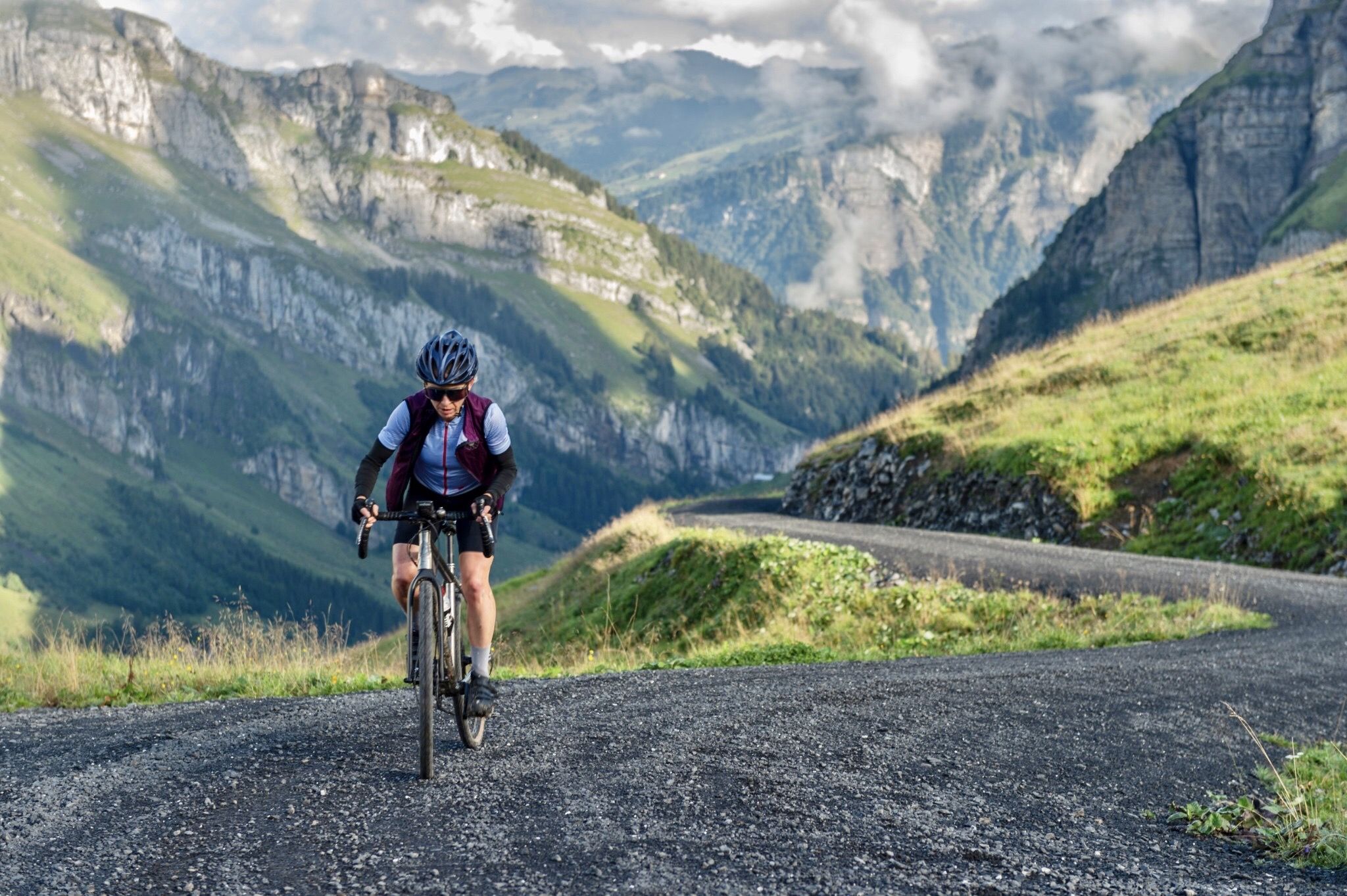
A summer of backdoor adventures in the Voralpen
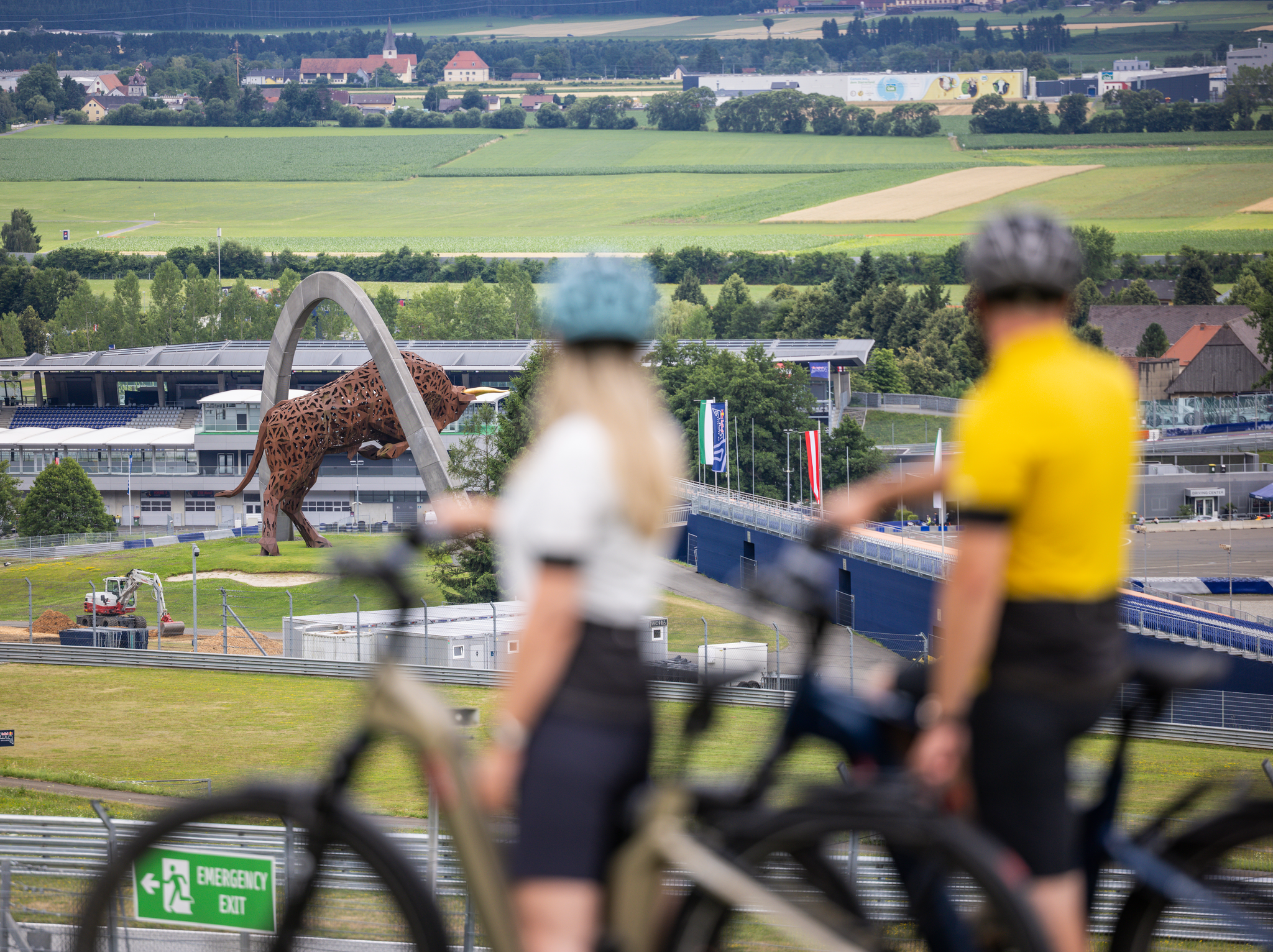
The Mix Makes It: Around the Red Bull Ring
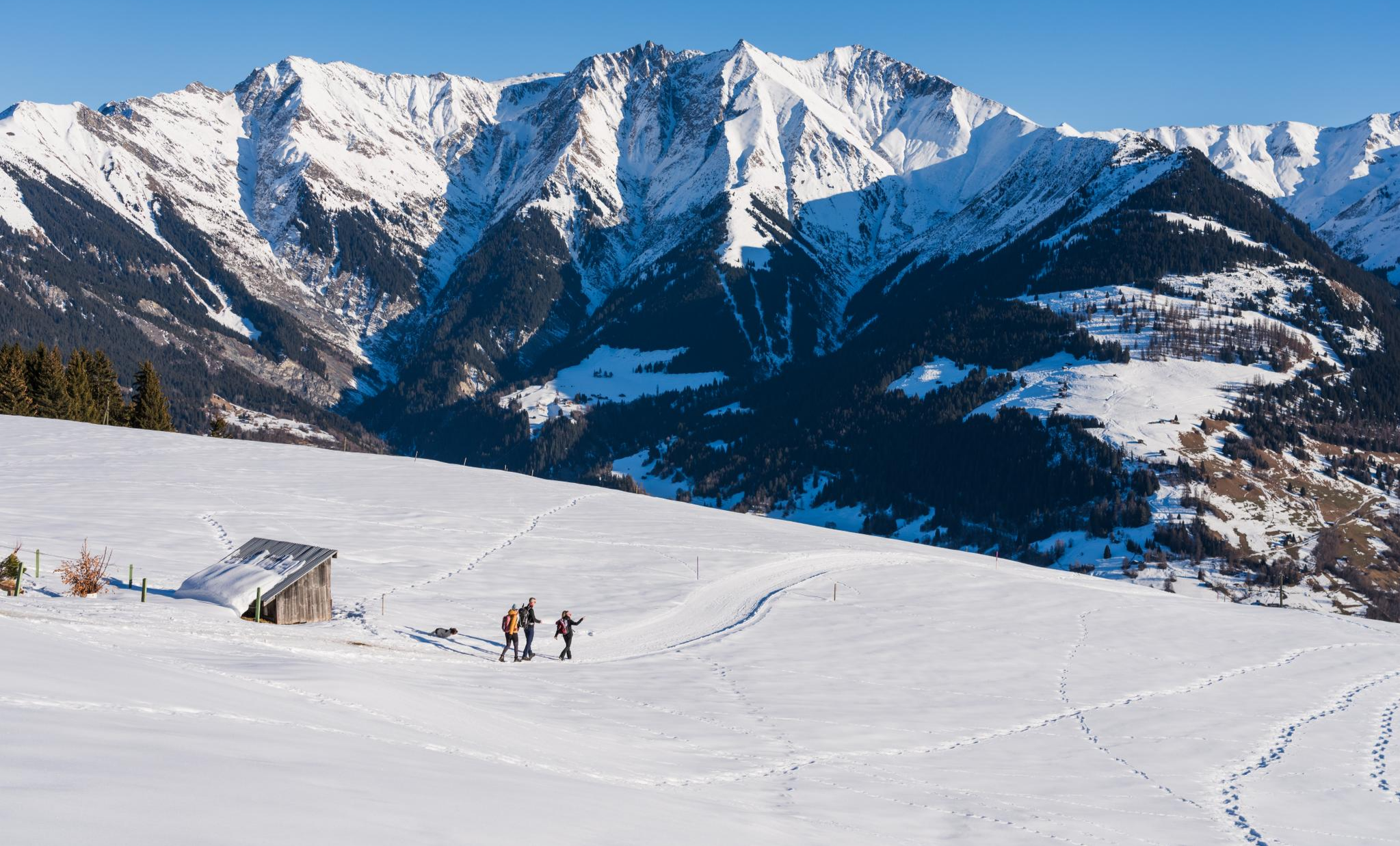
Winter Magic in the Surselva – peace, space and pure nature
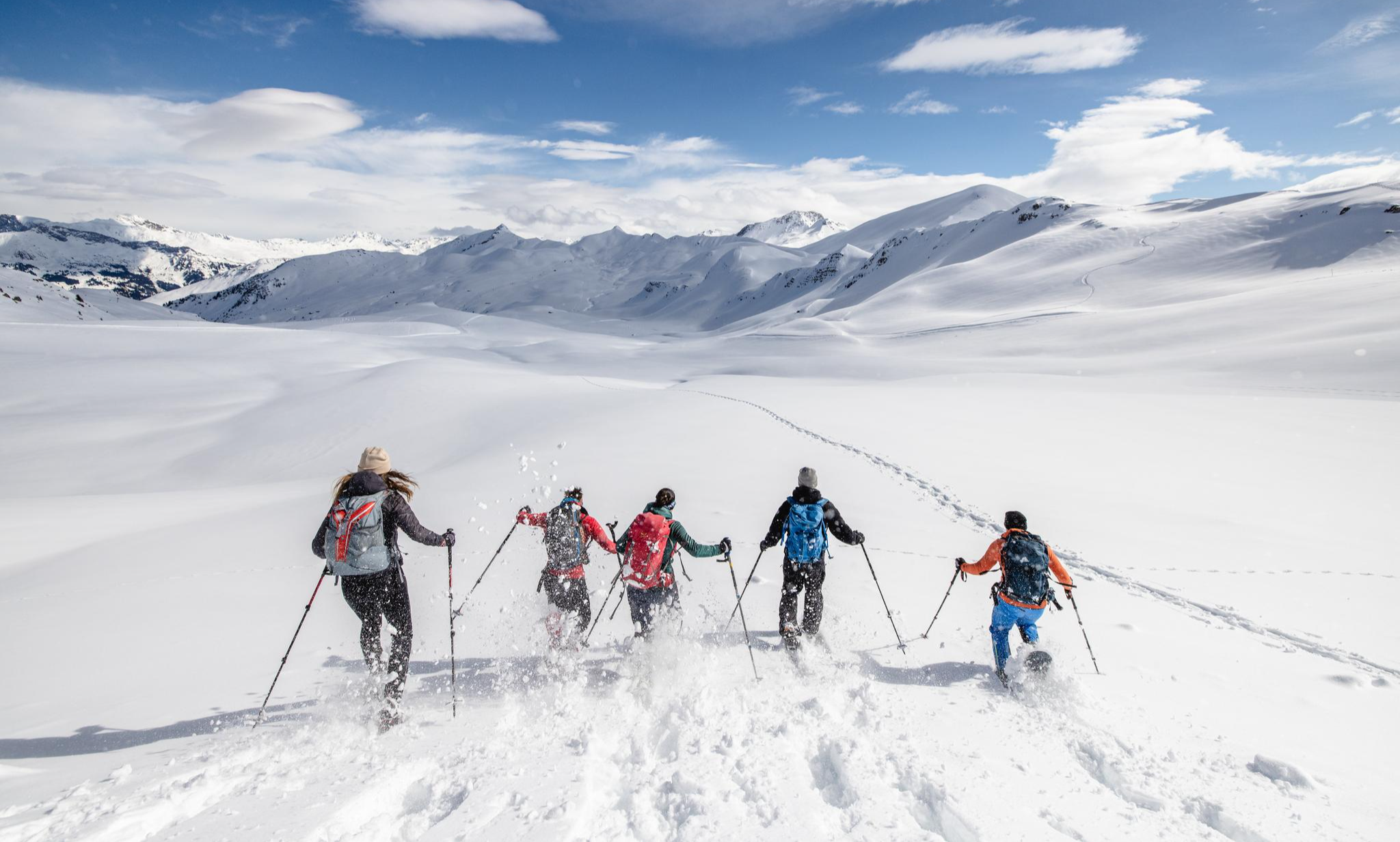
Snowy fun and hut cuisine – Winter Adventures in the Prättigau
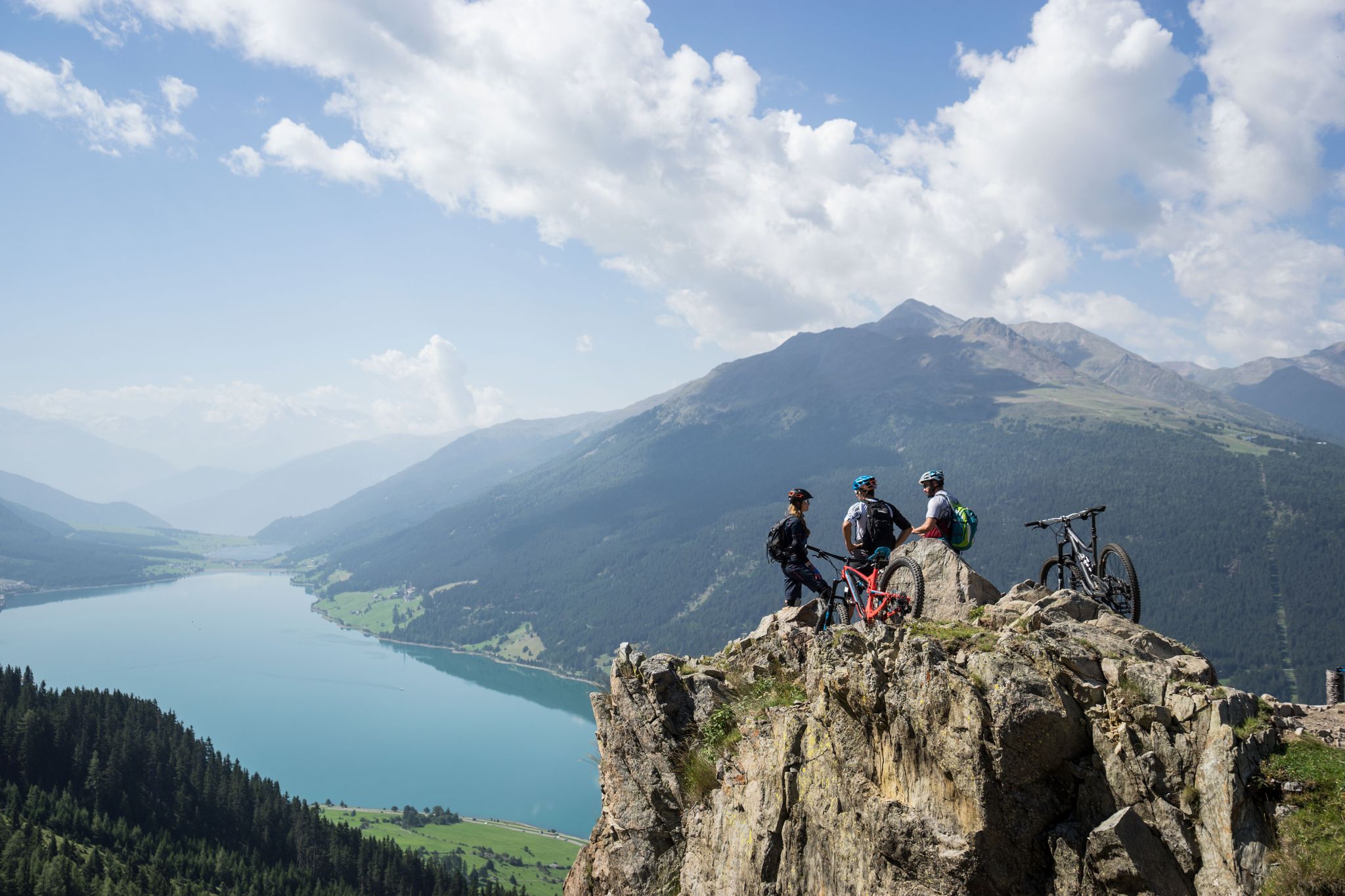
High into the Tyrolean mountain world – mountain biking in Tyrol
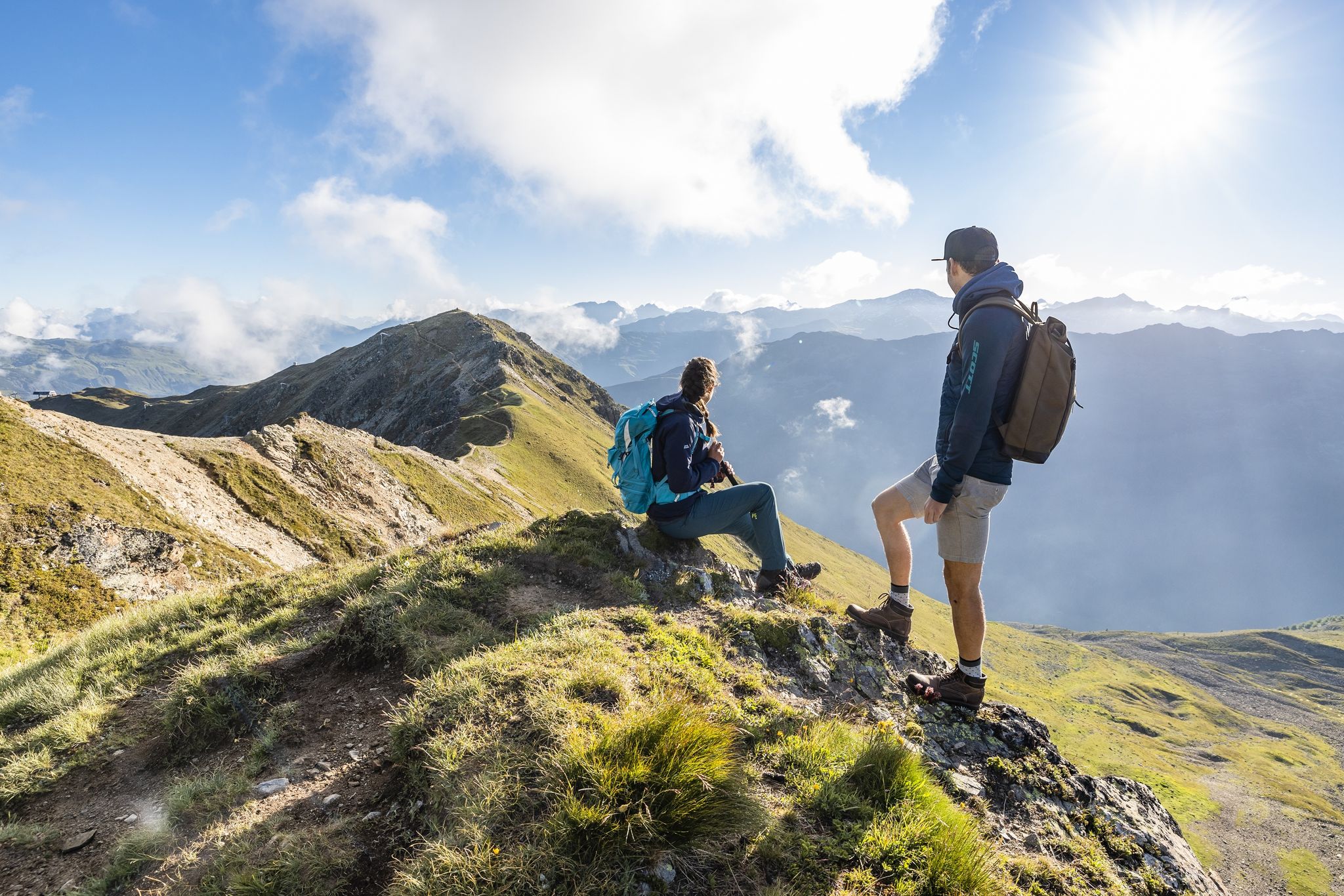
Summit joy on the mountain peaks of Davos Klosters
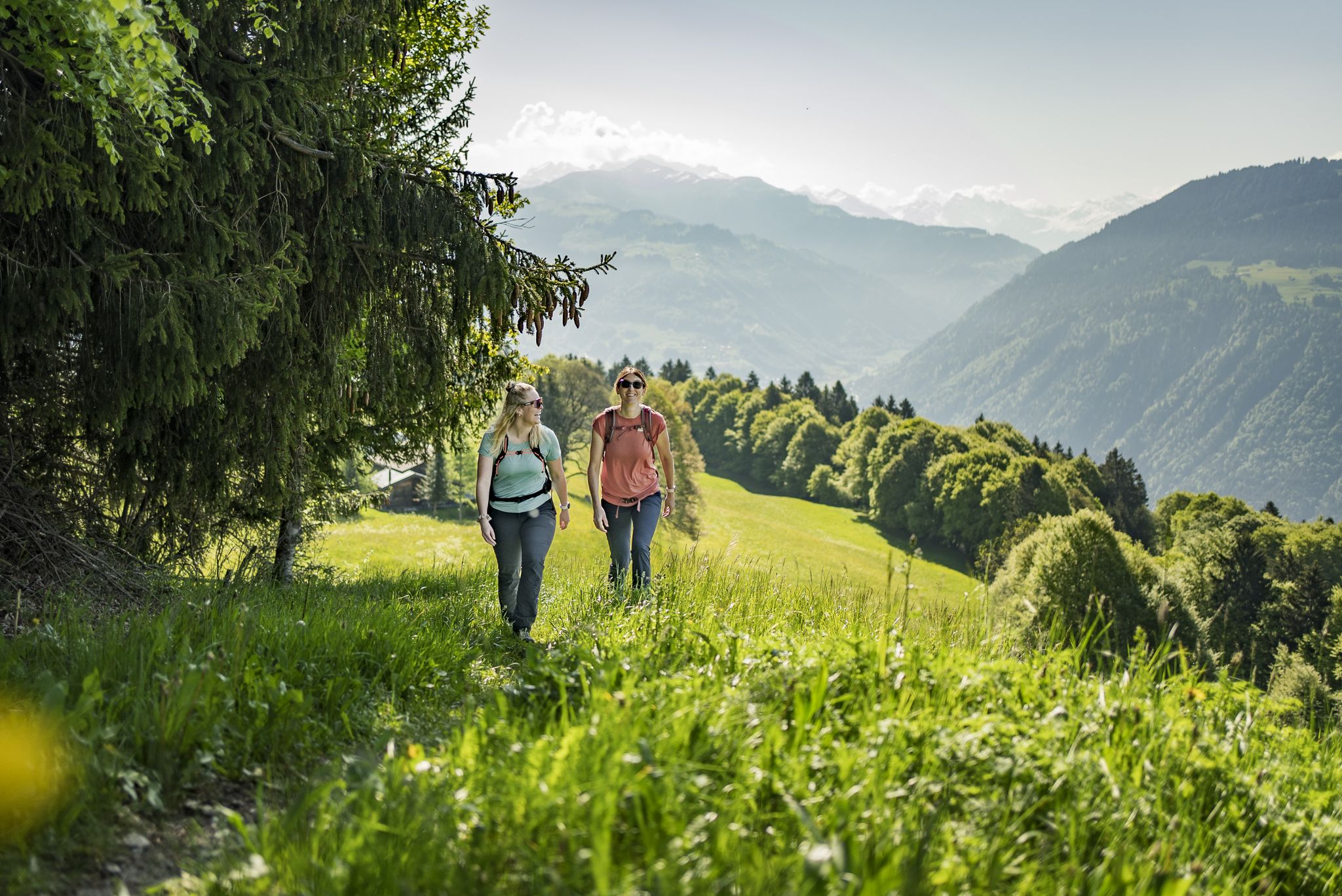
Step into the hiking season – spring routes in Graubünden
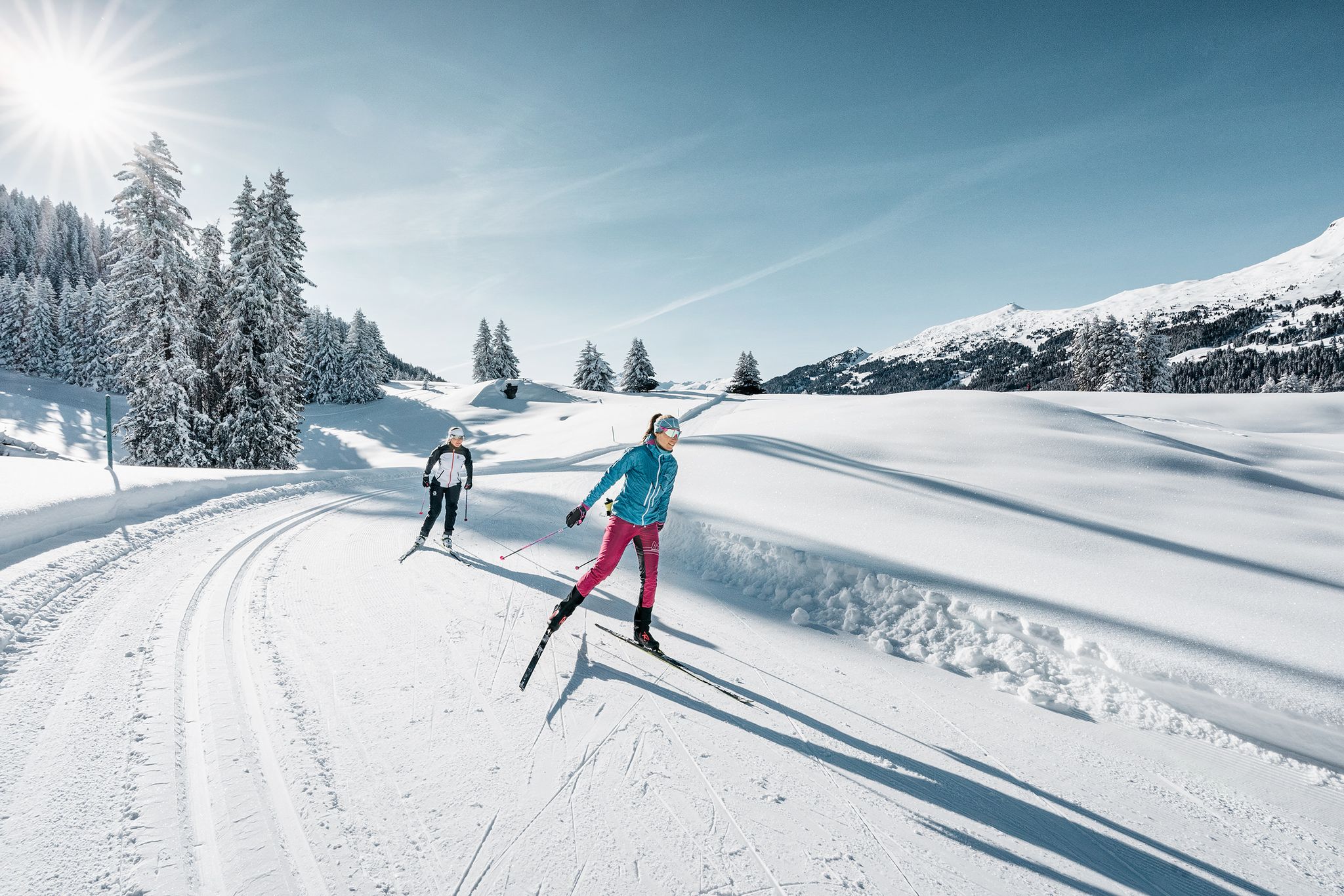
Cross-country skiing fever in the Graubünden region
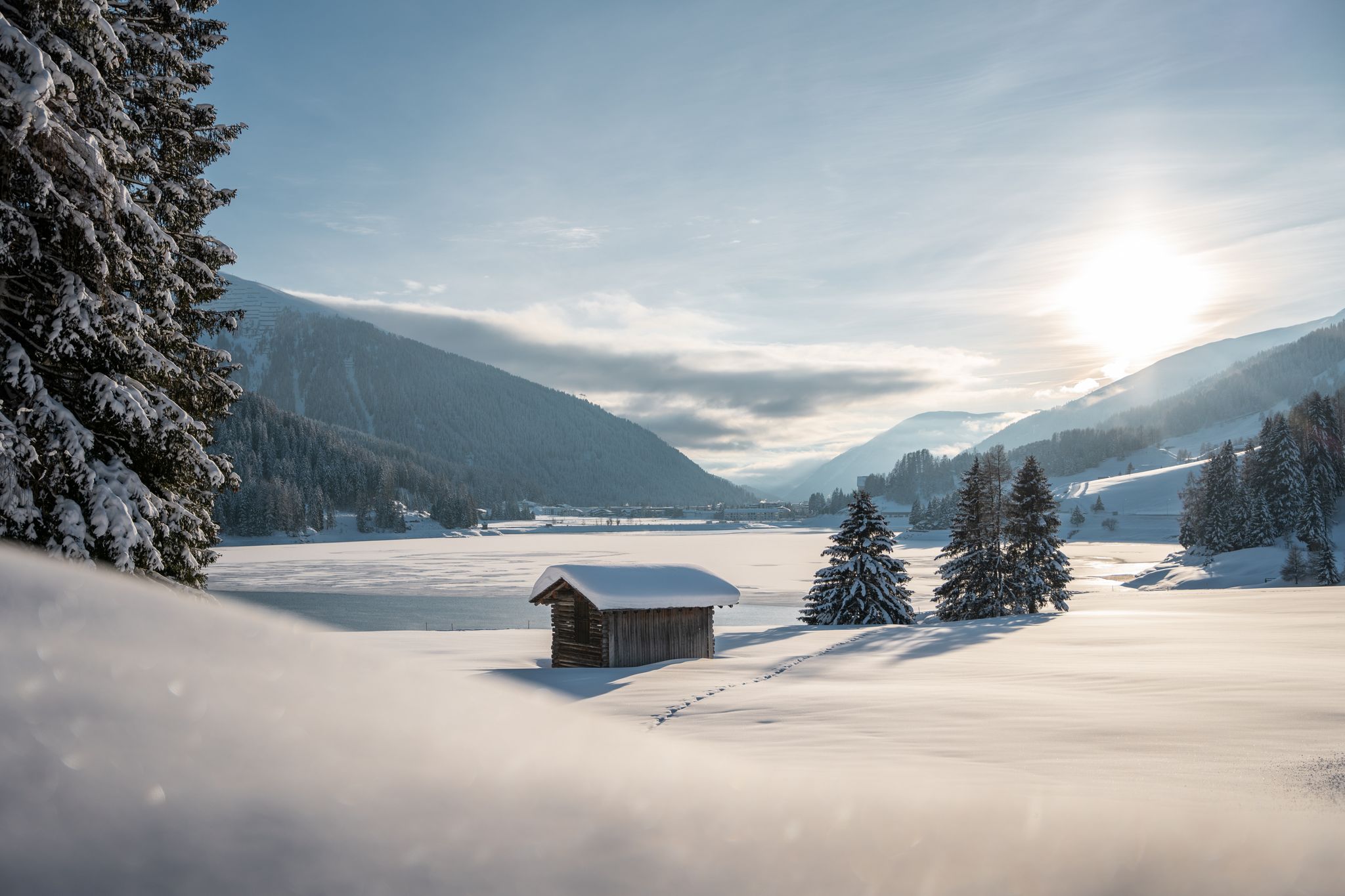
In the snow paradise – winter hiking in Davos Klosters
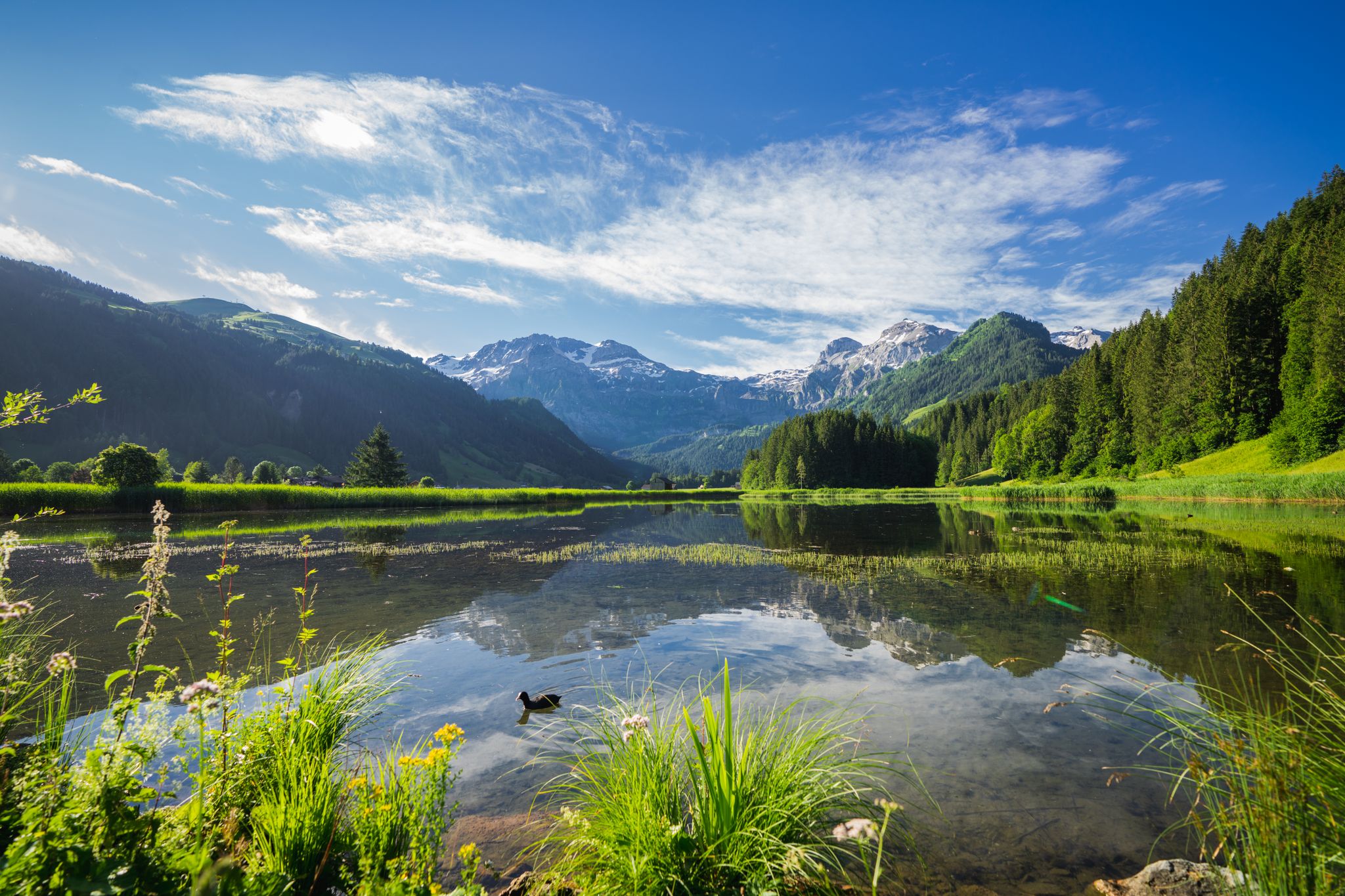
Alpine flowers and lunar craters – hiking in the Bernese Oberland
Other adventures in the Alps


Tips from the Community

The interior design of Neuschwanstein Castle features the recurring element of the soaring swan. This symbolizes purity and is the heraldic animal of the Counts of Schwangau, to which Ludwig II belonged. This bird can be seen everywhere, on the faucets, stained-glass windows, and even on the roof of the royal carriage.
16
0

Beautiful view of the Alpine landscape and the Alpsee! There is a view of the magnificent mountain panorama around Schwangau. Impressive and recommended!
5
0

Simply a fantastic view from the Eibsee to the Zugspitze 😍
15
1


great lake with mountains in the background
14
3

Portraits of many Bavarian kings line the Fürstenstraße as a reference to the Museum of the Bavarian Kings.
11
3

The platform offers a good opportunity to view the castle up close. Very great!
6
1
A highly recommended hike that challenges you. It's a great walk up to Marienbrücke with a rewarding view
10
2
Frequently Asked Questions
What natural features define the lakes in the Alps?
The Alps are home to a diverse range of lakes, from large, expansive bodies of water to smaller, high-altitude tarns. Many are glacial lakes, characterized by their clear, often blue-green waters, and are typically surrounded by dramatic peaks, forests, and alpine meadows. For example, Lake Seebensee is known for its crystal-clear, blue-green water with the Wetterstein and Zugspitze mountains in the background.
Are there family-friendly lakes in the Alps?
Yes, many lakes in the Alps are suitable for families. Lake Vilsalp, nestled in a nature reserve, has a well-developed path making it suitable for the whole family. Other family-friendly options include Lake Alpsee and Freibergsee, both offering pleasant environments for all ages.
What are some of the most scenic viewpoints around the Alpine lakes?
The Alps offer numerous stunning viewpoints. The View of Lake Eibsee provides spectacular perspectives, especially beautiful in autumn. Another popular spot is the View of the Zugspitze from the Eibsee, offering direct views of Germany's highest peak. For a different perspective, the View of Alpsee and Hohenschwangau Castle combines natural beauty with historical architecture.
What outdoor activities can I do near the lakes in the Alps?
The lakes in the Alps are excellent starting points for various outdoor activities. You can find numerous hiking trails, such as the Eibsee Loop Trail, or more challenging mountain hikes like those around the Ammergau Alps. Cycling is also popular, with routes like the Tour of Lake Annecy or the Millstätter See cycle path. For more details on routes, explore the Hiking in the Alps or Cycling in the Alps guides.
Are there specific hiking trails around the lakes?
Yes, many lakes feature dedicated hiking trails. The Eibsee Loop Trail is a popular choice for hikers, offering a moderate difficulty level. For those seeking more challenging routes, the Mountain Hikes in the Alps guide provides options like the ascent to Notkarspitze. Many trails offer stunning lake views, such as the circular path around Eibsee's north shore.
Can I swim in the Alpine lakes?
Many Alpine lakes are suitable for swimming, especially during the warmer months. Oeschinensee in Switzerland is celebrated for its fantastic aqua blue water, inviting visitors to swim. Lake Annecy in France is known as one of the cleanest lakes in Europe, ideal for swimming. Lake Vilsalp also has a very nice bathing area.
What is the best time to visit the Alpine lakes?
The best time to visit largely depends on your desired activities. Summer (June to September) is ideal for hiking, swimming, and water sports, though popular spots like Lake Braies and Eibsee can get crowded. Autumn offers particularly beautiful scenery with changing foliage, as noted for the View of Lake Eibsee. In winter, some lakes like Oeschinensee freeze over, allowing for unique activities like walking on the ice.
Are there any historical or cultural sites near the Alpine lakes?
Yes, the Alpine lake region is rich in history and culture. Lake Como in Italy is famous for its luxury villas and impressive scenery, with shores dotted with historic villas and gardens. Lake Geneva, shared by Switzerland and France, features medieval castles, vineyards, and villas like the Château de Chillon. Near Lake Alpsee, you can find the iconic Hohenschwangau Castle.
What are some lesser-known or 'hidden gem' lakes in the Alps?
While many lakes are popular, some offer a more secluded experience. Lac d'Allos, Europe's largest natural altitude lake in the Alpes-de-Haute-Provence, is considered a jewel for observing local plant and animal life. Lac du Mont Cenis, high in the French Alps, offers solitude for hikers and photographers due to being less crowded, despite its stunning turquoise waters and historical significance on a medieval trade route.
What do visitors enjoy most about the lakes in the Alps?
Visitors frequently praise the breathtaking natural beauty, especially the crystal-clear waters and dramatic mountain backdrops. The tranquility and spectacular views are often highlighted, as described for Lake Seebensee, which is called a 'dream' and 'tranquil yet spectacular'. The well-developed paths and family-friendly options also contribute to a positive experience, as seen at Lake Vilsalp.
Is public transport available to reach the Alpine lakes?
Public transport options vary by lake. For instance, to Lake Vilsalp, you can take a bus from the north shore or a tourist train back to Tannheim. Oeschinensee in Switzerland is reachable by cable car, reducing the hiking time. It's advisable to check specific transport options for each lake you plan to visit, as car access can sometimes be restricted during peak hours, such as at Lake Vilsalp from 10 am to 5 pm.
Can I bring my dog to the trails around Alpine lakes?
Many trails around Alpine lakes are dog-friendly, but it's always best to check local regulations for specific areas or nature reserves. For example, the area around Lake Vilsalp is a nature reserve, so dogs might need to be on a leash. Always ensure your dog is well-behaved and that you clean up after them to preserve the natural environment.
Most popular routes in the Alps
Most popular attractions in the Alps

Get inspired with the komoot mobile app


Explore more
Still not found your perfect lake in the Alps? Check out the guides of these regions to see even more beautiful places.
