Top 20 Natural Monuments in Südliche Weinstraße
Best natural monuments in Südliche Weinstraße are found within the Palatinate Forest-North Vosges Biosphere Reserve, offering a diverse landscape. The region features vast forests, picturesque scenery, and unique geological formations, primarily composed of Bunter sandstone. These natural features contribute to a variety of rock landscapes, including cliffs, rock gates, and eroded pillars. Südliche Weinstraße provides numerous opportunities to explore its natural heritage.
Best natural monuments in Südliche Weinstraße
- The most popular natural monuments is Orensfels Viewpoint, a viewpoint that…
Last updated: May 13, 2026
Kalmithaus
Highlight • Mountain Hut
Translated by Google •
Tip by

Landau hut at the Zimmerbrunnen (PWV)
Highlight • Mountain Hut
Translated by Google •
Tip by

Sign up now to discover places like this
Get recommendations on the best single tracks, peaks, & plenty of other exciting outdoor places.
Sign up for free
Trifels Castle
Highlight • Castle
Showing Translation
Tip by

Felsenmeer Hüttenberg (Felsenmeer Kalmit)
Highlight • Natural Monument
Translated by Google •
Tip by

Orensfels Viewpoint
Highlight • Viewpoint
Translated by Google •
Tip by

Landeck Castle
Highlight • Castle
Showing Translation
Tip by

Bindersbacher Turm
Highlight • Natural Monument
Translated by Google •
Tip by
Anebos castle ruins
Highlight • Natural Monument
Translated by Google •
Tip by

Rötzen Cliffs
Highlight • Viewpoint
Translated by Google •
Tip by

Felsenmeer rock formations
Highlight (Segment) • Natural Monument
Showing Translation
Tip by

Sign up for free to discover even more natural monuments in Südliche Weinstraße.
Sign up for free
Already have an account?
Start today with a free account
Your next adventure awaits.
Login or Signup
Popular around Südliche Weinstraße
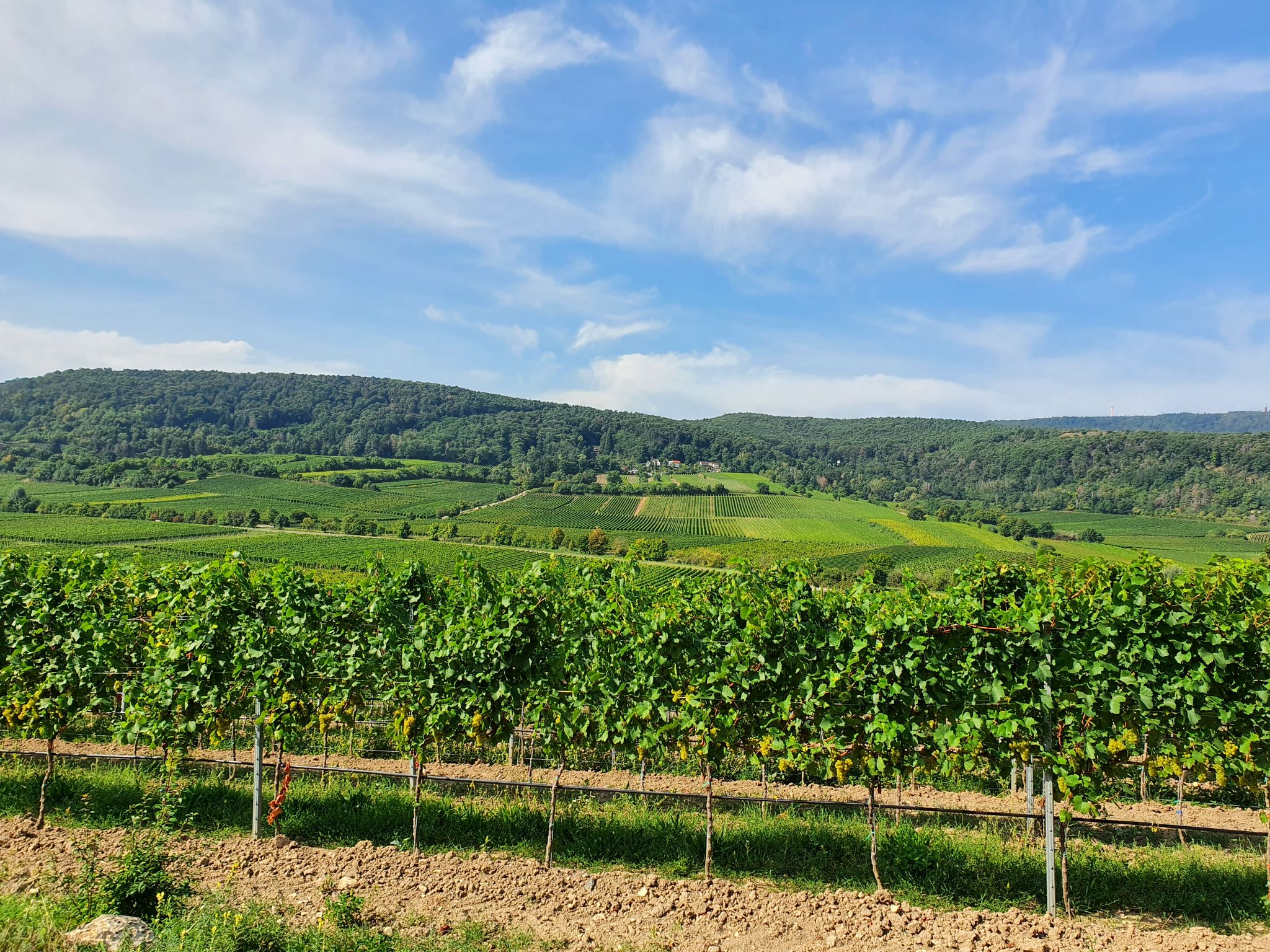
The German Wine Route through the Palatinate — Come here, walk away!
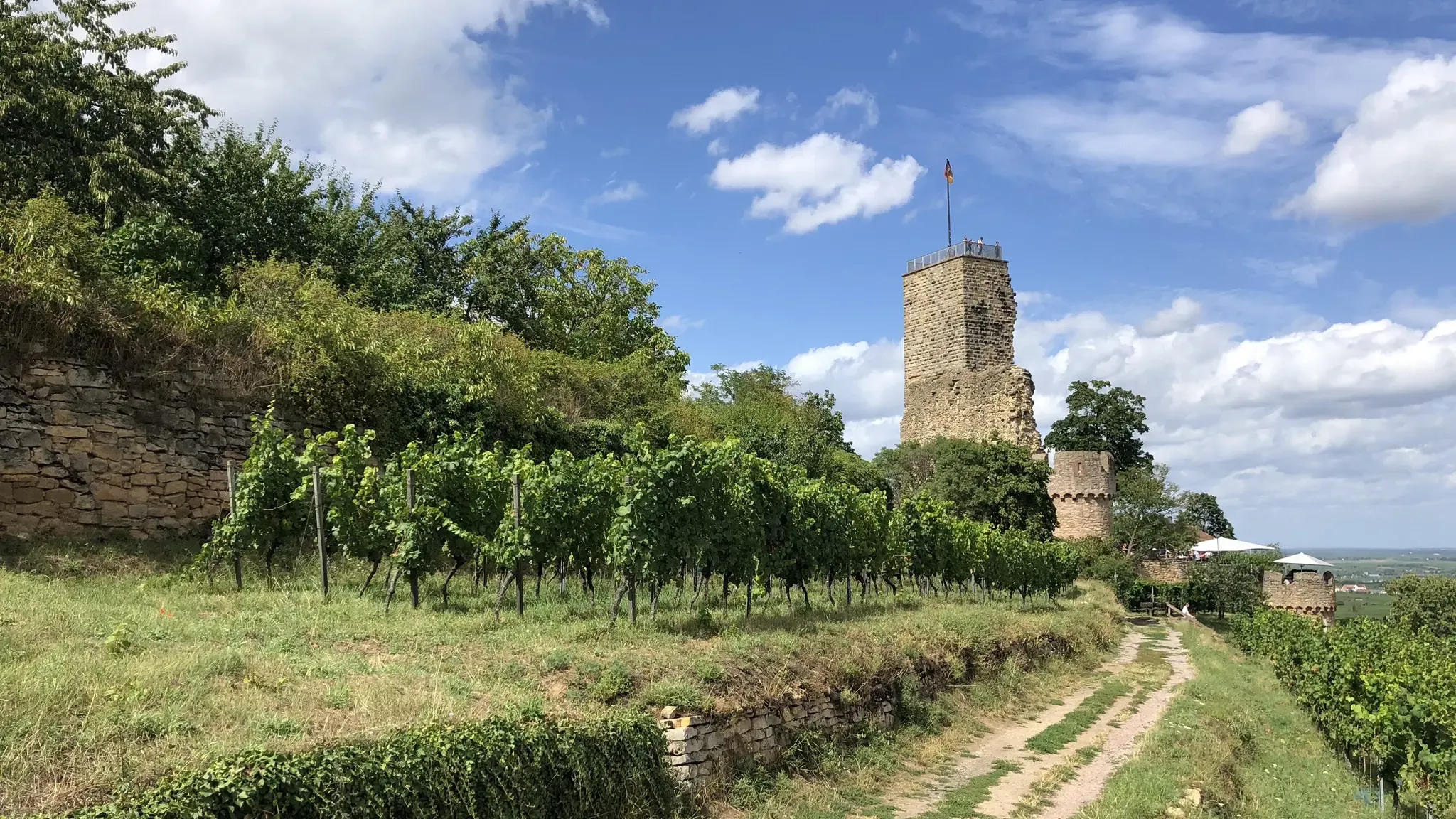
Pfälzer Weinsteig trail – 11 stages along forests and vinyards
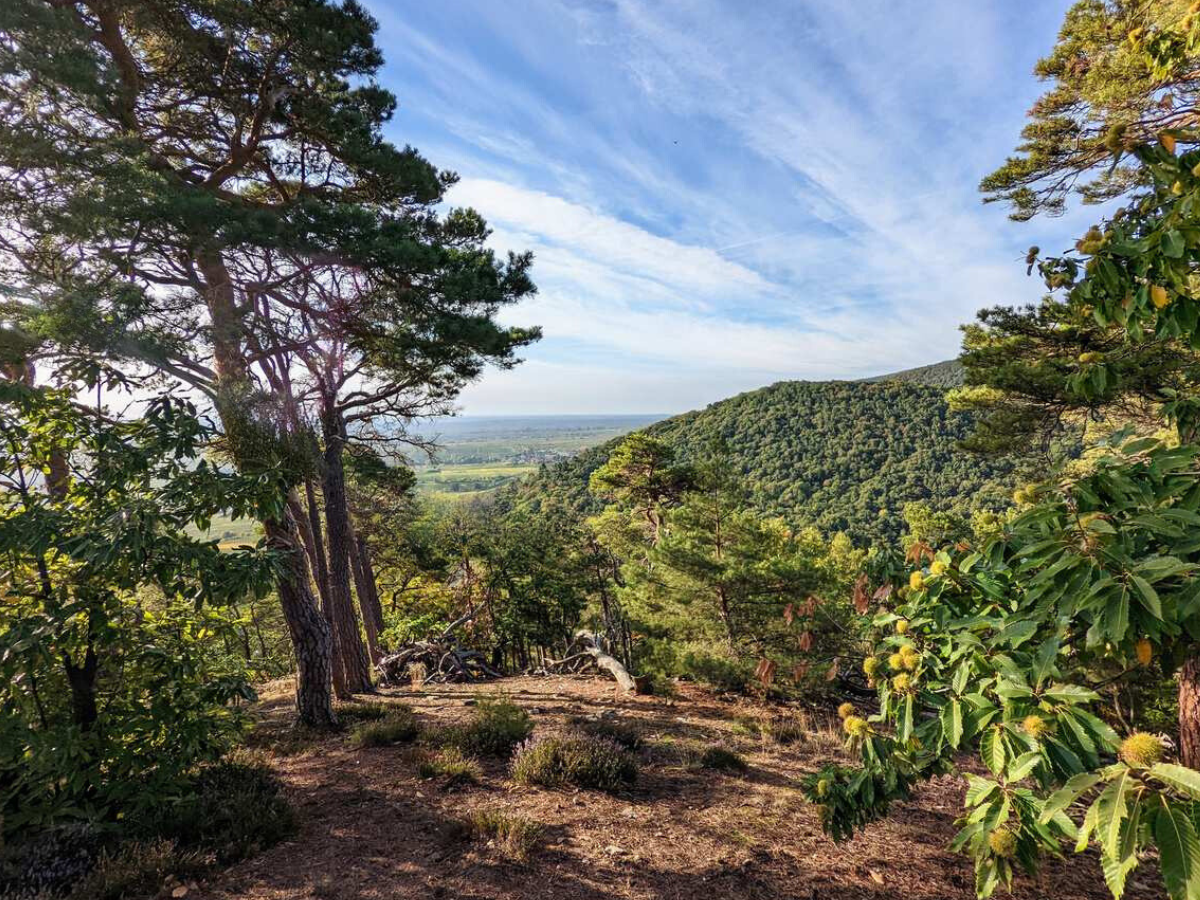
High up in the Palatinate - Around the highest of the Palatinate Forest
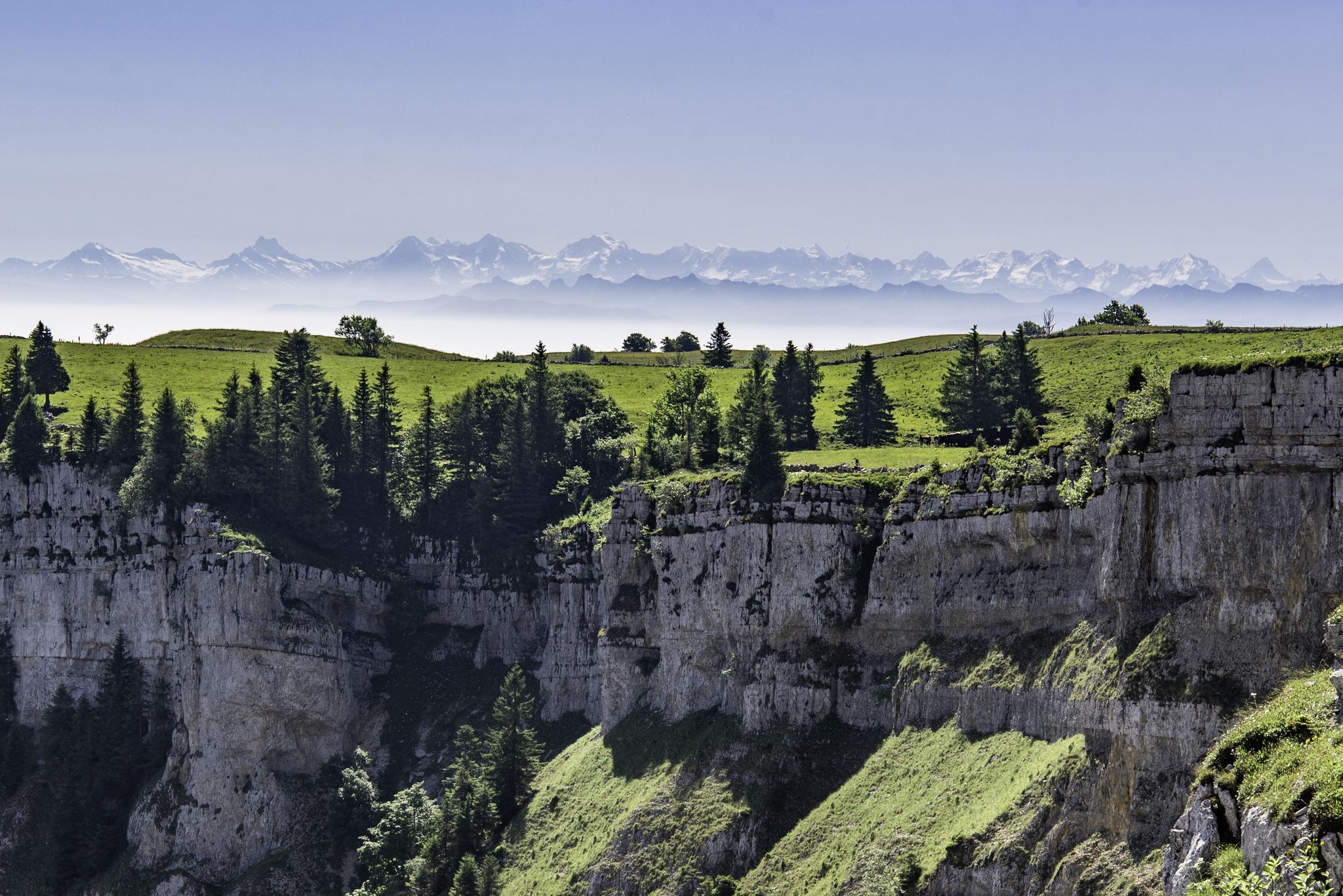
From the Vosges to the Jura mountains – Hexatrek, le Grand Est
Pfälzerwald-Bikepacking: Four stages with the Gravelbike
The 'Kraut und Rüben' cycleway — through the Palatinate in 3 stages
Explore the Palatinate region — German Wine Cycle Route
Palatinate hiking menu — day and half day hikes
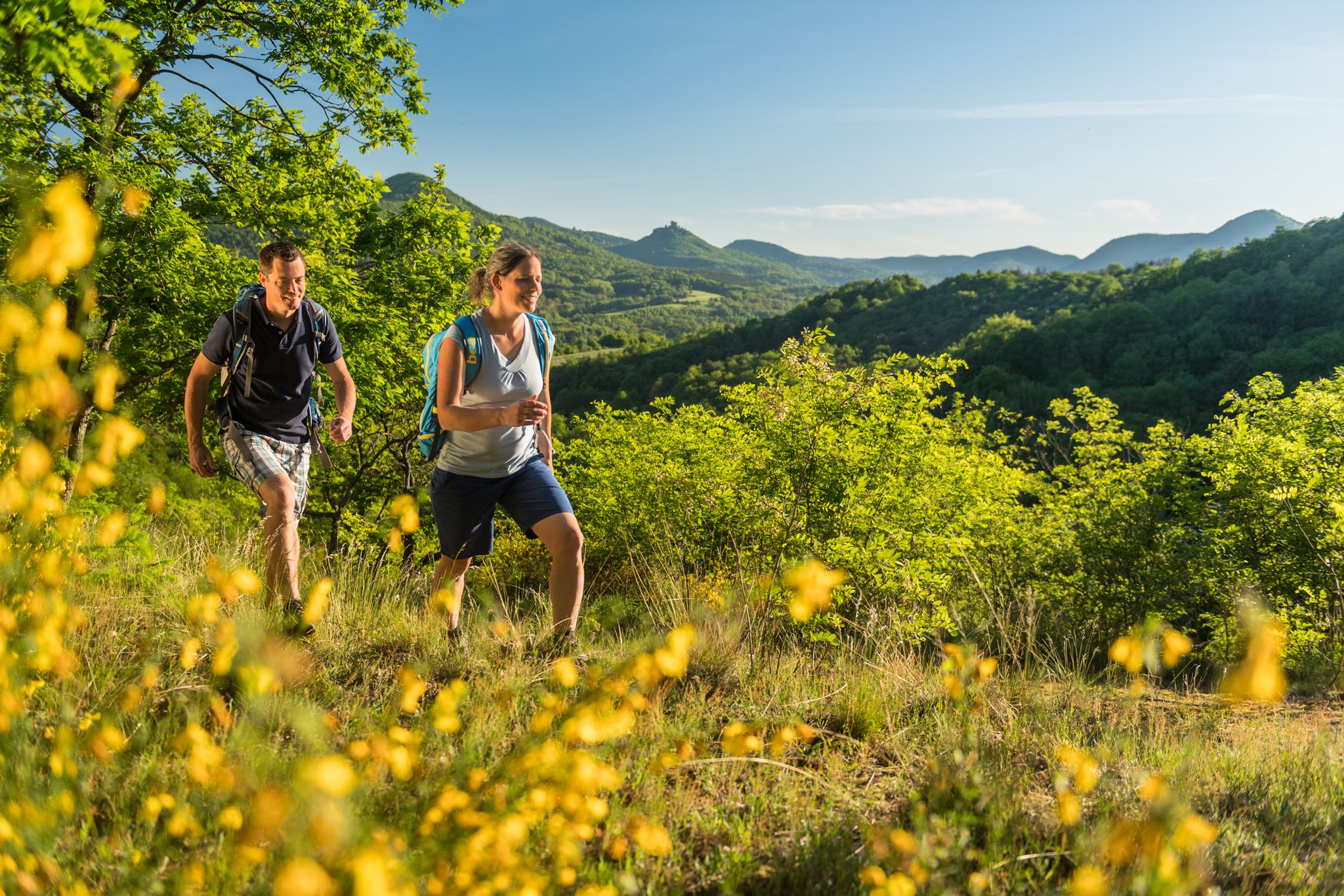
Palatinate hiking menu - immersive day hikes
Short & crisp — passes in the Palatinate Forests
Other adventures in Südliche Weinstraße


Tips from the Community

A highlight of the hike from Sankt Martin to Kalmit is the Felsenmeer. Many spectacular rock formations please the eye.
6
0

Great adventurous trail along many different rock formations
2
0

Once you have arrived at the Kalmit, you will be rewarded with a breathtaking view of the Upper Rhine Valley. The Kalmithaus is located at 673 m on the Palatinate Wine Trail and is the highest hut in the Palatinate Forest. It is the first and oldest hiking hut in the region. The house was inaugurated in 1908. Guests can enjoy Palatinate dishes or changing daily specials and game specialties inside and on the patio with a panoramic view.
7
1

The (Great) Kalmit is 672.6 m above sea level. NHN height the highest mountain in the Palatinate Forest and after the Donnersberg the second highest peak in the Palatinate region.
9
0

The sea of rocks is a hit, climbing rocks to practice or to hike through. Time to look and be amazed.
2
0

Here, too, a very beautiful rock formation - you can't help but be amazed.
11
0

Below the rocks there is a narrow path that is easy to walk. Every now and then there are detours to the rocky outcrops or you can walk straight to the upper path and there
5
0

You can cross-country ski under and over the sea of rocks, there is also a hut
2
0
Frequently Asked Questions
What are some of the most impressive natural monuments to visit in Südliche Weinstraße?
The Südliche Weinstraße region, nestled within the Palatinate Forest-North Vosges Biosphere Reserve, offers a variety of impressive natural monuments. Highlights include the Orensfels Viewpoint, known for its spectacular views and quiet atmosphere, and the Felsenmeer Hüttenberg (Felsenmeer Kalmit), a fascinating rock sea with unique sandstone formations. While slightly outside the immediate district, the iconic Teufelstisch (Devil's Table) is also easily accessible and a renowned natural geotope.
Are there natural monuments suitable for families with children in Südliche Weinstraße?
Yes, several natural monuments in Südliche Weinstraße are family-friendly. For instance, the area around Kalmit Mountain, where the Kalmithaus is located, offers easy access to views and a forest playground. The Teufelstisch (Devil's Table) also has an adventure park at its base, making it an engaging destination for families. Additionally, the Forest shower at the Hainbach (Gleisweiler) is listed as family-friendly.
What kind of geological features can I expect to see among the natural monuments in the region?
The natural monuments in Südliche Weinstraße are primarily characterized by impressive Bunter sandstone formations. You'll encounter unique rock seas like the Felsenmeer Hüttenberg, which features large blockfields created by weathering. The region also boasts distinctive rock formations, cliffs, rock gates, and eroded pillars, such as the mushroom-shaped Teufelstisch, all formed over millions of years by natural processes.
What outdoor activities can I do near these natural monuments?
The natural monuments in Südliche Weinstraße are excellent starting points for various outdoor activities. You can enjoy extensive hiking, with numerous trails leading to viewpoints and through forests. Cycling is also popular, with options for road cycling and touring. For specific hiking routes, you can explore Easy hikes in Südliche Weinstraße. Cyclists can find inspiration in Road Cycling Routes or Cycling in Südliche Weinstraße.
Are there historical sites combined with natural monuments in Südliche Weinstraße?
Yes, the region beautifully blends natural beauty with historical significance. Landeck Castle, for example, is a well-preserved castle ruin that also serves as a natural monument, offering great views over the Rhine Valley. Similarly, Trifels Castle and the Anebos castle ruins are historical sites perched on impressive rock formations, providing both cultural and natural experiences.
Where can I find the best panoramic views among the natural monuments?
For breathtaking panoramic views, consider visiting Orensfels Viewpoint, which offers a fantastic vista. Kalmit Mountain, the highest peak in the Palatinate Forest, provides expansive views across the Upper Rhine Valley and the Palatinate wine region from the Kalmithaus. The Rötzen Cliffs also offer a great vantage point with views stretching into the distance.
What is the best time to visit the natural monuments in Südliche Weinstraße?
The Südliche Weinstraße region benefits from a mild climate, making its natural monuments enjoyable throughout much of the year. Spring and autumn are particularly pleasant for hiking and exploring, with comfortable temperatures and beautiful foliage. Summer offers lush greenery, while clear winter days can provide crisp views, though some trails might be more challenging. The Palatinate Forest-North Vosges Biosphere Reserve's diverse flora and fauna are vibrant across seasons.
Are there any natural monuments that involve climbing or more challenging terrain?
Yes, some natural monuments in the region offer more challenging terrain, often involving climbs or bouldering opportunities. The Felsenmeer Hüttenberg is popular with sport climbers and hikers seeking a more rugged experience. The Bindersbacher Turm and Anebos castle ruins are also listed with 'climb' as a category, indicating more adventurous paths.
What do visitors enjoy most about the natural monuments in Südliche Weinstraße?
Visitors frequently praise the stunning views and the peaceful atmosphere found at many sites, such as the Orensfels Viewpoint. The unique rock formations, like those at Felsenmeer Hüttenberg, are also a major draw, offering varied and engaging hiking experiences. The combination of natural beauty with historical elements, as seen at Landeck Castle, is also highly appreciated.
Are there natural monuments that are easily accessible by car with nearby parking?
Many natural monuments in the Südliche Weinstraße region offer convenient access. For example, near Kalmit Mountain, parking is available close to the Kalmithaus, allowing for easy access to the summit views. The Teufelstisch also has parking facilities nearby, making it simple to reach the rock formation and its adventure park.
Can I find cafes or restaurants near the natural monuments?
Yes, several natural monuments have facilities nearby. The Kalmithaus on Kalmit Mountain is a mountain hut offering traditional meals and hospitality. Landeck Castle also features a castle tavern with a terrace, serving food like tarte flambée. These spots provide opportunities to relax and refuel during your exploration.
Most popular routes in Südliche Weinstraße
Most popular attractions in Südliche Weinstraße

Get inspired with the komoot mobile app


Didn’t find what you were looking for?
Find even more amazing natural monuments in Südliche Weinstraße by checking out the top Highlights region by region:
Explore more
Extend your search for the best caves by checking out these guides of the top ones in Südliche Weinstraße:
