Top 20 Caves in the Pyrenees
Best caves in the Pyrenees offer a diverse range of subterranean experiences, from ancient archaeological sites to impressive geological formations. This mountainous region, spanning France and Spain, is characterized by its dramatic landscapes and rich natural history. The Pyrenees provide a unique environment for cave exploration, revealing millions of years of geological processes and human habitation. Visitors can discover a variety of caves, each with distinct features and historical significance.
Best caves in the Pyrenees
- The most popular caves include Grotte du Mas-d'Azil, a cave that is crossed by both the Arize river and a road. This prehistoric cave is notable for the discovery of portable art dating from the Azilian period.
- Another must-see spot is Zugarramurdi Cave, a large natural cavity eroded by a strong water current. Visitors can explore its vast spaces and learn about its intriguing folklore.
- Visitors also love San Juan Xar Cave Shrine, a spiritual sanctuary located within a nature reserve. This cave features a hermitage with a fountain whose three jets of water are believed to have healing properties.
- The Pyrenees is known for prehistoric art caves, vast geological formations, and underground river systems. The region offers a variety of caves to see and explore, from those with ancient human artifacts to those showcasing unique natural phenomena.
- The caves in the Pyrenees are appreciated by the komoot community, with 44 upvotes and 22 photos shared by users.
Last updated: July 7, 2026
Grotte du Mas-d'Azil
Highlight • Cave
In the middle of the cave, a museum opens its doors to visitors. Come and learn a little more about this period of the Upper Palaeolithic.
Be careful when crossing the cavity. A good lamp is mandatory, because some parts are very dark and the pavement on the side can be treacherous.
Translated by Google •
Tip by

El Chorro Waterfall and the Cave and San Cornelio Hermitages
Highlight • Waterfall
Translated by Google •
Tip by

Sign up now to discover places like this
Get recommendations on the best single tracks, peaks, & plenty of other exciting outdoor places.
Sign up for free
San Juan Xar Cave Shrine
Highlight • Religious Site
In the heart of this unique spot located in the heart of the western Pyrenees, we find a cave-hermitage with a fountain with three jets whose waters, according to popular belief, have miraculous healing powers against skin conditions.
It is tradition that you first drink from each of the pipes and then rub the affected part with a wet cloth. Then, the handkerchiefs are left in the surroundings of the fountain, and later the priest will pick them up and burn them. The custom has been around for a long time, for this reason, before the image of Saint John the Baptist, who today inhabits the cave, arrived here, the prayers and offerings were for the lamiak, nymphs who, according to mythology, inhabited this area since the dawn of the weather.
Translated by Google •
Tip by

Zugarramurdi Cave
Highlight • Cave
You can find more information on the official website
turismozugarramurdi.com/seccion/turismo_las_cuevas
Translated by Google •
Tip by

Els Bufadors de Beví
Highlight • Natural Monument
Translated by Google •
Tip by

Oratory of Mare de Déu de les Olletes
Highlight • Religious Site
Next to it and rising above the road are the remains of the building where the objects needed for the worship of the chapel were kept.
Its origin can be traced back to the beginning of the 17th century, when, according to traditional references, an image of the Virgin Mary was found in a small depression in the ground, that is, in a "pot", which has given its name to the oratory
This hole is a few steps away, on a support of the cliff, which has been retouched in order to be able to put a fence. When the image from this corner was moved to the chapel, one of the Virgin Mary of Núria was placed in its place. pot-shaped cavities found around
Translated by Google •
Tip by
Rocapastora Cliff
Highlight • Climb
Translated by Google •
Tip by

Aitzondo Waterfall
Highlight • Waterfall
Translated by Google •
Tip by

Garrell's Tomb
Highlight • Cave
this is the cave that is part of the enclosure created by this character over the years.
A few hundred meters further on you can see another construction, the orchard.
Translated by Google •
Tip by

Picamartillo Cave
Highlight • Cave
Translated by Google •
Tip by

Sign up for free to discover even more caves in the Pyrenees.
Sign up for free
Already have an account?
Start today with a free account
Your next adventure awaits.
Login or Signup
Popular around Pyrenees
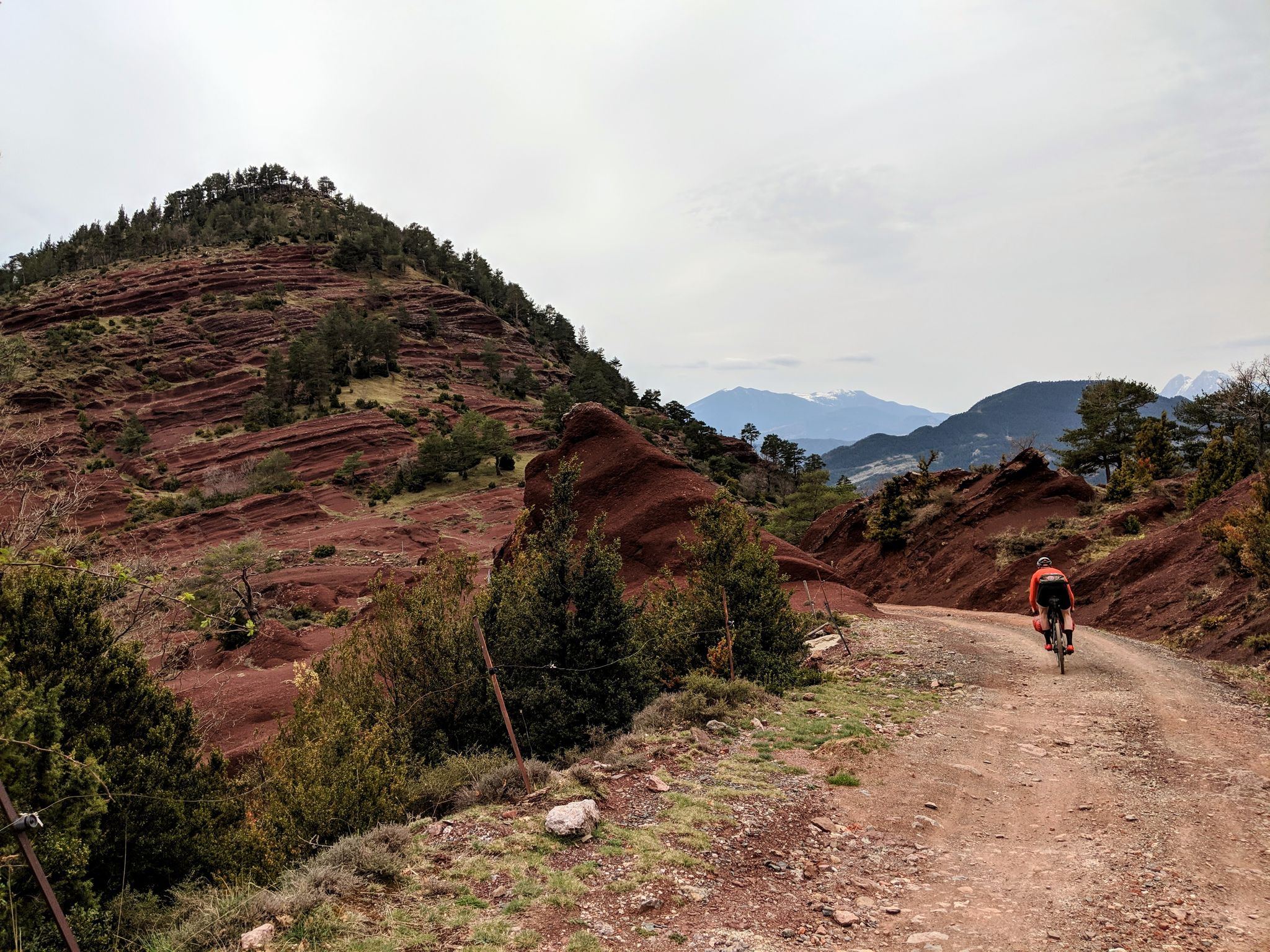
Catalunya Trail — Bikepacking in the Pyrenees
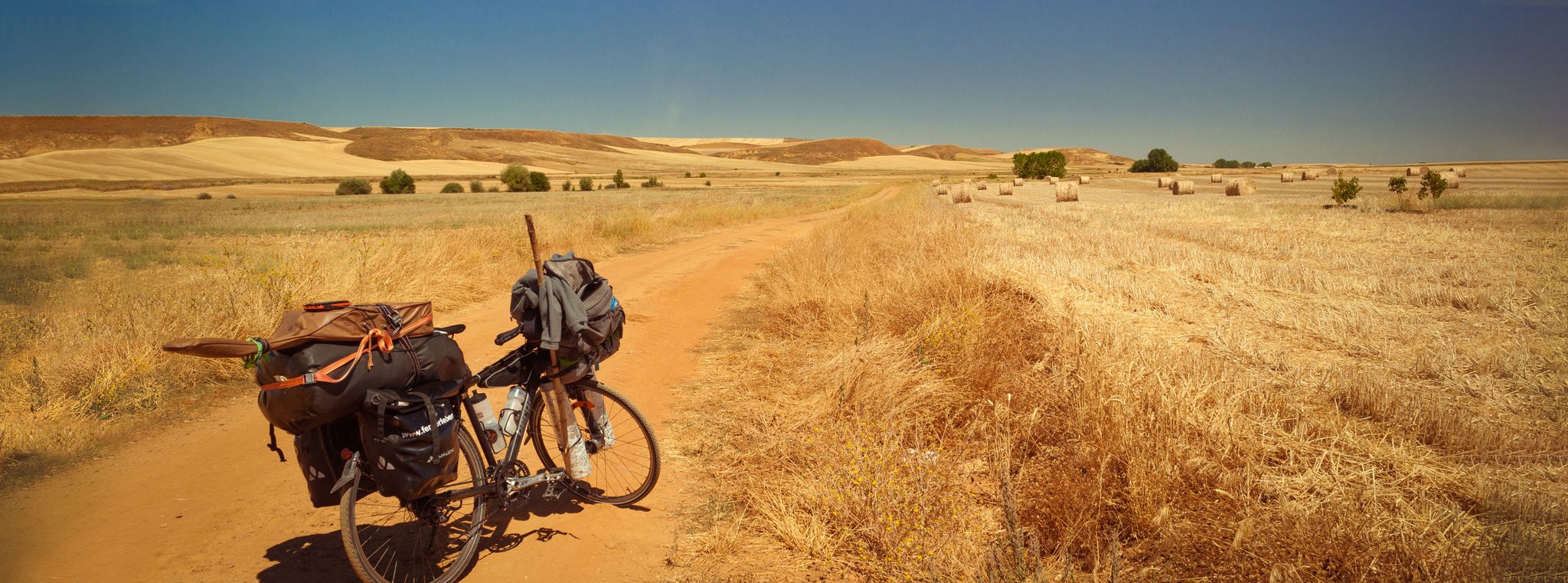
Camino Francés and Camino Finisterre – Cycling pilgrimages in Spain
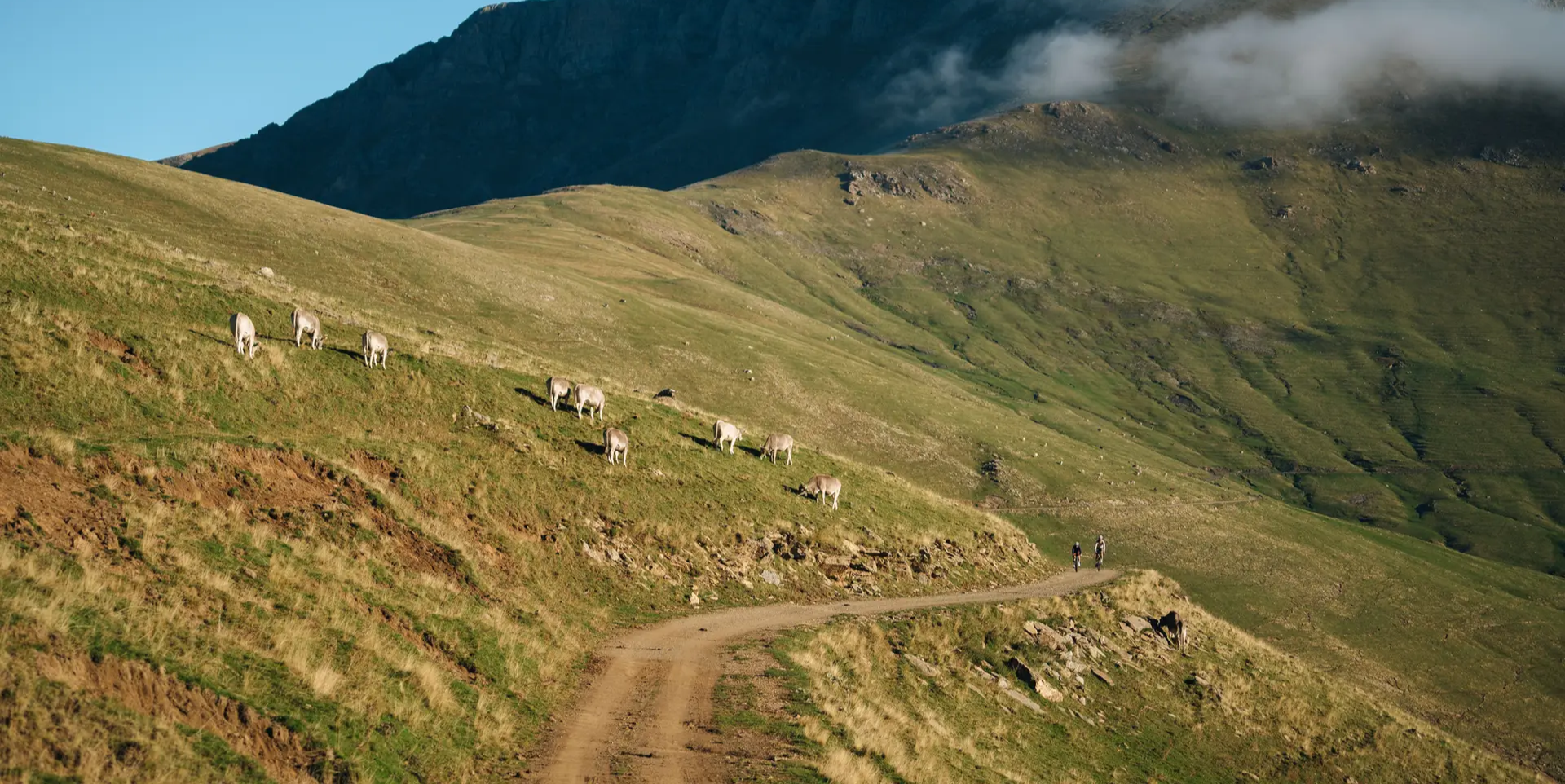
Grand Tour of Catalonia Gravel – your bikepacking adventure
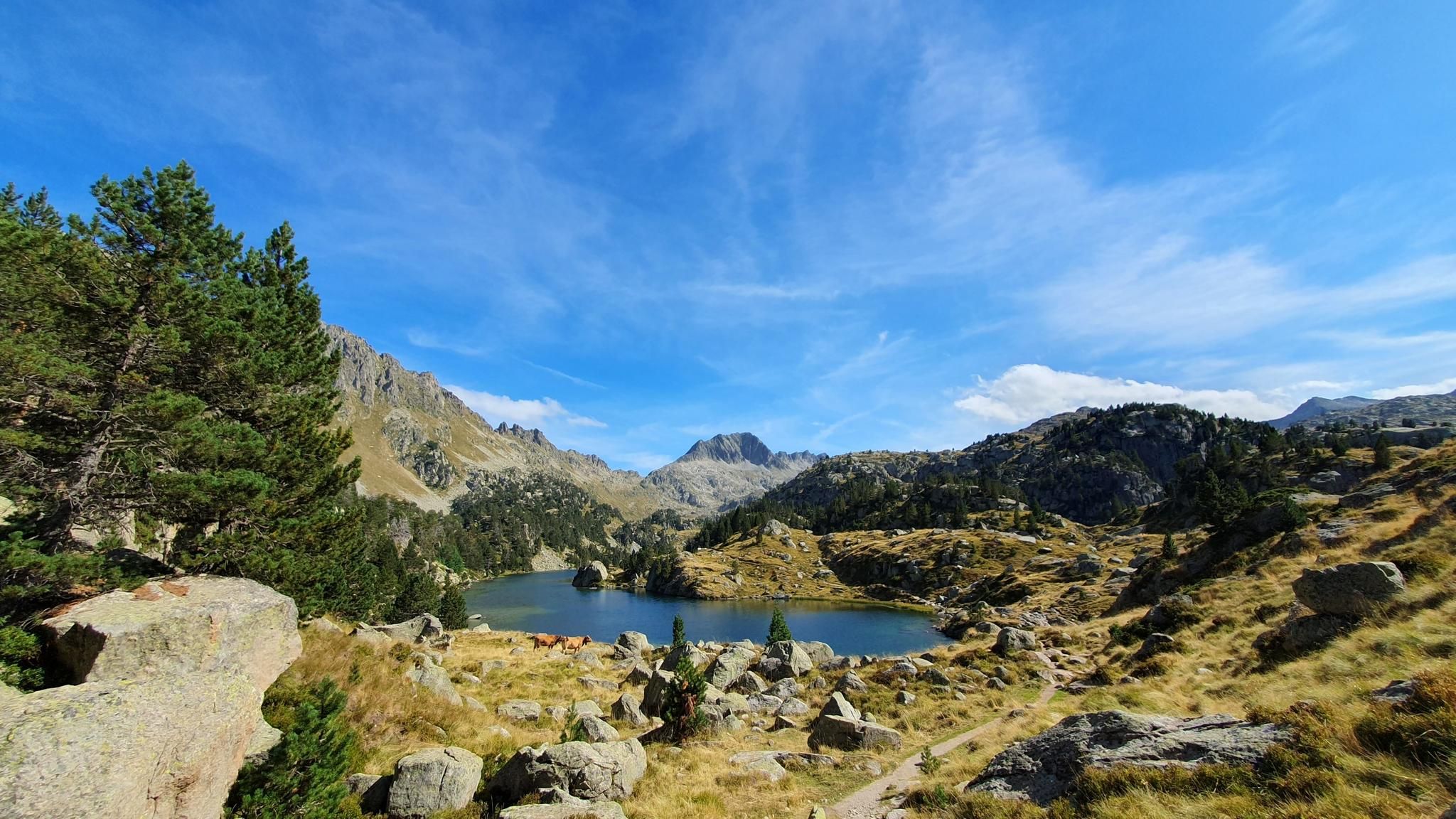
100 miles in paradise - Discover the Val d'Aran by UTMB
GR 36 long-distance footpath – Cross France from the Channel to the Pyrenees
The Crossing of the Pyrenees via the GR 10 — Eastern Pyrenees
Hexatrek, the western and central Pyrenees – Between mountains and the ocean
GR 10 – Explore the Ariège Pyrenees crossing the Pyrenees
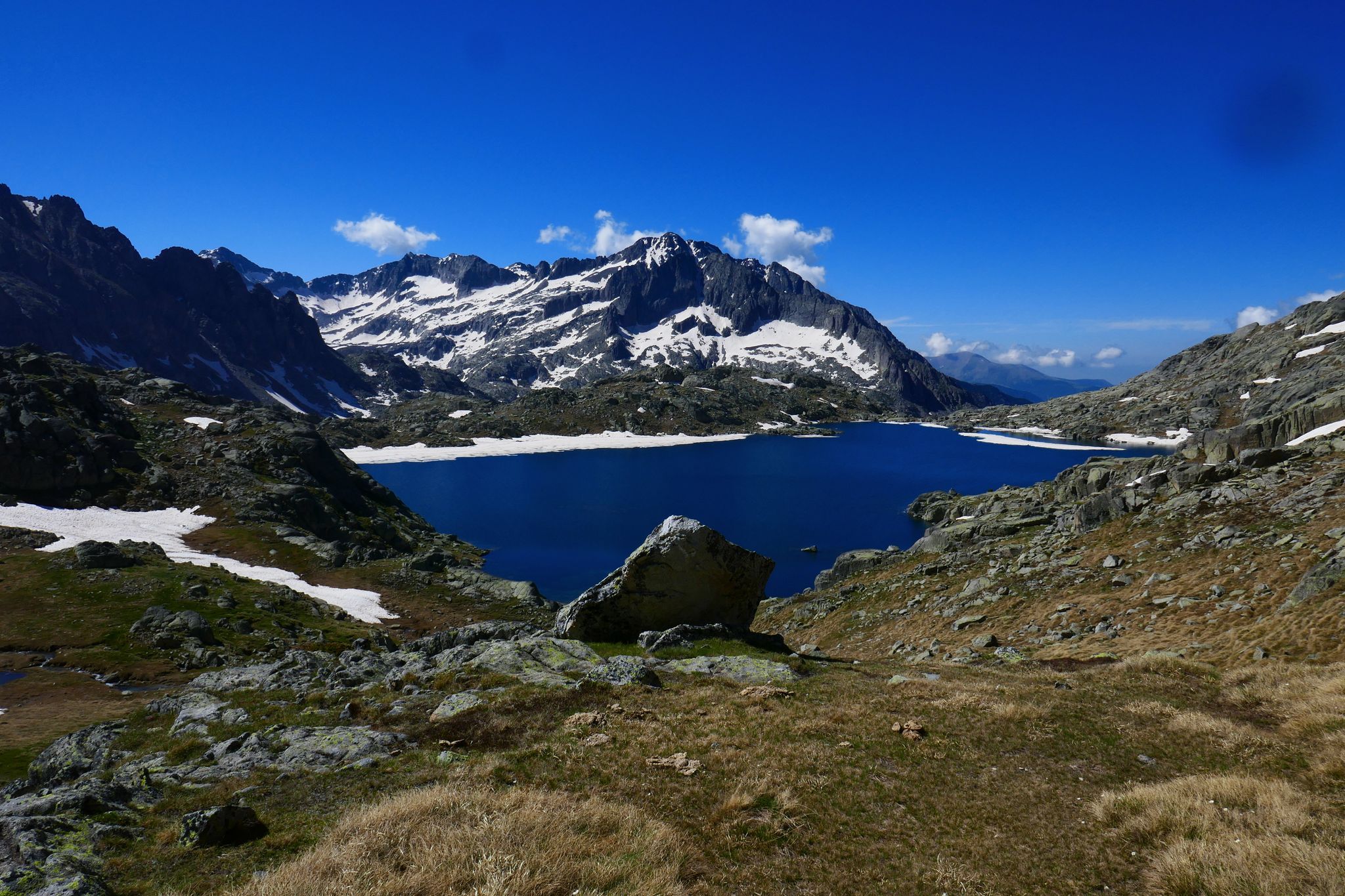
GR 10 – Central Pyrenees crossing the Pyrenees
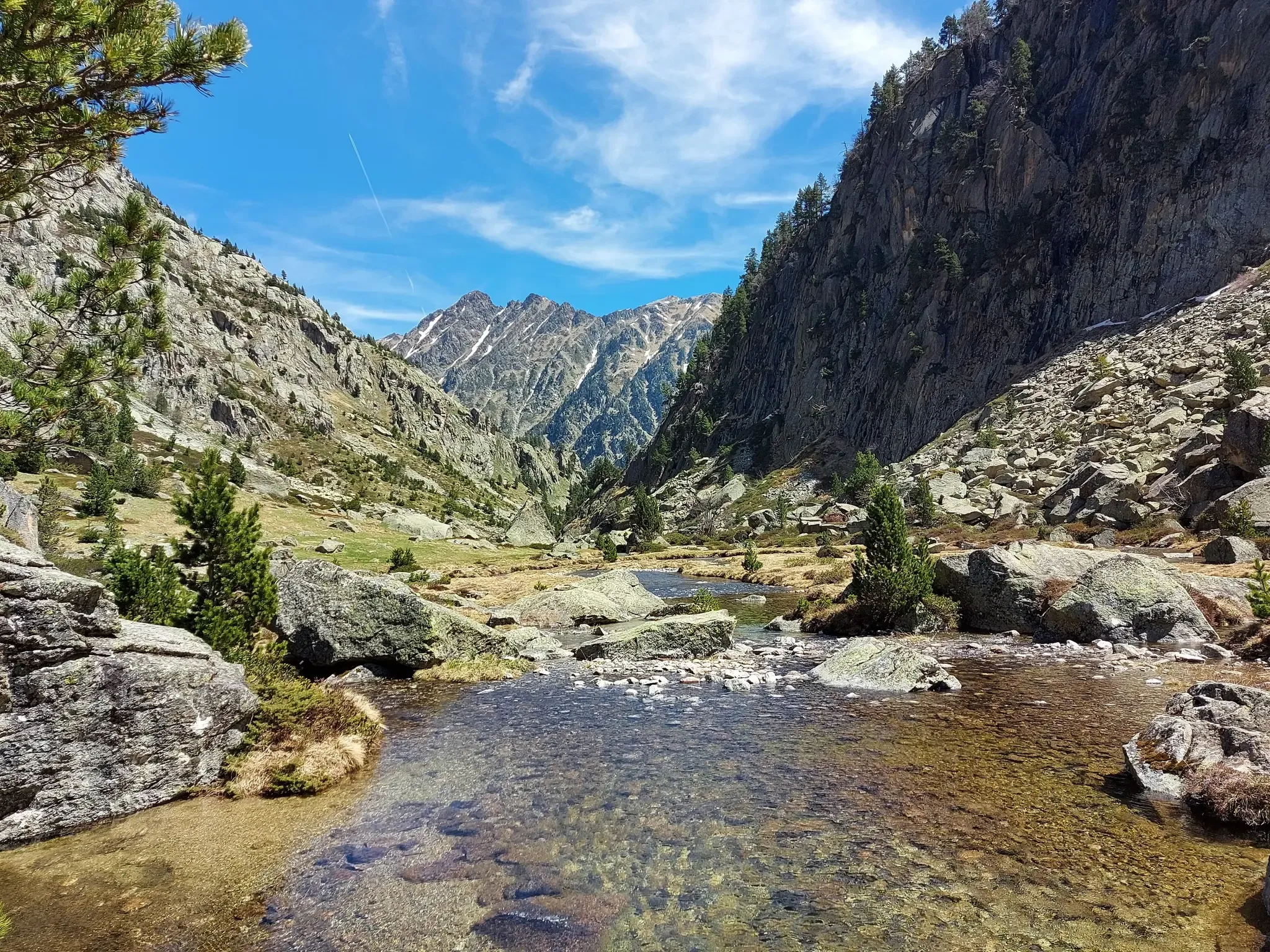
Tour of the Balaïtous – From passes to lakes
Other adventures in the Pyrenees


Tips from the Community

A magnificent spot with the road winding under the rock, running alongside a partially underground stream. It's both breathtaking and peaceful. Plus, there's a starting point for a short walk; I did the beginning and it was lovely: I'd love to come back and do a longer section!
0
0

Access to the foot of the waterfall is dangerous and from the path, you can't see much ☹️
0
0

A beautiful route that follows the route of the pilgrims to the Sanctuary of Santa Orosia from the town of Yebra de Basa. Santa Orosia is a highly venerated saint in the area, she is the patron saint of the city of Jaca, and a large crowd of people from the surrounding towns and other parts of Aragon gathered on her pilgrimage, as she was known to heal the possessed. The Sanctuary dates back to the 17th century, when it was built to accommodate the increase in devotion to the saint. It was built in the place where tradition places the martyrdom of Santa Orosia. The route is marked by small hermitages through a landscape that goes from the initial marls to a humid area with vegetation sheltered by the Santa Orosia ravine in its highest area.
1
0

Hammerhead Cave.. Impressive cavity In the course of the Vero River🏞️🤩
0
0

Beautiful cave hall with small side passages.
3
0

A few steps behind the Witch Museum is the entrance to the Witches' Cave "Las Cuevas de Zugarramurdi". The cave is impressive. You can walk in and around the cave to see viewpoints, waterfalls, bridges, etc. You can expect a visit of 60-90 minutes. The entrance fee is 6 euros (2024), which is not much for a well-preserved cave.
2
0

The Aitzondo waterfall is located in the Aiako Harria natural park, at the western end of the Pyrenees. This waterfall is one of the largest in Guipuzcoa, with a drop of 140 meters that ends in a small pond.
1
0

Even before reaching the bottom, the views are spectacular.
5
0
Frequently Asked Questions
What types of caves can I explore in the Pyrenees?
The Pyrenees offer a diverse range of caves. You can find ancient archaeological sites with prehistoric art, such as Grotte du Mas-d'Azil, which is also unique for having a road run through it. There are also impressive geological formations like the vast passages of Grotte de Lombrives, and unique underground river systems, such as Labouiche – Rivière Souterraine de Labouiche, which you explore by boat.
Are there caves in the Pyrenees known for prehistoric art?
Yes, the Pyrenees are renowned for their prehistoric art caves. Notable examples include Grotte de Niaux, which houses some of Europe's finest cave art with detailed drawings of bison and horses, and Grotte du Mas-d'Azil, where significant Magdalenian artifacts were discovered. Grotte de Bedeilhac also features Paleolithic animal paintings.
Which caves offer unique geological formations or experiences?
For unique geological formations, Gouffre d'Esparros, known as the 'Crystal Garden,' is famous for its exceptional aragonite formations. Grottes de Bétharram offers a multi-modal exploration, combining walking, a boat ride on an underground river, and a train journey. Grotte de Lombrives is notable for its immense chambers and being one of the largest caves open to the public in France.
Are there any family-friendly caves in the Pyrenees?
Many caves in the Pyrenees are suitable for families. Grottes de Bétharram, with its varied modes of transport (walking, boat, train), makes for a dynamic and memorable tour. Fontestorbes, with its curious intermittent spring, is also particularly engaging for children. Grotte du Mas-d'Azil offers a museum detailing its rich prehistoric importance after driving through a section of the cave.
What is the best time to visit the caves in the Pyrenees?
Most caves in the Pyrenees are open during the warmer months, typically from spring to autumn. Some, like Grottes de Bétharram, maintain a constant temperature of around 14°C year-round, making them a good option even on hot summer days. It's always advisable to check specific opening hours and seasonal considerations for each cave before planning your visit.
Can I explore underground rivers in the Pyrenees caves?
Absolutely. Labouiche – Rivière Souterraine de Labouiche is known as the longest navigable underground river in Europe, offering boat tours through its passages. Grottes de Bétharram also includes a boat ride on an underground river as part of its unique multi-modal tour.
Are there any caves with historical significance beyond prehistory?
Yes, some caves have more recent historical connections. Grotte de Bedeilhac was notably used during World War II for maintaining German airplanes, with relics from this period still present. The Russell Caves, though man-made, offer a fascinating glimpse into the history of Pyrenean mountaineering, created by Count Henry Russell as high-altitude shelters.
What are some practical considerations for visiting caves in the Pyrenees?
Many caves, especially those with delicate art or formations, have strictly controlled access and limited visitor numbers to ensure preservation. Tours often involve walking on uneven terrain, and some require specific gear like good lighting, as mentioned for Grotte du Mas-d'Azil. It's recommended to check the specific requirements and book tickets in advance for popular sites.
Are there any spiritual or folklore-rich caves in the Pyrenees?
Yes, the Pyrenees are home to caves with rich folklore and spiritual significance. Zugarramurdi Cave is famously known as 'the witches' cave' due to its association with historical witch trials. San Juan Xar Cave Shrine is a spiritual sanctuary where a fountain's three jets of water are believed to have miraculous healing powers.
What outdoor activities can I do near the caves in the Pyrenees?
The Pyrenees region offers numerous outdoor activities. You can find excellent MTB trails, with routes like 'Bajo Peñas' and 'San Vicente Trilogy'. There are also great options for gravel biking, including tours from Olot through the Garrotxa natural park. For general cycling, you can tackle iconic climbs like Col du Tourmalet or enjoy scenic routes like the Corniche Basque Loop.
Are there any high-altitude caves with archaeological findings?
Yes, Forat de l'Embut Cave in the Pyrénées-Orientales, Spain, is located at an altitude of 2,235 meters. It is the highest prehistoric cave in the Pyrenees with evidence of human occupation, including malachite manipulation and artifacts from the lithic industry, ceramics, and bones dating back over 5,500 years.
Most popular routes in the Pyrenees
Most popular attractions in the Pyrenees

Get inspired with the komoot mobile app


Explore more
Extend your search for the best caves by checking out these guides of the top ones in the Pyrenees:
