Top 20 Caves in Croatia
Caves in Croatia are a prominent feature of the country's diverse karst landscape, offering unique geological formations and historical insights. These natural wonders showcase impressive speleothems, underground lakes, and evidence of ancient life. The varied terrain across Croatia provides a range of cave exploration opportunities. Many caves are accessible for guided tours, revealing the subterranean beauty of the region.
Best caves in Croatia
- The most popular caves include Baredine Cave, a cave that features five chambers with dripstone formations and an underground lake. It offers a distinctive underground experience with impressive geological formations and the chance to see unique cave-dwelling amphibians.
- Another must-see spot is Šupljara Cave, a cave located near the Plitvice Lakes. This cave is known for its connection to historical narratives and its natural setting above a lake.
- Visitors also love Manita Peć Cave, a cave that offers an intermediate exploration experience. It is a natural monument worth visiting for its geological features.
- Croatia is known for sea caves, karst caves, and caves with significant paleontological findings. The country offers a variety of caves to see and explore, from those with ancient human traces to those with unique aquatic life.
- The caves in Croatia are appreciated by the komoot community, with 115 highlights, 149 photos, and 315 upvotes from visitors.
Last updated: October 4, 2026
Pirate Cave Bar at Lim Bay
Highlight • Cafe
One of these stories is often told on the Croatian Adriatic. On the northern cliffs of the Limski Canal, where the sea pushes inland in a narrow gorge between Poreč and Rovinji, there are caves that were a popular hiding place for pirates in past centuries. A cave that was already a filming location for the Winnetou films and the Hollywood film "The Vikings" with Kirk Douglas and Tony Curtis and is therefore particularly exploited by tourists is said to have also served as a refuge for Henry Morgan.
If you would like to find out more about the pirate Morgan:
de.wikipedia.org/wiki/Henry_Morgan
Translated by Google •
Tip by

Zarečki Krov Waterfalls and Cave
Highlight • Waterfall
Translated by Google •
Tip by

Sign up now to discover places like this
Get recommendations on the best single tracks, peaks, & plenty of other exciting outdoor places.
Zrinski Mine
Highlight • Historical Site
Near the Grafičar mountain lodge, there is an area called Rudarski vrt or Miners’ Garden, a site where mining of precious metals represented one of the key human activities since ancient times. The Zrinski mine became operational in the 16th century, when galena ore as a source of silver was found in the area of Rudarski vrt. As a result, miners started digging tunnels through the subterranean world of Medvednica in their search for this precious metal. Work in the mine was extremely hard, with thirty or so miners manually extracting valuable ore in shifts that lasted ten to twelve hours, using nothing but hammers, wedges, picks and shovels in the process, as the dark tunnels of the mine were lit only by the flickering light of oil lamps and wax candles.
Despite their immense efforts, this mine never provided particularly abundant yield: it took as much as one ton of galena to obtain only half a kilo of silver! That is why the owners of the mine, members of the Zrinski family, stopped production in the mine already in the mid-17th century, leaving the mysterious underground of Medvednica to moisture, darkness and underground creatures. From time to time, the tranquility of the mine would be disturbed only by an occasional rockslide in abandoned tunnels. It was only in 2004 that the staff of the Medvednica Nature Park adapted the mine for visits. Since then, tunnels in the mine have been quite busy, as numerous visitors with colorful protection helmets listen to stories of hard work in the mine told by guides. Visitors can listen to conversations between miners and their manager (bergmeister) about an accident that just happened, as they watch wooden sculptures of miners, explore the site immersed in the sound of water drops and hammers hitting the rock, and touch the tools used in the mine at that time, in deep respect for the toil of miners.
Due to its inherent value, the Zrinski mine earned the status of protected cultural heritage of the Republic of Croatia in 2006. Deeply respectful towards the generations of miners and everything that they have achieved, we invite you to visit their mine and to discover a small portion of its secrets.
Length: 150 m
Tip by

Horvat's Stairs
Highlight • Trail
Translated by Google •
Tip by

Manita Peć Cave
Highlight • Cave
np-paklenica.hr/de/was-zu-besuchen/die-h%C3%B6hle-manita-pe%C4%87
Showing Translation
Tip by

Sveti Nikola (628 m)
Highlight • Summit
Translated by Google •
Tip by

Baredine Cave
Highlight • Cave
+++I had almost no waiting time, it's well organized group by group, but separated by language, down
Translated by Google •
Tip by

Ex-Yugoslav Military Bunker and Gun Emplacements, Murter
Highlight • Historical Site
Translated by Google •
Tip by

Raduč Bunkers
Highlight • Monument
The underground, accessible connecting passages run through half the mountain.
The 'entrance is in the basement of a nondescript house on top of the mountain.
Definitely worth seeing.
Attention, the tunnels are not illuminated, a flashlight or mobile phone is essential.
Translated by Google •
Tip by

Veternica Cave
Highlight • Cave
It is 7,128 m long; the first 380 m of the cave is open to visitors. It was named after the air current (Kajkavian: veter) that appears at the entrance. The entrance to the cave lies at an absolute height of 320 m.
Translated by Google •
Tip by

Sign up for free to discover even more caves in Croatia.
Already have an account?
Start today with a free account
Your next adventure awaits.
Popular around Croatia
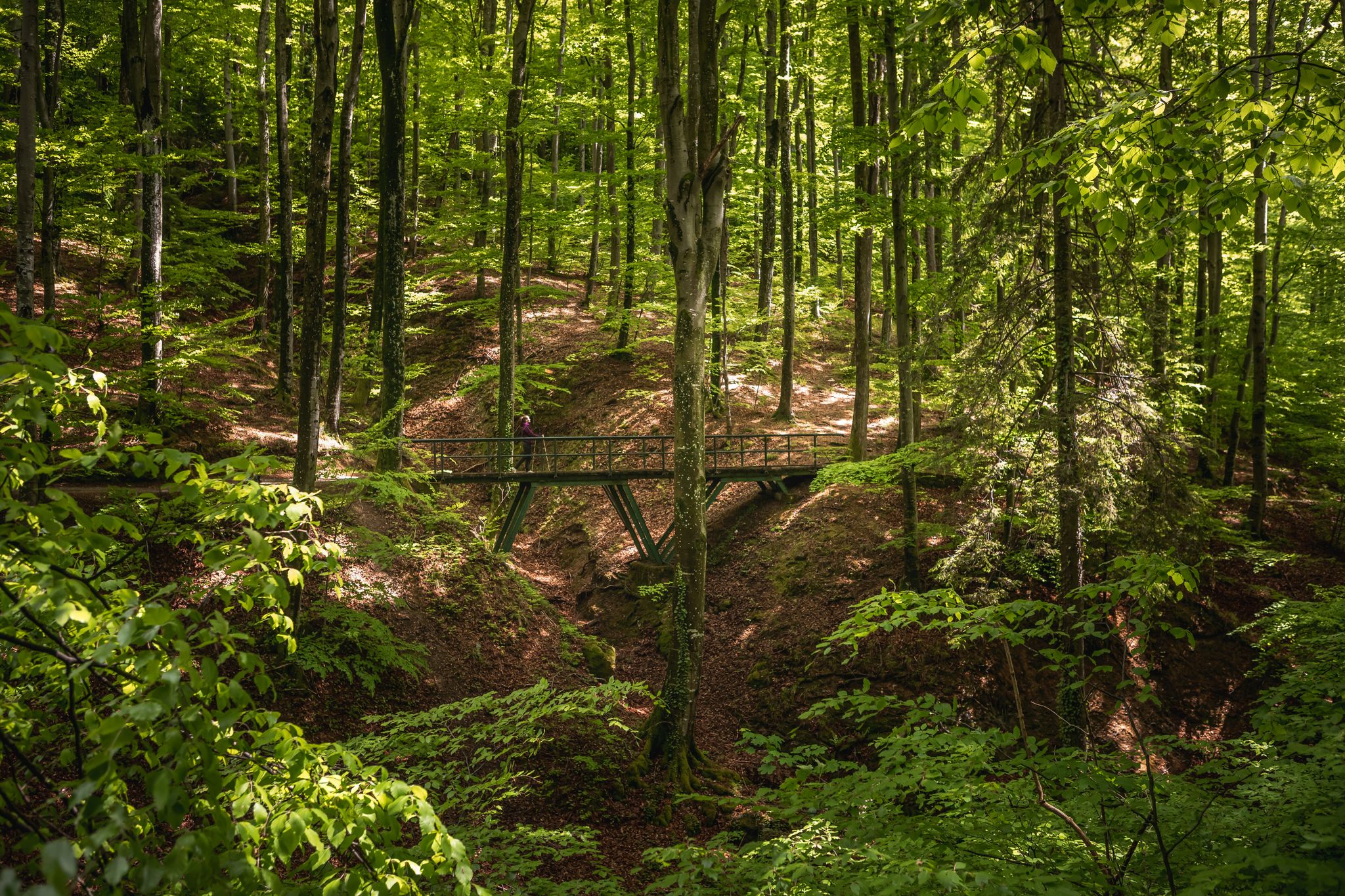
Discover the wild side of Zagreb – Medvednica Transversal
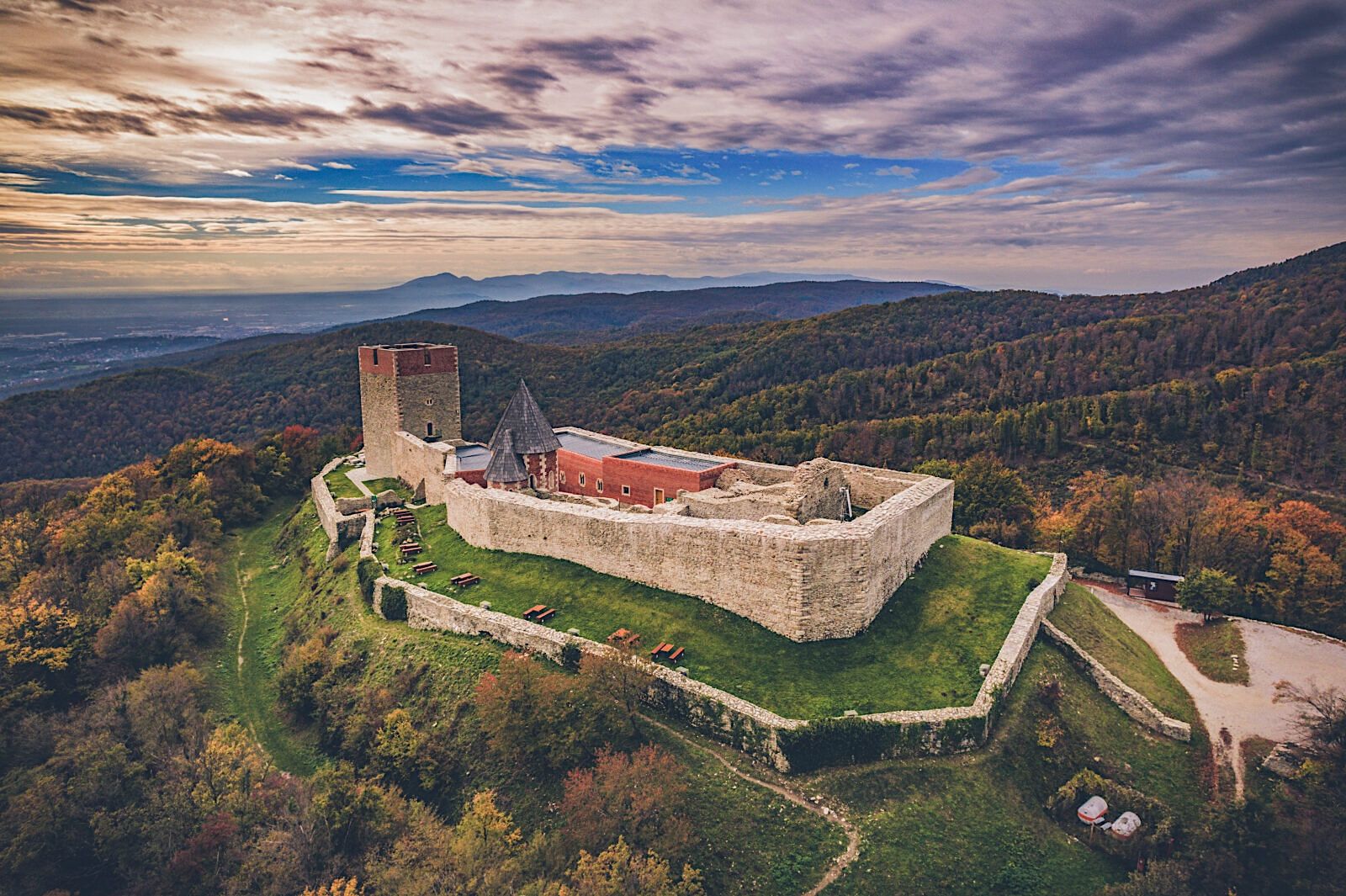
Medvednica Nature Park – the most scenic hikes above Zagreb
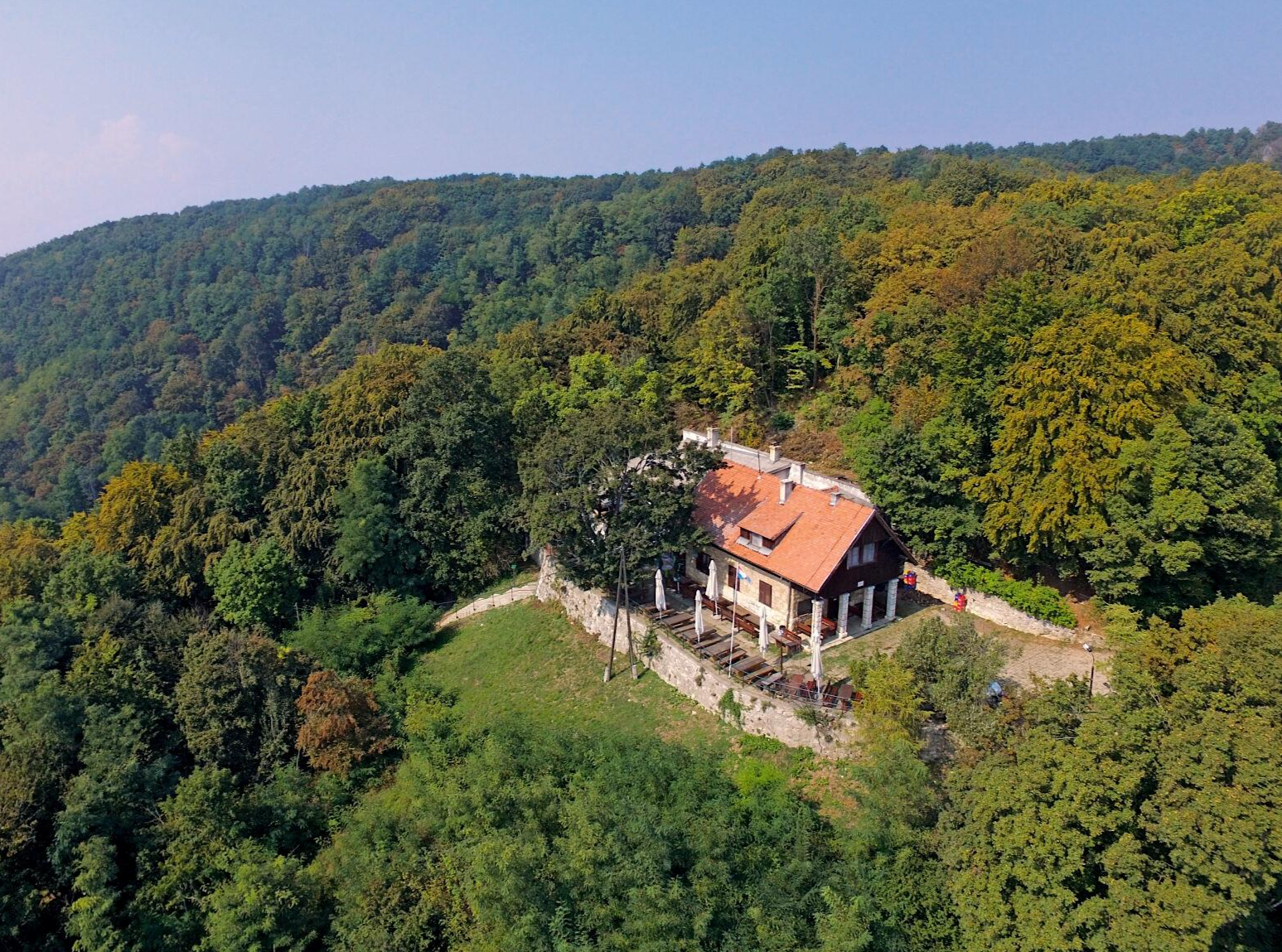
Medvednica Nature Park – beautiful day hikes to mountain huts

Triathlon 360 – my journey around the world
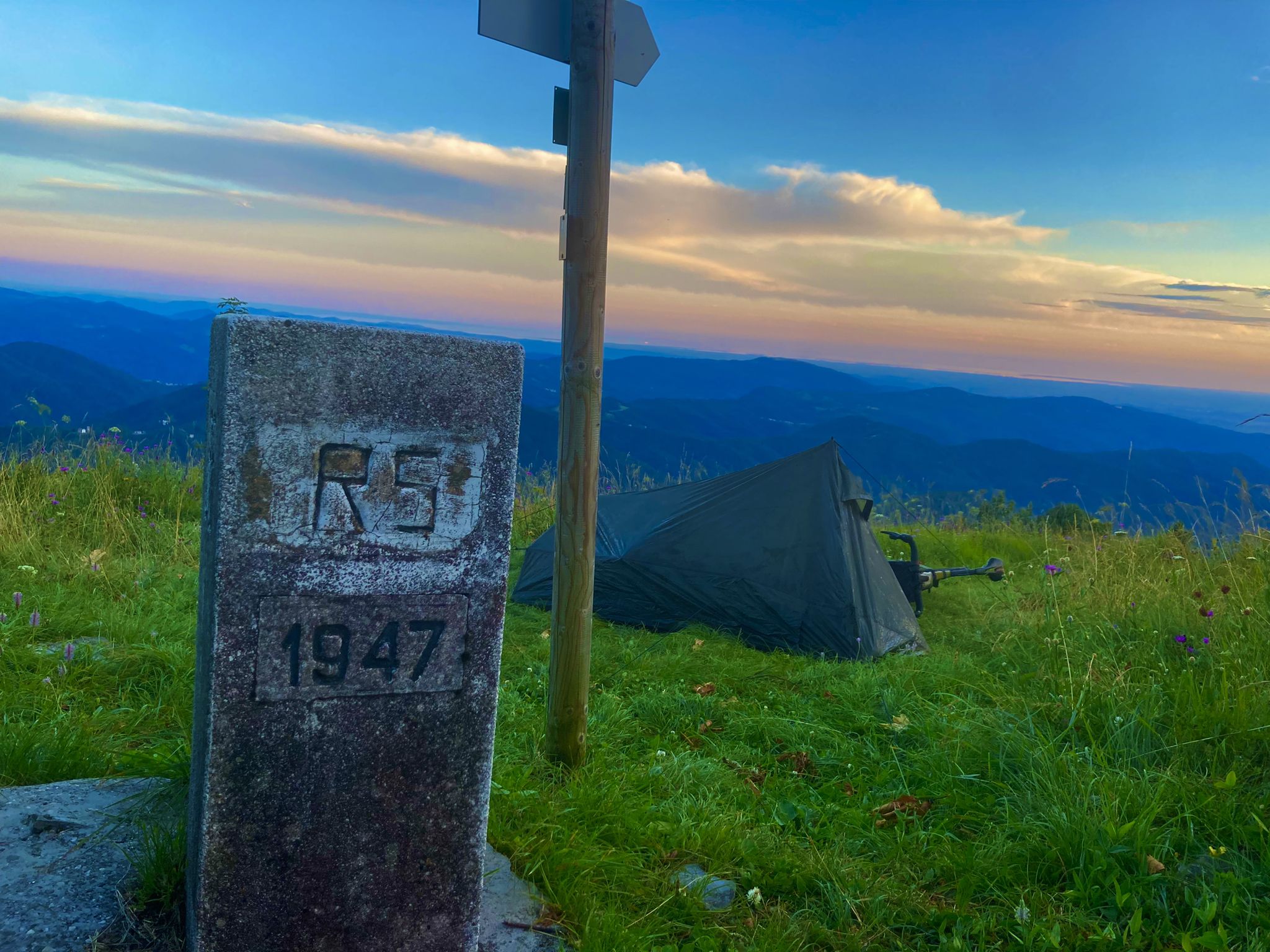
From Bavaria to the Adriatic - My Bikepacking Adventure to Croatia 2023

EuroVelo 9 – The Amber Route from the Baltic to Adriatic Sea

Slovenian mountains to island hopping around the Adriatic Crest
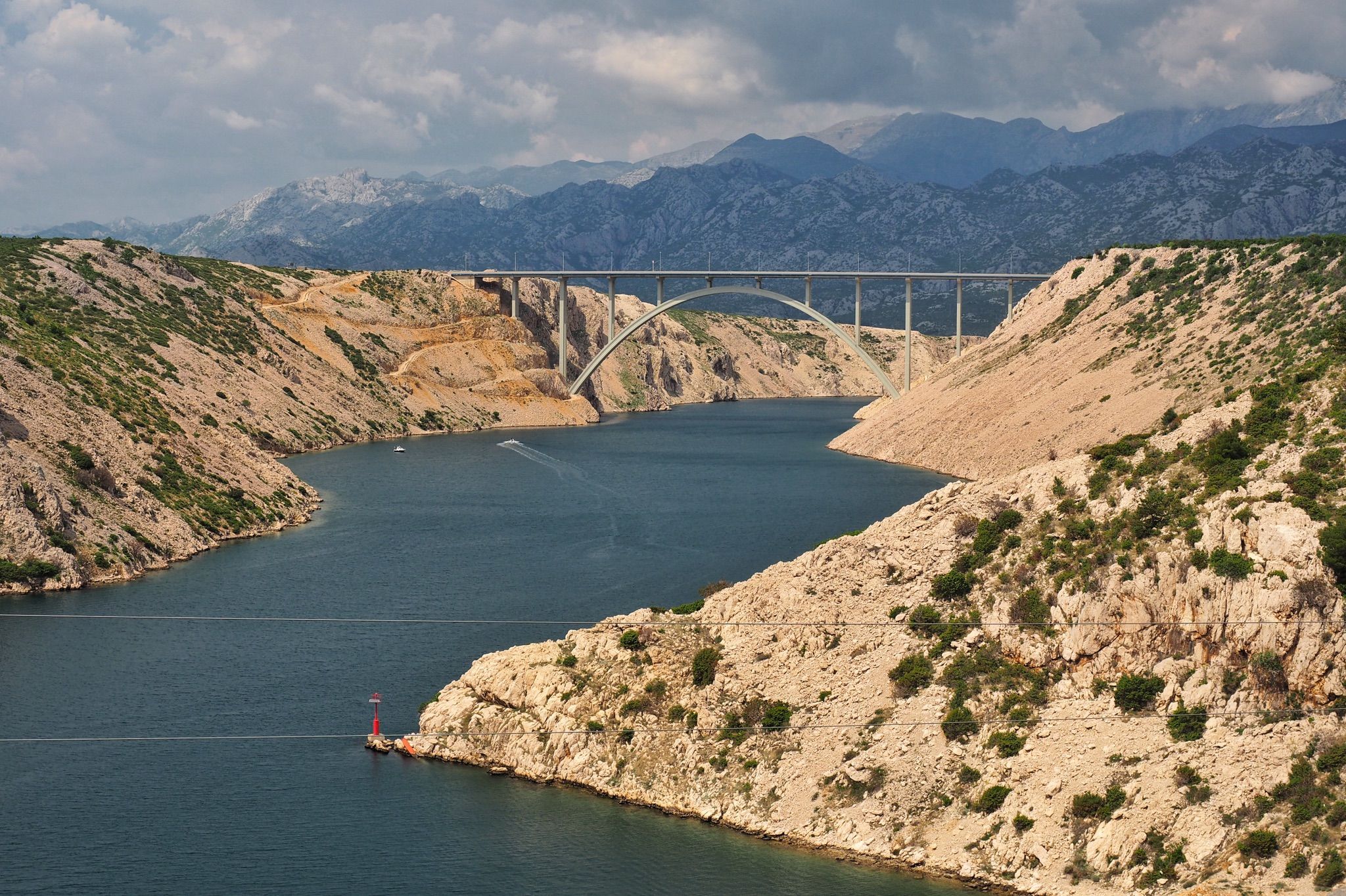
The Dinaric Alps – explore the Adriatic Sea in a different way
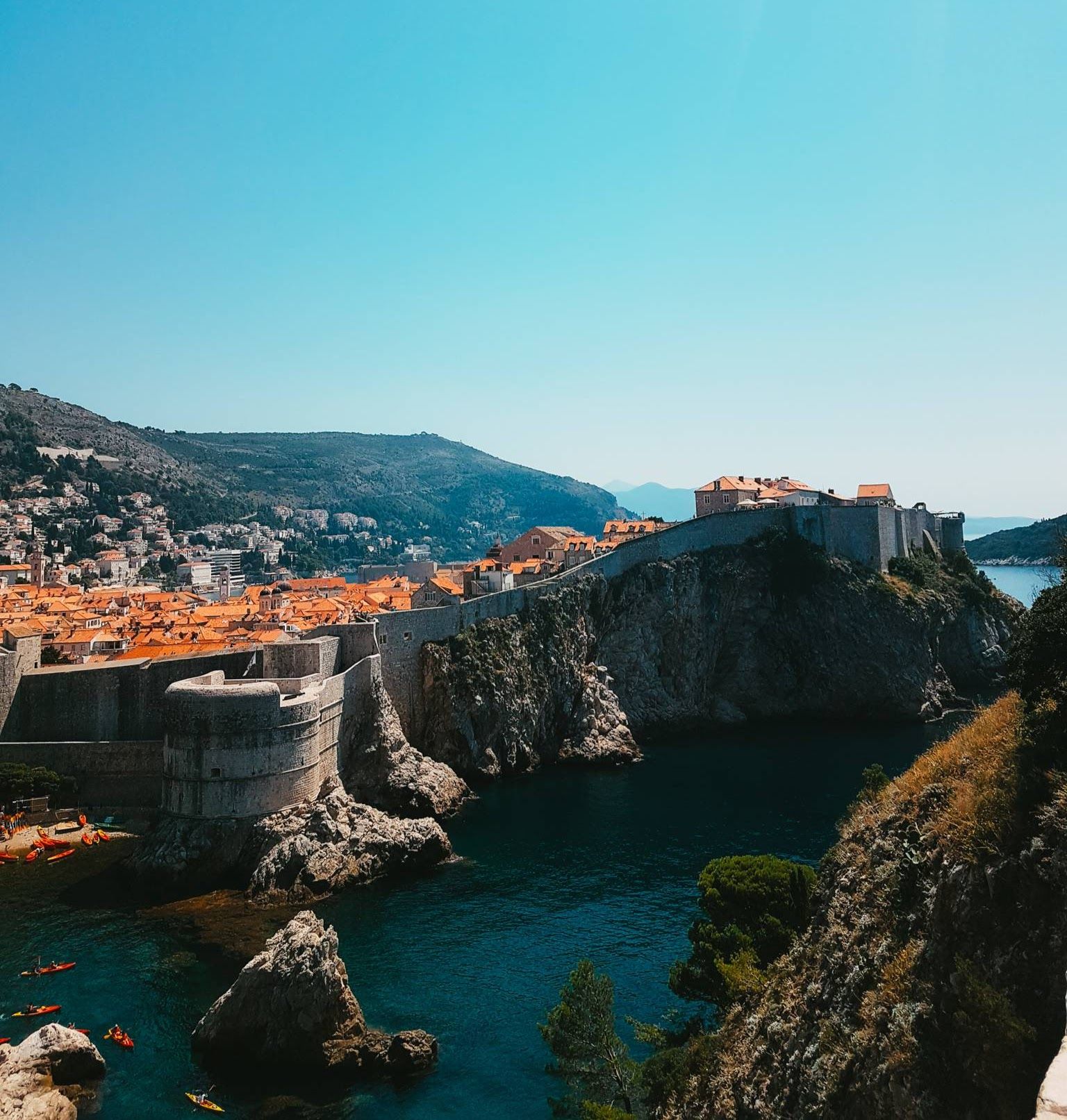
The Ciro Trail — Along the railtrail from Mostar to Dubrovnik
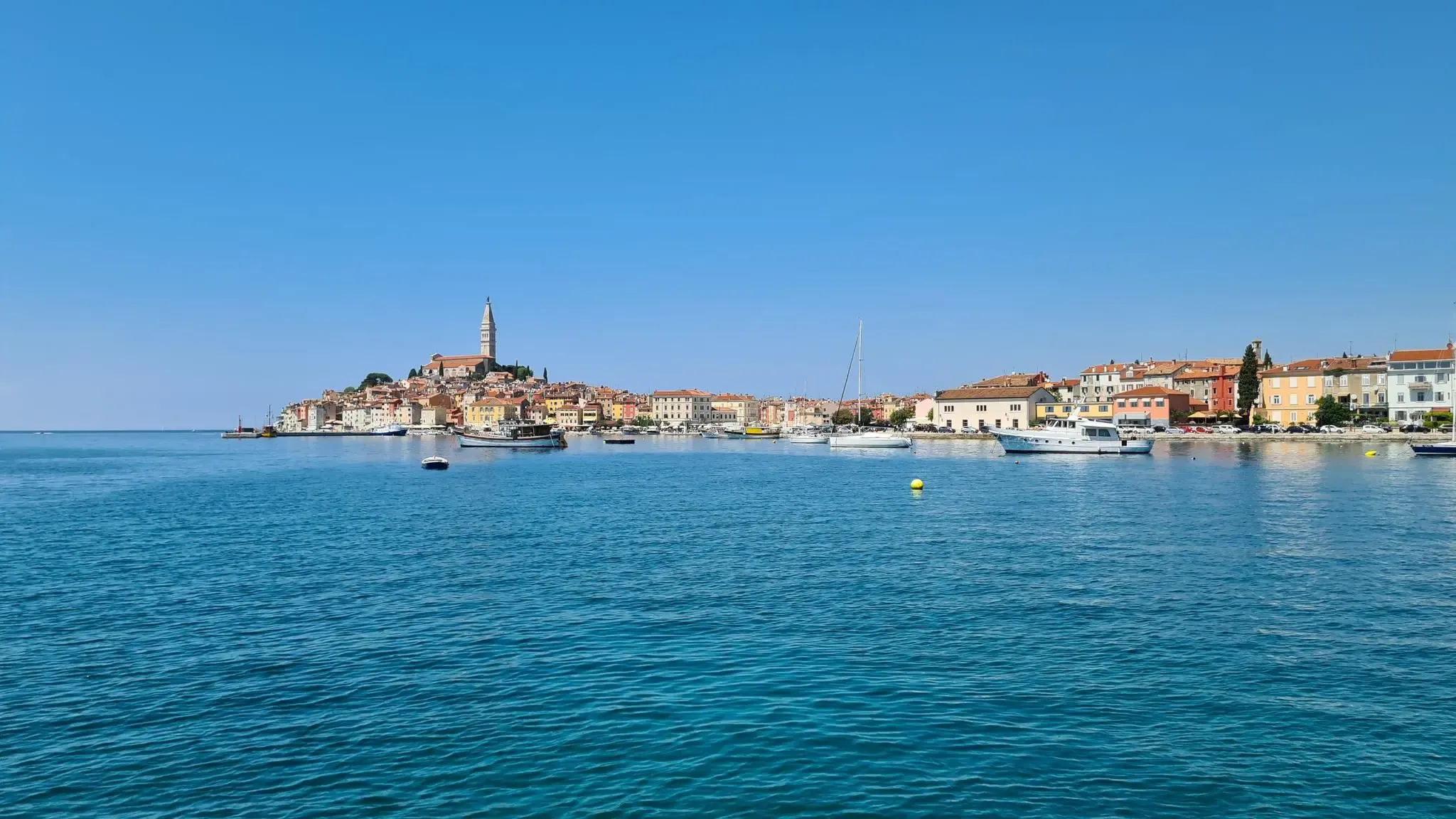
From Istria to Dubrovnik – Experience Croatia's Adriatic Coast from the Saddle
Other adventures in Croatia


Tips from the Community

Manita Peć is the only cave in Paklenica National Park that is open and accessible to visitors. Its entrance is located at 570 meters on the north wall of the Paklenica canyon. It has been accessible to visitors since 1937. It impresses with a high dome and diverse stalagmite formations that have grown over centuries. Guided tours through the cave should be registered at the national park entrance. Opening hours vary, so you should plan your visit. More information can be found here: np-paklenica.hr/de/was-zu-besuchen/die-h%C3%B6hle-manita-pe%C4%87
1
0

It's wonderful to swim here. Some even dare to jump from the cliff.
0
0

A great cave. The entrance fee is €5, but there's only a limited viewing window, from 10:00 AM to 1:00 PM on opening days. You should inquire at the national park entrance before climbing.
9
0

Great location with beautiful views of the Kornati Islands. The former military bunkers are freely accessible. Be sure to bring a good flashlight and some courage, then you can walk the corridor from the central bunker in the middle of the hill to the two bunkers in front on the sea side. 🔦🧟♂️😱
1
0
Great location with beautiful views of Murter, the mainland, and the Kornati Islands. The former military bunkers are freely accessible. Be sure to bring a good flashlight and some courage, then you can walk the corridor from the central bunker in the middle of the hill to the two bunkers in front on the sea side. 🔦🧟♂️😱
2
0

About a hundred meters below the largest and best-preserved medieval castle in Istria, you'll find the Pazinčica, Istria's largest underground river. The river's gorge represents the most significant example of karst evolution in Istria and its surrounding area. Along its course, the river forms numerous small waterfalls, the most interesting of which are the Pazinski and Zarečki Krov. The Pazinčica River resurfaces as the Raša River.
0
0

Easy to reach with the signposts, no equipment required, but there isn't much shade and quite a lot of sun, so best to pack a hat, sunscreen and plenty of water!
1
0

Zrinski Mine Opened in the 16th Century _______________ In the 16th century, galena, which contained silver as an admixture, was found in the Ruadrski Vrt area. Soon after, mining began on Medvednica, and hardworking miners worked 10 to 12 hours a day – using hammers, wedges, picks and shovels. The Zrinski family stopped mining in the mid-17th century because they were not satisfied with the results – a ton of galena had to be mined for half a kilogram of silver. Until 2004, the mine was abandoned and inhabited by underground creatures – when it was finally restored.
0
0
Frequently Asked Questions
Which caves in Croatia are suitable for families with children?
Several caves in Croatia offer family-friendly experiences. Baredine Cave on the Istrian Peninsula is a great option, known for its impressive formations and the unique cave olm. Near Plitvice Lakes National Park, Barać Caves also provide engaging guided tours for all ages. Additionally, Sopot Waterfall and Cave Swimming Area offers a unique experience where families can swim near a waterfall and explore a cave.
What kind of natural features can I expect to see in Croatian caves?
Croatian caves are rich in diverse natural features. You can expect to see stunning speleothems like stalactites, stalagmites, columns, and flowstone formations, as found in Cerovac Caves and Grabovača Cave. Many caves also feature underground lakes, such as Baredine Cave, and some, like the Blue Cave, are sea caves known for unique aquatic light phenomena.
Are there any caves in Croatia with significant historical or archaeological findings?
Yes, Croatia's caves offer fascinating historical and archaeological insights. Cerovac Caves are notable for prehistoric findings and extensive cave bear remains. Barać Caves have yielded over 100,000 animal bone remains from the Ice Age, alongside ancient human artifacts. Veternica Cave near Zagreb is particularly rich, with evidence of Neanderthal life, Roman soldiers, and medieval bandits, as well as paleontological discoveries.
What is the best time of year to visit caves in Croatia?
The best time to visit Croatian caves generally depends on the cave type. Sea caves like the Blue Cave are best visited during warmer months (late spring to early autumn) for optimal light conditions and boat access. Inland caves often maintain a constant cool temperature year-round, making them suitable for exploration even in summer when they offer a refreshing escape from the heat. Always check specific cave opening hours, as some may have seasonal closures.
What should I wear when exploring caves in Croatia?
When visiting Croatian caves, it's advisable to wear comfortable, sturdy shoes with good grip, as paths can be wet and uneven. Even in summer, caves maintain a cool temperature, typically around 10-14°C (50-57°F), so bringing a light jacket or sweater is recommended. Some sea caves may involve boat tours, where swimwear might be appropriate if swimming is allowed.
Are there any unique or mythological caves in Croatia?
Croatia is home to several unique caves, including those with mythological ties. Odysseus Cave on Mljet Island is famously linked to Homer's epic, where legend says Odysseus spent seven years with the nymph Calypso. This sea cave is known for its collapsed vault, creating a well-like appearance and a natural tunnel to the sea. The Blue Cave (Modra Špilja) on Biševo Island is unique for its ethereal blue glow, a natural phenomenon created by sunlight filtering through an underwater opening.
Can I find any military or historical bunkers that incorporate caves in Croatia?
Yes, Croatia's karst landscape has been utilized for military purposes. For example, the Ex-Yugoslav Military Bunker and Gun Emplacements, Murter, integrates natural cave features into its structure, offering a challenging exploration for those interested in military history combined with natural formations.
Are there opportunities for outdoor activities like hiking or cycling near Croatian caves?
Many caves in Croatia are situated within or near areas popular for outdoor activities. For instance, Veternica Cave is located in Medvednica Nature Park, offering numerous hiking trails. The region around caves like Barać Caves is close to Plitvice Lakes National Park, which has extensive hiking opportunities. You can find various routes for hiking, mountain biking, and cycling across Croatia. For more details on routes, explore the Easy hikes in Croatia, MTB Trails in Croatia, and Cycling in Croatia guides.
Which caves are known for their impressive rock formations and speleothems?
Croatia boasts several caves renowned for their spectacular rock formations. Cerovac Caves, located in the Velebit region, are among the most significant, extending over 4 kilometers with diverse speleothems. Grabovača Cave in Lika also features an exceptional combination of stalactites, stalagmites, columns, and curtains. Vranjača Cave near Split is known for its impressive rock formations and rich dripstone forms across five chambers.
Are there any caves in Croatia that are easily accessible for casual explorers?
Yes, some Croatian caves are particularly accessible. Biserujka Cave on Krk Island is known for its easy accessibility and beautifully lit chambers, making it a favored destination for casual explorers and families. Baredine Cave also offers well-organized guided tours with good accessibility for visitors.
What kind of wildlife can be found in Croatian caves?
Croatian caves are home to unique cave-dwelling wildlife. The most famous is the endemic cave olm (Proteus anguinus), a unique amphibian found in underground lakes, notably in Baredine Cave. Many caves, such as Veternica Cave and Grabovača Cave, also serve as important habitats for various bat species and other specialized cave-dwelling invertebrates.
Are there any caves near the Plitvice Lakes National Park?
Yes, there are notable caves near Plitvice Lakes National Park. Barać Caves are situated close by and offer magnificent chambers with stalactites and stalagmites, along with significant archaeological findings. Additionally, Šupljara Cave is located directly within the Plitvice Lakes area, known for its natural setting above a lake and historical narratives.
Most popular routes in Croatia
Most popular attractions in Croatia

Get inspired with the komoot mobile app


Didn’t find what you were looking for?
Discover more caves in Croatia region by region:
Explore more
Extend your search for the best caves by checking out these guides of the top ones in Croatia:
