Top 20 Natural Monuments in Alsace
Natural monuments in Alsace showcase a diverse landscape, from glacial lakes nestled in the Vosges Mountains to expansive regional nature parks. The region features varied terrain, including high peaks, dense forests, and river systems. Alsace's natural features provide opportunities for outdoor activities and offer insights into its geological and ecological characteristics.
Best natural monuments in Alsace
- The most popular natural monuments is Lac Blanc, a lake that is beautifully surrounded by mountains. This large mountain lake has an adjoining…
Last updated: September 29, 2026
Hohenbourg Castle
Highlight • Viewpoint
Translated by Google •
Tip by

Istein Rapids
Highlight • River
Translated by Google •
Tip by

Sign up now to discover places like this
Get recommendations on the best single tracks, peaks, & plenty of other exciting outdoor places.
Lac Blanc
Highlight • Lake
Translated by Google •
Tip by

Ferme Auberge du Frankenthal
Highlight • Summit
See also: frankenthal.pagesperso-orange.fr/de_accueil.html
Translated by Google •
Tip by

Fleckenstein Castle
Highlight • Castle
Translated by Google •
Tip by

Grand Ballon
Highlight • Summit
Translated by Google •
Tip by

Viewpoint
Highlight • Viewpoint
The pass road or the view of the valley is worth a break.
Translated by Google •
Tip by
Waterfall on Sentier des Roches
Highlight • Waterfall
Tip by

Black Lake
Highlight • Lake
Translated by Google •
Tip by

Le Tanet Summit
Highlight • Summit
Tip by
Sign up for free to discover even more natural monuments in Alsace.
Already have an account?
Start today with a free account
Your next adventure awaits.
Popular around Alsace
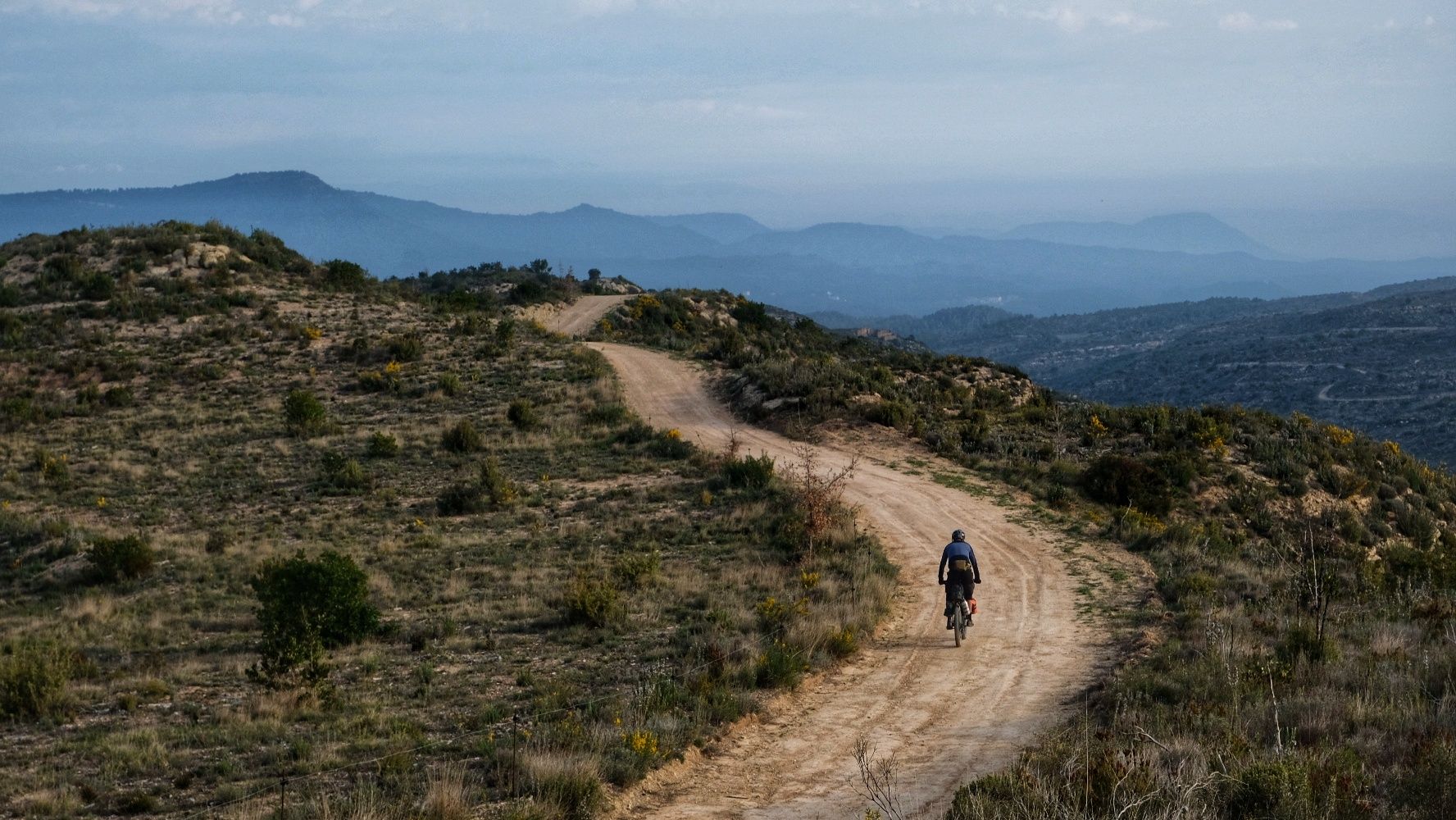
European Divide Trail — 7,600 km across the continent
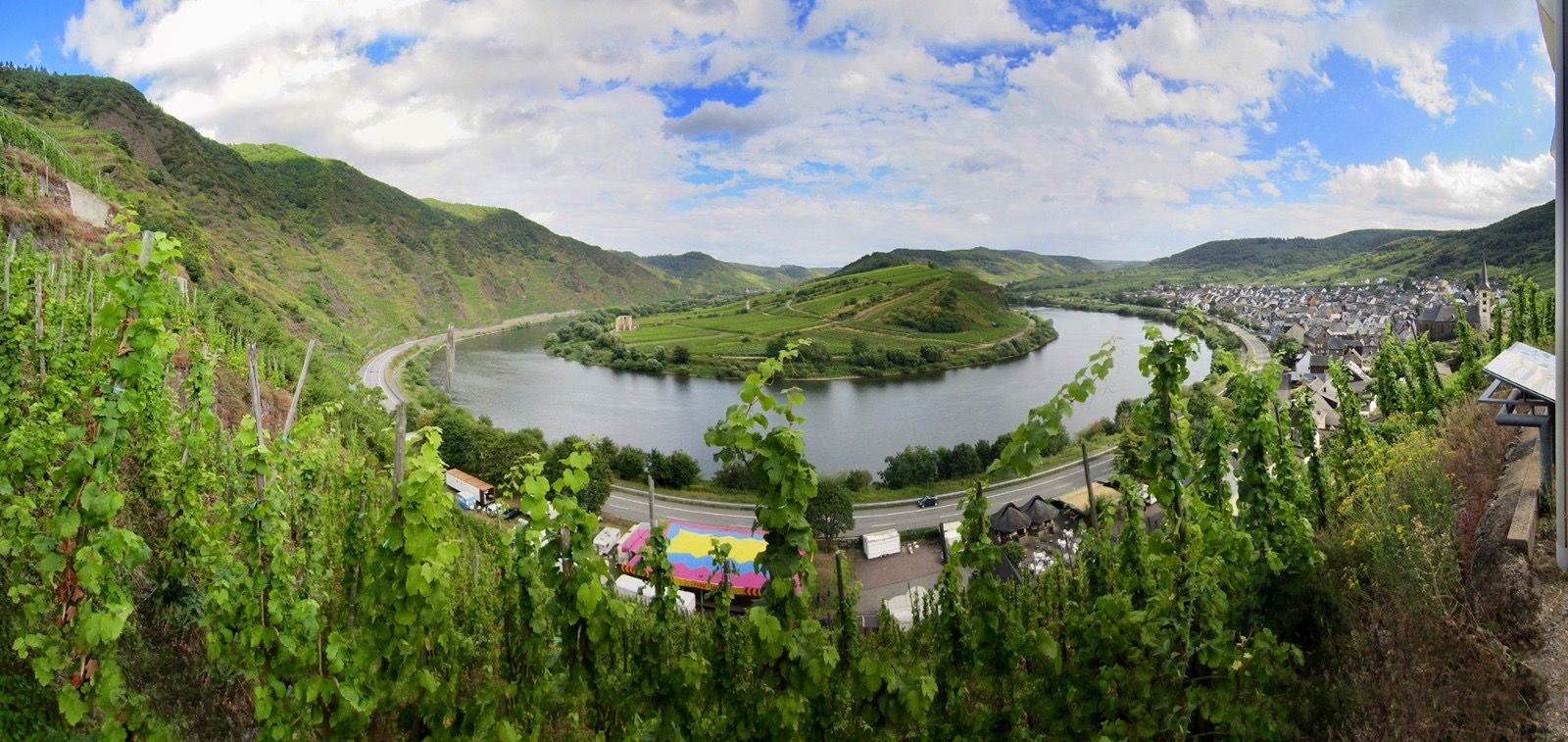
The Moselle cycle path — from the Vosges to the Rhine in 18 stages
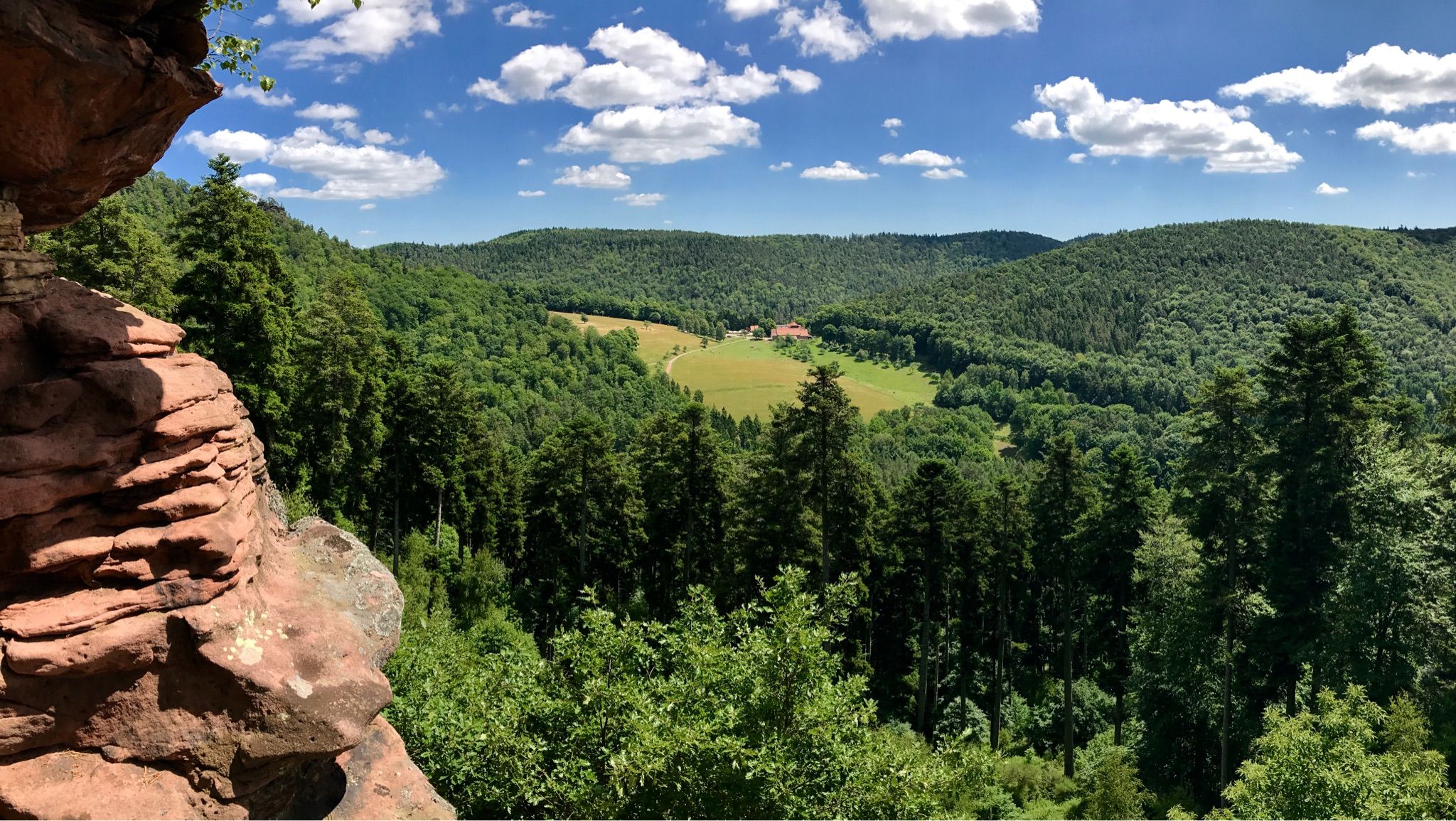
Hike the GR 53 – Explore castles along the Franco-German border
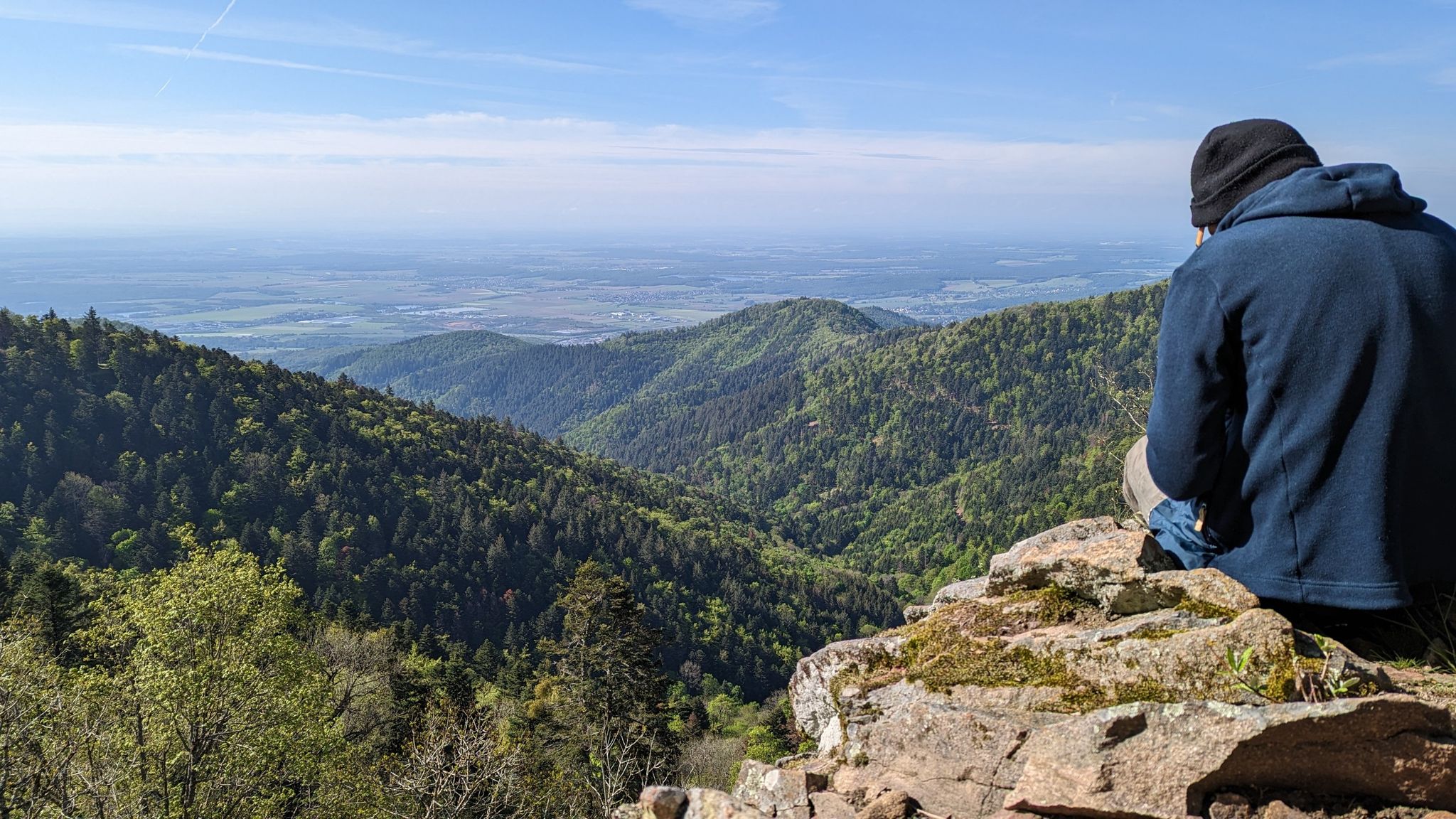
Sentier de l'Europe (GR 5) – Montbéliard to Abreschviller
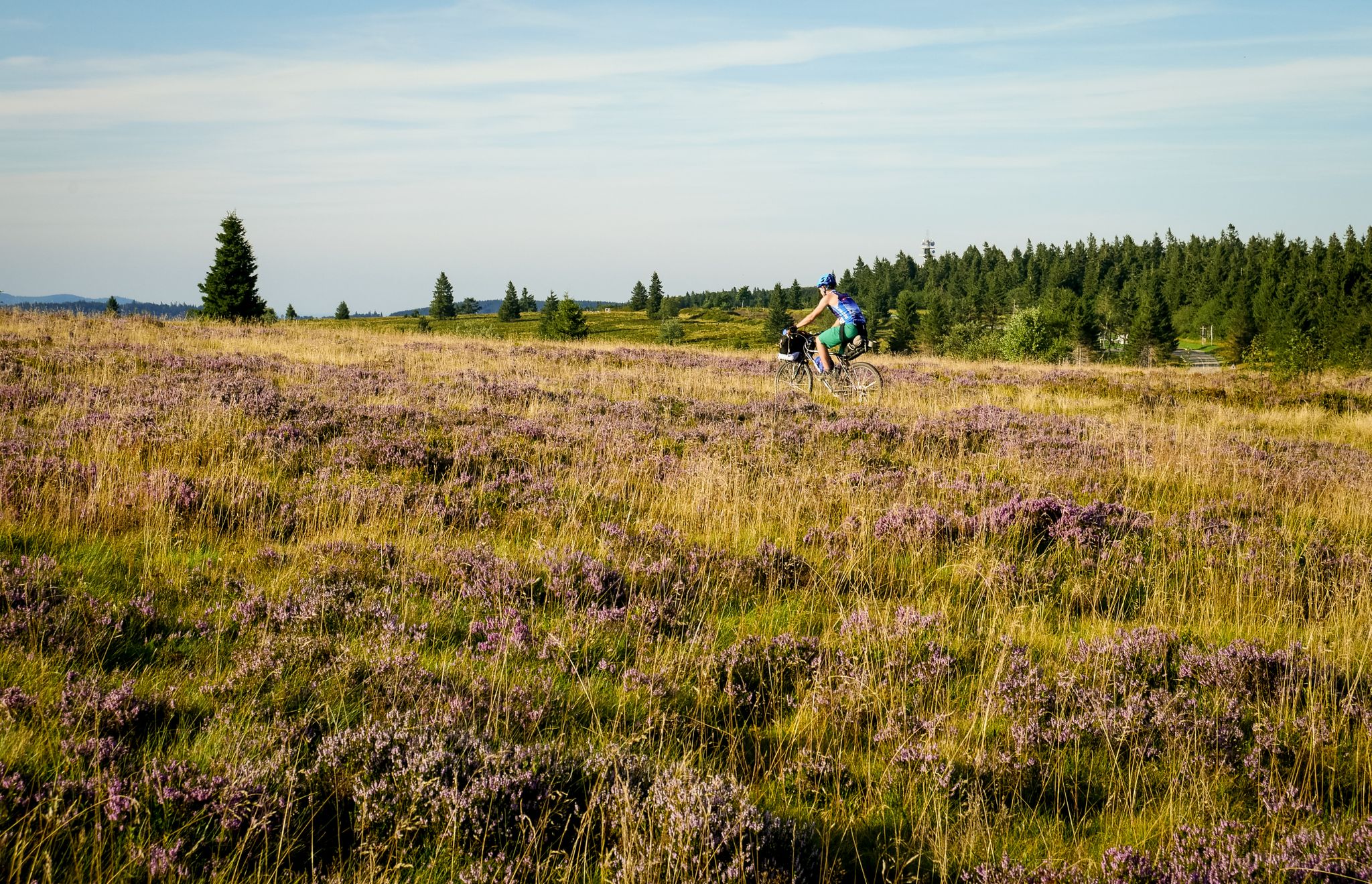
Traversée du Massif Vosgien — Alsace bikepacking
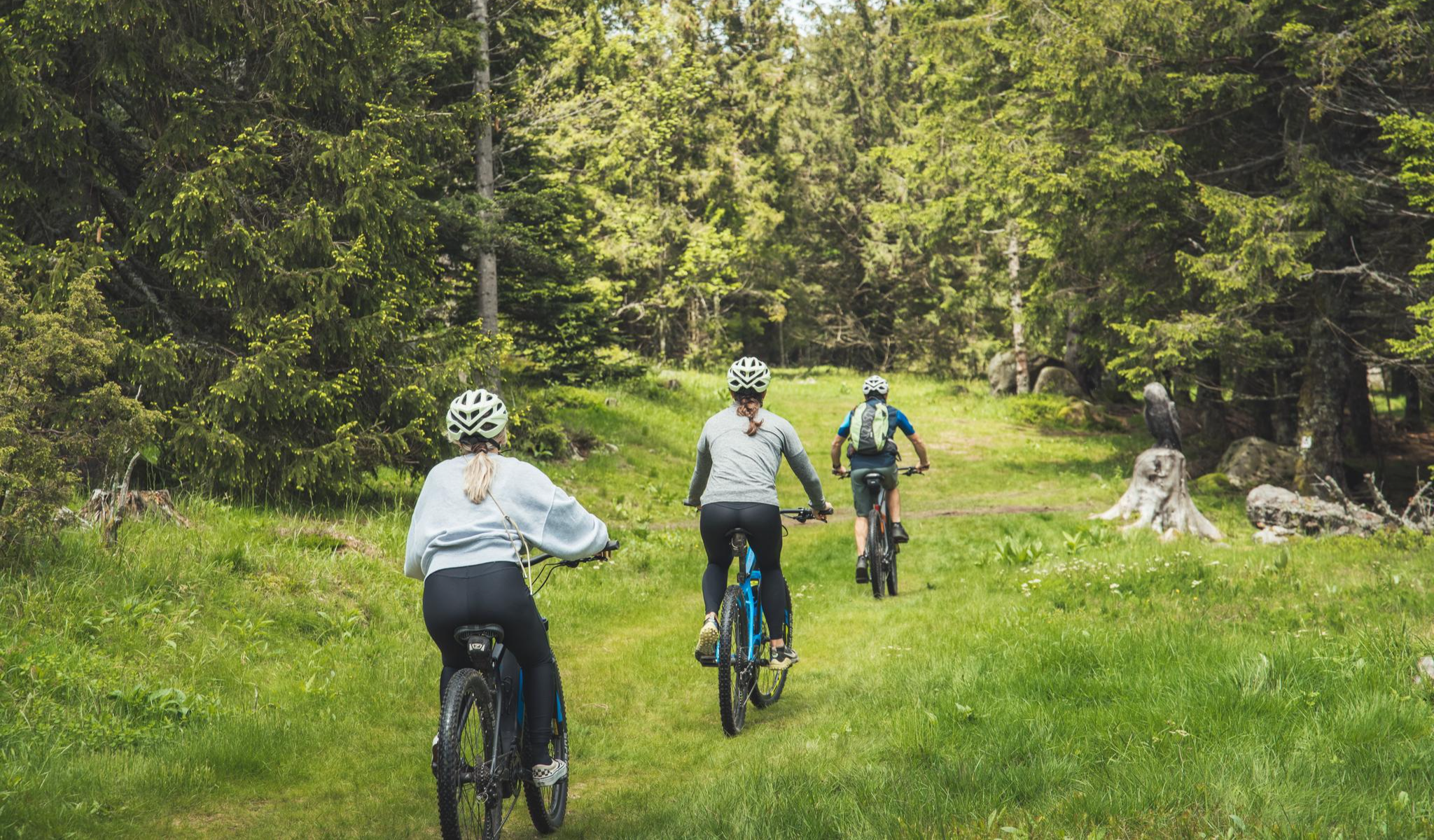
MTB and gravel in the Grand Est – the joy of the low mountains
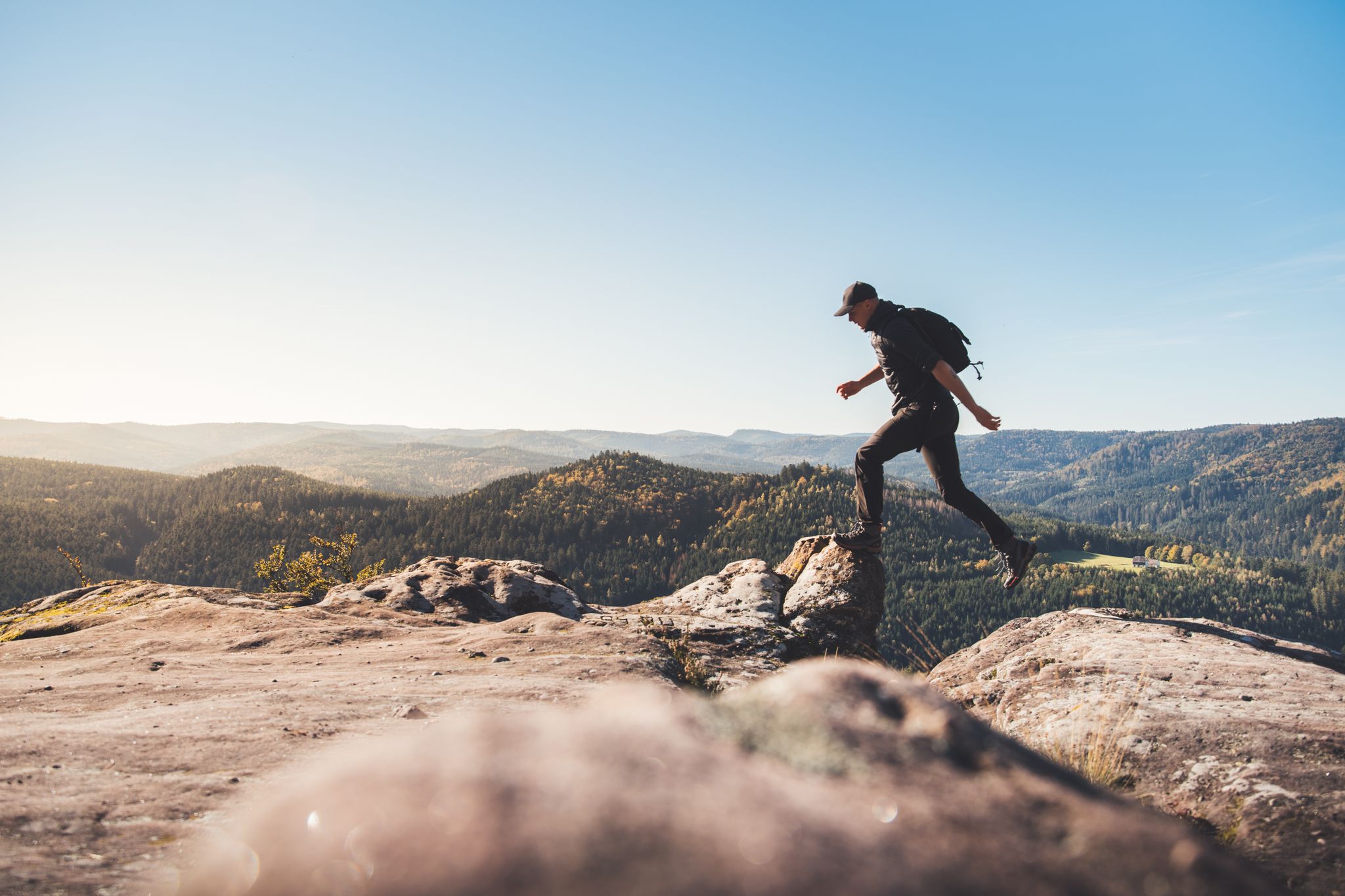
Trail running in the Grand Est – the region's most beautiful hilly trails
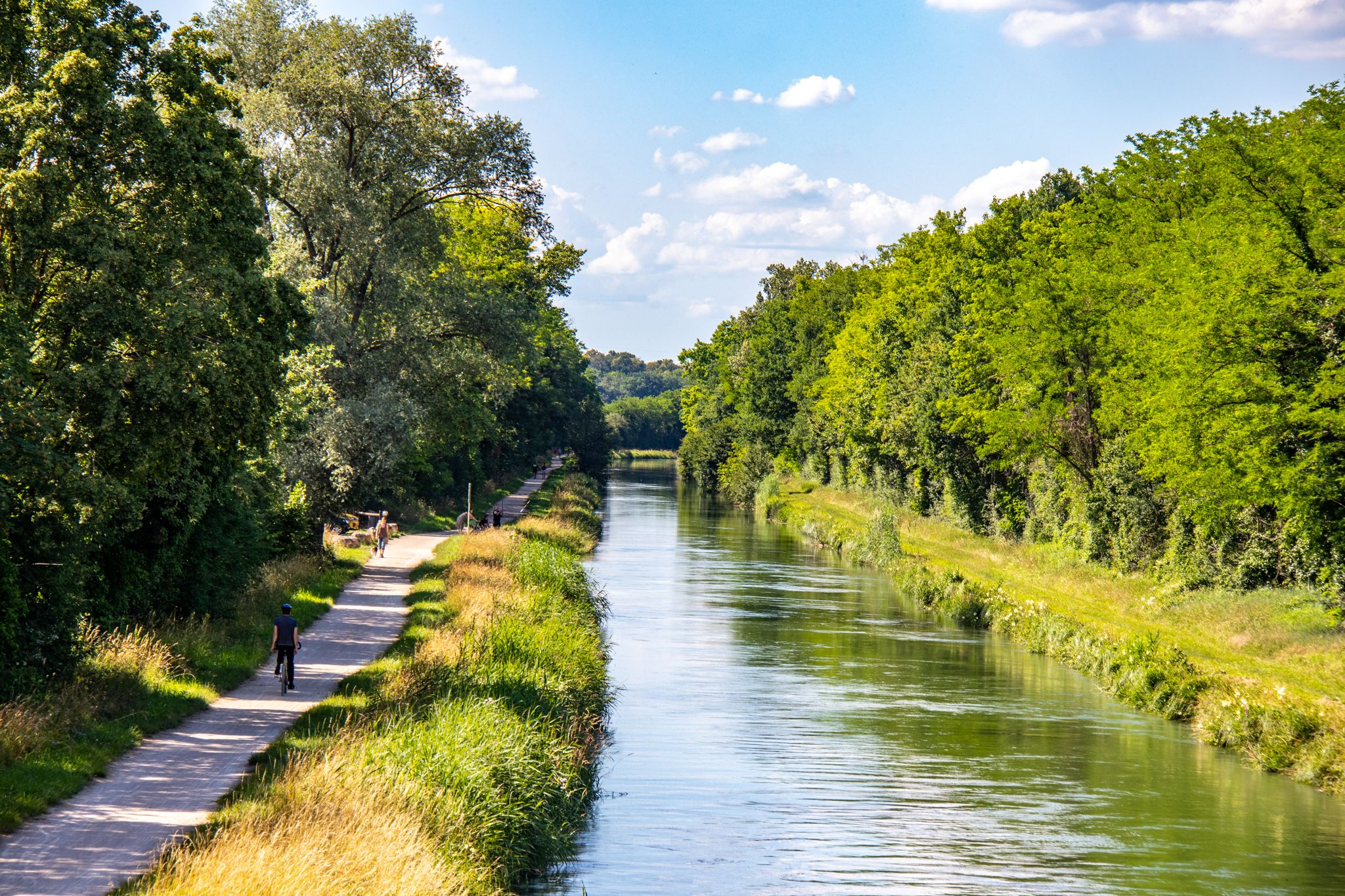
EuroVelo 6 – between the Rhine and the Loire by bike
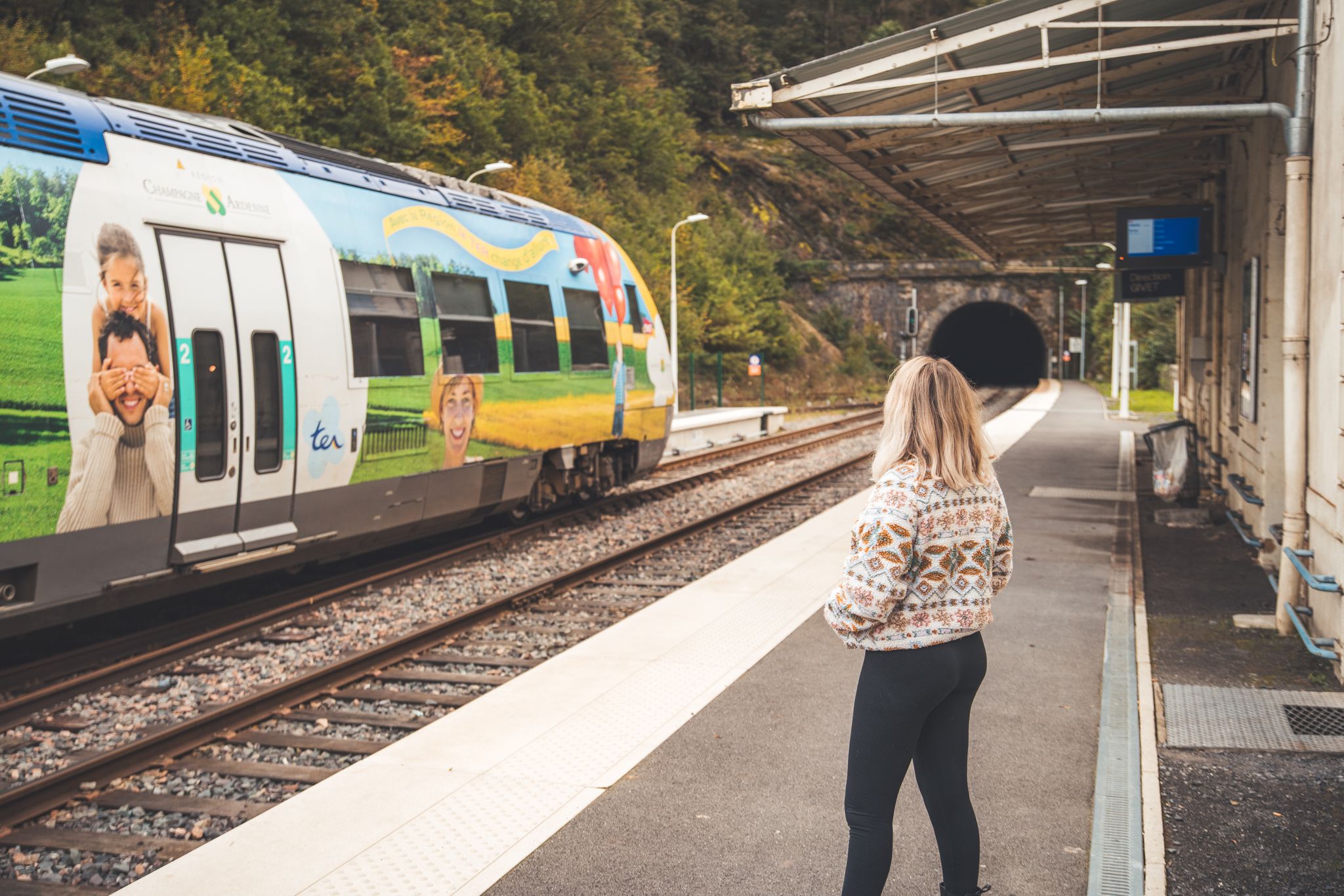
The Grand Est without a car – cycling from station to station
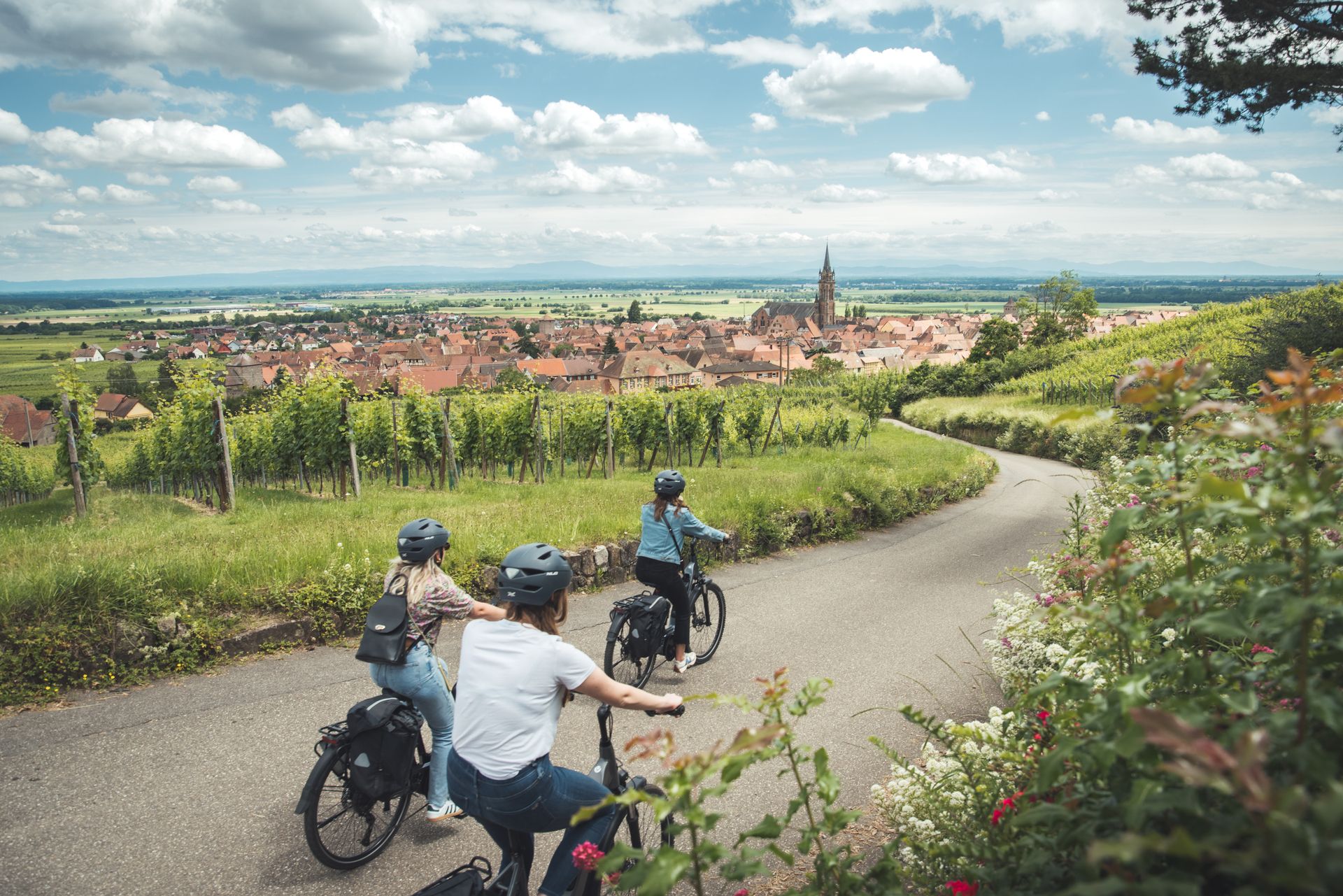
Wine getaways in the Grand Est — cycling between hillsides and traditions
Other adventures in Alsace


Tips from the Community

Unfortunately, you can't get to the water from the bridge
5
0

In a word: amazing! Unfortunately, you can't get close enough to drink it. It would be too dangerous.
2
0

Beautiful, small waterfall on the varied Sentier des Roches path.
5
1

Kleiner Wasserfall direction am Rock Trail
2
0

Quite well preserved castle with a beautiful view of Fleckenstein Castle and, in the other direction, of Wegelnburg.
9
4

Refreshing waterfall at the end of the trail. Be careful with water, it is better to purify it before drinking it as a precaution.
5
1
Inconspicuous waterfall, but a good way to replenish the water supplies
4
2
Frequently Asked Questions
What are some of the most popular natural monuments to visit in Alsace?
Alsace offers a variety of beloved natural monuments. Among the most popular are Lac Blanc, a stunning mountain lake with an adjoining restaurant and parking, and the Istein Rapids, where natural rapids and gravel banks invite visitors to admire the Rhine. The region's castles, often built into natural rock formations, like Fleckenstein Castle, are also highly appreciated for their historical significance and panoramic views.
Are there any family-friendly natural monuments in Alsace?
Yes, several natural monuments in Alsace are great for families. Green Lake (Lac Vert) is known for its easy accessibility and emerald hue, making it a serene destination for relaxation and short hikes. Fleckenstein Castle offers puzzle tours with a knight spirit, which are a lot of fun for children, alongside its impressive views. The Istein Rapids also feature beaches and gravel banks perfect for a family break by the water.
What kind of natural features can I expect to see in Alsace?
Alsace's natural monuments showcase a diverse range of features. You'll find beautiful glacial lakes like Lac Blanc and Black Lake nestled in the Vosges Mountains. The region also boasts majestic peaks such as Grand Ballon and Ballon d'Alsace, offering exceptional panoramic views. Dramatic rock formations and waterfalls, like the Waterfall on Sentier des Roches, are also prominent, especially along adventurous hiking trails.
What are the best times to visit Alsace's natural monuments?
The best time to visit Alsace's natural monuments largely depends on the activity you're seeking. Spring and autumn offer pleasant temperatures for hiking and exploring, with vibrant foliage in fall. Summer is ideal for enjoying the lakes, though some, like Lac Vert, are particularly known for their emerald hue from late June to late July due to specific algae. Winter can be beautiful for snow-covered landscapes, but some trails, like the Sentier des Roches, require caution due to challenging conditions.
Are there opportunities for hiking and other outdoor activities near these natural monuments?
Absolutely. The region is a paradise for outdoor enthusiasts. You can find numerous hiking trails of varying difficulty, from easy strolls around lakes to challenging routes like the Sentier des Roches. The Ballons des Vosges Regional Nature Park, which includes Grand Ballon, is excellent for hikers, runners, and cyclists. For more specific routes, you can explore Mountain Hikes in Alsace, Road Cycling Routes in Alsace, or MTB Trails in Alsace.
Which natural monuments offer the best panoramic views in Alsace?
For breathtaking panoramic views, Grand Ballon, the highest peak in the Vosges, is unparalleled, offering a 360-degree vista of the Alsace plain and even the Swiss Alps on clear days. Ballon d'Alsace also provides rewarding views, allowing you to spot the Bernese Alps. Additionally, Hohenbourg Castle and Ferme Auberge du Frankenthal offer excellent viewpoints over the surrounding landscapes and valleys.
Can I find food and accommodation near the natural monuments?
Yes, many natural monuments have amenities nearby. For instance, Lac Blanc has an adjoining restaurant. The Ferme Auberge du Frankenthal is a farmed alpine hut offering cheese, ham, and cakes, typically open from April to October. Near Fleckenstein Castle, you'll find a café and kiosk for refreshments. The larger towns and villages within the regional nature parks also offer various dining and lodging options.
Are there any natural monuments that are easily accessible or wheelchair-friendly?
While many natural monuments involve hiking, some offer easier access. Lac Vert is noted for its easy accessibility. The Black Lake is listed as potentially wheelchair accessible, though it also features challenging trails, so it's advisable to check specific routes. The Treetop Walk Alsace (Chemin des Cimes Alsace) in the Northern Vosges Regional Nature Park provides an impressive observation tower with accessible paths, offering unique views of the Rhine plain.
What makes the regional nature parks in Alsace special?
Alsace is home to two significant regional nature parks: the Ballons des Vosges Regional Nature Park and the Northern Vosges Regional Nature Park. The Ballons des Vosges Park is an expansive area with diverse environments, including high pastures, bogs, and ancient forests, rich in fauna like lynx and chamois. The Northern Vosges Park, a UNESCO World Biosphere Reserve, is known for its pristine nature, vast forests, and rich legends, offering lush landscapes and deep forests to explore. You can find more information about the regional nature parks on tourisme-colmar.com and visitstrasbourg.fr.
What do visitors enjoy most about the natural monuments in Alsace?
Visitors frequently praise the stunning natural beauty and the sense of tranquility found in Alsace's natural monuments. The panoramic views from peaks like Grand Ballon, the serene atmosphere of glacial lakes, and the unique geological formations along trails like the Sentier des Roches are often highlighted. Many also appreciate the opportunities for active recreation, from hiking and cycling to simply enjoying a peaceful break by the water.
Are there any historical sites integrated with the natural monuments?
Yes, Alsace's history is often intertwined with its natural landscape. Castles like Hohenbourg Castle and Fleckenstein Castle are impressive structures built directly into the rock formations of the Vosges, offering both historical insights and natural beauty. Ballon d'Alsace also holds historical significance, marking the intersection of three regions and serving as a meeting point for long-distance hiking trails, connecting visitors to the region's past.
Most popular routes in Alsace
Most popular attractions in Alsace

Get inspired with the komoot mobile app


Didn’t find what you were looking for?
Find even more amazing natural monuments in Alsace by checking out the top Highlights region by region:
Explore more
Extend your search for the best caves by checking out these guides of the top ones in Alsace:
