The 17 Most Amazing Peaks around Gerolstein
Best mountain peaks around Gerolstein are found in Germany's Volcanic Eifel region, characterized by its unique geological history. The landscape features ancient volcanic cones and striking rock formations, rather than towering mountain peaks. These elevated areas provide hiking opportunities, historical insights, and panoramic views of the surrounding Eifel landscape.
Best mountain peaks around Gerolstein
- The most popular mountain peaks is Freudenkoppe Castle Ruins, a castle that is located on a 610 meter high basalt cone. The solid masonry, 1.1 meters thick, consists of rubble stones made from lava slag.
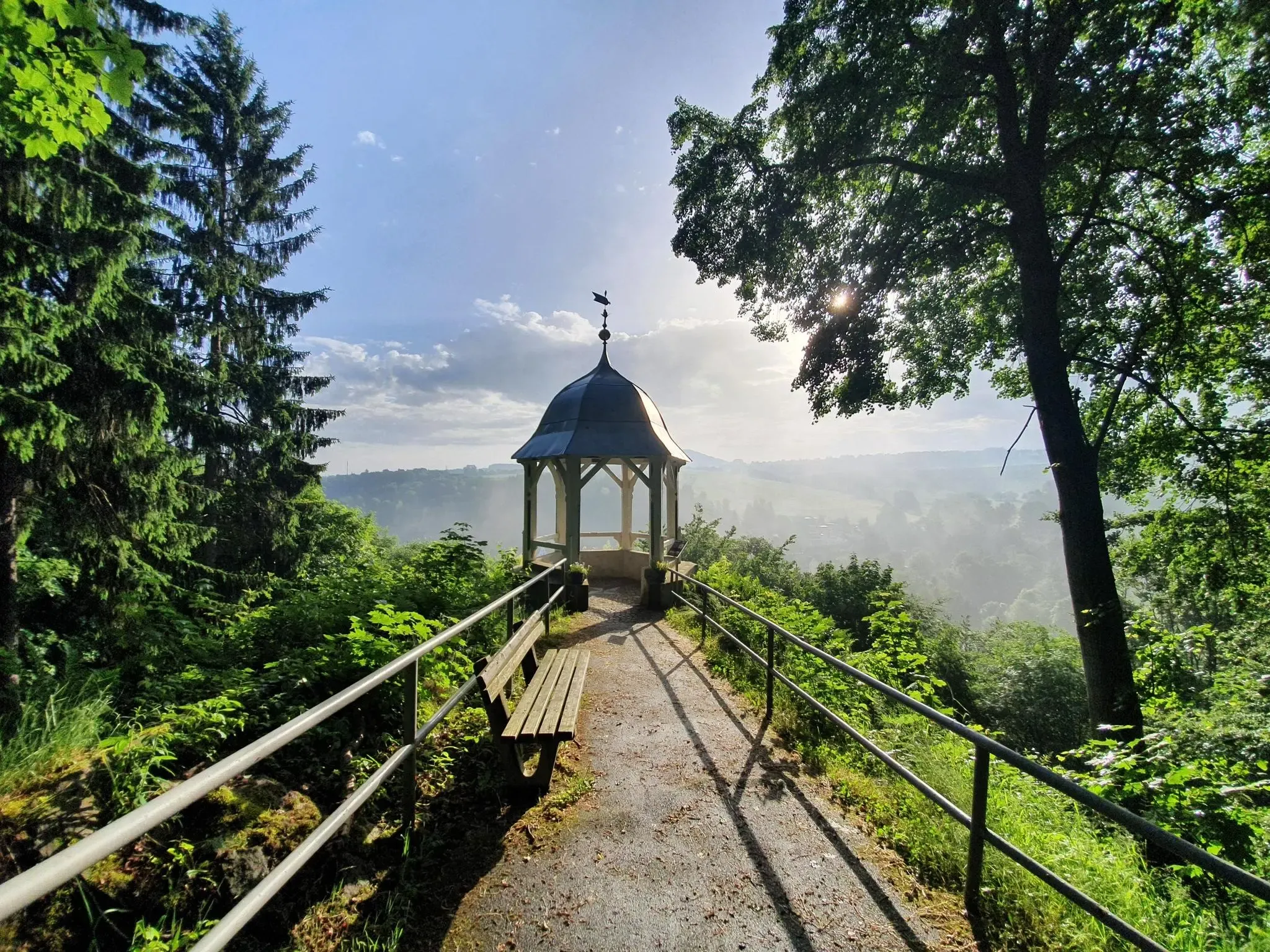
- Another must-see spot is Dronke Tower on the Mäuseberg, a viewpoint. From this approximately 11 meter high observation tower, visitors have a panoramic view of the wide volcanic landscape of Eifel.
- Visitors also love Dietzenley Observation Tower, a viewpoint. This tower offers an impressive view of the Vulkaneifel landscape, and was once the site of a Celtic housing settlement.
- Gerolstein is known for volcanic cones, striking rock formations, and historical sites. These features offer a variety of elevated areas to explore, from ancient volcanic landscapes to medieval ruins.
- The mountain peaks around Gerolstein are appreciated by the komoot community, with more than 3500 upvotes and over 2300 photos shared.
Last updated: April 25, 2026
Dronke Tower on the Mäuseberg
Highlight • Viewpoint
Translated by Google •
Tip by

View of Gerolstein from the Munterley
Highlight • Viewpoint
Translated by Google •
Tip by

Sign up now to discover places like this
Get recommendations on the best single tracks, peaks, & plenty of other exciting outdoor places.
Sign up for free
Millstone Cave at Nerother Kopf
Highlight • Cave
The millstone cave consists of lava boards and is an artificial cave in the Vulkaneifel, Rhineland-Palatinate. It was created by the production of millstones from a volcanic rock wall.
The Millstone Cave is located in the summit area of Nerother Head, a wooded hill of volcanic origin just east of Neroth. The entrance is located just below the castle ruin Freudenkoppe at an altitude of about 640 m and is accessible via a hiking trail. The cave is 18 meters deep and its vault up to ten meters high. It is walkable but unlit (flashlight required).
The Nerother head turned out early because of its steep vertical walls of lava panels as a suitable mining site for millstones. The date of commencement of quarrying is unknown, but probably lies before the castle was built around 1340. The millstones were broken out of the rock with a hammer and a chisel and finished on the spot. Unfinished blanks of these stones can still be found on the walls of the cave today. Outside the cave remains of broken millstones can be found. However, the lava rock was not only mined for millstone production, but was also used in the construction of Burg Freudenkoppe use. Even in later times millstones were recovered here again, the last testimony dates back to 1788. Presumably, the cave was larger at this time and also included a side exit, slipping earth but moved a part of the cave. According to a legend, the cave was even part of an underground corridor to other castles, which is also in the popular poem Op the Nerother Kopp / there sits the Deuwel drob / drives under the ground through / to the Altburg is expressed.
In the cave members of Wandervogel e met on December 31, 1919. V. to found the Nerother Wandervogel.
Since 1980, the cave is under protection as a cultural monument
Translated by Google •
Tip by

Freudenkoppe Castle Ruins
Highlight • Castle
Translated by Google •
Tip by
Dietzenley Observation Tower
Highlight • Viewpoint
Translated by Google •
Tip by

Sign up for free to discover even more peaks around Gerolstein.
Sign up for free
Already have an account?
Start today with a free account
Your next adventure awaits.
Login or Signup
Popular around Gerolstein
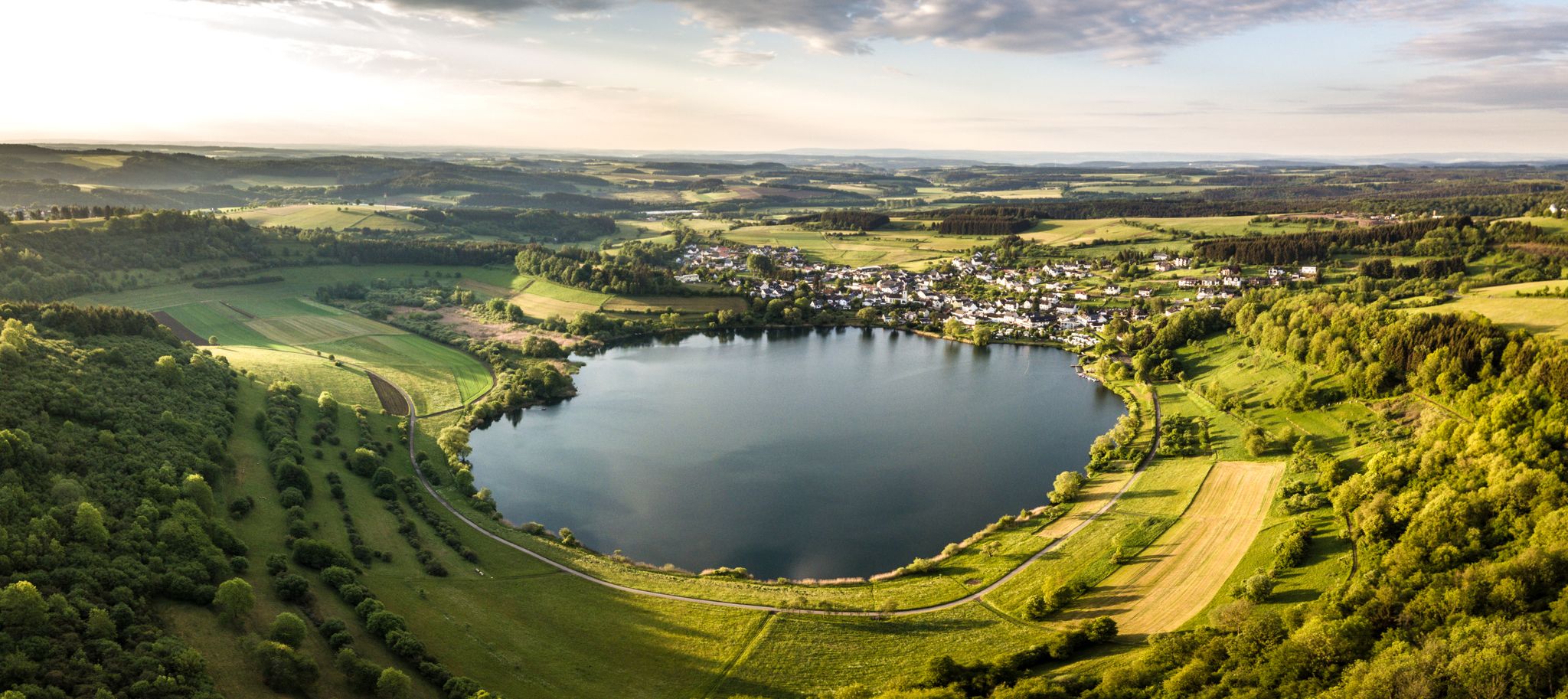
#GoFurther – discover the views of Germany!
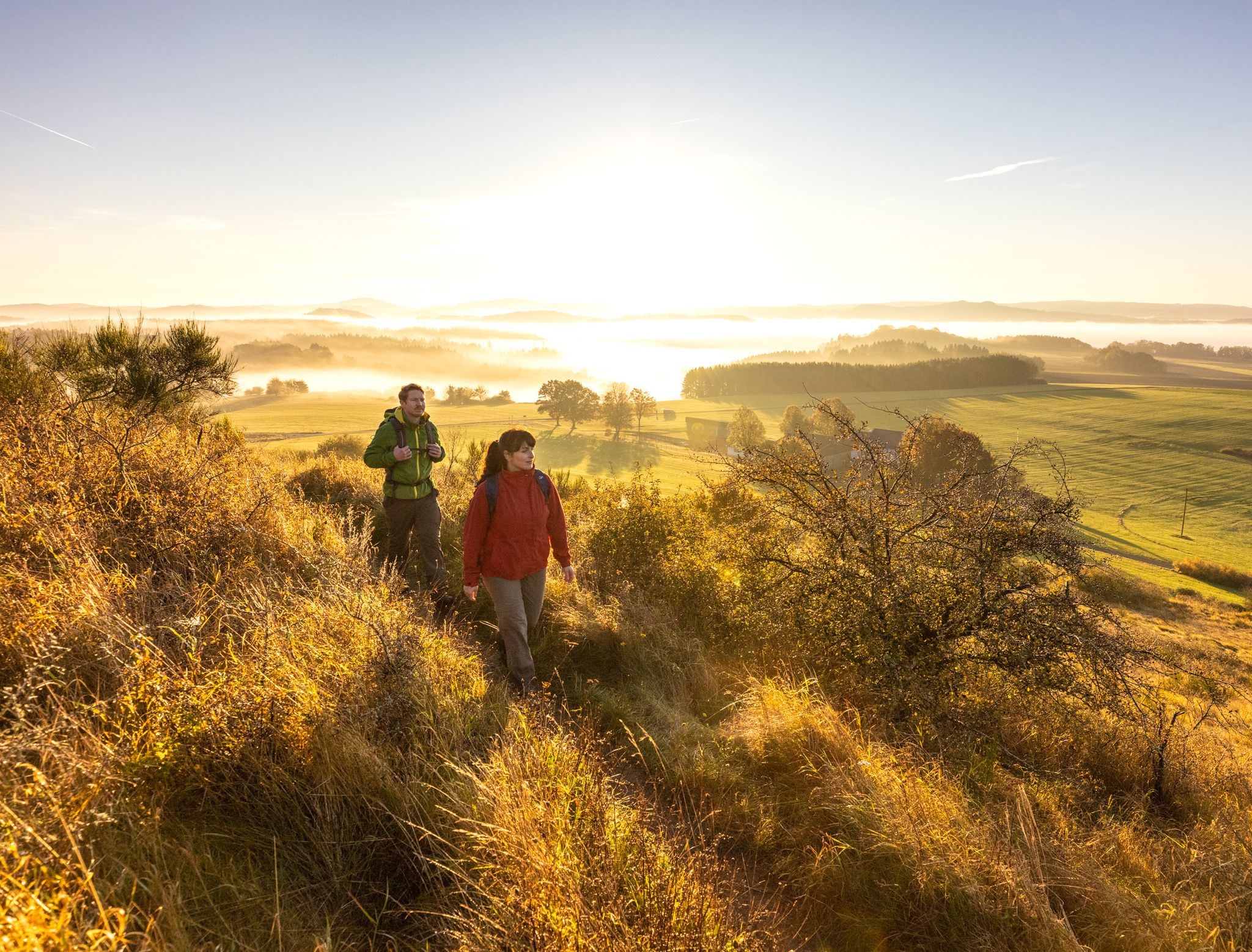
Volcanoes, water, forest – the partner trails of the Eifelsteig
The 15 stages of the Eifelsteig Trail — Between rocks and water
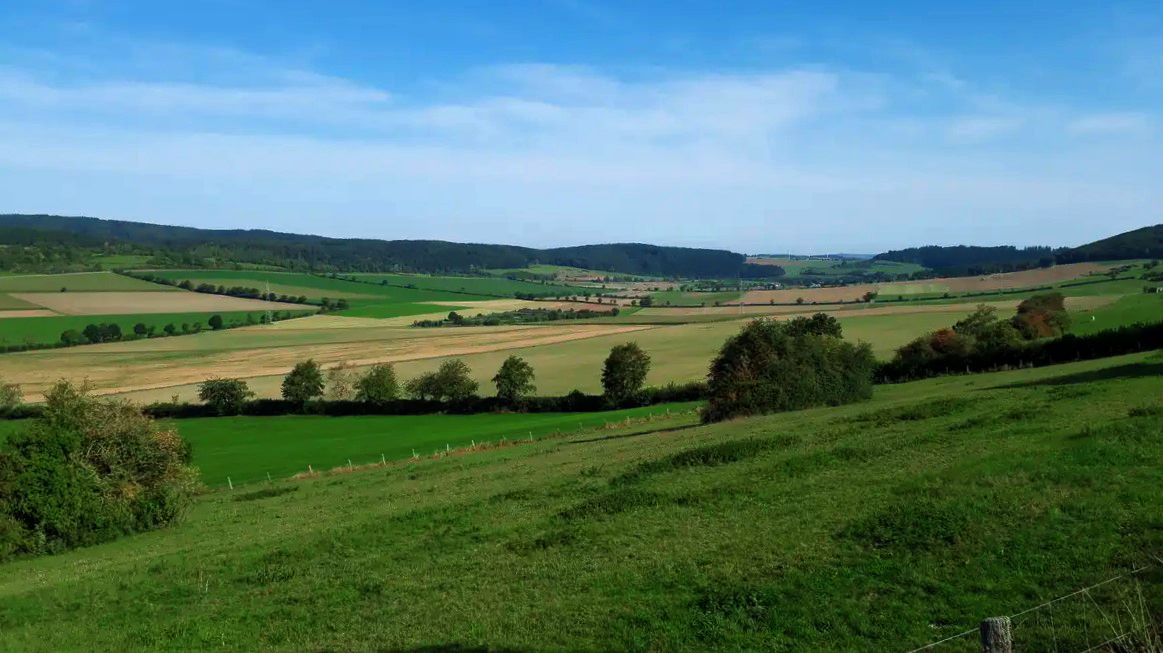
Volcanic landscapes between Germany and Belgium – Eifel-Ardennes Cycle Route
Vulkan Eifel — bike and hike
Hiking around Gerolstein
Cycling around Gerolstein
MTB Trails around Gerolstein
Road Cycling Routes around Gerolstein
Running Trails around Gerolstein
Other adventures around Gerolstein


Tips from the Community

The steep climb to the castle is quite difficult. A real calf biter! But once at the top you forget it all. Beautiful ruin and the cave is more than worth it.
5
0

Nice view with markers for orientation. The tower, which was built in 1902, is only 11m high, but stands on top of the 560m high Mauseberg and is thus 166m above the Gemünder Maar, guaranteeing a magnificent view of the surrounding area.
14
0
Beautiful view with an information board for orientation. The tower, built in 1902, is only eleven meters high, but stands at the top of the 560-meter-high Mäuseberg and is thus 166 meters above the Gemünder Maar. This guarantees a magnificent view over the surrounding area.
19
1

"With an area of approx. 102 hectares, the area around the Gerolsteiner Dolomites has been a nature reserve since 1990. + occurring animal species: bat + occurring plant species: juniper, orchids, character plants calcareous grassland, grove rush-beech forest, woodruff-beech forest, orchid-limestone-beech forest Around 380 million years ago there was a warm, subtropical shallow sea here, in which mighty reefs of stromatopores - relatives of sponges - and corals formed. After the dolomitization, sinking and folding of the rocks, the Devonian deposits were lifted out again. Today's Gerolsteiner Dolomites were formed, which rise steeply above the Kylltal north of the center of Gerolstein. The rocks "Hustley", "Munterley", "Drohende Ley", "Große Kanzel" and "Auberg" characterize the cityscape from afar and form the landmark of Gerolstein. The most famous summit of the Gerolsteiner Dolomites is the "Munterley" - with a height of 482 meters - and offers a breathtaking view over Gerolstein, the Kylltal and far into the Vulkaneifel. Stone Age people, who settled here 30,000 years ago, obviously enjoyed this view, as evidenced by stone tools and bones found at the nearby Buchenloch Cave. Visiting the Gerolsteiner Dolomites can be perfectly combined with hiking the Felsenpfad - the northern part of the "Gerolsteiner Dolomiten Acht". The almost eight-kilometer round tour offers many magical places and geological traces." https://www.eifel.info/a-gerolsteiner-dolomites
10
0

Very well preserved ruin. Exploring them with children is a very special experience. Especially nice in late spring when the trees all around are fresh green.
8
0
The Nerother Kopf is an extinct volcano of recent date. It was formed about 15,000 years ago when the earth broke up here and glowing magma welled up from the depths of the earth. At that time, a fracture zone formed in the earth rock, which formed the origin of the volcanic chain "West Eifel". https://www.neroth.de/tourismus/nerother-kopf
6
0
The Millstone Cave is located at the summit of the Neroth Head, a wooded hill of volcanic origin east of Neroth. The entrance is just below the Freudenkoppe castle ruins at an altitude of about 640 m and can be reached via a hiking trail. The cave is 18 meters deep and its vault up to 10 meters high. It is walkable, but unlit (torch required). Wikipedia
5
0

Millstones were mined in the 18 meter deep cave at the top of the Nerother Kopf until the 18th century. The lava stone was not only mined for the production of millstones, but was also used to build the immediately adjacent Freudenkoppe Castle.
5
0
Frequently Asked Questions
What are the most popular elevated areas or 'peaks' to visit around Gerolstein?
Visitors to Gerolstein particularly enjoy the unique geological formations and historical sites. Highly rated spots include the Freudenkoppe Castle Ruins, located on the Nerother Kopf, and the Dronke Tower on the Mäuseberg, which offers expansive views. The Dietzenley Observation Tower is also a favorite for its impressive vistas and historical significance.
What makes the 'mountain peaks' around Gerolstein unique?
The elevated areas around Gerolstein are distinct because they are part of Germany's Volcanic Eifel region. Instead of towering peaks, you'll find ancient volcanic cones, striking dolomite rock formations like the Gerolstein Dolomites (Munterley and Hustley), and historical sites. These features offer a rich blend of natural beauty, geological wonder, and historical significance, providing unique hiking opportunities and panoramic views.
Where can I find the best panoramic views of the Eifel landscape near Gerolstein?
For breathtaking panoramic views, consider visiting the Munterley plateau, which overlooks Gerolstein and the Kyll valley. The Dronke Tower on the Mäuseberg provides a wonderful panoramic view of the wide volcanic landscape, including the Gemündener Maar. Additionally, the Dietzenley Observation Tower offers an impressive view of the Vulkaneifel landscape.
Are there any notable geological features or natural monuments to explore?
Yes, the region is rich in geological wonders. The Rother Kopf, an eroded volcanic cone, is famous for its **millstone caves** (Mühlsteinhöhlen), where millstones were quarried for centuries. These caves offer a fascinating glimpse into the region's volcanic past. The Gerolstein Dolomites, including Munterley and Hustley, are striking dolomite rock formations that were formed from ancient coral reefs. You can also explore the Millstone Cave at Nerother Kopf, an artificial cave created by millstone production from volcanic rock.
What historical sites can I explore on or near these elevated areas?
The region offers several historical insights. The Freudenkoppe Castle Ruins on the Nerother Kopf date back to around 1340. The Millstone Cave at Nerother Kopf is a historical mining site where millstones were extracted from lava rock. The Dietzenley Observation Tower stands on the site of a Celtic housing settlement from about 2500 years ago, protected by ancient ramparts.
Are there family-friendly walking trails around Gerolstein's elevated areas?
Yes, there are several family-friendly options. The View of Gerolstein from the Munterley is part of a highlight that is considered family-friendly. For easy hikes, consider routes like the 'Papenkaule Volcanic Crater – Buchenloch Cave loop from Gerolstein' or the 'Gerolstein Reservoir – View of Auberg and Munterley loop from Gerolstein', both found in the Easy hikes around Gerolstein guide.
What kind of hiking opportunities are available near Gerolstein's 'peaks'?
Gerolstein is a hub for hikers, offering a variety of trails from moderate to challenging. You can explore routes like the 'Gerolstein Rock Trail' or the 'Millstone Cave at Rother Kopf – Gerolstein Dolomites loop from Gerolstein'. For more options, check out the Hiking around Gerolstein guide.
Can I go cycling near these elevated areas?
Absolutely. The region around Gerolstein offers numerous cycling routes. You can find routes like the 'Fountain Square, Gerolstein – Müllenborn Pond loop from Gerolstein' or the 'Fountain Square, Gerolstein – Lissingen Castle loop from Gerolstein'. For more cycling adventures, refer to the Cycling around Gerolstein guide.
What should I know if I plan to visit the millstone caves at Rother Kopf or Nerother Kopf?
The millstone caves, such as those at Rother Kopf and the Millstone Cave at Nerother Kopf, maintain a cool average temperature of about 6 degrees Celsius year-round due to trapped winter air. It is essential to bring warm clothing and a flashlight for exploration. The porous, slaggy basalt from Rother Kopf was highly prized for millstone production, offering a unique insight into ancient craftsmanship.
What do visitors enjoy most about the elevated areas around Gerolstein?
Visitors frequently praise the stunning panoramic views, especially from spots like the Munterley and the Dronke Tower. The unique geological formations, such as the Gerolstein Dolomites and the volcanic cones, are also a major draw. Many appreciate the blend of natural beauty with historical sites like the Freudenkoppe Castle Ruins and the millstone caves, offering a diverse outdoor experience.
Are there any challenging hikes for experienced adventurers?
Yes, for experienced hikers, there are more challenging routes. The hike to the Munterley plateau includes strenuous sections. The Dronke Tower on the Mäuseberg is also reached via very beautiful but steep paths. The 'Millstone Cave at Rother Kopf – Gerolstein Dolomites loop from Gerolstein' is rated as difficult. These trails offer rewarding views and a good workout.
What is the best season to visit the 'peaks' around Gerolstein?
The region is beautiful year-round, but spring and autumn are particularly popular for hiking due to milder temperatures and vibrant foliage. Summer offers pleasant conditions for outdoor activities, while winter hiking is also possible, though some areas like the millstone caves might require extra preparation due to cold temperatures. Always check local weather conditions before your visit.
Most popular routes around Gerolstein
Most popular attractions around Gerolstein

Get inspired with the komoot mobile app


Explore more
See even more amazing summits around Gerolstein with these guides:
