Top 20 Castles around Kusel
Best castles around Kusel offer a journey through the region's rich history, set amidst the scenic landscapes of the Palatinate mountains. The Kusel district in Germany is home to several historical castles and ruins, providing insight into centuries of regional power and military events. Visitors can explore diverse architectural styles, from well-preserved complexes to ancient ruins. The area provides a blend of historical exploration and natural beauty.
Best castles around Kusel
- The most popular castles is Lichtenberg Castle, a castle that is one of the longest and most well-preserved castle complexes in Germany. It houses a youth hostel, a restaurant, and three museums, including a museum on traveling musicians and a nature studies museum.
- Another must-see spot is Keep of Alt-Wolfstein Castle, a castle with a magnificent view of the surrounding hills and forests. Visitors can climb to the keep for a panoramic view over Wolfstein and the Lautertal.
- Visitors also love Reipoltskirchen Water Castle, a unique moated castle. Its distinct design and picturesque setting with a moat filled with fish make it a special attraction.
- Kusel is known for its diverse range of historical sites, including well-preserved castles, ancient ruins, and unique water castles. The region offers a variety of castles to see and explore, each with its own historical significance.
- The castles around Kusel are appreciated by the komoot community, with more than 350 upvotes and over 290 photos shared across 19 highlights.
Last updated: July 6, 2026
Ruins of Neu-Wolfstein Castle
Highlight • Castle
Translated by Google •
Tip by

Keep of Alt-Wolfstein Castle
Highlight • Castle
Translated by Google •
Tip by

Sign up now to discover places like this
Get recommendations on the best single tracks, peaks, & plenty of other exciting outdoor places.
Sign up for free
Lichtenberg Castle
Highlight • Castle
Translated by Google •
Tip by

Historic Old Town of Wolfstein
Highlight • Historical Site
Translated by Google •
Tip by

Michelsburg Ruins at Remigiusberg
Highlight • Castle
Translated by Google •
Tip by
Reipoltskirchen Water Castle
Highlight • Castle
Translated by Google •
Tip by

Heidenburg Ruins
Highlight • Historical Site
Translated by Google •
Tip by

Altenburg Castle Ruins (Deinsberg)
Highlight • Castle
It was probably built in the second half of the 12th century. At that time, Emperor Barbarossa had several castles built to secure his country's borders. At that time, Theisbergstegen consisted of two towns belonging to different territories.
It is likely that the Altenburg was called Deinsberg Castle, as it was customary for lords and knights to name themselves after their castle residence. There is ample evidence of this, for example, Knight Anselm and Servant Heinrich, both of Deinsberg.
The castle was approximately 60 m long and 33 m wide.
The residential tower and gate tower were elevated and separated by a moat, which probably contained a cistern for rainwater.
It was probably destroyed as early as 1400.
Further information:
potzberg.de/index.php/die-altenburg
Translated by Google •
Tip by

Steep trail descent from Lichtenberg Castle
Highlight (Segment) • Trail
Translated by Google •
Tip by

Sprengel Castle
Highlight • Castle
Translated by Google •
Tip by
Sign up for free to discover even more castles around Kusel.
Sign up for free
Already have an account?
Start today with a free account
Your next adventure awaits.
Login or Signup
Popular around Kusel
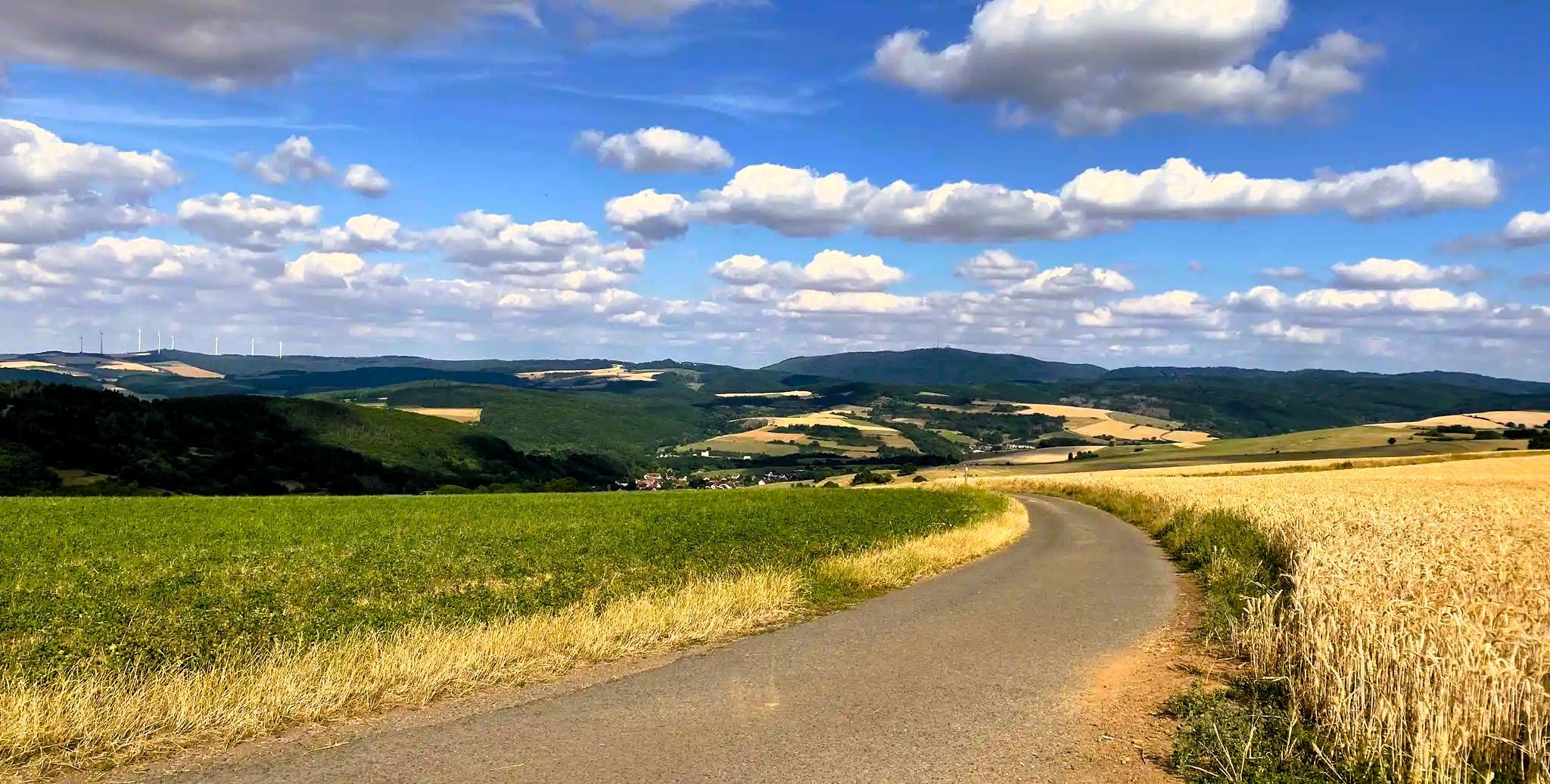
Palatinate High Route – Hike a hidden gem in Southwest Germany
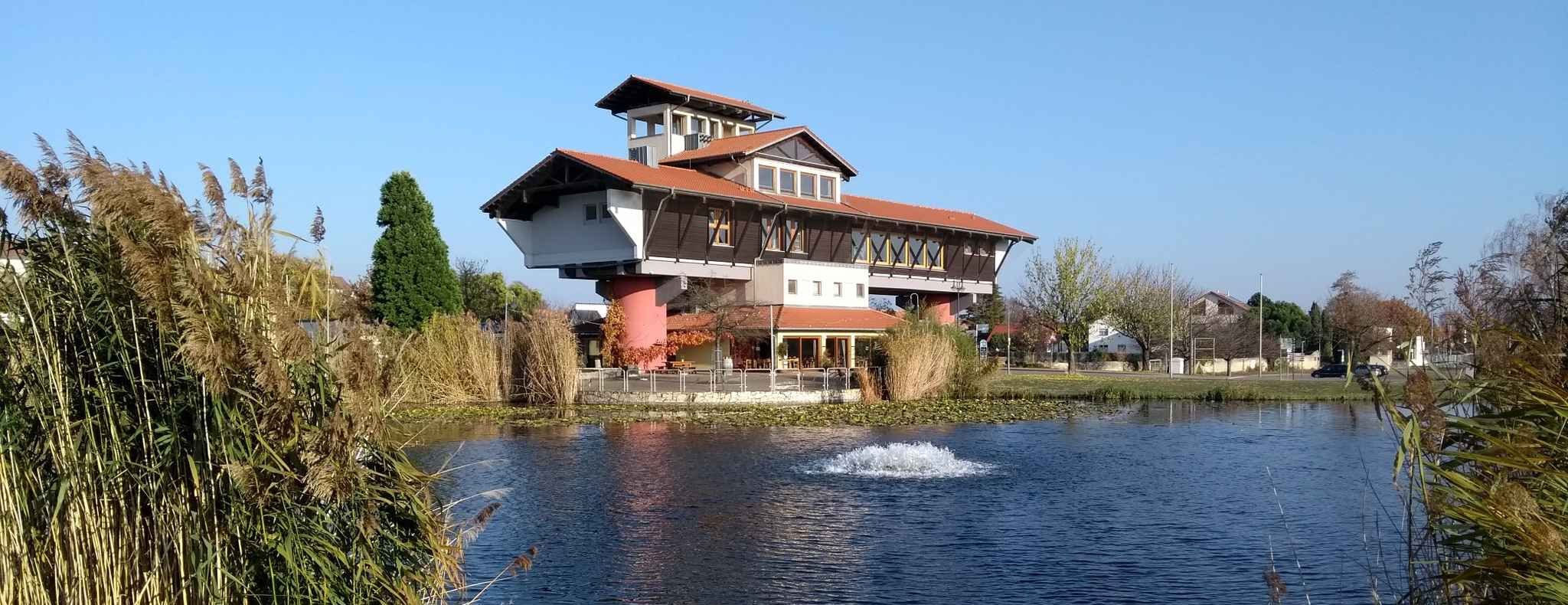
On the trail of the Red Beard – Barbarossa Cycle Route
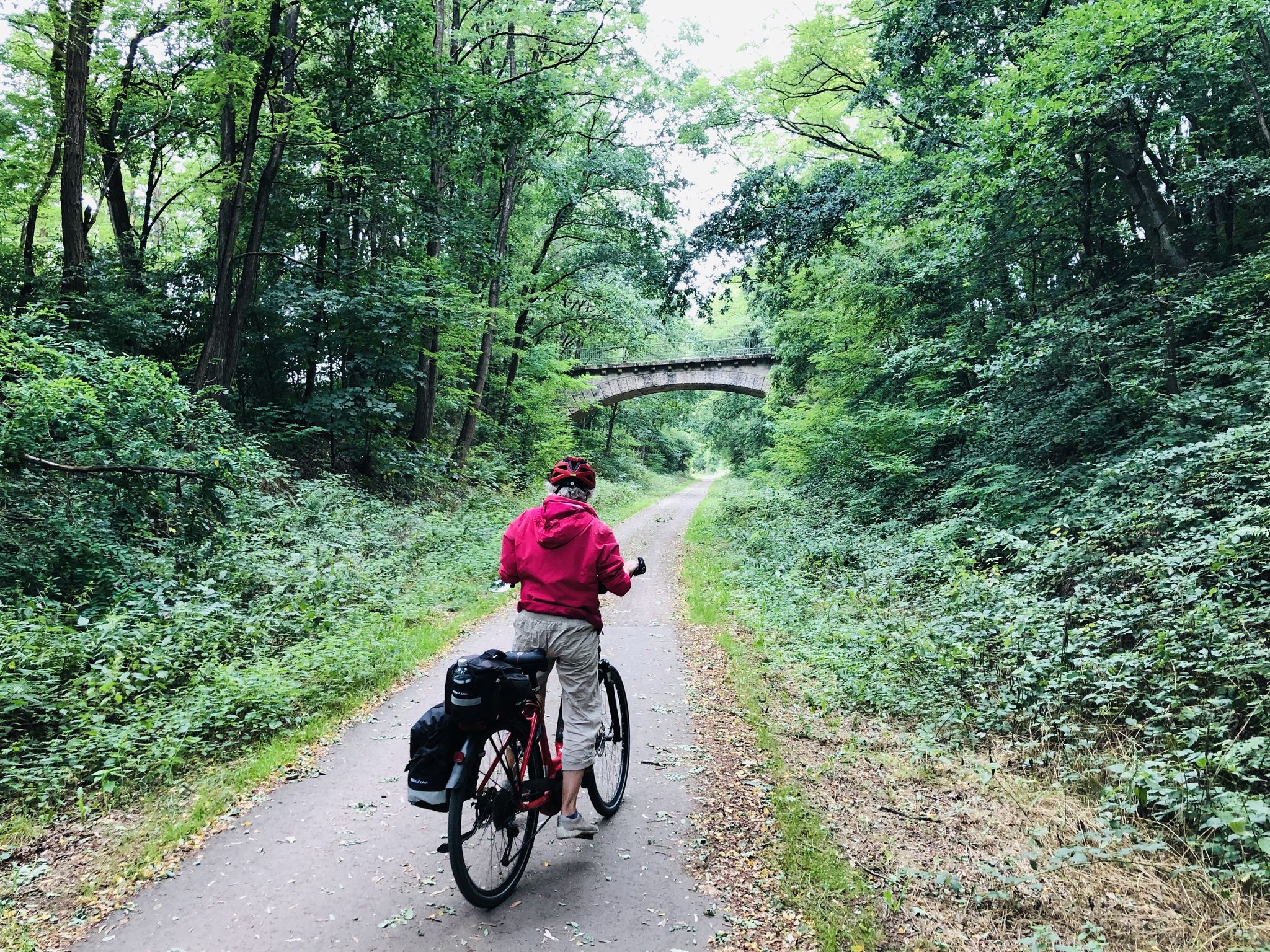
Riding railway tracks — cycling in Germany’s Pfälzer Bergland
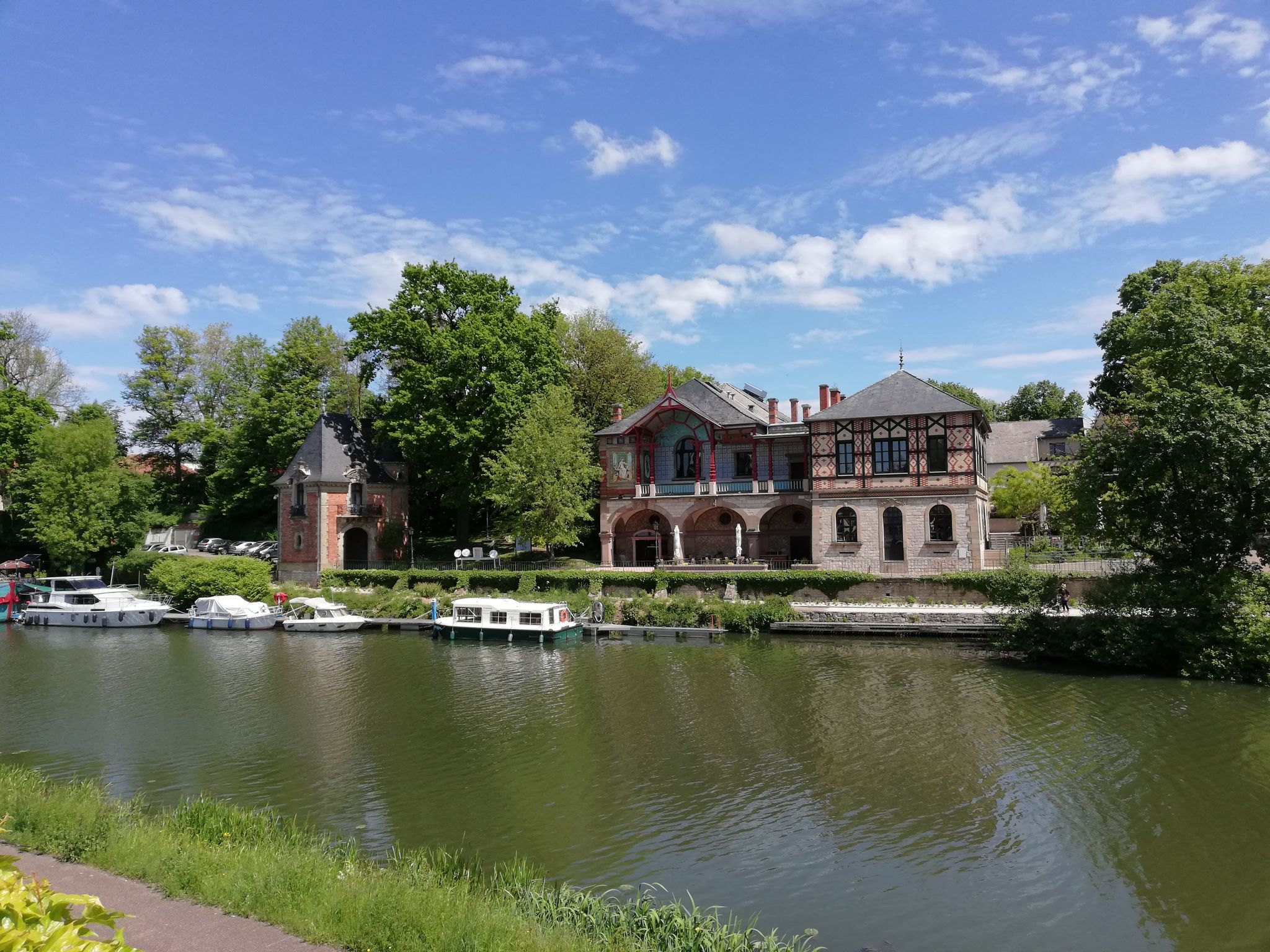
The Glan-Blies cycle path - in 5 stages from Saarland to the Palatinate
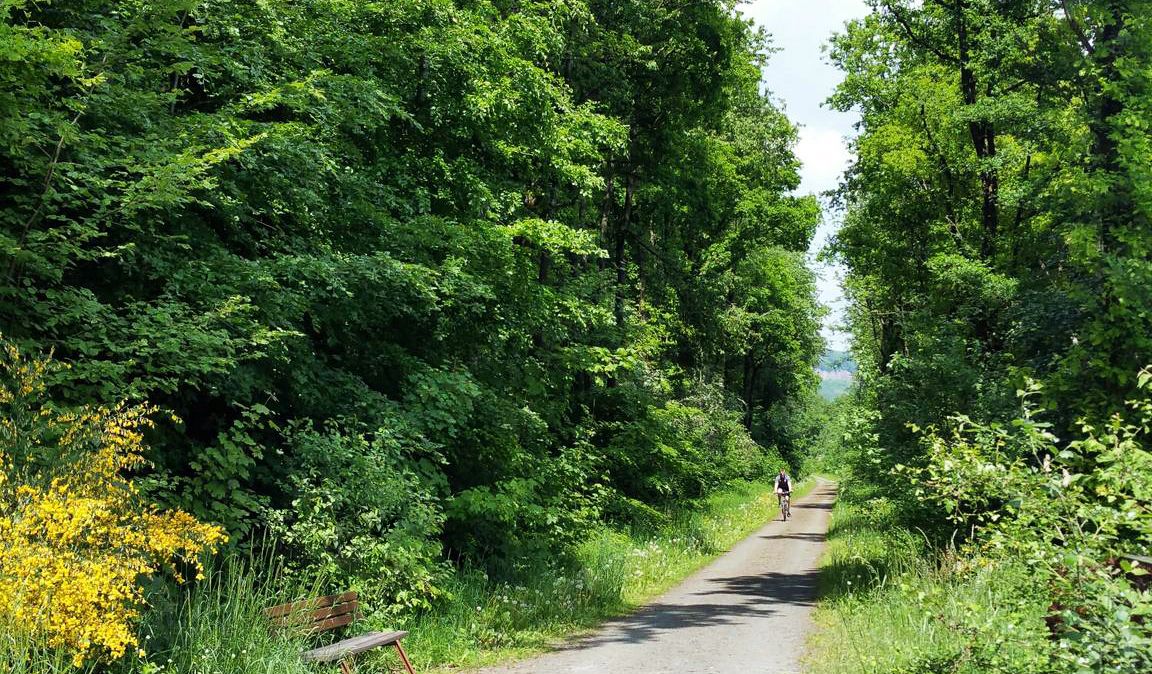
The most beautiful bike rides in the Sankt Wendeler Land

Palatinate hiking menu - immersive day hikes
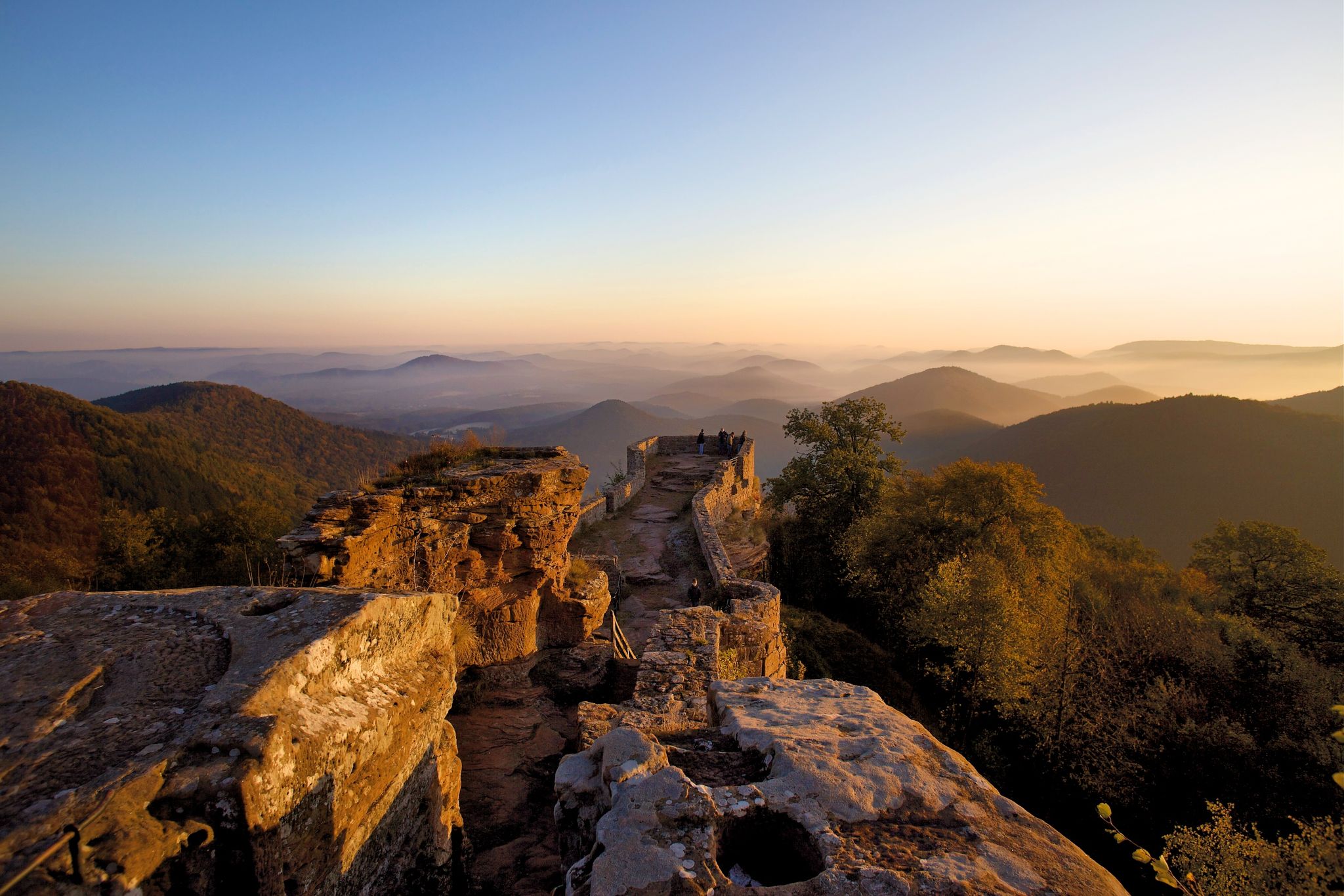
Pfälzer hiking menu — multi day hikes
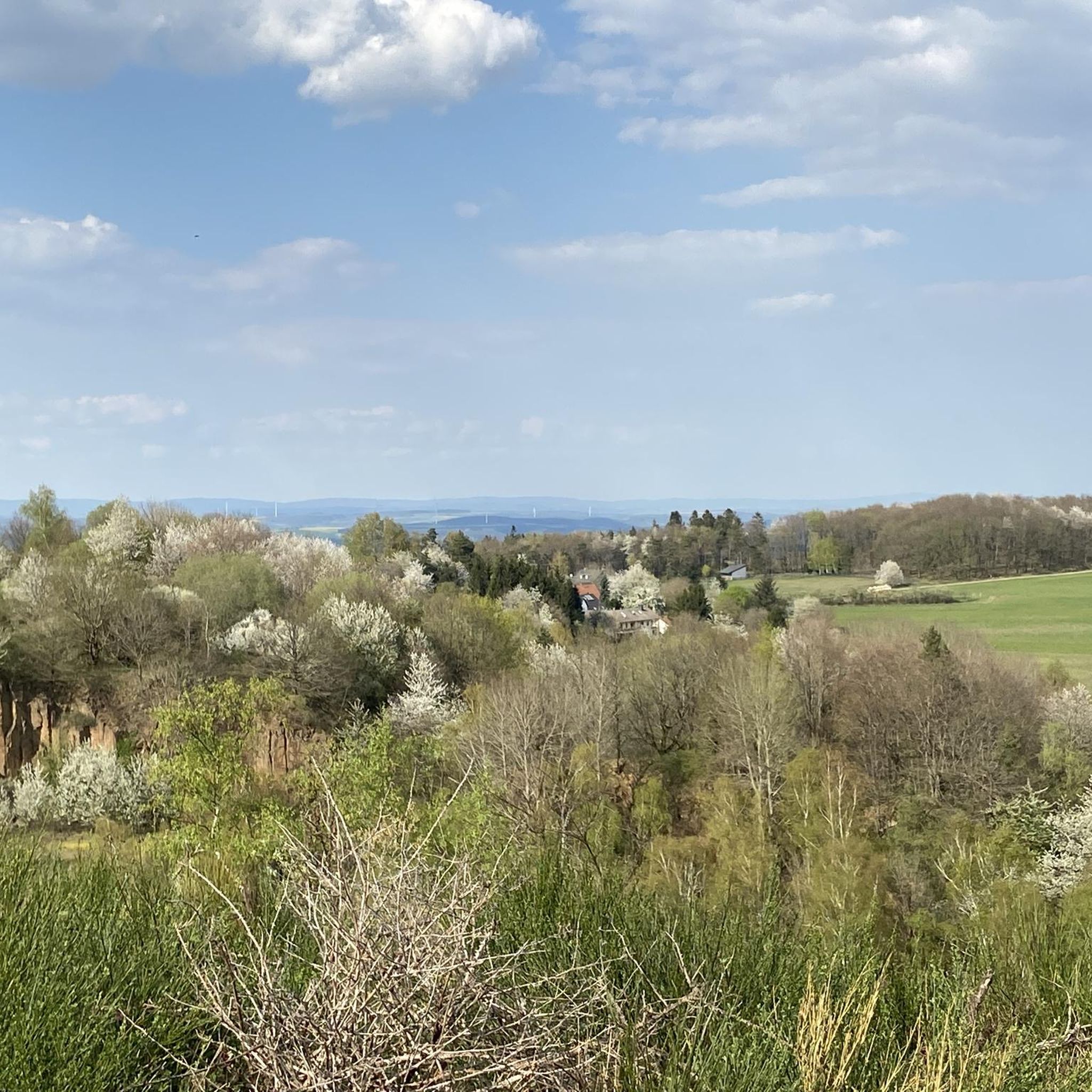
Cycling around Kusel
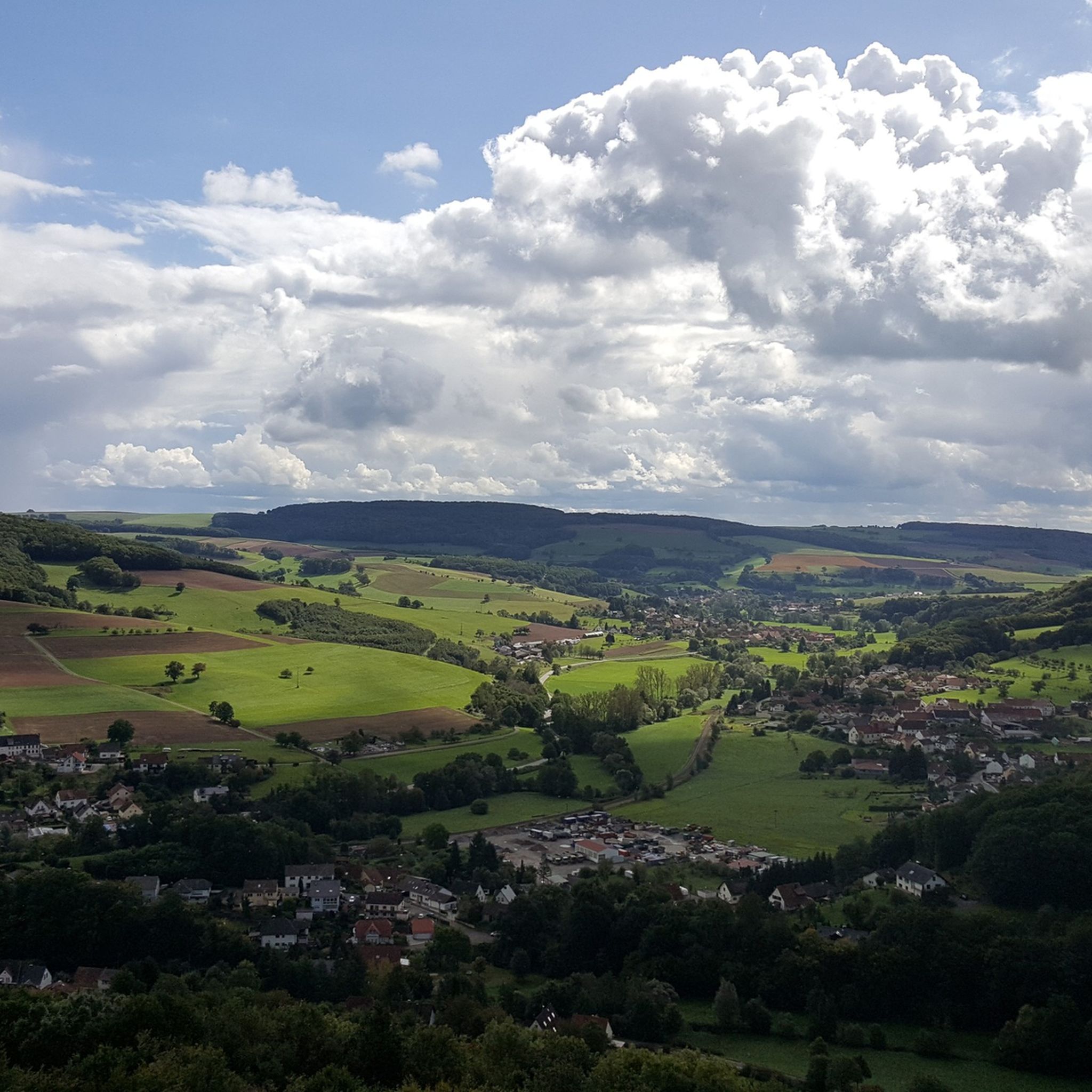
Hiking around Kusel
MTB Trails around Kusel
Other adventures around Kusel


Tips from the Community

Altenburg (Deinsberg Castle Ruins) However, all that remains of it is a large stone labyrinth on a conglomerate rock at the edge of the forest, near the municipal border between Theisbergstegen and Rutsweiler. When the Altenburg was built is still unknown today. However, it can be assumed that its origin dates back to the second half of the 12th century. Because at that time Emperor Frederick I Barbarossa (reign: 1152-1190) had a whole ring of castles built to secure the borders of the old imperial land. At that time, Theisbergstegen still consisted of two separate villages, which also belonged to different lordships. The Altenburg probably previously bore the name 'Burg Deinsberg', as it was customary for castle lords and knights to name themselves after their castle seat. See: https://potzberg.de/index.php/altenburg
1
0

Uphills with e-support no problem. Great view, nice resting place at the Heidenburg.
0
0

The Altenburg (Deinsberg Castle Ruins): It was probably built in the second half of the 12th century. At that time, Emperor Barbarossa had several castles built to secure his country's borders. At that time, Theisbergstegen consisted of two towns belonging to different territories. It is likely that the Altenburg was called Deinsberg Castle, as it was customary for lords and knights to name themselves after their castle residence. There is ample evidence of this, for example, Knight Anselm and Servant Heinrich, both of Deinsberg. The castle was approximately 60 meters long and 33 meters wide. The residential tower and gate tower were elevated and separated by a moat, which probably contained a cistern for rainwater. It was probably destroyed as early as 1400. Further information: http://www.potzberg.de/index.php/die-altenburg
3
0

The old town offers some beautiful half-timbered houses and places to stop for a bite to eat.
0
0

🏘️ Historic Old Town Wolfstein – Half-timbered houses, history & narrow alleys The old town of Wolfstein impresses with lovingly restored half-timbered houses, winding alleys, and traces of medieval urban development. Here, living history meets a cozy atmosphere – ideal for a short detour off the main path. Tip: Definitely take a look into the side alleys – they often hide the most beautiful details and small photo opportunities.
0
0
The Counts of Veldenz once reigned supreme over the land here – today, the mighty remains of the walls bear witness to a turbulent past. The Michelsburg Castle was built in the 13th century and later destroyed by French troops. 📌 Tip: Through the narrow window in the main wall, you can gaze directly into the expanse of the West Palatinate – a quiet moment with great symbolic significance. If you like, take a seat on the bench in front and simply let the history take effect.
0
1
This lovingly designed overview panel impressively demonstrates how the Remigiusberg developed from an important monastery and castle site into the cultural landscape it is today. Only a ruin of the Michelsburg remains – but the historical spirit of the place remains. 📌 Tip: If you take a moment to read the panel carefully, you'll gain a historical perspective on the entire area in just a few glances. Ideal for a thoughtful break before visiting the church or stopping at a restaurant.
0
1

From the castle you have a beautiful view of the Glan valley.
1
0
Frequently Asked Questions
Which castles are particularly family-friendly?
For families, Lichtenberg Castle is an excellent choice, featuring a youth hostel, restaurant, and three museums. Reipoltskirchen Water Castle offers a picturesque setting with its moat, and the Heidenburg Ruins include a playground nearby, making them suitable for visitors of all ages.
Which castles offer the best panoramic views?
For stunning views, climb the lookout tower at Lichtenberg Castle for a fantastic panorama over the Palatinate mountains. The Keep of Alt-Wolfstein Castle also provides magnificent views over Wolfstein and the Lautertal. Additionally, the Ruins of Neu-Wolfstein Castle and Michelsburg Ruins at Remigiusberg offer great vantage points.
Are there unique historical castles to explore in the Kusel region?
Yes, the region boasts several unique historical sites. Reipoltskirchen Water Castle is a rare example of a moated castle. The Altenburg Castle Ruins (Deinsberg) provide insight into defensive strategies from Emperor Barbarossa's era. The Michelsburg Ruins at Remigiusberg are considered the historical heart of the Glan Valley.
What is the best time of year to visit the castles around Kusel?
The castles are enjoyable year-round, but spring and autumn offer pleasant temperatures for exploration and hiking. Summer is ideal for outdoor events, such as the medieval market at Lichtenberg Castle. Always check local weather forecasts before your visit.
Are there hiking opportunities near the castles?
Absolutely. Many castles are integrated into hiking trails. For example, there's a steep trail descent from Lichtenberg Castle. You can find various hiking routes around the castles, including easy and moderate options. Explore more hiking trails in the area on our easy hikes around Kusel guide or waterfall hikes around Kusel guide.
Can I find cafes or restaurants near the castles?
Yes, some castles offer amenities. Lichtenberg Castle has a restaurant on-site, and Reipoltskirchen Water Castle also features a restaurant, making it a convenient stop for refreshments.
Are dogs allowed at the castles?
While specific rules vary, many outdoor castle ruins and grounds in the Kusel region are dog-friendly, especially if kept on a leash. It's always best to check individual castle policies before your visit, particularly for indoor museum areas or youth hostels.
What kind of historical events are associated with the castles in Kusel?
The castles in Kusel have a rich and often turbulent history. For instance, the Ruins of Neu-Wolfstein Castle were destroyed by French soldiers in 1688 and rebuilt, serving as barracks. Lichtenberg Castle was plundered by French Revolutionary troops and suffered a fire in 1799, yet much of it has been restored.
Are there cycling routes that pass by the castles?
Yes, the region offers cycling opportunities. Reipoltskirchen Water Castle is notably situated along the Glan cycle path, making it a perfect stop for cyclists. You can find more cycling routes in our road cycling routes around Kusel guide.
What do visitors enjoy most about the castles around Kusel?
Visitors frequently praise the magnificent views from castles like Keep of Alt-Wolfstein Castle and the well-preserved nature of sites like Lichtenberg Castle. The historical significance and the blend of natural beauty with ancient architecture are also highly appreciated.
Is there parking available at the castles?
Yes, parking is generally available at the major castle sites. For example, Lichtenberg Castle offers free parking, making it convenient for visitors arriving by car.
Can I visit multiple castles in one day?
Given the proximity of several castles in the Kusel district, it is possible to visit multiple sites in a single day, especially if you plan your route efficiently. Consider grouping nearby castles like the Ruins of Neu-Wolfstein Castle and Keep of Alt-Wolfstein Castle in Wolfstein.
Most popular routes around Kusel
Most popular attractions around Kusel

Get inspired with the komoot mobile app


Didn’t find what you were looking for?
Explore Kusel’s best castles region by region:
Explore more
Looking for the best castles somewhere else? Discover other guides around Kusel:
