Top 20 Castles around Sankt Pankraz - San Pancrazio
Best castles around Sankt Pankraz - San Pancrazio offers a journey through historical fortifications in the South Tyrol region. This area, situated in the Ulten Valley, is characterized by its mountainous landscape and rich cultural heritage. While Sankt Pankraz - San Pancrazio itself features Eschenlohe Castle, the broader vicinity provides access to various historical sites. The region combines natural beauty with centuries of architectural history, making it a notable destination for exploring castles.
Best castles around Sankt Pankraz - San…
Last updated: May 9, 2026
View of Tirolo Castle
Highlight • Viewpoint
Translated by Google •
Tip by

Brunnenburg Castle
Highlight • Castle
Translated by Google •
Tip by

Sign up now to discover places like this
Get recommendations on the best single tracks, peaks, & plenty of other exciting outdoor places.
Sign up for free
View of Schloss Tirol, Brunnenburg and vineyards from Dorf Tirol
Highlight • Viewpoint
to the Brunnenburg.
Welcome to Tirol Castle, the residential castle of the Counts of Tyrol. The castle gave the state of …
Translated by Google •
Tip by
Schenna — village, church, castle and mausoleum
Highlight • Settlement
There is, among other things, a tourist office with a very competent advice around
the holidays.
Address: Erzherzog-Johann-Platz, …
Translated by Google •
Tip by

Tyrol Castle (Schloss Tirol)
Highlight • Castle
Translated by Google •
Tip by

Sign up for free to discover even more castles around Sankt Pankraz - San Pancrazio.
Sign up for free
Already have an account?
Start today with a free account
Your next adventure awaits.
Login or Signup
Popular around Sankt Pankraz - San Pancrazio
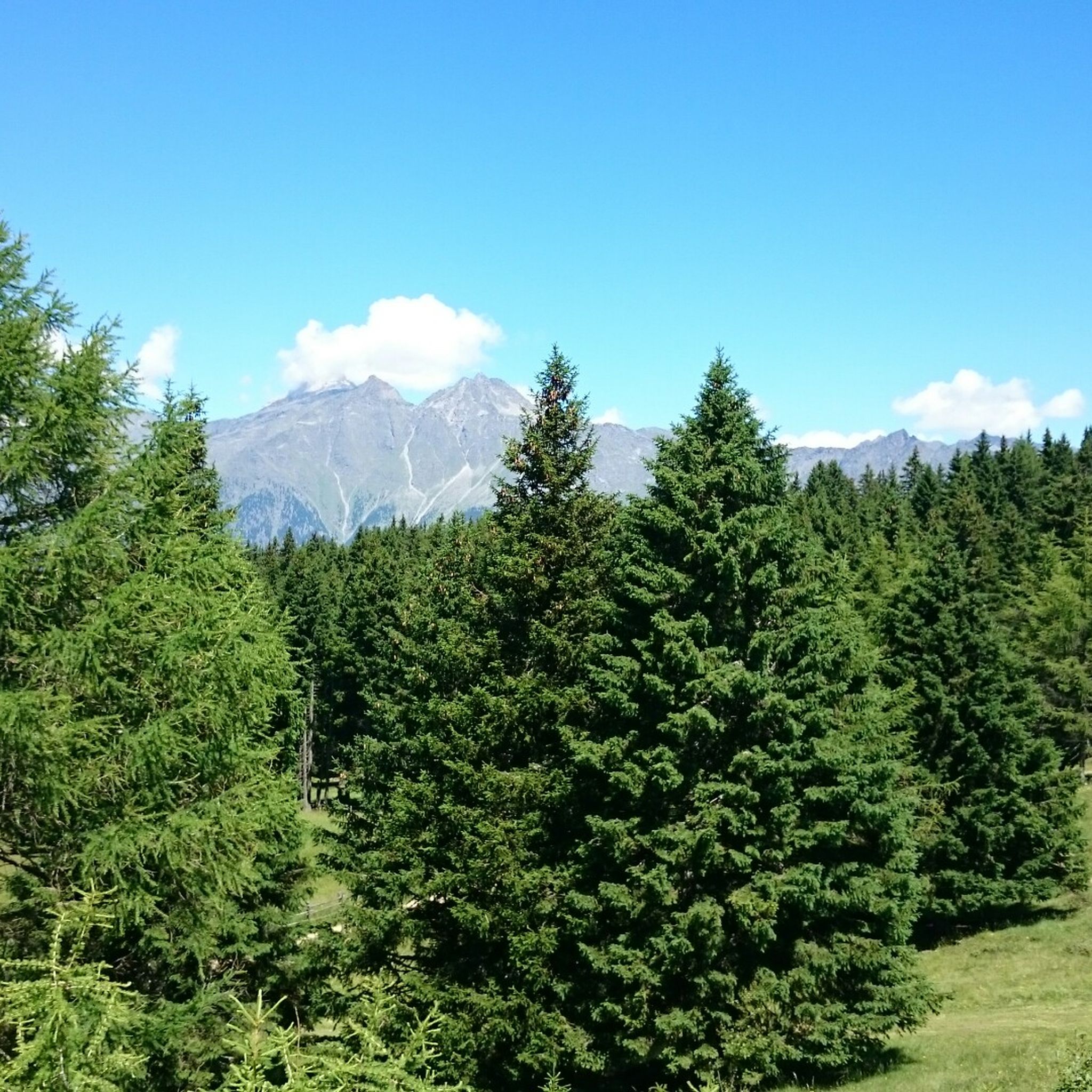
Hiking around Sankt Pankraz - San Pancrazio
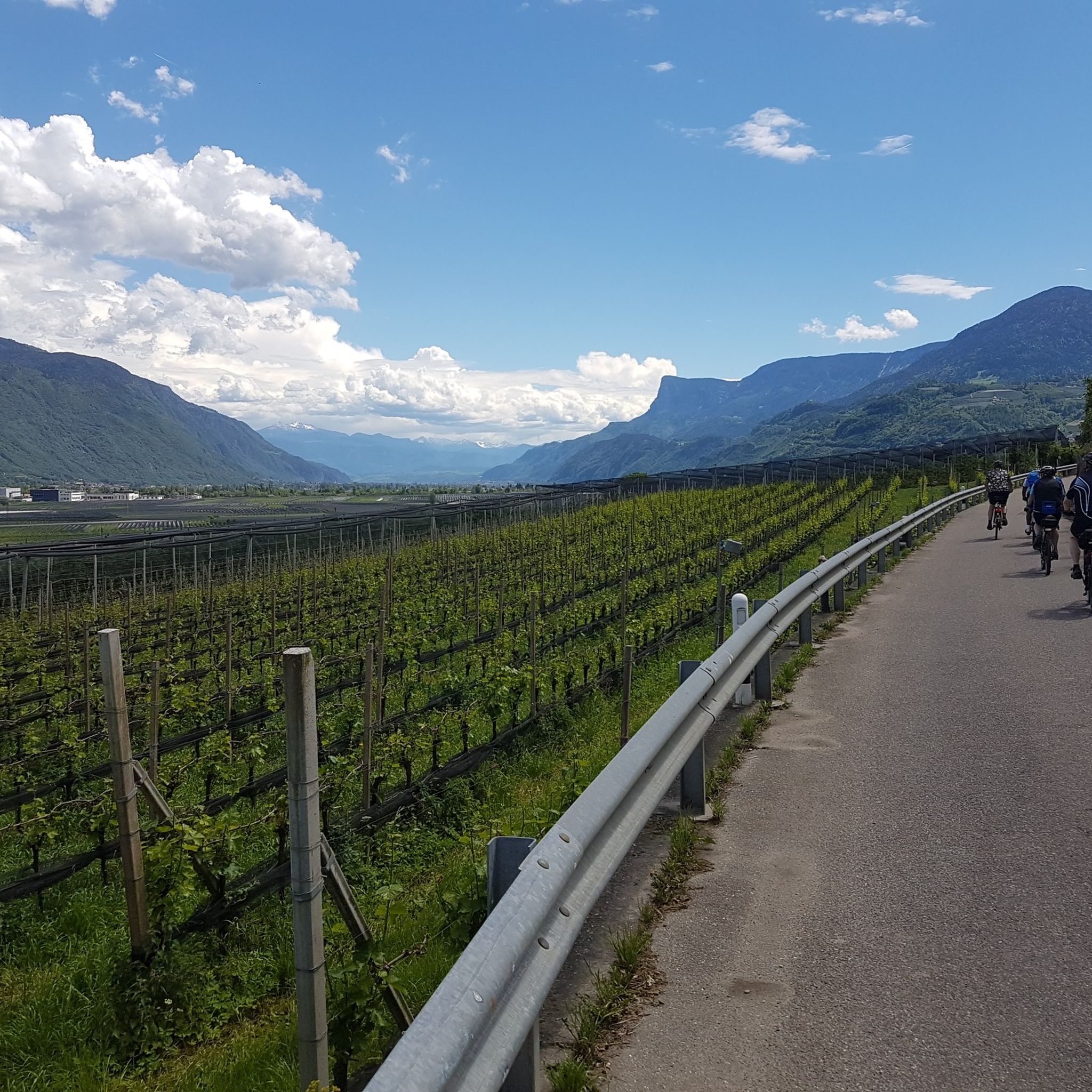
Cycling around Sankt Pankraz - San Pancrazio
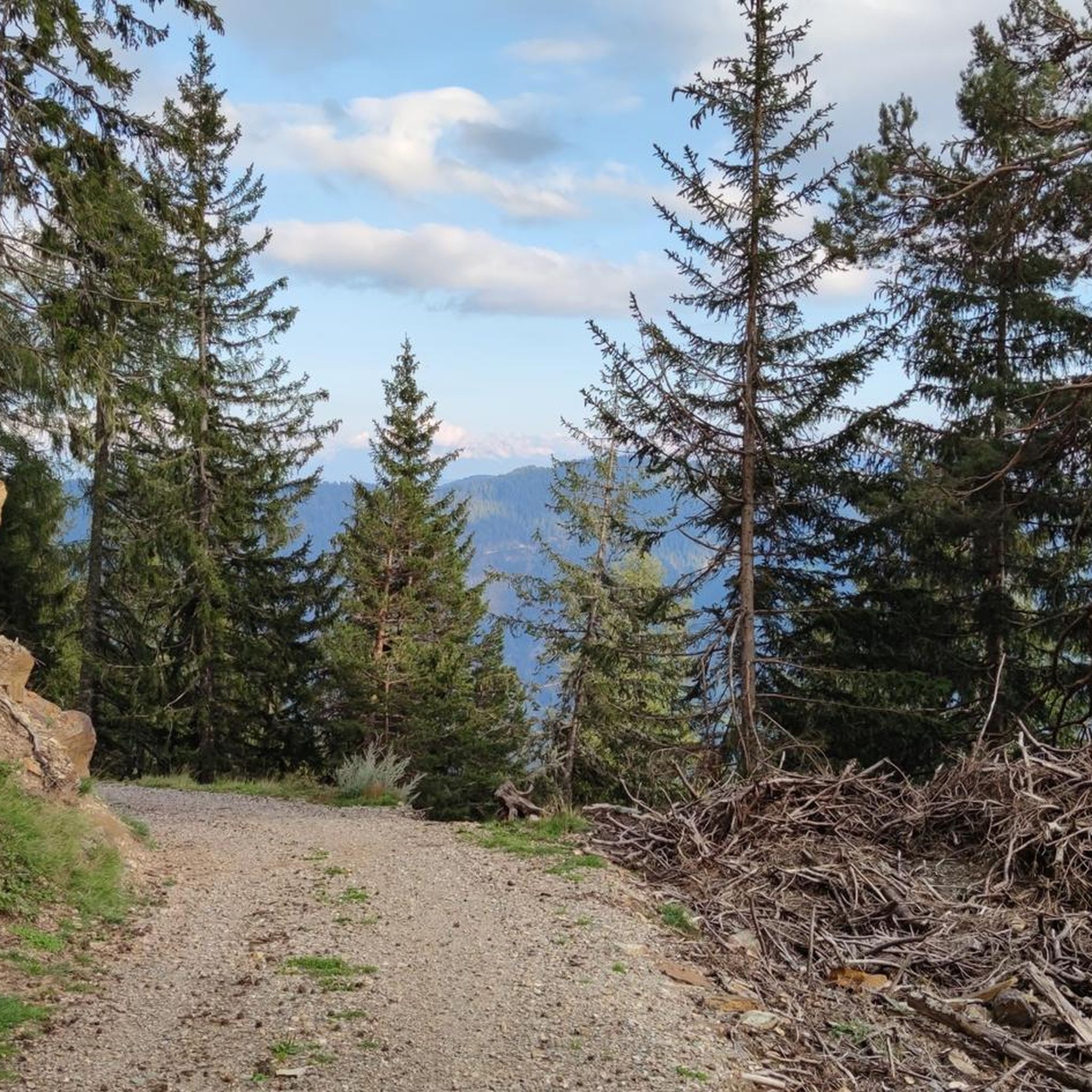
Running Trails around Sankt Pankraz - San Pancrazio
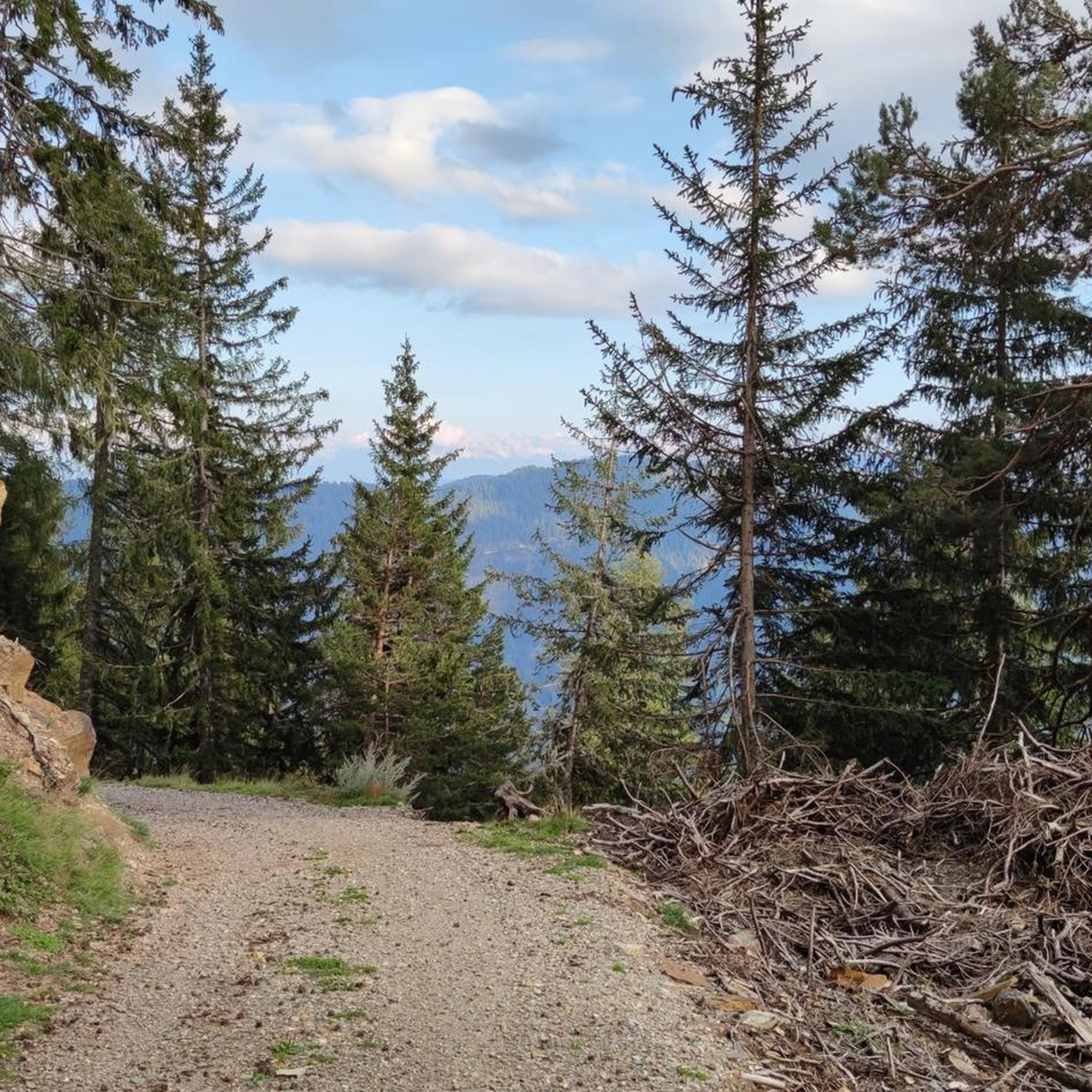
Road Cycling Routes around Sankt Pankraz - San Pancrazio
Mountain Hikes around Sankt Pankraz - San Pancrazio
MTB Trails around Sankt Pankraz - San Pancrazio

Gravel biking around Sankt Pankraz - San Pancrazio
Tips from the Community

In 1903 he sold the castle to the entrepreneur Karl Schwickert from Pforzheim, who had it rebuilt. After his death in 1927, the castle fell into disrepair again until the de Rachewiltz family took up residence there and over time turned the castle into a center for cultural encounters. The American poet Ezra Pound completed his life's work, the Cantos, here from 1958 to 1962. Source: https://www.brunnenburg.net/de/willkommen-auf-der-brunnenburg/sagengeschichte/
12
0
The Brunneburg was built in 1250 by Wilhelm Tarant on a glacial rubble cone below Tyrol Castle. In 1356 the princely administrator of the Bishopric of Trent, Heinrich von Bopfingen, acquired it; he was pastor of Tyrol, envoy of Ludwig of Brandenburg and until 1359 also governor of Tyrol. In 1421 it was acquired by Ulrich Putsch, chaplain of Duke Frederick with his empty pockets, who later became a patron of art and science as Bishop of Brixen. In 1457 the castle came into the possession of Hans Kripp. It belonged to this Hall family for three and a half centuries. In 1705, Gregor Hofer built a house with a barn and gate at the foot of the castle rock using the “high wall tips” that still existed from the ruins. In 1884 the Brunnenburggut came into the hands of the mayor of Dorf Tirol, Michael Sonnenburger. Source:https://www.brunnenburg.net/de/willkommen-auf-der-brunnenburg/sagengeschichte/
13
0
Here you can see the Tyrol Castle as well to the Brunnenburg. Welcome to Tirol Castle, the residential castle of the Counts of Tyrol. The castle gave the state of Tyrol its name. Aspects of the country's history and rulership are combined here in a clear way. From the outer bailey of Tyrol Castle you have an impressive view of the Etsch Valley and the Vinschgau. Here you will feel like you have been transported back to a distant time when the Counts of Tyrol were the masters of this area. Source: https://www.schlosstirol.it/
14
0
In 1903 he sold the castle to the entrepreneur Karl Schwickert from Pforzheim, who had it rebuilt. After his death in 1927, the castle fell into disrepair again until the de Rachewiltz family took up residence there and over time turned the castle into a center for cultural encounters. The American poet Ezra Pound completed his life's work, the Cantos, here from 1958 to 1962. Source: https://www.brunnenburg.net/de/willkommen-auf-der-brunnenburg/sagengeschichte/
8
0
The Brunneburg was built in 1250 by Wilhelm Tarant on a glacial rubble cone below Tyrol Castle. In 1356 the princely administrator of the Bishopric of Trent, Heinrich von Bopfingen, acquired it; he was pastor of Tyrol, envoy of Ludwig of Brandenburg and until 1359 also governor of Tyrol. In 1421 it was acquired by Ulrich Putsch, chaplain of Duke Frederick with his empty pockets, who later became a patron of art and science as Bishop of Brixen. In 1457 the castle came into the possession of Hans Kripp. It belonged to this Hall family for three and a half centuries. In 1705, Gregor Hofer built a house with a barn and gate at the foot of the castle rock using the “high wall tips” that still existed from the ruins. In 1884 the Brunnenburggut came into the hands of the mayor of Dorf Tirol, Michael Sonnenburger. Source: https://www.brunnenburg.net/de/willkommen-auf-der-brunnenburg/sagengeschichte/
10
0

Wilhelm Tarant built the Brunnenburg around 1250 on a glacial rubble cone below Schloss Tirol. It got its name from the nearby spring. The castle, which fell into ruin over the centuries, was reborn at the beginning of the 20th century, and this is how the visitor encounters it today. The former residence of the American poet Ezra Pound (1885 to 1972) now houses the agricultural museum, which gives an insight into the life of South Tyrolean farmers and mountain farmers and into old trades.
3
0
Schenna is an Italian municipality with 2916 inhabitants in South Tyrol. It is about three kilometers north-east of Meran and about 25 kilometers north-west of Bozen, just opposite Dord Tirol. Worth seeing is the castle and the church with the mausoleum. From here you can hike wonderfully to Meran.
9
0

Must have been. Magnificent views as far as the eye can see
6
0
Frequently Asked Questions
Are there family-friendly castles or activities near Sankt Pankraz - San Pancrazio?
Yes, several castles and viewpoints are suitable for families. Brunnenburg Castle is noted as family-friendly, offering a unique historical experience. The viewpoint View of Schloss Tirol, Brunnenburg and vineyards from Dorf Tirol is also family-friendly, providing impressive views. Additionally, Tyrol Castle (Schloss Tirol) is well-maintained and easy to walk, with a museum that can be engaging for various ages. Warth Castle, while primarily holiday apartments, offers a serene atmosphere with amenities like a swimming pool and playground, making it suitable for a relaxing historical retreat for families.
What outdoor activities can I do near the castles around Sankt Pankraz - San Pancrazio?
The region offers various outdoor activities. You can find numerous hiking opportunities, including easy trails like the Sankt Pankraz Nature Trail, or more challenging mountain hikes such as those around Laugenalm. For cyclists, there are gravel biking routes like the View of the Adige Valley loop. You can explore more options on the dedicated guides for easy hikes, mountain hikes, and gravel biking in the area.
Are there any castles with internal access or museums to visit?
Yes, while Eschenlohe Castle in San Pancrazio can only be viewed from the outside, the broader South Tyrol region offers castles with internal access. Schloss Moos-Schulthaus in Eppan is publicly accessible as a museum of medieval living culture and folk art, showcasing Gothic frescoes and original furnishings. Tyrol Castle (Schloss Tirol) also functions as a museum, offering insights into the history of the region.
What is the best time of year to visit the castles in this region?
The best time to visit the castles around Sankt Pankraz - San Pancrazio generally depends on your preferred activities. Spring and autumn offer pleasant temperatures for exploring and hiking. Summer is also popular, though it can be warmer. Some castles or museums might have specific opening hours that vary seasonally, so it's always good to check in advance.
Can I reach the castles using public transport?
While specific public transport routes to every individual castle might vary, the South Tyrol region generally has a good public transport network. For castles like Tyrol Castle (Schloss Tirol) and Brunnenburg Castle, which are near Dorf Tirol, public buses often connect to nearby towns like Merano, from where you can access the castle areas. It's advisable to check local bus schedules for the most up-to-date information.
Are there any viewpoints offering panoramic views of multiple castles?
Yes, the viewpoint View of Schloss Tirol, Brunnenburg and vineyards from Dorf Tirol offers an impressive perspective, allowing you to see both Tyrol Castle and Brunnenburg Castle, alongside vineyards, with a clear view of the Etsch Valley and Vinschgau. Another popular spot is View of Tirolo Castle, which provides beautiful panoramic views of the Meraner valley and Tyrol Castle.
What are some historical highlights or unique features of the castles in the area?
The castles in the region boast rich histories. Brunnenburg Castle, built around 1250, became a center for cultural encounters where Ezra Pound completed his life's work. Schloss Moos-Schulthaus features Gothic frescoes from the 15th century, including a notable 'Cat and Mouse War' depiction, one of the oldest satirical representations in the Alpine region. Tyrol Castle (Schloss Tirol) is significant as the ancestral seat of the Counts of Tyrol, giving the entire region its name.
Are there cafes or restaurants near the castles?
Yes, some castles and their surrounding areas offer amenities. Tyrol Castle (Schloss Tirol) is listed with both a cafe and a restaurant. The village of Schenna, which includes a castle, also has many restaurants. For other castles, you might find cafes or restaurants in the nearest villages or towns.
Are the castle walks difficult or accessible for everyone?
The difficulty of castle walks varies. Many castles, especially those that function as museums like Tyrol Castle (Schloss Tirol), are designed to be easily walkable. However, some viewpoints or paths leading to castles might involve moderate inclines. For example, the View of Tirolo Castle is categorized as 'intermediate' in difficulty. It's best to check specific route details if you have concerns about accessibility.
What is Eschenlohe Castle in San Pancrazio, and can I visit it?
Eschenlohe Castle is directly located in San Pancrazio/St. Pankraz, situated high above the valley. It's considered a landmark and offers a picturesque photo opportunity due to its idyllic setting. However, it's important to note that Eschenlohe Castle can only be viewed from the outside and is not open for internal visits.
What do visitors enjoy most about the castles around Sankt Pankraz - San Pancrazio?
Visitors frequently appreciate the impressive panoramic views, especially from spots like View of Tirolo Castle and View of Schloss Tirol, Brunnenburg and vineyards from Dorf Tirol. The historical significance and well-preserved architecture of castles like Tyrol Castle, which offers a museum experience, are also highly valued. The combination of natural beauty and rich cultural heritage makes the region a compelling destination for castle enthusiasts.
Most popular routes around Sankt Pankraz - San Pancrazio
Most popular attractions around Sankt Pankraz - San Pancrazio

Get inspired with the komoot mobile app


Explore more
Looking for the best castles somewhere else? Discover other guides around Sankt Pankraz - San Pancrazio:
