Top 20 Castles in Estonia
Castles in Estonia offer a glimpse into the country's rich history, with structures ranging from medieval fortresses to grand aristocratic residences. Many of these historical sites are situated on significant geographical features like hills or islands, providing unique insights into Estonia's past. The diverse architecture reflects various periods of rule, from Danish and Livonian Order constructions to Tsarist influences. These sites provide engaging experiences for visitors interested in historical exploration and cultural heritage.
Best castles in Estonia
- The most popular castles is Toompea Castle (Estonian Parliament), a castle that has been in use since at least the 9th century. Today, it houses the Parliament of Estonia, with the Estonian flag flying on the 45.6-meter-high Tall Hermann tower.
- Another must-see spot is Kadriorg Palace, a castle considered the most spacious palace and park ensemble in Estonian architecture. Visitors can explore this well-preserved imperial summer residence from the early 18th century, which now houses one of the country's most important art museums.
- Visitors also love Alexander Nevsky Cathedral, a religious building located on Toompea Hill near Toompea Castle. This richly decorated Christian Orthodox church, completed in 1900, features Tallinn's most powerful church bells ensemble and a mosaic and icon-decorated interior.
- Estonia is known for medieval fortresses, Baroque palaces, and Neo-Gothic castles. These structures showcase a variety of architectural styles and historical periods, offering diverse experiences for visitors to explore.
- The castles in Estonia are appreciated by the komoot community, with more than 40 highlights featuring over 500 photos and receiving more than 600 upvotes.
Last updated: August 24, 2026
Alexander Nevsky Cathedral
Highlight • Religious Site
Translated by Google •
Tip by

Toompea Castle (Estonian Parliament)
Highlight • Castle
The story of Toompea is the history of Estonia's rulers and their power. Each ruler has built and secured this place according to his needs and wishes. Today, the Parliament of the Republic of Estonia works here, and the Estonian blue-black-and-white flag - the symbol of the independent state of Estonia - blows on the 45.6-meter-high tower of the Long Hermann.
Translated by Google •
Tip by

Sign up now to discover places like this
Get recommendations on the best single tracks, peaks, & plenty of other exciting outdoor places.
Sign up for free
Tallinn City Wall
Highlight • Monument
Translated by Google •
Tip by

Toompea Hill (Domberg)
Highlight • Historical Site
Showing Translation
Tip by

Fat Margaret Tower (Paks Margareeta), Tallinn
Highlight • Monument
Source: Wikipedia
Translated by Google •
Tip by

Danish King's Garden (Taani Kuninga Aed)
Highlight • Historical Site
The Danish King's Garden was laid out in the 17th century and is one of Tallinn's oldest parks. Here you can stroll along the paths and enjoy the beauty of the gardens adorned with flowers, trees and fountains.
In the middle of the park is also an impressive Renaissance castle that once served as a summer residence for the Danish king. Today you can tour the castle and learn how it has been used as a residence, prison and military base over the centuries.
The Danish King's Garden is also a popular venue for events and celebrations. In the summer you can experience concerts, festivals and markets that enrich life in Tallinn.
Translated by Google •
Tip by

Hellemann Tower and Town Wall, Tallinn
Highlight • Historical Site
On one side of the HellemanToren is the Virupoort in the city wall, on the other side is the Monk's Tower.
In Soviet times, the tower belonged to the Cinema Association. Below the tower is an access-free sub-room, which was probably created to reduce humidity. In the 1960s, the tower, along with the adjacent part of the wall, slipped a meter, it was supported and preserved.
Translated by Google •
Tip by

Kadriorg Palace
Highlight • Castle
Translated by Google •
Tip by

Kuressaare Castle
Highlight • Castle
Translated by Google •
Tip by

Plate Tower (Platetorn)
Highlight • Historical Site
Translated by Google •
Tip by

Sign up for free to discover even more castles in Estonia.
Sign up for free
Already have an account?
Start today with a free account
Your next adventure awaits.
Login or Signup
Popular around Estonia
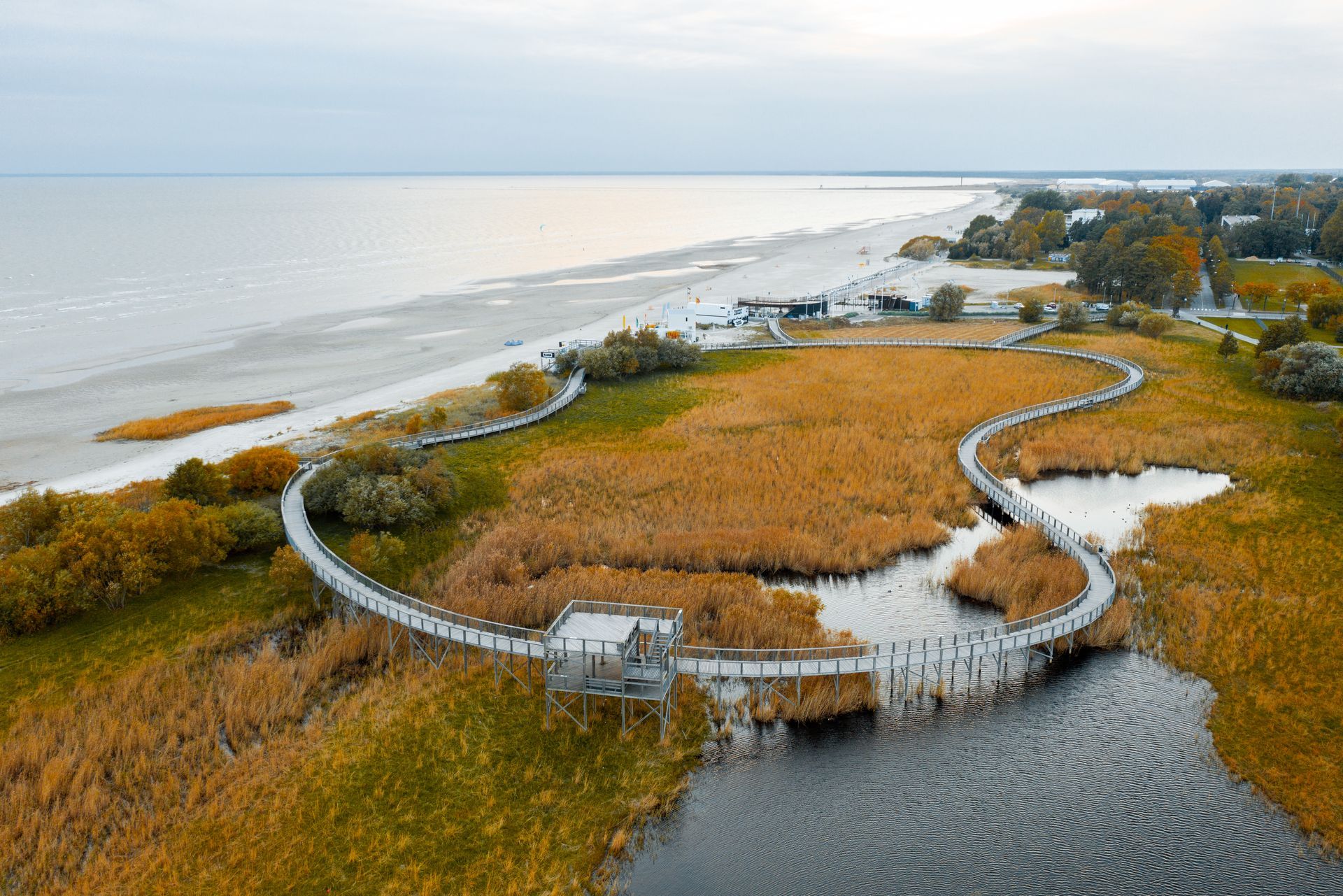
National Cycling Routes of Pärnumaa – Forest Trails, River Valleys and Coastal Roads of Western Estonia
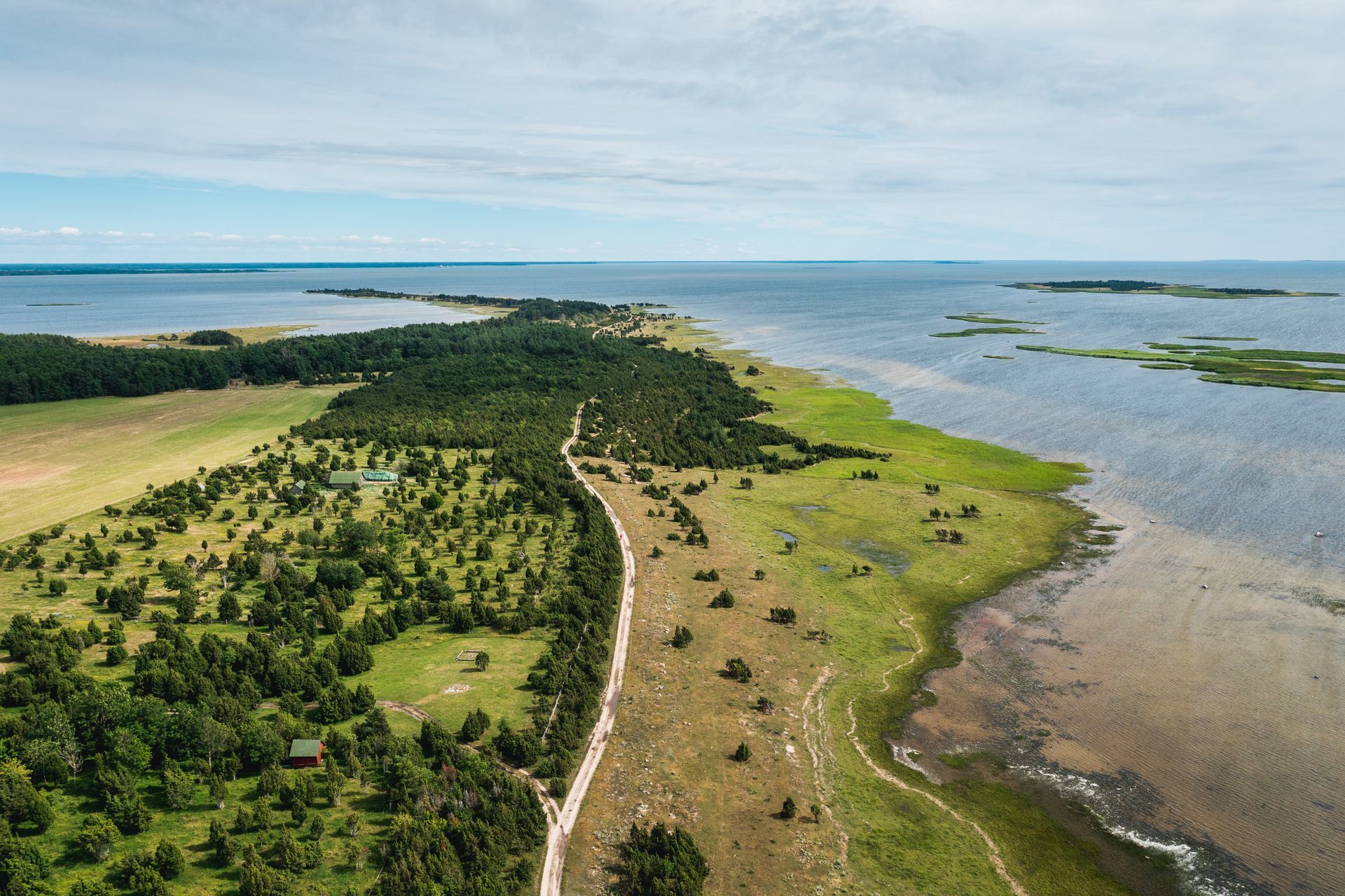
Best of national cycling routes of Estonian Islands
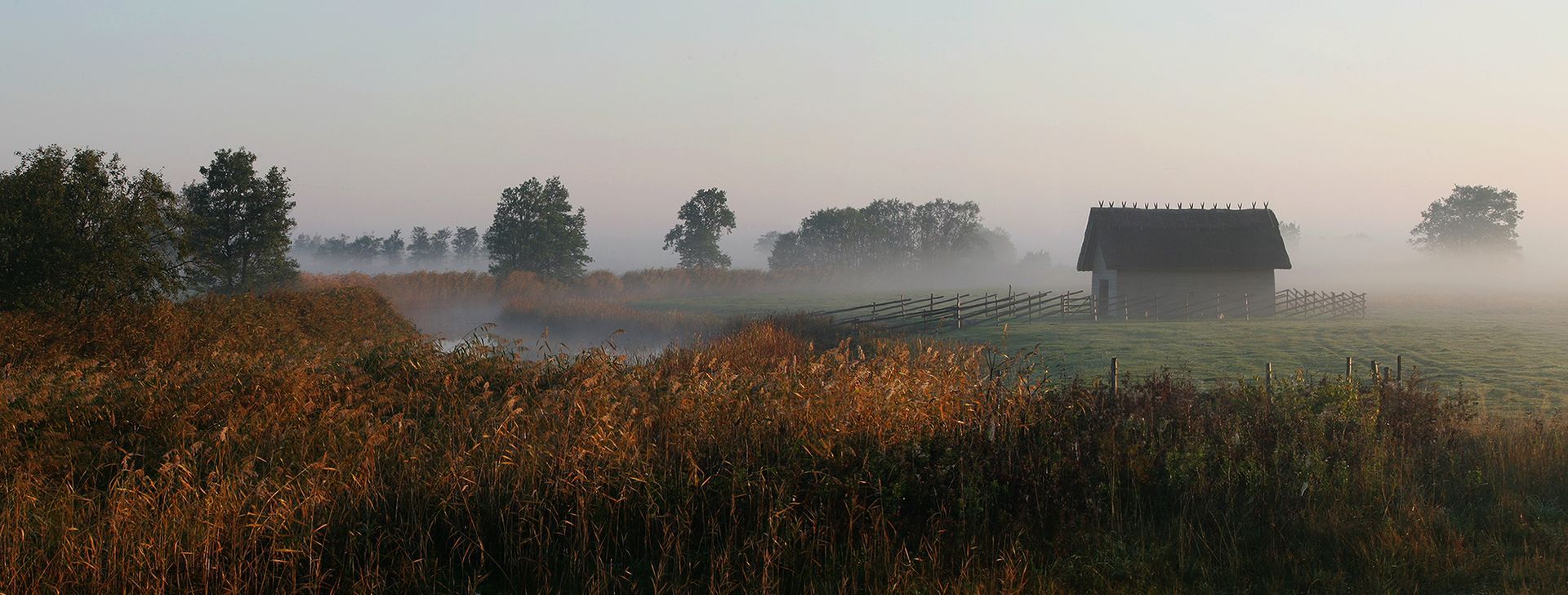
Best Cycling Routes in Western Estonia and Matsalu National Park – Coastal Nature, Wetlands & Nordic Heritage
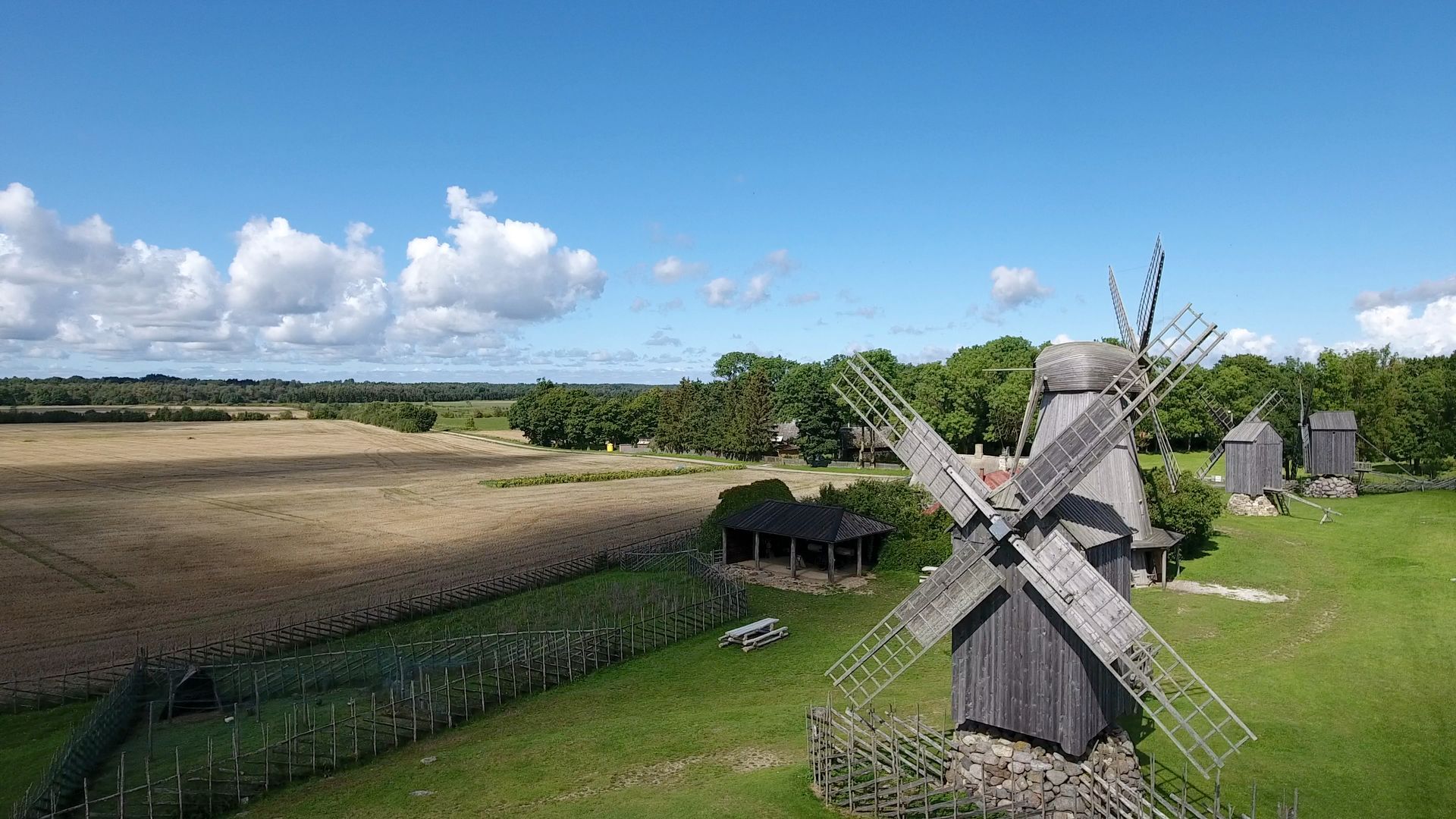
Estonian national cycling routes of Saaremaa & Muhu Islands – Islands of Windmills, Craters & Coastal Roads
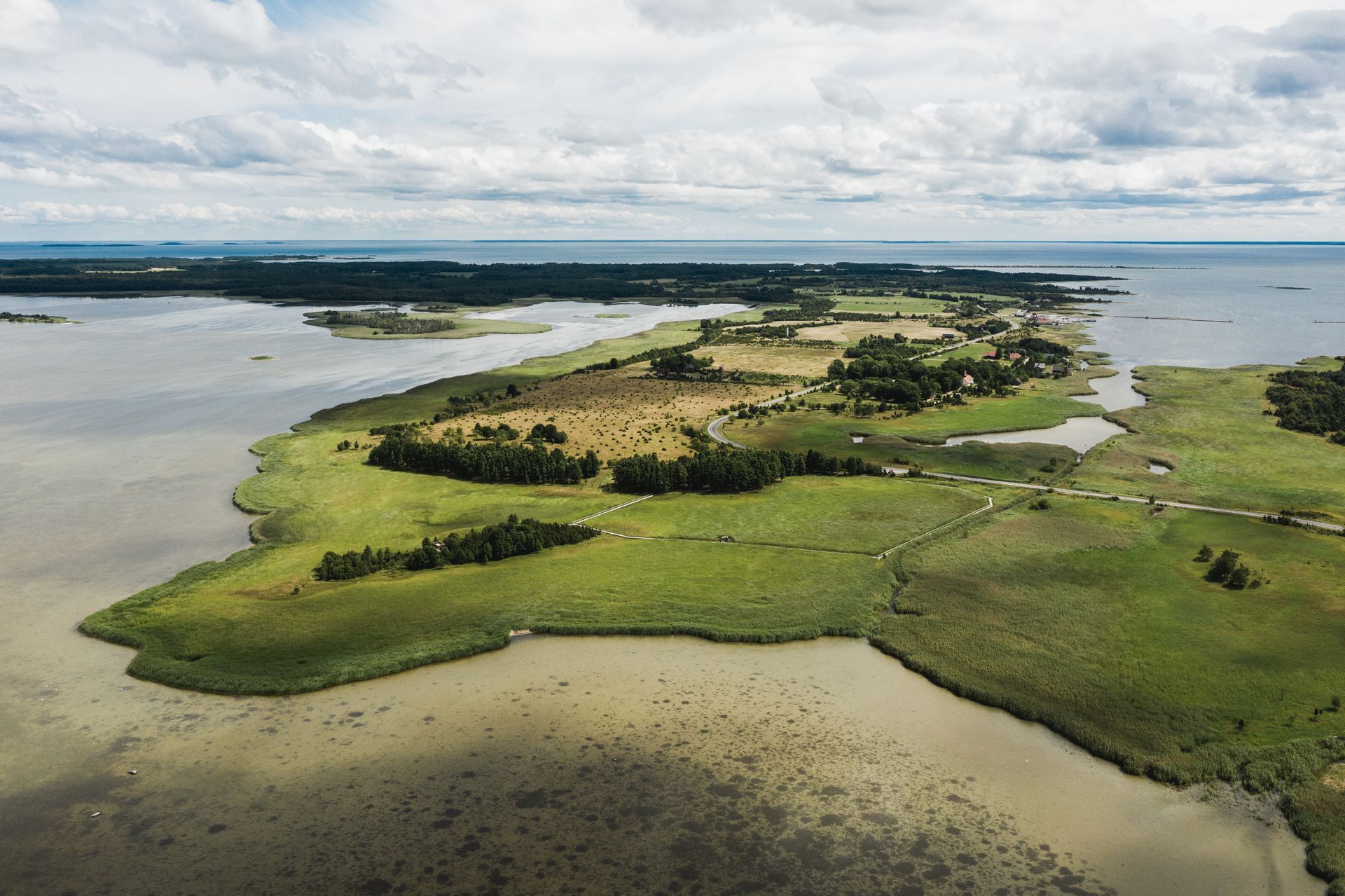
Best of Estonian national cycling routes in Hiiumaa
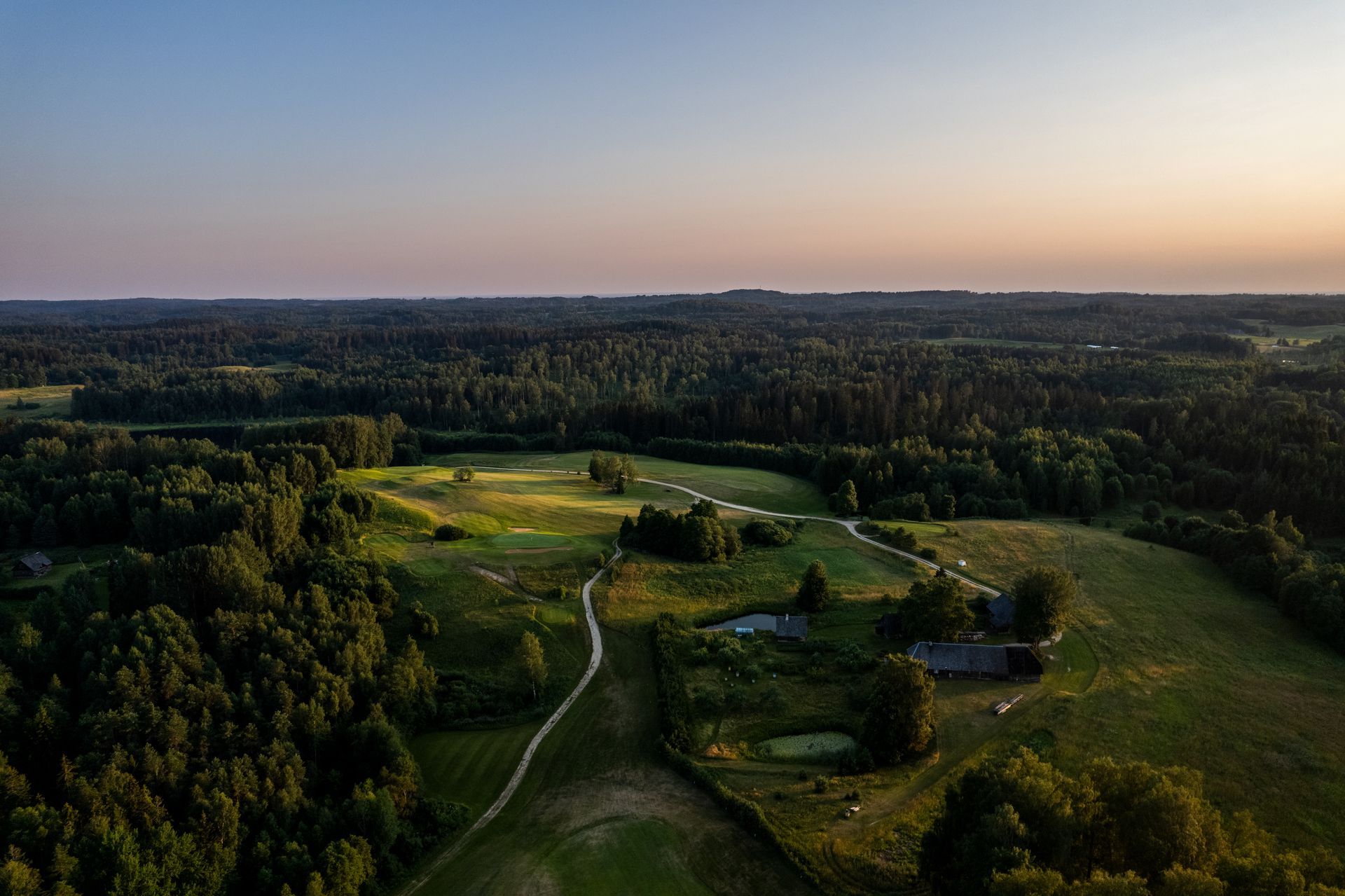
Best of National Cycling Routes in South Estonia
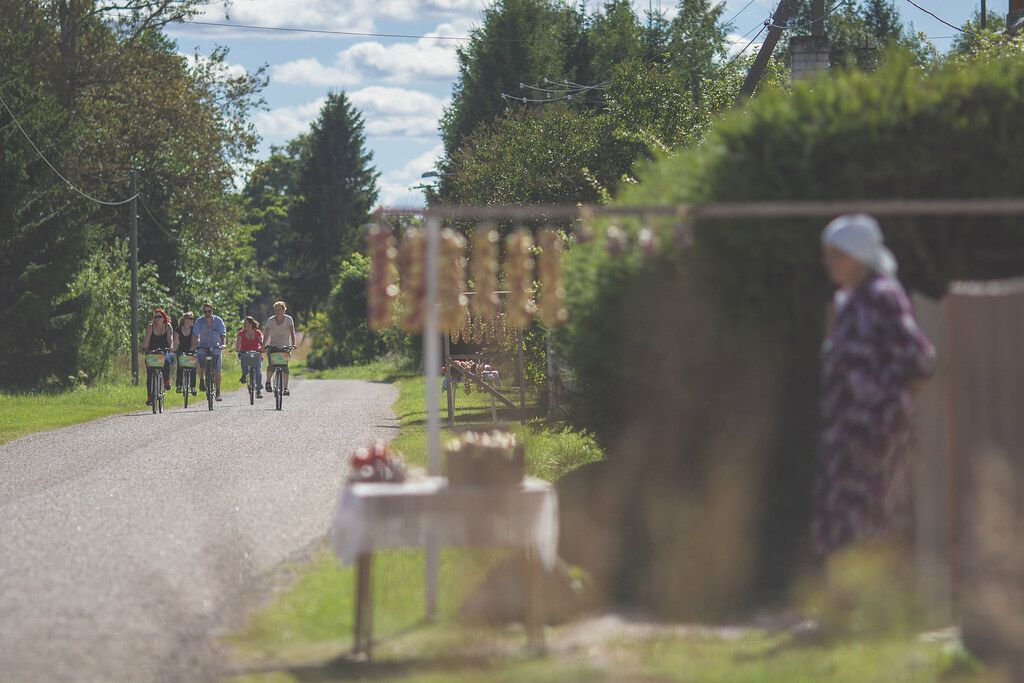
Lake Peipus, Mustvee, Old Believers, Manors & Nature Ride in Central and Eastern Estonia
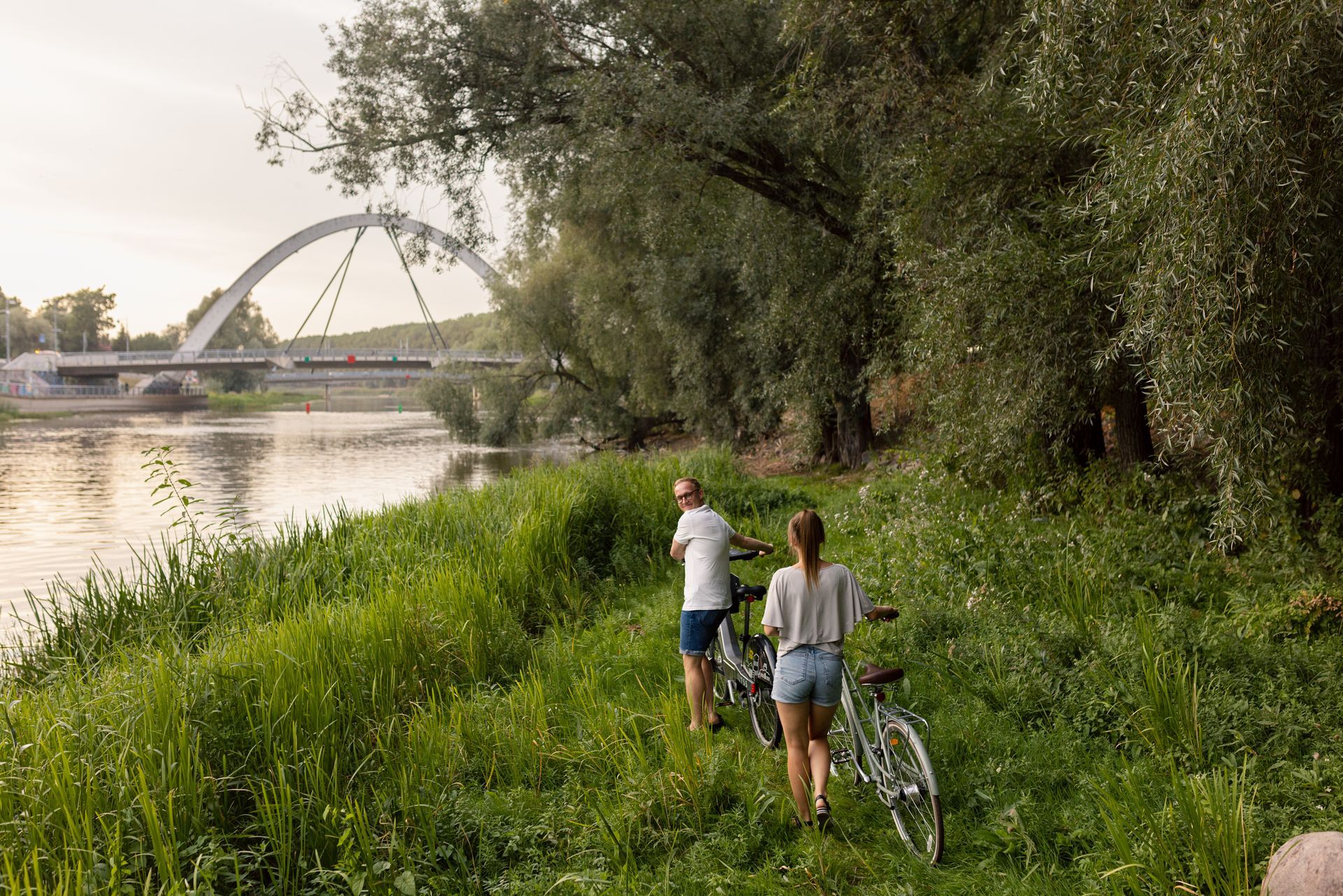
Best of National Cycling Routes in Tartu County & South-Eastern Estonia
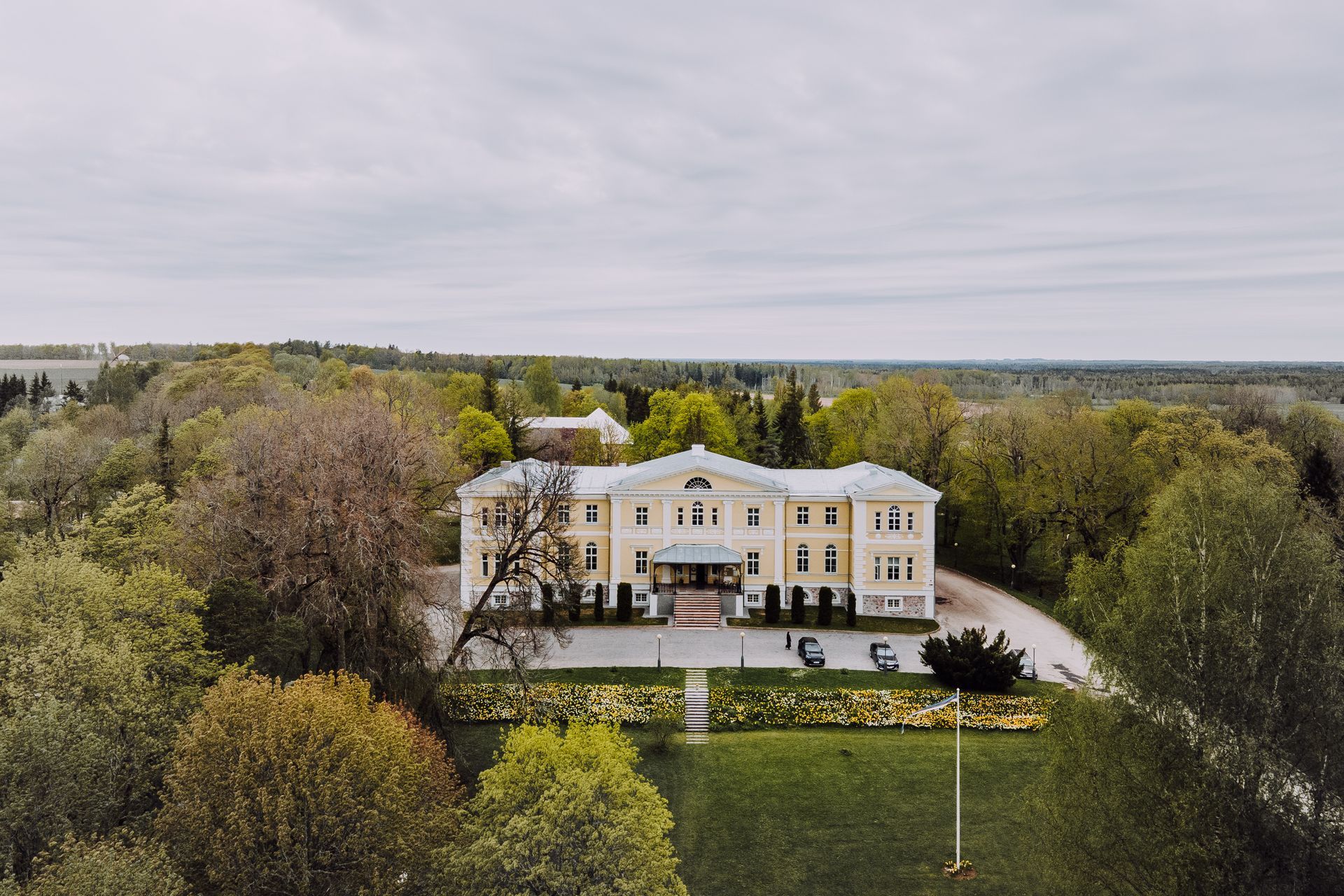
Best of National Cycling Routes in Jõgevamaa, Central & Eastern Estonia – Land of Lakes, Legends & Manors
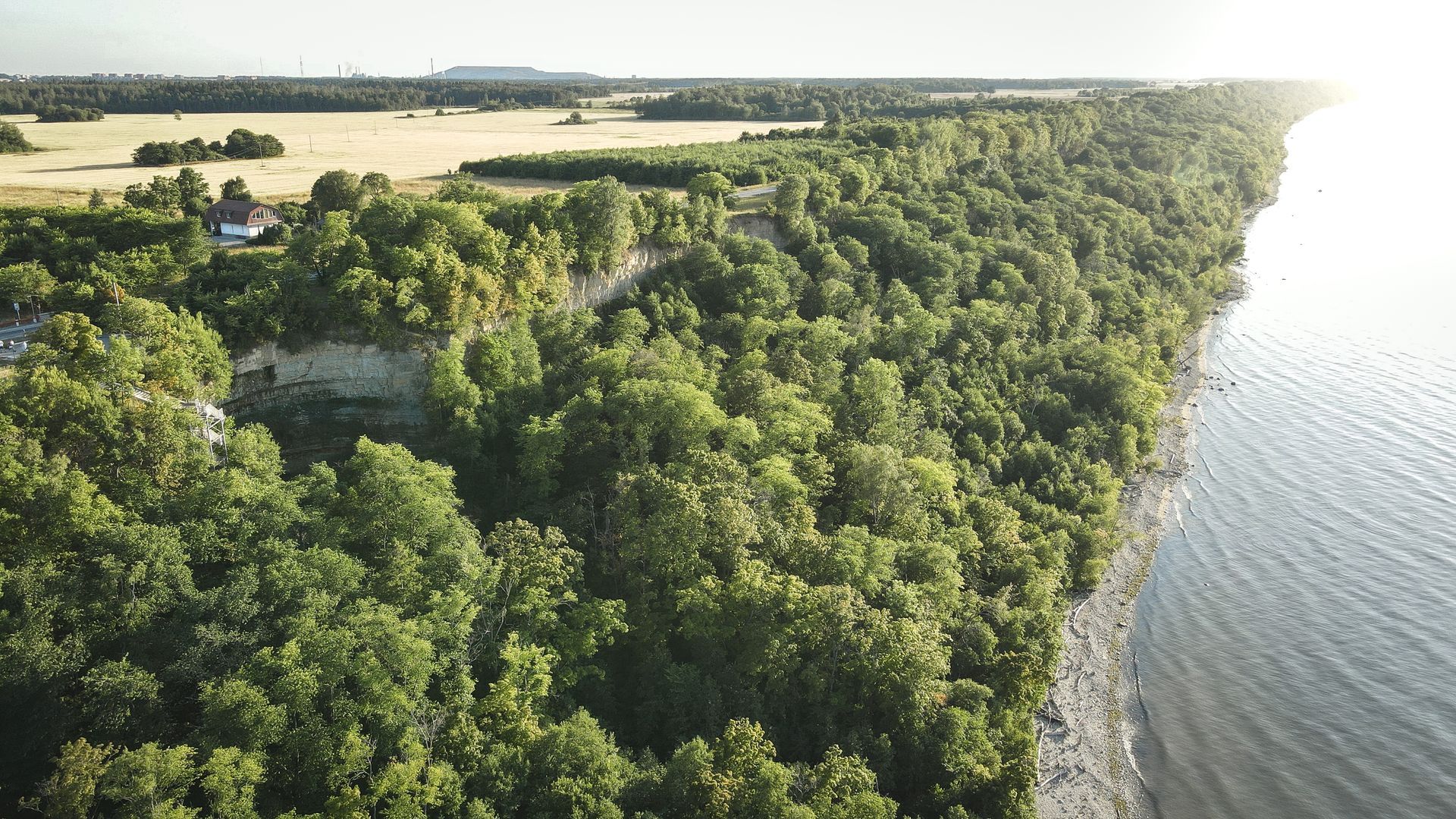
Best of National Cycling Routes in East and North Estonia – Ida-Virumaa County
Other adventures in Estonia

Tips from the Community

Up here there is a museum, which includes some towers with exhibitions and access to the underground catacombs.
3
0
Kadriorg Park is the most outstanding palace and city park in Estonia, spreading over an area of approximately 70 hectares. The park's construction began in 1718 at the order of Tsar Peter I. In Kadriorg Park, you can see characteristic elements of park design from the 18th, 19th, and 20th centuries. The most popular park paths are found in the area of the Swan Pond, adorned with flowerbeds. The promenade leading from there to the palace is also very popular.
3
0

Where to start here, you spend hours here and still don't see everything.
8
0

The first recorded mention of the gate as a clay gate dates back to 1362. The name derives from the clay pits that existed in this area outside the city wall at that time. In 1454, the gate complex received a foregate. Between the main gate and the foregate stood a fortified water mill, which remained in use until the 19th century. After the gate lost its military function, the five-story main tower was demolished in 1843. The actual gate was demolished in 1888. The secondary towers of the foregate, designed as round towers, survived.
0
0
With the remaining 2 kilometers of the original city walls, Tallinn boasts one of the best-preserved medieval fortifications in Europe. It is largely this system of walls and towers that gives the Old Town its fairytale charm.
2
0

Construction of the new Catherine Palace began on July 25, 1715. Peter and Catherine visited the unfinished residence on several occasions, but after the Tsar's death in 1725, Catherine no longer showed any interest in the seaside estate. The ballroom, bearing Catherine's monogram and its lavish stucco decoration (attributed to Heinrich von Bergen), survived, while many other parts of the interior were redesigned.
5
0
In the Danish King's Garden you will find a beautiful view of the Lower Town, as well as the three monk sculptures, a café in the castle wall, the "Red Lion" cannon and the museum in the Maids' Tower.
5
0

One of Tallinn's landmarks and photographed thousands of times.
5
0
Frequently Asked Questions
Which castles in Estonia offer interactive experiences for visitors?
For an interactive journey into history, visit Toompea Castle, which houses the Estonian Parliament and offers free guided tours on weekdays. Kadriorg Palace, an 18th-century imperial summer residence, now hosts one of the country's most important art museums. Rakvere Castle provides a theme park experience showcasing 16th-century life with costumed knights, a torture chamber, and archery. Paide Castle's central tower, the Wittenstein Time Centre, offers an interactive journey through Estonian history.
Are there family-friendly castles in Estonia?
Yes, several castles are great for families. Rakvere Castle is particularly ideal, featuring a theme park with costumed knights, a torture chamber, and archery. Haapsalu Castle has a moat stylized into a children's playground, and its bell tower can be climbed. Many castles, like Kadriorg Palace, also offer extensive grounds and museums that can engage younger visitors.
What is the best time of year to visit castles in Estonia?
The best time to visit Estonian castles is generally during the warmer months, from late spring to early autumn (May to September), when the weather is pleasant for exploring outdoor grounds and castle ruins. Many castles, however, are open year-round, offering different experiences. For example, some museums within castles, like Narva Castle or Kuressaare Castle, are accessible regardless of the season.
Which castles are known for their architectural significance?
Estonia boasts a variety of architectural styles. Toompea Castle combines medieval fortifications with Tsarist and early 20th-century parliamentary buildings. Narva Castle is considered the best-preserved castle in Estonia, maintaining its massive wings and central courtyard. Alatskivi Castle is a beautiful Neo-Gothic 'fairytale castle' resembling Windsor Castle, while Sangaste Castle showcases stunning Neo-Baroque and English Tudor styles. Kadriorg Palace is a prime example of Baroque-style Russian architecture.
Can I find hiking trails near Estonian castles?
Yes, you can combine castle visits with outdoor activities. For instance, near Tallinn, you can find routes like the 'Alexander Nevsky Cathedral – Toompea Hill (Domberg) loop from Tallinn' or the 'Town Hall Square, Tallinn – Alexander Nevsky Cathedral loop from Tallinn'. These routes offer a chance to explore the historical surroundings on foot. You can find more hiking options in the region by checking out the Hiking in Estonia guide.
Which castles offer museums or cultural exhibitions?
Many Estonian castles house museums. Narva Castle hosts the Narva Museum, featuring exhibits on local and castle history. Kuressaare Castle is home to the Saaremaa Museum. Paide Castle's central tower contains a portion of the Järva County Museum. Põltsamaa Castle's wings and cellars host various museums, including those on local history and Estonian cuisine. Kadriorg Palace houses the Art Museum of Estonia.
Are there castles in Estonia that are less crowded or considered 'hidden gems'?
While popular castles like Toompea and Narva attract many visitors, you might find a more tranquil experience at places like Alatskivi Castle, often described as a 'fairytale castle' with guided tours and unique accommodation options. Sangaste Castle, a stunning Neo-Baroque estate in Southern Estonia, also offers a picturesque setting with a restaurant and hotel, making it a cultural highlight that can be less bustling than the major tourist hubs.
Which castles are easily accessible from Tallinn for a day trip?
Several notable castles are within a reasonable distance for a day trip from Tallinn. Toompea Castle and Kadriorg Palace are located directly in Tallinn. Rakvere Castle is also a popular choice for a day trip, offering an interactive historical experience. Haapsalu Castle, with its well-preserved cathedral and bell tower, is another excellent option for a day excursion.
What kind of natural features can be found around Estonian castles?
Estonian castles are often situated in scenic locations. Toompea Castle is on Toompea hill, offering elevated views. Kuressaare Castle is on Saaremaa island, providing a coastal setting. Many castles are surrounded by extensive parks and gardens, such as the beautiful grounds of Kadriorg Palace, which is considered the most outstanding castle and city park in Estonia.
Can I explore castle ruins in Estonia?
Yes, Estonia has several impressive castle ruins that offer a glimpse into the past. Rakvere Castle, though partly blown up during the Polish-Swedish War, remains a significant ruin that has been transformed into an interactive theme park. Many other castles, while restored, still incorporate elements of their original fortifications and ruins, allowing visitors to appreciate their long history and resilience.
Are there any castles in Estonia with unique accommodation options?
Yes, for a truly unique experience, you can book a room in the tower of Alatskivi Castle, a beautiful Neo-Gothic 'fairytale castle'. Sangaste Castle, a stunning Neo-Baroque estate, also includes a hotel, making it a popular venue for events and offering guests the chance to stay within its historic walls.
Most popular routes in Estonia
Most popular attractions in Estonia

Get inspired with the komoot mobile app


Explore more
Looking for the best castles somewhere else? Discover other guides in Estonia:
