Attractions and Places To See in Uruguay - Top 20
Best attractions and places to see in Uruguay include a diverse range of historical sites, vibrant city centers, and natural reserves. The country features a rich cultural heritage, evident in its colonial architecture and significant landmarks. Visitors can explore coastal areas, national parks, and unique architectural marvels. Uruguay offers a variety of experiences, from urban exploration to tranquil natural settings.
Best attractions and places to see in Uruguay
- The most popular attractions is Palacio Salvo, a man-made monument that…
Last updated: July 20, 2026
Fountain at Plaza de la Constitución
Highlight • Monument
de.wikipedia.org/wiki/Plaza_de_la_Constitución_(Montevideo)
Translated by Google •
Tip by

Palacio Salvo
Highlight • Monument
Translated by Google •
Tip by
Sign up now to discover places like this
Get recommendations on the best single tracks, peaks, & plenty of other exciting outdoor places.
Sign up for free
Mausoleum of José Artigas
Highlight • Monument
welcomeuruguay.com/montevideo/mausoleo-general-artigas.html
Translated by Google •
Tip by
Historic Quarter of Colonia del Sacramento
Highlight • Historical Site
Tip by

Plaza Independencia
Highlight • Monument
Created in 1836 by military engineer José M. Reyes and designed by Italian architect Carlo Zucchi in the following …
Translated by Google •
Tip by
Mercado del Puerto Montevideo
Highlight • Monument
It is worth a visit.
Translated by Google •
Tip by

Colonia del Sacramento Lighthouse and San Francisco Convent Ruins
Highlight • Historical Site
Tip by
Montevideo Metropolitan Cathedral
Highlight • Religious Site
de.wikipedia.org/wiki/Catedral_Metropolitana_de_Montevideo
Translated by Google •
Tip by
Calle de los Suspiros
Highlight • Historical Site
Translated by Google •
Tip by

Mercado de la Abundancia
Highlight • Monument
The former market hall, built between 1904 and 1909, is located at Calle Yaguarón 1312, corner of …
Translated by Google •
Tip by

Sign up for free to discover even more attractions in Uruguay.
Sign up for free
Already have an account?
Start today with a free account
Your next adventure awaits.
Login or Signup
Tips from the Community

There is a separate website with detailed information on history, opening hours, and services: https://catedralmontevideo.com.uy/web2/
0
0
In 1865, the enterprising businessman Pedro Sáenz de Zumarán founded a financial company that acquired the land in Montevideo Bay with the aim of building a transshipment point. The English engineer R. H. Mesures was hired without further ado to build an iron structure that was unique in South America at the time. It was a time when this type of architecture was causing a sensation in Europe with spectacular buildings such as the Eiffel Tower. In South America, there was neither the know-how nor the capacity to build such an iron temple. So the contract was quickly awarded to the Union Foundry in Liverpool, England. After the structure had been pre-assembled in England, the craftsmen were brought across the Atlantic to erect the steel framework. On October 10, 1868, after three years of construction, the Mercado del Puerto Montevideo was opened to the applause of numerous curious onlookers. Source and further information: https://www.uruguay-erleben.de/mercado-del-puerto-montevideo-das-gastronomische-kulturjuwel-in-uruguay/
0
0
Plaza Independencia is the main square of Montevideo and marks the border between the Ciudad Vieja, the historic center of the city, and the area of the center formerly known as Ciudad Nueva. The square was originally designed by the Italian architect Carlo Zucchi in 1837, when it was decided to expand the city as planned. The work was inspired by his teachers Percier and Fontaine, authors of the Rue de Rivoli in Paris. However, the square as we know it is the daughter of the changes made to the project by Bernardo Poncini in 1860. Above all, the main attraction is the Monument to Josè Gervasio Artigas, an equestrian statue dedicated to the Uruguayan national hero. A mausoleum houses an urn containing his remains. An important detail is the bas-relief of the base, which is a work depicting the exodus of the eastern people. Around the square are some of the most important buildings in the city: walking along Avenida 18 de Julio towards the old town we find the Palacio Salvo, flanked by the Palacio Estevez, the Ciudadela building, the Solis Theater, the largest in the Uruguayan capital and the second largest theater in South America. This is where the most important shows in Uruguay are performed. Source: https://www.costakreuzfahrten.de/costa-club/magazine/reise/sehenswuerdigkeiten-montevideo.html
1
0
The Palacio Salvo was designed by Mario Palanti, an Italian architect, and completed in 1928. It was originally built as a hotel that offered visitors luxurious accommodation. However, due to a lack of demand, the hotel project was not successful. The building was remodeled several times over the years, but eventually found its purpose as an office and residential building. The architecture of the Palacio Salvo is an exquisite mix of eclectic styles, combining influences from Art Nouveau and Neoclassicism. With an impressive height of 100 meters, it was the tallest building in South America at the time of its completion. The façade features ornate carvings, ornamental details and a grand entrance that immediately draws the viewer's attention. Source: https://www.realestate-in-uruguay.com/de/blog/palacio-salvo-das-ikonische-jewwel-von-montevideo/
1
0

The Plaza de la Constitución, also known as Plaza Matriz, offers a quiet place to linger and relax in the middle of Montevideo. Nestled between historical architecture, including the impressive Iglesia Matriz, the oldest cathedral in the city, and the historic Cabildo, the square invites you to sit on one of the numerous benches and watch the hustle and bustle of the city in a relaxed atmosphere. The central fountain, designed in 1871 by the Italian sculptor Juan Ferrari, is a real eye-catcher and gives the square its unique charm. It is particularly nice to simply stroll through the park, enjoy the pleasant peace and quiet and take in the history of the place. The dense treetops offer shade on hot days, and the surrounding cafés invite you to watch the relaxed hustle and bustle over a coffee. If you want to learn about Uruguay's past, you've come to the right place: on July 18, 1830, the Constitutional Oath took place here, an important event in the country's history.
1
0
The historic district of Colonia del Sacramento, declared a UNESCO World Heritage Site in 1995, is truly a fascinating place that takes you back in time. As you stroll through the narrow, cobbled streets, you can admire the mix of Portuguese and Spanish architecture - a remnant of the city's turbulent colonial history. I find it particularly fascinating how the alleys and buildings have retained their authentic charm. It almost feels as if time has paused here. And there are old cars parked everywhere, like small open-air exhibitions. For me, this was a really unexpected highlight. You should take your time to discover the hidden corners and pause for a moment in the cozy cafes. If you want to follow the historical trail of Uruguay, Colonia del Sacramento is definitely worth a detour - the well-preserved colonial buildings in particular give you the feeling of being part of another era.
1
0

In contrast to many other churches in Uruguay, with many lavish furnishings.
1
0
The entrance fee is 35 pesos.
1
0
Frequently Asked Questions
What historical sites should I visit in Uruguay?
Uruguay boasts a rich history. A must-see is the Historic Quarter of Colonia del Sacramento, a UNESCO World Heritage Site known for its cobblestone streets and colonial architecture. In Montevideo, explore Plaza Independencia, home to the Mausoleum of José Artigas, and the iconic Palacio Salvo, an impressive Art Deco skyscraper.
Are there any natural attractions or national parks to explore?
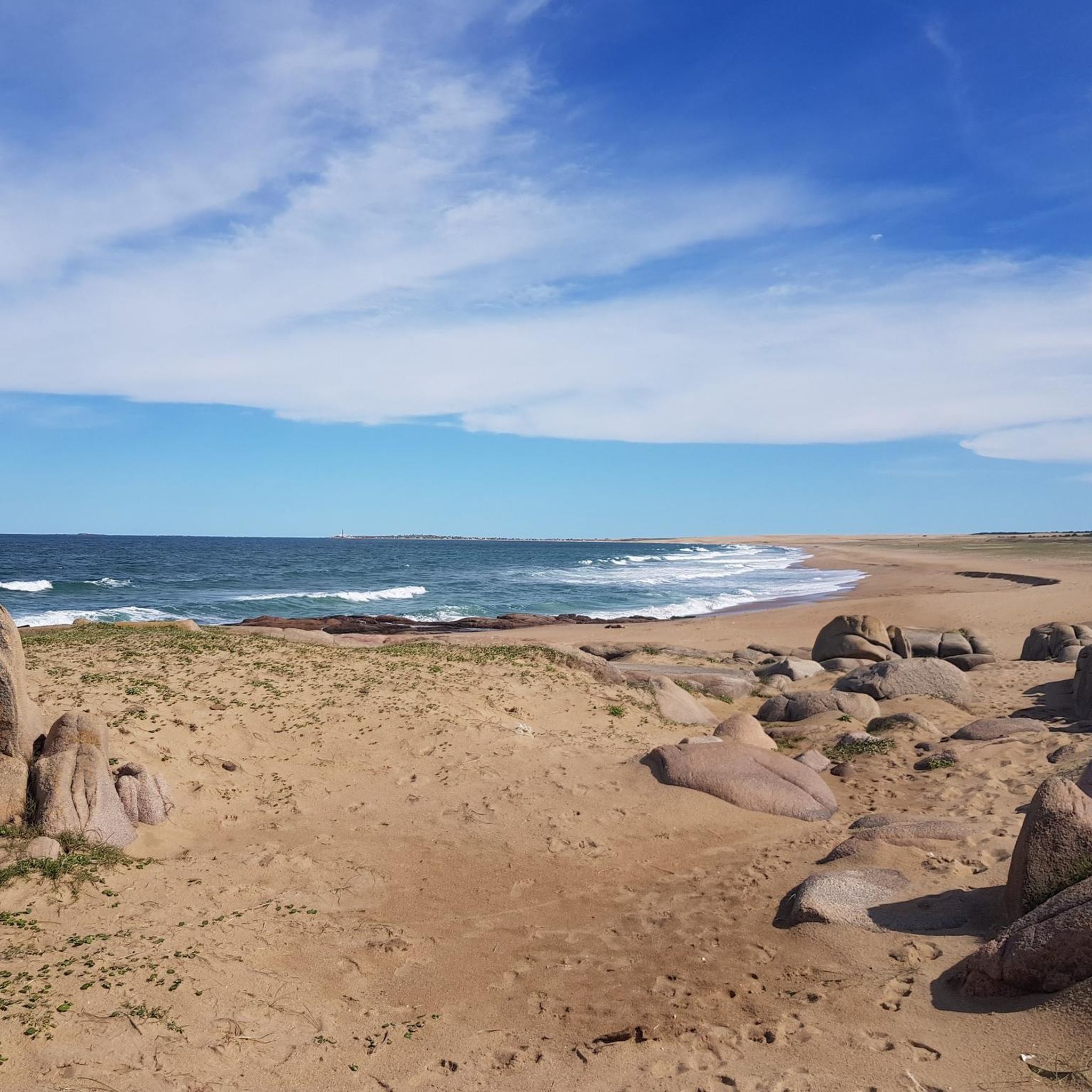
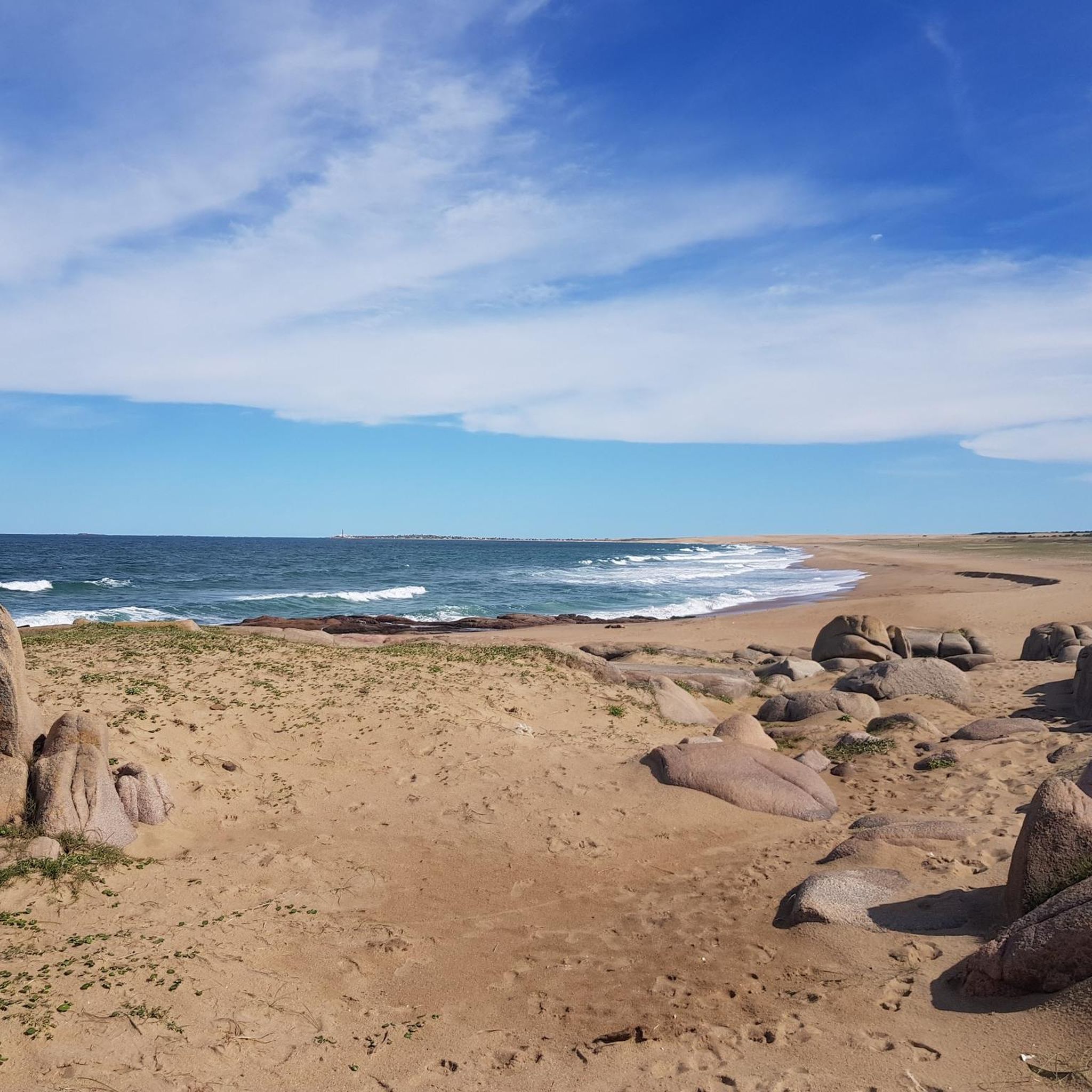
Yes, Uruguay offers diverse natural beauty. You can visit Cabo Polonio National Park, a remote reserve with wild sea lion colonies and sand dunes, or Quebrada de los Cuervos, featuring dramatic canyons and lush forests ideal for hiking. Santa Teresa National Park combines natural beauty with historical significance, offering forests, dunes, and beaches.
What are some family-friendly attractions in Uruguay?
Many attractions are suitable for families. The Historic Quarter of Colonia del Sacramento is great for a leisurely stroll. In Montevideo, Plaza Independencia and the Fountain at Plaza de la Constitución offer open spaces. The unique architecture of Casapueblo near Punta del Este can also be fascinating for all ages.
Where can I find unique architectural landmarks?
Uruguay features several unique architectural marvels. The Palacio Salvo in Montevideo is a striking Art Deco building. Near Punta del Este, Casapueblo is a remarkable white stucco citadel sculpted by artist Carlos Páez Vilaró. The Church of Atlántida, designed by Eladio Dieste, is another UNESCO-recognized architectural masterpiece.
What outdoor activities can I do near these attractions?
Uruguay offers various outdoor activities. Near Colonia del Sacramento, you can find moderate hiking routes like the Bastion of San Miguel – Las Delicias Trail loop. For easy hikes, consider the Cross on Cerro Pan de Azúcar loop or trails in Quebrada de los Cuervos. The Rambla of Montevideo is perfect for walking, jogging, and biking along the coast.
Are there any markets or places to experience local cuisine?
Absolutely. The Mercado del Puerto in Montevideo is an iconic market, perfect for sampling authentic Uruguayan cuisine, especially traditional *parrillada* (barbecued meat). You can also explore the Mercado de la Abundancia for more local flavors.
What is the best time of year to visit Uruguay's attractions?
The best time to visit Uruguay generally depends on your interests. For beach activities and a vibrant atmosphere, the summer months (December to February) are ideal, especially in coastal areas like Punta del Este. For exploring historical sites and cities like Montevideo and Colonia del Sacramento, the shoulder seasons (spring: September to November, and autumn: March to May) offer pleasant weather and fewer crowds.
Are there any accessible attractions for visitors with mobility needs?
Yes, some attractions in Uruguay are wheelchair accessible. Plaza Independencia in Montevideo is noted for its accessibility, allowing visitors to experience this central square and its monuments. When planning, it's advisable to check specific accessibility details for other sites.
Where can I find coastal attractions and beaches?
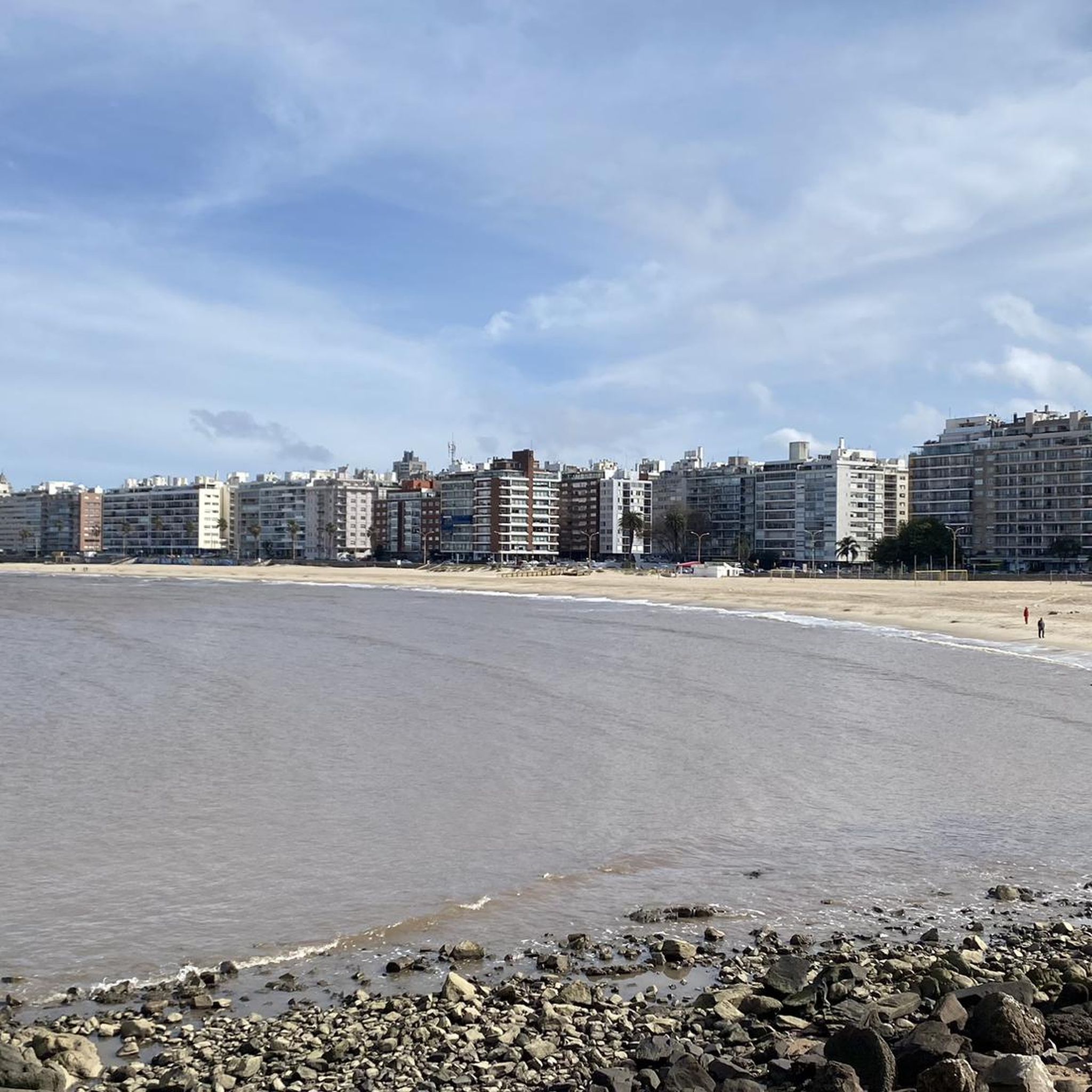
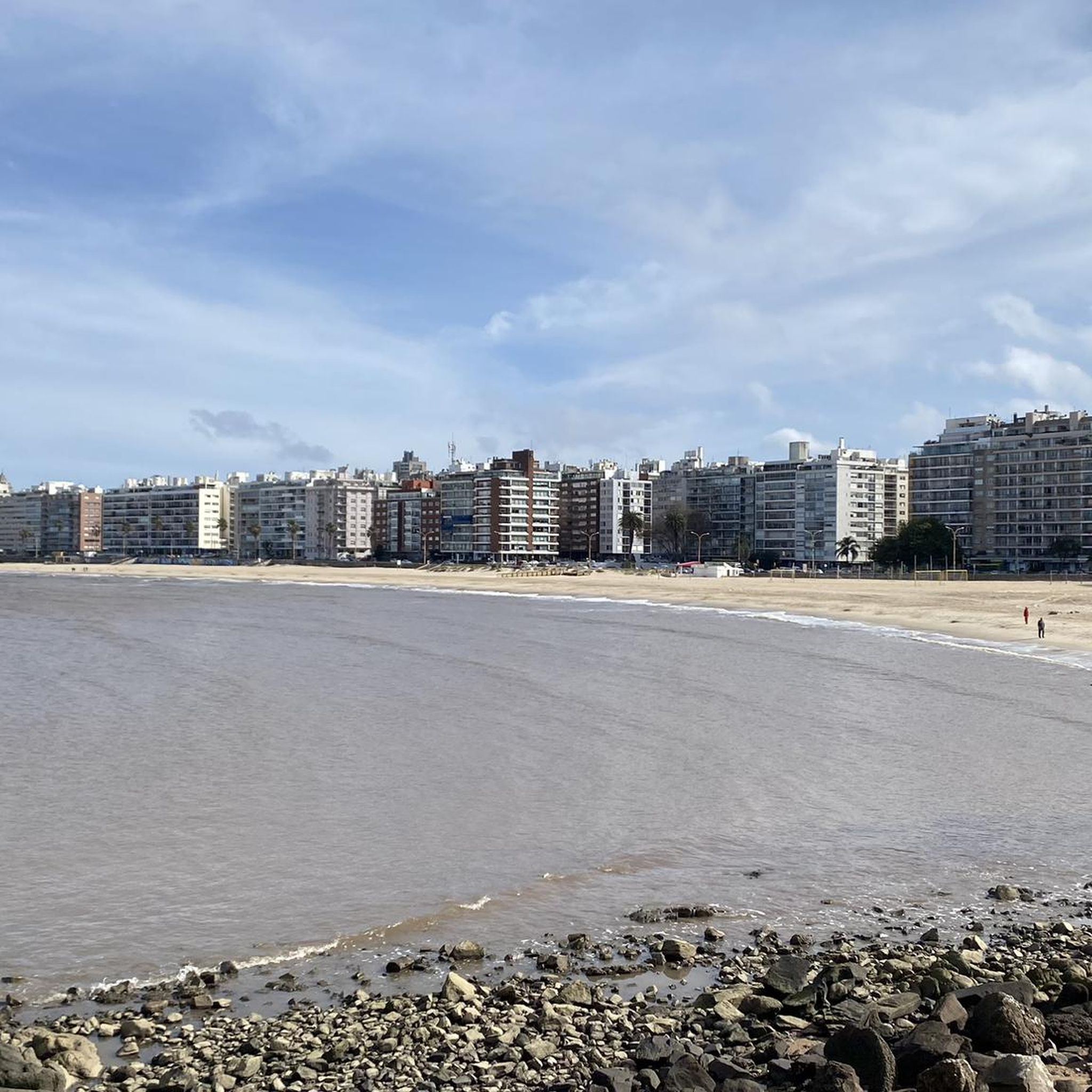
Uruguay is renowned for its beautiful coastline. Punta del Este is a popular beach resort with gorgeous beaches and the emblematic 'The Fingers' sculpture. Other notable coastal towns include Piriápolis, one of Uruguay's oldest seaside resorts, and La Paloma, known for its surfing conditions. The Rambla of Montevideo also offers scenic views along the Río de la Plata.
What are some lesser-known or 'hidden gem' attractions?
Beyond the main highlights, consider exploring Laguna Negra, a protected area in Rocha known for its deep, dark waters and diverse wildlife. The Sierra de las Ánimas in Maldonado offers hiking trails and impressive views of volcanic landscapes. Valle del Lunarejo Regional Natural Park is another impressive protected area with rich biodiversity and waterfalls.
Can I visit the Colonia del Sacramento Lighthouse?
Yes, the Colonia del Sacramento Lighthouse is a prominent feature in the Historic Quarter. You can climb to the top for panoramic views of the town and the Río de la Plata. It's often visited alongside the nearby San Francisco Convent Ruins.
What is there to see in Montevideo besides the main squares?
Beyond Plaza Independencia and Plaza de la Constitución, Montevideo offers the historic Teatro Solís, the grand Palacio Legislativo (Parliament building), and the Estadio Centenario, site of the first FIFA World Cup final. The Metropolitan Cathedral is also a significant religious and historical site.
Most popular attractions in Uruguay

Get inspired with the komoot mobile app


Didn’t find what you were looking for?
Are you keen on exploring more awesome places nearby? Browse our guides:
Explore more
Still not found the Highlight you’re looking for? See guides of the top attractions in other regions:
